
Posts Tagged ‘Victoria market update’
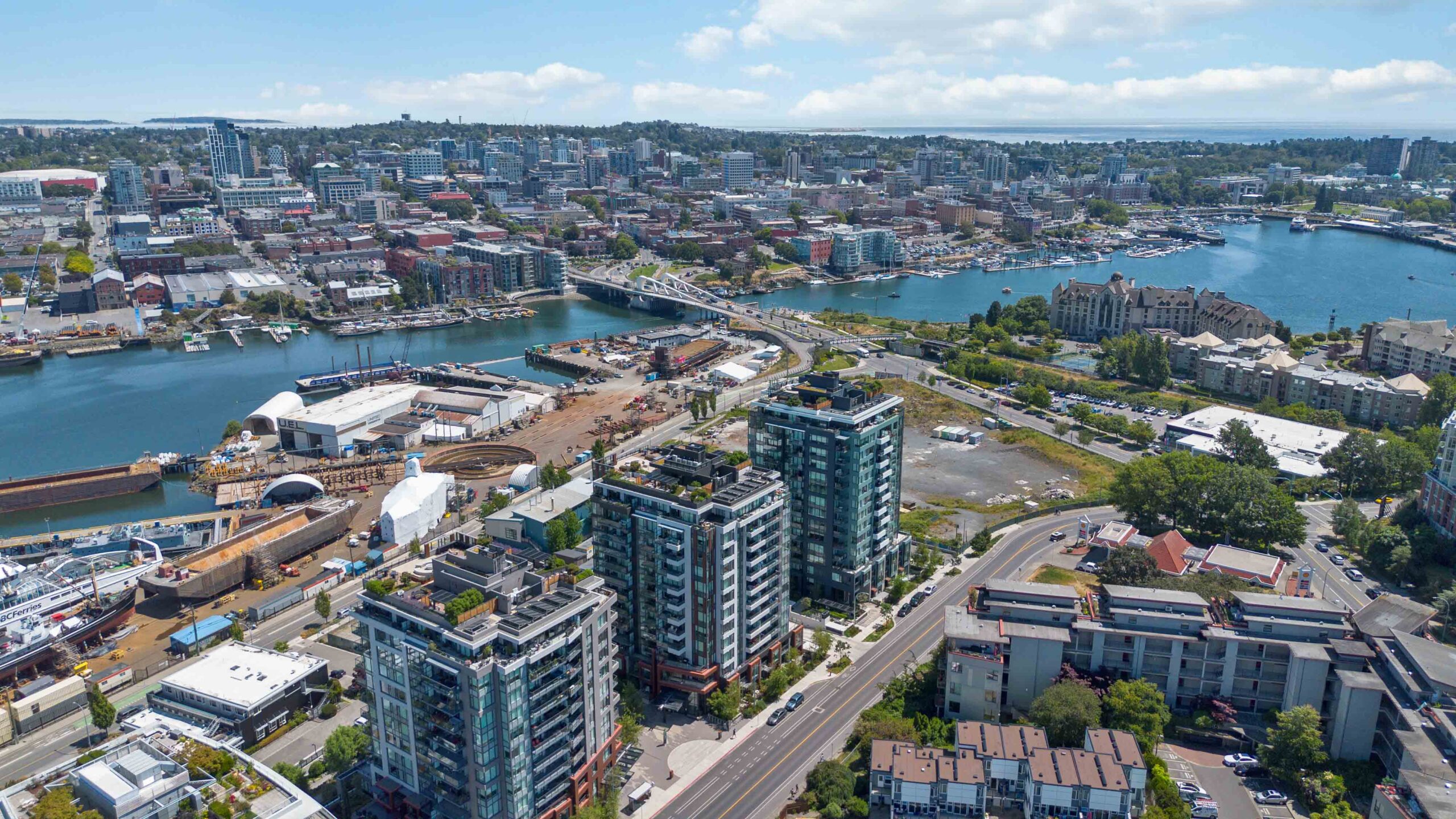
The Victoria real estate market in July 2026 continued to give buyers plenty of choice while still producing a solid level of sales activity. A total of 673 properties sold across the Victoria Real Estate Board region in July, just 1% fewer than July 2025 and 6.4% fewer than June. At the same time, 3,847 active listings remained on the market at month-end - 3.9% more than one year earlier. (Victoria Real Estate Board) The takeaway is not that Greater Victoria has suddenly become a slow market. Instead, buyers have more options, sellers have more competition, and individual properties are behaving very differently depending on location, property type, condition, and price. July 2026 Market at a Glance According to the Victoria Real Estate Board: 673 total sales - down 1% year over year 331 single-family home sales - up 4.1% year over year 209 condo sales - down 7.1% year over year 82 townhouse sales - down 15.5% year over year 3,847 active listings - up 3.9% year over year, but down 5.1% from June Victoria Core single-family benchmark: $1,311,000 Victoria Core condo benchmark: $548,600 Victoria Core townhouse benchmark: $857,300 VREB also noted that July sales finished above the five-year average for the month, despite the greater amount of inventory available to buyers. (Victoria Real Estate Board) More Choice Is Changing Buyer Behaviour The biggest story continues to be selection. While active inventory eased from June, buyers still had more properties available than they did at the same point last year. That gives many buyers more time to compare homes rather than feeling pressured to act immediately. However, more inventory does not mean every seller is highly negotiable. Well-priced homes in desirable locations can still attract attention quickly. The difference is that buyers now have more alternatives when a property feels overpriced, needs substantial work, or does not compare favourably with competing listings. This is especially noticeable in the condo market. Condo sales fell 7.1% from July 2025, while detached home sales actually increased 4.1%. That difference reinforces why looking at Greater Victoria as one single market can be misleading. (Victoria Real Estate Board) For a closer look at this segment, read Why Condos Are Facing More Competition in Victoria Right Now. Read the condo market article Prices Continued to Soften in the Victoria Core The MLS® HPI benchmark for a single-family home in the Victoria Core reached $1,311,000 in July, down 2.8% from $1,348,400 one year earlier and down from $1,326,500 in June. For condos, the July benchmark was $548,600, down 2.2% year over year and only slightly below June's $549,200 benchmark. (Victoria Real Estate Board) These numbers suggest some price pressure, but they should not be interpreted as meaning every home has dropped by the same amount. A renovated family home in Saanich, a downtown condo, an Oak Bay character home, and a newer Langford townhouse can all face very different levels of competition. That is why understanding your specific micro-market matters more than relying on one regional number. Why Greater Victoria Real Estate Is So Micro-Market Specific What July's Market Means for Buyers For buyers, the Victoria real estate market in July 2026 offered something valuable: time to compare. In many segments, buyers can look more closely at: Recent comparable sales Competing active listings Property condition and upcoming maintenance Strata documents and financials Monthly ownership costs Days on market Price reductions Offer terms and possession dates Long-term resale potential The opportunity is not simply to negotiate the lowest price. It is to use the additional selection to find the property offering the strongest combination of price, condition, location, and long-term fit. What July's Market Means for Sellers For sellers, additional inventory means your home needs a clear reason for buyers to choose it. Pricing based solely on what a neighbour sold for six months ago can create problems. Today's buyers are comparing your property with what else they can purchase right now. Strong results are still possible, but three factors matter considerably: 1. Pricing Your asking price needs to reflect current competing inventory and recent sales. 2. Presentation When buyers have several options, condition, photography, maintenance, layout, cleanliness, and overall presentation can influence which homes make the shortlist. 3. Positioning Every property has different strengths. The goal is to understand which buyer is most likely to value those strengths and build the marketing strategy around them. The Bottom Line July was not an inactive month. 673 sales and activity above the five-year July average show that buyers are still making moves. What has changed is how much choice they have while making those decisions. (Victoria Real Estate Board) For buyers, that can create better opportunities to compare, complete due diligence, and make thoughtful decisions. For sellers, it raises the importance of competitive pricing and strong presentation from the moment the property reaches the market. Most importantly, Greater Victoria remains a collection of individual micro-markets. Whether conditions favour you depends far more on your neighbourhood, property type, price range, and competition than on a single regional headline. Wondering What July's Market Means for Your Move? If you are considering buying or selling in Greater Victoria, we can break the July numbers down to the level that actually matters - your neighbourhood, property type, price range, and current competition. Contact Faber Real Estate Group for a current market analysis and a strategy based on the homes buyers and sellers are competing with today. Nicholas D., 5-Star Review, via Google ⭐⭐⭐⭐⭐ “Scott is an awesome realtor and real estate advisor. He got me all the information I needed incredibly quick and helped me make an informed buying decision. Couldn’t have done it without him and 10/10 will be recommending him to my friends and family! There are thousands of realtors on the island, but Scott and his team are by far the best” Faber Real Estate Group Royal LePage Coast Capital Realty 📞 250-244-3430 📧 [email protected] ℹ️ Scott Faber Personal Real Estate Corporation ℹ️ Cal Faber Personal Real Estate Corporation Vanessa Wood, Zachary Parsons, and Sophie Taylor “Building Lasting Relationships, One Home at a Time.” Market statistics sourced from the Victoria Real Estate Board's August 4, 2026 July market report. VREB cautions that market statistics show broader trends and do not establish the value of an individual property. (Victoria Real Estate Board)
Read more
Greater Victoria real estate market trends are giving buyers something they have not had as much of in recent years: more choice. For anyone buying in Greater Victoria, understanding Greater Victoria real estate market trends can help you make a more confident decision, compare homes carefully, and avoid reacting to headlines that do not tell the full story. The market is not the same in every neighbourhood or price range. A condo in downtown Victoria, a townhouse in Langford, and a detached home in Saanich can each behave differently. That is why buyers need to look beyond broad market labels and focus on what is happening in their specific budget, property type, and preferred area. What Buyers Need to Know First The current market is giving buyers more room to compare options, but it is not a market where every property is automatically negotiable. The best homes are still attracting interest when they are priced well, presented properly, and located in desirable areas. At the same time, buyers are becoming more selective. They are taking longer to make decisions, viewing more properties, and paying closer attention to condition, layout, monthly costs, and long-term value. For buyers, this creates an important opportunity. You may have more time to think, but you still need a clear strategy. Inventory Is Giving Buyers More Choice One of the biggest changes in the Greater Victoria market is the increase in active listings. When more homes are available, buyers can compare more options before writing an offer. This can reduce the feeling of urgency that many buyers experienced in hotter markets. Instead of feeling pressured to move immediately, buyers may have more time to understand value, review competing listings, and decide what trade-offs they are comfortable making. More inventory can help buyers ask better questions: Is this home priced in line with similar recent sales? How does it compare with other active listings? Has the property been sitting on the market? Are there condition issues that affect value? Is the seller likely to be flexible on price, dates, or terms? More choice does not remove the need for preparation. It simply gives prepared buyers more room to make thoughtful decisions. Buyers Are Comparing Value More Carefully In a market with more listings, buyers are less likely to overlook weak pricing or poor presentation. This is especially true when affordability is still tight. Monthly payments, strata fees, insurance, property taxes, maintenance, and future repairs all matter. A home that looks affordable on the purchase price alone may feel less practical once the full monthly picture is reviewed. For buyers, value is no longer just about getting the lowest price. It is about understanding what the home offers for the price. That may include: Location and walkability Layout and usable space Parking and storage Building condition Strata health Renovation needs Energy efficiency Suite potential Resale appeal The right home is not always the cheapest home. Sometimes the better purchase is the one with fewer surprises, stronger long-term usability, and clearer resale strength. Some Sellers Are More Motivated Than Others As market conditions shift, not every seller responds the same way. Some sellers price ahead of the market and adjust quickly if activity is slow. Others hold firm because they are not in a rush. Some homes come to market with strong pricing from day one, while others need time and feedback before the seller becomes more flexible. This matters for buyers because negotiation is not just about asking for a lower price. It is about understanding the seller’s position, the home’s history, and the level of competition. A strong buyer strategy may include: Reviewing recent comparable sales Checking how long the home has been listed Watching price reductions Comparing similar active listings Understanding whether there are competing offers Structuring terms that matter to the seller Sometimes the best opportunity is not the property with the biggest price reduction. It may be the home where the price, timing, condition, and seller motivation all line up. Well-Priced Homes Can Still Move Quickly More inventory does not mean buyers can wait forever on every property. Homes that are priced well, show well, and meet a clear buyer need can still move quickly. This is especially true for properties in popular school catchments, walkable neighbourhoods, well-run strata buildings, or price ranges where buyer demand remains steady. This is where buyers need balance. You do not want to rush into a poor decision because you are afraid of missing out. But you also do not want to over-wait on a strong opportunity that fits your needs, budget, and long-term goals. A good buying process should help you move at the right speed. Not rushed. Not passive. Prepared. Micro-Markets Matter More Than Headlines A headline might say the market is balanced, slower, stronger, or softer. But that does not mean every buyer has the same experience. Greater Victoria is made up of many micro-markets. A detached home in Oak Bay is not competing with a condo in Langford. A townhouse in View Royal may attract a different buyer pool than a rural property in Metchosin. A newer condo with parking and strong amenities may perform differently than an older building with upcoming repair concerns. Buyers should look at the market through three filters: Property Type Condos, townhomes, and detached homes each have different supply and demand patterns. A market trend that affects one property type may not apply to another. Price Range Some price points have more competition than others. Entry-level homes, family-friendly townhomes, and well-priced properties under key affordability thresholds may still attract strong attention. Neighbourhood Location still matters. Walkability, schools, commute routes, lifestyle, future development, and local amenities all affect how buyers respond to a listing. This is why local advice matters. A broad market trend can give you context, but a micro-market review helps you make a better decision. What This Means for First-Time Buyers First-time buyers may benefit from having more listings to compare, especially if they are open to condos, townhomes, or emerging areas outside the core. The key is to understand your full purchase budget before getting emotionally attached to a home. Purchase price is only one part of the decision. Closing costs, property transfer tax rules, strata fees, insurance, and maintenance should all be reviewed early. A slower market can help first-time buyers learn before they act. Viewing homes, comparing buildings, and understanding trade-offs can make the process feel less overwhelming. What This Means for Move-Up Buyers Move-up buyers often need to balance two decisions at once: selling their current home and buying the next one. More inventory can create opportunity on the buying side, especially if you need more space, a better layout, or a different location. However, the sale of your current home still needs to be priced and planned carefully. The right move-up strategy depends on timing, equity, financing, risk tolerance, and how desirable your current home is in today’s market. For some buyers, it may make sense to sell first. For others, buying first may be possible with the right financing and contingency plan. The important part is knowing your options before you are under pressure. What This Means for Downsizers Downsizers may find the current market helpful because there are more options to compare. This can be especially useful when moving from a detached home into a condo or townhome. Downsizing is not only about price. It is about lifestyle, building quality, storage, parking, accessibility, strata rules, and long-term comfort. With more inventory available, downsizers may have more time to find a home that fits practically and emotionally. The risk is waiting for perfect. The better strategy is to define what matters most, then compare homes against that list. How Buyers Can Use This Market Well A market with more choice rewards preparation. Before writing an offer, buyers should understand: Their comfortable monthly payment Their preferred neighbourhoods Their must-haves versus nice-to-haves Recent comparable sales Active competing listings Building or property condition Closing costs Offer terms and subject clauses Rescission rules and deposit timing This kind of preparation helps buyers act with confidence when the right property appears. It also helps buyers avoid overpaying for the wrong home or missing a good one because they were not ready. The Bottom Line for Buyers Current market trends are giving many Greater Victoria buyers more options, more time, and more room to compare value. That is a meaningful shift from the pressure many buyers felt in previous years. But more choice does not automatically make buying easy. The strongest buyers are the ones who understand their numbers, study the right micro-market, compare homes carefully, and know when to act. If you are thinking about buying in Greater Victoria, the best first step is not guessing where the market is going. It is understanding what the market means for your specific budget, property type, and timeline. Faber Real Estate Group can help you compare neighbourhoods, review current listings, understand recent sales, and build a buying strategy that fits your goals. View our neighbourhood guide here James C., 5-Star Review, via Google “Scott made the process of finding a good condo in Victoria as simple and straightforward as it can be. He was always very helpful, and quick to respond throughout the process from start to finish. Being new to BC I think the ordeal would have been pretty overwhelming otherwise. I'd definitely recommend Scott and his team to others in the future.” Faber Real Estate Group Royal LePage Coast Capital Realty 📞 250-244-3430 📧 [email protected] ℹ️ Scott Faber Personal Real Estate Corporation ℹ️ Cal Faber Personal Real Estate Corporation Vanessa Wood, Zachary Parsons, and Sophie Taylor “Building Lasting Relationships, One Home at a Time.”
Read more
The spring market in Victoria, BC is now taking shape, and this year it looks more balanced, more selective, and less rushed than the fast-moving markets many people still remember. March 2026 sales in the Victoria Real Estate Board region rose to 579 properties, up 24.5 per cent from February, while active listings climbed to 3,261. VREB described this as a fairly typical spring pattern that usually builds toward May or June. More Listings Means More Choice One of the clearest themes this spring is inventory. Buyers are seeing more options than they did in many recent spring markets, and that changes the tone of the market. At the end of March 2026, active listings were up 12.3 per cent from February and 7.9 per cent from March 2025. That matters because more selection usually gives buyers more time to compare properties, review documents carefully, and make decisions with less pressure. This trend was already building in February. VREB reported 2,903 active listings at the end of that month, up 10.6 per cent from January and 10.4 per cent from the year before. In other words, spring did not suddenly appear in March. It has been building in stages, with supply steadily improving as more sellers prepare to list. Buyers Should Expect Better Conditions Than Recent Years For buyers, this spring should feel more manageable than the highly competitive conditions of past years. VREB noted that current conditions are creating fewer high-pressure transactions and allowing more time for due diligence. That does not mean every home will sit or every seller will negotiate heavily. Well-priced homes in strong locations can still move quickly. It does mean buyers have a better chance to compare options and make decisions with a plan rather than panic. That fits the broader provincial picture as well. BCREA says inventory across BC is running near its highest level in more than a decade, and it expects markets to remain broadly balanced in 2026, with price growth tempered by higher supply. Sellers Should Expect More Competition For sellers, the spring market still offers opportunity, but not in the same way it did in ultra-tight markets. More listings mean more competition. Buyers have more homes to compare, so pricing, presentation, and strategy matter more. A property that is well prepared and priced in line with today’s market can still attract strong attention. A property that is overpriced or poorly presented may sit longer than expected. This is where many sellers can get caught off guard. Spring brings more buyer activity, but it also brings more competing listings. More activity does not automatically mean more leverage for every seller. In a balanced market, the homes that stand out usually do so because the strategy behind them is stronger, not because the season alone carries them. This matches the current reality that VREB describes as offering opportunities for both buyers and sellers rather than strongly favouring one side. Prices Are Showing Stability More Than Acceleration If you are wondering whether spring 2026 will bring a sharp jump in prices, the current data suggests a steadier pattern. In the Victoria Core, the MLS HPI benchmark for a single-family home was $1,330,200 in March 2026, down 1.1 per cent from March 2025 but up from February 2026. The benchmark for a condo was $553,800, down 0.8 per cent year over year and also up month over month. That tells an important story. Prices are not showing the kind of fast upward pressure that buyers feared in past spring markets, but they are also not collapsing. Instead, we are seeing a market where values are relatively stable, with modest month-to-month improvement as spring demand builds. What This Means for Buyers If you are buying this spring, expect more choice, more time to think, and more room to be strategic. That said, do not confuse a more balanced market with an easy market. Good homes can still attract competition, especially if they are priced well and show well. The advantage for buyers this year is not unlimited negotiating power. It is the ability to be more deliberate. A smart buyer strategy this spring is to get clear on your budget, target neighbourhoods, and must-haves before the right property appears. When the right fit does come up, preparation still matters. The buyers who do best in a balanced spring market are often the ones who are patient first and decisive second. What This Means for Sellers If you are selling this spring, expect buyers to notice value gaps more quickly. They have more listings to compare, and that makes strong pricing and strong presentation more important. Spring can still be an excellent time to list, but it is no longer enough to rely on seasonal momentum alone. Sellers who are realistic from the start often put themselves in a stronger position than those who test the market too high and hope conditions will do the work for them. In this market, preparation, marketing quality, and pricing discipline are what create leverage. The Bottom Line on This Year’s Spring Market The spring market in Victoria, BC looks active, but measured. Sales are rising seasonally, inventory is improving, and the market is giving both buyers and sellers room to make better decisions. That is a healthier environment than the rushed conditions many people associate with spring real estate. It also means strategy matters more than ever. If you are planning to buy or sell this spring, the best next step is not to guess where the market is going. It is to understand how your specific property type, price point, and area fit into today’s conditions. If you want help building the right plan for this spring market, contact Faber Real Estate Group for advice tailored to your move. Leanne D, 5-Star Review, via Google “I would highly recommend the Faber Group this is the second time we have used them and have been over the top happy with their service. They are an honest group of men who all go above and beyond to make your experience perfect!” Faber Real Estate Group Royal LePage Coast Capital Realty 📞 250-244-3430 📧[email protected] ℹ️ Scott Faber Personal Real Estate Corporation ℹ️ Cal Faber Personal Real Estate Corporation Vanessa Wood, Zachary Parsons, and Sophie Taylor “Building Lasting Relationships, One Home at a Time.”
Read more
The 2026 Greater Victoria real estate market entered the year in a noticeably more balanced position. Inventory is higher year-over-year, sales remain seasonally soft, and prices are largely stable, with variation by neighbourhood and property type. Buyers have real choice again. Sellers who price realistically are still seeing solid outcomes. January 2026 Snapshot (VREB) Sales: 339 properties sold region-wide 19.7% fewer than January 2025 7.6% fewer than December 2025, consistent with winter trends Active Listings: 2,624 at month-end Up 3.1% from December Up 9.6% year-over-year Market Balance: Sitting on the line between balanced and buyer-friendly, depending on the neighbourhood Benchmark Prices at a Glance Victoria Core Single-family: $1,265,500 Down 2.5% year-over-year Slight uptick from December, signalling price stability Condos: $537,800 Down 1.5% year-over-year The most stable segment in the market Westshore Single-family benchmarks are not broken out monthly Langford, Colwood, and View Royal posted modest gains through 2025 Relative affordability and newer housing stock continue to support demand Saanich (East & West) Generally stable pricing Family-oriented neighbourhoods like Gordon Head, Broadmead, and Royal Oak are holding value well Data source: VREB MLS® Home Price Index, February 2026 release What This Means So Far The broader trend from 2025 into early 2026 is clear. Core Victoria single-family homes softened modestly over the past year. The Westshore posted small gains, supported by family demand and newer inventory. Saanich continues to act as the steady middle ground. What Buyers Can Expect in 2026 More selection, especially early in the yearInventory levels are the highest seen in several years. Expect more choice and slightly longer days on market across most areas. Stable pricing with room to negotiateCore Victoria single-family benchmarks are holding in the $1.25M to $1.3M range. The Westshore continues to offer the best value for buyers seeking detached homes. Condos remain buyer-friendlyCondos are still the most accessible entry point for first-time buyers and downsizers, with stable pricing and ample selection. Westshore continues to lead for growth and valueLangford, Colwood, View Royal, Westhills, and Royal Bay offer newer builds, family amenities, and long-term upside. Saanich delivers lifestyle and schoolsNeighbourhoods like Gordon Head, Cadboro Bay, Broadmead, and Royal Oak continue to command premiums. Inventory is tighter, so well-prepared homes still sell quickly when priced correctly. Rates and external factors matter, but less dramaticallyMortgage rate stability or modest Bank of Canada cuts would support confidence. The market has returned to normal seasonal patterns rather than urgency-driven behaviour. Bottom Line for 2026 The 2026 Greater Victoria real estate market is healthy and sustainable. Buyers have more choice than at any point since 2021, prices are not falling sharply, and demand remains steady in well-located neighbourhoods. If you are planning to buy this year, the first half of 2026 offers one of the strongest windows we have seen in recent years, particularly in the Westshore and select areas of Saanich. If you would like to discuss your options or explore opportunities in your target neighbourhood, feel free to reach out anytime. Noel A., 5-Star Review, via Google “My partner and I had a great experience with Scott and the Fabers with our first home purchase. Scott answered all questions we had and helped guide us to make the right purchase that fit our lifestyle. Would highly recommend the Fabers!” Faber Real Estate Group Royal LePage Coast Capital Realty 📞 250-244-3430 📧[email protected] ℹ️ Scott Faber Personal Real Estate Corporation ℹ️ Cal Faber Personal Real Estate Corporation Vanessa Wood, Zachary Parsons, and Sophie Taylor “Building Lasting Relationships, One Home at a Time.”
Read more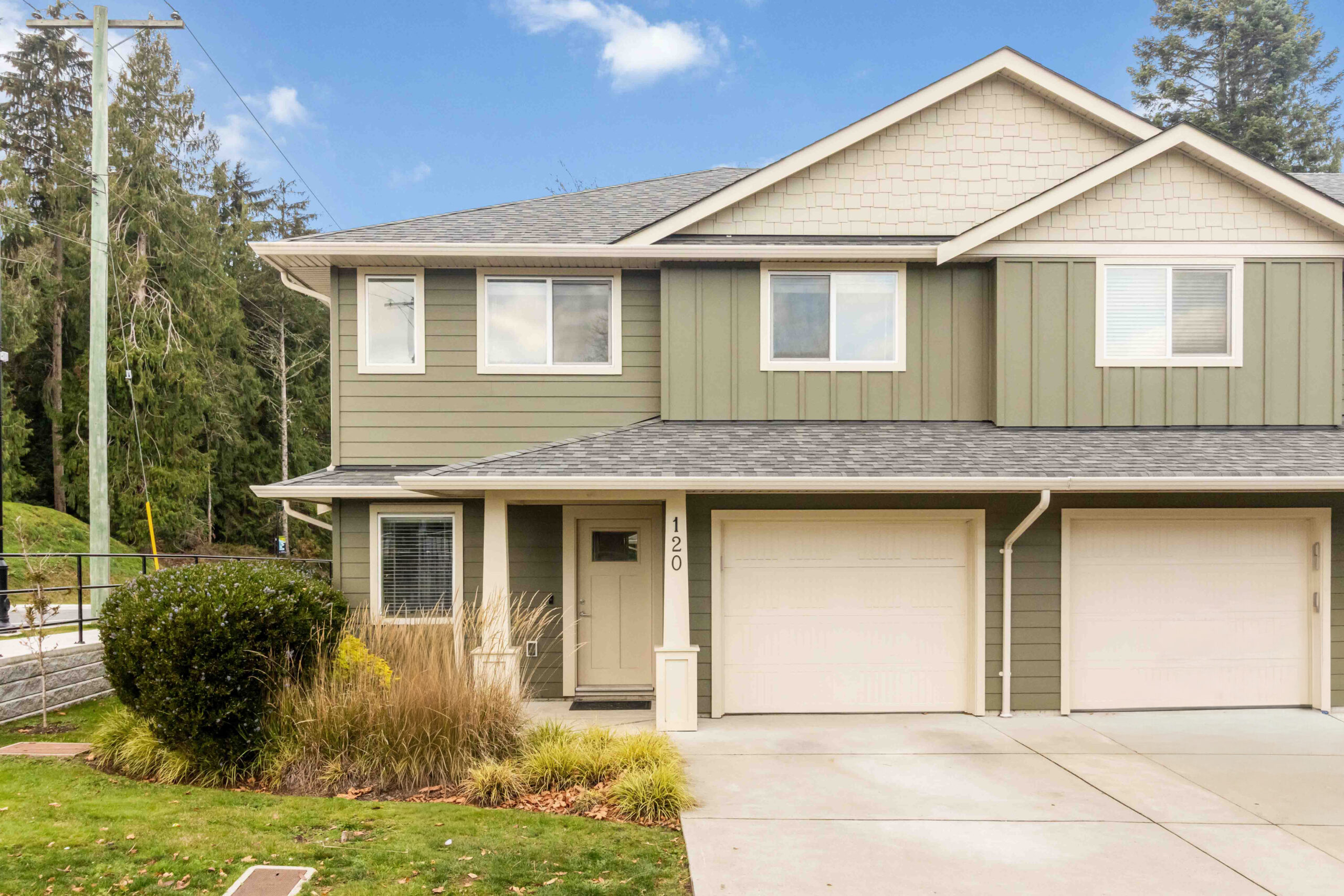
Monthly real estate headlines often focus on average prices or sales counts, but those numbers rarely tell the full story. When we look more closely at the Victoria Core vs Westshore real estate market, clear differences emerge in pricing, buyer behaviour, and overall momentum. November’s single-family home statistics highlight why understanding sub-markets matters more than ever for both buyers and sellers. Sales Activity: Two Markets Moving at Different Speeds In November, the Victoria Core continued to show steady but cautious activity. Single-family home sales remained consistent, supported by limited inventory and ongoing demand for established neighbourhoods close to downtown, schools, and employment centers. Buyers in this area tend to be move-up purchasers and long-term homeowners who are less sensitive to short-term rate fluctuations. The Westshore, by contrast, saw stronger sales momentum. Communities such as Langford, Colwood, and Sooke benefited from relative affordability and a growing supply of newer homes. First-time buyers and young families were more active here, particularly in neighbourhoods offering newer construction and flexible floor plans. Pricing Trends: Stability vs Opportunity Single-family home prices in the Victoria Core remained relatively stable through November. Limited supply continues to support values, even as buyers take more time to make decisions. Well located homes that are priced appropriately and presented well are still selling, but unrealistic pricing is being met with resistance. The Westshore continues to offer more pricing flexibility. While prices have increased over the long term, November data shows that buyers still have opportunities, particularly in areas with higher inventory levels. Sellers who understand current market conditions and price strategically are seeing solid results, while overpriced listings are taking longer to sell. Days on Market and Buyer Behaviour Days on market remain shorter in the Victoria Core compared to the Westshore, reflecting the ongoing demand for central locations. Buyers here are selective, often focusing on homes that require minimal work or offer unique lot value. In the Westshore, average days on market are slightly longer, giving buyers more negotiating power. Conditions, financing terms, and inspection clauses are more common, which is a notable shift from the peak market years. This environment rewards well-prepared sellers who address deferred maintenance and present homes clearly. Inventory Levels and What They Signal Inventory in the Victoria Core remains constrained, particularly for detached homes under common price thresholds. This continues to limit choice for buyers but supports price stability for sellers. The Westshore has seen a healthier level of new listings, especially in newer subdivisions. This added selection is helping balance the market and reduce pressure on buyers, while still maintaining steady overall activity. What This Means for Buyers and Sellers For buyers, November’s data reinforces the importance of location specific strategy. The Victoria Core requires decisiveness and preparation, while the Westshore allows for more comparison shopping and negotiation. For sellers, understanding your micro market is critical. A pricing strategy that works in Fairfield or Oak Bay may not translate directly to Langford or Colwood. Tailoring your approach to local conditions is key to achieving strong results.
Read more
As realtors who have worked through hot cycles, slowdowns, and everything in between, we can confidently say that Greater Victoria is currently a balanced market. Not the runaway bidding wars of 2021-2022, and not the ultra-cautious environment immediately after the interest rate hikes. Instead, we’re in a middle ground where good properties sell, and buyers have room to think. Inventory and Sales Pressure The clearest indicator of balance is inventory relative to demand. At the end of October 2025, the Victoria Real Estate Board recorded 3,423 active listings across Greater Victoria. That’s well above the extremely low inventory levels of the pandemic boom, but it isn’t oversupply. It allows buyers to compare options without forcing sellers to slash prices. The sales-to-active-listings ratio sits around 18-20 percent. Industry standards consider roughly 12-16 percent a buyer’s market and 20-28 percent a seller’s market. The mid-to-high teens is the territory we call balanced. In practice, this means neither side has full leverage: buyers can negotiate, and sellers can still get fair results when priced correctly. What Prices Are Doing Prices in 2025 are steady overall, though the behavior varies by product type. The benchmark price for a single-family home in the Victoria core is approximately $1,276,500. That is down about 1.8 percent from 2024. The drop is far from a crash; it’s more of a normalization after years of outsized growth. Condominiums are holding firm. The benchmark condo price in the core is just over $551,000, up roughly 0.6 percent year-over-year. This segment benefits from affordability pressures and downsizers returning to the city. Townhomes sit in between. Average sales this year hover around $815,000, with a median around $794,500. They offer more space than a condo without the single-family price tag, and they remain attractive to young families. Across all property types, homes are selling close to listing price. Most transactions land in the 97-98 percent of asking range, which is another sign of equilibrium. When a market favors sellers, you see multiple offers and over-asking. In a soft market, homes sell well below list. Right now, neither extreme is dominant. How This Feels on the Ground If you’re a buyer, you can breathe. You’re no longer racing through 15-minute showings only to hear the home sold before you’ve reached your car. You can walk through several properties, compare finishes and layouts, and analyze monthly costs. You still need pre-approval and a strategic approach, but you have the luxury of choice. If you’re a seller, strategy matters more than ever. A well-priced home in a core neighbourhood like Fairfield, Oak Bay, or East Saanich still attracts strong attention. Listings that land above the comparable range or need too much work for today’s buyers will sit. Presentation, staging, and timing have become essential strategies again rather than optional add-ons. Why Balanced Markets Are Often the Best Balanced markets tend to be healthier and more sustainable. In an overheated market, buyers stretch beyond comfort, waive due diligence, and often regret the decisions that follow. In a weak market, sellers feel trapped or discouraged. Balance creates clarity. It allows everyone involved to act rationally, negotiate fairly, and make informed decisions. The Greater Victoria market is dynamic by nature. It reacts to interest rates, lifestyle migration, limited land supply, and the value people place on this region. But right now, the numbers and the day-to-day experience line up: this is not a market tilted heavily toward either party. It is one in which preparation and proper advice matter more than brute force. Justine Dancey, 5-Star Review, via Google “Cal and Scott treated us like family. We had only 5 days to find a home and Cal cleared his schedule to make himself available to us. Cal guided us in the purchase of our home, as if we were a member of his family asking for advice. I knew we could trust Cal. His service to us did not stop with the purchase of our home…he helped us find trades people and provided information about rental incomes in the area. We were new to the Island and I honestly felt that Cal adopted us and has made sure we had everything we needed. We did not just gain a realtor, but a friend. If you are looking for a realtor you can TRUST, and will look out for YOUR interests— then Cal and Scott are IT!!!” Faber Real Estate Group Royal LePage Coast Capital Realty 📞 250-244-3430 📧[email protected] ℹ️ Scott Faber Personal Real Estate Corporation ℹ️ Cal Faber Personal Real Estate Corporation Vanessa Wood & Zachary Parsons “Building Lasting Relationships, One Home at a Time.”
Read more