
Posts Tagged ‘Victoria housing market 2026’

Should you buy now or wait until fall in Victoria? It is a reasonable question, especially when buyers are seeing more listings, hearing mixed opinions about interest rates, and wondering whether better opportunities could appear later in the year. The problem is that waiting only works when something specific is expected to improve. Fall may bring different listings and changing market conditions, but it does not guarantee lower prices, lower mortgage payments, or less competition. The Short Answer Buyers who are financially prepared, understand their monthly costs, and find the right property may have good reasons to act now. Buyers who need more time to strengthen their finances, sell another property, or clarify what they need may benefit from waiting. The decision should depend less on predicting the fall market and more on whether waiting creates a measurable advantage. What the Victoria Market Looks Like Right Now The Greater Victoria market is offering buyers more selection than it did during the low-inventory years. In June 2026: 719 properties sold across the Victoria Real Estate Board region Sales were 5.5% lower than in June 2025 There were 4,054 active listings at the end of the month Active inventory was 7.3% higher than one year earlier VREB described the market as active and balanced, with buyers generally having more time and more options to compare properties. Prices have also varied by property type. In the Victoria Core, the June benchmark was approximately $1,326,500 for a single-family home and $549,200 for a condominium. Both were slightly lower than their June 2025 benchmarks. This does not mean every property is negotiable or that prices are falling evenly across the region. Well-priced homes in desirable locations can still attract strong interest. Why Buying Now May Make Sense You Have More Properties to Compare Higher inventory can give buyers more opportunities to compare: Condition Location Layout Strata fees Parking and storage Renovation requirements Monthly ownership costs Seller motivation More listings do not automatically mean lower prices, but they can reduce the pressure to make a rushed decision. You May Have More Negotiating Room Negotiation is not limited to the purchase price. Depending on the property and seller, buyers may be able to negotiate: Subject conditions Completion and possession dates Included items Repairs Credits or adjustments Deposit timing A price that reflects the home’s condition Properties that have been sitting on the market or competing with several similar listings may give buyers more room to structure favourable terms. The Right Property Is Available Now A home that fits your budget, location, layout, and long-term plans may be more valuable than a hypothetical fall opportunity. Waiting may produce a lower-priced listing. It may also mean losing a home that is unusually well suited to your needs. The goal is not to buy quickly. It is to recognize when the right combination of property, price, and terms becomes available. Why Waiting Until Fall May Make Sense Waiting can be a smart strategy when the extra time improves your position. That may include: Increasing your down payment Paying down debt Improving your credit Confirming employment or income Selling your current home Receiving a clearer mortgage approval Narrowing your preferred neighbourhoods Building a stronger emergency fund In these situations, waiting is not an attempt to time the market. It is a way to become a more prepared buyer. Do Not Assume Mortgage Rates Will Be Lower The Bank of Canada held its policy rate at 2.25% on July 15, 2026. Its next scheduled rate announcement is September 2, 2026. The Bank also emphasized that economic and inflation uncertainty remains elevated. That means buyers should avoid building their plans around an assumed fall rate reduction. BCREA’s June mortgage outlook expected the Bank of Canada to hold its policy rate through the remainder of 2026, while noting that fixed mortgage rates remain sensitive to bond markets and global economic conditions. Rates could improve, remain similar, or move higher. A lower rate could also bring more buyers back into the market, increasing competition for desirable homes. The better approach is to calculate what you can comfortably afford under current conditions and treat any future improvement as a benefit rather than a requirement. Victoria Is Not One Real Estate Market Market timing can look very different depending on what you are buying. A downtown condo does not compete in the same market as a detached home in Saanich. A Langford townhome may face different supply and demand than a character home in Fairfield or a waterfront property on the Peninsula. Your decision should consider: Property type Price range Municipality Strata or freehold ownership Condition New construction versus resale Number of competing listings Recent comparable sales Broader statistics provide context, but the best timing decision comes from studying the specific micro-market where you plan to buy. Four Questions to Ask Before Waiting Before postponing your search until fall, ask: 1. What exactly do I expect to improve? Identify whether you are waiting for better finances, more suitable inventory, lower rates, or lower prices. 2. Is that improvement within my control? Saving more money is within your control. Predicting where home prices or mortgage rates will be in October is not. 3. What happens if conditions do not improve? Consider whether you would still buy in the fall if prices, rates, and inventory remained similar. 4. Would the right home today change my decision? If the answer is yes, it may make sense to remain active while keeping strict criteria rather than pausing your search completely. The Bottom Line Deciding whether to buy now or wait until fall in Victoria is not about choosing the perfect month. Buying now may make sense when: Your finances are ready Your monthly payment is comfortable You expect to remain in the home long enough The right property is available The price and terms reflect the current market Waiting may make sense when: Your financial position will clearly improve Your timeline is flexible Current inventory does not meet your needs You are still uncertain about location or property type Buying now would place too much pressure on your budget A strong buying decision is based on preparation, property-specific value, and personal timing - not the hope that the next season will automatically offer a better deal. Compare Buying Now With Waiting Until Fall If you are unsure whether to act now or pause your search, Faber Real Estate Group can compare current listings, recent sales, monthly ownership costs, and competition within your preferred Victoria neighbourhoods. The goal is not to push your timeline forward. It is to help you understand what waiting could improve, what it could cost, and whether the right opportunity is already available. Douha E., 5-Star Review, via Google “Finding a home can be stressful, but Scott made it easy. He was so patient with us, answered all our questions, and gave us honest advice that helped us find the perfect home. We’re thrilled with the outcome and would 100% recommend Scott to anyone looking to buy. He’s great!” Faber Real Estate Group Royal LePage Coast Capital Realty 📞 250-244-3430 📧 [email protected] ℹ️ Scott Faber Personal Real Estate Corporation ℹ️ Cal Faber Personal Real Estate Corporation Vanessa Wood, Zachary Parsons, and Sophie Taylor “Building Lasting Relationships, One Home at a Time.”
Read more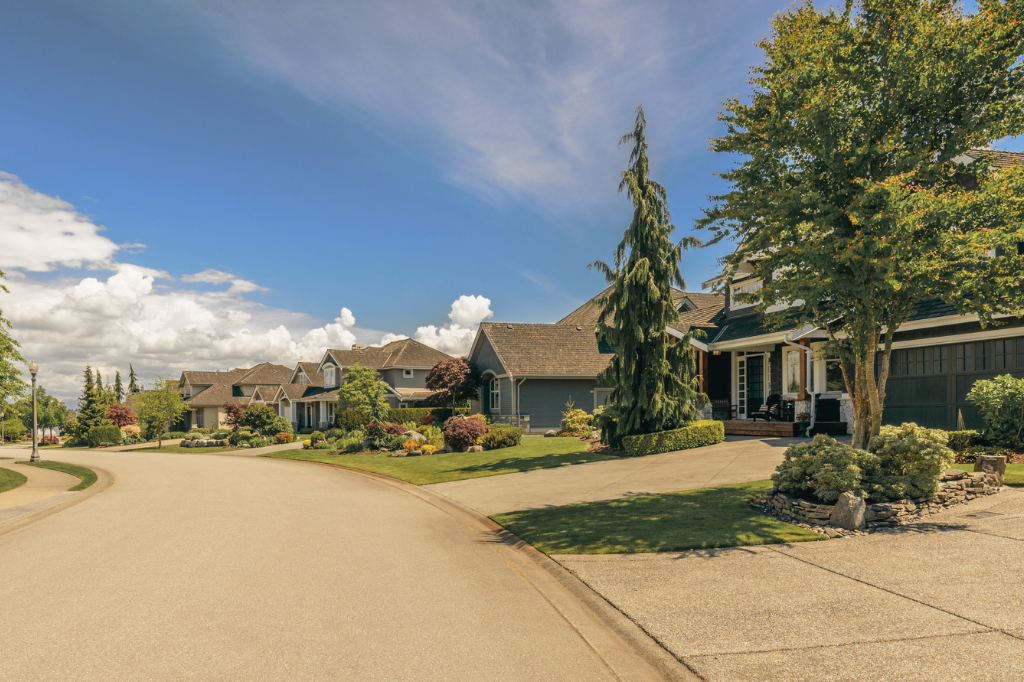
If you are wondering whether to relist or wait if your home is not selling, you are not alone. In today’s Greater Victoria market, many sellers are asking whether they should relist or wait if your home is not selling after showings slow down, feedback turns vague, or the listing simply sits. The real answer is that neither option fixes the problem on its own. In most cases, the issue is not the listing date. It is the strategy behind the listing. That matters even more in the current market. The Victoria Real Estate Board reported 579 sales in March 2026, down 5.5% from March 2025, while active listings rose to 3,261, up 7.9% year over year. VREB also described current conditions as a market with good supply and reasonable demand, which means buyers have options and sellers face more competition. The Real Problem Usually Is Not Time When a home does not sell, sellers often blame the clock. They think: maybe we need to take it off the market maybe buyers are ignoring it because it has been listed too long maybe a fresh MLS number will solve it Sometimes a relist can help at the margins. Most of the time, though, it does not change the reason buyers passed in the first place. A home usually sits for one of five reasons: the price does not match current buyer expectations the presentation is not strong enough online the property is reaching the wrong audience the condition or showing experience creates hesitation the seller’s expectations have not adjusted to current competition In a market with more inventory, buyers compare harder, hesitate longer, and negotiate more confidently. VREB’s March 2026 update said both sales and listings increased from the previous month in a typical spring pattern, but inventory remains elevated. That means a listing has to feel well-positioned, not just available. When Relisting Can Make Sense Relisting can be the right move, but only when something meaningful has changed. That could include: a clear price correction new photos or much better marketing repairs, staging, or decluttering that change buyer perception a different launch strategy a shift in market timing after a quieter period In other words, relisting works best when it reflects a new offer to the market, not just a new start date. A relist without a real change often backfires. Buyers may still recognize the property, especially in neighbourhoods where they are watching closely. If the same home comes back with the same price, same presentation, and same issues, the market usually reads that as a seller trying to reset the optics rather than improve the value. When Waiting Might Make Sense Waiting can make sense too, but only for the right reason. It may be worth pausing if: you know you are entering a better seasonal window for your property type you need time to improve condition or presentation there is a personal timing reason that makes selling now too rushed your next move depends on better preparation, not blind patience What usually does not work is waiting in the hope that buyers will suddenly become less selective. Right now, Greater Victoria is not suffering from a lack of choice. Active listings were up 12.3% from February to March 2026 and up 7.9% year over year, giving buyers more selection. In that kind of environment, a seller who waits without improving strategy can come back to the market facing the same challenge again. What a Sitting Listing Is Actually Telling You A listing that is sitting is feedback. Not emotional feedback. Market feedback. Here is how to read it: No showings This often points to price, photos, headline appeal, or early online presentation. Buyers are screening you out before they ever visit. Showings but no offers This usually means the home is creating interest but not confidence. The issue may be layout, condition, odour, light, deferred maintenance, or value relative to competing homes. Offers far below expectations This often means the market sees the home differently than the seller does. It can also mean buyers are building in room for updates, risk, or soft demand. Positive comments but no action This is one of the clearest signs the home is not winning the comparison test. Buyers may like it, but they do not like it enough at that price. A Better Question Than “Relist or Wait?” The smarter question is this: What needs to change for the next buyer to say yes? That shift matters. Because once you ask that, the plan becomes more practical: review competing active listings, not just past solds assess whether the current price still makes sense evaluate photos, copy, floor plan flow, and first impression study buyer feedback for patterns decide whether the home needs repositioning, not just more time This is especially important in a market where benchmark values have been relatively soft. In March 2026, the Victoria Core benchmark for a single-family home was $1,330,200, down 1.1% from March 2025, while the benchmark for a Victoria Core condominium was down 0.8% year over year. What We Usually Recommend Instead In many cases, the best strategy is neither “just relist” nor “just wait.” It is to reposition. That can mean: adjusting price to where today’s buyers see value improving staging, light, and photo quality rewriting the listing to match the real buyer profile tightening showing readiness relaunching with a clearer plan once the product is stronger The market rarely rewards stubbornness. It usually rewards clarity. A stale listing is not always a bad home. Often, it is simply a good home that met the market with the wrong strategy. Final Thought If your home is sitting, do not assume a relist will save it, and do not assume waiting will fix it. The better move is to find out why buyers are passing, then make a strategic decision based on price, presentation, competition, and timing. If you are trying to decide whether to relist, wait, or reposition your sale, contact Faber Real Estate Group for honest advice on what your listing is really telling the market and what to do next. Shandy B., 5-Star Review, via Google “Cal and Scott are exceptional realtors. We sold our beloved home with their help. They helped us price competitively and fairly, leading to a fast house sale in a slower market, as well as receiving more than we had hoped for the sale of our home. They were accommodating and respectful of our family needs, and helped us show our home in the best way possible. We felt like a priority every step of the way. The are honest and trustworthy! All the stars for the Faber group” Faber Real Estate Group Royal LePage Coast Capital Realty 📞 250-244-3430 📧[email protected] ℹ️ Scott Faber Personal Real Estate Corporation ℹ️ Cal Faber Personal Real Estate Corporation Vanessa Wood, Zachary Parsons, and Sophie Taylor “Building Lasting Relationships, One Home at a Time.”
Read more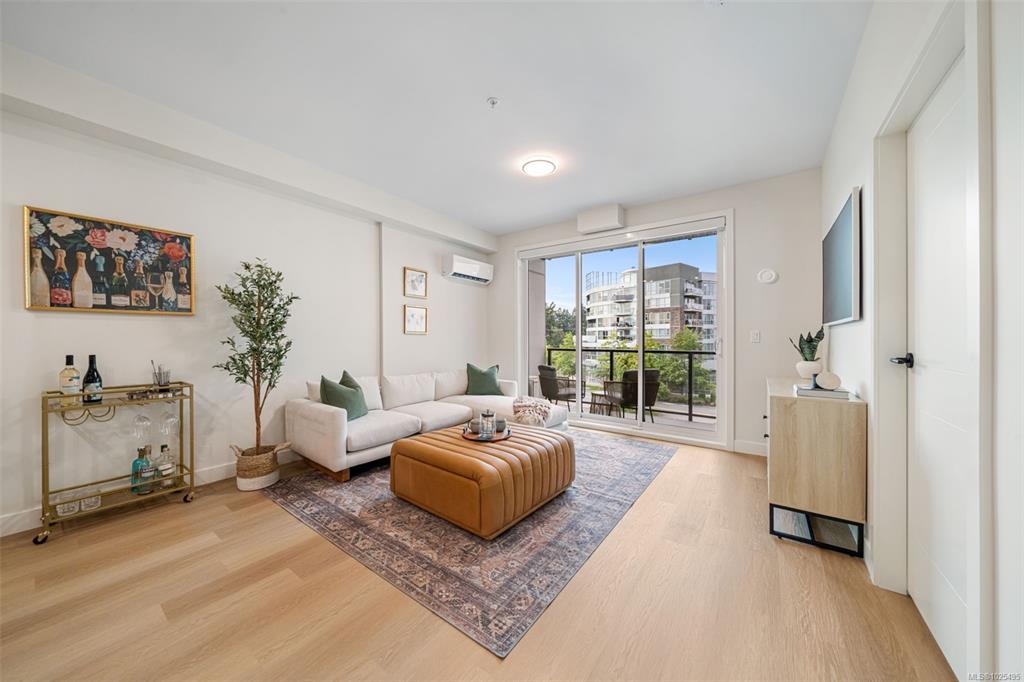
How to read the Victoria market without overreacting to headlines starts with one simple idea: national housing stories and local real estate decisions are not the same thing. It is easy to see a dramatic headline about falling sales, rising uncertainty, or interest rate risk and assume the same conclusion applies directly to Greater Victoria. However, the local market has its own mix of inventory, buyer demand, price behaviour, and micro-markets. In March 2026, the Victoria Real Estate Board reported 579 sales, which was 24.5 per cent higher than February, while active listings climbed to 3,261, up 7.9 per cent from March 2025. That is not a frozen market. It is a more balanced one. (vreb.org) That distinction matters. Nationally, CREA reported that Canadian home sales activity in March 2026 was virtually unchanged month over month, and Reuters reported that CREA also downgraded its 2026 forecast amid higher mortgage costs and wider uncertainty. At the same time, the Bank of Canada held its policy rate at 2.25 per cent on March 18, 2026. Those are useful signals, but they are not a substitute for local interpretation. (crea.ca; bankofcanada.ca; (Reuters)) Headline Risk Comes From Oversimplifying the Story Most headlines are built to compress a complicated market into one emotion. That emotion might be fear, urgency, optimism, or caution. The problem is that real estate decisions are rarely improved by emotional compression. A headline might say sales are down, but that does not tell you whether inventory is up, whether pricing is stable in your segment, whether one property type is outperforming another, or whether your neighbourhood is behaving differently from the broader region. VREB said current conditions in Greater Victoria are creating fewer high-pressure transactions and giving both buyers and sellers more time for due diligence. That is a much more useful insight than a broad headline suggesting the sky is falling. (vreb.org) Start With Inventory, Not Emotion If you want to understand what is really happening, start by asking how much choice buyers have. At the end of March 2026, there were 3,261 active listings in the VREB region. That was up 12.3 per cent from February and up 7.9 per cent from March 2025. More inventory usually means more competition for sellers and more leverage for buyers. It also means buyers can be more selective, which tends to stretch timelines and reduce panic-driven decisions. (vreb.org) This is why one negative sales headline can be misleading. If listings are up but prices are relatively stable, that is a different market story from a true downturn driven by weak demand and collapsing values. Then Look at Property Type The Victoria market is not one market. It is a collection of smaller markets. CREA’s Victoria market conditions data for the first quarter of 2026 shows different timelines by property type: single-family homes: 26 median days on market townhouses: 31 median days on market condominiums: 30 median days on market (creastats.crea.ca) It also shows higher months of inventory across all three major categories compared with a year earlier. Single-family inventory was 4.3 months in Q1 2026, townhouse inventory was 3.7 months, and condominium inventory was 5.3 months. (creastats.crea.ca) So if a headline says “the market is slowing,” the better question is: which part of the market? Price Changes Need Context Too Another common mistake is reacting to one price stat without asking what it actually measures. VREB’s March 2026 benchmark for a Victoria Core single-family home was $1,330,200, down 1.1 per cent from March 2025 but up from February 2026. The benchmark for a Victoria Core condominium was $553,800, down 0.8 per cent year over year and also up from February. (vreb.org) That is a more nuanced story than a dramatic “prices are falling” headline. In plain terms, some values are softer than a year ago, but the month-to-month trend into spring improved. That is exactly why broad headlines can distort what is actually happening on the ground. Pay Attention to Timing, Not Just Direction A lot of headlines miss the seasonal rhythm of Victoria real estate. VREB noted that March 2026 followed a fairly typical spring pattern, with both sales and listings increasing from the previous month and the market generally building toward a peak in May or June. (vreb.org) That matters because a temporary slowdown in January or February can look dramatic in a headline while still being completely normal in a seasonal market cycle. Without context, people mistake rhythm for risk. Use Headlines as Prompts, Not Conclusions Good market headlines can still be useful. They just should not be treated as your final interpretation. A better process is: read the headline check whether it is national, provincial, or local compare sales, inventory, and benchmark prices break the market down by property type ask what is happening in your actual neighbourhood and price band That approach is slower, but it leads to better decisions. What Buyers and Sellers Should Really Watch Instead of reacting to every market story, buyers and sellers in Victoria should focus on the indicators that affect strategy most directly: active listings and months of inventory median days on market by property type benchmark price movement over time competition in your exact neighbourhood and price segment whether your goals depend on speed, price, or flexibility For example, someone buying a condo in the core should not interpret the market the same way as someone selling a detached home in a tightly held neighbourhood. The Bigger Lesson The Victoria market rarely rewards people for being the most emotional person in the room. It usually rewards people who understand local conditions, compare the right numbers, and avoid making big decisions based on broad narratives. Headlines are designed to get attention. Strategy is designed to get results. Final Thought If you want to read the Victoria market without overreacting to headlines, focus less on noise and more on what the local data is actually saying. Inventory is higher, buyers have more room to think, and different segments are moving at different speeds. That is not a reason to panic. It is a reason to be more strategic. If you want help interpreting what the current market means for your next move, contact Faber Real Estate Group for grounded local advice tailored to your situation. Brandon S., 5-Star Review, via Google “My wife and I sold our condo in View Royal and bought a place in Esquimalt with the help of The Faber Group. Scott helped us to find and buy the perfect home for our growing family in a very competitive market. He got to know our wants and needs and worked within our schedule with a small baby. Once we found the perfect place Scott helped us to get it for under the asking price and sold our condo in one day on the market with multiple offers over asking! We are so grateful that Scott helped us through this process, answering our many questions and alleviating our concerns. Thank you for helping us sell our first home and buy a beautiful house for our family.” Faber Real Estate Group Royal LePage Coast Capital Realty 📞 250-244-3430 📧[email protected] ℹ️ Scott Faber Personal Real Estate Corporation ℹ️ Cal Faber Personal Real Estate Corporation Vanessa Wood, Zachary Parsons, and Sophie Taylor “Building Lasting Relationships, One Home at a Time.”
Read more
If you are asking what can $800k buy you in Greater Victoria, the answer depends less on the headline market and more on where you want to live, what type of property you want, and how flexible you are on age, size, and condition. In today’s market, $800,000 can still open real options, but it buys very different lifestyles depending on whether you are shopping in the Westshore, core Victoria, or the Saanich Peninsula. That matters because the market is offering buyers more choice than it did a few years ago. In March 2026, the Victoria Real Estate Board reported 579 sales, up 24.5% from February but 5.5% below March 2025, while active listings rose to 3,261, up 12.3% month over month and 7.9% year over year. At the same time, Victoria Core benchmark prices sat at $1,330,200 for a single-family home, $848,500 for a townhome, and $553,800 for a condo. That gives useful context: at $800,000, buyers are generally below the benchmark for detached homes in the core, close to the benchmark for townhomes, and well above the benchmark for many condos. Why $800K Means Different Things in Different Areas Greater Victoria is really a collection of micro-markets. A buyer with an $800,000 budget is not shopping one market. They are choosing between trade-offs. In simple terms: Want more square footage? Westshore usually gives you more. Want walkability and central location? Core Victoria often means condo or older townhome. Want detached potential? You may need to look farther out, accept a smaller home, or take on updates. Want a lower-maintenance lifestyle? This budget is still strong in the condo market. What $800K Usually Buys in Different Parts of Greater Victoria Langford and Westshore This is still one of the strongest areas for value at this price point. Around $800,000, buyers can often find: A newer 2- to 3-bedroom townhome A compact detached home on a smaller lot A larger condo with newer finishes and amenities This is why Langford remains attractive for first-time buyers, upsizers on a budget, and buyers who want newer construction without crossing into core Victoria pricing. Faber Group’s own recent neighbourhood comparison notes that $800,000 in Langford typically buys a newer townhome, a small detached home, or a large modern condo. Esquimalt Esquimalt often sits in an interesting middle ground. At this budget, buyers may find: A well-located townhome A larger condo in a solid building The occasional smaller detached home, half-duplex, or older property needing work For buyers who want to stay close to downtown without paying Fairfield or Oak Bay pricing, Esquimalt can be one of the more practical options. Saanich East and Gordon Head At $800,000, this budget becomes tighter in many East Saanich neighbourhoods. Buyers are more likely to be looking at: Older townhomes Larger condos Smaller detached homes in original condition, when available Faber Group’s local comparison notes that in Gordon Head and Saanich East, $800,000 often means an older townhome, a condo near UVic, or a detached home that needs updates rather than a move-in-ready family house. James Bay and Victoria Core If your goal is walkability, restaurants, downtown access, and a lower-maintenance lifestyle, $800,000 can still go a long way here, just usually not toward detached housing. Typical options may include: A spacious condo in a concrete building A renovated two-bedroom condo Select townhomes, depending on building and location In James Bay especially, this budget often buys lifestyle more than land. That can be a smart trade for downsizers, professionals, or buyers who want to live close to the Inner Harbour and Dallas Road. Fairfield Fairfield is one of those neighbourhoods where $800,000 buys access, not abundance. Buyers are usually looking at: Smaller condos Garden-level or older units Select townhomes or leasehold opportunities Detached character homes in Fairfield generally sit well above this range, so buyers need to be realistic about what the budget is buying here: location, charm, and walkability. Sidney and the Saanich Peninsula In Sidney, $800,000 can still be competitive, but buyers are often choosing between: A quality condo with good square footage A townhome A smaller or older detached option, depending on exact location and condition This area tends to attract downsizers and buyers focused on lifestyle, walkability, and proximity to the waterfront, airport, and ferries. What Buyers Need to Watch at This Price Point An $800,000 budget can create opportunity, but it also creates decision pressure because the options vary so much. The right buy is often less about the list price and more about the full package. Key things to watch: Property type: Condo, townhome, half-duplex, and detached homes each come with different long-term costs. Strata fees: A lower purchase price can be offset by high monthly fees. Condition: Older detached homes may need roof, windows, plumbing, or electrical work. Location trade-offs: More space often means moving farther from the core. Resale strength: Walkability, school catchments, transit, and layout still matter at every price point. The Bigger Picture The current market is giving buyers more breathing room than the high-pressure conditions of recent years. With active listings up and inventory giving people more choice, buyers at the $800,000 price point have room to compare neighbourhoods and think more carefully about the lifestyle they actually want. That said, this is still not a one-size-fits-all budget. In some parts of Greater Victoria, $800,000 buys a very comfortable townhome or condo. In others, it may only buy an entry point. The smartest move is to decide first what matters most to you: space, location, condition, or future upside. Final Thoughts So, what can $800k buy you in Greater Victoria? In most cases, it buys choice, but not the same kind of choice everywhere. In the Westshore, it may mean more home for the money. In core Victoria, it often means a strong lifestyle property. In tighter neighbourhoods, it may mean getting creative on property type or condition. If you want help comparing where $800,000 will stretch the furthest based on your goals, contact Faber Real Estate Group for advice on the best-fit neighbourhoods and current opportunities across Greater Victoria. Rose, 5-Star Review, via Google “Terrific team. Cal and Vanessa were knowledgeable, patient, and listened to what our needs and concerns were. Vanessa was a ray of sunshine in an often grey winter house hunt.” Faber Real Estate Group Royal LePage Coast Capital Realty 📞 250-244-3430 📧[email protected] ℹ️ Scott Faber Personal Real Estate Corporation ℹ️ Cal Faber Personal Real Estate Corporation Vanessa Wood, Zachary Parsons, and Sophie Taylor “Building Lasting Relationships, One Home at a Time.”
Read more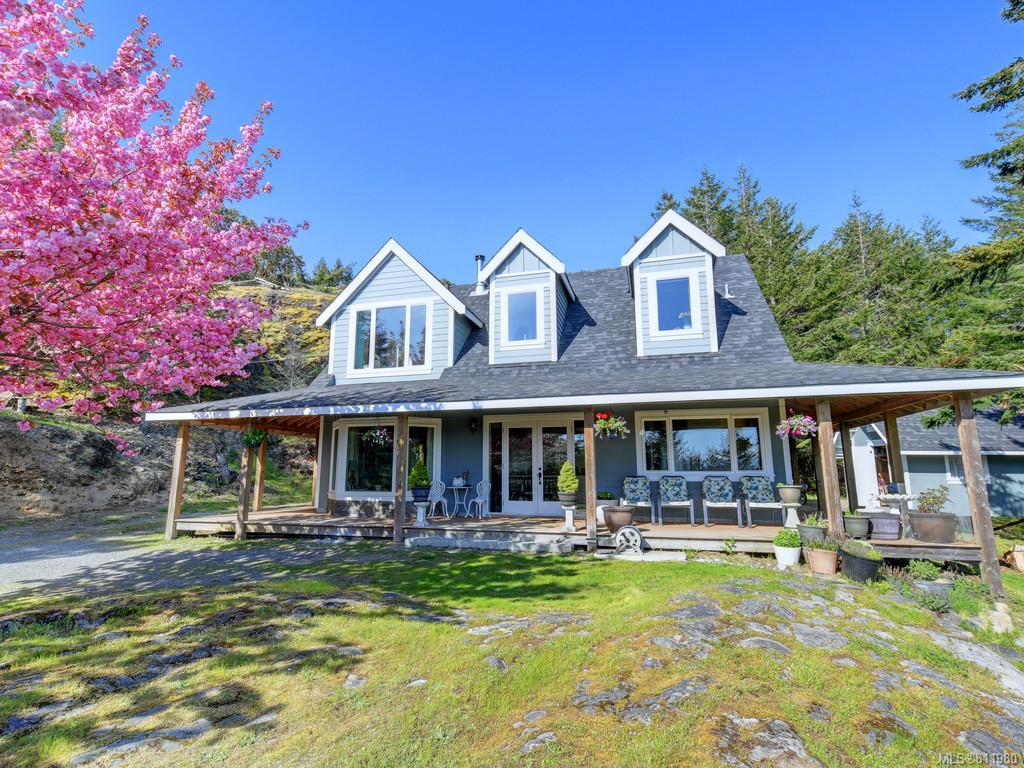
For many homeowners, upsizing in Victoria BC is not really about buying “more house.” It is about buying a better fit for the life you are living now. Maybe the family has grown. Maybe you need a better layout, more privacy, a yard, a home office, or a suite option for long-term flexibility. The best strategy for upsizing in Victoria BC is usually not to rush into the next purchase first. It is to build a plan that protects your equity, keeps your financing realistic, and gives you enough flexibility to move when the right home appears. In today’s Greater Victoria market, where inventory has improved and benchmark pricing has been relatively stable, disciplined sequencing matters more than guesswork. The Victoria Real Estate Board reported the Victoria Core single-family benchmark at $1,307,400 in February 2026, up from $1,265,500 in January 2026 and only 0.9 percent below February 2025, which points to a market with movement but not extreme volatility. Start With the Real Constraint, Not the Dream Home Most homeowners begin by browsing listings. That is understandable, but it is usually the wrong first move. The real starting point is this question: What can you comfortably carry after you sell, close, move, and reset your monthly costs? That means reviewing: your estimated sale proceeds mortgage payout penalties, if any property transfer tax on the purchase legal fees, moving costs, and immediate improvement costs the payment range that still feels comfortable in real life This matters even more in 2026 because borrowing conditions are better than they were at the peak of the rate cycle, but affordability still needs to be handled carefully. The Bank of Canada’s policy rate has been 2.25% since January 28, 2026, and CMHC says variable mortgage rates have fallen over the last two years while fixed rates are more exposed to higher bond yields. In Most Cases, Sell First or Prepare to Sell First For most move-up buyers in Victoria, the safest strategy is one of these two paths: sell first, then buy prepare the home for sale first, then buy only when the sale path is clear Why? Because upsizing magnifies risk. If you buy first without a firm plan, you can end up dealing with: pressure to accept less for your current home carrying two properties at once rushed financing decisions emotional overbidding because you feel committed to the next purchase That does not mean buying first is always wrong. It can work for homeowners with significant equity, strong income, or access to bridge financing and a comfortable financial cushion. But for many households, selling first creates clarity and negotiating discipline. The Best Upsizing Strategy Is Usually a Three-Part Plan 1. Prepare your current home to sell like a product, not just a possession Before you even seriously shop, get your current home market-ready. That means: tackling obvious maintenance items decluttering and depersonalizing improving lighting and flow getting staging advice where appropriate understanding where your home sits against current competition This step matters because your current home is the engine that powers the next move. The cleaner and clearer your sale, the easier your upgrade becomes. 2. Get financing fully reviewed before writing offers Do not rely on a rough online estimate. A proper financing review should cover: your likely sale proceeds maximum purchase price payment comfort zone down payment structure bridge financing options what happens if your sale takes longer than expected The goal is not just to know your ceiling. It is to know your safe range. 3. Shop with strict priorities When people upsize, they can accidentally overpay for the wrong kind of “more.” More square footage is not always better if the location worsens, the lot is awkward, or the layout still does not solve the real problem. Focus on the upgrades that materially change daily life, such as: one more true bedroom a more functional family layout a usable yard better school or commute positioning suite potential less deferred maintenance a neighbourhood that fits the next five to ten years In Victoria, Timing Matters, But Sequence Matters More Many homeowners worry about “the perfect time” to upsize. In reality, sequence is usually more important than trying to outguess the market by a month or two. That said, current Victoria conditions do support a more strategic move-up approach. VREB reported balanced market conditions in February 2026, with 465 sales and 2,823 active listings at month-end. That was a 10.6 percent increase in active listings from January, giving buyers more choice than a tighter market would. For upsizers, that balance can help in two ways: you may have more selection on the purchase side you may face less frenzy than in a fully overheated market But balance does not remove the need for sharp pricing. If your current home is overpriced, the entire plan can stall. Avoid the Trap of Over-Improving Before You Sell A common mistake is spending too much getting the current home “perfect” before listing. Most of the time, upsizers do not need perfection. They need traction. That means focusing on improvements that help buyers feel confidence quickly: paint touch-ups repairs buyers will notice immediately cleaner presentation curb appeal better furniture layout pre-listing organization Expensive renovations with weak payback can delay your next move and reduce flexibility. The question is not “How do we maximize every dollar of value?” It is often “How do we improve saleability without overcapitalizing?” Have a Backup Plan Before You Need One The strongest move-up strategies include a backup plan early. That might include: temporary rent-back after your sale bridge financing if purchase and sale dates do not line up a short list of acceptable interim housing options a smaller geographic search expansion if inventory is thin in your top neighbourhood This is what reduces panic decisions. The move-up buyer who has a backup plan usually negotiates better than the buyer who feels cornered. What Homeowners in Victoria Should Do Right Now If you are thinking about upsizing this year, the best next move is usually: determine your likely sale range with current comparables review mortgage and equity numbers in detail prepare your current home before actively shopping define your non-negotiables for the next home be ready to act when the right property appears, not just any larger property That is the difference between moving up strategically and simply moving sideways at a higher cost. Final Thoughts The best strategy for homeowners in Victoria who want to upsize is to treat the move as a coordinated two-property decision, not just a home search. Your sale, your financing, your timing, and your purchase criteria all need to support each other. In a market with more choice and relatively steady benchmark pricing, the real advantage comes from preparation, not prediction. If you are thinking about upsizing in Greater Victoria and want help building a move-up plan that fits your equity, timing, and next-home goals, contact Faber Real Estate Group for tailored advice on your best next step. Brett Hayward, 5-Star Review, via Google “I can’t suggest how to make Fabers better at being good realtors. They’re already congenial, trustworthy, informed, experienced, and thorough. Cal listened and advised, and somewhere in the middle he said what the condo would sell for and he was right on. Thanks!” Faber Real Estate Group Royal LePage Coast Capital Realty 📞 250-244-3430 📧[email protected] ℹ️ Scott Faber Personal Real Estate Corporation ℹ️ Cal Faber Personal Real Estate Corporation Vanessa Wood, Zachary Parsons, and Sophie Taylor “Building Lasting Relationships, One Home at a Time.”
Read more
A strong long-term value property Victoria buyers should look for is not always the newest or most polished listing. More often, it is the property that will remain useful, desirable, and financially defensible as your life changes and the market shifts. That matters in today’s market because buyers have more inventory to compare than they did in the tighter conditions of recent years. At the end of February 2026, the Victoria Real Estate Board reported 2,903 active listings, up 10.4 per cent from February 2025. The Victoria Core benchmark was $1,307,400 for a single-family home and $545,600 for a condo. When buyers focus only on finishes, they can miss the deeper question: will this property still make sense years from now? That is where long-term value lives. Start with location, not just the listing itself A beautiful home in a weak location can become harder to defend over time. A simpler home in a consistently desirable area often holds up better. In Victoria, long-term value is usually supported by locations that stay practical through changing market conditions. That often means proximity to employment areas, schools, daily services, parks, and transit. These are the features buyers tend to keep paying for, even when the market becomes more selective. A good question to ask is not just, “Do I like this neighbourhood today?” It is, “Will buyers still want this area when I eventually sell?” Look for a layout that can adapt Long-term value improves when a property can serve more than one stage of life. That could mean: a bedroom and bathroom on the main floor space for a home office a lower level with suite potential a layout that works for a couple, a family, or downsizers enough storage and functional living space for daily life The most resilient homes are often the ones that can adjust with changing needs. A property that only works for one very specific buyer profile may still sell, but it often has a smaller resale pool. Pay attention to flexibility and future utility One of the clearest signs of long-term value is flexibility. In Victoria, that can include a legal suite, a layout that could support secondary accommodation, or land and zoning context that gives the property more than one use case. The City of Victoria’s Missing Middle and residential infill framework allows forms such as houseplexes, corner townhouses, and heritage-conserving infill in applicable areas, and the city notes that other forms of residential infill are now permitted in most areas. That does not mean every property should be valued as a redevelopment play, but it does mean flexibility has become a more important part of how buyers assess value. A property can have stronger long-term value if it offers: legal income potential multigenerational living options adaptable finished space lot characteristics that widen future use value even without relying on speculative redevelopment Separate cosmetic issues from functional problems Some homes look dated but still make excellent long-term purchases. Others look updated but have underlying problems that can weaken value later. Cosmetic issues are usually easier to manage, such as: old paint colours tired flooring dated fixtures older but functional kitchens and bathrooms Functional issues are more important to weigh carefully, such as: awkward layouts poor natural light very limited storage expensive deferred maintenance aging roofs, windows, or building systems weak strata planning in a condo building A smart buyer learns to tell the difference. Cosmetic flaws can create opportunity. Functional obsolescence can create drag. Think about resale before you own it A property with long-term value should have a believable resale story. That usually means: a sensible floor plan enough parking for the area and property type outdoor space that feels usable broad lifestyle appeal a price point supported by steady demand a location and design that do not require too much explanation If you already know you will need to “sell the buyer” on the home’s weaknesses, that is worth noticing. Long-term value is often tied to how easy the property will be to understand and appreciate later. In today’s market, buyers can afford to be more selective This is one reason long-term thinking matters right now. Victoria buyers are no longer making decisions in the same ultra-tight environment that defined some recent years. More active listings mean more comparison, and that usually puts pressure on homes with weaker fundamentals. BCREA has also reported that provincial inventory is running near its highest level in over a decade, while its 2026 first-quarter forecast update says markets are expected to remain balanced in 2026 with price growth tempered by supply. That does not mean value disappears. It means buyers have a better chance to choose carefully. What long-term value can look like by property type Detached homes Detached homes often hold long-term value through a combination of land, flexibility, and family appeal. Homes with suites, usable yards, and adaptable layouts tend to offer broader demand over time. Condos For condos, long-term value often comes down to the building as much as the unit. A practical floor plan, good light, strong location, and responsible strata management usually matter more than trendy finishes. Townhomes Townhomes can offer strong long-term value when they balance space, livability, and manageable ownership costs. Functional layouts and family-friendly design tend to age well. A better question to ask before buying Instead of asking, “Will this property go up quickly?” ask: “Will this home still make sense if I own it for 7 to 10 years?” That question tends to reveal the things that actually matter: location durability layout flexibility maintenance risk resale depth income or suite potential overall usability That is how buyers move from short-term excitement to long-term strategy. Final thoughts A strong long-term value property Victoria buyers should prioritize is rarely just the best-staged listing or the one with the newest finish package. It is usually the property with lasting utility, flexible appeal, manageable risk, and a location buyers are likely to keep valuing. If you want help evaluating which homes offer real long-term value in Victoria, contact Faber Real Estate Group for practical guidance tailored to your goals, budget, and timeframe. Gerry L., 5-Star Review, via Google “It was a true pleasure working with Cal. We could not have asked more from Cal in how he looked after us from showing to closing. He made the whole process as easy as possible for us, and it was obvious that he cares about his clients and looking after them. The communication from both Cal and Scott was clear, fast and professional. We would absolutely recommend the Faber Real Estate Group!” Faber Real Estate Group Royal LePage Coast Capital Realty 📞 250-244-3430 📧[email protected] ℹ️ Scott Faber Personal Real Estate Corporation ℹ️ Cal Faber Personal Real Estate Corporation Vanessa Wood, Zachary Parsons, and Sophie Taylor “Building Lasting Relationships, One Home at a Time.”
Read more
A smart Victoria real estate wealth strategy is usually less about timing the perfect year and more about owning the right property for a long enough period of time. In Victoria, that matters even more because housing remains expensive, inventory has improved, and many buyers now have more choice than they did in recent years. That creates a better environment for careful, long-term decisions instead of rushed ones. In February 2026, the Victoria Real Estate Board reported that the Victoria Core benchmark for a single-family home was $1,307,400 and the benchmark for a condo was $545,600. For many households, real estate wealth is built in three simple ways: paying down principal, benefiting from long-term appreciation, and improving borrowing power as equity grows. That may sound basic, but basic is often what works. Why real estate can build wealth over time Real estate tends to reward patience. Each mortgage payment can reduce your loan balance, and over time that creates equity. If the property also grows in value, your net worth can rise from both directions at once. In Victoria, this approach can make sense because the market is no longer behaving like a straight-line sprint. The Victoria Real Estate Board said January 2026 sat on the threshold between balanced and a buyer’s market, with 2,624 active listings, up 9.6 per cent year over year. That means buyers may have more room to compare options and choose properties with stronger long-term fundamentals instead of simply chasing whatever is available. That shift matters. Wealth is rarely built by buying under pressure. It is more often built by buying with a plan. The three main ways real estate creates long-term value 1. Equity growth through mortgage paydown Every payment that reduces principal increases your ownership stake. In the early years, progress can feel slow. Over a decade or longer, it becomes meaningful. This is one reason owner-occupied real estate can be powerful. Even if the market has quieter periods, you are still moving forward by paying down debt on an asset you control. 2. Appreciation over a long holding period Victoria real estate does not move in a straight line every year. Some periods are stronger, some are softer, and some feel flat. But over a longer horizon, well-located property has often held its value better than many buyers expect, especially when the property matches durable demand drivers such as proximity to employment, schools, transit, walkable amenities, and lifestyle features buyers continue to want. This is where people sometimes get off track. They focus too much on the next 6 months and not enough on the next 10 years. 3. Income or cost control For investors, this can mean rental income. For owner-occupiers, it can mean controlling housing costs over time compared with the uncertainty of rising rents. BCREA’s Housing Monitor Dashboard says BC inventory was near its highest level in over a decade, while other recent reporting has pointed to easing rental pressure in Greater Victoria. That does not mean every property makes a good investment. It means buyers have a better chance to be selective and choose properties that match a real long-term plan. What makes a strong long-term property in Victoria Not every home is a strong wealth-building asset. The best long-term choices usually have a few things in common: Location strength: areas with lasting demand, not just short-term hype Property flexibility: suites, home offices, family-friendly layouts, or downsizing appeal Land value or scarcity: detached homes and well-positioned townhomes often hold strategic appeal Liveability: walkability, transit access, schools, parks, and daily convenience Financial sustainability: mortgage, strata, taxes, and maintenance that remain manageable A good long-term purchase is not always the flashiest home. It is often the one that still makes sense five or ten years from now. Common ways buyers use real estate to build wealth Buy and live in it for the long term This is the most common path. A buyer purchases a home they can comfortably hold, builds equity over time, and later uses that equity to move up, downsize, or reinvest. Buy with income potential A legal suite, secondary accommodation, or a property with future flexibility can improve the numbers and reduce monthly pressure. For some buyers, that makes homeownership possible sooner and strengthens the long-term strategy. Buy below your maximum budget This approach is less exciting, but often more durable. Keeping monthly costs manageable leaves room for repairs, life changes, and future opportunities. Wealth tends to grow more steadily when the property supports your life instead of stretching it. Upgrade strategically over time Some owners build value through thoughtful improvements rather than major overhauls. Kitchens, bathrooms, energy upgrades, and maintenance can protect value, improve liveability, and support resale appeal later. Where buyers go wrong A long-term plan can still fail if the purchase is based on the wrong assumptions. Common mistakes include: buying for short-term speculation rather than long-term fit stretching too far on monthly costs underestimating maintenance, strata fees, or special assessments assuming every property will perform equally well focusing only on price growth and ignoring cash flow or holding costs This is especially important in Victoria, where affordability remains strained. RBC Economics reported Victoria’s aggregate affordability measure at 67.9 per cent in Q3 2025, still among the least affordable tracked markets in Canada. That does not mean buying is a bad idea. It means buying without a clear plan is a risk. Real estate wealth is usually built slowly, not dramatically The strongest long-term results often come from ordinary decisions repeated over time: buying a property you can hold maintaining it well resisting panic during slower markets refinancing carefully when appropriate moving strategically instead of emotionally That is not the version of real estate people talk about most online, but it is the version that tends to work. A better question to ask before buying Instead of asking, “Will this property jump in value soon?” a better question is: “Will this home still be a good financial and lifestyle fit if I own it for 7 to 10 years?” That question changes everything. It shifts the decision from speculation to strategy. Final thoughts A solid Victoria real estate wealth strategy is rarely built on a quick flip or a lucky guess. It is usually built on time, discipline, manageable numbers, and choosing the right property for your long-term goals. If you want help assessing whether a home fits your long-term wealth plan in Victoria, contact Faber Real Estate Group for advice tailored to your next move. Troy W., 5-Star Review, via Google “We moved to Victoria from Halifax. As our Realtor, Scott helped us find the right house in the right neighborhood for the right price. He was patient as we traveled from the east to look at homes over several months and cautioned us about making unreasonable offers when we fell too quickly for overpriced homes. In short, he was always on our side working to make our house purchase as simple and successful as possible. The best part about working with Scott was that he was always more focused on answering our questions, giving us good advice, and finding homes that met our needs than he was on closing a deal. We would recommend him to anyone. 5 Star service Scott, we look forward to using you again very shortly for an income rental in the new year.” Faber Real Estate Group Royal LePage Coast Capital Realty 📞 250-244-3430 📧[email protected] ℹ️ Scott Faber Personal Real Estate Corporation ℹ️ Cal Faber Personal Real Estate Corporation Vanessa Wood, Zachary Parsons, and Sophie Taylor “Building Lasting Relationships, One Home at a Time.”
Read more