
Posts Tagged ‘Victoria homebuyer advice’
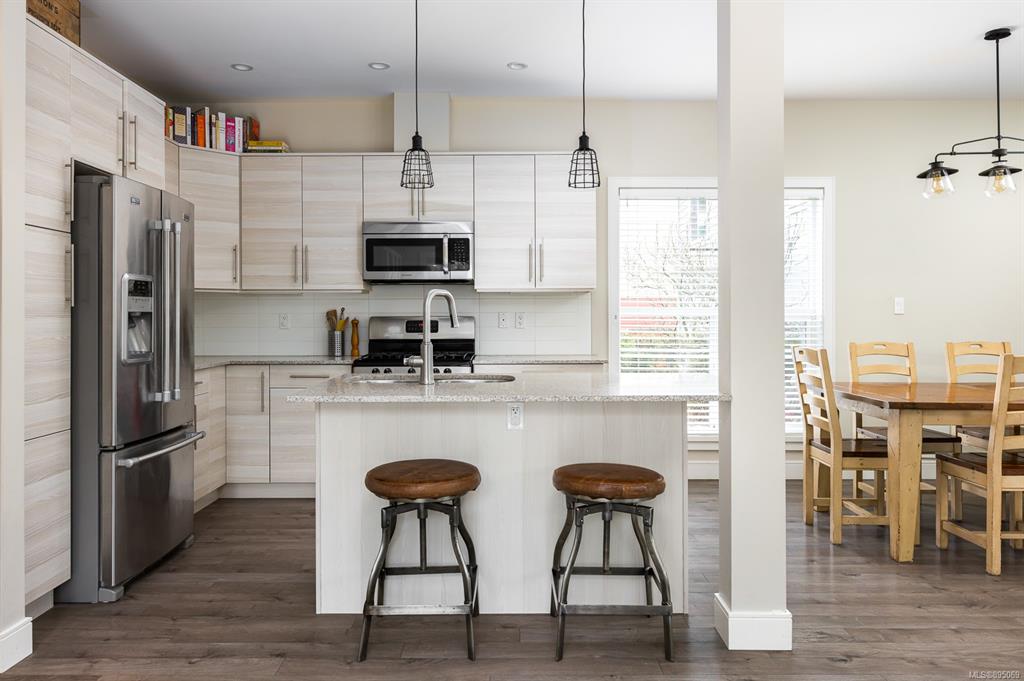
The $800K to $1M range feels competitive in Greater Victoria because it attracts several buyer groups at once. First-time buyers stretching their budget, move-up buyers looking for more space, downsizers wanting comfort, and investors watching long-term value can all end up looking at similar properties. That does not mean every home in this price range receives multiple offers. It means the best homes often attract focused attention quickly, especially when they are well priced, well located, and easy to move into. Why This Price Range Matters In Greater Victoria, the $800K to $1M range can represent very different options depending on the neighbourhood. In some areas, it may mean a larger condo or townhome. In others, it may open the door to an older detached home, a smaller family home, or a property that needs updates. This is why buyers in this price range often feel like they are comparing very different trade-offs. They may be asking: Do we choose location or more space? Do we buy newer and smaller, or older with more potential? Should we stay closer to Victoria, or look further into the Westshore? Is it better to accept renovation work, or pay more for move-in-ready condition? Those questions create competition because many buyers are trying to solve the same affordability problem in different ways. More Inventory Does Not Mean Every Home Is Easy to Buy Greater Victoria has offered buyers more choice recently, but that does not remove competition from every segment. A balanced market can still feel competitive when many buyers focus on the same price band. This is especially true for homes that check the most common boxes. Buyers tend to respond quickly when a home offers a good layout, practical parking, manageable maintenance, strong location, outdoor space, and a price that feels fair compared to recent sales. That type of property is easier to understand. It also feels easier to justify. The Best Homes Still Stand Out Buyers today are more selective, but they are not inactive. When a home feels fairly priced and does not require a long list of compromises, it can still move quickly. In the $800K to $1M range, competition often comes down to quality. A home with good presentation, a functional floor plan, and fewer obvious future costs can stand out against properties that feel dated, awkward, or overpriced. This explains why some listings sit while others receive strong interest right away. The market is not treating every property the same. Detached Homes Create Extra Pressure For many buyers, this price range is where detached home ownership may still feel possible in parts of Greater Victoria. That makes the segment more emotional and more competitive. A buyer may not be comparing one detached home to another. They may be comparing several different lifestyles at once. Common options include: A detached home farther from town A townhome in a more central location A larger condo with lower maintenance An older home with renovation potential A newer home with less outdoor space When detached inventory appears in this price range, buyers often look closely. There may not be many options that fit both their budget and lifestyle goals. Townhomes Can Be Just as Competitive Townhomes in this range often appeal to a wide group of buyers. They can offer more space than a condo, less upkeep than a detached home, and a layout that works for families, downsizers, and professionals. That broad appeal creates demand. A well-located townhome with parking, storage, outdoor space, and reasonable strata fees can attract buyers from several directions. Some may be priced out of detached homes. Others may prefer lower maintenance without giving up too much space. This overlap is one reason the $800K to $1M range can feel tighter than the overall market suggests. Buyers Are Competing on Certainty, Not Just Price In a competitive segment, the highest offer does not always win by price alone. Sellers also look at confidence, timing, conditions, deposit strength, and how clean the offer is. That does not mean buyers should waive important protections without understanding the risk. It means preparation matters. Before writing an offer, buyers should be clear on: Financing comfort Deposit availability Inspection strategy Subject removal timeline Recent comparable sales The property’s likely resale appeal What they are willing to compromise on Strong preparation helps buyers move with confidence instead of reacting under pressure. Sellers Still Need to Be Careful For sellers, the $800K to $1M range can be a strong segment, but success is not automatic. Buyers have more information, more listings to compare, and less patience for ambitious pricing. A seller who assumes competition will solve everything can miss the mark. Presentation, pricing, and condition still matter. The strongest results often come from making the home easy to understand, easy to view, and easy to compare against recent sales. When buyers can quickly see the value, they are more likely to act. The Bottom Line The $800K to $1M range feels competitive because it captures many of the most practical buyer needs in Greater Victoria. It is where lifestyle, affordability, space, and long-term value often meet. For buyers, the key is preparation. For sellers, the key is positioning. In both cases, success comes from understanding the micro-market, not relying on broad headlines. If you are buying or selling in this price range, contact Faber Real Estate Group for advice on pricing, strategy, and how to make confident decisions in the Greater Victoria market. Justine D., 5-Star Review, via Google “Cal and Scott treated us like family. We had only 5 days to find a home and Cal cleared his schedule to make himself available to us. Cal guided us in the purchase of our home, as if we were a member of his family asking for advice. I knew we could trust Cal. His service to us did not stop with the purchase of our home…he helped us find trades people and provided information about rental incomes in the area. We were new to the Island and I honestly felt that Cal adopted us and has made sure we had everything we needed. We did not just gain a realtor, but a friend. If you are looking for a realtor you can TRUST, and will look out for YOUR interests— then Cal and Scott are IT!!! I would recommend them to anyone looking to buy a home on the Island. I should also mention that Cal negotiated an amazing price on the purchase of our home and made sure if something was not right when we took possession that it would be taken care of. Cal and Scott and realtors with integrity and kindness..” Faber Real Estate Group Royal LePage Coast Capital Realty 📞 250-244-3430 📧 [email protected] ℹ️ Scott Faber Personal Real Estate Corporation ℹ️ Cal Faber Personal Real Estate Corporation Vanessa Wood, Zachary Parsons, and Sophie Taylor “Building Lasting Relationships, One Home at a Time.”
Read more
Resale value when buying a home matters because life can change faster than expected. Even if you plan to stay for years, your future needs may look different. Jobs change. Families grow. Interest rates move. Renovation plans shift. A home that works today should also give you options later. Thinking about resale does not mean you are planning to leave. It means you are buying with your future in mind. In Greater Victoria, where affordability is tight and every purchase needs careful thought, resale value when buying a home should be part of the decision from the beginning. Resale Is About Flexibility Many buyers focus on whether a home works for their current life. That matters. However, the strongest purchase decisions also consider how the home may appeal to future buyers. A home with strong resale value may be easier to: Sell Rent Refinance Renovate strategically Hold long-term Adapt as life changes A home with limited resale appeal may still be worth buying. However, the price should reflect that risk. The goal is not to find a perfect property. The goal is to understand how easy or difficult the property may be to move on from later. Most Buyers Do Not Know Their Exact Timeline It is common for buyers to say, “We will be here for at least ten years.” Sometimes that happens. Sometimes it does not. Plans can change because of: Job relocation Growing family needs Downsizing Health changes School priorities Relationship changes Financial pressure Renovation fatigue A better opportunity elsewhere This is why resale matters, even when your intentions are long-term. A home should work for today, but it should not limit your options tomorrow. Location Still Carries the Most Weight Location is one of the biggest drivers of resale value. You can update paint, flooring, appliances, lighting, and landscaping. You cannot change where the property sits. Strong resale locations often have: Good access to amenities Reasonable commute options Nearby schools Parks and trails Transit access Walkability Lower noise exposure Consistent buyer demand In Greater Victoria, location can change block by block. A few minutes can affect walkability, views, traffic noise, school access, and long-term appeal. That is why buyers should avoid choosing a home based only on price, square footage, or bedroom count. Layout Matters More Than Buyers Realize A home’s layout can have a major impact on resale. Some homes look great online but feel awkward in person. Others may not photograph perfectly, yet they live very well. Future buyers usually respond well to: Functional main living areas Good natural light Practical bedroom placement Useful storage Clear entry space Indoor-outdoor flow A workable kitchen layout Enough bathrooms for the home size Flexible space for work, guests, or hobbies Choppy layouts, small bedrooms, steep stairs, low ceilings, and awkward additions can shrink the buyer pool later. A strange layout is not always a deal-breaker. Still, it should be reflected in the price. Avoid Buying Only for Your Current Lifestyle It is easy to fall in love with a home that fits one specific season of life. That could be: A downtown condo with no parking A rural property with a long commute A home with too many stairs A steep driveway A tiny yard A layout that only works for one lifestyle These homes can still be the right choice. However, buyers should understand how future buyers may view the same features. Before buying, ask: Who else would want this home? Would a young family consider it? Would downsizers consider it? Would first-time buyers consider it? Would investors consider it? Would future buyers see the same benefits I see? A broader buyer pool usually supports stronger resale. Condition Affects Future Value A home does not need to be fully renovated to have good resale appeal. In fact, a dated home can be a great purchase if the fundamentals are strong. However, buyers should be careful with major condition concerns. Pay attention to: Roof age Drainage Foundation concerns Windows Heating system Electrical updates Plumbing Moisture concerns Exterior maintenance Decks and retaining walls Signs of unpermitted work Cosmetic issues may create opportunity. Major unresolved problems can make the home harder to sell later. Condos and Townhomes Need Resale Review Too Condo and townhome buyers should think about resale just as carefully as detached home buyers. Future value depends on more than the unit itself. Buyers should review: Building reputation Strata fee levels Contingency reserve fund health Depreciation report planning Insurance history Special levy risk Pet bylaws Rental bylaws Parking Storage Noise transfer Natural light Unit layout A cheaper condo may not be the better long-term purchase if the building has weak planning, high fees, or poor resale demand. On the other hand, a well-run building with a practical layout can hold strong appeal, even if the finishes are not brand new. Future Supply Can Affect Resale Buyers should also think about what may be built nearby. This matters in growing areas such as Langford, Colwood, Saanich, and parts of Victoria. New supply can be positive. It can bring more amenities, better services, and more neighbourhood energy. However, it can also create competition if many similar homes come to market at the same time. For condos, ask: How many similar units are nearby? Are more buildings planned? Is this unit meaningfully different? Does it have better parking, views, layout, or outdoor space? Would future buyers choose this resale unit over new construction? When future supply is high, uniqueness matters more. Resale Should Influence What You Pay A property with weaker resale appeal may still be worth buying at the right price. The problem happens when buyers pay a premium for a home with limited future demand. Resale concerns may include: Busy road exposure Poor layout Limited parking Weak natural light High strata fees Special levy concerns Awkward access Too many stairs Unusual design choices Over-improvement for the neighbourhood A limited buyer pool None of these issues automatically make a home a bad purchase. They simply mean the buyer should price the risk properly. The Best Homes Give You Options A strong purchase gives you choices. It may allow you to: Stay long-term Sell without major difficulty Rent the property if needed Renovate over time Refinance with confidence Appeal to multiple future buyer groups That is the real reason resale matters. You are not just buying a place to live. You are buying flexibility. Questions to Ask Before Writing an Offer Before committing to a home, ask: Who is the likely future buyer for this property? What features will help it stand out later? What features may limit demand? Is the location likely to remain desirable? Is the layout broadly functional? Are there future repairs that may affect resale? Is the price fair given the resale strengths and weaknesses? Is there too much similar supply nearby? Could this home still work if my plans change? These questions do not remove emotion from the process. Instead, they help balance emotion with strategy. Final Thoughts Thinking about resale before you buy is not negative. It is responsible. The right home should work for your life today while still giving you options in the future. In Greater Victoria, where pricing, neighbourhoods, inventory, and buyer demand can vary widely, resale should be part of every serious purchase decision. A home does not need to be perfect to be a good buy. However, buyers should understand what will help or hurt future demand before they write an offer. If you are trying to decide whether a property is a strong long-term fit, contact Faber Real Estate Group for local advice before you make your next move. Ana V., 5-Star Review, via Google “Working with Scott to find a home has been a positive experience. He took the time to understand what I was looking for and was always patient and responsive navigating through the process. He was always available to answer questions, provide honest insights, and guide me through every step. I highly recommend Scott to anyone looking for a dedicated and reliable realtor.” Faber Real Estate Group Royal LePage Coast Capital Realty 📞 250-244-3430 📧 [email protected] ℹ️ Scott Faber Personal Real Estate Corporation ℹ️ Cal Faber Personal Real Estate Corporation Vanessa Wood, Zachary Parsons, and Sophie Taylor “Building Lasting Relationships, One Home at a Time.”
Read more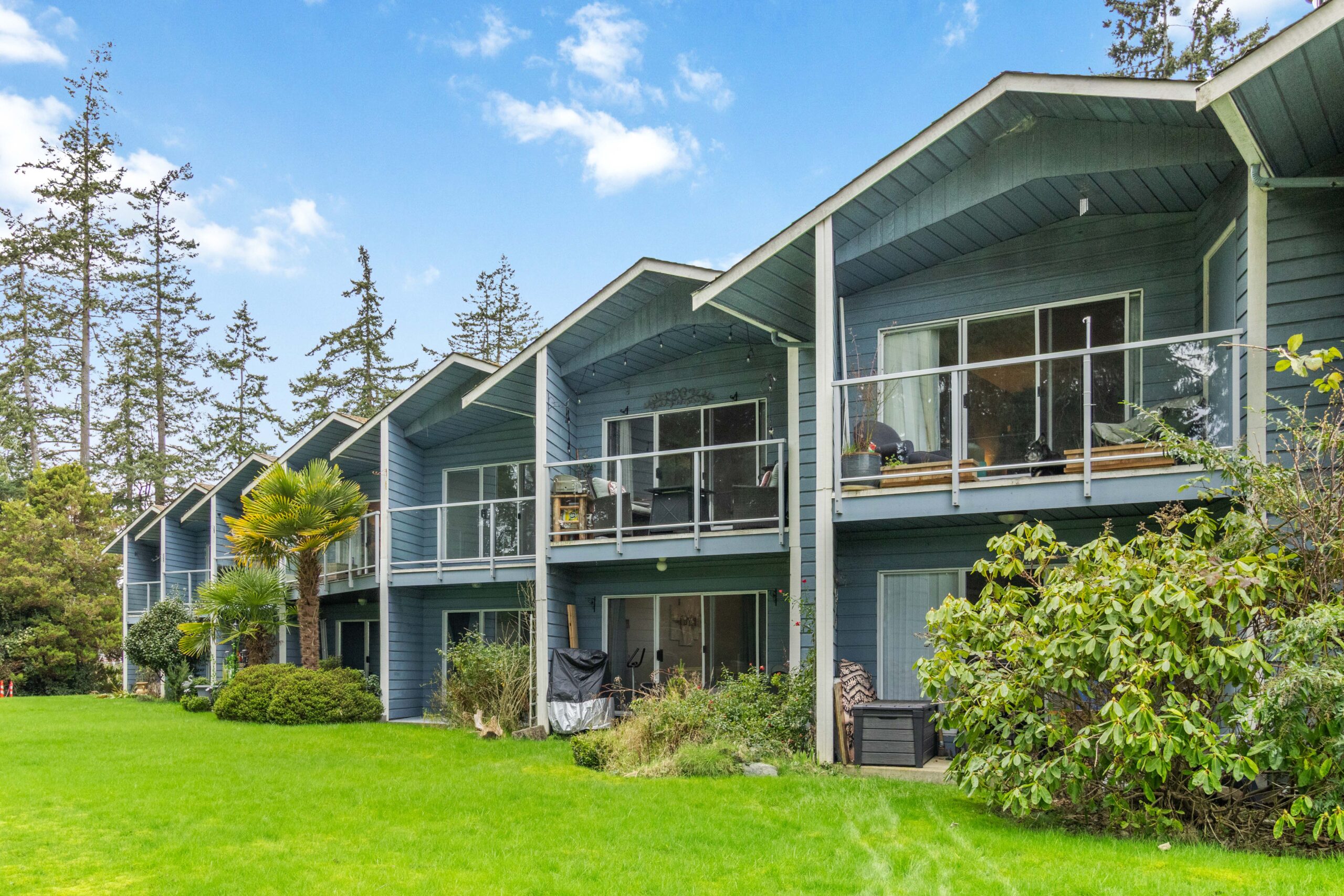
A good deal vs cheap house can look similar at first. Both may have a lower price, attract attention, and feel like an opportunity. However, in real estate, the cheapest home is not always the smartest buy. For buyers in Greater Victoria, this difference matters. A lower price can help with affordability, but it can also hide risk. Before you move forward, you need to understand the full picture. The goal is not to buy the cheapest home. The goal is to buy the right home at the right price. A Cheap House Starts With Price A cheap house usually stands out because it costs less than similar homes. That may happen because of: Major repairs An awkward layout A weaker location Deferred maintenance Limited parking Financing concerns Insurance concerns Low buyer demand Sometimes, a cheap house is a real opportunity. Other times, the price simply reflects the risk. So, before assuming it is a bargain, ask why the property is cheaper. A Good Deal Starts With Value A good deal is different. A good deal means the home offers strong value for the price and risk involved. It may not be perfect, but the trade-offs should be clear and manageable. A good deal may include: A fair or below-market price A strong location Manageable repairs Good resale appeal A practical layout Solid building fundamentals Less buyer competition This is where the good deal vs cheap house distinction becomes important. A low price gets attention. Strong value protects you. Cheap Can Become Expensive A lower purchase price can feel like a win. However, major repairs can quickly change the numbers. Buyers should look closely at: Roof age Drainage Plumbing Electrical systems Foundation concerns Oil tank risk Water ingress Strata documents Upcoming special levies For example, saving money on the purchase price may not help if the home needs expensive repairs right away. This is especially true with older homes in Greater Victoria. Some have been well maintained. Others may need more work than buyers expect. Location Still Matters A cheaper home in the wrong location may not be the better deal. Location affects: Resale demand Walkability Commute times School access Noise Rental appeal Future buyer interest You can update flooring, paint, and cabinets. You cannot move a home away from a busy road, poor exposure, or limited access. As a result, a well-priced home in a stronger location can be a better long-term decision than a cheaper home with location challenges. Potential Is Not the Same as Value Many buyers see a dated home and think, “This has potential.” Sometimes, that is true. Cosmetic issues can create an opportunity if the home has good bones. However, cosmetic work is very different from serious risk. Be careful with homes that may have: Structural issues Moisture problems Poor renovations Old wiring Plumbing concerns Permit issues Building envelope problems A good deal has problems you can understand and price properly. A cheap house often has problems buyers underestimate. The Home Still Needs to Fit Your Life A home can be affordable and still be the wrong fit. Before buying, ask: Will the commute work? Does the layout fit your lifestyle? Can you afford the repairs? Do you have time for renovations? Will the home still work in five years? Are you choosing it because it is right, or because it is cheaper? A cheap house can become stressful if it forces too many compromises. Therefore, the right deal should support your life, not just your budget. Inspections Help Clarify Risk A home inspection does not make a property good or bad. Instead, it helps you understand what you are buying. After inspection, separate issues into three groups: Normal maintenance Negotiation items Serious risks Normal maintenance may include small repairs or aging finishes. Negotiation items may affect price or terms. Serious risks may involve safety, financing, insurance, structure, or moisture. If the issues are manageable, the home may still be a good deal. If the repair list grows quickly, the cheap price may not tell the full story. Strata Buyers Need Extra Caution For condos and townhomes, price can be misleading. A lower-priced strata property may come with: High strata fees Weak contingency planning Upcoming special levies Insurance concerns Rental restrictions Pet restrictions Deferred maintenance Poor resale appeal Because of this, a cheap condo is not automatically a good entry point into the market. A strong condo deal should include a fair price, sound building management, reasonable fees, a practical floor plan, and healthy resale demand. Final Thoughts The difference between a good deal and a cheap house is simple. A cheap house has a low price. A good deal has strong value. Before writing an offer, look beyond the list price. Consider the location, condition, repair costs, financing, lifestyle fit, and resale potential. That is how buyers make better decisions in Greater Victoria’s real estate market. If you are trying to decide whether a home is a true opportunity or just a cheaper property with hidden problems, contact Faber Real Estate Group for advice before you write an offer. Michael B., 5-Star Review, via Google “Excellent experience with Faber group! Zach is an amazing young professional, he is very knowledgeable and explained everything to me (a first time buyer) very well. Towards the end I got to work with Cal as well who was also very kind and professional. I would certainly recommend Faber group.” Faber Real Estate GroupRoyal LePage Coast Capital Realty📞 250-244-3430📧 [email protected]ℹ️ Scott Faber Personal Real Estate Corporationℹ️ Cal Faber Personal Real Estate CorporationVanessa Wood, Zachary Parsons, and Sophie Taylor“Building Lasting Relationships, One Home at a Time.”
Read more