
Posts Tagged ‘Victoria home sellers’
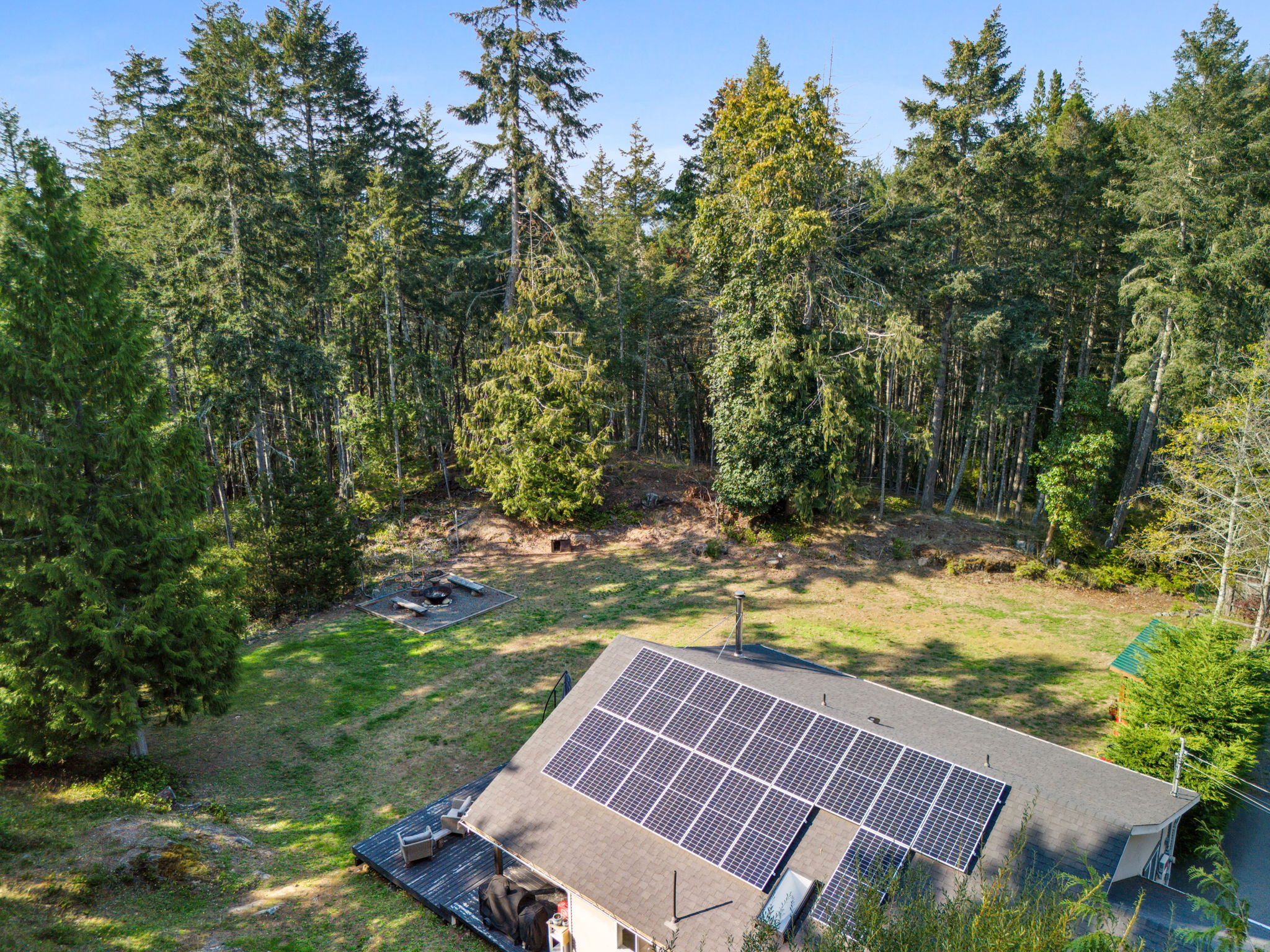
More space without leaving Greater Victoria is one of the most common goals for buyers whose current home no longer fits. That may mean an extra bedroom, a larger yard, a garage, a home office, suite potential, or simply a layout that feels easier to live in. For many buyers, the challenge is not wanting to leave the region. They still want access to work, schools, family, recreation, and the lifestyle that makes Greater Victoria such a desirable place to call home. The good news is that there are still practical options. The key is understanding where your budget goes further, what trade-offs each area involves, and what type of space actually matters most to your lifestyle. Why Buyers Start Looking for More Space Most people do not wake up one day and suddenly decide they need a bigger home. Usually, the need builds slowly. A condo starts to feel tight. A townhouse no longer has enough storage. A growing family needs another bedroom. Remote work makes a proper office more important. Pets, kids, hobbies, tools, bikes, guests, or extended family can all change how a home functions. At that point, the question becomes less about wanting more square footage and more about wanting a home that supports daily life better. That is where a thoughtful move-up strategy matters. The First Question Is Not Size. It Is Trade-Off. When buyers start searching for more space, they often focus on square footage first. That makes sense, but it is not the only thing that matters. In Greater Victoria, more space usually comes from one of three trade-offs: Moving farther from the downtown core Choosing an older home with more potential Prioritizing land, layout, or suite flexibility over newer finishes A newer home in Langford may offer more bedrooms, a garage, and a functional family layout. An older home in Saanich West may offer a larger lot, renovation potential, and a more central location. A property in Sooke may offer land, privacy, and outdoor space that would be difficult to find closer to town. None of these options are automatically better. The right choice depends on what problem you are trying to solve. Langford Langford is often one of the first areas buyers consider when they want more space without leaving Greater Victoria. The appeal is practical. Buyers can often find newer single-family homes, townhomes, duplexes, and family-oriented communities with more interior space than they may find in Victoria, Oak Bay, or central Saanich at a similar price point. Langford also offers strong everyday convenience. Shopping, restaurants, recreation, schools, trails, lakes, and transit connections have made it one of the most active move-up markets in the region. For many buyers, Langford offers a useful balance between space, amenities, and long-term livability. Colwood Colwood can be a strong option for buyers who want more space with a quieter residential feel. Areas around Royal Bay, Olympic View, Wishart, and Lagoon offer a mix of newer homes, established neighbourhoods, schools, parks, and access to the ocean. Buyers who value outdoor space, community planning, and proximity to beaches may find Colwood especially appealing. Compared with some core neighbourhoods, Colwood may offer more flexibility for families looking for an extra bedroom, a garage, a yard, or a more functional layout. View Royal View Royal is worth considering for buyers who want more space but do not want to feel too far removed from Victoria. Its location between the core and the Westshore makes it a strong middle-ground option. Buyers have access to Thetis Lake, the Galloping Goose Trail, Victoria General Hospital, shopping, schools, and major commuter routes. View Royal includes a mix of older single-family homes, townhomes, strata communities, and larger properties depending on the neighbourhood. For buyers who want both space and convenience, it can be a smart area to watch. Saanich West Saanich West is often overlooked by buyers who are focused on either central Victoria or the Westshore. That can create opportunity. Neighbourhoods around Tillicum, Glanford, Strawberry Vale, Royal Oak, Interurban, and Carey may offer single-family homes, larger lots, established streets, parks, and convenient access to town. Some homes may need updating, but that can be part of the long-term value. For buyers who are open to improving a home over time, Saanich West can offer more flexibility than trying to buy a fully renovated property in a more expensive neighbourhood. Sooke Sooke is a strong option for buyers who want more land, more privacy, or more access to nature. The trade-off is usually commute time. For buyers working in downtown Victoria, Saanich, or even parts of Langford, that can be a major consideration. But for those who work remotely, have flexible schedules, or value lifestyle space more than central convenience, Sooke can be a practical fit. Buyers may find larger lots, newer homes, suite options, ocean views, rural settings, and access to trails and beaches. For the right person, Sooke offers a kind of space that is difficult to replicate closer to town. Metchosin and the Highlands Metchosin and the Highlands offer a different version of space. These areas appeal to buyers looking for privacy, acreage, workshops, gardens, rural character, or a quieter lifestyle. They are not always the easiest fit for every buyer because larger properties can come with more maintenance, wells, septic systems, and unique home styles. For buyers who want land and separation, these communities can offer something rare within Greater Victoria. The key is to look beyond the appeal of acreage and understand the responsibility that comes with it. More land can be an incredible lifestyle choice, but it should be matched with the right budget, time, and expectations. The Peninsula Central Saanich, North Saanich, and Sidney can also be worth exploring for buyers who want more space without leaving Greater Victoria. Central Saanich and North Saanich may appeal to buyers looking for larger lots, rural surroundings, established homes, and a calmer pace. Sidney offers more walkability, services, restaurants, shops, and waterfront access, although larger detached homes can come at a premium. The Peninsula works well for buyers who want to stay connected to Greater Victoria but prefer a quieter setting outside the busier urban core. Older Homes Can Be a Smart Path to More Space More space does not always mean buying the newest home. In many established neighbourhoods, older homes may offer larger lots, better renovation potential, suite possibilities, mature landscaping, and more flexible layouts. They may also come with maintenance needs, so it is important to understand the roof, windows, perimeter drains, electrical, plumbing, heating, and overall condition. For buyers with a longer-term mindset, an older home in the right location can be a strategic move. You may not get every finish you want on day one, but you may gain land, layout, and future flexibility. Layout Matters More Than Square Footage A bigger home is not always a better home. A well-designed 1,900 square foot home can feel more functional than a poorly laid out 2,400 square foot home. Before focusing only on size, it helps to define what kind of space you actually need. Ask yourself: Do you need more bedrooms? Do you need a second living room? Do you need a proper office? Do you need storage? Do you need a garage or workshop? Do you need a yard for kids or pets? Do you need suite potential? Do you need separation for teenagers, guests, or extended family? The clearer you are on the real need, the easier it becomes to compare homes properly. A large home with the wrong layout may not solve your problem. A slightly smaller home with the right layout might. Do Not Forget the Cost of the Move When moving up, the purchase price is only one part of the decision. Buyers should also consider: Property transfer tax Legal fees Moving costs Renovations or repairs Utility costs Insurance Commuting costs Strata fees, if applicable Long-term maintenance A home that looks more affordable on paper may become less affordable if it requires major work. On the other hand, a slightly more expensive home with better systems, layout, and condition may be easier to manage over time. This is where strategy matters. The goal is not just to buy more space. The goal is to buy more usable space without creating unnecessary financial pressure. Final Thoughts Finding more space without leaving Greater Victoria is possible, but it often requires a flexible mindset. For some buyers, the right move may be Langford, Colwood, View Royal, or Sooke. For others, it may be Saanich West, the Peninsula, Metchosin, the Highlands, or an older home with more potential. The best choice is not always the biggest home or the newest home. It is the home that gives you the right balance of space, location, lifestyle, budget, and long-term value. If your current home no longer fits, it may be time to look at your options with a clear plan. A thoughtful move-up strategy can help you understand where your budget goes further, which areas fit your lifestyle, and what trade-offs are actually worth making. Devon M., 5-Star Review, via Google “Scott was very patient with us as we started our family and took about a year to decide on place we thought would be fit for our home. He went above and beyond and still continues to this day to keep in touch and periodically checks in to see how we are doing. I highly recommend him to anyone looking for a realtor to either sell or buy their home.” Faber Real Estate Group Royal LePage Coast Capital Realty 📞 250-244-3430 📧 [email protected] ℹ️ Scott Faber Personal Real Estate Corporation ℹ️ Cal Faber Personal Real Estate Corporation Vanessa Wood, Zachary Parsons, and Sophie Taylor “Building Lasting Relationships, One Home at a Time.”
Read more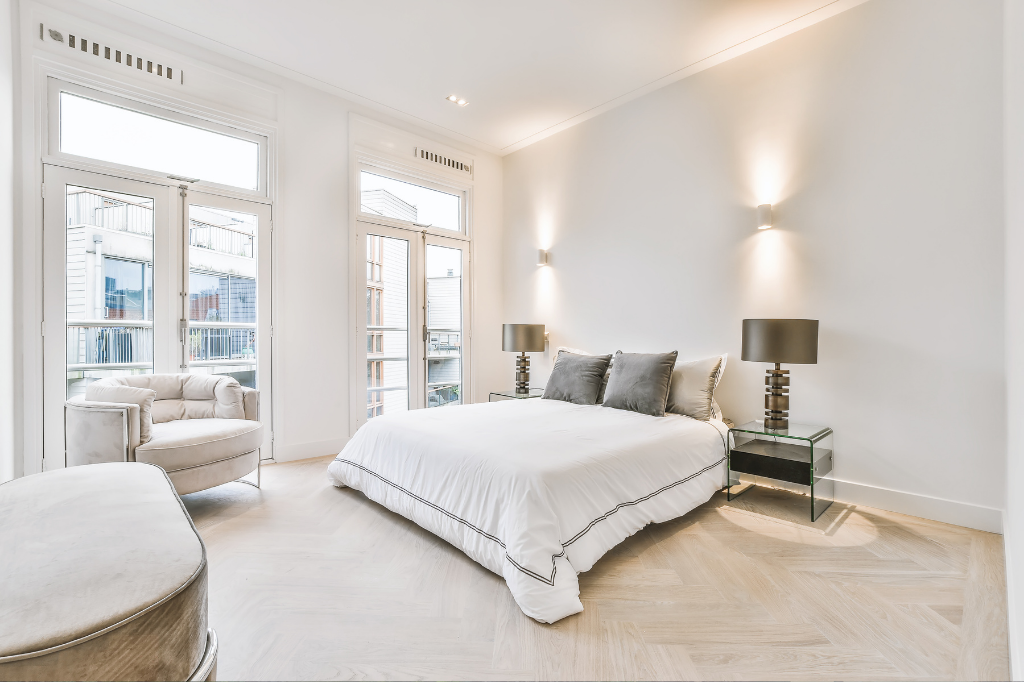
Cosmetic updates before selling can have a bigger impact than many homeowners expect. Buyers often decide how they feel about a home within the first few minutes, and those early impressions usually come from what they can see, touch, and understand quickly. That does not always mean a seller needs to take on a major renovation. In many cases, smaller updates can make a home feel cleaner, brighter, better cared for, and easier to imagine living in. Buyers React to Condition First Most buyers are not walking through a home with a contractor’s mindset. They are trying to answer a simpler question: Can I see myself living here? Cosmetic details help shape that answer. Fresh paint, clean flooring, updated lighting, tidy landscaping, and simple hardware changes can make a home feel more inviting without changing the floor plan or structure. A large renovation may improve value, but it can also be expensive, time-consuming, and risky if the design choices do not match what buyers want. Big Renovations Do Not Always Return Dollar for Dollar Major renovations can be worthwhile when a home has serious functional issues. But not every renovation produces a strong return when selling. A seller might spend heavily on a kitchen, bathroom, or flooring project, only to find that buyers still want to make their own changes. Personal taste matters. What feels modern to one person may feel too specific to another. Cosmetic updates tend to work because they reduce friction. They do not ask buyers to pay a premium for someone else’s dream renovation. They simply help the home feel move-in ready. Small Changes Can Make a Home Feel Better Maintained Buyers often use visible condition as a clue for overall care. Peeling paint, dated light fixtures, worn trim, stained carpet, or cluttered rooms can make buyers wonder what else has been neglected. Simple updates can send a better message. Helpful cosmetic improvements may include: Fresh interior paint in neutral colours Updated light fixtures New cabinet hardware Clean carpets Pressure washing exterior surfaces Fresh mulch or tidy garden beds Touch-ups on trim, doors, and baseboards Decluttering and simplifying furniture Replacing worn blinds or curtains Improving entryway presentation These updates are not about making a home look perfect. They are about helping buyers feel comfortable. Presentation Supports Better Marketing Most buyers see a home online before they ever book a showing. That means photos, video, and first impressions carry a lot of weight. Cosmetic updates can help a listing photograph better. Brighter rooms, cleaner lines, and fewer visual distractions make it easier for buyers to understand the space. This matters because strong presentation can increase showing interest, especially when buyers have more choice. A home does not need to be fully renovated to stand out. It needs to feel clear, cared for, and easy to evaluate. When Bigger Renovations May Not Make Sense Before starting a major project, sellers should ask a few practical questions: Will this renovation clearly increase market value? Will buyers in this price range expect this upgrade? Can the work be completed professionally before listing? Will the renovation delay the sale too long? Could a buyer prefer to renovate in their own style? Is there a simpler update that solves the same concern? Sometimes the smartest move is restraint. A clean, well-presented home with honest pricing can outperform a home with expensive upgrades that miss the mark. The Best Strategy Depends on the Home Cosmetic updates before selling are not a one-size-fits-all solution. A newer condo, an older character home, and a family property in the Westshore may all need different preparation. The right strategy depends on: Property type Age and condition Buyer expectations Neighbourhood competition Price point Timeline Budget Current market conditions The goal is not to spend the most. The goal is to spend where buyers will notice. The Bottom Line for Sellers Cosmetic updates can matter more than big renovations because they improve the way buyers experience the home. They can reduce objections, support stronger listing photos, and make a property feel better maintained without creating the cost or risk of a major project. Before renovating, sellers should focus on what will help buyers feel confident. Often, the best pre-listing improvements are simple, visible, and strategic. For advice on preparing your home for sale in Greater Victoria, contact Faber Real Estate Group for clear, local guidance before deciding which updates are worth your time and money. Randy S., 5-Star Review, via Google “Working with Cal is an absolute pleasure! His communication is very clear and proactive. Cal is very patient and understanding and very knowledgeable with his work. He is also a skilled negotiator! Cal and his team are very professional, honest, and will go the extra mile to meet all your needs! If you are looking to buy or sell your home, I would without hesitation recommend the Faber Group!” Faber Real Estate Group Royal LePage Coast Capital Realty 📞 250-244-3430 📧 [email protected] ℹ️ Scott Faber Personal Real Estate Corporation ℹ️ Cal Faber Personal Real Estate Corporation Vanessa Wood, Zachary Parsons, and Sophie Taylor “Building Lasting Relationships, One Home at a Time.”
Read more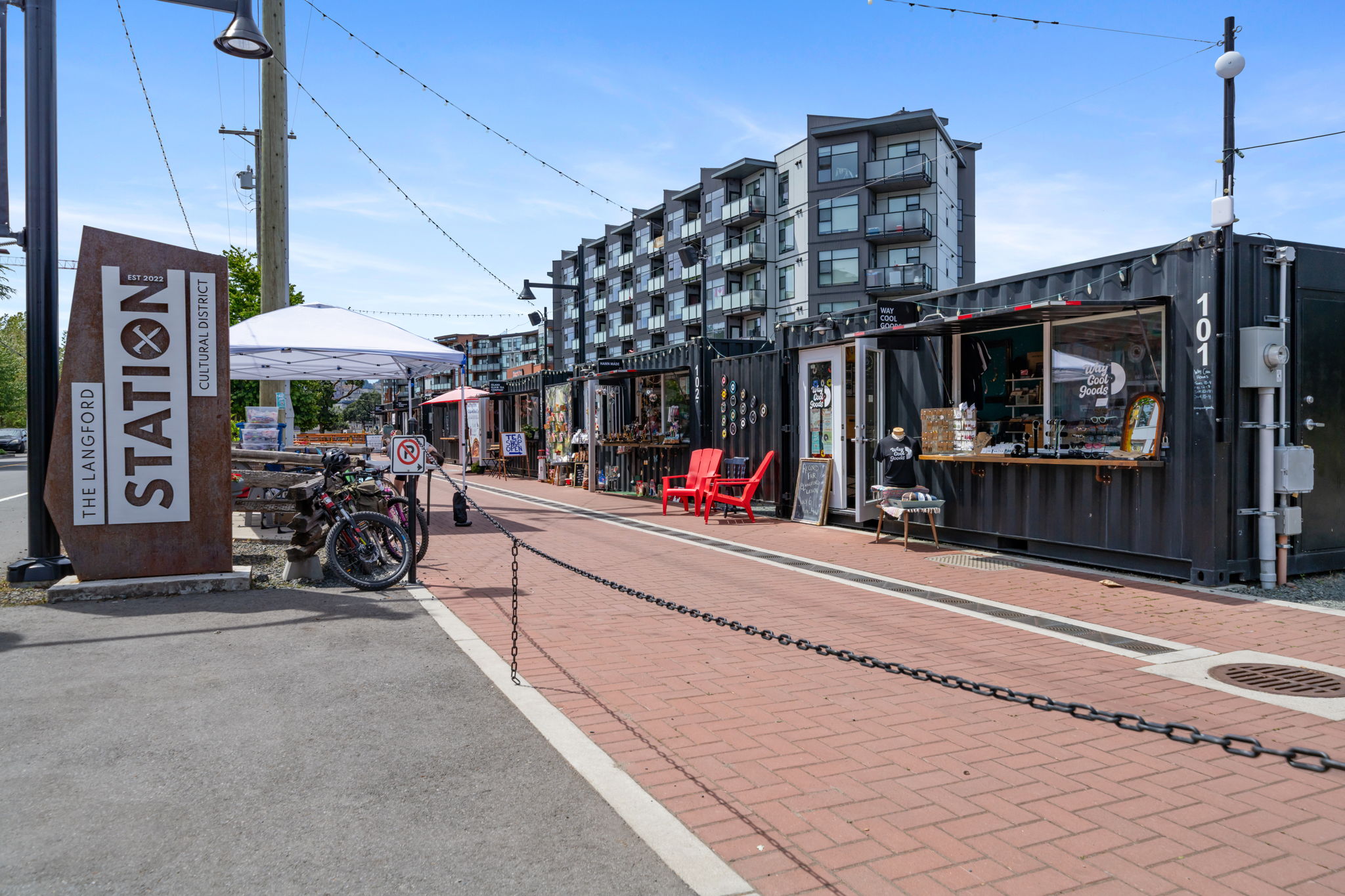
Walkability in Greater Victoria can add real value, but it does not mean the same thing in every neighbourhood. In some areas, walkability means being steps from coffee shops, restaurants, and daily errands. In others, it means easy access to trails, parks, schools, or the waterfront. That difference matters for buyers and sellers. A walkable home is not valuable simply because it has sidewalks nearby. It becomes more valuable when the walkability matches what buyers in that neighbourhood actually want. Walkability Is Not One-Size-Fits-All Many buyers say they want a walkable neighbourhood, but they may mean very different things. For one buyer, walkability means being able to leave the car parked and walk to groceries, restaurants, and services. For another, it means walking the dog on quiet streets, reaching a school safely, or being close to beaches and parks. This is why walkability in Greater Victoria needs local context. A home near Cook Street Village offers a different kind of walkable lifestyle than a home near Royal Oak, Sidney, Fernwood, Esquimalt, or central Langford. Each area creates value in a different way. Urban Walkability Adds Convenience Value In more urban neighbourhoods, walkability often supports daily convenience. Areas close to village centres, downtown amenities, cafés, transit, fitness studios, and restaurants can appeal to buyers who want a lifestyle with less driving. This can be especially attractive to first-time buyers, downsizers, professionals, and people who value access over square footage. In these areas, buyers may pay more for location because the neighbourhood becomes part of the living space. A smaller home or condo can feel more functional when daily life extends beyond the front door. Village Walkability Adds Lifestyle Value Neighbourhoods with village-style walkability often create emotional value. Places like Cook Street Village, Fernwood, Oak Bay Village, Cadboro Bay, and Sidney can feel established, social, and easy to enjoy. Buyers are not only looking at the home. They are imagining morning coffee, evening walks, local shops, parks, and a stronger sense of community. That lifestyle can create strong buyer interest, especially when the home itself has character, natural light, outdoor space, or an easy-care layout. For sellers, this means the marketing should not only describe the property. It should describe how daily life feels in that location. Family Walkability Looks Different For families, walkability often means safety and practicality. Proximity to schools, playgrounds, parks, sports fields, recreation centres, and quieter streets can matter more than restaurants or nightlife. In neighbourhoods such as Gordon Head, Lakehill, Royal Oak, and parts of the Westshore, buyers may care more about the ease of daily routines than the ability to walk to dinner. This kind of walkability can still affect value, but it is usually tied to function. Can children walk to school? Is there a park nearby? Are errands manageable? Is the route safe and comfortable? Those details can make a home feel more livable. Trail and Nature Walkability Can Be a Major Advantage In some neighbourhoods, walkability is less about shops and more about nature. Access to the Galloping Goose, the E&N Rail Trail, Thetis Lake, the Gorge Waterway, Dallas Road, beaches, parks, and waterfront paths can be a major selling feature. Buyers may value the ability to walk, run, cycle, or spend time outside without needing to drive. This type of walkability often appeals to active buyers, pet owners, downsizers, and people moving to Greater Victoria for lifestyle reasons. It may not show up the same way on a simple map score, but it can strongly influence buyer emotion. Walkability Can Offset Smaller Space In some neighbourhoods, buyers may accept less interior space if the location gives them more lifestyle outside the home. This is common with condos, townhomes, and smaller detached homes near village centres or strong amenity corridors. A smaller kitchen, limited yard, or compact floor plan may feel more acceptable if the buyer can walk to coffee, groceries, parks, restaurants, and transit. That does not mean space no longer matters. It means the buyer is weighing space against convenience. For sellers, this is important. If the home is smaller but the location is highly usable, the listing should clearly explain the lifestyle benefit. Walkability Can Also Create Trade-Offs Walkability is not always a simple positive. Some highly walkable areas may come with more traffic, less parking, smaller lots, more noise, or higher density. Buyers may love the access but still hesitate if the property feels too exposed, too busy, or too difficult for day-to-day parking. In quieter neighbourhoods, buyers may trade walkability for privacy, yard space, or a larger home. The key is to understand which trade-off fits the buyer profile for that area. Sellers Should Market Walkability With Specifics A vague phrase like “close to amenities” does not say enough. Stronger marketing explains what is actually nearby and why it matters. For example: Walk to coffee, groceries, and restaurants Minutes to parks, schools, and recreation Easy access to bike trails and transit Close to the waterfront or beach paths Daily errands without relying on the car Quiet streets with practical family routes The more specific the walkability story, the easier it is for buyers to picture themselves living there. Buyers Should Ask What Kind of Walkability They Want Before paying a premium for location, buyers should think carefully about what walkability means to them. Helpful questions include: Do I want to walk for errands or recreation? Do I need schools, parks, or transit nearby? Am I comfortable with more density or traffic? Will I still need a car for most daily routines? Does the neighbourhood feel walkable year-round? Will this location appeal to future buyers? A walkable location is only valuable if it fits the way you actually live. The Bottom Line Walkability in Greater Victoria affects value differently from one neighbourhood to the next. In some areas, it creates convenience. In others, it creates lifestyle, family function, outdoor access, or long-term resale appeal. The strongest locations are not always the ones with the highest walk scores. They are the ones where the walkability matches the buyer’s needs and the neighbourhood’s identity. For sellers, walkability should be marketed with clarity. For buyers, it should be evaluated with real daily life in mind. For advice on how walkability affects value in your Greater Victoria neighbourhood, contact Faber Real Estate Group for local guidance before you buy or sell. Don S., 5-Star Review, via Google “I would recommend them to anyone buying real estate on the Vancouver Island. The team is very knowledgeable, courteous and professional, adding a personal touch to building a strong relationship.” Faber Real Estate Group Royal LePage Coast Capital Realty 📞 250-244-3430 📧 [email protected] ℹ️ Scott Faber Personal Real Estate Corporation ℹ️ Cal Faber Personal Real Estate Corporation Vanessa Wood, Zachary Parsons, and Sophie Taylor “Building Lasting Relationships, One Home at a Time.
Read more
More Housing Choice in Victoria is becoming a bigger part of the local real estate conversation. For buyers, it may create more options between a condo and a detached house. For sellers, it may change how some properties are viewed, especially when the land, location, and zoning support future flexibility. The idea is simple. Instead of only having detached homes on one end and larger apartment buildings on the other, more housing choice allows for smaller-scale homes in between. This can include duplexes, townhomes, houseplexes, garden suites, secondary suites, and other forms of small-scale multi-unit housing. In a city where affordability, location, and lifestyle all matter, that middle ground is becoming more important. Why More Housing Choice Matters For many Victoria buyers, the jump from a condo to a detached house has become difficult. Prices, maintenance costs, insurance, property taxes, and renovation expenses all shape what feels realistic. More housing choice gives buyers another path. Instead of choosing only between a condo or a full detached home, buyers may be able to consider homes that offer: More space than a typical condo Less maintenance than a detached house A private entrance Some outdoor space A family-friendly layout A location in an established neighbourhood Better access to parks, schools, transit, and shops This does not mean every option will be affordable. But it can create more variety in neighbourhoods where housing choice has been limited. What This Means for Buyers For buyers, more housing choice can open up neighbourhoods that may have felt out of reach. A buyer who cannot afford a detached home in a central area may still be able to consider a townhome, duplex, or houseplex-style property nearby. A downsizer may be able to stay close to the community they know without carrying the work of a full-size house. A young family may find a layout that works better than a condo but costs less than a traditional detached home. The main benefit is flexibility. Buyers should think about how a home supports everyday life, not just what property category it fits into. A well-designed smaller-scale home can sometimes offer a better lifestyle than a larger home in a less practical location. What Buyers Should Watch For More housing choice does not automatically mean better value. Buyers still need to look closely at the details. Important questions include: Is the layout practical? Is there enough storage? How does parking work? Is there useful outdoor space? Are there strata fees or shared maintenance costs? How private does the home feel? Is noise transfer a concern? What are the long-term maintenance responsibilities? How easy will the home be to resell? These details matter because smaller-scale housing often depends on smart design. A good floor plan, functional storage, natural light, and private outdoor space can make a big difference. What This Means for Sellers For sellers, more housing choice may influence how a property is valued. Some buyers will look at the existing home. Others may look at the future potential of the land. This is especially true for properties with strong location, larger lots, corner exposure, lane access, or proximity to transit, parks, schools, and village centres. That said, sellers should be careful not to assume that zoning flexibility always creates a major price premium. A property may have future potential, but the numbers still need to work. Construction costs, design rules, site constraints, servicing, financing, trees, parking, and resale values all affect what a builder or buyer may be willing to pay. Potential does not always equal profit. Zoning Flexibility Is Only One Part of Value This is where many homeowners can get caught off guard. A property may allow more housing options on paper, but that does not mean redevelopment is simple or financially attractive. Buyers who are considering future use will usually ask: What can actually be built? How much would it cost? How long would approvals take? Are there servicing or site constraints? Are there tree, parking, or design limitations? What would the finished homes sell for? Is there enough margin to justify the risk? If those answers are unclear, the market may value the home more traditionally. For sellers, the best approach is to understand both the current value and the possible future value before deciding how to price or market the property. How It Could Affect Neighbourhoods More housing choice may gradually change parts of Victoria and Greater Victoria, especially in areas close to amenities. Over time, buyers may see more: Duplexes Townhomes Houseplex-style homes Garden suites Secondary suites Small strata developments Newer homes in established neighbourhoods This change will likely be gradual. Not every homeowner will redevelop. Not every lot will make sense. Many people will continue to live in and maintain their homes as they are. The bigger shift is that neighbourhoods may offer more variety. That can help different types of buyers live in areas where the options used to be more limited. What It Means for Detached Homes Detached homes will likely remain highly desirable in many Victoria neighbourhoods. In fact, some detached properties may become even more interesting if they offer both current livability and long-term flexibility. A well-kept character home may appeal to lifestyle buyers. A tired home on a strong lot may appeal to renovators or builders. A property with suite potential may attract buyers looking for income support or multi-generational living. The key is understanding which buyer group is most likely to see value. Possible buyer groups include: Families Downsizers Builders Investors Renovators Multi-generational households Buyers looking for suite potential Buyers who want land flexibility Each group will look at the same property differently. What It Means for Condos and Townhomes More housing choice may also change how buyers compare property types. Some buyers who once focused only on condos may consider a small-scale home if it offers better separation, outdoor space, or a more residential feel. Others may still prefer condos because they want lower maintenance, elevators, secure parking, or a lower price point. Townhomes and smaller multi-unit homes may become especially appealing for buyers who want a balance between space, location, and manageable upkeep. This is where lifestyle matters just as much as price. The Opportunity for Sellers For sellers, the opportunity is to tell a clearer property story. If a home has future flexibility, strong land value, or location advantages, that should be communicated carefully. The listing should not overpromise, but it should help buyers understand the possibilities. A strong marketing strategy may highlight: Current livability Lot size and configuration Walkability Suite potential Lane or corner access Proximity to services Future flexibility Appeal to multiple buyer groups The goal is not to label every property as a redevelopment opportunity. The goal is to identify what makes the property valuable to the right buyer. The Opportunity for Buyers For buyers, more housing choice means it may be worth expanding the search. Instead of asking, “Can I afford a detached house in this neighbourhood?” a better question may be, “What type of home gives me the best balance of location, space, cost, and lifestyle?” That shift can open up better options. A smaller home in a better location may offer more long-term satisfaction than a larger home that creates a difficult commute or higher carrying costs. A duplex or townhome may provide enough space without the full responsibility of a detached property. A house with a suite may help support affordability. The right choice depends on the buyer’s priorities. More Housing Choice Is About Flexibility More Housing Choice Victoria will not solve every housing challenge, and it will not make every property affordable. It also will not turn every lot into a development site. But it does change the way buyers and sellers should think. For buyers, it may create more ways to live in desirable neighbourhoods. For sellers, it may add another layer to how certain properties are valued. For communities, it may create more variety in areas where housing options have been limited. The most important thing is to separate possibility from certainty. Zoning, land use, design, market demand, construction costs, and property condition all work together. Good advice helps make sense of those pieces before making a decision. If you are buying or selling in Greater Victoria and want to understand how more housing choice may affect your property, neighbourhood, or search, Faber Real Estate Group can help you look at the details with clarity and strategy. Cameron H., 5-Star Review, via Google “Friendly, knowledgeable, reliable and experienced. Cal and his team helped make our search and purchase of a new home both interesting and fun. It was a fantastic experience and we are happy to give them our full endorsement! Thank you team Faber” Faber Real Estate Group Royal LePage Coast Capital Realty 📞 250-244-3430 📧 [email protected] ℹ️ Scott Faber Personal Real Estate Corporation ℹ️ Cal Faber Personal Real Estate Corporation Vanessa Wood, Zachary Parsons, and Sophie Taylor “Building Lasting Relationships, One Home at a Time.”
Read more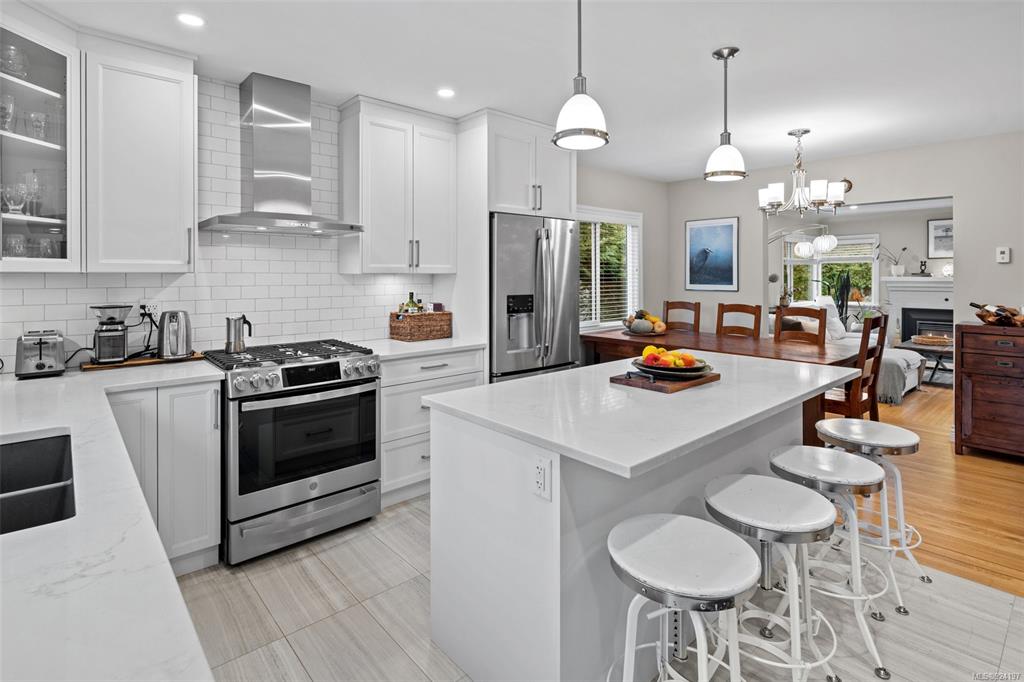
In a hot seller’s market, some homes can get away with ambitious pricing because urgency does a lot of the work. In a balanced market, that changes. Buyers have more options, more time to compare, and more room to negotiate. That means pricing is no longer just a number. It becomes part of the strategy. Greater Victoria is showing the kind of conditions that make smart pricing especially important. The Victoria Real Estate Board reported 3,261 active listings at the end of March 2026, up 12.3 per cent from February, while 579 properties sold in March. VREB described current conditions as offering opportunity for both buyers and sellers, with fewer high-pressure transactions and more time for due diligence. What strategic pricing really means Strategic pricing does not mean pricing low for the sake of creating a bidding war. It also does not mean pricing high just to leave room to negotiate. In a balanced market, both approaches can backfire. Strategic pricing means: Positioning your home where serious buyers see value Using recent comparable sales, current competition, and buyer behaviour together Choosing a price that supports your timing goals as well as your financial goals The goal is simple: create enough confidence that buyers feel your home is worth seeing, worth considering, and worth acting on. The biggest pricing mistake sellers make The most common mistake is treating list price like a wish list instead of a market position. Many sellers look at what they want to net, what a neighbour listed for, or what improvements they made, and build a price from there. The problem is that buyers do not price homes that way. Buyers compare your home against every other option available to them right now. In a balanced market, overpricing usually does not create leverage. It creates hesitation. When a home sits too long, buyers start asking the wrong questions: What is wrong with it? Why has it not sold? Is the seller unrealistic? Should we wait for a price reduction? That is how a home can lose momentum before it ever gets a real chance. What buyers are actually looking at Today’s buyers are rarely judging your home in isolation. They are comparing it to: Recent sold properties that set expectations Current active listings that compete for attention Homes that failed to sell which quietly show where the market rejected pricing That last category matters more than many sellers realize. Expired and stagnant listings are often the clearest warning sign that the market did not agree with the price. A smart pricing strategy studies all three. How to price with the market, not behind it 1. Start with the most relevant comparables The best comparable sales are recent, nearby, and genuinely similar in size, condition, layout, and location. Not every sale in the neighbourhood is helpful. A smaller updated home may outperform a larger dated one. A home on a quiet street may command more than a similar one on a busier road. Pricing strategy starts with knowing which differences matter to buyers and which ones do not. 2. Look at your competition honestly Sold data tells you where the market has been. Active listings tell you what buyers are choosing between today. If your home is similar to two or three competing listings, your price needs to answer a simple question: why would a buyer choose yours? Sometimes the answer is condition. Sometimes it is lot size, layout, updates, or location. Sometimes the answer has to be price. 3. Build in room for buyer psychology Even in a balanced market, buyers still respond to perceived value. A home priced just well enough to stand out can generate stronger early interest than one priced slightly too high. That matters because the first week or two is often when your listing gets the most attention. If that window is wasted, catching back up can be difficult. 4. Match the pricing strategy to your goal Not every seller has the same objective. If timing matters most, pricing closer to the strongest value range may help create faster traction. If maximizing price matters most, the strategy may involve pricing with slightly more patience, but still within a range the market can support. If the home is unique, pricing may require more explanation, stronger presentation, and tighter positioning. Good pricing is never one-size-fits-all. Signs your price is working A strategic price usually creates a pattern: Strong online views and saves Solid showing activity in the first couple of weeks Meaningful buyer feedback Interest from buyers who are properly matched to the home and price point If showings are low and feedback keeps circling back to price, the market is usually giving you an answer early. Signs your price is missing the mark Watch for these warning signs: Plenty of views online but very few showings Showings without second visits or serious follow-up Repeated comments that similar homes offer better value The listing starts to feel stale compared with new inventory In a balanced market, time can quietly become your competition. The longer a listing sits without a clear reason, the more negotiating power tends to shift away from the seller. Why this matters in Victoria right now This is exactly why pricing strategy matters so much in Greater Victoria today. Inventory has been rising, buyers have more breathing room, and VREB has described the market as one with good supply and reasonable demand rather than high-pressure urgency. That means sellers can still succeed, but the homes that stand out are usually the ones that combine good presentation, clear value, and accurate pricing. That answer-first, highly structured approach also matches the blog SEO and AEO direction identified in your site audit, which emphasized stronger clarity, cleaner answer extraction, and more strategic content framing. The bottom line To price your home strategically in a balanced market, think less about pushing the ceiling and more about controlling the outcome. The right price helps attract the right buyers, protects your momentum, and gives you a stronger position when offers come in. A well-priced home does not just sit on the market waiting to be discovered. It gives buyers a reason to act. If you are thinking about selling and want a pricing strategy built around today’s Greater Victoria market, contact Faber Real Estate Group for tailored advice on how to position your home with confidence. Lauren A., 5-Star Review, via Google Excellent and professional real estate service! I referred Scott Faber to my father to sell his house. The process went smoothly, and sold in a very short time frame - OVER the asking price! Highly recommend! Faber Real Estate Group Royal LePage Coast Capital Realty 📞 250-244-3430 📧[email protected] ℹ️ Scott Faber Personal Real Estate Corporation ℹ️ Cal Faber Personal Real Estate Corporation Vanessa Wood, Zachary Parsons, and Sophie Taylor “Building Lasting Relationships, One Home at a Time.”
Read more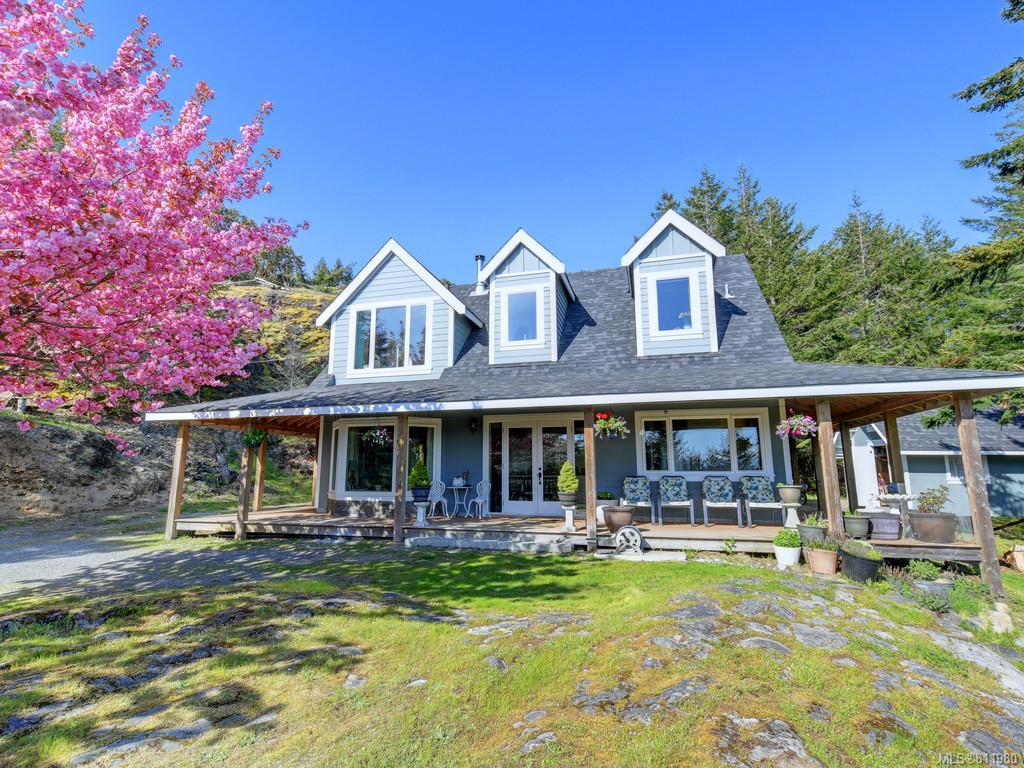
For many homeowners, upsizing in Victoria BC is not really about buying “more house.” It is about buying a better fit for the life you are living now. Maybe the family has grown. Maybe you need a better layout, more privacy, a yard, a home office, or a suite option for long-term flexibility. The best strategy for upsizing in Victoria BC is usually not to rush into the next purchase first. It is to build a plan that protects your equity, keeps your financing realistic, and gives you enough flexibility to move when the right home appears. In today’s Greater Victoria market, where inventory has improved and benchmark pricing has been relatively stable, disciplined sequencing matters more than guesswork. The Victoria Real Estate Board reported the Victoria Core single-family benchmark at $1,307,400 in February 2026, up from $1,265,500 in January 2026 and only 0.9 percent below February 2025, which points to a market with movement but not extreme volatility. Start With the Real Constraint, Not the Dream Home Most homeowners begin by browsing listings. That is understandable, but it is usually the wrong first move. The real starting point is this question: What can you comfortably carry after you sell, close, move, and reset your monthly costs? That means reviewing: your estimated sale proceeds mortgage payout penalties, if any property transfer tax on the purchase legal fees, moving costs, and immediate improvement costs the payment range that still feels comfortable in real life This matters even more in 2026 because borrowing conditions are better than they were at the peak of the rate cycle, but affordability still needs to be handled carefully. The Bank of Canada’s policy rate has been 2.25% since January 28, 2026, and CMHC says variable mortgage rates have fallen over the last two years while fixed rates are more exposed to higher bond yields. In Most Cases, Sell First or Prepare to Sell First For most move-up buyers in Victoria, the safest strategy is one of these two paths: sell first, then buy prepare the home for sale first, then buy only when the sale path is clear Why? Because upsizing magnifies risk. If you buy first without a firm plan, you can end up dealing with: pressure to accept less for your current home carrying two properties at once rushed financing decisions emotional overbidding because you feel committed to the next purchase That does not mean buying first is always wrong. It can work for homeowners with significant equity, strong income, or access to bridge financing and a comfortable financial cushion. But for many households, selling first creates clarity and negotiating discipline. The Best Upsizing Strategy Is Usually a Three-Part Plan 1. Prepare your current home to sell like a product, not just a possession Before you even seriously shop, get your current home market-ready. That means: tackling obvious maintenance items decluttering and depersonalizing improving lighting and flow getting staging advice where appropriate understanding where your home sits against current competition This step matters because your current home is the engine that powers the next move. The cleaner and clearer your sale, the easier your upgrade becomes. 2. Get financing fully reviewed before writing offers Do not rely on a rough online estimate. A proper financing review should cover: your likely sale proceeds maximum purchase price payment comfort zone down payment structure bridge financing options what happens if your sale takes longer than expected The goal is not just to know your ceiling. It is to know your safe range. 3. Shop with strict priorities When people upsize, they can accidentally overpay for the wrong kind of “more.” More square footage is not always better if the location worsens, the lot is awkward, or the layout still does not solve the real problem. Focus on the upgrades that materially change daily life, such as: one more true bedroom a more functional family layout a usable yard better school or commute positioning suite potential less deferred maintenance a neighbourhood that fits the next five to ten years In Victoria, Timing Matters, But Sequence Matters More Many homeowners worry about “the perfect time” to upsize. In reality, sequence is usually more important than trying to outguess the market by a month or two. That said, current Victoria conditions do support a more strategic move-up approach. VREB reported balanced market conditions in February 2026, with 465 sales and 2,823 active listings at month-end. That was a 10.6 percent increase in active listings from January, giving buyers more choice than a tighter market would. For upsizers, that balance can help in two ways: you may have more selection on the purchase side you may face less frenzy than in a fully overheated market But balance does not remove the need for sharp pricing. If your current home is overpriced, the entire plan can stall. Avoid the Trap of Over-Improving Before You Sell A common mistake is spending too much getting the current home “perfect” before listing. Most of the time, upsizers do not need perfection. They need traction. That means focusing on improvements that help buyers feel confidence quickly: paint touch-ups repairs buyers will notice immediately cleaner presentation curb appeal better furniture layout pre-listing organization Expensive renovations with weak payback can delay your next move and reduce flexibility. The question is not “How do we maximize every dollar of value?” It is often “How do we improve saleability without overcapitalizing?” Have a Backup Plan Before You Need One The strongest move-up strategies include a backup plan early. That might include: temporary rent-back after your sale bridge financing if purchase and sale dates do not line up a short list of acceptable interim housing options a smaller geographic search expansion if inventory is thin in your top neighbourhood This is what reduces panic decisions. The move-up buyer who has a backup plan usually negotiates better than the buyer who feels cornered. What Homeowners in Victoria Should Do Right Now If you are thinking about upsizing this year, the best next move is usually: determine your likely sale range with current comparables review mortgage and equity numbers in detail prepare your current home before actively shopping define your non-negotiables for the next home be ready to act when the right property appears, not just any larger property That is the difference between moving up strategically and simply moving sideways at a higher cost. Final Thoughts The best strategy for homeowners in Victoria who want to upsize is to treat the move as a coordinated two-property decision, not just a home search. Your sale, your financing, your timing, and your purchase criteria all need to support each other. In a market with more choice and relatively steady benchmark pricing, the real advantage comes from preparation, not prediction. If you are thinking about upsizing in Greater Victoria and want help building a move-up plan that fits your equity, timing, and next-home goals, contact Faber Real Estate Group for tailored advice on your best next step. Brett Hayward, 5-Star Review, via Google “I can’t suggest how to make Fabers better at being good realtors. They’re already congenial, trustworthy, informed, experienced, and thorough. Cal listened and advised, and somewhere in the middle he said what the condo would sell for and he was right on. Thanks!” Faber Real Estate Group Royal LePage Coast Capital Realty 📞 250-244-3430 📧[email protected] ℹ️ Scott Faber Personal Real Estate Corporation ℹ️ Cal Faber Personal Real Estate Corporation Vanessa Wood, Zachary Parsons, and Sophie Taylor “Building Lasting Relationships, One Home at a Time.”
Read more