
Posts Tagged ‘Victoria home buyers’

Moving to Victoria BC means choosing more than a home. You are also choosing a neighbourhood, commute, lifestyle, housing type, and monthly cost structure. Greater Victoria is made up of several distinct communities, and understanding those differences before you start viewing homes can make your search considerably easier. What Should You Know Before Moving to Victoria? Before buying, focus on five things: Where you need to commute How much space you actually need Whether you prioritize walkability or a larger property The age and type of home you are comfortable owning How far your budget goes in different parts of Greater Victoria The best neighbourhood is not necessarily the most expensive or best known. It is the one that works for your day-to-day life. What Areas Are Included in Greater Victoria? One of the first things relocating buyers should understand is that "Victoria" often refers to a much larger region than the City of Victoria itself. Greater Victoria includes communities such as: Victoria Saanich Oak Bay Esquimalt View Royal Langford Colwood Sidney Central Saanich North Saanich Sooke Each offers a different mix of housing, amenities, recreation, schools, transportation, and price points. Buyers who prioritize walkability and proximity to downtown may focus on neighbourhoods such as James Bay, Fairfield, Fernwood, or Vic West. Meanwhile, buyers looking for additional space may expand into Saanich, View Royal, Langford, Colwood, or farther west. Our guide to Hidden Gem Neighbourhoods in Langford, Colwood, and View Royal is a good starting point if you are considering the Westshore. What Can Your Budget Buy in Victoria? Your purchasing power can change considerably depending on location. The same budget may buy a condo closer to downtown, a townhome farther from the core, or potentially provide access to a detached home in another community. Instead of focusing only on price, decide which features deserve more of your budget. For example: More living space A larger yard Walkability A shorter commute Newer construction Suite potential Schools Recreation Lower maintenance Our Comparing Victoria Neighbourhoods at the $800K Price Point guide shows how dramatically housing options can change from one part of Greater Victoria to another. How Important Is Your Commute in Victoria? Distance on a map does not always tell the full story. Traffic patterns can make commute times between the Westshore and Victoria, Saanich, or Esquimalt different depending on when you travel. If you expect to commute regularly, test the route during the hours you would normally be driving. However, a longer commute can also create opportunities. An additional 15 or 20 minutes of travel may allow you to buy a newer property, gain another bedroom, add a garage, or have more outdoor space. For some buyers, that trade-off makes sense. For others, being able to walk or cycle to work matters more. Should You Buy an Older Home in Victoria? Greater Victoria has many established neighbourhoods with older homes, particularly closer to the core. Older homes can offer character, mature landscaping, larger lots, and locations that are difficult to recreate with newer construction. However, they can also require additional due diligence. Depending on the property's age and history, consider investigating: Electrical systems Plumbing Drainage Roofing Foundations Insulation Heating systems Previous renovations Underground oil tanks A renovated kitchen or updated flooring does not necessarily tell you the condition of the major systems behind the walls. A thorough inspection becomes particularly important when purchasing an older property. What Should You Know About Buying a Condo or Townhome? Condos and townhomes are an important part of the Greater Victoria market. When you purchase a strata property, you are evaluating both the individual home and the financial health and management of the strata corporation. Important information can include: Strata meeting minutes Financial statements Depreciation reports Insurance Bylaws Special assessments Contingency reserve fund information You should also confirm parking, storage, pet rules, and any other restrictions that could affect your lifestyle. The quality of the building and strata management can matter just as much as the condition of the unit itself. Should You Consider Langford and the Westshore? For many people moving to Victoria BC, the Westshore deserves serious consideration. Langford, Colwood, and View Royal can provide access to newer condos, townhomes, detached homes, and new construction. Depending on your budget, buyers may also find more living space compared with neighbourhoods closer to downtown Victoria. Langford has also grown into a major centre for shopping, dining, recreation, schools, trails, and everyday services. The trade-off is often commute versus space. Understanding which matters more to you can quickly narrow your search. What BC Home-Buying Rules Should Relocating Buyers Know? If you are moving from another province, some parts of the BC buying process may be unfamiliar. For many residential purchases, BC's Home Buyer Rescission Period gives buyers three business days after an accepted offer to rescind the contract. If used, the buyer generally pays the seller 0.25% of the purchase price. Property Transfer Tax should also be considered when calculating closing costs. First-time buyers who meet the eligibility requirements may qualify for BC's First Time Home Buyers' Program. If you are considering new construction or a pre-sale, GST, deposit structures, completion timelines, and developer disclosure documents may also affect your purchase. You can also explore our current Victoria and Vancouver Island developments if newer construction is part of your search. Can You Buy Before You Move to Victoria? Yes. Many relocating buyers begin their search before arriving in Greater Victoria. Video walkthroughs, virtual meetings, electronic documents, and local inspections can make remote purchases possible. However, buyers should narrow down their preferred areas before relying heavily on online listings. A home may look perfect in photos, but photos do not always show: Street traffic Neighbouring properties Hills and terrain Nearby construction Noise Walkability The actual feel of the neighbourhood Local context becomes especially valuable when you cannot attend every showing yourself. Start With Your Lifestyle Before Choosing the Home A common mistake is finding a house online first and then trying to make the neighbourhood fit. Reverse the process. Ask yourself: Where will you work? How often will you commute? How much space do you need? Do you want to walk to restaurants and shops? Are schools important? Do you prefer an established neighbourhood or newer construction? Once those priorities are clear, your home search becomes much more focused. You can also search homes throughout Greater Victoria to compare current options across different communities and property types. Planning a Move to Victoria? If you are relocating to Greater Victoria, we can help you compare neighbourhoods, understand what your budget buys in different areas, and narrow your search before you spend time viewing homes that do not fit. Our Buy With Us page is a good place to start, or contact our team to build a relocation strategy around your budget, commute, preferred property type, and timeline. The goal is not simply to find a home in Victoria. It is to find the part of Greater Victoria that still feels like the right decision once you are living here. Trent M., 5-Star Review, via Google “Faber Group is awesome, they were looking out for our best interests from day one. Super knowledgable about the area, great to work with and very personable. They took their time with us too, we never felt rushed through the process. Would highly recommend!” Faber Real Estate Group Royal LePage Coast Capital Realty 📞 250-244-3430 📧 [email protected] ℹ️ Scott Faber Personal Real Estate Corporation ℹ️ Cal Faber Personal Real Estate Corporation Vanessa Wood, Zachary Parsons, and Sophie Taylor “Building Lasting Relationships, One Home at a Time.”
Read more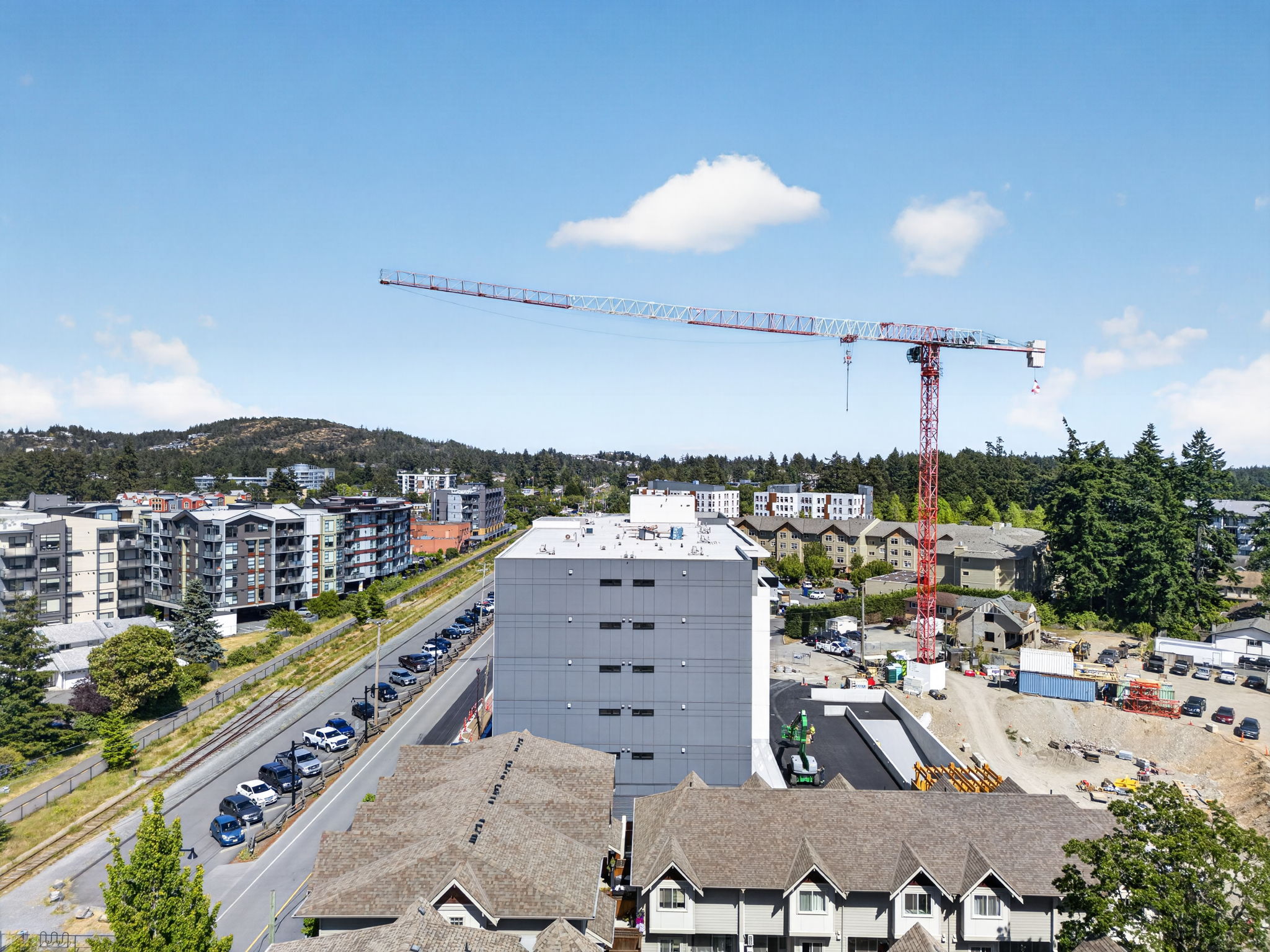
Buying a home before it is built can offer some real advantages, but it also comes with risks that are different from buying an existing home. For buyers considering buying a pre-sale home in Victoria, the biggest benefits can include getting a brand-new home, having more selection early in a development, spreading deposits over time, and potentially qualifying for new-home tax programs. However, buyers also need to consider construction delays, changing market values, financing at completion, contract restrictions, and the fact that the finished home may differ somewhat from the original plans. If you are still determining what price range fits your finances, start with our guide on how much income you need to buy a home in Victoria. What Is a Pre-Sale Home? A pre-sale purchase happens when you agree to buy a home from a developer before construction is complete. Instead of walking through the exact finished home, you may be making your decision based on floor plans, renderings, display suites, specifications, and the developer's disclosure statement. Deposits are typically paid according to the schedule in the contract, with the remaining purchase price due when the home is ready for completion. If you are comparing new construction locally, you can also explore our Greater Victoria developments to see current and upcoming opportunities. What Are the Pros of Buying Pre-Sale? 1. You May Get More Choice Buying earlier in a development can give you a wider selection of: Floor plans Building locations Views Exposure and orientation Parking options Finishing packages This can be particularly valuable when certain layouts or locations within a development are limited. 2. You Are Buying a Brand-New Home New construction generally means newer building systems, modern layouts, current energy-efficiency standards, and less immediate maintenance than an older property. Most qualifying new homes in B.C. are also protected by mandatory 2-5-10 home warranty insurance, which provides different levels of coverage for materials and labour, the building envelope, and structural defects. 3. Your Deposit May Be Spread Over Time Unlike many resale purchases where the deposit is required shortly after acceptance, pre-sale developments often use a staged deposit schedule. That can give buyers more time to build savings before completion, although the exact deposit requirements vary from project to project. The overall timeline is also very different from a typical resale purchase. If you want to better understand the traditional buying process, read our guide on how long it takes to buy a home. 4. You Lock In the Purchase Price Before Completion Your contract establishes a purchase price even though completion may be months or years away. If property values rise before completion, that can work in your favour. However, the reverse is also true, which is why buyers should avoid assuming appreciation will occur. A pre-sale should make financial sense based on your circumstances today, not only on what you hope the property will be worth later. 5. Some Buyers May Qualify for Significant Tax Savings Eligible first-time buyers purchasing qualifying new homes may benefit from federal GST relief, subject to current eligibility rules and purchase-price thresholds. B.C. also offers a Newly Built Home Exemption from property transfer tax for qualifying principal residences. These programs can materially change the cost of purchasing new construction, but eligibility should always be confirmed based on your individual situation. What Are the Cons of Buying Pre-Sale? 1. The Home Is Not Finished Yet Renderings and display suites are helpful, but they are not the same as walking through your actual home. Room dimensions can feel different in person, views can be difficult to judge, and some contracts allow changes to layouts, square footage, materials, or finishes within specified limits. Understanding exactly what the developer is contractually required to deliver matters. 2. Completion Dates Can Change Construction timelines are estimates. Permitting, labour availability, financing, construction costs, weather, and other factors can delay a development. If you need to sell another property, end a lease, or coordinate a move, flexibility becomes important. 3. Your Financing Is Usually Finalized Much Later Getting mortgage approval when you sign a pre-sale contract does not necessarily guarantee financing at completion. Your income, employment, interest rates, lending rules, or the appraised value of the property could change. For example, if you agreed to purchase for $700,000 but the lender later appraises the completed property below that amount, you may need additional cash to close. This is why it is important to understand both your maximum qualification and your comfortable monthly payment before committing. Our article on why your monthly payment matters more than the purchase price can help with that comparison. 4. Market Values Can Move in Either Direction Locking in today's price can be an advantage if values rise. However, if comparable properties are selling for less when your home completes, you are still generally obligated to complete the purchase according to your contract. That is why pre-sale purchasing should not be treated as guaranteed appreciation. 5. Assigning the Contract May Not Be Simple Some buyers assume they can sell their contract before completion if their plans change. That is not always the case. The developer may restrict assignments, require approval, charge an assignment fee, or refuse an assignment altogether. The specific terms are contained in the pre-sale contract. Can You Cancel a Pre-Sale Contract in B.C.? Generally, pre-sale buyers protected under B.C.'s Real Estate Development Marketing Act have a seven-day right to cancel their pre-sale purchase without penalty. The disclosure statement should also be reviewed carefully. It contains important information about estimated construction dates, strata fees, bylaws, parking, contractual rights, and other details about the development. As you get closer to completion, a lawyer or notary will also become part of the process. Our guide on what a real estate lawyer does in the home buying process explains their role. Who Is a Pre-Sale Purchase Best Suited For? Buying pre-sale can make sense for buyers who: Have flexibility around their moving date Want a brand-new home Have stable finances and room for future changes Prefer selecting their unit early Understand that completion dates can move Are comfortable purchasing from plans and specifications Plan to hold the property rather than depend on a quick assignment The best pre-sale is not simply the project with the nicest display suite. It is one where the developer, contract, location, floor plan, pricing, financing plan, and completion timeline all make sense together. Should You Buy Pre-Sale in Greater Victoria? There is no universal answer. For some buyers, a pre-sale provides time to save, access to new construction, strong floor-plan selection, and potential tax advantages. For others, the certainty of purchasing an existing home may be more valuable. Before signing, look beyond the purchase price. Review the disclosure statement, investigate the developer's track record, understand the deposit and assignment terms, confirm the estimated completion timeline, and discuss financing well in advance. You should also compare the pre-sale against resale homes available within the same budget. Buyers deciding between different parts of the region may also find our Westhills vs. Bear Mountain comparison helpful when weighing location, lifestyle, housing type, and long-term plans. Explore Pre-Sale Opportunities in Greater Victoria If you are comparing pre-sale opportunities in Victoria, Langford, Colwood, or elsewhere in Greater Victoria, our team can help you compare the project, contract terms, floor plans, neighbourhood, financing considerations, and available resale alternatives before making a decision. You can explore our current Greater Victoria developments, including Pavilion in Langford, or learn more about how we help buyers through our Buy With Us page. Buying pre-sale can be a great fit for the right buyer, but the details matter. If you are considering a new development and want a second set of eyes before committing, contact our team and we can help you compare the opportunity against the rest of the Greater Victoria market. This article is intended for general information only and is not legal, tax, or financial advice. Buyers should obtain independent professional advice regarding their specific purchase. Lynn L., 5-Star Review, via Google “Purchasing our home with Faber Real Estate Group has been nothing short of fantastic. Scott Faber's attention to detail and personal service is outstanding. His professionalism and friendly personality went a long way for us. We are more than pleased we chose Scott and Faber Real Estate Group as our agent. We wish to extend our heartfelt "Thank You" to Scott and his team. We highly recommend them!” Faber Real Estate Group Royal LePage Coast Capital Realty 📞 250-244-3430 📧 [email protected] ℹ️ Scott Faber Personal Real Estate Corporation ℹ️ Cal Faber Personal Real Estate Corporation Vanessa Wood, Zachary Parsons, and Sophie Taylor “Building Lasting Relationships, One Home at a Time.”
Read more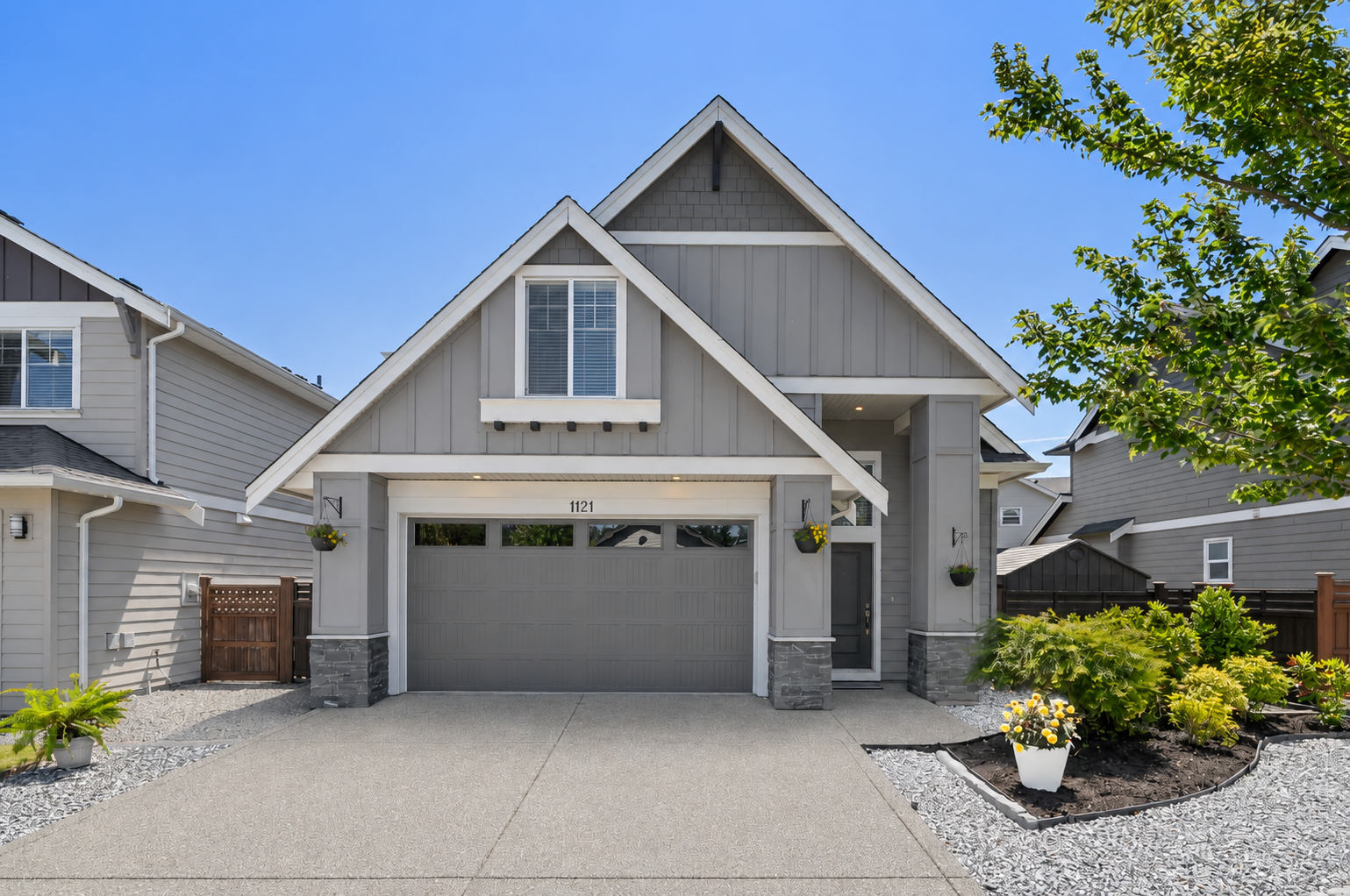
What buyers should negotiate beyond the purchase price can be just as important as the price itself. A strong offer is not simply a dollar amount. It is a complete set of terms that determines how much time you have for due diligence, when you receive possession, what stays with the home, and what must happen before the purchase becomes firm. Sometimes a slightly higher price with poor terms creates more risk than a well-structured offer at the same price. The Short Answer Beyond the purchase price, buyers may need to negotiate: Deposit amount and timing Subject conditions Due diligence timelines Completion and possession dates Included and excluded items Repairs or property condition Vacant possession Access before possession Strata fees, levies, or other adjustments Seller representations and supporting documents The right priorities depend on the property, your financing, the seller’s plans, and the amount of competition. Deposit Amount and Timing The deposit shows the buyer’s commitment and forms part of the funds used toward the purchase. Buyers may negotiate: The deposit amount When it must be paid Who will hold it in trust Whether it is due after acceptance or subject removal A larger or faster deposit may make an offer appear stronger, but it must remain realistic. Buyers should confirm that the funds are available within the written timeline. BCFSA advises buyers to understand how the deposit will be held and the circumstances under which it may be released. Failing to complete a firm purchase can also carry serious legal and financial consequences. Subject Conditions Subjects give buyers time to investigate the property and confirm they can safely complete the purchase. Common subjects may include: Financing approval Home inspection Property insurance Title review Property Disclosure Statement review Strata document review Septic, well, or oil tank review Sale of the buyer’s current home BCFSA explains that an accepted offer becomes legally binding when signed by both parties, even when it contains subjects. The subjects set out conditions that must be fulfilled before the sale proceeds. Subject dates should allow enough time to complete meaningful due diligence. Removing an important condition simply to make an offer look stronger may create far more risk than the possible negotiating advantage. B.C.’s Home Buyer Rescission Period may apply to certain residential purchases, but it is not a replacement for financing, inspection, insurance, or document-review subjects. Rescinding an eligible purchase generally requires payment of 0.25% of the purchase price. For a plain-language explanation of subjects, deposits, completion, and other contract terms, read Common Real Estate Terms Explained. Completion, Adjustment, and Possession Dates Dates can carry real value. A seller may want more time to move, coordinate another purchase, or avoid temporary accommodation. A buyer may need possession before a lease ends, school begins, or a rate hold expires. The main dates include: Completion date: Legal ownership transfers to the buyer. Adjustment date: Shared expenses are divided between the buyer and seller. Possession date: The buyer receives access to the property. Completion and possession do not always occur on the same day. Flexible dates can sometimes help a buyer compete without increasing the price. However, the dates still need to work with the buyer’s lender, lawyer or notary, insurance provider, movers, and current housing arrangements. Included and Excluded Items Buyers should never assume that an item will remain with the home. The contract should clearly identify items such as: Appliances Window coverings Wall-mounted televisions or brackets Shelving and storage systems Outdoor structures Hot tubs Security equipment EV charging equipment Garage cabinets Freezers or additional refrigerators For strata properties, buyers should also confirm the legal use or allocation of parking stalls, storage lockers, patios, and other limited common property. Clear wording helps prevent disagreements during the final walkthrough or possession. Repairs and Property Condition An inspection may reveal an issue that affects cost, safety, insurance, or future maintenance. Depending on the contract and the concern, a buyer may request: A repair before completion Further inspection by a specialist Supporting invoices or permits A price adjustment Another agreed amendment Additional time for investigation The seller does not have to agree to a new request simply because an inspection identified a concern. Repair requests should be specific. The contract or amendment may need to state who completes the work, what standard applies, whether permits are required, and when proof of completion must be provided. Any financial credit or adjustment should also be reviewed with the buyer’s lender and legal representative before it is included. For help separating manageable trade-offs from more serious concerns, read Buyer Compromises vs Red Flags. Access Before Possession Buyers may want access before possession for: Measurements Renovation estimates Contractor appointments Appliance planning A final walkthrough This access is not automatic. It should be requested and agreed to in writing. A final walkthrough can help confirm that the property remains in substantially the expected condition and that included items are still present. It is not a new home inspection or an opportunity to reopen every part of the agreement. Vacant Possession and Tenanted Properties When purchasing a tenanted property, buyers should clearly understand whether they are assuming the tenancy or requesting vacant possession. Vacant possession depends on proper contract wording, lawful notice requirements, timing, and the specific reason the buyer needs the property. Buyers should obtain professional advice before assuming that a tenant can simply be required to leave by possession day. The completion and possession dates must provide enough time for the required process. Not Every Term Needs to Become a Battle Effective negotiation is not about asking for everything. Too many small requests can distract from the terms that genuinely protect your finances, timing, and intended use of the home. Before writing an offer, decide: What do you need? What would be helpful? What are you willing to trade? Which risks are unacceptable? Which terms may matter most to the seller? This creates a more focused offer and makes it easier to respond if the seller counters. Why the Best Offer Is Not Always the Highest A seller may care about certainty, timing, subjects, deposit strength, included items, or the ease of their move. That means buyers can sometimes improve an offer without simply increasing the price. The goal is not to make the offer as aggressive as possible. The goal is to create the strongest offer you can comfortably and responsibly complete. Before viewing homes, it also helps to build a clear plan around your budget, preferred areas, trade-offs, and risk tolerance. Read Before You View Homes: Build a Better Search Plan for a practical starting point. Final Thoughts Understanding what buyers should negotiate beyond the purchase price creates a clearer picture of the entire agreement. Price matters, but so do the conditions that protect your financing, the dates that control your move, the items that remain with the home, and the wording that defines each party’s responsibilities. A good negotiation should improve the overall purchase, not simply reduce the number on the first page. Build an Offer Around More Than Price Before focusing only on how much to offer, speak with our team about the complete agreement. We can help you compare the property, competition, due diligence needs, dates, inclusions, and seller priorities so your offer protects what matters while remaining competitive in the Greater Victoria market. Lynn L, 5-Star Review, via Google “Purchasing our home with Faber Real Estate Group has been nothing short of fantastic. Scott Faber's attention to detail and personal service is outstanding. His professionalism and friendly personality went a long way for us. We are more than pleased we chose Scott and Faber Real Estate Group as our agent. We wish to extend our heartfelt "Thank You" to Scott and his team. We highly recommend them!” Faber Real Estate Group Royal LePage Coast Capital Realty 📞 250-244-3430 📧 [email protected] ℹ️ Scott Faber Personal Real Estate Corporation ℹ️ Cal Faber Personal Real Estate Corporation Vanessa Wood, Zachary Parsons, and Sophie Taylor “Building Lasting Relationships, One Home at a Time.”
Read more
A smart home search strategy in Victoria starts before you step inside a property. A smart home search strategy in Victoria helps you compare homes with more confidence, avoid emotional decision-making, and focus on the properties that actually fit your budget, lifestyle, and long-term plans. Most buyers think the search begins with viewing homes. It usually starts earlier than that. Before you book showings, scroll listings, or fall in love with a kitchen, it helps to slow down and build a clear plan. In Greater Victoria, where neighbourhoods, property types, strata rules, commute times, renovation needs, and price points can vary so much, a better search strategy can save time and reduce stress. The goal is not to view the most homes. The goal is to view the right homes with the right questions. Why Your Search Strategy Matters Before Viewing Homes A home can look perfect online and still be the wrong fit. Photos can make a room feel larger. A listing description may not tell the full story. A desirable location may come with trade-offs around parking, strata fees, traffic, school catchments, noise, or future resale appeal. That is why preparation matters. In June 2026, the Victoria Real Estate Board reported 4,054 active listings at month-end, up 7.3% from June 2025. VREB also noted that buyers had more options and more time to make informed decisions compared with the low-inventory years that created heavier competition. More choice can be helpful. It can also make the process harder if you do not have a clear filter. When buyers look at too many properties without a plan, every home starts to blur together. One has the better yard. One has the better kitchen. One has lower strata fees. One has a better location. One needs work. One feels emotionally exciting but financially uncomfortable. A clear search strategy gives you a way to compare those trade-offs before pressure enters the decision. Start With Your Real Budget, Not Just Your Pre-Approval A pre-approval is a starting point, not a comfort level. Before viewing homes, buyers should understand the difference between what they can technically afford and what they are comfortable paying each month. That means looking at more than the purchase price. Your budget should include: Mortgage payment Property taxes Strata fees, if applicable Home insurance Utilities Maintenance Parking or storage costs Future repairs or upgrades Closing costs Property transfer tax, if applicable Moving costs A home at the top of your approval amount may still work on paper, but feel tight in real life. That does not mean you should avoid stretching for the right property. It means you should know when you are stretching, why you are stretching, and what you are giving up in exchange. Separate Needs, Wants, and Nice-to-Haves One of the best ways to improve your home search is to divide your criteria into three categories. Needs These are the non-negotiables. They usually relate to daily function, budget, location, accessibility, family needs, pets, parking, or timeline. Examples may include: Minimum number of bedrooms Maximum monthly payment Pet-friendly building Parking requirement Specific school area Commute limit No major renovation requirement Suite potential One-level living Wants These matter, but they may be flexible if the right home checks the bigger boxes. Examples may include: Updated kitchen Larger yard Extra storage Home office South-facing exposure Walkability Garage Newer building Larger deck or patio Nice-to-Haves These are bonuses. They may improve your enjoyment, but they should not drive the entire decision. Examples may include: Feature fireplace Designer finishes Ocean glimpses Pantry Gym in the building EV charger already installed Extra guest space This exercise helps buyers avoid overvaluing cosmetic features and undervaluing practical ones. A beautiful backsplash is nice. A layout that works for your daily life matters more. Understand Which Neighbourhoods Fit Your Life Greater Victoria is not one market. A condo in Downtown Victoria, a townhome in Langford, a character home in Fernwood, a family property in Saanich, and a newer detached home in Colwood can all offer very different versions of value. Before viewing homes, ask yourself: Where do I spend most of my time? How far am I willing to commute? Do I want walkability or more space? Do I need access to schools, transit, parks, or trails? Am I comfortable being farther from the core if it gives me a better home? Do I want a newer property with less maintenance? Would I rather buy a smaller home in a preferred location or a larger home farther out? This is where many buyers get stuck. They say they want “the best value,” but value depends on what they are trying to solve. For one buyer, value means being able to walk to work. For another, it means a larger yard for kids and pets. For another, it means a newer strata building with fewer maintenance concerns. The right neighbourhood is not always the most popular one. It is the one that fits your budget, routine, and next stage of life. Know Your Property Type Trade-Offs Before viewing homes, buyers should understand how different property types affect lifestyle, cost, and responsibility. Condos Condos can offer lower maintenance, strong locations, and better entry points into the market. They also require careful review of strata fees, bylaws, depreciation reports, contingency reserve funds, insurance, rental rules, pet rules, parking, storage, and building history. Townhomes Townhomes often appeal to buyers who want more space than a condo without the full maintenance of a detached home. They can be practical for families, downsizers, and buyers who want outdoor space, but strata review is still important. Detached Homes Detached homes offer more control, privacy, land, and flexibility. They also come with more responsibility. Roofs, drainage, windows, perimeter drains, heating systems, exterior maintenance, and future repair costs all matter. New Construction and Pre-Sales Newer homes can offer modern layouts, energy efficiency, warranty coverage, and lower short-term maintenance. Buyers should still understand GST, completion timelines, deposits, assignment rules, deficiency walkthroughs, strata setup, and what is included in the purchase. Each property type can be the right choice. The key is knowing what you are accepting before you get emotionally attached. Build a Viewing Scorecard A simple scorecard can help you stay grounded during showings. After each viewing, rate the home from 1 to 5 in these categories: Location Layout Condition Natural light Storage Outdoor space Parking Strata or maintenance risk Renovation needs Monthly cost comfort Long-term resale appeal Overall lifestyle fit Then write one sentence: “Would I still want this home if no one else was interested?” That question matters. In real estate, competition can make a property feel more desirable than it actually is. A strong search strategy helps you separate urgency from alignment. Look Beyond the Listing Price The asking price is only one part of the story. A home may be priced sharply to create activity. Another may sit longer because it needs a specific buyer. A third may look expensive online but offer strong value because of location, condition, building quality, or future flexibility. Before viewing a property, it helps to ask: How long has it been on the market? Have there been price changes? How does it compare to recent sales? Are similar homes available nearby? Is the seller likely to negotiate? Are there obvious condition concerns? Is the home priced for its upgrades, location, or scarcity? Is the market moving differently for this property type? This is where local guidance matters. A listing can only tell you what the seller is asking. Market context helps you understand what the home may actually be worth. Review Risk Before Emotion Takes Over Every property has risk. The question is whether the risk is acceptable, manageable, and reflected in the price. Before writing an offer, buyers should understand the key items that may need review, including: Title Property disclosure statement Strata documents Building bylaws Depreciation report Insurance documents Inspection findings Permit history Easements or covenants Financing approval Insurance availability Deposit timing Subject removal timeline Possession date In British Columbia, many residential buyers also have the Home Buyer Rescission Period, which gives buyers up to three business days to rescind an accepted offer, with a rescission fee if they choose to do so. BCFSA states that the fee is 0.25% of the purchase price. That protection does not replace proper due diligence. It is still better to understand the property before writing, not after. Decide What You Are Willing to Compromise On Every buyer compromises. The mistake is not compromising. The mistake is compromising on the wrong things. Before viewing homes, decide which trade-offs you can live with. You may accept: A smaller yard for a better location An older kitchen for a stronger floor plan A longer commute for more space A smaller condo for walkability A higher strata fee for better amenities and building care A home needing cosmetic updates if the structure and location are strong You may not want to accept: A monthly payment that creates stress A layout that does not work A building with concerns you do not understand A location that makes daily life harder A renovation scope beyond your budget or patience A property that only works if everything goes perfectly Good buying decisions are rarely perfect. They are clear. Avoid Letting Online Searching Replace Strategy Online listings are helpful, but they can also create confusion. It is easy to compare homes that are not truly comparable. A condo downtown, a townhome in Langford, and a detached home in Saanich may all show up in a similar price range, but they solve different problems. Instead of asking, “Which one is best?” ask, “Which one best fits the life I am trying to build?” That shift changes the search. You stop chasing every new listing and start measuring each property against your actual goals. How Local Guidance Helps A strong buying process should not push you into a home. It should help you slow down enough to make a confident decision. Local guidance can help you: Compare neighbourhoods realistically Understand market conditions by property type Identify red flags before spending time on showings Review strata and property documents Build an offer strategy Understand timelines, deposits, and subjects Avoid overpaying because of emotion Recognize strong value when it appears In a market with more choice, preparation becomes even more important. The buyers who do best are not always the fastest. They are the ones who know what they are looking for, understand what matters, and act decisively when the right home appears. Final Thoughts A smarter home search starts with clarity. Before viewing properties, take time to understand your budget, lifestyle, neighbourhood preferences, property type, trade-offs, and risk tolerance. The more clearly you define your search, the easier it becomes to recognize the right home when you see it. You do not need to know everything before you begin. You just need a process that helps you make better decisions as you go. If you are thinking about buying in Greater Victoria, Faber Real Estate Group can help you build a search strategy that fits your goals, your timeline, and the realities of the local market. Wilson, 5-Star Review, via Google “Amazing people there! They will help you through the entire process and will always make you feel like family. For those first time home buyers, don't be intimidated entering the market because they will explain every process and guide you through.” Faber Real Estate Group Royal LePage Coast Capital Realty 📞 250-244-3430 📧 [email protected] ℹ️ Scott Faber Personal Real Estate Corporation ℹ️ Cal Faber Personal Real Estate Corporation Vanessa Wood, Zachary Parsons, and Sophie Taylor “Building Lasting Relationships, One Home at a Time.”
Read more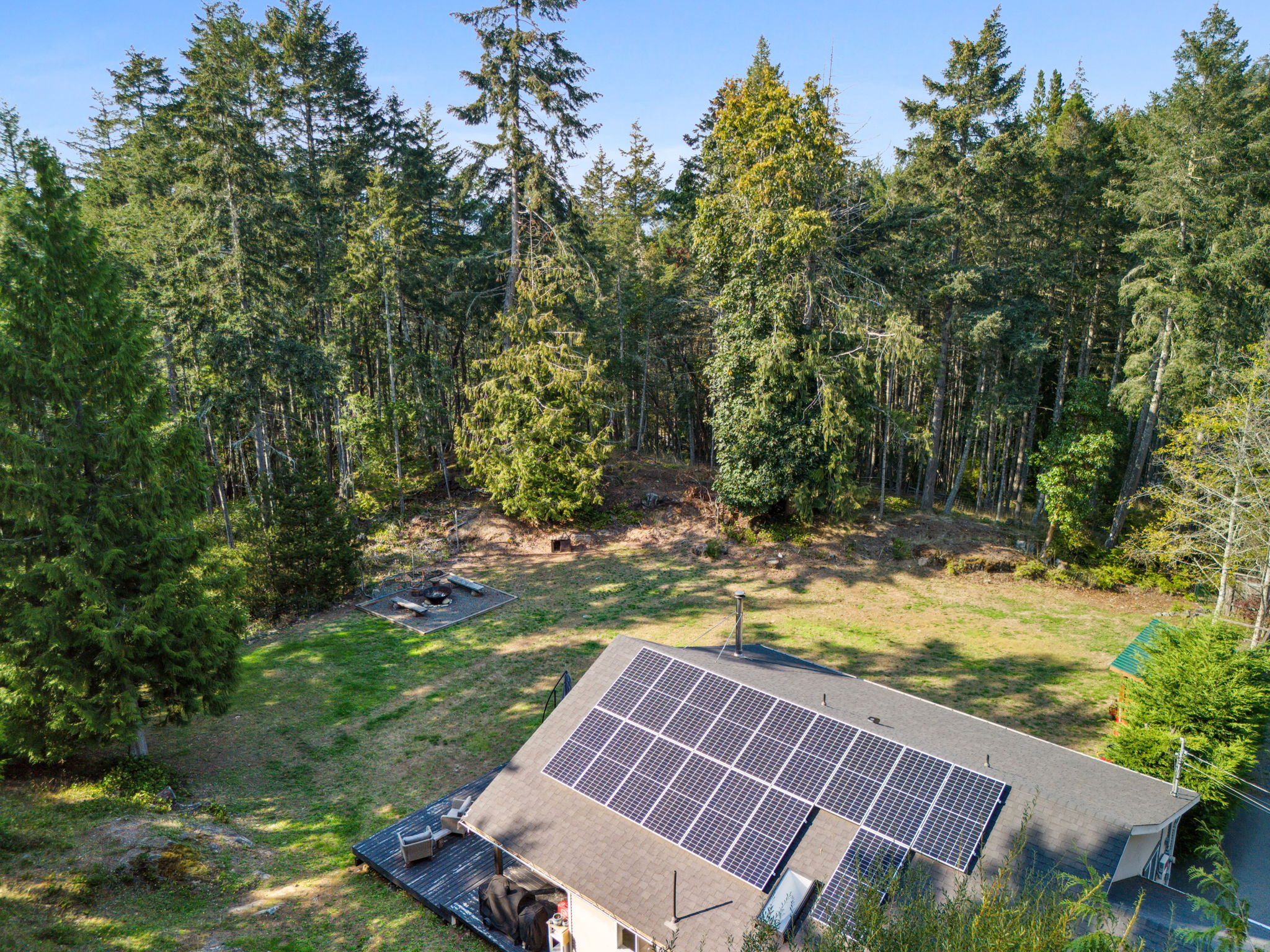
More space without leaving Greater Victoria is one of the most common goals for buyers whose current home no longer fits. That may mean an extra bedroom, a larger yard, a garage, a home office, suite potential, or simply a layout that feels easier to live in. For many buyers, the challenge is not wanting to leave the region. They still want access to work, schools, family, recreation, and the lifestyle that makes Greater Victoria such a desirable place to call home. The good news is that there are still practical options. The key is understanding where your budget goes further, what trade-offs each area involves, and what type of space actually matters most to your lifestyle. Why Buyers Start Looking for More Space Most people do not wake up one day and suddenly decide they need a bigger home. Usually, the need builds slowly. A condo starts to feel tight. A townhouse no longer has enough storage. A growing family needs another bedroom. Remote work makes a proper office more important. Pets, kids, hobbies, tools, bikes, guests, or extended family can all change how a home functions. At that point, the question becomes less about wanting more square footage and more about wanting a home that supports daily life better. That is where a thoughtful move-up strategy matters. The First Question Is Not Size. It Is Trade-Off. When buyers start searching for more space, they often focus on square footage first. That makes sense, but it is not the only thing that matters. In Greater Victoria, more space usually comes from one of three trade-offs: Moving farther from the downtown core Choosing an older home with more potential Prioritizing land, layout, or suite flexibility over newer finishes A newer home in Langford may offer more bedrooms, a garage, and a functional family layout. An older home in Saanich West may offer a larger lot, renovation potential, and a more central location. A property in Sooke may offer land, privacy, and outdoor space that would be difficult to find closer to town. None of these options are automatically better. The right choice depends on what problem you are trying to solve. Langford Langford is often one of the first areas buyers consider when they want more space without leaving Greater Victoria. The appeal is practical. Buyers can often find newer single-family homes, townhomes, duplexes, and family-oriented communities with more interior space than they may find in Victoria, Oak Bay, or central Saanich at a similar price point. Langford also offers strong everyday convenience. Shopping, restaurants, recreation, schools, trails, lakes, and transit connections have made it one of the most active move-up markets in the region. For many buyers, Langford offers a useful balance between space, amenities, and long-term livability. Colwood Colwood can be a strong option for buyers who want more space with a quieter residential feel. Areas around Royal Bay, Olympic View, Wishart, and Lagoon offer a mix of newer homes, established neighbourhoods, schools, parks, and access to the ocean. Buyers who value outdoor space, community planning, and proximity to beaches may find Colwood especially appealing. Compared with some core neighbourhoods, Colwood may offer more flexibility for families looking for an extra bedroom, a garage, a yard, or a more functional layout. View Royal View Royal is worth considering for buyers who want more space but do not want to feel too far removed from Victoria. Its location between the core and the Westshore makes it a strong middle-ground option. Buyers have access to Thetis Lake, the Galloping Goose Trail, Victoria General Hospital, shopping, schools, and major commuter routes. View Royal includes a mix of older single-family homes, townhomes, strata communities, and larger properties depending on the neighbourhood. For buyers who want both space and convenience, it can be a smart area to watch. Saanich West Saanich West is often overlooked by buyers who are focused on either central Victoria or the Westshore. That can create opportunity. Neighbourhoods around Tillicum, Glanford, Strawberry Vale, Royal Oak, Interurban, and Carey may offer single-family homes, larger lots, established streets, parks, and convenient access to town. Some homes may need updating, but that can be part of the long-term value. For buyers who are open to improving a home over time, Saanich West can offer more flexibility than trying to buy a fully renovated property in a more expensive neighbourhood. Sooke Sooke is a strong option for buyers who want more land, more privacy, or more access to nature. The trade-off is usually commute time. For buyers working in downtown Victoria, Saanich, or even parts of Langford, that can be a major consideration. But for those who work remotely, have flexible schedules, or value lifestyle space more than central convenience, Sooke can be a practical fit. Buyers may find larger lots, newer homes, suite options, ocean views, rural settings, and access to trails and beaches. For the right person, Sooke offers a kind of space that is difficult to replicate closer to town. Metchosin and the Highlands Metchosin and the Highlands offer a different version of space. These areas appeal to buyers looking for privacy, acreage, workshops, gardens, rural character, or a quieter lifestyle. They are not always the easiest fit for every buyer because larger properties can come with more maintenance, wells, septic systems, and unique home styles. For buyers who want land and separation, these communities can offer something rare within Greater Victoria. The key is to look beyond the appeal of acreage and understand the responsibility that comes with it. More land can be an incredible lifestyle choice, but it should be matched with the right budget, time, and expectations. The Peninsula Central Saanich, North Saanich, and Sidney can also be worth exploring for buyers who want more space without leaving Greater Victoria. Central Saanich and North Saanich may appeal to buyers looking for larger lots, rural surroundings, established homes, and a calmer pace. Sidney offers more walkability, services, restaurants, shops, and waterfront access, although larger detached homes can come at a premium. The Peninsula works well for buyers who want to stay connected to Greater Victoria but prefer a quieter setting outside the busier urban core. Older Homes Can Be a Smart Path to More Space More space does not always mean buying the newest home. In many established neighbourhoods, older homes may offer larger lots, better renovation potential, suite possibilities, mature landscaping, and more flexible layouts. They may also come with maintenance needs, so it is important to understand the roof, windows, perimeter drains, electrical, plumbing, heating, and overall condition. For buyers with a longer-term mindset, an older home in the right location can be a strategic move. You may not get every finish you want on day one, but you may gain land, layout, and future flexibility. Layout Matters More Than Square Footage A bigger home is not always a better home. A well-designed 1,900 square foot home can feel more functional than a poorly laid out 2,400 square foot home. Before focusing only on size, it helps to define what kind of space you actually need. Ask yourself: Do you need more bedrooms? Do you need a second living room? Do you need a proper office? Do you need storage? Do you need a garage or workshop? Do you need a yard for kids or pets? Do you need suite potential? Do you need separation for teenagers, guests, or extended family? The clearer you are on the real need, the easier it becomes to compare homes properly. A large home with the wrong layout may not solve your problem. A slightly smaller home with the right layout might. Do Not Forget the Cost of the Move When moving up, the purchase price is only one part of the decision. Buyers should also consider: Property transfer tax Legal fees Moving costs Renovations or repairs Utility costs Insurance Commuting costs Strata fees, if applicable Long-term maintenance A home that looks more affordable on paper may become less affordable if it requires major work. On the other hand, a slightly more expensive home with better systems, layout, and condition may be easier to manage over time. This is where strategy matters. The goal is not just to buy more space. The goal is to buy more usable space without creating unnecessary financial pressure. Final Thoughts Finding more space without leaving Greater Victoria is possible, but it often requires a flexible mindset. For some buyers, the right move may be Langford, Colwood, View Royal, or Sooke. For others, it may be Saanich West, the Peninsula, Metchosin, the Highlands, or an older home with more potential. The best choice is not always the biggest home or the newest home. It is the home that gives you the right balance of space, location, lifestyle, budget, and long-term value. If your current home no longer fits, it may be time to look at your options with a clear plan. A thoughtful move-up strategy can help you understand where your budget goes further, which areas fit your lifestyle, and what trade-offs are actually worth making. Devon M., 5-Star Review, via Google “Scott was very patient with us as we started our family and took about a year to decide on place we thought would be fit for our home. He went above and beyond and still continues to this day to keep in touch and periodically checks in to see how we are doing. I highly recommend him to anyone looking for a realtor to either sell or buy their home.” Faber Real Estate Group Royal LePage Coast Capital Realty 📞 250-244-3430 📧 [email protected] ℹ️ Scott Faber Personal Real Estate Corporation ℹ️ Cal Faber Personal Real Estate Corporation Vanessa Wood, Zachary Parsons, and Sophie Taylor “Building Lasting Relationships, One Home at a Time.”
Read more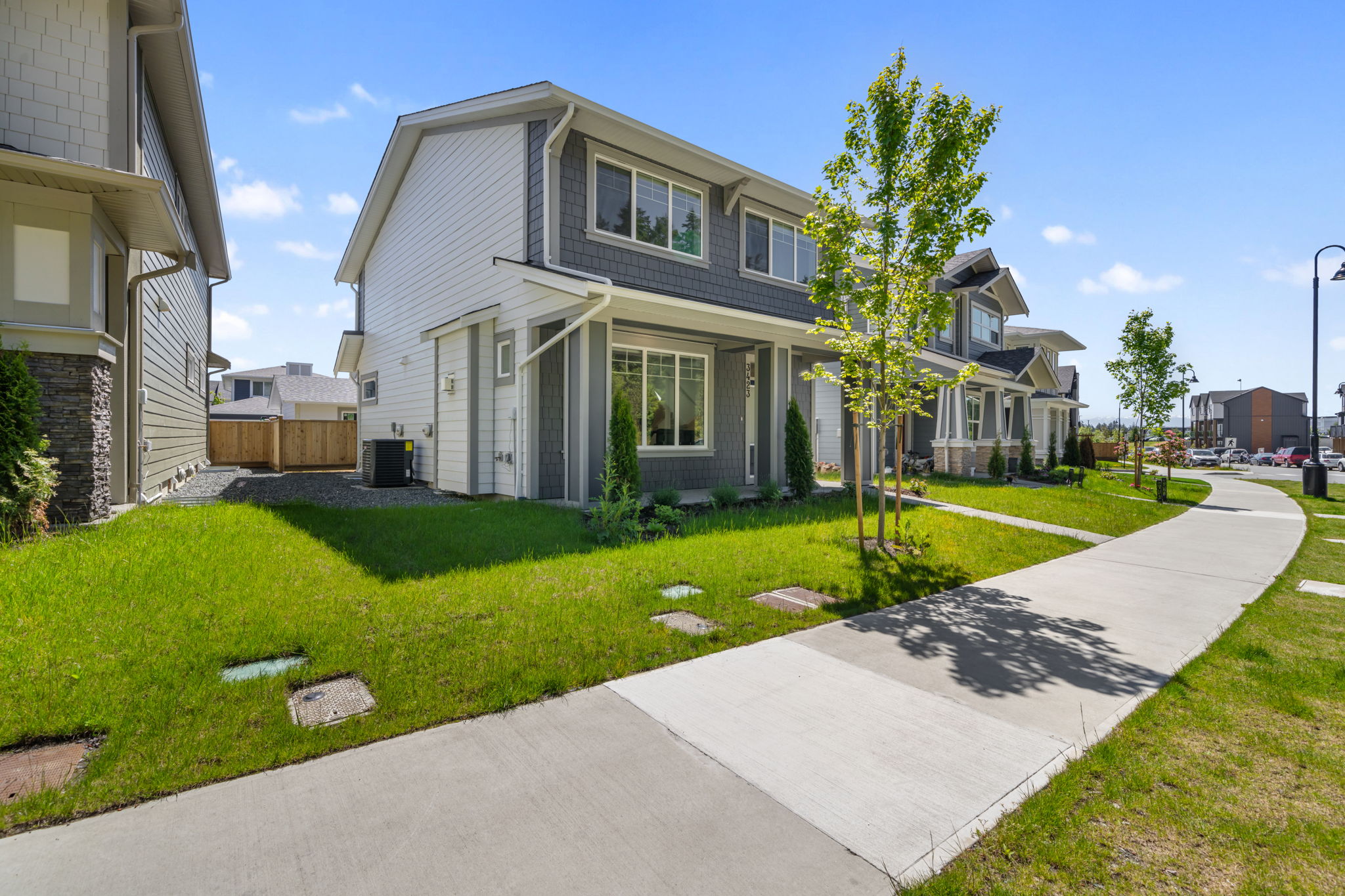
A seller might consider a lower offer when the listing has been on the market longer than expected, has had limited buyer activity, or is priced above recent comparable sales. A seller might consider a lower offer for several reasons, but buyers need to understand the full picture before assuming there is room to negotiate. In real estate, a lower offer is not just about picking a number below asking price. It is about understanding motivation, market conditions, property history, and the seller’s position. The more context you have, the better your offer strategy will be. Days on Market Can Tell a Story One of the first signs to watch is how long the home has been listed. If a property has been on the market longer than similar homes nearby, the seller may become more open to negotiation. This does not always mean they are desperate. It may simply mean the home has not found the right buyer yet. A longer listing period can happen because of: An ambitious asking price Slower buyer demand in that price range Property condition concerns Layout or location limitations Strong competition from nearby listings Limited showing activity However, days on market should never be viewed alone. A luxury home, acreage property, unique character home, or higher-priced listing may naturally take longer to sell than a more typical property. Price Reductions Are a Strong Clue A price reduction often signals that the seller understands the original asking price was not generating enough interest. If a home has already had one or more price adjustments, the seller may be more realistic about where the market sits. That can create an opportunity for buyers, especially if the home is still sitting after the latest adjustment. Still, a price reduction does not automatically mean the seller will accept any offer. Sometimes a price change brings the home closer to market value, and the seller may expect renewed interest before negotiating further. The key question is whether the new price matches recent comparable sales. Comparable Sales Matter More Than Opinion A lower offer should be supported by market evidence. Buyers often say, “I think the home is overpriced,” but sellers respond better to facts than feelings. Recent comparable sales help show whether the asking price lines up with similar homes that have actually sold. Good comparable sales should consider: Property type Neighbourhood Size and layout Lot size Condition Age of major systems Renovations or updates Suite potential Parking Strata details, if applicable If similar homes sold for less, that may support a lower offer. If similar homes sold close to the asking price, the seller may have less reason to move. Competing Listings Can Create Pressure Sellers pay attention to competition. If there are several similar homes available, buyers have more choice. This can give buyers more negotiating power, especially if competing homes offer better condition, better presentation, or stronger value. For example, a seller may be more flexible if another nearby home has: A lower asking price A better floor plan Recent updates A suite More parking Better outdoor space Lower strata fees A stronger location In a market with more choice, buyers compare carefully. Sellers who understand this may be more willing to negotiate if they want to stay competitive. Property Condition Can Affect Negotiation Condition is another important factor. A home that needs visible repairs, older systems, or immediate upgrades may leave more room for negotiation than a move-in ready home. Buyers should look beyond cosmetic finishes and think about the real cost of ownership. Common condition concerns include: Older roof Aging windows Dated electrical Older plumbing Drainage concerns Deferred maintenance Worn flooring Old heating systems Strata repairs or upcoming levies A lower offer may make sense when the purchase price does not reflect these future costs. However, buyers should be careful. Some sellers have already priced condition into the listing. In that case, a very low offer may not be received well. Empty Homes Can Sometimes Signal Flexibility A vacant home may suggest the seller has already moved, is carrying costs, or wants a cleaner timeline. That does not always mean they will accept less. However, ongoing costs such as mortgage payments, taxes, insurance, utilities, and strata fees can add pressure over time. A vacant home may create more room to discuss: Price Completion date Included items Subject terms Deposit timing Possession flexibility Sometimes the best negotiation is not only about price. Terms can matter too. Motivation Is Not Always Visible Buyers often want to know if the seller is motivated. The honest answer is that motivation is not always clear from the listing. Some sellers need to sell quickly. Others are testing the market. Some have already bought another home. Others will only sell if they receive the right price. A good buyer strategy looks for signals, but it does not rely on guesses. Your REALTOR® can ask questions through the listing agent and gather context before you decide how to write the offer. Useful questions may include: Has the seller received any offers? Has there been strong showing activity? Are they flexible on dates? Are there any preferred terms? Has the home been reduced? Is the seller looking for a specific completion timeline? The answers can help shape a smarter offer. A Lower Offer Still Needs to Be Strategic There is a difference between a lower offer and a careless offer. A thoughtful lower offer explains the buyer’s position through price, terms, and supporting market logic. A careless offer can make the seller defensive and reduce the chance of productive negotiation. A strong lower offer may include: A reasonable deposit Clear subject clauses Flexible dates A clean set of terms Comparable sales support Respectful communication A realistic price based on the market The goal is not to “win” by offering as little as possible. The goal is to create a deal that makes sense for both sides. When a Lower Offer May Not Work Not every listing has room to negotiate. A seller may reject a lower offer if the home is new to market, priced well, receiving strong activity, or located in a high-demand segment. Some sellers also have a firm bottom line and may prefer to wait. A lower offer may be less effective when: The home just listed The asking price matches comparable sales There are multiple interested buyers The seller has no urgency The property is rare or hard to replace The offer includes weak terms The price is too far below market value In these cases, buyers may need to decide whether the home is worth competing for or whether another opportunity offers better value. Final Thoughts Knowing when a seller might consider a lower offer comes down to reading the market, not guessing. Days on market, price reductions, comparable sales, competing listings, property condition, and seller flexibility all help tell the story. For buyers, the best approach is to stay prepared, respectful, and strategic. A lower offer can work, but only when it is backed by evidence and written in a way that keeps the conversation moving. If you are thinking about buying in Greater Victoria and want to understand whether a listing has room to negotiate, contact Faber Real Estate Group for local advice, current market insight, and a clear offer strategy. Elel P., 5-Star Review, via Google “Months of looking then a listing came up to our liking. We were out of town so Scott did a virtual viewing for us. We gave an offer even without viewing it personally because of this crazy market we have. Offer got accepted a couple hours after!” Faber Real Estate Group Royal LePage Coast Capital Realty 📞 250-244-3430 📧 [email protected] ℹ️ Scott Faber Personal Real Estate Corporation ℹ️ Cal Faber Personal Real Estate Corporation Vanessa Wood, Zachary Parsons, and Sophie Taylor “Building Lasting Relationships, One Home at a Time.”
Read more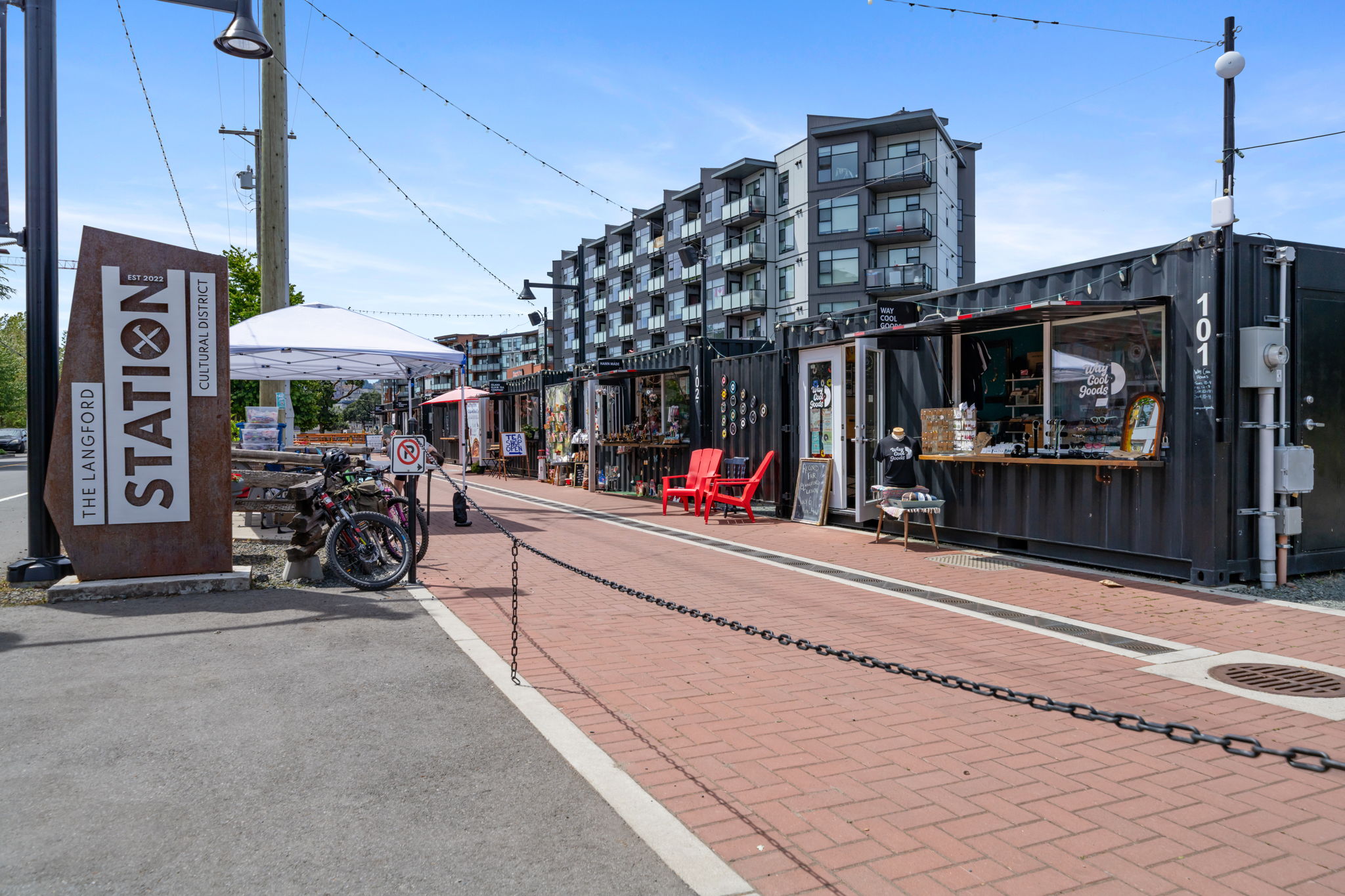
Walkability in Greater Victoria can add real value, but it does not mean the same thing in every neighbourhood. In some areas, walkability means being steps from coffee shops, restaurants, and daily errands. In others, it means easy access to trails, parks, schools, or the waterfront. That difference matters for buyers and sellers. A walkable home is not valuable simply because it has sidewalks nearby. It becomes more valuable when the walkability matches what buyers in that neighbourhood actually want. Walkability Is Not One-Size-Fits-All Many buyers say they want a walkable neighbourhood, but they may mean very different things. For one buyer, walkability means being able to leave the car parked and walk to groceries, restaurants, and services. For another, it means walking the dog on quiet streets, reaching a school safely, or being close to beaches and parks. This is why walkability in Greater Victoria needs local context. A home near Cook Street Village offers a different kind of walkable lifestyle than a home near Royal Oak, Sidney, Fernwood, Esquimalt, or central Langford. Each area creates value in a different way. Urban Walkability Adds Convenience Value In more urban neighbourhoods, walkability often supports daily convenience. Areas close to village centres, downtown amenities, cafés, transit, fitness studios, and restaurants can appeal to buyers who want a lifestyle with less driving. This can be especially attractive to first-time buyers, downsizers, professionals, and people who value access over square footage. In these areas, buyers may pay more for location because the neighbourhood becomes part of the living space. A smaller home or condo can feel more functional when daily life extends beyond the front door. Village Walkability Adds Lifestyle Value Neighbourhoods with village-style walkability often create emotional value. Places like Cook Street Village, Fernwood, Oak Bay Village, Cadboro Bay, and Sidney can feel established, social, and easy to enjoy. Buyers are not only looking at the home. They are imagining morning coffee, evening walks, local shops, parks, and a stronger sense of community. That lifestyle can create strong buyer interest, especially when the home itself has character, natural light, outdoor space, or an easy-care layout. For sellers, this means the marketing should not only describe the property. It should describe how daily life feels in that location. Family Walkability Looks Different For families, walkability often means safety and practicality. Proximity to schools, playgrounds, parks, sports fields, recreation centres, and quieter streets can matter more than restaurants or nightlife. In neighbourhoods such as Gordon Head, Lakehill, Royal Oak, and parts of the Westshore, buyers may care more about the ease of daily routines than the ability to walk to dinner. This kind of walkability can still affect value, but it is usually tied to function. Can children walk to school? Is there a park nearby? Are errands manageable? Is the route safe and comfortable? Those details can make a home feel more livable. Trail and Nature Walkability Can Be a Major Advantage In some neighbourhoods, walkability is less about shops and more about nature. Access to the Galloping Goose, the E&N Rail Trail, Thetis Lake, the Gorge Waterway, Dallas Road, beaches, parks, and waterfront paths can be a major selling feature. Buyers may value the ability to walk, run, cycle, or spend time outside without needing to drive. This type of walkability often appeals to active buyers, pet owners, downsizers, and people moving to Greater Victoria for lifestyle reasons. It may not show up the same way on a simple map score, but it can strongly influence buyer emotion. Walkability Can Offset Smaller Space In some neighbourhoods, buyers may accept less interior space if the location gives them more lifestyle outside the home. This is common with condos, townhomes, and smaller detached homes near village centres or strong amenity corridors. A smaller kitchen, limited yard, or compact floor plan may feel more acceptable if the buyer can walk to coffee, groceries, parks, restaurants, and transit. That does not mean space no longer matters. It means the buyer is weighing space against convenience. For sellers, this is important. If the home is smaller but the location is highly usable, the listing should clearly explain the lifestyle benefit. Walkability Can Also Create Trade-Offs Walkability is not always a simple positive. Some highly walkable areas may come with more traffic, less parking, smaller lots, more noise, or higher density. Buyers may love the access but still hesitate if the property feels too exposed, too busy, or too difficult for day-to-day parking. In quieter neighbourhoods, buyers may trade walkability for privacy, yard space, or a larger home. The key is to understand which trade-off fits the buyer profile for that area. Sellers Should Market Walkability With Specifics A vague phrase like “close to amenities” does not say enough. Stronger marketing explains what is actually nearby and why it matters. For example: Walk to coffee, groceries, and restaurants Minutes to parks, schools, and recreation Easy access to bike trails and transit Close to the waterfront or beach paths Daily errands without relying on the car Quiet streets with practical family routes The more specific the walkability story, the easier it is for buyers to picture themselves living there. Buyers Should Ask What Kind of Walkability They Want Before paying a premium for location, buyers should think carefully about what walkability means to them. Helpful questions include: Do I want to walk for errands or recreation? Do I need schools, parks, or transit nearby? Am I comfortable with more density or traffic? Will I still need a car for most daily routines? Does the neighbourhood feel walkable year-round? Will this location appeal to future buyers? A walkable location is only valuable if it fits the way you actually live. The Bottom Line Walkability in Greater Victoria affects value differently from one neighbourhood to the next. In some areas, it creates convenience. In others, it creates lifestyle, family function, outdoor access, or long-term resale appeal. The strongest locations are not always the ones with the highest walk scores. They are the ones where the walkability matches the buyer’s needs and the neighbourhood’s identity. For sellers, walkability should be marketed with clarity. For buyers, it should be evaluated with real daily life in mind. For advice on how walkability affects value in your Greater Victoria neighbourhood, contact Faber Real Estate Group for local guidance before you buy or sell. Don S., 5-Star Review, via Google “I would recommend them to anyone buying real estate on the Vancouver Island. The team is very knowledgeable, courteous and professional, adding a personal touch to building a strong relationship.” Faber Real Estate Group Royal LePage Coast Capital Realty 📞 250-244-3430 📧 [email protected] ℹ️ Scott Faber Personal Real Estate Corporation ℹ️ Cal Faber Personal Real Estate Corporation Vanessa Wood, Zachary Parsons, and Sophie Taylor “Building Lasting Relationships, One Home at a Time.
Read more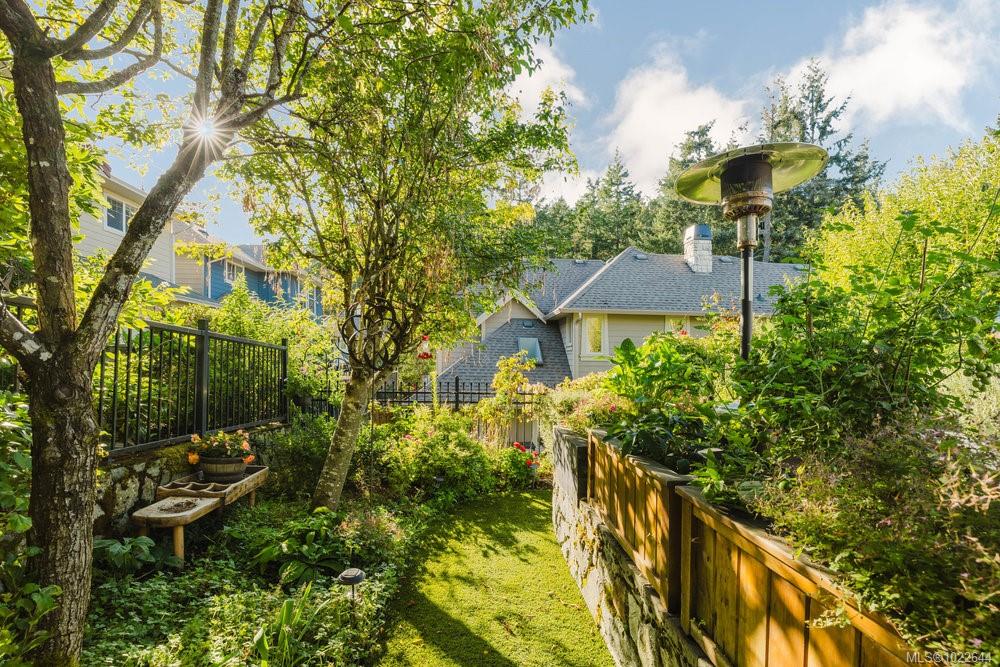
Moving from Vancouver to Victoria often starts as a lifestyle decision, but it quickly becomes a real estate decision. Buyers may come for the slower pace, ocean access, shorter commutes, and community feel, yet the first few home tours usually reveal a more practical truth: Victoria is not simply a smaller version of Vancouver. The housing stock feels different. The neighbourhoods behave differently. The pace is calmer in some ways, but the market still rewards buyers who understand value, location, and timing. The Pace Feels Different One of the first things Vancouver buyers notice is the pace of daily life. Victoria still has traffic, busy corridors, and competitive neighbourhoods, but the rhythm feels more manageable. For many buyers, this is the emotional draw. The idea of reclaiming time matters. A shorter commute, easier access to parks, and the ability to cross town without planning your entire day around traffic can change how a home feels. However, slower does not mean simple. Victoria has many small micro-markets. A home in Fairfield, Oak Bay, Saanich, Langford, Sidney, or View Royal may attract a very different buyer pool. That is why local context matters so much when comparing options. Detached Homes May Feel More Within Reach Many buyers moving from Vancouver to Victoria notice the price difference first. Victoria is still an expensive market, but compared with Metro Vancouver, some buyers find more realistic detached, townhome, or larger condo options. For example, Greater Vancouver REALTORS® reported a March 2026 detached benchmark price of $1,854,800, while the Victoria Real Estate Board reported an April 2026 Victoria Core single family benchmark value of $1,339,100. Condo values also differ, with Metro Vancouver apartments at $706,700 in March 2026 compared with Victoria Core condominiums at $558,300 in April 2026. That difference does not mean every Victoria home is a deal. Instead, it means buyers may have different tradeoffs. Some can shift from a condo search to a townhome search. Others can move from a busy urban setting to a quieter residential street. The key is understanding what the price difference actually buys. The Homes Often Have More Character Victoria’s housing stock can feel very different from Vancouver’s. Buyers often notice older homes, unique layouts, mature gardens, smaller character properties, and neighbourhoods with a less uniform feel. That can be a strength, but it also requires a careful eye. Character homes may come with older plumbing, electrical updates, oil tanks, perimeter drain considerations, or renovation history that needs proper review. For buyers used to newer condo towers or denser urban development, Victoria homes may feel warmer and more personal. They may also require more due diligence. Neighbourhood Choice Matters More Than Expected Vancouver buyers often arrive with a clear idea of price and property type. Then they start touring and realize lifestyle can matter just as much as square footage. A buyer looking for walkability may prefer Fairfield, James Bay, Fernwood, Oak Bay, or parts of Saanich. A buyer focused on space and newer construction may look closer at Langford, Colwood, View Royal, or Sooke. A buyer planning for retirement or a quieter coastal lifestyle may consider Sidney, North Saanich, or Central Saanich. Victoria rewards buyers who compare neighbourhoods by lifestyle, not just price. The right area depends on how you want to live day to day. Condos and Strata Documents Need Attention Many Vancouver buyers already understand strata living, but Victoria’s condo and townhome market still needs careful review. Strata fees, depreciation reports, insurance, bylaws, rental rules, pet rules, parking, storage, and upcoming projects can affect long-term value. This is especially important for buyers moving from a larger city who may assume all strata buildings operate in a similar way. They do not. A well-run strata can offer comfort and predictability. A poorly planned one can create stress, special levies, and resale challenges. The Market Can Feel Balanced, But Local Conditions Still Vary Victoria’s spring 2026 market has offered buyers more choice. VREB reported 3,710 active listings at the end of April 2026, up 8.3% from April 2025, while describing the overall market as balanced. That balance gives buyers room to think, compare, and complete due diligence. Still, strong properties in desirable areas can move quickly. Buyers should not assume more inventory means every seller will negotiate heavily. The better approach is to understand each listing on its own terms: price, condition, location, competition, days on market, and seller motivation. The Lifestyle Shift Is Real For many buyers, moving from Vancouver to Victoria is not just about the home. It is about weekends, work-life balance, outdoor access, and a different relationship with the city. Victoria offers oceanfront walks, established neighbourhoods, local shops, cycling routes, parks, beaches, marinas, schools, and community hubs within a relatively compact region. That can make daily life feel more connected. The tradeoff is that Victoria is still a smaller city. Buyers should think carefully about employment, ferry travel, airport access, specialized amenities, and family logistics before choosing a neighbourhood. What Buyers Should Do Before Making the Move Before moving from Vancouver to Victoria, buyers should spend time comparing areas in person. Online research helps, but it cannot replace walking the neighbourhood, driving the commute, visiting local shops, and seeing how different areas feel at different times of day. A smart plan includes: Comparing lifestyle first, then price Reviewing local market data by area and property type Understanding strata documents before removing conditions Budgeting for moving costs, property transfer tax, insurance, and maintenance Working with a local real estate team that understands Greater Victoria’s micro-markets Moving from Vancouver to Victoria can be an excellent step, but the best decisions come from clarity. When buyers understand the differences early, they can move with more confidence and fewer surprises. For guidance on neighbourhoods, property types, and what your Vancouver budget may look like in Greater Victoria, contact Faber Real Estate Group for advice before you start your search. Darlene S., 5-Star Review, via Google “Great team! Scott and Cal were extremely helpful in navigating a difficult sale. Their knowledge and strategies brought a quick offer to the table. I truly appreciated their on-going communications and generosity. Have already recommended them to friends and neighbours.” Faber Real Estate GroupRoyal LePage Coast Capital Realty📞 250-244-3430📧 [email protected]ℹ️ Scott Faber Personal Real Estate Corporationℹ️ Cal Faber Personal Real Estate CorporationVanessa Wood, Zachary Parsons, and Sophie Taylor “Building Lasting Relationships, One Home at a Time.”
Read more
If you have been waiting for the right time to buy, the current Victoria real estate market deserves a closer look. The opportunity right now is not really about chasing a dramatic price drop. It is about something more practical: more choice, more negotiating room, and more time to make careful decisions than buyers have had in years. In Greater Victoria, 579 properties sold in March 2026 while active listings climbed to 3,261, creating a sales-to-active-listings ratio of about 17.8 per cent. That sits at the low end of the Victoria Real Estate Board’s balanced-market range and points to a market that feels far more manageable for buyers than the high-pressure conditions many remember. That matters because the best buying opportunities do not always show up when prices are falling sharply. In Victoria, benchmark prices have stayed relatively steady. The Victoria Core benchmark for a single-family home was $1,330,200 in March 2026, down 1.1 per cent from a year earlier, while the benchmark condo value was $553,800, down 0.8 per cent year over year. Prices have softened only modestly, but the bigger shift is that buyers now have more room to think, compare, and negotiate. More Inventory Changes the Conversation For a long time, many buyers in Greater Victoria felt pushed into fast decisions. Low inventory, tight timelines, and heavy competition created an environment where hesitation could mean missing out. That is not what this market looks like today. Active listings were up 7.9 per cent year over year at the end of March, and the Victoria Real Estate Board described current conditions as offering plentiful opportunity for both buyers and sellers, with fewer high-pressure transactions and more time for due diligence. That shift matters. More inventory does not guarantee a deal on every property, and it does not mean sellers have lost all leverage. What it does mean is that buyers can be more selective about location, layout, condition, and long-term fit. They can compare several options instead of forcing one property to work simply because there are no alternatives. In practical terms, that often leads to better decisions. A Better Buying Setup Does Not Mean an Easy Market Balanced conditions are different from a distressed market. Buyers still need to be realistic about pricing, financing, and the fact that well-positioned homes can attract strong interest. But balanced conditions do create a healthier process. The market is still active, with March sales up 24.5 per cent from February, yet the supply side remains strong enough to reduce some of the urgency that defined earlier years. That combination gives prepared buyers a better chance to move strategically instead of emotionally. This is where many people misread the market. They assume a good time to buy only happens when prices are falling hard or headlines sound negative. In reality, some of the strongest buying windows happen when prices are relatively stable but buyers gain better access to inventory and better negotiating conditions. That is much closer to what Victoria looks like right now. Why Breathing Room Matters So Much The real advantage in today’s market is not that every home is cheap. It is that buyers can act with more discipline. They can book an inspection without feeling rushed. They can review strata documents or title details more carefully. They can negotiate on price, dates, or conditions with more confidence. And they can walk away from the wrong property without feeling like they have lost their only chance. VREB has explicitly noted that current supply and demand levels are allowing both sides of the sale to make decisions and undertake due diligence with less pressure. That breathing room can be especially valuable for first-time buyers, upsizers, downsizers, and anyone trying to buy with a plan rather than from fear of missing out. A more workable market does not remove risk, but it does improve the quality of decision-making. Prepared Buyers Still Have the Advantage A better market for buyers still rewards preparation. The strongest buyers in this environment are the ones who understand their financing, know their comfort level, and have clarity around what matters most in a home. When the right property comes up, they can act decisively. When a property is overpriced or not the right fit, they can step back without panic. That is one of the biggest changes from the urgency-driven market many buyers still have in mind. This market is less about reacting fast and more about recognizing value clearly. Buyers who are organized and informed can use these conditions to make smarter, more confident decisions. A Smart Way to Think About Buying in 2026 Instead of asking whether everything feels perfect right now, a better question is whether conditions are more favourable for buyers than they have been in recent years. In Greater Victoria, the answer is increasingly yes. Inventory remains healthy, prices have been relatively steady, and the market is giving buyers more space to compare options and negotiate thoughtfully. Provincially, BCREA said inventory is running near its highest level in over a decade, with just over 40,000 homes for sale across BC, which should help keep broader market conditions balanced through 2026. That does not mean every buyer should rush into the market. But for people who are financially ready and planning for the long term, this may be one of the more practical buying windows Victoria has offered in a while. Not because the market is weak, but because it is more balanced, more navigable, and less driven by pressure. Final Thoughts The current market will not be the right fit for every buyer. But for those who are prepared, patient, and focused on long-term goals, today’s Victoria market may offer something that has been missing for a long time: more selection, less frenzy, and a better chance to buy with clarity. If you want help building a smart buying plan in today’s market, contact Faber Real Estate Group for advice on where the real opportunities are in Greater Victoria. Wilson, 5-Star Review, via Google “Amazing people there! They will help you through the entire process and will always make you feel like family. For those first time home buyers, don't be intimidated entering the market because they will explain every process and guide you through.” Faber Real Estate Group Royal LePage Coast Capital Realty 📞 250-244-3430 📧[email protected] ℹ️ Scott Faber Personal Real Estate Corporation ℹ️ Cal Faber Personal Real Estate Corporation Vanessa Wood, Zachary Parsons, and Sophie Taylor “Building Lasting Relationships, One Home at a Time.”
Read more