
Posts Tagged ‘Victoria condo market’
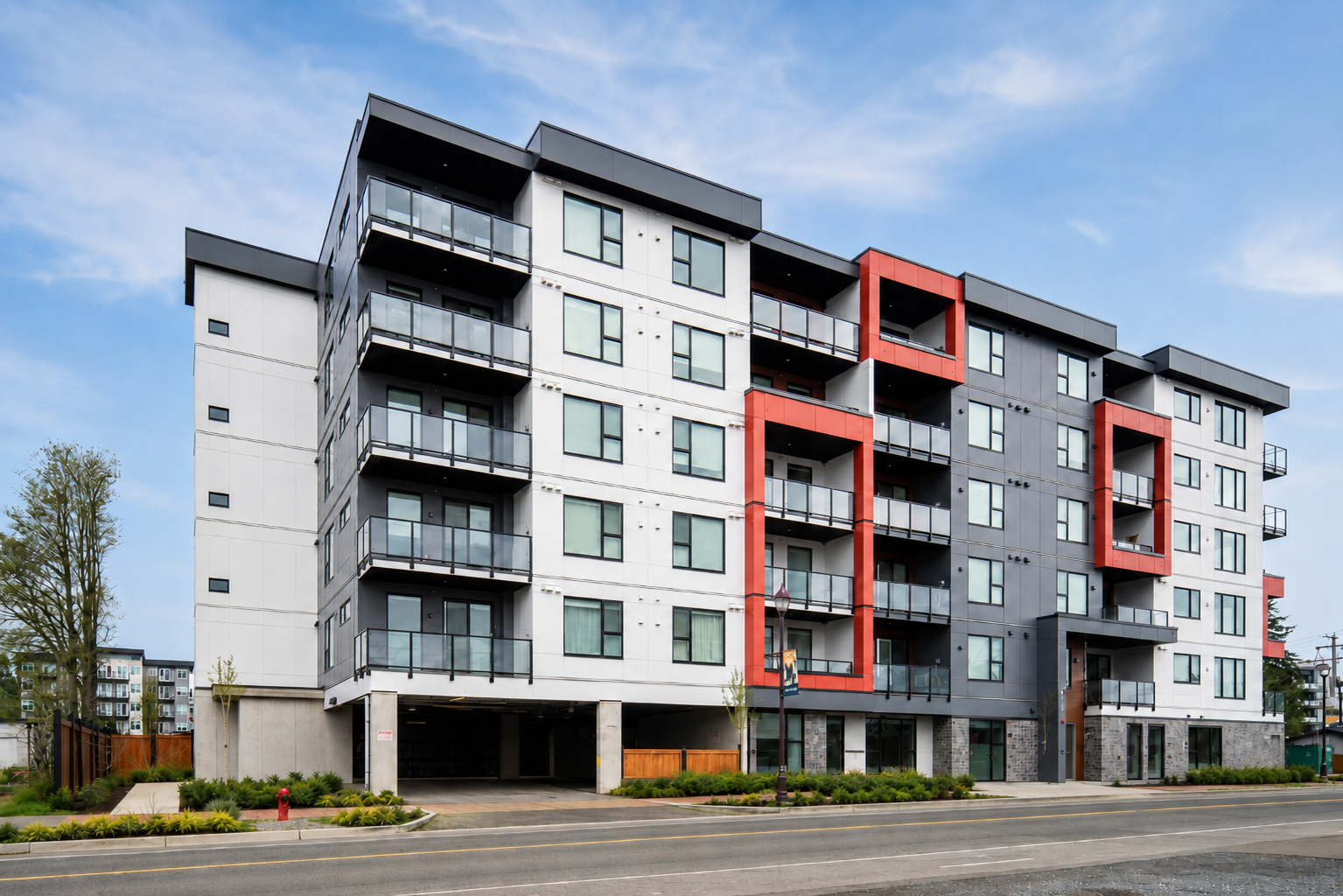
Victoria condo market competition has increased because buyers have more properties to compare, condo sales have slowed, and similar listings are often competing for the same price-sensitive buyer. This does not mean every condo is difficult to sell. Well-priced homes in desirable buildings can still attract strong interest. It does mean buyers are looking more carefully at the complete package before deciding which condo offers the best value. The Short Answer Victoria condos are facing more competition because: Overall housing inventory has increased Condo sales have slowed more than detached home sales Buyers have more time to compare similar units Monthly strata costs affect affordability Building condition matters more when choices are available Newer and resale condos may compete for the same buyers In June 2026, 182 condominiums sold across the Victoria Real Estate Board region, a 26.9% decrease from June 2025. Overall active listings reached 4,054, up 7.3% year over year. The Victoria Core condo benchmark was $549,200, down 1.9% from the previous June. More Inventory Changes How Buyers Make Decisions When inventory is limited, buyers may need to decide quickly because another suitable option may not appear soon. When more listings are available, buyers can compare several condos before writing an offer. They may look at: Price and monthly payment Strata fees Parking and storage Floor plan and natural light Building age and maintenance Depreciation reports Contingency reserve funds Insurance deductibles Pet and rental bylaws Upcoming repairs or assessments This creates direct competition between listings that might not appear identical at first glance. A buyer may compare an older, larger condo in Victoria with a smaller unit in a newer building. Another may compare a walkable downtown location with a newer Westshore property offering parking, storage, and lower maintenance concerns. As explained in Why Greater Victoria Real Estate Is So Micro-Market Specific, property type, price range, location, and buyer profile can all create different market conditions within the same region. Condos Often Compete Within Narrow Price Ranges Many condo buyers are shopping within firm monthly affordability limits. A difference of $25,000 in purchase price may seem manageable, but the calculation changes when buyers add: Mortgage payments Strata fees Property taxes Insurance Utilities Parking costs Potential assessments This means a condo with a lower asking price does not automatically offer better value. A slightly more expensive unit may compete successfully if it includes secure parking, storage, a heat pump, better building maintenance, or lower expected repair costs. Practical features can become especially important when several listings offer similar square footage and finishes. Read Why Parking and Storage Matter When Buying a Condo for a closer look at how these features affect everyday use and resale appeal. The Building Matters as Much as the Unit A renovated kitchen may help a condo make a strong first impression, but buyers are also assessing the building behind it. They want to understand whether the strata has planned responsibly for future expenses. Two similar units can receive very different reactions when one building has: A healthy contingency reserve fund Clear maintenance planning A current depreciation report Reasonable strata fees Completed major projects Organized strata records The other may have deferred maintenance, unclear financial planning, or a possible special assessment. When buyers have several choices, uncertainty can quickly become a reason to move on to another listing. Resale Condos May Also Compete With Newer Homes Depending on the neighbourhood and price range, buyers may compare a resale condo with recently completed or move-in-ready new construction. Newer condos may offer modern heating and cooling, updated building systems, home warranty coverage, contemporary finishes, or electric vehicle infrastructure. Resale properties can still compete well, especially when they offer larger floor plans, established neighbourhoods, stronger walkability, lower purchase prices, or a proven strata history. The goal is not to make every condo look new. It is to clearly explain why that specific property offers value. What This Means for Condo Sellers Condo sellers need to price and position their home against what buyers can purchase today, not what a similar unit sold for during a tighter market. A strong strategy should consider: Active competing listings Recent comparable sales Price reductions in the building or neighbourhood Current days on market Strata fees and upcoming projects Parking and storage Condition and presentation The most likely buyer profile Good presentation still matters, but presentation cannot correct a price that ignores the current competition. Buyers should be able to understand the condo’s strongest advantages quickly. These might include walkability, views, outdoor space, quiet exposure, building management, recent upgrades, parking, storage, or a functional floor plan. What This Means for Condo Buyers More competition between listings can create better conditions for buyers. You may have more time to review documents, compare monthly costs, request conditions, and negotiate terms. However, not every listing will offer the same amount of flexibility. The strongest condos can still attract interest when they are: Priced accurately Located in desirable areas Well maintained Supported by strong strata records Difficult to replace within their price range The opportunity is not simply finding the lowest price. It is finding the best balance of location, condition, building quality, monthly cost, and future resale appeal. For more guidance, read Market Trends: What Buyers Should Watch in Greater Victoria. The Bottom Line Victoria condos are facing more competition because buyers have more choice and are taking more time to compare value. For sellers, this market rewards accurate pricing, strong presentation, organized strata information, and clear positioning. For buyers, it creates room to be selective and complete careful due diligence. Victoria condo market competition is not affecting every building equally. The condos that stand out are usually the ones that offer a clear reason to choose them over the alternatives. Thinking About Buying or Selling a Condo in Victoria? Whether you are preparing to list or comparing available condos, understanding the competition within the building, neighbourhood, and price range can shape a better decision. Contact Faber Real Estate Group for a condo-specific market analysis and a clear strategy based on current listings, recent sales, building quality, and the features buyers are prioritizing right now. Nicholas D., 5-Star Review, via Google “Scott is an awesome realtor and real estate advisor. He got me all the information I needed incredibly quick and helped me make an informed buying decision. Couldn’t have done it without him and 10/10 will be recommending him to my friends and family! There are thousands of realtors on the island, but Scott and his team are by far the best” Faber Real Estate Group Royal LePage Coast Capital Realty 📞 250-244-3430 📧 [email protected] ℹ️ Scott Faber Personal Real Estate Corporation ℹ️ Cal Faber Personal Real Estate Corporation Vanessa Wood, Zachary Parsons, and Sophie Taylor “Building Lasting Relationships, One Home at a Time.”
Read more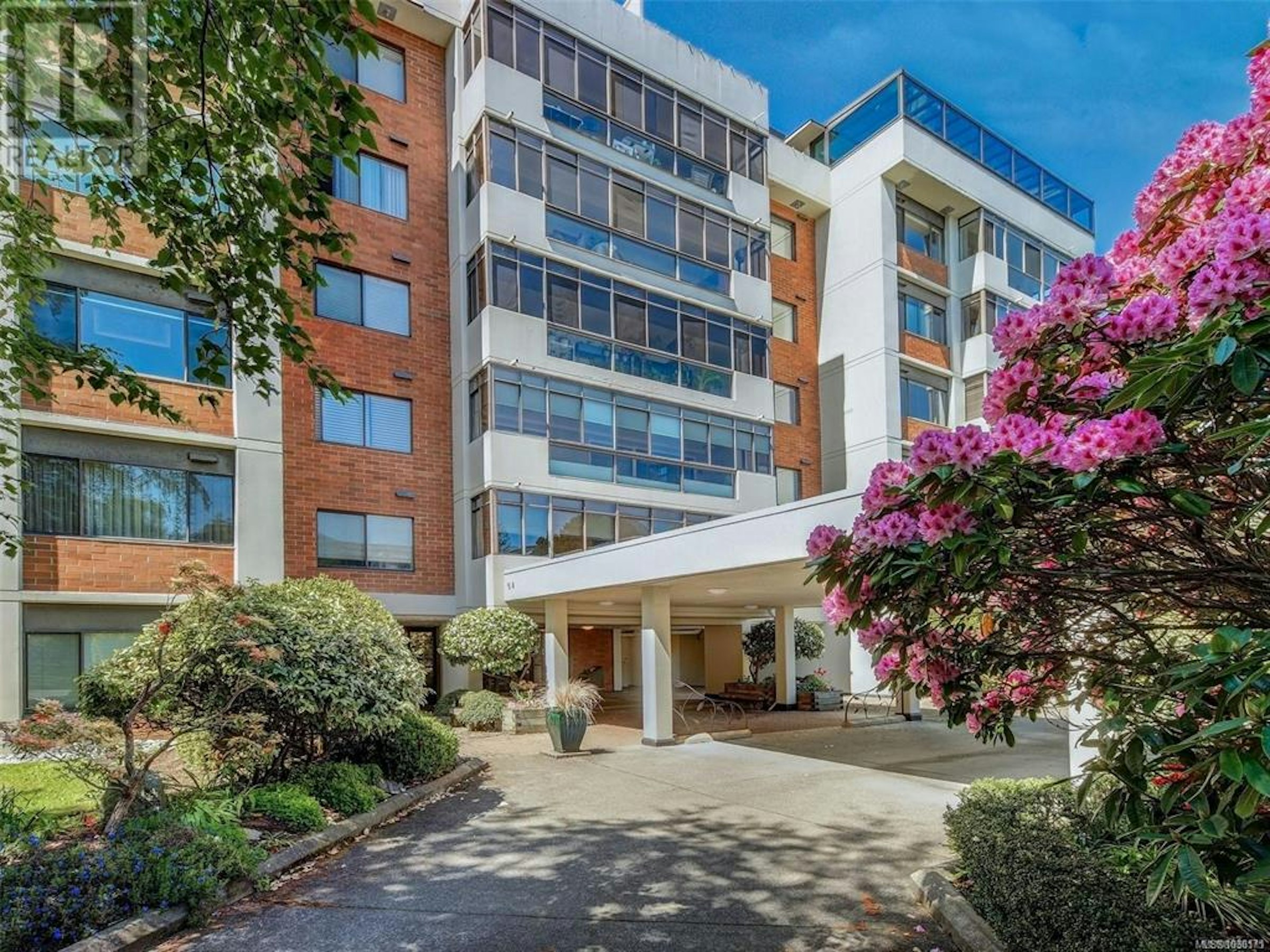
Older condo buildings can offer excellent value, larger floor plans, established locations, and a stronger sense of community. In Greater Victoria, many older condo buildings sit in highly walkable neighbourhoods close to transit, shops, parks, and everyday amenities. However, buying into an older condo building is not just about the unit itself. It is also about the condition of the building, the financial health of the strata, and the long-term maintenance plan. A well-managed older building can be a smart purchase. A poorly managed one can become expensive quickly. Older Does Not Automatically Mean Problematic Many buyers hear “older building” and immediately think of repairs, special levies, or outdated systems. While those are important risks to review, age alone does not tell the full story. Some older condo buildings have strong ownership, proactive strata councils, healthy contingency reserve funds, and a clear maintenance history. Others may look appealing on the surface but have deferred repairs, low reserves, or upcoming projects that could affect owners financially. The key is not to avoid older condo buildings. The key is to understand what you are buying. Review the Strata Documents Carefully When buying a condo in British Columbia, the strata documents matter. These documents help you understand how the building is managed, what issues have come up, and what expenses may be ahead. Important documents to review include: Form B Information Certificate Current budget Strata meeting minutes Annual general meeting minutes Depreciation report Insurance summary Bylaws and rules Financial statements Contingency reserve fund balance Any approved or proposed special levies The Form B is especially important because it discloses key information such as monthly strata fees, the contingency reserve fund balance, approved special levies, parking and storage details, insurance information, and other matters connected to the strata lot and strata corporation. Look Beyond the Strata Fee A lower strata fee can look attractive, but it is not always a sign of better value. In an older building, a very low strata fee may mean the strata is not saving enough for future repairs. That can lead to larger increases later or special levies when major work becomes necessary. On the other hand, a higher strata fee may be reasonable if it supports proper maintenance, insurance, building operations, and long-term reserve contributions. Buyers should ask: What does the strata fee include? Has the fee increased gradually or suddenly? Is the building contributing enough to the contingency reserve fund? Are major repairs already planned? Are owners repeatedly voting down important maintenance? The goal is not always to find the lowest monthly cost. The goal is to understand whether the monthly cost reflects responsible building management. Pay Attention to the Contingency Reserve Fund The contingency reserve fund, often called the CRF, is used for expenses that do not happen every year, such as roof replacement, elevator work, exterior repairs, or other major building projects. For older condo buildings, the CRF becomes especially important because more building components may be closer to the end of their expected life. A strong CRF does not guarantee that there will never be a special levy. However, it can show that the strata has been planning ahead. A low CRF does not always mean the building is a bad purchase, but it should lead to more questions. Buyers should compare the CRF balance with the depreciation report and upcoming repair schedule. Understand the Depreciation Report The depreciation report is one of the most useful tools when reviewing an older condo building. It outlines major building components, estimated repair or replacement timelines, and projected costs. This report can help buyers understand what may be coming over the next several years. For example, if the roof, windows, balconies, plumbing, parkade membrane, or elevator systems are nearing major repair cycles, buyers should know that before removing conditions. The report should not be read as a guarantee. It is a planning document. However, it can provide valuable insight into whether the strata is preparing for future costs or simply reacting as problems arise. Watch for Deferred Maintenance Deferred maintenance means repairs or updates have been delayed. This can happen for many reasons. Sometimes owners want to keep strata fees low. Sometimes a council has not had enough information. Sometimes projects have been discussed for years but never approved. Signs of deferred maintenance may include: Repeated discussion of the same repair issues in minutes Water ingress concerns Aging balconies or exterior cladding Elevator problems Plumbing issues Roof concerns Low reserve funds compared to upcoming projects Special levies that are discussed but not approved Insurance concerns or rising deductibles These items do not automatically mean you should walk away. However, they should be reviewed carefully with your REALTOR®, inspector, lender, and other professionals when needed. Consider Insurance and Deductibles Insurance has become an important issue for many strata properties. Buyers should review the strata corporation’s insurance summary and pay attention to deductibles, coverage, and any claims history discussed in the minutes. Higher deductibles can affect owners if there is a claim. Buyers should also speak with an insurance provider about their own condo insurance, including deductible coverage. This is especially important in older condo buildings where plumbing, roofing, or water-related issues may appear more often in the minutes. Older Buildings Can Offer Real Advantages While buyers need to be careful, older condo buildings can also offer meaningful benefits. Many older condos have larger floor plans than newer buildings. They may have more storage, wider rooms, better separation between living spaces, and locations closer to established amenities. In Greater Victoria, some older condo buildings are in excellent neighbourhoods where newer construction may be limited or significantly more expensive. For buyers who value space, walkability, and location, an older building may be worth serious consideration. The Building Matters as Much as the Unit A beautifully updated condo can still be a risky purchase if the building has major unresolved issues. At the same time, a dated unit in a well-managed building may offer strong long-term potential. Buyers should look at both layers: The condition and layout of the unit The financial and physical condition of the building Cosmetic updates are easy to see. Building management takes more work to understand. That extra review can make the difference between a confident purchase and an expensive surprise. Questions Buyers Should Ask Before Buying Before purchasing in an older condo building, buyers should ask: What major work has already been completed? What major work is coming next? Is the depreciation report current? Does the strata appear to follow the depreciation report? How much is in the contingency reserve fund? Have there been recent special levies? Are there any lawsuits, claims, or unresolved disputes? Are there repeated maintenance issues in the minutes? Are there rental, pet, age, or renovation restrictions? Does the building fit your lifestyle and long-term plans? These questions help buyers move past surface-level impressions and make a more informed decision. Final Thoughts Older condo buildings should not be dismissed automatically. Some offer excellent space, central locations, and strong long-term value. However, they require a closer look. For buyers, the goal is to understand the full picture before making a decision. That means reviewing the strata documents, asking the right questions, and looking carefully at both the unit and the building. A condo is not just four walls. It is a shared building, a shared budget, and a shared responsibility. If you are considering buying a condo in Greater Victoria and want help reviewing the right details before making an offer, contact Faber Real Estate Group for advice and information. Lorraine P., 5-Star Review, via Google “I would not dream of ever using a realtor other than Cal. Apart from the fact that he is was exceptionally knowledgable and resourceful, he was also honest, truthful and always acted in my best interest while at the same time treating all parties with dignity and respect.” Faber Real Estate Group Royal LePage Coast Capital Realty 📞 250-244-3430 📧 [email protected] ℹ️ Scott Faber Personal Real Estate Corporation ℹ️ Cal Faber Personal Real Estate Corporation Vanessa Wood, Zachary Parsons, and Sophie Taylor “Building Lasting Relationships, One Home at a Time.”
Read more
The Greater Victoria real estate market in June 2026 is likely to continue the trend we saw in May: more inventory, steady buyer activity, and a market that rewards strategy over urgency. This does not mean the market is weak. It means buyers and sellers are becoming more thoughtful. After several years of tight inventory and fast-moving conditions, May 2026 gave buyers more choice than they have had in a long time. If that pattern continues into June, buyers may have more room to compare properties, while sellers will need to be more precise with pricing, presentation, and timing. A Look Back at May 2026 Before predicting the Greater Victoria real estate market June 2026, it helps to look at where the market ended in May. In May 2026, 713 properties sold across the Victoria Real Estate Board region. Sales were down from May 2025, but up from April 2026, showing that the spring market remained active. The biggest story was inventory. There were 4,029 active listings at the end of May, which was the highest inventory level Greater Victoria had seen in 11 years. That matters because inventory changes behaviour. When buyers have more options, they become more selective. When sellers have more competition, pricing and presentation become more important. What We Expect in June 2026 June will likely remain active, but selective. Many buyers who started searching in spring may still be in the market. Some may feel more confident because they have more properties to compare. Others may remain cautious because of affordability, mortgage payments, strata fees, insurance costs, and broader economic uncertainty. For sellers, June may still offer a good opportunity, especially before the slower summer mindset begins. However, simply being listed will not be enough. Buyers are comparing homes carefully, and they are more likely to pause when a property feels overpriced or poorly prepared. The most likely June pattern is steady activity, moderate price sensitivity, and continued competition between listings. Prediction 1: Inventory Will Remain the Main Story Inventory is expected to remain a major factor in June 2026. If listings continue to build, buyers will have more choice across Greater Victoria. This could create a more balanced market, especially in segments where several similar homes are competing for the same buyer pool. For buyers, this means more opportunity. For sellers, this means more pressure to stand out. A home that is priced well, marketed clearly, and presented properly can still attract strong interest. A home that launches too high may sit longer than expected, especially if buyers can find similar options nearby. Prediction 2: Buyers Will Be More Patient In June 2026, buyers are likely to continue taking a more measured approach. Instead of rushing into the first available home, many buyers will compare price, condition, location, strata fees, layout, outdoor space, parking, storage, and future maintenance. This is especially true for condos and townhomes, where buyers are looking closely at monthly ownership costs. For buyers, patience can be helpful. But waiting too long can also mean missing the right property. The best strategy is to be prepared, informed, and ready to act when a home clearly fits your needs. Prediction 3: Sellers Will Need Stronger Pricing Strategy June 2026 will likely reward sellers who price accurately from the start. In a market with more listings, buyers can quickly identify when a property feels out of step with recent sales and active competition. Overpricing can lead to fewer showings, weaker urgency, and longer days on market. That does not mean sellers need to underprice. It means sellers need to understand the market they are actually competing in. A detached home in Saanich, a condo in Victoria, a townhome in Langford, and a downsizer-friendly property in Sidney may all behave differently. Pricing should be based on property type, location, condition, recent comparable sales, and current active listings. Prediction 4: Condos Will Stay Value-Sensitive The condo market will likely remain active, but value-sensitive in June. Condos continue to appeal to first-time buyers, downsizers, investors, and people who want walkability or lower-maintenance living. However, buyers are paying close attention to the full monthly cost of ownership. That includes mortgage payments, strata fees, property taxes, insurance, parking, storage, and potential future building costs. In Victoria, Saanich, Sidney, and the Westshore, the strongest condo listings will likely be the ones that offer a clear value story. This may include good layout, strong building maintenance, reasonable strata fees, secure parking, usable outdoor space, and a convenient location. Prediction 5: Westshore Will Remain Active The Westshore will likely continue to be one of the most active parts of Greater Victoria in June 2026. Langford, Colwood, View Royal, Sooke, Metchosin, and surrounding areas continue to attract buyers looking for more space, newer housing, and relative value compared to the core. This area may remain especially attractive to first-time buyers, young families, and move-up buyers who want more home for their budget. That said, the Westshore also has more direct competition between similar homes. Sellers should pay close attention to nearby active listings, especially in newer condo, townhome, and family-home segments. Prediction 6: Saanich Will Continue to Attract Long-Term Buyers Saanich will likely remain steady in June because of its established neighbourhoods, schools, parks, transit access, and central location. Buyers in Saanich often think long-term. They may be looking for family homes, suite potential, larger lots, walkability to schools, or access to key commuter routes. However, Saanich is not one single market. A renovated home in Gordon Head may attract a different buyer than an original-condition home in Lakehill or a townhome near Royal Oak. In June, neighbourhood-level pricing will matter more than broad assumptions. Prediction 7: Victoria Will Continue to Be Driven by Lifestyle and Walkability Victoria and Victoria West will likely continue to attract buyers who want walkability, convenience, and access to downtown amenities. The core market may remain especially relevant for condos, smaller homes, and lifestyle-focused buyers. However, buyers will likely continue to look closely at strata documents, insurance deductibles, building condition, parking, storage, noise exposure, and total monthly costs. In June, the best-performing Victoria listings will likely be the ones that make the ownership picture easy to understand. Prediction 8: Sidney Will Remain Lifestyle-Focused Sidney will likely continue to attract buyers looking for a quieter Peninsula lifestyle. Walkability, waterfront access, local shops, cafes, services, and a community feel remain key draws. This market often appeals to downsizers, retirees, and buyers looking for convenience without being in the centre of Victoria. For sellers, this means lifestyle positioning matters. Buyers are not just buying square footage. They are buying ease, comfort, walkability, and long-term livability. What Buyers Should Do in June 2026 Buyers should use the additional inventory to make better decisions, not slower decisions. A strong buyer strategy in June includes: Getting fully pre-approved before shopping Understanding your maximum monthly payment Comparing recent sales and active listings Reviewing strata documents carefully Asking about insurance, maintenance, and future costs Staying patient with overpriced homes Being ready to move on well-priced homes The best buyers in June will be calm, prepared, and clear on what matters most. What Sellers Should Do in June 2026 Sellers should focus on strategy before going live. A strong seller strategy in June includes: Reviewing recent comparable sales Studying active competition Preparing the home before photos Pricing based on current market conditions Highlighting the strongest features clearly Making the home easy to understand online Responding quickly to showing feedback Adjusting if the market sends a clear signal In a market with more inventory, sellers need to give buyers a reason to choose their home over the next one. The Bottom Line for June 2026 The Greater Victoria real estate market June 2026 is likely to be active, but more balanced than many recent spring markets. Buyers should have more choice. Sellers should expect more competition. Well-priced homes will still attract interest, but buyers may be less willing to chase listings that feel too high for the market. Westshore should remain active because of value and growth. Saanich should stay steady because of its established neighbourhoods. Victoria should continue to attract lifestyle-focused buyers. Sidney should remain appealing for walkability and Peninsula living. The biggest takeaway is simple: June will likely be a market for strategy, not guesswork. If you are thinking about buying or selling in Greater Victoria, contact Faber Real Estate Group for local advice, neighbourhood insight, and a clear plan for your next move. Wilson, 5-Star Review, via Google “Amazing people there! They will help you through the entire process and will always make you feel like family. For those first time home buyers, don't be intimidated entering the market because they will explain every process and guide you through.” Faber Real Estate Group Royal LePage Coast Capital Realty 📞 250-244-3430 📧 [email protected] ℹ️ Scott Faber Personal Real Estate Corporation ℹ️ Cal Faber Personal Real Estate Corporation Vanessa Wood, Zachary Parsons, and Sophie Taylor “Building Lasting Relationships, One Home at a Time.”.
Read more
The Greater Victoria real estate market May 2026 showed a clear shift toward more choice, more careful decision-making, and stronger competition between listings. After several years of tighter inventory, buyers now have more options across many parts of the region. That does not mean the market is slow. It means buyers are taking more time, comparing properties more closely, and paying attention to price, condition, location, and overall value. For sellers, the Greater Victoria real estate market May 2026 was still active, but it rewarded preparation. Homes that were priced well, presented clearly, and positioned properly continued to attract interest. Homes that missed the mark had more competition to work against. What Happened in the Greater Victoria Market in May 2026? According to the Victoria Real Estate Board, 713 properties sold across the region in May 2026. That was down 5.9% compared to May 2025, but up 10.9% from April 2026. This shows that the spring market was active, but not overheated. The larger story was inventory. At the end of May 2026, there were 4,029 active listings on the Victoria Real Estate Board MLS®. That was the highest inventory level the region had seen in 11 years. More inventory changes the feel of the market. Buyers have more room to compare. Sellers have more competition. Both sides need a stronger strategy. Key May 2026 Market Numbers Here are the main Greater Victoria market numbers from May 2026: 713 total properties sold Sales were down 5.9% from May 2025 Sales were up 10.9% from April 2026 385 single-family homes sold 188 condominiums sold 98 townhomes sold 4,029 active listings at month-end Inventory was up 8.6% from April 2026 Inventory was up 8.4% from May 2025 The benchmark value for a single-family home in the Victoria Core was $1,339,000 in May 2026. That was up 0.3% from May 2025 and almost unchanged from April 2026. The benchmark value for a condominium in the Victoria Core was $551,400 in May 2026. That was down 1.9% from May 2025 and down from April 2026. What This Means for Buyers For buyers, May 2026 created more breathing room. More listings mean buyers may have more time to view homes, compare options, review documents, and make decisions without the same pressure seen in hotter markets. That said, good homes are still moving. Buyers should not assume every property will sit or that every seller will negotiate heavily. The best opportunities still require preparation. Buyers should focus on: Getting pre-approved before viewing homes Understanding full monthly costs Comparing recent sales, not just list prices Reviewing strata documents carefully Looking at building condition, insurance, and future maintenance Being patient, but ready when the right property appears In a market with more choice, the advantage goes to buyers who know exactly what they are looking for. What This Means for Sellers For sellers, May 2026 was a reminder that pricing matters. When inventory rises, buyers can be more selective. They are no longer forced to rush toward the first suitable option. They can compare similar homes, neighbourhoods, finishes, floor plans, strata fees, outdoor space, parking, and overall condition. This does not mean sellers cannot do well. It means the first impression matters more. Sellers should focus on: Pricing based on current comparable sales Understanding active competition Preparing the home before photos and showings Highlighting the strongest features clearly Avoiding overpricing at launch Adjusting quickly if market feedback is clear The homes that stood out in May were the ones that felt well-positioned from day one. Westshore Real Estate Market: More Choice and Practical Value The Westshore continued to be one of the most active areas in Greater Victoria. Langford, Colwood, View Royal, Sooke, Metchosin, and the surrounding communities remain important markets for buyers looking for more space, newer housing, and relative value compared to the core. The Westshore appeals to a wide range of buyers, including first-time buyers, young families, move-up buyers, and people looking for newer condos or townhomes. With more inventory available, buyers in the Westshore had more options to compare. This made pricing and presentation especially important for sellers. A well-priced home in a strong location can still attract serious attention, but buyers are more likely to compare it against other similar listings nearby. Saanich Real Estate Market: Established Neighbourhoods Still Matter Saanich remained a steady and desirable part of the Greater Victoria market in May 2026. Saanich East and Saanich West continue to attract buyers who value established neighbourhoods, schools, parks, transit access, larger lots, and central convenience. Areas such as Gordon Head, Lakehill, Broadmead, Royal Oak, Tillicum, and surrounding neighbourhoods can perform differently depending on property type and condition. A renovated family home, an original-condition home, a suite-potential property, and a townhome will each attract a different buyer pool. For buyers, Saanich remains a market where neighbourhood knowledge matters. For sellers, it is important to price based on the specific pocket, not just the broader municipality. Victoria Real Estate Market: Walkability and Condos Remain Important Victoria and Victoria West continued to play an important role in the May 2026 market. The core remains attractive to buyers who value walkability, transit, restaurants, employment areas, shopping, parks, and lifestyle convenience. Condos are a major part of this market, especially for first-time buyers, downsizers, investors, and people who want to live close to downtown amenities. However, buyers are looking beyond the unit itself. In May 2026, buyers were paying close attention to: Strata fees Parking Storage Building maintenance Insurance deductibles Depreciation reports Contingency reserve funds Rental and pet bylaws Walkability and noise exposure In the Victoria condo market, the building often matters as much as the unit. Sidney Real Estate Market: Lifestyle, Walkability, and Downsizing Demand Sidney continued to attract buyers looking for lifestyle, walkability, and a quieter pace. The Sidney market is often driven by people who value access to the waterfront, local shops, cafes, services, marinas, and a more relaxed Peninsula lifestyle. It can appeal strongly to downsizers, retirees, and buyers who want convenience without being in the centre of Victoria. For sellers in Sidney, presentation and pricing are important because buyers tend to compare long-term livability very carefully. Floor plan, building quality, parking, storage, outdoor space, and walkability can all influence value. For buyers, Sidney can offer a strong lifestyle fit, but it is still important to compare property types and understand the long-term costs of ownership. Detached Homes, Condos, and Townhomes: Different Markets Under One Roof One of the most important things to understand about Greater Victoria is that there is not one single market. There are several smaller markets moving at the same time. Detached homes may perform differently than condos. Townhomes may attract different demand than older apartments. A family home in Saanich may have a different buyer pool than a downtown Victoria condo or a Langford townhome. That is why broad headlines can be misleading. The question is not just, “What is the market doing?” The better question is, “What is the market doing for this property type, in this area, at this price point, right now?” Why Inventory Matters So Much Inventory gives buyers choice. When inventory is low, buyers often have to act quickly and compete harder. When inventory rises, buyers can slow down, compare options, and be more selective. For sellers, rising inventory means their home needs to stand out. Price, presentation, marketing, condition, and timing all matter. In May 2026, Greater Victoria had the most inventory the market had seen in 11 years. That does not automatically make it a buyer’s market, but it does create a more strategic environment. Buyers have more opportunities. Sellers have more competition. The Bottom Line for May 2026 The Greater Victoria real estate market May 2026 was active, but more balanced and selective than many recent spring markets. Buyers had more choice and more time to make decisions. Sellers could still succeed, but they needed to be realistic, prepared, and well-positioned. Westshore continued to offer practical value and strong activity. Saanich remained steady because of its established neighbourhoods and central convenience. Victoria continued to appeal to buyers looking for walkability and lifestyle. Sidney remained attractive for those seeking a quieter, community-focused Peninsula lifestyle. The biggest takeaway is simple: strategy matters. In a market with more inventory, buyers need clarity and sellers need precision. If you are thinking about buying or selling in Greater Victoria, contact Faber Real Estate Group for local advice, neighbourhood insight, and a clear strategy based on your goals. Wilson, 5-Star Review, via Google “Amazing people there! They will help you through the entire process and will always make you feel like family. For those first time home buyers, don't be intimidated entering the market because they will explain every process and guide you through.” Faber Real Estate Group Royal LePage Coast Capital Realty 📞 250-244-3430 📧 [email protected] ℹ️ Scott Faber Personal Real Estate Corporation ℹ️ Cal Faber Personal Real Estate Corporation Vanessa Wood, Zachary Parsons, and Sophie Taylor “Building Lasting Relationships, One Home at a Time.”.
Read more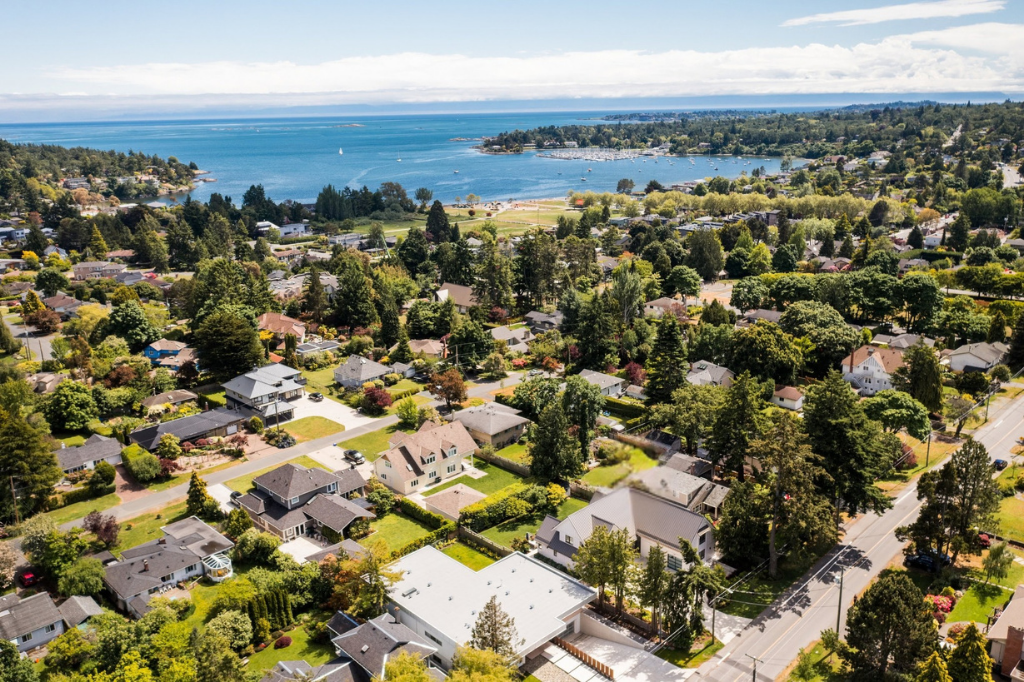
Greater Victoria real estate micro-markets can feel confusing because the region does not move as one single market. A condo in downtown Victoria, a family home in Gordon Head, a townhome in Langford, and a character home in Oak Bay can all respond differently to the same interest rate environment, inventory level, or buyer mood. That is why broad market headlines can only tell part of the story. According to the Victoria Real Estate Board, there were 3,710 active listings on the MLS® at the end of April 2026, up 8.3% from April 2025. The Board also described the overall market as balanced, while noting that buyer and seller experiences can vary depending on property type and location. That last point matters most. A Balanced Market Does Not Mean Every Area Feels Balanced When people hear that the market is balanced, they often assume every neighbourhood is moving at the same pace. That is rarely true. One area may have strong demand for detached homes because families want school access, yard space, and long-term livability. Another area may have slower condo activity because buyers have more choice, higher strata scrutiny, or stronger price sensitivity. A balanced regional market can still contain: Competitive pockets Slower-moving property types Price-sensitive segments High-demand neighbourhoods Listings that need sharper pricing to stand out This is why Greater Victoria real estate micro-markets require more than a regional average. Property Type Changes Everything A detached home, townhouse, condo, acreage property, and new-build unit can all behave differently. For example, buyers comparing condos may focus on strata fees, depreciation reports, insurance, amenities, parking, and building age. Buyers looking at detached homes may care more about lot size, renovation history, suite potential, roof condition, schools, and outdoor space. Even within the same neighbourhood, two property types can have very different buyer pools. A well-priced townhouse in a walkable area may attract strong interest, while a nearby condo with high strata fees may move more slowly. A dated detached home may sit if it needs major work, while a well-maintained home nearby may sell quickly because buyers value certainty. Neighbourhood Lifestyle Drives Buyer Demand Greater Victoria is not just a collection of price points. It is a collection of lifestyles. Buyers are often choosing between very different versions of daily life: Walkability in Fairfield, James Bay, Cook Street Village, or Fernwood Space and newer homes in Langford, Colwood, or View Royal Quiet residential streets in Gordon Head, Cordova Bay, or Oak Bay Waterfront access in Sidney, Saanich Peninsula, or Esquimalt Rural privacy in Metchosin, Central Saanich, or parts of Highlands These choices are emotional as much as financial. A buyer who wants cafés, transit, and walkability may accept less square footage. A buyer who wants a garage, yard, and newer construction may look further from the core. A downsizer may prioritize elevator access, storage, and a quiet building over a larger floor plan. That is why two homes at the same price can feel completely different in value. Price Brackets Create Their Own Markets Price point is another reason local real estate behaves differently. A home listed around a first-time buyer budget may attract a very different buyer group than a home listed above $1.5 million. Financing, affordability, insurance, strata fees, renovation costs, and property transfer tax considerations can all influence how active buyers feel at each level. In some price ranges, buyers may move quickly because quality options are limited. In others, they may compare more carefully because there are more listings to choose from. For sellers, this means pricing cannot rely only on what the neighbour sold for. It needs to consider: The current competition Buyer affordability at that price point Days on market for similar homes Recent comparable sales Property condition How much choice buyers have today The right pricing strategy depends on the specific buyer pool, not just the address. Condition Matters More When Buyers Have Choice When inventory rises, buyers tend to become more selective. In April 2026, Greater Victoria had more active listings than the previous year, giving buyers more options across many parts of the region. That does not mean every buyer has endless choice, but it does mean sellers need to understand how their home compares in real time. In a market with more selection, buyers often look closely at: Roof age Windows Heating systems Strata documents Depreciation reports Drainage Electrical updates Renovation quality Storage and parking Long-term maintenance costs A home does not need to be perfect. It needs to be clearly positioned. A well-maintained home gives buyers confidence. A home with unclear maintenance history may create hesitation, even if the price seems reasonable. Buyers and Sellers Need Local Context, Not Just Market Averages Averages can help explain the direction of the market. They do not tell you what to offer on one specific home or how to price one specific listing. For buyers, local context helps answer better questions: Is this home priced fairly for this neighbourhood? How much competition is there for this property type? Are buyers moving quickly here or taking their time? Is this location likely to support long-term resale demand? What trade-offs are normal at this price point? For sellers, local context helps avoid two common mistakes: Overpricing based on old market momentum Underestimating buyer demand in a strong pocket Good strategy starts with the micro-market, not the headline. What This Means If You Are Buying When buying in Greater Victoria, it helps to compare homes by lifestyle, property type, and long-term fit rather than price alone. A condo in the core may offer walkability and convenience. A townhouse in the Westshore may offer more space and newer construction. A detached home in Saanich may offer long-term flexibility, but may also come with higher maintenance needs. The better question is not simply, “Is this a good deal?” A better question is, “Is this the right trade-off for the way I want to live, the budget I have, and the resale value I want to protect?” What This Means If You Are Selling When selling, the goal is not to price for the entire region. The goal is to price for the buyers most likely to choose your home. That means looking closely at: Your neighbourhood Your property type Your condition level Your competition Your timing Your likely buyer profile A strong listing strategy should explain why your home makes sense in its specific market. That may mean highlighting walkability, updates, outdoor space, suite potential, strata strength, school proximity, or lifestyle convenience. The more specific the positioning, the easier it is for the right buyer to understand the value. The Bottom Line Greater Victoria real estate micro-markets matter because buyers are not shopping the region in one uniform way. They are comparing neighbourhoods, lifestyles, building types, costs, risks, and long-term fit. That is why the best advice is rarely generic. Whether you are buying or selling, the real value comes from understanding the specific market you are in, not just the market everyone is talking about. For advice on how your neighbourhood, property type, or price range is performing in today’s Greater Victoria real estate market, contact Faber Real Estate Group. Darren L., 5-Star Review, via Google “Fabulous job from Cal, Scott and Vanessa. They were professional, have strong negotiating skills and had a proactive strategy as the house sold very quickly (within a day the offer was accepted) and for the asking price. We were at ease with Cal and the team once we decided to go with them after interviewing other realty groups. It was definitely a smooth experience to say the least. Highly recommending the Faber Group if you’re buy or selling. Truly a group that is there to put the client first and foremost.” Faber Real Estate Group Royal LePage Coast Capital Realty 📞 250-244-3430 📧 [email protected] ℹ️ Scott Faber Personal Real Estate Corporation ℹ️ Cal Faber Personal Real Estate Corporation Vanessa Wood, Zachary Parsons, and Sophie Taylor “Building Lasting Relationships, One Home at a Time.”
Read more
The April 2026 Victoria real estate market gave both buyers and sellers a clearer look at what a balanced spring market can feel like. Sales activity improved from March, inventory continued to build, and prices remained fairly steady across key property types. In other words, the market is active, but it is not running away from either side. According to the Victoria Real Estate Board, 643 properties sold across the region in April 2026. That was almost unchanged from April 2025, when 642 properties sold, and up 11.1% from March 2026. Condo sales rose 5.9% year over year, with 198 units sold, while single family home sales decreased 1.2% year over year, with 331 homes sold. Inventory Is the Main Story The biggest number to watch right now is inventory. At the end of April, there were 3,710 active listings on the Victoria Real Estate Board MLS®. That was up 13.8% from March and up 8.3% compared with the end of April 2025. For buyers, this means more selection and less pressure than we saw in the strongest seller-driven markets. However, more choice does not always make the process easier. Buyers still need to compare value carefully, especially because not every listing is priced equally well. For sellers, this means competition matters. A home can still sell well, but pricing, presentation, condition, and launch strategy need to be aligned from the start. In a market with more inventory, buyers have options. If a listing misses the mark early, it may take longer to regain momentum. Prices Remained Relatively Stable The Victoria Core single family home benchmark price was $1,339,100 in April 2026. That was down 1.2% from April 2025, but up from $1,330,200 in March 2026. For condos in the Victoria Core, the benchmark price was $558,300 in April 2026. That was down 0.8% from April 2025, but also up from $553,800 in March 2026. These numbers point to a market that is not collapsing and not overheating. Instead, we are seeing a more measured environment where buyers have room to think, but well-positioned properties can still attract attention. What This Means for Buyers The April 2026 Victoria real estate market gives buyers something they have not always had in recent years: breathing room. That does not mean every buyer should wait, and it does not mean every property is negotiable. It means buyers have a better chance to compare options, review strata documents, understand neighbourhood differences, and avoid rushing into a decision simply because inventory is tight. Buyers should focus on: Comparing recent comparable sales, not just asking prices Understanding how long a property has been on the market Looking closely at condition, maintenance, and future costs Staying realistic about good homes in strong locations Using subjects and due diligence wisely where possible The best opportunities are often not the cheapest listings. They are the homes where price, condition, location, and long-term fit line up. What This Means for Sellers For sellers, April’s numbers point to a market that rewards preparation. With more active listings available, buyers are less likely to overlook issues. They are comparing finishes, floor plans, maintenance, location, pricing, and overall presentation. A home that is priced too aggressively may help competing listings look more attractive. Sellers should focus on: Pricing based on current competition, not last year’s expectations Preparing the home before photos and showings Addressing obvious maintenance concerns where practical Reviewing feedback quickly after showings Adjusting strategy early if activity is weaker than expected This is not a market where every seller needs to panic. However, it is a market where sellers need to be honest about buyer behaviour. The homes that stand out tend to have a clear strategy behind them. A Balanced Market Still Has Micro-Markets One of the most important points from April is that Greater Victoria is not one single market. A condo downtown, a family home in Saanich, a townhome in Langford, and a waterfront property in Sooke can all behave differently. Price point, property type, location, condition, and buyer demand all matter. That is why broad headlines can be misleading. A balanced market overall may still feel competitive in certain neighbourhoods, while other areas may give buyers more negotiating room. The Bottom Line The April 2026 Victoria real estate market is best described as balanced, active, and more choice-driven. Buyers have more options than they did in tighter markets, while sellers still have opportunity if they price and prepare properly. For buyers, this is a good time to be thoughtful. For sellers, this is a good time to be strategic. The market is not rewarding guesswork right now. It is rewarding clarity. If you are thinking about buying or selling in Greater Victoria, reach out to Faber Real Estate Group for local advice, current market insight, and a clear plan for your next move. Jeff C., 5-Star Review, via Google Cal and Scott are tremendous, made our home buying and selling experience a stress free engagement.. some of the key highlights from our experience with them are: - quick to communicate, lightning fast.. within minutes! - deep expertise in the greater Victoria real estate.. from neighborhood information, developer history, even carpentry/finishing … DEEP knowledge - super friendly and encouraging They were able to deliver in very tight circumstances and we are so thankful to have worked with them. Best ones in Greater Victoria for sure” Faber Real Estate GroupRoyal LePage Coast Capital Realty📞 250-244-3430📧 [email protected]ℹ️ Scott Faber Personal Real Estate Corporationℹ️ Cal Faber Personal Real Estate CorporationVanessa Wood, Zachary Parsons, and Sophie Taylor“Building Lasting Relationships, One Home at a Time.”
Read more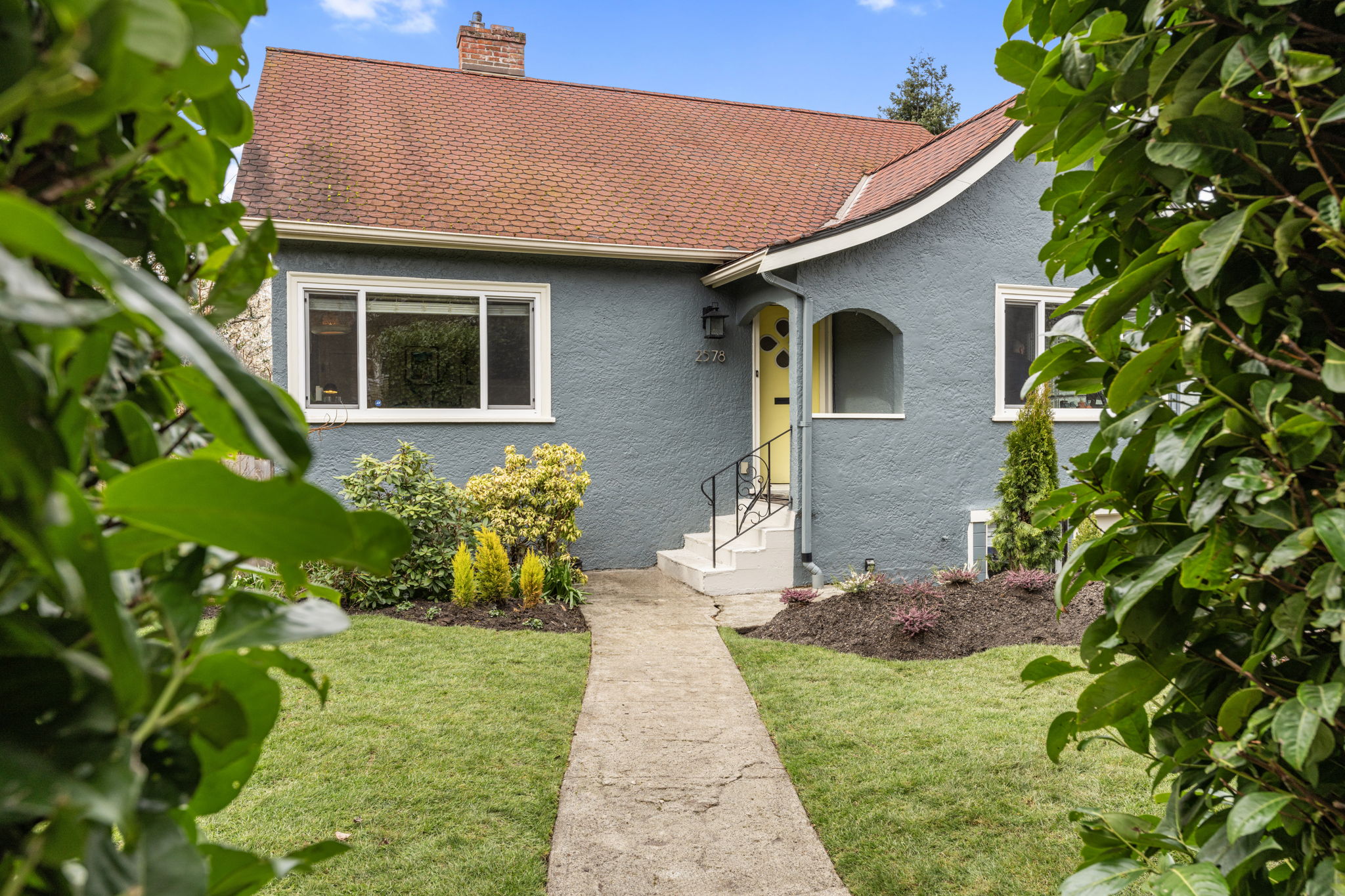
If you are wondering how long is it taking to sell in Victoria right now, the short answer is that homes are still selling, but most are not moving at the speed sellers saw in hotter markets. In the Victoria Real Estate Board area, the median time on market in the first quarter of 2026 was 26 days for single-family homes, 31 days for townhouses, and 30 days for condominiums. At the same time, inventory has grown, which means buyers have more choice and sellers need a sharper strategy. That does not mean every property takes a full month to sell. It means the market is more measured. Some homes still move quickly when they are priced well, presented properly, and listed in a segment with strong demand. Others sit longer because buyers now have more room to compare options, ask questions, and negotiate. VREB reported 579 sales in March 2026, up 24.5 per cent from February but down 5.5 per cent from March 2025, while active listings rose to 3,261, up 7.9 per cent from a year earlier. What the Current Selling Timelines Look Like Here is the clearest snapshot from CREA’s Victoria market conditions data for Q1 2026: Single-family homes: 26 median days on market Townhouses and row homes: 31 median days on market Condominiums: 30 median days on market In plain English, that tells us most well-positioned listings are not sitting for months, but sellers should also not expect a first weekend bidding war just because the property hit the market. Why Homes Are Taking Longer Than Last Year The biggest reason is choice. Compared with the first quarter of 2025, the median days on market increased across all three major property types. Single-family homes rose from 22 days to 26, townhouses rose from 22.5 to 31, and condominiums rose from 26 to 30. CREA also reported higher months of inventory for each category, which lines up with a more balanced market where buyers can take more time before committing. VREB said current conditions are creating fewer high-pressure transactions and allowing more time for due diligence. That is an important shift. Buyers are still active, but they are less likely to rush and more likely to compare value, review documents carefully, and negotiate when something feels overpriced. What This Means for Sellers A realistic expectation today is not simply, “How fast will my home sell?” A better question is, “How well does my home fit what buyers want at this price point?” Homes tend to sell faster when they offer: strong pricing from day one clean presentation and good photography a property type and location with steady demand fewer obvious objections around condition, strata documents, or layout Homes tend to take longer when they have: optimistic pricing based on old market expectations too much competition nearby dated presentation issues buyers think will cost them money after closing This is why two homes in the same neighbourhood can have very different timelines. Detached, Condo, and Townhouse Sellers Are Not Facing the Same Market Detached homes are moving a bit faster than condos and townhouses based on Q1 median days on market, but the gap is not huge. Detached homes came in at 26 days, compared with 30 for condos and 31 for townhouses. That said, property type is only part of the story. Price range, neighbourhood, strata health, parking, updates, and monthly carrying costs all affect how buyers respond. In a market with more inventory, buyers become more selective about compromises. The Mistake Sellers Make Right Now The most common mistake is assuming “average” means their home will sell quickly no matter what. Today’s Victoria market is more forgiving for buyers, not sellers. VREB’s March 2026 numbers show more listings and slower year-over-year sales, which means pricing and preparation matter more than they did in tighter conditions. A listing that starts too high can lose momentum, sit longer, and end up chasing the market down. So, How Long Is It Taking to Sell in Victoria Right Now? If you want the simple answer, the current median timeline is about four weeks, depending on property type: detached homes: about 26 days condos: about 30 days townhouses: about 31 days That is the broad market view. Your home could sell faster or slower depending on price, presentation, location, and competition. Final Thought The Victoria market is still active, but it is no longer a market where sellers can rely on urgency alone. If you want the best result, the goal is not just to list. It is to launch with the right price, the right presentation, and the right expectations from the start. If you want to know how your home would likely perform in today’s market, contact Faber Real Estate Group for a tailored pricing and selling strategy. Lou N., 5-Star Review, via Google “Scott is a knowledgeable, professional, dedicated and thorough expert in his field. Excellent at what he does and we couldn't have found a better realtor to guide us through one of the most important decisions in our lives.” Faber Real Estate Group Royal LePage Coast Capital Realty 📞 250-244-3430 📧[email protected] ℹ️ Scott Faber Personal Real Estate Corporation ℹ️ Cal Faber Personal Real Estate Corporation Vanessa Wood, Zachary Parsons, and Sophie Taylor “Building Lasting Relationships, One Home at a Time.”
Read more
If you have been waiting for the right time to buy, the current Victoria real estate market deserves a closer look. The opportunity right now is not really about chasing a dramatic price drop. It is about something more practical: more choice, more negotiating room, and more time to make careful decisions than buyers have had in years. In Greater Victoria, 579 properties sold in March 2026 while active listings climbed to 3,261, creating a sales-to-active-listings ratio of about 17.8 per cent. That sits at the low end of the Victoria Real Estate Board’s balanced-market range and points to a market that feels far more manageable for buyers than the high-pressure conditions many remember. That matters because the best buying opportunities do not always show up when prices are falling sharply. In Victoria, benchmark prices have stayed relatively steady. The Victoria Core benchmark for a single-family home was $1,330,200 in March 2026, down 1.1 per cent from a year earlier, while the benchmark condo value was $553,800, down 0.8 per cent year over year. Prices have softened only modestly, but the bigger shift is that buyers now have more room to think, compare, and negotiate. More Inventory Changes the Conversation For a long time, many buyers in Greater Victoria felt pushed into fast decisions. Low inventory, tight timelines, and heavy competition created an environment where hesitation could mean missing out. That is not what this market looks like today. Active listings were up 7.9 per cent year over year at the end of March, and the Victoria Real Estate Board described current conditions as offering plentiful opportunity for both buyers and sellers, with fewer high-pressure transactions and more time for due diligence. That shift matters. More inventory does not guarantee a deal on every property, and it does not mean sellers have lost all leverage. What it does mean is that buyers can be more selective about location, layout, condition, and long-term fit. They can compare several options instead of forcing one property to work simply because there are no alternatives. In practical terms, that often leads to better decisions. A Better Buying Setup Does Not Mean an Easy Market Balanced conditions are different from a distressed market. Buyers still need to be realistic about pricing, financing, and the fact that well-positioned homes can attract strong interest. But balanced conditions do create a healthier process. The market is still active, with March sales up 24.5 per cent from February, yet the supply side remains strong enough to reduce some of the urgency that defined earlier years. That combination gives prepared buyers a better chance to move strategically instead of emotionally. This is where many people misread the market. They assume a good time to buy only happens when prices are falling hard or headlines sound negative. In reality, some of the strongest buying windows happen when prices are relatively stable but buyers gain better access to inventory and better negotiating conditions. That is much closer to what Victoria looks like right now. Why Breathing Room Matters So Much The real advantage in today’s market is not that every home is cheap. It is that buyers can act with more discipline. They can book an inspection without feeling rushed. They can review strata documents or title details more carefully. They can negotiate on price, dates, or conditions with more confidence. And they can walk away from the wrong property without feeling like they have lost their only chance. VREB has explicitly noted that current supply and demand levels are allowing both sides of the sale to make decisions and undertake due diligence with less pressure. That breathing room can be especially valuable for first-time buyers, upsizers, downsizers, and anyone trying to buy with a plan rather than from fear of missing out. A more workable market does not remove risk, but it does improve the quality of decision-making. Prepared Buyers Still Have the Advantage A better market for buyers still rewards preparation. The strongest buyers in this environment are the ones who understand their financing, know their comfort level, and have clarity around what matters most in a home. When the right property comes up, they can act decisively. When a property is overpriced or not the right fit, they can step back without panic. That is one of the biggest changes from the urgency-driven market many buyers still have in mind. This market is less about reacting fast and more about recognizing value clearly. Buyers who are organized and informed can use these conditions to make smarter, more confident decisions. A Smart Way to Think About Buying in 2026 Instead of asking whether everything feels perfect right now, a better question is whether conditions are more favourable for buyers than they have been in recent years. In Greater Victoria, the answer is increasingly yes. Inventory remains healthy, prices have been relatively steady, and the market is giving buyers more space to compare options and negotiate thoughtfully. Provincially, BCREA said inventory is running near its highest level in over a decade, with just over 40,000 homes for sale across BC, which should help keep broader market conditions balanced through 2026. That does not mean every buyer should rush into the market. But for people who are financially ready and planning for the long term, this may be one of the more practical buying windows Victoria has offered in a while. Not because the market is weak, but because it is more balanced, more navigable, and less driven by pressure. Final Thoughts The current market will not be the right fit for every buyer. But for those who are prepared, patient, and focused on long-term goals, today’s Victoria market may offer something that has been missing for a long time: more selection, less frenzy, and a better chance to buy with clarity. If you want help building a smart buying plan in today’s market, contact Faber Real Estate Group for advice on where the real opportunities are in Greater Victoria. Wilson, 5-Star Review, via Google “Amazing people there! They will help you through the entire process and will always make you feel like family. For those first time home buyers, don't be intimidated entering the market because they will explain every process and guide you through.” Faber Real Estate Group Royal LePage Coast Capital Realty 📞 250-244-3430 📧[email protected] ℹ️ Scott Faber Personal Real Estate Corporation ℹ️ Cal Faber Personal Real Estate Corporation Vanessa Wood, Zachary Parsons, and Sophie Taylor “Building Lasting Relationships, One Home at a Time.”
Read more
The Tillicum and Gorge area continues to attract buyers looking for affordability without sacrificing location. In 2026, balanced market conditions have increased buyer choice, making this area especially appealing for first-time buyers, downsizers, and value-focused investors. Tillicum and Gorge real estate benefits from strong transit links, central positioning, and pricing that remains more attainable than many core Victoria neighbourhoods. Why Buyers Look to Tillicum and Gorge This area sits just minutes from downtown Victoria, Uptown, and the Trans-Canada Highway. Key advantages include: Easy access to major employment hubs Strong public transit and cycling routes Proximity to parks, the Gorge Waterway, and shopping For buyers who want convenience without downtown pricing, the location remains a major draw. Affordability Compared to Core Neighbourhoods Tillicum and Gorge continue to offer some of the most accessible price points within the urban core. Buyers typically find: Condos priced below downtown and Fairfield averages Townhomes that appeal to first-time buyers Older single-family homes with renovation potential In 2026, longer days on market have improved negotiating conditions, particularly for condos. Condo Market and Entry-Level Options The condo segment dominates much of the housing stock. Many buildings offer: Larger floor plans compared to newer developments More reasonable strata fees Strong rental appeal due to central location For buyers entering the market, Tillicum and Gorge real estate often provides a practical first step into ownership. Accessibility and Daily Convenience Accessibility remains one of the area’s strongest features. Residents benefit from: Direct transit routes to downtown and UVic Walkable access to Tillicum Centre and Uptown Quick connections to the West Shore and Peninsula This connectivity supports both owner-occupiers and long-term rental demand. What Buyers Should Watch in 2026 While affordability remains a strength, buyers should still review: Strata documentation and contingency funds Upcoming maintenance in older buildings Zoning and redevelopment potential along key corridors Well-priced properties continue to sell, while overpriced listings often sit longer. Final Thoughts Tillicum and Gorge real estate offers a compelling mix of affordability and accessibility in 2026. For buyers who value central location, transit access, and realistic pricing, this area remains one of Greater Victoria’s most practical options. Gary B., 5-Star Review, via Google “We bought a apartment and sold an apartment through Faber Group. It was a pleasure working with them, sold our apartment in one day at full price. No request was too much for them.” Faber Real Estate Group Royal LePage Coast Capital Realty 📞 250-244-3430 📧[email protected] ℹ️ Scott Faber Personal Real Estate Corporation ℹ️ Cal Faber Personal Real Estate Corporation Vanessa Wood, Zachary Parsons, and Sophie Taylor “Building Lasting Relationships, One Home at a Time.”
Read more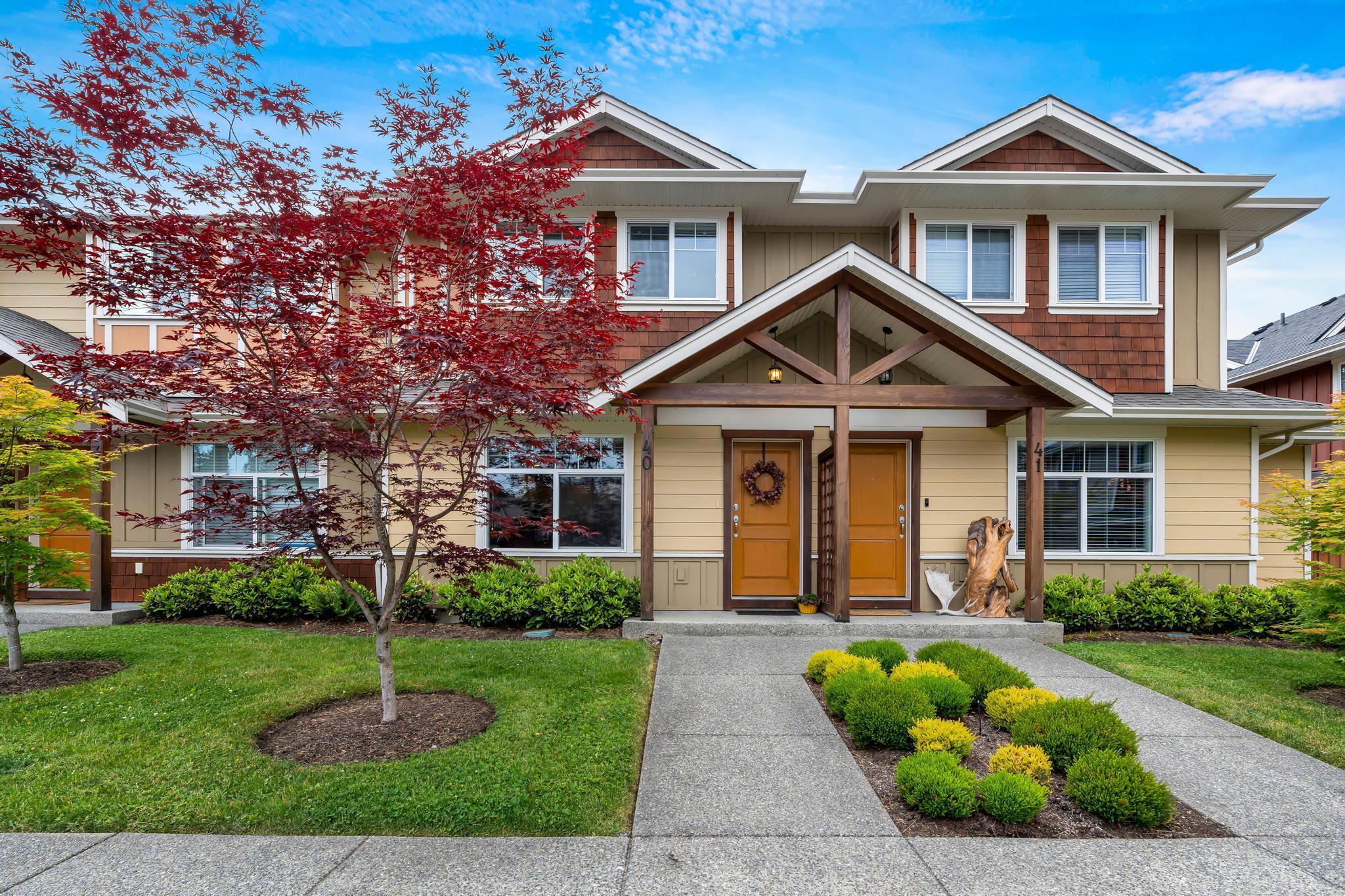
Victoria real estate myths can mislead both buyers and sellers. As we move into 2026 in Victoria, British Columbia, market conditions have shifted from the frenzy of earlier years. Here, we address common misconceptions with up-to-date data and practical insights. Myth 1: Prices Always Rise A pervasive belief is that real estate prices in Victoria will only go up. While long-term demographic demand and limited land supply support overall value retention, benchmark prices have not consistently climbed in 2025. Data from late 2025 shows single-family home benchmark prices slightly down year-over-year in the Victoria core and sales slowing, even as detached values remain relatively high. This reflects a stable or mildly softening market rather than unchecked price growth. Pricing is now more balanced, influenced by interest rates, inventory levels and buyers’ ability to act. Expect modest movement rather than guaranteed annual increases in 2026. Myth 2: Condominiums Are Always a Bad Investment Another common idea is that condos are poor investments in Victoria. The condo market did experience significant sales declines in 2025, especially compared to detached homes, and some downtown inventory softened. However, benchmark condo prices have shown mild appreciation in late 2025. Market niche, building quality, location and rental demand all matter for investment outcomes. Victoria’s condo segment can still offer opportunities, particularly where rental returns and future demand align with investor goals. Myth 3: You’ll Always Get Multiple Offers The extreme multiple-offer situations of the early 2020s have largely vanished. In balanced conditions, competitive offers occur but are no longer the norm. Accurate pricing, presentation and a strategic listing approach now drive stronger outcomes — not simply list-and-watch offers flood in. Myth 4: Real Estate Agents Aren’t Needed Anymore With abundant online data, some believe professional representation is optional. In a balanced and nuanced market, expert guidance remains critical for pricing strategy, negotiation and risk management — particularly in Victoria where micro-market variations can be significant. Myth 5: Rental Demand Always Sustains Values The link between rental demand and investment value is not automatic. Broader Canadian trends show rents softening into late 2025 and early 2026, which can temper yield expectations for investors. Conclusion Victoria’s real estate landscape in 2026 is defined by stability and balance, not runaway growth or universal downturns. Dispelling myths with current data helps buyers and investors make informed decisions rather than relying on assumptions rooted in past market behaviour. Raman B., 5-Star Review, via Google “Faber group is a power house team with motivation, drive and a desire to exceed your needs. This family based business excels in the Victoria real estate market and goes to great lengths to find the perfect property that suits you. I would highly recommend them, 5 out of 5 stars!!” Faber Real Estate Group Royal LePage Coast Capital Realty 📞 250-244-3430 📧[email protected] ℹ️ Scott Faber Personal Real Estate Corporation ℹ️ Cal Faber Personal Real Estate Corporation Vanessa Wood, Zachary Parsons, and Sophie Taylor “Building Lasting Relationships, One Home at a Time.”
Read more- 1
- 2