
Posts Tagged ‘Victoria condo buying tips’
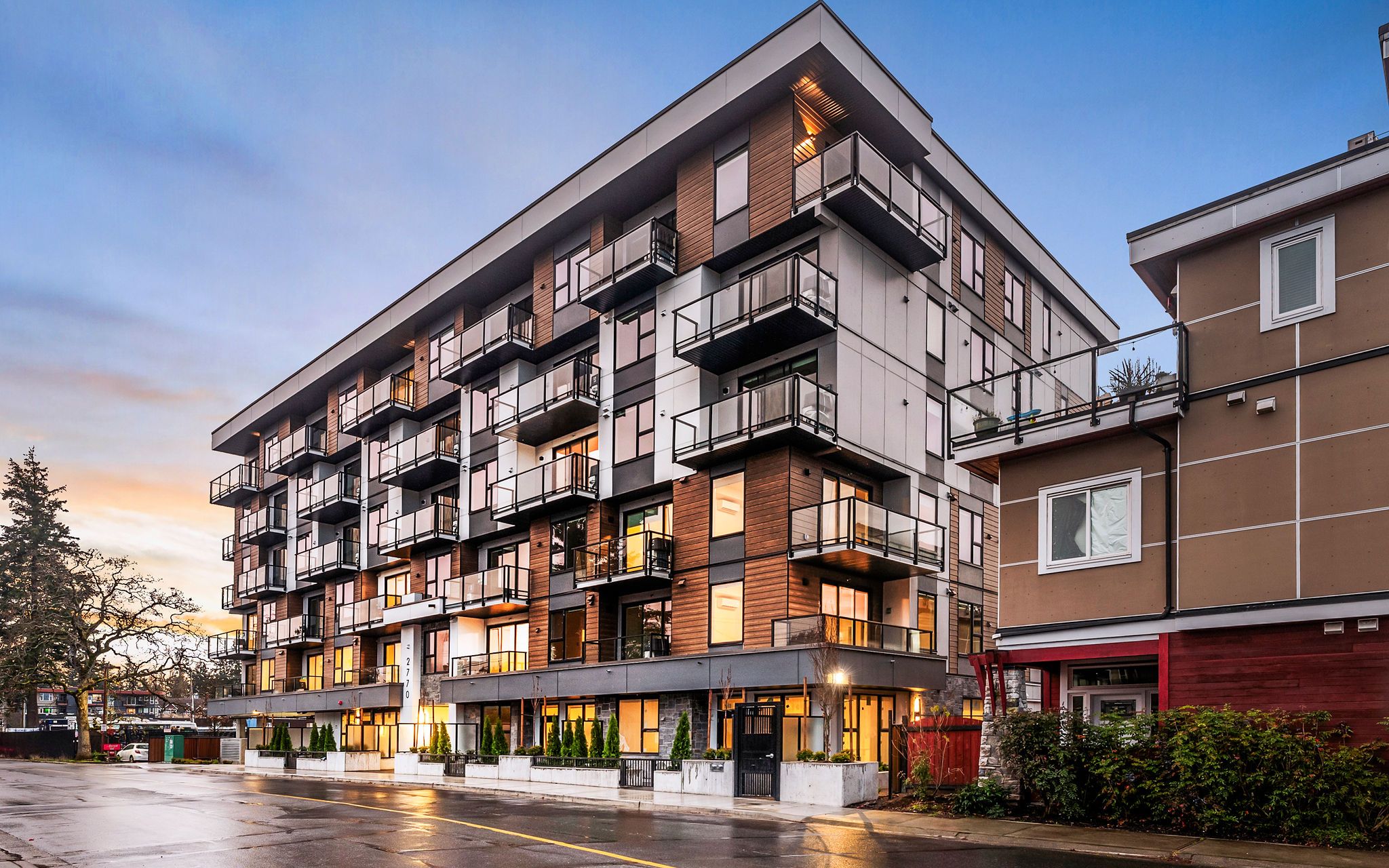
For many people, the question of whether to rent or buy in Victoria BC is not simple. Rent can feel expensive, but homeownership comes with more than just a mortgage payment. There are property taxes, insurance, strata fees, repairs, closing costs, and the responsibility of maintaining a home. At the same time, buying can offer stability, long-term equity, and more control over where and how you live. The right answer depends on your income, savings, lifestyle, timeline, and comfort level with responsibility. The goal is not to rush into the market. The goal is to understand the trade-offs clearly so you can make a confident decision. The Case for Continuing to Rent Renting can make sense, especially if you are still building savings, unsure where you want to live long-term, or need flexibility. When you rent, your monthly housing cost is usually more predictable. You do not have to pay for major repairs, property taxes, strata special levies, or replacing a roof. If your dishwasher breaks, that is usually the landlord’s responsibility. Renting may also give you more freedom to move. This matters if your job, relationship status, family plans, or preferred neighbourhood could change in the next year or two. The Downsides of Renting The challenge with renting is that your monthly payment does not build equity for you. You are helping cover someone else’s mortgage, property taxes, and long-term investment costs. You may also face rent increases, limited control over renovations, and the possibility that the owner decides to sell or move back into the property. In Victoria BC, where land is limited and demand remains steady over the long term, staying on the sidelines can also make it harder to catch up if prices continue to move over time. Renting is not “throwing money away” if it gives you flexibility and financial breathing room. But it can become costly if it keeps you from building a long-term plan. The Case for Buying Buying a home can help turn your monthly housing payment into a long-term asset. Instead of paying rent with no ownership stake, part of your mortgage payment goes toward paying down principal. Over time, this can help build equity, especially if the property increases in value. Homeownership can also provide stability. You are not waiting for a landlord to make decisions about your living situation. You can paint, renovate, adopt a pet, stay long-term, and create a home that fits your lifestyle. For some buyers, the emotional value matters as much as the financial side. There is comfort in knowing your home is yours. The Real Costs of Owning a Home A mortgage payment is only one part of homeownership. Before buying, you need to understand the full monthly and annual cost. Common ownership costs include: Mortgage payment Property taxes Home insurance Utilities Repairs and maintenance Strata fees, if buying a condo or townhome Possible strata special levies Property transfer tax, unless you qualify for an exemption Legal fees, appraisal fees, inspection costs, and moving costs For condos and townhomes, strata fees are especially important. They may cover building insurance, landscaping, maintenance, garbage collection, common area upkeep, amenities, contingency reserve fund contributions, and sometimes water or hot water. Lower strata fees are not always better. A well-funded strata with healthy maintenance planning can be safer than a building with low fees and deferred repairs. Property Taxes Matter Property taxes are an ongoing cost of ownership. They vary depending on the municipality, assessed value, and local tax rates. In Greater Victoria, two similar homes in different municipalities may have different annual property tax bills. Buyers should always review the most recent property tax amount before writing an offer. Many eligible homeowners in BC may also qualify for the Home Owner Grant, which can reduce property taxes on a principal residence. This is worth checking each year because thresholds and eligibility can change. Maintenance Costs Are Real One of the biggest differences between renting and owning is responsibility. When you own a home, maintenance is yours to plan for. A good rule of thumb is to set aside money monthly for future repairs, even if the home feels move-in ready today. For detached homes, this may include: Roof maintenance or replacement Perimeter drains Exterior paint Windows Heating and cooling systems Hot water tank Plumbing and electrical updates Landscaping and fencing For condos, some of these costs may be handled through the strata, but you still need to review the depreciation report, contingency reserve fund, strata minutes, bylaws, insurance deductible amounts, and upcoming projects. Rebates and Programs That May Help First-Time Buyers There are several programs that may help people get into the real estate market, especially first-time buyers. The BC First Time Home Buyers’ Program may reduce or eliminate property transfer tax for eligible buyers on qualifying homes. This can make a meaningful difference because property transfer tax is often one of the largest closing costs. There is also a BC newly built home exemption for qualifying newly constructed homes, which may help reduce property transfer tax on eligible new homes. At the federal level, first-time buyers may also be able to use programs such as the First Home Savings Account and the Home Buyers’ Plan. These can help buyers build or access down payment funds in a more tax-efficient way. First-time buyers purchasing a qualifying new home may also be eligible for GST-related rebates, depending on the property type, purchase price, and program rules. Before relying on any rebate, confirm the details with your mortgage broker, accountant, lawyer, and real estate professional. Eligibility depends on your personal situation and the property you purchase. Tips to Help You Get Into the Market Getting into the Victoria BC real estate market does not always mean buying your dream home first. Often, the smartest move is buying the right first property. Here are practical ways to start: Get a mortgage pre-approval before viewing homes Build a full monthly ownership budget, not just a mortgage budget Compare rent against total ownership costs Consider condos or townhomes as a first step Look at neighbourhoods just outside your first-choice area Review strata documents carefully before buying Keep an emergency fund after closing Avoid stretching your budget to the absolute maximum Ask about rebates and exemptions early Work with a REALTOR® who understands first-time buyer strategy A first home does not need to be perfect. It needs to be financially manageable, livable, and aligned with your next three to five years. Renting vs Buying: The Practical Comparison Renting may be better if you need flexibility, have limited savings, are unsure about your long-term plans, or would feel financially stressed by ownership costs. Buying may be better if you have stable income, plan to stay in the area, have enough savings for closing costs and emergencies, and want to start building equity. The mistake is comparing rent to a mortgage payment only. A better comparison is rent versus the full cost of ownership, including property taxes, strata fees, maintenance, insurance, utilities, and long-term repairs. The Bottom Line Deciding whether to rent or buy in Victoria BC is not just a financial question. It is a lifestyle question, a risk question, and a planning question. Renting can be the right choice when it gives you flexibility and helps you prepare. Buying can be the right choice when it creates stability, builds equity, and supports your long-term goals. The best next step is to look at real numbers. Compare your current rent, savings, income, debt, preferred neighbourhoods, and purchase options. From there, you can decide whether now is the right time to buy, or whether you should keep preparing for the right opportunity. If you are wondering whether it makes more sense to keep renting or start exploring homeownership, our team can help you understand your options clearly and confidently. Start With a Mortgage Pre-Approval For many first-time homebuyers, the hardest part is knowing where to begin. A mortgage pre-approval gives you a clearer picture of your budget, expected monthly payments, and what price range makes sense before you start viewing homes. It also helps you move with more confidence when the right property comes up. To make the first step easier, we have created a simple mortgage pre-approval form where you can start the process and connect with the right support. If you are thinking about buying your first home in Victoria or Greater Victoria, this is a practical place to begin. https://fabergroup.ca/mortgage-pre-approval/ Noel A., 5-Star Review, via Google “My partner and I had a great experience with Scott and the Fabers with our first home purchase. Scott answered all questions we had and helped guide us to make the right purchase that fit our lifestyle. Would highly recommend the Fabers!” Faber Real Estate Group Royal LePage Coast Capital Realty 📞 250-244-3430 📧 [email protected] ℹ️ Scott Faber Personal Real Estate Corporation ℹ️ Cal Faber Personal Real Estate Corporation Vanessa Wood, Zachary Parsons, and Sophie Taylor “Building Lasting Relationships, One Home at a Time.”.
Read more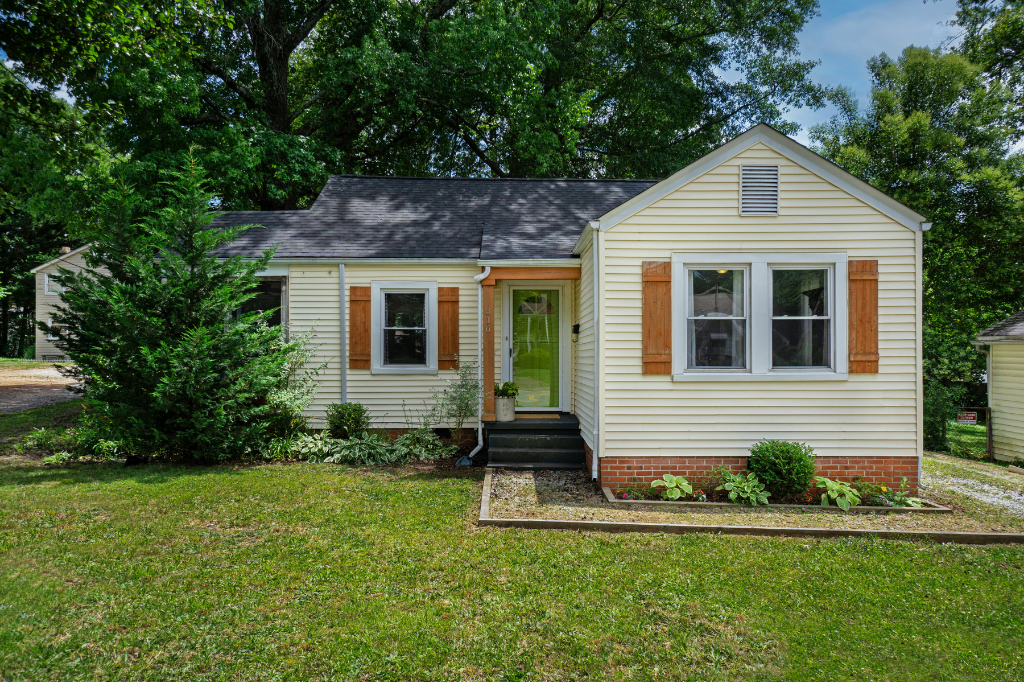
The biggest mistakes first-time buyers make in Victoria usually do not come from one huge decision. They come from several small assumptions that add up. In today’s market, buyers have more room to think than they did in tighter years, but that does not mean mistakes disappear. In March 2026, the Victoria Real Estate Board reported 3,261 active listings, up 7.9 per cent from a year earlier, and noted that current conditions are giving buyers more time for due diligence. That is helpful, but only if buyers use that time well. A lot of first-time buyers assume the hardest part is getting an accepted offer. In reality, many of the biggest mistakes happen before that stage, especially around budgeting, property type, strata review, and understanding the true cost of ownership. Mistake 1: Budgeting Only for the Down Payment This is one of the biggest first-time buyer mistakes in Victoria. Many buyers focus on saving for the down payment but forget about closing costs, adjustments, inspection costs, legal fees, property transfer tax, and moving expenses. In Canada, insured purchases can still start with as little as 5 per cent down, depending on price, but that does not mean the total cash needed is small. CMHC says the minimum down payment is 5 per cent up to $500,000, then 10 per cent on the portion above that, and homes at $1.5 million or more require at least 20 per cent down. In BC, many first-time buyers also misunderstand the Property Transfer Tax exemption. The Province says qualifying first-time buyers may be exempt on the first $500,000 of the purchase price if the fair market value is $835,000 or less, with a partial exemption up to $860,000. The lesson is simple: a purchase budget is not the same as a showing budget. Mistake 2: Shopping by Monthly Payment Alone A lot of buyers begin with, “What can I afford per month?” That is a useful starting point, but it is not enough. In Victoria, ownership costs can vary significantly depending on property type. A condo may have lower purchase price but higher strata fees. A detached home may offer more control but larger maintenance exposure. A townhouse may sit somewhere in between. Buyers who focus only on mortgage payment often miss the full carrying cost picture. The better question is: what is my all-in monthly cost? what level still feels comfortable if rates, insurance, or strata fees change? how much room do I have left after ownership costs? That is where smart first-time buyer planning starts. Mistake 3: Underestimating the Importance of Strata Documents This is a major one in Victoria because condos and townhomes make up such a meaningful part of the entry-level market. Many first-time buyers fall in love with the unit and ignore the corporation behind it. That is risky. Meeting minutes, bylaws, rules, financial statements, depreciation reports, and contingency reserves often reveal things the photos never will. Buyers should be asking: are there upcoming special assessments? are there ongoing building issues? are rentals and pets allowed? are the rules compatible with how I want to live? is the strata proactive or reactive? The wrong strata can turn an affordable purchase into an expensive lesson. Mistake 4: Assuming More Inventory Means Every Buyer Has Huge Leverage Victoria’s current market gives buyers more choice, but that does not mean every property is soft or every seller is desperate. CREA’s Victoria market conditions data for Q1 2026 shows median days on market at 26 for single-family homes, 31 for townhouses, and 30 for condominiums. That means buyers generally have more breathing room than in a frenzy market, but good listings can still attract strong interest. First-time buyers make mistakes when they go too far in either direction: panicking and overpaying because they assume everything will get away from them lowballing every listing because they assume the market is weak across the board A smarter approach is to adjust offer strategy based on the property, the competition, the days on market, and the seller’s position. Mistake 5: Treating the Rescission Period Like a Planning Tool BC’s Home Buyer Rescission Period gives buyers the right to rescind an accepted residential offer within three business days, excluding weekends and holidays. However, BCFSA makes clear that if the buyer rescinds, they must pay a rescission fee of 0.25 per cent of the purchase price to the seller. This is where first-time buyers get confused. The rescission period is not a replacement for preparation. It is a consumer protection tool. Buyers who write offers before understanding financing, reviewing available documents, or speaking with the right professionals are creating stress that often could have been avoided. Mistake 6: Buying for Today Only A first home does not need to be a forever home. However, it should still work for more than six months. Some buyers focus so heavily on “getting in” that they ignore how the property fits their likely next chapter. That can lead to buying a home that becomes too small, too restrictive, too expensive to keep, or too hard to resell. Before buying, first-time buyers should think about: likely time horizon commute and routine storage and parking needs pet or rental restrictions whether the layout will still work in a few years A first purchase should create options, not just solve urgency. Mistake 7: Not Building the Right Team Early This mistake is easy to overlook because it feels less urgent than browsing listings. Still, first-time buyers often wait too long to line up a mortgage broker, real estate lawyer or notary, home inspector, and trusted agent. That delay creates rushed decisions later. A better process is to get the support structure in place before you fall in love with a home. That way, when the right property appears, you can move with confidence instead of scrambling. Mistake 8: Letting Headlines Drive the Entire Decision Buyers often swing between two extremes: “I need to buy now before it gets worse” “I should wait because everything feels uncertain” Neither reaction is a strategy. Victoria’s current market is more balanced than it was in high-pressure periods, but it is not one uniform story. VREB’s March 2026 update showed lower year-over-year sales, higher inventory, and a more measured environment for buyers and sellers. That does not automatically mean “buy now” or “wait.” It means first-time buyers need to make decisions based on their budget, timeline, and property fit, not just emotion. (vreb.org) What First-Time Buyers Should Do Instead The strongest first-time buyers in Victoria usually do five things well: they understand their full budget they compare property types honestly they review strata or property documents carefully they tailor offer strategy to the listing they make decisions based on fit, not panic That does not eliminate uncertainty. It reduces avoidable mistakes. Final Thought The biggest mistakes first-time buyers make in Victoria are usually preventable. They happen when buyers rush the wrong parts, ignore the fine print, or confuse market noise with strategy. If you are planning your first purchase and want grounded advice on budget, property type, and offer strategy, contact Faber Real Estate Group for practical guidance built around the current Victoria market. Wilson, 5-Star Review, via Google “Amazing people there! They will help you through the entire process and will always make you feel like family. For those first time home buyers, don't be intimidated entering the market because they will explain every process and guide you through.” Faber Real Estate Group Royal LePage Coast Capital Realty 📞 250-244-3430 📧[email protected] ℹ️ Scott Faber Personal Real Estate Corporation ℹ️ Cal Faber Personal Real Estate Corporation Vanessa Wood, Zachary Parsons, and Sophie Taylor “Building Lasting Relationships, One Home at a Time.”
Read more