
Posts Tagged ‘Victoria BC zoning changes’
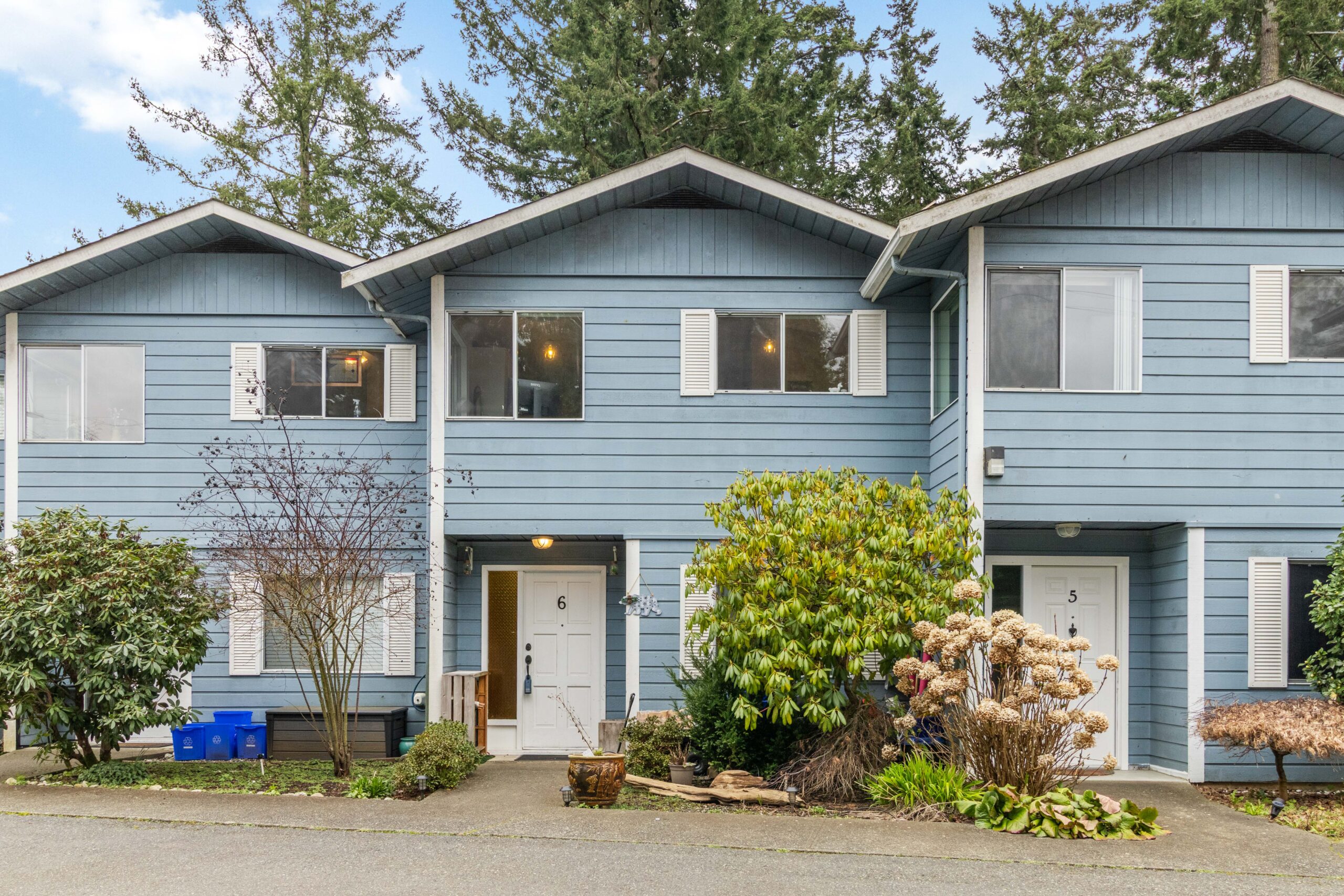
Small scale multi-unit housing refers to modest-density housing that sits between single family homes and large apartment buildings. These housing types are often called “missing middle housing” because they provide options that historically existed in many neighbourhoods but became restricted by zoning over time. Examples of small scale multi-unit housing include: Duplexes Triplexes Fourplexes Townhomes Courtyard housing Homes with secondary or garden suites Instead of building large apartment towers, these housing forms add homes gradually while keeping neighbourhood character largely intact. For cities like Victoria, this approach has become an important strategy for increasing housing supply while maintaining established communities. Why Small Scale Multi-Unit Housing Is Increasing Across British Columbia, housing supply has struggled to keep pace with population growth and demand. As a result, municipalities have begun exploring ways to increase housing options without dramatically altering neighbourhoods. Small scale multi-unit housing helps address several housing challenges. Increasing housing supply More homes can be built on land that previously supported only one house. Existing neighbourhoods can add housing without large redevelopment projects. Improving affordability Smaller units generally cost less than detached homes. Land costs are shared among multiple homes. Supporting community growth Increased density supports local businesses and transit. More residents can live close to employment centres and services. Because of these advantages, many municipalities throughout BC have begun adjusting zoning rules to allow more housing types on residential land. What This Means for Victoria Neighbourhoods In Greater Victoria, many neighbourhoods were historically dominated by single family homes. With limited land available, adding gentle density has become an important planning tool. Small scale multi-unit housing Victoria BC allows for changes such as: Redeveloping older homes into duplex or fourplex properties Building additional homes on larger residential lots Creating small infill developments in established neighbourhoods These types of developments typically blend into neighbourhoods more easily than larger apartment projects. Over time, this gradual increase in housing density can help accommodate population growth while preserving community character. Opportunities for Home Buyers For buyers, small scale multi-unit housing Victoria BC creates more opportunities in a market where detached homes can be difficult to afford. Potential advantages include: More attainable ownership Duplex or townhouse units are often priced below detached homes. Flexible living arrangements Some properties include secondary suites or separate living areas. Mortgage support through rental income Buyers may rent part of a property to offset mortgage costs. These housing options can provide a path to home ownership for buyers who might otherwise be priced out of traditional single family homes. Opportunities for Real Estate Investors Small scale multi-unit housing also presents interesting opportunities for real estate investors. Common strategies include: Redevelopment of existing lots Older homes may be replaced with duplex or multi-unit properties. Suite-based rental income Many homes now include legal secondary suites. Multi-unit rental investments Duplexes and fourplexes can provide steady long-term rental income. Investors should carefully evaluate zoning regulations, construction costs, financing requirements, and rental demand before pursuing these opportunities. Considerations Before Buying or Developing While small scale multi-unit housing creates opportunities, it also introduces important considerations. Buyers and investors should evaluate: Municipal zoning regulations Development and permitting timelines Construction costs and feasibility Property taxes and operating expenses Rental market demand Because these factors can vary widely between neighbourhoods, understanding local policies is essential before making decisions. The Future of Small Scale Multi-Unit Housing in Victoria Small scale multi-unit housing Victoria BC represents a shift in how cities approach growth. Instead of relying only on detached homes or high-rise condos, municipalities are encouraging housing types that sit in the middle. Over time, this approach can help: Increase housing supply Provide more ownership opportunities Create more diverse neighbourhoods For buyers, sellers, and investors, understanding how small scale multi-unit housing is evolving can reveal new opportunities in the Victoria real estate market. If you are considering buying, selling, or investing in properties affected by small scale multi-unit housing Victoria BC, the team at Faber Real Estate Group would be happy to help you understand your options and the opportunities available in today’s market. Laura T., 5-Star Review, via Google “Scott has been a pleasure. He is informative, kind, friendly and he has been there to answer all my questions, even when I had to bother him on the weekend. If you're looking for a Realtor, I would highly recommend Scott. He's the best out there!” Faber Real Estate Group Royal LePage Coast Capital Realty 📞 250-244-3430 📧[email protected] ℹ️ Scott Faber Personal Real Estate Corporation ℹ️ Cal Faber Personal Real Estate Corporation Vanessa Wood, Zachary Parsons, and Sophie Taylor “Building Lasting Relationships, One Home at a Time.”
Read more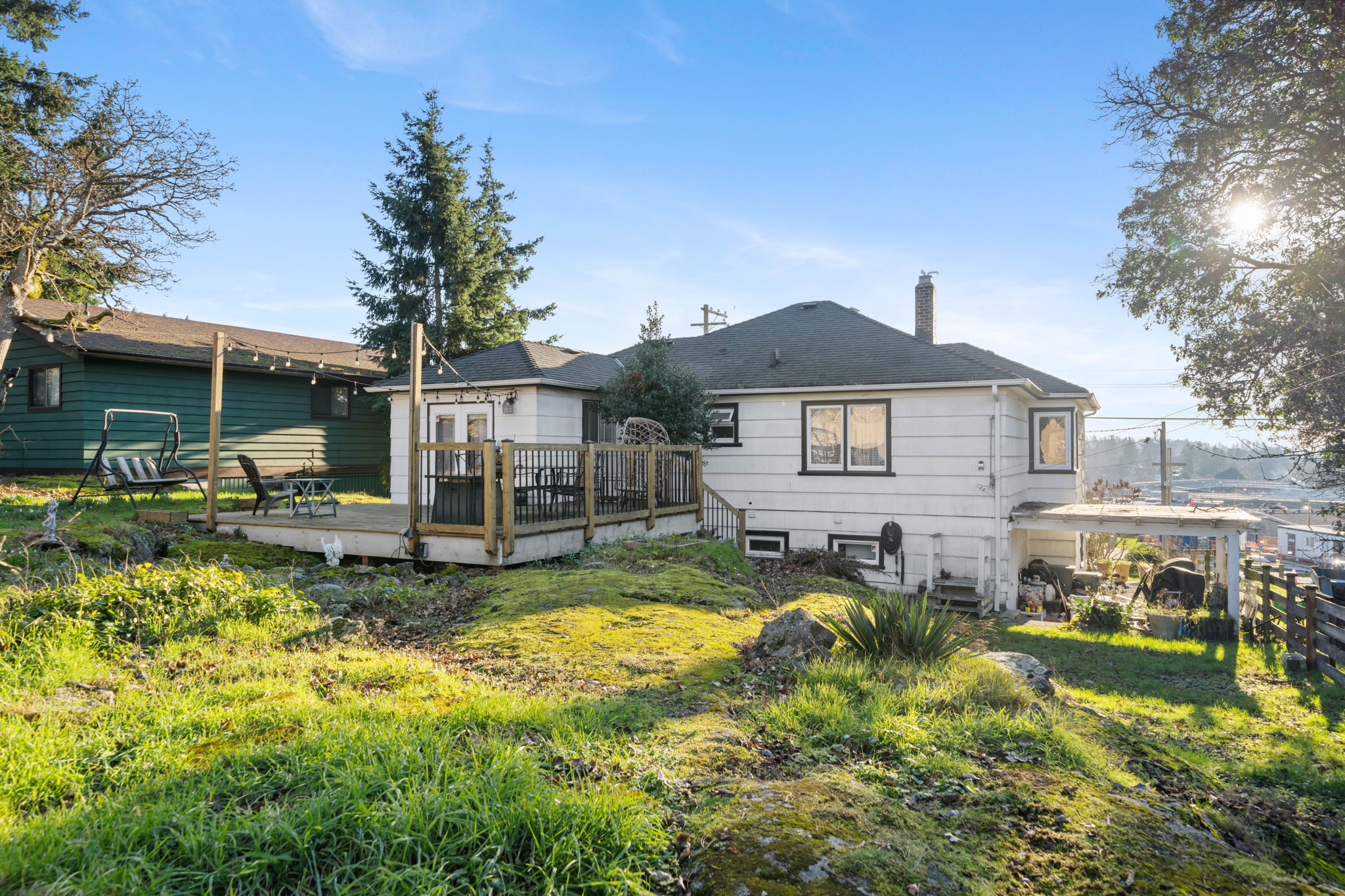
Victoria BC zoning laws play a major role in how properties can be used, renovated, or redeveloped. If you are buying or selling in Victoria, understanding zoning helps you avoid surprises and identify long-term opportunities. At its core, zoning shapes how neighbourhoods evolve over time. These rules determine not only what exists today, but also what may be possible in the future, making zoning knowledge especially valuable in a changing market. What Zoning Laws Do To manage growth and land use, zoning laws set clear parameters for development. They outline how land can be used and what can be built, helping balance housing needs with neighbourhood character. Specifically, zoning bylaws divide land into defined categories. Each zone establishes rules around permitted uses, building height, density, setbacks, and parking. Some zones allow only detached homes, while others permit duplexes, townhomes, or small multi-unit buildings. In Victoria, these rules are governed through the Zoning Bylaw 2018 alongside the older Zoning Regulation Bylaw. Together, they apply to residential, commercial, and mixed-use areas across the city. Main Zoning Types in Victoria Understanding the main zoning categories helps clarify what is allowed in different areas of the city. Residential zones cover single-family homes, multi-family housing, and mixed residential uses. Recent updates have focused on increasing density through small-scale multi-unit housing rather than high-rise development. Beyond residential areas, commercial zones allow retail, offices, and services, often combined with residential units in central locations. Industrial zones support manufacturing and warehouse uses and are typically located away from residential neighbourhoods. There are also special zones for institutional, agricultural, and park-related uses. Recent Zoning Changes to Know In recent years, provincial housing policies have significantly reshaped Victoria BC zoning laws for 2026. Many lots that once allowed only one home now permit up to four or six units, depending on lot size and proximity to transit. These changes are designed to increase housing supply while maintaining livable communities. As a result, zoning in Victoria’s core now encourages infill and gentle density. In contrast, growing areas closer to the Westshore are seeing zoning that supports larger developments and transit-oriented housing. How Zoning Affects Buyers and Sellers These zoning rules have practical implications for buyers, sellers, and investors. For buyers, zoning determines future options such as adding a suite or building additional units. For sellers, more flexible zoning can increase buyer interest and perceived value. From an investment perspective, zoning directly influences rental potential, redevelopment feasibility, and long-term returns. Because of this, zoning should always be reviewed early in the decision-making process. Before moving forward, confirm zoning details with the City of Victoria, especially if future development or expansion is part of your plan. Bottom Line Victoria BC zoning laws are designed to support growth while balancing community needs. Understanding how zoning works gives buyers, sellers, and investors a clearer picture of what a property can offer today and what it may offer in the future. This information is for educational purposes only. Always verify zoning with the City of Victoria before proceeding. Shane B., 5-Star Review, via Google “The last few months navigating this crazy real estate market has been a rollercoaster, and we couldn’t have done it without the Faber Real Estate Team! Scott was extremely helpful, positive and always available. Under a tight timeline we were able to get our condo on the market and sell right away, to be available for any housing opportunity. Scott was patient and helpful throughout the entire process of searching for houses, and went above and beyond to help us finally land an accepted offer on the perfect home. Thank you Scott and the Faber Real Estate Team!” Faber Real Estate Group Royal LePage Coast Capital Realty 📞 250-244-3430 📧[email protected] ℹ️ Scott Faber Personal Real Estate Corporation ℹ️ Cal Faber Personal Real Estate Corporation Vanessa Wood, Zachary Parsons, and Sophie Taylor “Building Lasting Relationships, One Home at a Time.”
Read more