
Posts Tagged ‘Victoria BC real estate trends’
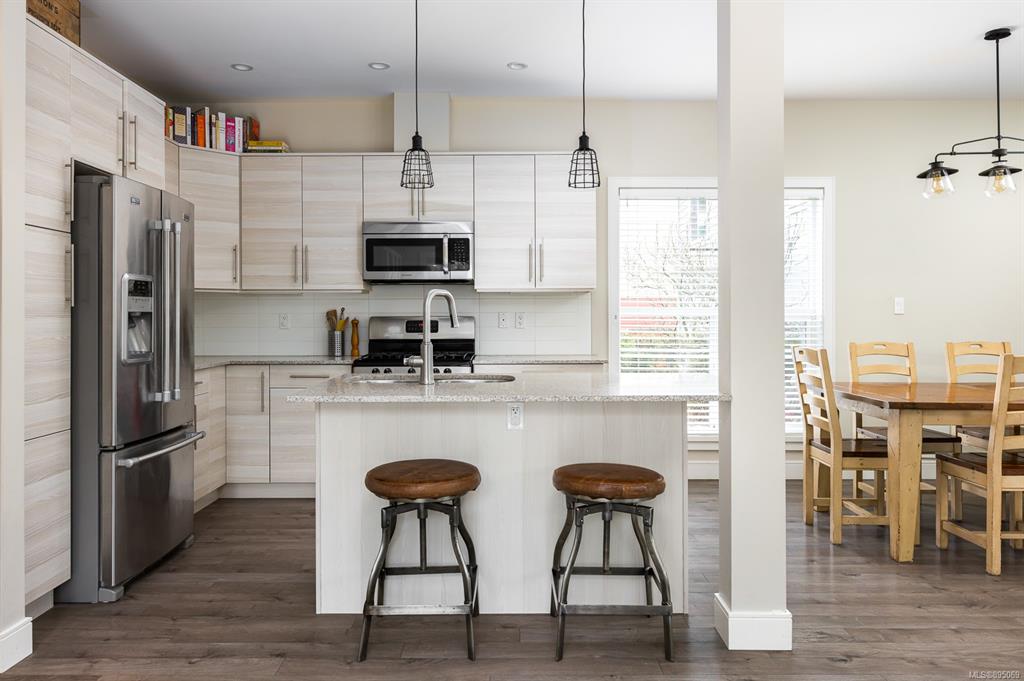
The $800K to $1M range feels competitive in Greater Victoria because it attracts several buyer groups at once. First-time buyers stretching their budget, move-up buyers looking for more space, downsizers wanting comfort, and investors watching long-term value can all end up looking at similar properties. That does not mean every home in this price range receives multiple offers. It means the best homes often attract focused attention quickly, especially when they are well priced, well located, and easy to move into. Why This Price Range Matters In Greater Victoria, the $800K to $1M range can represent very different options depending on the neighbourhood. In some areas, it may mean a larger condo or townhome. In others, it may open the door to an older detached home, a smaller family home, or a property that needs updates. This is why buyers in this price range often feel like they are comparing very different trade-offs. They may be asking: Do we choose location or more space? Do we buy newer and smaller, or older with more potential? Should we stay closer to Victoria, or look further into the Westshore? Is it better to accept renovation work, or pay more for move-in-ready condition? Those questions create competition because many buyers are trying to solve the same affordability problem in different ways. More Inventory Does Not Mean Every Home Is Easy to Buy Greater Victoria has offered buyers more choice recently, but that does not remove competition from every segment. A balanced market can still feel competitive when many buyers focus on the same price band. This is especially true for homes that check the most common boxes. Buyers tend to respond quickly when a home offers a good layout, practical parking, manageable maintenance, strong location, outdoor space, and a price that feels fair compared to recent sales. That type of property is easier to understand. It also feels easier to justify. The Best Homes Still Stand Out Buyers today are more selective, but they are not inactive. When a home feels fairly priced and does not require a long list of compromises, it can still move quickly. In the $800K to $1M range, competition often comes down to quality. A home with good presentation, a functional floor plan, and fewer obvious future costs can stand out against properties that feel dated, awkward, or overpriced. This explains why some listings sit while others receive strong interest right away. The market is not treating every property the same. Detached Homes Create Extra Pressure For many buyers, this price range is where detached home ownership may still feel possible in parts of Greater Victoria. That makes the segment more emotional and more competitive. A buyer may not be comparing one detached home to another. They may be comparing several different lifestyles at once. Common options include: A detached home farther from town A townhome in a more central location A larger condo with lower maintenance An older home with renovation potential A newer home with less outdoor space When detached inventory appears in this price range, buyers often look closely. There may not be many options that fit both their budget and lifestyle goals. Townhomes Can Be Just as Competitive Townhomes in this range often appeal to a wide group of buyers. They can offer more space than a condo, less upkeep than a detached home, and a layout that works for families, downsizers, and professionals. That broad appeal creates demand. A well-located townhome with parking, storage, outdoor space, and reasonable strata fees can attract buyers from several directions. Some may be priced out of detached homes. Others may prefer lower maintenance without giving up too much space. This overlap is one reason the $800K to $1M range can feel tighter than the overall market suggests. Buyers Are Competing on Certainty, Not Just Price In a competitive segment, the highest offer does not always win by price alone. Sellers also look at confidence, timing, conditions, deposit strength, and how clean the offer is. That does not mean buyers should waive important protections without understanding the risk. It means preparation matters. Before writing an offer, buyers should be clear on: Financing comfort Deposit availability Inspection strategy Subject removal timeline Recent comparable sales The property’s likely resale appeal What they are willing to compromise on Strong preparation helps buyers move with confidence instead of reacting under pressure. Sellers Still Need to Be Careful For sellers, the $800K to $1M range can be a strong segment, but success is not automatic. Buyers have more information, more listings to compare, and less patience for ambitious pricing. A seller who assumes competition will solve everything can miss the mark. Presentation, pricing, and condition still matter. The strongest results often come from making the home easy to understand, easy to view, and easy to compare against recent sales. When buyers can quickly see the value, they are more likely to act. The Bottom Line The $800K to $1M range feels competitive because it captures many of the most practical buyer needs in Greater Victoria. It is where lifestyle, affordability, space, and long-term value often meet. For buyers, the key is preparation. For sellers, the key is positioning. In both cases, success comes from understanding the micro-market, not relying on broad headlines. If you are buying or selling in this price range, contact Faber Real Estate Group for advice on pricing, strategy, and how to make confident decisions in the Greater Victoria market. Justine D., 5-Star Review, via Google “Cal and Scott treated us like family. We had only 5 days to find a home and Cal cleared his schedule to make himself available to us. Cal guided us in the purchase of our home, as if we were a member of his family asking for advice. I knew we could trust Cal. His service to us did not stop with the purchase of our home…he helped us find trades people and provided information about rental incomes in the area. We were new to the Island and I honestly felt that Cal adopted us and has made sure we had everything we needed. We did not just gain a realtor, but a friend. If you are looking for a realtor you can TRUST, and will look out for YOUR interests— then Cal and Scott are IT!!! I would recommend them to anyone looking to buy a home on the Island. I should also mention that Cal negotiated an amazing price on the purchase of our home and made sure if something was not right when we took possession that it would be taken care of. Cal and Scott and realtors with integrity and kindness..” Faber Real Estate Group Royal LePage Coast Capital Realty 📞 250-244-3430 📧 [email protected] ℹ️ Scott Faber Personal Real Estate Corporation ℹ️ Cal Faber Personal Real Estate Corporation Vanessa Wood, Zachary Parsons, and Sophie Taylor “Building Lasting Relationships, One Home at a Time.”
Read more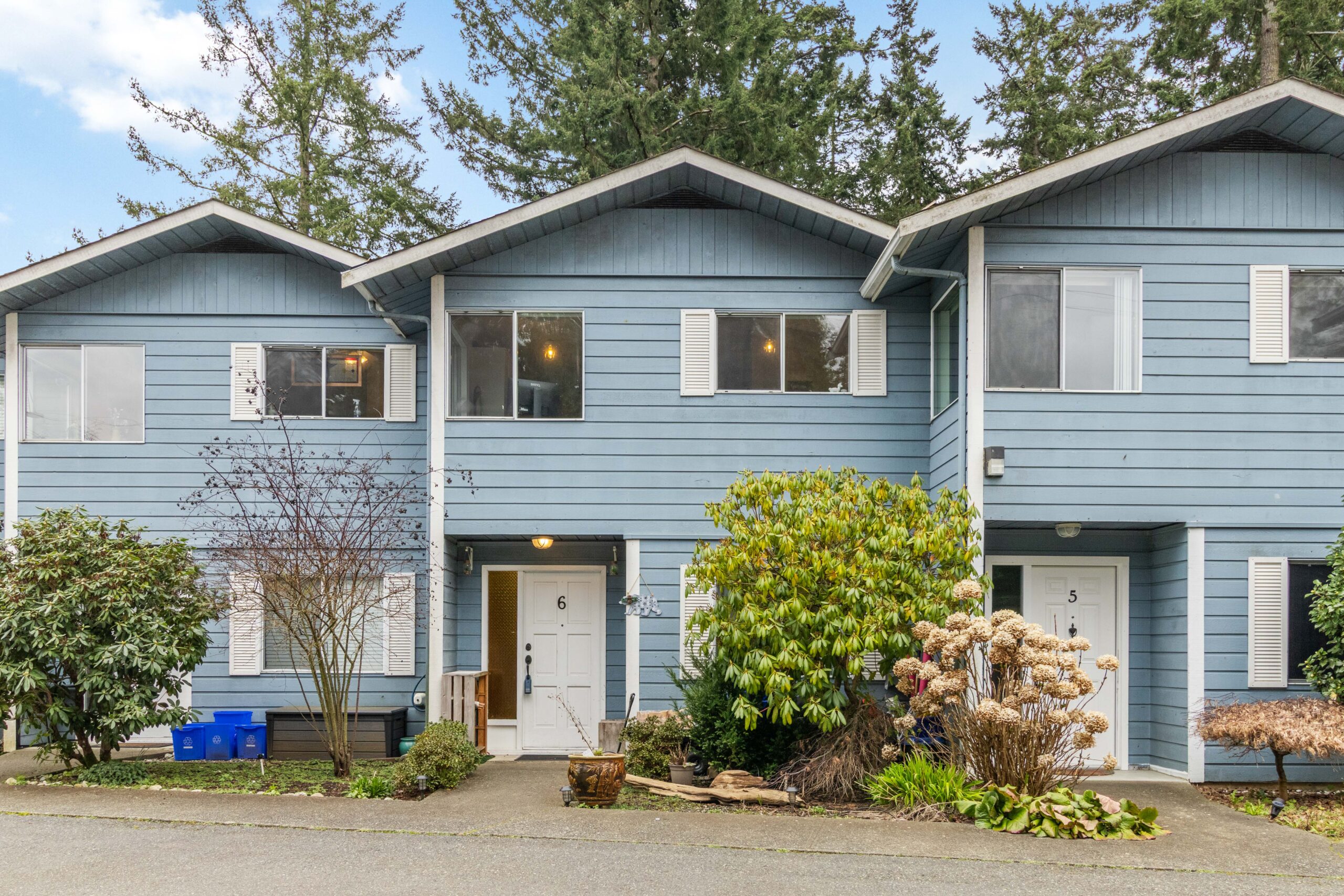
Small scale multi-unit housing refers to modest-density housing that sits between single family homes and large apartment buildings. These housing types are often called “missing middle housing” because they provide options that historically existed in many neighbourhoods but became restricted by zoning over time. Examples of small scale multi-unit housing include: Duplexes Triplexes Fourplexes Townhomes Courtyard housing Homes with secondary or garden suites Instead of building large apartment towers, these housing forms add homes gradually while keeping neighbourhood character largely intact. For cities like Victoria, this approach has become an important strategy for increasing housing supply while maintaining established communities. Why Small Scale Multi-Unit Housing Is Increasing Across British Columbia, housing supply has struggled to keep pace with population growth and demand. As a result, municipalities have begun exploring ways to increase housing options without dramatically altering neighbourhoods. Small scale multi-unit housing helps address several housing challenges. Increasing housing supply More homes can be built on land that previously supported only one house. Existing neighbourhoods can add housing without large redevelopment projects. Improving affordability Smaller units generally cost less than detached homes. Land costs are shared among multiple homes. Supporting community growth Increased density supports local businesses and transit. More residents can live close to employment centres and services. Because of these advantages, many municipalities throughout BC have begun adjusting zoning rules to allow more housing types on residential land. What This Means for Victoria Neighbourhoods In Greater Victoria, many neighbourhoods were historically dominated by single family homes. With limited land available, adding gentle density has become an important planning tool. Small scale multi-unit housing Victoria BC allows for changes such as: Redeveloping older homes into duplex or fourplex properties Building additional homes on larger residential lots Creating small infill developments in established neighbourhoods These types of developments typically blend into neighbourhoods more easily than larger apartment projects. Over time, this gradual increase in housing density can help accommodate population growth while preserving community character. Opportunities for Home Buyers For buyers, small scale multi-unit housing Victoria BC creates more opportunities in a market where detached homes can be difficult to afford. Potential advantages include: More attainable ownership Duplex or townhouse units are often priced below detached homes. Flexible living arrangements Some properties include secondary suites or separate living areas. Mortgage support through rental income Buyers may rent part of a property to offset mortgage costs. These housing options can provide a path to home ownership for buyers who might otherwise be priced out of traditional single family homes. Opportunities for Real Estate Investors Small scale multi-unit housing also presents interesting opportunities for real estate investors. Common strategies include: Redevelopment of existing lots Older homes may be replaced with duplex or multi-unit properties. Suite-based rental income Many homes now include legal secondary suites. Multi-unit rental investments Duplexes and fourplexes can provide steady long-term rental income. Investors should carefully evaluate zoning regulations, construction costs, financing requirements, and rental demand before pursuing these opportunities. Considerations Before Buying or Developing While small scale multi-unit housing creates opportunities, it also introduces important considerations. Buyers and investors should evaluate: Municipal zoning regulations Development and permitting timelines Construction costs and feasibility Property taxes and operating expenses Rental market demand Because these factors can vary widely between neighbourhoods, understanding local policies is essential before making decisions. The Future of Small Scale Multi-Unit Housing in Victoria Small scale multi-unit housing Victoria BC represents a shift in how cities approach growth. Instead of relying only on detached homes or high-rise condos, municipalities are encouraging housing types that sit in the middle. Over time, this approach can help: Increase housing supply Provide more ownership opportunities Create more diverse neighbourhoods For buyers, sellers, and investors, understanding how small scale multi-unit housing is evolving can reveal new opportunities in the Victoria real estate market. If you are considering buying, selling, or investing in properties affected by small scale multi-unit housing Victoria BC, the team at Faber Real Estate Group would be happy to help you understand your options and the opportunities available in today’s market. Laura T., 5-Star Review, via Google “Scott has been a pleasure. He is informative, kind, friendly and he has been there to answer all my questions, even when I had to bother him on the weekend. If you're looking for a Realtor, I would highly recommend Scott. He's the best out there!” Faber Real Estate Group Royal LePage Coast Capital Realty 📞 250-244-3430 📧[email protected] ℹ️ Scott Faber Personal Real Estate Corporation ℹ️ Cal Faber Personal Real Estate Corporation Vanessa Wood, Zachary Parsons, and Sophie Taylor “Building Lasting Relationships, One Home at a Time.”
Read more
If you are trying to make sense of the Westshore real estate market overview 2026, here is the simple truth: inventory across Greater Victoria is higher, activity picked up in February, and pricing is holding steady enough that strategy matters more than speed. Sales are up month over month, which helped shift conditions back toward balance. Active listings rose to 2,903 across the Victoria Real Estate Board region at the end of February 2026. In the Westshore, pricing depends heavily on community and home type, so one headline number rarely tells the full story. What “Westshore” means in real terms When locals say “Westshore,” they are usually talking about the west side of Greater Victoria, including: Langford Colwood View Royal Metchosin Highlands Sooke These markets behave differently from one another. In 2026, that micro-market reality matters more than ever because buyers have more choice and sellers need cleaner pricing and presentation to stand out. The 2026 story so far: more choice, more thinking time February 2026 showed a noticeable pickup in sales compared with January, while inventory stayed healthy. The Victoria Real Estate Board reported 465 total properties sold in February (up 37.2% from January), with 2,903 active listings at month end. Why that matters in the Westshore Buyers: more listings usually means more leverage, but it also increases decision fatigue. Sellers: the “just list it and it sells” era is not the baseline. Pricing and preparation are doing more of the heavy lifting. Westshore benchmark prices: what a “typical” home costs in February 2026 VREB’s MLS Home Price Index (HPI) benchmark is useful because it tracks a typical home rather than swinging with whatever mix sold that month. Single family benchmark prices (February 2026) Langford: $1,029,300 Colwood: $1,077,800 Sooke: $803,000 Metchosin: $1,304,600 Highlands: $1,598,000 Townhome benchmark prices (February 2026) Langford: $714,300 Colwood: $737,800 Sooke: $666,200 Condo benchmark prices (February 2026) Langford: $512,200 Colwood: $494,000 Sooke: $499,000 How to read this quickly Westshore is not “cheap Victoria.” It is a range of sub-markets with different price bands. Highlands and Metchosin often behave like lifestyle acreage markets. Langford and Colwood carry a lot of the region’s growth, new supply, and townhome activity. What buyers should do differently in 2026 In a more balanced environment, the winning buyer move is not “move faster.” It is “get clearer.” Practical buyer strategy Choose your tradeoff first: space, schools, commute, or price point. The right answer changes the neighbourhood shortlist. Use the benchmark ranges to set expectations: if you are shopping detached, Langford vs Sooke vs Highlands is not a small adjustment. Be ready to act when the right home shows up: balance does not mean every listing sits, especially the ones priced properly and showing well. A smart question to ask yourself If you found the right home in Langford today, would you rather win on price, conditions, or possession date? Pick one before you write. What sellers should do differently in 2026 When inventory is higher, buyers compare more homes and notice flaws faster. Practical seller strategy Price for your competition, not your memory: the benchmark tells you the direction; your micro-market comps set the number. Presentation is a pricing tool: strong photos, clean prep, and clear showing access can reduce days on market. Plan for negotiation: balanced markets often include more back-and-forth, especially when buyers have options. A smart question to ask yourself If your home sits for 21 days, what is your plan: improve presentation, adjust price, or change terms? The bigger BC context: supply is higher across the province BCREA has noted provincial inventory running near the highest level in over a decade, with just over 40,000 homes for sale and expectations for broadly balanced conditions in 2026. That supports what we are seeing locally: more choice, fewer rushed decisions, and stronger results for people who plan. Dawson H., 5-Star Review, via Google “Working with Scott and Zach made the entire condo purchase process incredibly smooth, even while I was traveling in another country. Their communication was clear, timely, and efficient, which made it easy to navigate every step without feeling stressed or overwhelmed. They handled details behind the scenes with confidence, giving me peace of mind knowing everything was in good hands.” Faber Real Estate Group Royal LePage Coast Capital Realty 📞 250-244-3430 📧[email protected] ℹ️ Scott Faber Personal Real Estate Corporation ℹ️ Cal Faber Personal Real Estate Corporation Vanessa Wood, Zachary Parsons, and Sophie Taylor “Building Lasting Relationships, One Home at a Time.”
Read more
The Westshore vs Saanich East debate is becoming more common as buyers explore Greater Victoria’s suburban options. Both areas offer strong lifestyle benefits, established amenities, and access to nature, but they appeal to different priorities and budgets. Understanding how Colwood and the broader Westshore compare to Saanich East can help buyers make confident real estate decisions. Lifestyle and Community Feel When comparing Westshore vs Saanich East, lifestyle is often the biggest deciding factor. The Westshore, including Colwood, Langford, and View Royal, tends to offer a newer suburban feel. Many neighbourhoods feature modern developments, growing commercial hubs, and easy access to parks, lakes, and oceanfront spaces. Communities like Royal Bay and Olympic View emphasize outdoor living, family-friendly planning, and newer infrastructure. The Westshore is especially attractive to buyers looking for newer homes, expanding amenities, and a slightly more relaxed suburban atmosphere. Saanich East offers a more established and mature neighbourhood experience. Areas such as Gordon Head, Cadboro Bay, and Mt. Douglas feature tree-lined streets, established schools, and proximity to the University of Victoria. Many buyers are drawn to Saanich East for its strong sense of community, long-standing neighbourhood character, and central location within Greater Victoria. Housing Prices and Property Types Housing costs remain a major factor in the Westshore vs Saanich East comparison. The Westshore generally provides more attainable entry points into the market. Buyers often find newer condos, townhomes, and detached houses at lower average price points compared to Saanich East. Larger homes, newer construction, and family-oriented developments are often more accessible in Colwood and Langford, making the Westshore popular with first-time buyers and move-up families. Saanich East typically commands higher price points due to its established neighbourhoods, proximity to downtown Victoria, and strong school catchments. Many homes in Saanich East are older but situated on larger, mature lots. Buyers often choose Saanich East for long-term stability, central convenience, and neighbourhood prestige. Amenities and Convenience Amenities play a significant role when evaluating Westshore vs Saanich East living. The Westshore continues to expand its commercial and recreation offerings. Belmont Market, Westshore Town Centre, and the Royal Bay Commons development provide growing retail, dining, and service options. Recreation opportunities are abundant, including hiking, beaches, golf courses, and lakes. The Westshore is also seeing increased mixed-use developments that integrate housing with everyday amenities. Saanich East benefits from long-established infrastructure and highly regarded public services. Residents enjoy close access to the University of Victoria, Camosun College, and several major recreation centres. Cadboro Bay Village and Broadmead Village provide boutique shopping and community-focused services. Saanich East also offers quicker access to downtown Victoria and Oak Bay, which appeals to buyers prioritizing central convenience. Commute and Accessibility Commute time is another major consideration in the Westshore vs Saanich East decision. Westshore residents commuting into downtown Victoria or Saanich East typically face longer travel times, particularly during peak traffic hours. However, continued road improvements and expanding local employment opportunities are helping reduce reliance on commuting for many residents. Saanich East offers shorter and more predictable commute times to downtown Victoria, major employment centres, and post-secondary institutions. This central positioning is often a major advantage for professionals and university staff or students. Long-Term Investment and Market Trends Both regions offer strong long-term real estate potential. The Westshore continues to benefit from population growth, new construction, and expanding infrastructure. These factors support steady demand and long-term appreciation potential. Saanich East remains one of Greater Victoria’s most stable and consistently desirable housing markets. Limited land availability and strong neighbourhood reputation help support property values and long-term resale strength. Which Suburb Is Right for You? Choosing between The Westshore vs Saanich East debate is becoming more common as buyers explore Greater Victoria’s suburban options. Both areas offer strong lifestyle benefits, established amenities, and access to nature, but they appeal to different priorities and budgets. Understanding how Colwood and the broader Westshore compare to Saanich East can help buyers make confident real estate decisions. Lifestyle and Community Feel When comparing Westshore vs Saanich East, lifestyle is often the biggest deciding factor. The Westshore, including Colwood, Langford, and View Royal, tends to offer a newer suburban feel. Many neighbourhoods feature modern developments, growing commercial hubs, and easy access to parks, lakes, and oceanfront spaces. Communities like Royal Bay and Olympic View emphasize outdoor living, family-friendly planning, and newer infrastructure. The Westshore is especially attractive to buyers looking for newer homes, expanding amenities, and a slightly more relaxed suburban atmosphere. Saanich East offers a more established and mature neighbourhood experience. Areas such as Gordon Head, Cadboro Bay, and Mt. Douglas feature tree-lined streets, established schools, and proximity to the University of Victoria. Many buyers are drawn to Saanich East for its strong sense of community, long-standing neighbourhood character, and central location within Greater Victoria. Housing Prices and Property Types Housing costs remain a major factor in the Westshore vs Saanich East comparison. The Westshore generally provides more attainable entry points into the market. Buyers often find newer condos, townhomes, and detached houses at lower average price points compared to Saanich East. Larger homes, newer construction, and family-oriented developments are often more accessible in Colwood and Langford, making the Westshore popular with first-time buyers and move-up families. Saanich East typically commands higher price points due to its established neighbourhoods, proximity to downtown Victoria, and strong school catchments. Many homes in Saanich East are older but situated on larger, mature lots. Buyers often choose Saanich East for long-term stability, central convenience, and neighbourhood prestige. Amenities and Convenience Amenities play a significant role when evaluating Westshore vs Saanich East living. The Westshore continues to expand its commercial and recreation offerings. Belmont Market, Westshore Town Centre, and the Royal Bay Commons development provide growing retail, dining, and service options. Recreation opportunities are abundant, including hiking, beaches, golf courses, and lakes. The Westshore is also seeing increased mixed-use developments that integrate housing with everyday amenities. Saanich East benefits from long-established infrastructure and highly regarded public services. Residents enjoy close access to the University of Victoria, Camosun College, and several major recreation centres. Cadboro Bay Village and Broadmead Village provide boutique shopping and community-focused services. Saanich East also offers quicker access to downtown Victoria and Oak Bay, which appeals to buyers prioritizing central convenience. Commute and Accessibility Commute time is another major consideration in the Westshore vs Saanich East decision. Westshore residents commuting into downtown Victoria or Saanich East typically face longer travel times, particularly during peak traffic hours. However, continued road improvements and expanding local employment opportunities are helping reduce reliance on commuting for many residents. Saanich East offers shorter and more predictable commute times to downtown Victoria, major employment centres, and post-secondary institutions. This central positioning is often a major advantage for professionals and university staff or students. Long-Term Investment and Market Trends Both regions offer strong long-term real estate potential. The Westshore continues to benefit from population growth, new construction, and expanding infrastructure. These factors support steady demand and long-term appreciation potential. Saanich East remains one of Greater Victoria’s most stable and consistently desirable housing markets. Limited land availability and strong neighbourhood reputation help support property values and long-term resale strength. Which Suburb Is Right for You? Choosing between Westshore vs Saanich East ultimately depends on your priorities. Buyers seeking newer homes, family-focused planning, and more attainable pricing often gravitate toward Colwood and the Westshore. Buyers prioritizing central location, established neighbourhoods, and long-term neighbourhood stability often prefer Saanich East. Both communities offer exceptional lifestyle benefits and strong real estate fundamentals. The right choice comes down to how you balance commute, budget, home style, and neighbourhood character. If you are considering buying in either the Westshore or Saanich East, contact us to discuss your options and find the neighbourhood that best fits your lifestyle and home search goals. Shannon R., 5-Star Review, via Google It was a pleasure to work with Scott Faber and Faber Real Estate Group. When I started looking for my first home in August 2021, I had some pretty specific requirements. Scott is a really knowledgeable Agent who also took the time to understand what I was looking for. I never felt pressured into making a decision that wasn't my own, but always valued his honest opinion and guidance when needed. It took close to 9 months, but we found a great place that checked all the boxes, that I'm excited to call home.. I appreciate the whole team's effort, support and patience throughout this journey and as a first time home buyer I could not be happier with my experience with Faber Real Estate Group.” Faber Real Estate Group Royal LePage Coast Capital Realty 📞 250-244-3430 📧[email protected] ℹ️ Scott Faber Personal Real Estate Corporation ℹ️ Cal Faber Personal Real Estate Corporation Vanessa Wood, Zachary Parsons, and Sophie Taylor “Building Lasting Relationships, One Home at a Time.”
Read more
Downtown Victoria condo living continues to attract buyers looking for convenience, walkability, and a low-maintenance lifestyle. With shops, restaurants, the Inner Harbour, and cultural amenities close at hand, downtown condos offer a lifestyle that appeals to a wide range of buyers. However, this type of housing also comes with trade-offs that are important to understand before purchasing. Pros of Downtown Victoria Condo Living One of the biggest advantages of Downtown Victoria condo living is location. Many residents can walk to work, dining, entertainment, and daily services, reducing reliance on a car. This convenience is a major draw for professionals, downsizers, and part-time residents. Low-maintenance living is another key benefit. Exterior upkeep, landscaping, and building maintenance are typically handled by the strata, which can be appealing for buyers who want fewer responsibilities. Condos also often include secure entry, elevators, and shared amenities that add comfort and ease. Downtown condos can also offer strong long-term appeal. Demand for central locations tends to remain consistent, which can support resale value over time. Cons to Consider Before Buying While Downtown Victoria condo living offers many benefits, there are also limitations. Space is often more compact compared to single-family homes, which may not suit buyers who need extra storage or room to grow. Strata fees are another important factor. These fees cover maintenance and amenities but add to monthly housing costs. Buyers should review strata documents carefully to understand what is included and assess the financial health of the building. Noise and activity levels can also be higher downtown. Proximity to nightlife, traffic, and events may be a downside for buyers seeking a quieter environment. Key Buyer Considerations When evaluating Downtown Victoria condo living, building age and management matter. Newer buildings may offer modern finishes and energy efficiency, while older buildings can provide larger floor plans but may require higher maintenance contributions. Buyers should also consider parking, storage, and pet policies, as these can vary significantly between buildings. Understanding strata rules early can help avoid surprises later. Is Downtown Condo Living the Right Fit? Downtown Victoria condo living suits buyers who value location, simplicity, and an active urban lifestyle. For those comfortable with shared spaces and strata living, it can be a practical and rewarding choice. Taking the time to weigh the pros, cons, and buyer considerations will help ensure this lifestyle aligns with your long-term goals. Michael F., 5-Star Review, via Google “Cal and Scott exceeded our expectations in every way. They were always available to answer our questions and address any concerns immediately, providing exceptional support throughout the entire process. Their dedication and expertise made the selling and buying experience seamless and stress-free. ” Faber Real Estate Group Royal LePage Coast Capital Realty 📞 250-244-3430 📧[email protected] ℹ️ Scott Faber Personal Real Estate Corporation ℹ️ Cal Faber Personal Real Estate Corporation Vanessa Wood, Zachary Parsons, and Sophie Taylor “Building Lasting Relationships, One Home at a Time.”
Read more