
Posts Tagged ‘Victoria BC real estate market’
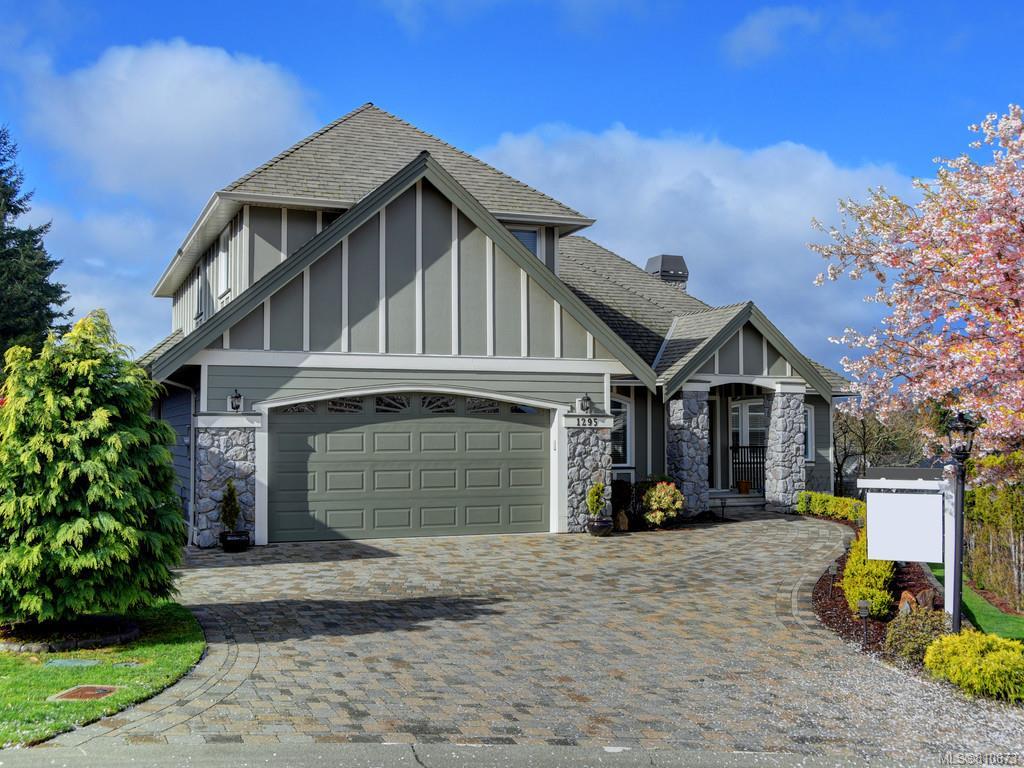
Selling in the Greater Victoria summer market can be a strong opportunity, but it requires the right strategy. The Greater Victoria summer market often brings motivated buyers, better curb appeal, longer days, and more flexibility for showings. However, it can also bring more competition and a slower decision cycle as buyers balance house hunting with travel, family plans, and summer schedules. For sellers, the key is not just listing because the weather is good. The key is understanding how buyers behave during this part of the year and positioning your home accordingly. Summer Buyers Can Be Motivated, But Selective Summer buyers are often serious. Many want to make a move before the fall, especially families hoping to settle before the next school year or buyers relocating for work. Longer days also make it easier for people to view homes after work and attend weekend open houses. However, today’s buyers are also more careful. With more inventory available across Greater Victoria, buyers have more options to compare. They may take longer to make decisions, revisit properties, review recent sales more closely, and pay attention to details that could affect value. This means sellers need to be realistic from the beginning. A strong first impression matters, but so does pricing, preparation, and market positioning. Pricing Needs to Match the Market One of the most important parts of selling in the summer is getting the price right. A home can show beautifully, have strong marketing, and attract plenty of online attention, but if the price feels too high compared with similar listings, buyers may wait. In a market with more choice, buyers are less likely to rush into an offer just because they like the home. Pricing should be based on: Recent comparable sales Current competing listings Property condition Location and neighbourhood demand Buyer activity in your specific price range A strong pricing strategy does not mean underpricing your home. It means entering the market at a number that feels supported, explainable, and competitive. This helps create confidence for buyers and gives your listing a better chance of building momentum early. Presentation Carries More Weight in the Summer Summer can make a home look its best. Gardens are fuller, natural light is stronger, patios feel more inviting, and outdoor spaces become a bigger part of the buyer experience. That also means expectations are higher. Before listing, sellers should focus on the details that help the home feel cared for and easy to imagine living in. Simple improvements can make a meaningful difference, especially when buyers are comparing several homes in the same price range. Focus on: Fresh landscaping and clean outdoor spaces Pressure washing patios, walkways, and siding Clean windows to maximize natural light Light seasonal staging Decluttering garages, sheds, and storage areas Highlighting patios, decks, yards, and garden areas Buyers do not need everything to be perfect, but they do need the home to feel well-maintained. In summer, outdoor spaces are part of the showing, not an afterthought. Showings May Need More Flexibility Summer schedules can be less predictable. Buyers may be away on weekends, working around travel, or trying to fit showings into evenings. Sellers who are flexible with access can have an advantage. This is especially important during the first two weeks on market. That early window is when the listing is fresh, buyer interest is highest, and online attention is strongest. If possible, make showings easy to book and avoid overly limited access. A serious buyer may only have one short window to view the property. If the home is difficult to see, they may move on to another option. The First Impression Starts Online Most buyers will see your home online before they ever step through the door. In the summer market, strong visuals are especially important because buyers are often scrolling through listings quickly and comparing multiple homes at once. Professional photography, clear descriptions, floor plans, video, and thoughtful marketing can help your home stand out. The goal is not just to show the home. The goal is to help buyers understand why it is worth viewing. Your listing should clearly communicate: The lifestyle the home offers Recent updates or improvements Outdoor space and seasonal features Neighbourhood benefits Walkability, schools, parks, transit, and nearby amenities Parking, storage, suites, strata details, or flexible spaces A good listing answers questions before buyers ask them. That can help reduce hesitation and encourage stronger showing activity. Competition Still Matters Even in a season with good buyer activity, your home does not sell in isolation. It competes against other listings nearby, similar properties in the same price range, and homes that may offer better condition, more updates, or stronger value. Before listing, sellers should look closely at what buyers will be comparing their home against. Ask: What else can a buyer purchase at this price? How does our home compare in condition? Are we priced ahead of the market, behind it, or in line with it? Does the listing clearly explain the value? What concerns might buyers notice during a showing? This type of thinking helps sellers make better decisions before going live. It can also prevent unnecessary price reductions later. Summer Timing Can Work Well With the Right Plan Summer can be a good time to sell in Greater Victoria, but timing alone is not the strategy. A successful sale depends on preparation, pricing, exposure, and how well the home meets current buyer expectations. Some homes will benefit from launching early in the season when buyer activity is strong. Others may need a little more preparation before hitting the market. In some cases, waiting a few weeks to improve presentation, complete small repairs, or build the right marketing package can create a stronger result. The best timing depends on the home, the neighbourhood, the price range, and the seller’s goals. Final Thoughts The Greater Victoria summer market can offer real opportunity for sellers, but it rewards preparation. Buyers are active, but they are also comparing carefully. They want homes that feel well-presented, properly priced, and aligned with current market value. For sellers, the best approach is simple: understand the competition, prepare the home properly, price with confidence, and make the listing easy for buyers to engage with. If you are thinking about selling this summer, start with a clear understanding of your home’s position in today’s market. The right strategy can help you attract stronger interest, reduce buyer hesitation, and move forward with more confidence. Gemma Kemp, 5-Star Review, via Google “Super professional and will go out of his way to help! Not only the best realtor but also the sweetest! We felt so taken care of every step of the way! Thank you Scott for all you do and thank you Faber Group - I highly recommend!!!!” Faber Real Estate Group Royal LePage Coast Capital Realty 📞 250-244-3430 📧 [email protected] ℹ️ Scott Faber Personal Real Estate Corporation ℹ️ Cal Faber Personal Real Estate Corporation Vanessa Wood, Zachary Parsons, and Sophie Taylor “Building Lasting Relationships, One Home at a Time.”
Read more
The Greater Victoria real estate market in June 2026 is likely to continue the trend we saw in May: more inventory, steady buyer activity, and a market that rewards strategy over urgency. This does not mean the market is weak. It means buyers and sellers are becoming more thoughtful. After several years of tight inventory and fast-moving conditions, May 2026 gave buyers more choice than they have had in a long time. If that pattern continues into June, buyers may have more room to compare properties, while sellers will need to be more precise with pricing, presentation, and timing. A Look Back at May 2026 Before predicting the Greater Victoria real estate market June 2026, it helps to look at where the market ended in May. In May 2026, 713 properties sold across the Victoria Real Estate Board region. Sales were down from May 2025, but up from April 2026, showing that the spring market remained active. The biggest story was inventory. There were 4,029 active listings at the end of May, which was the highest inventory level Greater Victoria had seen in 11 years. That matters because inventory changes behaviour. When buyers have more options, they become more selective. When sellers have more competition, pricing and presentation become more important. What We Expect in June 2026 June will likely remain active, but selective. Many buyers who started searching in spring may still be in the market. Some may feel more confident because they have more properties to compare. Others may remain cautious because of affordability, mortgage payments, strata fees, insurance costs, and broader economic uncertainty. For sellers, June may still offer a good opportunity, especially before the slower summer mindset begins. However, simply being listed will not be enough. Buyers are comparing homes carefully, and they are more likely to pause when a property feels overpriced or poorly prepared. The most likely June pattern is steady activity, moderate price sensitivity, and continued competition between listings. Prediction 1: Inventory Will Remain the Main Story Inventory is expected to remain a major factor in June 2026. If listings continue to build, buyers will have more choice across Greater Victoria. This could create a more balanced market, especially in segments where several similar homes are competing for the same buyer pool. For buyers, this means more opportunity. For sellers, this means more pressure to stand out. A home that is priced well, marketed clearly, and presented properly can still attract strong interest. A home that launches too high may sit longer than expected, especially if buyers can find similar options nearby. Prediction 2: Buyers Will Be More Patient In June 2026, buyers are likely to continue taking a more measured approach. Instead of rushing into the first available home, many buyers will compare price, condition, location, strata fees, layout, outdoor space, parking, storage, and future maintenance. This is especially true for condos and townhomes, where buyers are looking closely at monthly ownership costs. For buyers, patience can be helpful. But waiting too long can also mean missing the right property. The best strategy is to be prepared, informed, and ready to act when a home clearly fits your needs. Prediction 3: Sellers Will Need Stronger Pricing Strategy June 2026 will likely reward sellers who price accurately from the start. In a market with more listings, buyers can quickly identify when a property feels out of step with recent sales and active competition. Overpricing can lead to fewer showings, weaker urgency, and longer days on market. That does not mean sellers need to underprice. It means sellers need to understand the market they are actually competing in. A detached home in Saanich, a condo in Victoria, a townhome in Langford, and a downsizer-friendly property in Sidney may all behave differently. Pricing should be based on property type, location, condition, recent comparable sales, and current active listings. Prediction 4: Condos Will Stay Value-Sensitive The condo market will likely remain active, but value-sensitive in June. Condos continue to appeal to first-time buyers, downsizers, investors, and people who want walkability or lower-maintenance living. However, buyers are paying close attention to the full monthly cost of ownership. That includes mortgage payments, strata fees, property taxes, insurance, parking, storage, and potential future building costs. In Victoria, Saanich, Sidney, and the Westshore, the strongest condo listings will likely be the ones that offer a clear value story. This may include good layout, strong building maintenance, reasonable strata fees, secure parking, usable outdoor space, and a convenient location. Prediction 5: Westshore Will Remain Active The Westshore will likely continue to be one of the most active parts of Greater Victoria in June 2026. Langford, Colwood, View Royal, Sooke, Metchosin, and surrounding areas continue to attract buyers looking for more space, newer housing, and relative value compared to the core. This area may remain especially attractive to first-time buyers, young families, and move-up buyers who want more home for their budget. That said, the Westshore also has more direct competition between similar homes. Sellers should pay close attention to nearby active listings, especially in newer condo, townhome, and family-home segments. Prediction 6: Saanich Will Continue to Attract Long-Term Buyers Saanich will likely remain steady in June because of its established neighbourhoods, schools, parks, transit access, and central location. Buyers in Saanich often think long-term. They may be looking for family homes, suite potential, larger lots, walkability to schools, or access to key commuter routes. However, Saanich is not one single market. A renovated home in Gordon Head may attract a different buyer than an original-condition home in Lakehill or a townhome near Royal Oak. In June, neighbourhood-level pricing will matter more than broad assumptions. Prediction 7: Victoria Will Continue to Be Driven by Lifestyle and Walkability Victoria and Victoria West will likely continue to attract buyers who want walkability, convenience, and access to downtown amenities. The core market may remain especially relevant for condos, smaller homes, and lifestyle-focused buyers. However, buyers will likely continue to look closely at strata documents, insurance deductibles, building condition, parking, storage, noise exposure, and total monthly costs. In June, the best-performing Victoria listings will likely be the ones that make the ownership picture easy to understand. Prediction 8: Sidney Will Remain Lifestyle-Focused Sidney will likely continue to attract buyers looking for a quieter Peninsula lifestyle. Walkability, waterfront access, local shops, cafes, services, and a community feel remain key draws. This market often appeals to downsizers, retirees, and buyers looking for convenience without being in the centre of Victoria. For sellers, this means lifestyle positioning matters. Buyers are not just buying square footage. They are buying ease, comfort, walkability, and long-term livability. What Buyers Should Do in June 2026 Buyers should use the additional inventory to make better decisions, not slower decisions. A strong buyer strategy in June includes: Getting fully pre-approved before shopping Understanding your maximum monthly payment Comparing recent sales and active listings Reviewing strata documents carefully Asking about insurance, maintenance, and future costs Staying patient with overpriced homes Being ready to move on well-priced homes The best buyers in June will be calm, prepared, and clear on what matters most. What Sellers Should Do in June 2026 Sellers should focus on strategy before going live. A strong seller strategy in June includes: Reviewing recent comparable sales Studying active competition Preparing the home before photos Pricing based on current market conditions Highlighting the strongest features clearly Making the home easy to understand online Responding quickly to showing feedback Adjusting if the market sends a clear signal In a market with more inventory, sellers need to give buyers a reason to choose their home over the next one. The Bottom Line for June 2026 The Greater Victoria real estate market June 2026 is likely to be active, but more balanced than many recent spring markets. Buyers should have more choice. Sellers should expect more competition. Well-priced homes will still attract interest, but buyers may be less willing to chase listings that feel too high for the market. Westshore should remain active because of value and growth. Saanich should stay steady because of its established neighbourhoods. Victoria should continue to attract lifestyle-focused buyers. Sidney should remain appealing for walkability and Peninsula living. The biggest takeaway is simple: June will likely be a market for strategy, not guesswork. If you are thinking about buying or selling in Greater Victoria, contact Faber Real Estate Group for local advice, neighbourhood insight, and a clear plan for your next move. Wilson, 5-Star Review, via Google “Amazing people there! They will help you through the entire process and will always make you feel like family. For those first time home buyers, don't be intimidated entering the market because they will explain every process and guide you through.” Faber Real Estate Group Royal LePage Coast Capital Realty 📞 250-244-3430 📧 [email protected] ℹ️ Scott Faber Personal Real Estate Corporation ℹ️ Cal Faber Personal Real Estate Corporation Vanessa Wood, Zachary Parsons, and Sophie Taylor “Building Lasting Relationships, One Home at a Time.”.
Read more
The Greater Victoria real estate market May 2026 showed a clear shift toward more choice, more careful decision-making, and stronger competition between listings. After several years of tighter inventory, buyers now have more options across many parts of the region. That does not mean the market is slow. It means buyers are taking more time, comparing properties more closely, and paying attention to price, condition, location, and overall value. For sellers, the Greater Victoria real estate market May 2026 was still active, but it rewarded preparation. Homes that were priced well, presented clearly, and positioned properly continued to attract interest. Homes that missed the mark had more competition to work against. What Happened in the Greater Victoria Market in May 2026? According to the Victoria Real Estate Board, 713 properties sold across the region in May 2026. That was down 5.9% compared to May 2025, but up 10.9% from April 2026. This shows that the spring market was active, but not overheated. The larger story was inventory. At the end of May 2026, there were 4,029 active listings on the Victoria Real Estate Board MLS®. That was the highest inventory level the region had seen in 11 years. More inventory changes the feel of the market. Buyers have more room to compare. Sellers have more competition. Both sides need a stronger strategy. Key May 2026 Market Numbers Here are the main Greater Victoria market numbers from May 2026: 713 total properties sold Sales were down 5.9% from May 2025 Sales were up 10.9% from April 2026 385 single-family homes sold 188 condominiums sold 98 townhomes sold 4,029 active listings at month-end Inventory was up 8.6% from April 2026 Inventory was up 8.4% from May 2025 The benchmark value for a single-family home in the Victoria Core was $1,339,000 in May 2026. That was up 0.3% from May 2025 and almost unchanged from April 2026. The benchmark value for a condominium in the Victoria Core was $551,400 in May 2026. That was down 1.9% from May 2025 and down from April 2026. What This Means for Buyers For buyers, May 2026 created more breathing room. More listings mean buyers may have more time to view homes, compare options, review documents, and make decisions without the same pressure seen in hotter markets. That said, good homes are still moving. Buyers should not assume every property will sit or that every seller will negotiate heavily. The best opportunities still require preparation. Buyers should focus on: Getting pre-approved before viewing homes Understanding full monthly costs Comparing recent sales, not just list prices Reviewing strata documents carefully Looking at building condition, insurance, and future maintenance Being patient, but ready when the right property appears In a market with more choice, the advantage goes to buyers who know exactly what they are looking for. What This Means for Sellers For sellers, May 2026 was a reminder that pricing matters. When inventory rises, buyers can be more selective. They are no longer forced to rush toward the first suitable option. They can compare similar homes, neighbourhoods, finishes, floor plans, strata fees, outdoor space, parking, and overall condition. This does not mean sellers cannot do well. It means the first impression matters more. Sellers should focus on: Pricing based on current comparable sales Understanding active competition Preparing the home before photos and showings Highlighting the strongest features clearly Avoiding overpricing at launch Adjusting quickly if market feedback is clear The homes that stood out in May were the ones that felt well-positioned from day one. Westshore Real Estate Market: More Choice and Practical Value The Westshore continued to be one of the most active areas in Greater Victoria. Langford, Colwood, View Royal, Sooke, Metchosin, and the surrounding communities remain important markets for buyers looking for more space, newer housing, and relative value compared to the core. The Westshore appeals to a wide range of buyers, including first-time buyers, young families, move-up buyers, and people looking for newer condos or townhomes. With more inventory available, buyers in the Westshore had more options to compare. This made pricing and presentation especially important for sellers. A well-priced home in a strong location can still attract serious attention, but buyers are more likely to compare it against other similar listings nearby. Saanich Real Estate Market: Established Neighbourhoods Still Matter Saanich remained a steady and desirable part of the Greater Victoria market in May 2026. Saanich East and Saanich West continue to attract buyers who value established neighbourhoods, schools, parks, transit access, larger lots, and central convenience. Areas such as Gordon Head, Lakehill, Broadmead, Royal Oak, Tillicum, and surrounding neighbourhoods can perform differently depending on property type and condition. A renovated family home, an original-condition home, a suite-potential property, and a townhome will each attract a different buyer pool. For buyers, Saanich remains a market where neighbourhood knowledge matters. For sellers, it is important to price based on the specific pocket, not just the broader municipality. Victoria Real Estate Market: Walkability and Condos Remain Important Victoria and Victoria West continued to play an important role in the May 2026 market. The core remains attractive to buyers who value walkability, transit, restaurants, employment areas, shopping, parks, and lifestyle convenience. Condos are a major part of this market, especially for first-time buyers, downsizers, investors, and people who want to live close to downtown amenities. However, buyers are looking beyond the unit itself. In May 2026, buyers were paying close attention to: Strata fees Parking Storage Building maintenance Insurance deductibles Depreciation reports Contingency reserve funds Rental and pet bylaws Walkability and noise exposure In the Victoria condo market, the building often matters as much as the unit. Sidney Real Estate Market: Lifestyle, Walkability, and Downsizing Demand Sidney continued to attract buyers looking for lifestyle, walkability, and a quieter pace. The Sidney market is often driven by people who value access to the waterfront, local shops, cafes, services, marinas, and a more relaxed Peninsula lifestyle. It can appeal strongly to downsizers, retirees, and buyers who want convenience without being in the centre of Victoria. For sellers in Sidney, presentation and pricing are important because buyers tend to compare long-term livability very carefully. Floor plan, building quality, parking, storage, outdoor space, and walkability can all influence value. For buyers, Sidney can offer a strong lifestyle fit, but it is still important to compare property types and understand the long-term costs of ownership. Detached Homes, Condos, and Townhomes: Different Markets Under One Roof One of the most important things to understand about Greater Victoria is that there is not one single market. There are several smaller markets moving at the same time. Detached homes may perform differently than condos. Townhomes may attract different demand than older apartments. A family home in Saanich may have a different buyer pool than a downtown Victoria condo or a Langford townhome. That is why broad headlines can be misleading. The question is not just, “What is the market doing?” The better question is, “What is the market doing for this property type, in this area, at this price point, right now?” Why Inventory Matters So Much Inventory gives buyers choice. When inventory is low, buyers often have to act quickly and compete harder. When inventory rises, buyers can slow down, compare options, and be more selective. For sellers, rising inventory means their home needs to stand out. Price, presentation, marketing, condition, and timing all matter. In May 2026, Greater Victoria had the most inventory the market had seen in 11 years. That does not automatically make it a buyer’s market, but it does create a more strategic environment. Buyers have more opportunities. Sellers have more competition. The Bottom Line for May 2026 The Greater Victoria real estate market May 2026 was active, but more balanced and selective than many recent spring markets. Buyers had more choice and more time to make decisions. Sellers could still succeed, but they needed to be realistic, prepared, and well-positioned. Westshore continued to offer practical value and strong activity. Saanich remained steady because of its established neighbourhoods and central convenience. Victoria continued to appeal to buyers looking for walkability and lifestyle. Sidney remained attractive for those seeking a quieter, community-focused Peninsula lifestyle. The biggest takeaway is simple: strategy matters. In a market with more inventory, buyers need clarity and sellers need precision. If you are thinking about buying or selling in Greater Victoria, contact Faber Real Estate Group for local advice, neighbourhood insight, and a clear strategy based on your goals. Wilson, 5-Star Review, via Google “Amazing people there! They will help you through the entire process and will always make you feel like family. For those first time home buyers, don't be intimidated entering the market because they will explain every process and guide you through.” Faber Real Estate Group Royal LePage Coast Capital Realty 📞 250-244-3430 📧 [email protected] ℹ️ Scott Faber Personal Real Estate Corporation ℹ️ Cal Faber Personal Real Estate Corporation Vanessa Wood, Zachary Parsons, and Sophie Taylor “Building Lasting Relationships, One Home at a Time.”.
Read more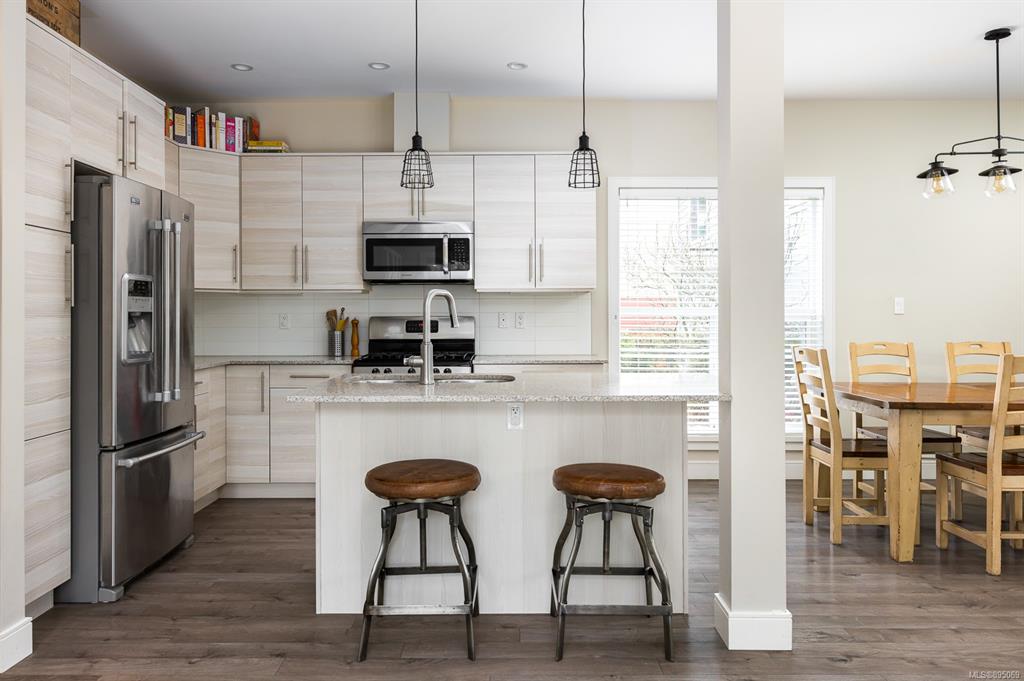
The $800K to $1M range feels competitive in Greater Victoria because it attracts several buyer groups at once. First-time buyers stretching their budget, move-up buyers looking for more space, downsizers wanting comfort, and investors watching long-term value can all end up looking at similar properties. That does not mean every home in this price range receives multiple offers. It means the best homes often attract focused attention quickly, especially when they are well priced, well located, and easy to move into. Why This Price Range Matters In Greater Victoria, the $800K to $1M range can represent very different options depending on the neighbourhood. In some areas, it may mean a larger condo or townhome. In others, it may open the door to an older detached home, a smaller family home, or a property that needs updates. This is why buyers in this price range often feel like they are comparing very different trade-offs. They may be asking: Do we choose location or more space? Do we buy newer and smaller, or older with more potential? Should we stay closer to Victoria, or look further into the Westshore? Is it better to accept renovation work, or pay more for move-in-ready condition? Those questions create competition because many buyers are trying to solve the same affordability problem in different ways. More Inventory Does Not Mean Every Home Is Easy to Buy Greater Victoria has offered buyers more choice recently, but that does not remove competition from every segment. A balanced market can still feel competitive when many buyers focus on the same price band. This is especially true for homes that check the most common boxes. Buyers tend to respond quickly when a home offers a good layout, practical parking, manageable maintenance, strong location, outdoor space, and a price that feels fair compared to recent sales. That type of property is easier to understand. It also feels easier to justify. The Best Homes Still Stand Out Buyers today are more selective, but they are not inactive. When a home feels fairly priced and does not require a long list of compromises, it can still move quickly. In the $800K to $1M range, competition often comes down to quality. A home with good presentation, a functional floor plan, and fewer obvious future costs can stand out against properties that feel dated, awkward, or overpriced. This explains why some listings sit while others receive strong interest right away. The market is not treating every property the same. Detached Homes Create Extra Pressure For many buyers, this price range is where detached home ownership may still feel possible in parts of Greater Victoria. That makes the segment more emotional and more competitive. A buyer may not be comparing one detached home to another. They may be comparing several different lifestyles at once. Common options include: A detached home farther from town A townhome in a more central location A larger condo with lower maintenance An older home with renovation potential A newer home with less outdoor space When detached inventory appears in this price range, buyers often look closely. There may not be many options that fit both their budget and lifestyle goals. Townhomes Can Be Just as Competitive Townhomes in this range often appeal to a wide group of buyers. They can offer more space than a condo, less upkeep than a detached home, and a layout that works for families, downsizers, and professionals. That broad appeal creates demand. A well-located townhome with parking, storage, outdoor space, and reasonable strata fees can attract buyers from several directions. Some may be priced out of detached homes. Others may prefer lower maintenance without giving up too much space. This overlap is one reason the $800K to $1M range can feel tighter than the overall market suggests. Buyers Are Competing on Certainty, Not Just Price In a competitive segment, the highest offer does not always win by price alone. Sellers also look at confidence, timing, conditions, deposit strength, and how clean the offer is. That does not mean buyers should waive important protections without understanding the risk. It means preparation matters. Before writing an offer, buyers should be clear on: Financing comfort Deposit availability Inspection strategy Subject removal timeline Recent comparable sales The property’s likely resale appeal What they are willing to compromise on Strong preparation helps buyers move with confidence instead of reacting under pressure. Sellers Still Need to Be Careful For sellers, the $800K to $1M range can be a strong segment, but success is not automatic. Buyers have more information, more listings to compare, and less patience for ambitious pricing. A seller who assumes competition will solve everything can miss the mark. Presentation, pricing, and condition still matter. The strongest results often come from making the home easy to understand, easy to view, and easy to compare against recent sales. When buyers can quickly see the value, they are more likely to act. The Bottom Line The $800K to $1M range feels competitive because it captures many of the most practical buyer needs in Greater Victoria. It is where lifestyle, affordability, space, and long-term value often meet. For buyers, the key is preparation. For sellers, the key is positioning. In both cases, success comes from understanding the micro-market, not relying on broad headlines. If you are buying or selling in this price range, contact Faber Real Estate Group for advice on pricing, strategy, and how to make confident decisions in the Greater Victoria market. Justine D., 5-Star Review, via Google “Cal and Scott treated us like family. We had only 5 days to find a home and Cal cleared his schedule to make himself available to us. Cal guided us in the purchase of our home, as if we were a member of his family asking for advice. I knew we could trust Cal. His service to us did not stop with the purchase of our home…he helped us find trades people and provided information about rental incomes in the area. We were new to the Island and I honestly felt that Cal adopted us and has made sure we had everything we needed. We did not just gain a realtor, but a friend. If you are looking for a realtor you can TRUST, and will look out for YOUR interests— then Cal and Scott are IT!!! I would recommend them to anyone looking to buy a home on the Island. I should also mention that Cal negotiated an amazing price on the purchase of our home and made sure if something was not right when we took possession that it would be taken care of. Cal and Scott and realtors with integrity and kindness..” Faber Real Estate Group Royal LePage Coast Capital Realty 📞 250-244-3430 📧 [email protected] ℹ️ Scott Faber Personal Real Estate Corporation ℹ️ Cal Faber Personal Real Estate Corporation Vanessa Wood, Zachary Parsons, and Sophie Taylor “Building Lasting Relationships, One Home at a Time.”
Read more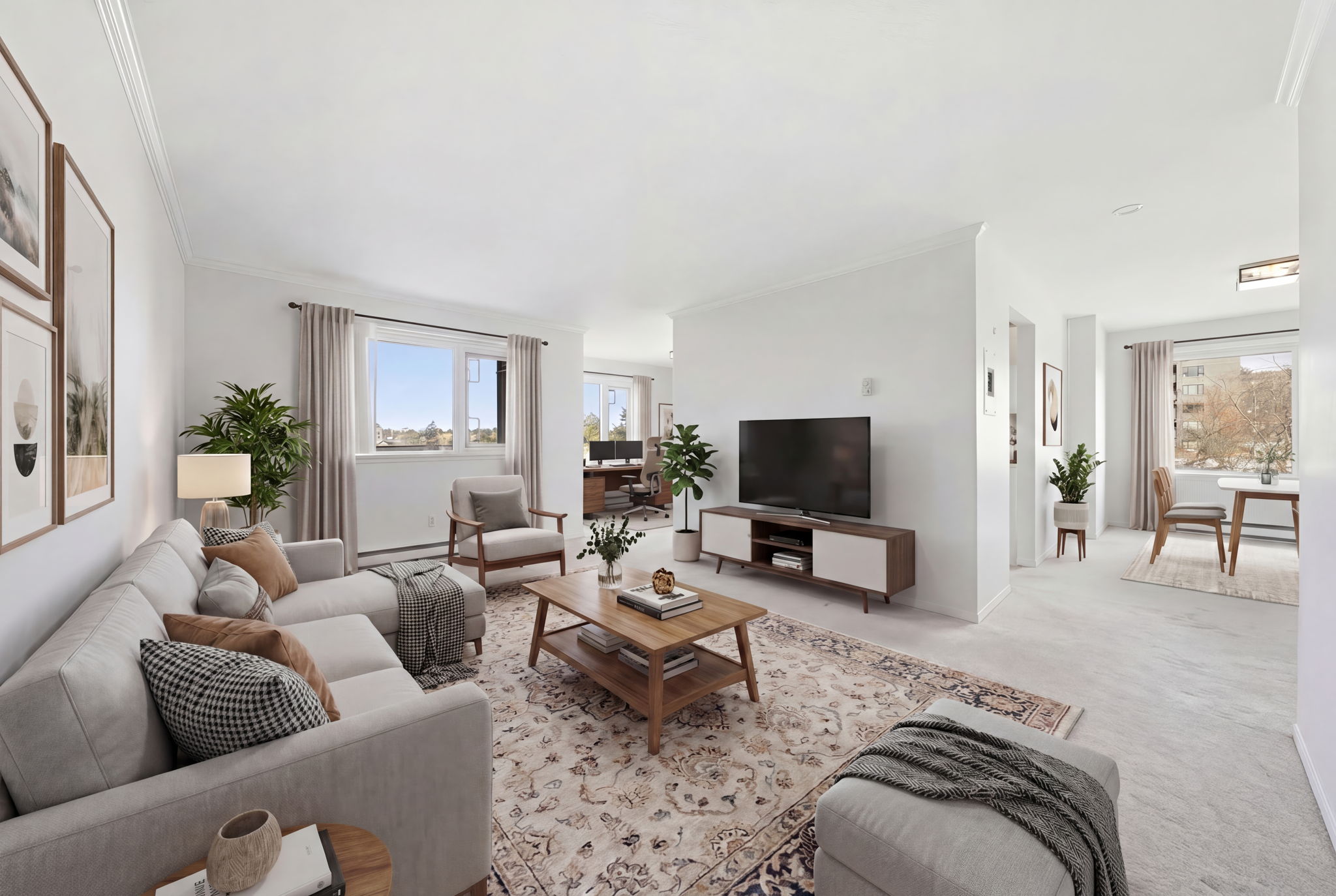
The May 2026 Victoria real estate market is likely to feel active, balanced, and competitive in selective pockets. April gave us a useful preview: sales improved from March, inventory continued to rise, and prices remained relatively steady. That combination usually creates a market where buyers have more choice, but sellers still have opportunity if they are priced properly from day one. According to the Victoria Real Estate Board, 643 properties sold in April 2026, which was 0.2% higher than April 2025 and 11.1% higher than March 2026. Active listings reached 3,710 at the end of April, up 13.8% from March and 8.3% from April 2025. In plain terms, more homes are available, but buyers are still participating. May Should Continue to Give Buyers More Choice May is typically one of the more active months of the spring market. Based on April’s increase in active listings, buyers should expect more selection across many property types and price points. That does not mean every listing will be a deal. It means buyers may have more room to compare homes, review options, and make decisions with less pressure than they would in a tight seller’s market. For buyers, May may bring: More new listings coming to market More ability to compare similar homes Less urgency on some properties Continued competition for well-priced homes in desirable locations More negotiating room on listings that are overpriced, dated, or sitting longer The key is not simply finding the lowest price. The better strategy is finding the right combination of location, condition, price, and long-term fit. Sellers Should Expect More Competition For sellers, May will likely be less forgiving than past spring markets where limited inventory did much of the work. With more active listings available, buyers have options. That means sellers need to be realistic about pricing, presentation, and timing. A home can still sell well in this type of market, but it needs a clear strategy. In May, sellers should pay close attention to: How many competing listings are active nearby How quickly similar homes are selling Whether buyers are booking showings early Feedback after the first week on market Price adjustments from competing sellers The first two weeks matter. If a listing launches too high, buyers may wait, compare, or move on to a better-positioned property. Prices Are Likely to Stay Relatively Stable The April benchmark numbers suggest stability rather than a sharp move in either direction. The Victoria Core single family benchmark price was $1,339,100 in April 2026, down 1.2% from April 2025 but up from March. The Victoria Core condo benchmark was $558,300, down 0.8% year over year but also up from March. That pattern matters. Prices are not surging, but they are also not falling dramatically across the board. May will likely continue that trend, with stronger pricing for homes that show well and more pressure on listings that feel overpriced compared with the rest of the market. The Market Will Feel Different by Neighbourhood May will not feel the same everywhere in Greater Victoria. A well-priced family home in Saanich may attract strong attention, while a dated condo with high strata fees may move more slowly. A townhome in the Westshore may compete differently than a character home in Fairfield or a new construction condo in Langford. This is why broad market headlines can be misleading. The real story in May will come down to micro-markets. Buyers and sellers should look closely at: Property type Neighbourhood Price range Days on market Condition Strata health, if applicable Recent comparable sales The overall market may be balanced, but each segment can behave differently. What Buyers Should Do in May Buyers should use May’s inventory carefully. More choice is helpful, but it can also create second-guessing. A practical approach is to separate homes into three categories: Strong fit: good location, fair price, solid condition Possible fit: good potential, but with tradeoffs Poor fit: too much compromise for the price This helps buyers stay focused. It also makes it easier to act when the right home appears. Buyers should also be ready before viewing homes. That means having financing reviewed, understanding closing costs, and knowing which conditions matter most before writing an offer. What Sellers Should Do in May Sellers should treat May as a strategy market, not a guessing market. The best results will likely come from homes that are: Priced against current competition Clean, prepared, and easy to show Marketed with strong photos and clear positioning Adjusted quickly if feedback shows resistance Presented with confidence, but not overconfidence In a market with more inventory, buyers notice the details. Small issues can create hesitation, especially when they have other homes to compare. The Bottom Line The May 2026 Victoria real estate market should remain balanced, active, and choice-driven. Buyers may have more room to think, but strong properties will still move. Sellers may still achieve good results, but only if their pricing and presentation match current market conditions. May will reward preparation on both sides. Buyers should be ready to act when value appears. Sellers should be ready to compete from the first day on market. If you are planning to buy or sell in Greater Victoria this spring, reach out to Faber Real Estate Group for advice based on your neighbourhood, property type, and timing. Debbie N., 5-Star Review, via Google “From start to finish, Scott and Cal were amazing to work with. I hadn't moved in nearly 22 years and going from a house to a condo was a very difficult decision, but they were amazingly patient and responsive to my needs. This team doesn't just say that they care, they actually do. I couldn't have done this without them. I would recommend them to anyone. You will be in the best hands. Thank you Faber Group!!!” Faber Real Estate GroupRoyal LePage Coast Capital Realty📞 250-244-3430📧 [email protected]ℹ️ Scott Faber Personal Real Estate Corporationℹ️ Cal Faber Personal Real Estate CorporationVanessa Wood, Zachary Parsons, and Sophie Taylor“Building Lasting Relationships, One Home at a Time.”
Read more
The April 2026 Victoria real estate market gave both buyers and sellers a clearer look at what a balanced spring market can feel like. Sales activity improved from March, inventory continued to build, and prices remained fairly steady across key property types. In other words, the market is active, but it is not running away from either side. According to the Victoria Real Estate Board, 643 properties sold across the region in April 2026. That was almost unchanged from April 2025, when 642 properties sold, and up 11.1% from March 2026. Condo sales rose 5.9% year over year, with 198 units sold, while single family home sales decreased 1.2% year over year, with 331 homes sold. Inventory Is the Main Story The biggest number to watch right now is inventory. At the end of April, there were 3,710 active listings on the Victoria Real Estate Board MLS®. That was up 13.8% from March and up 8.3% compared with the end of April 2025. For buyers, this means more selection and less pressure than we saw in the strongest seller-driven markets. However, more choice does not always make the process easier. Buyers still need to compare value carefully, especially because not every listing is priced equally well. For sellers, this means competition matters. A home can still sell well, but pricing, presentation, condition, and launch strategy need to be aligned from the start. In a market with more inventory, buyers have options. If a listing misses the mark early, it may take longer to regain momentum. Prices Remained Relatively Stable The Victoria Core single family home benchmark price was $1,339,100 in April 2026. That was down 1.2% from April 2025, but up from $1,330,200 in March 2026. For condos in the Victoria Core, the benchmark price was $558,300 in April 2026. That was down 0.8% from April 2025, but also up from $553,800 in March 2026. These numbers point to a market that is not collapsing and not overheating. Instead, we are seeing a more measured environment where buyers have room to think, but well-positioned properties can still attract attention. What This Means for Buyers The April 2026 Victoria real estate market gives buyers something they have not always had in recent years: breathing room. That does not mean every buyer should wait, and it does not mean every property is negotiable. It means buyers have a better chance to compare options, review strata documents, understand neighbourhood differences, and avoid rushing into a decision simply because inventory is tight. Buyers should focus on: Comparing recent comparable sales, not just asking prices Understanding how long a property has been on the market Looking closely at condition, maintenance, and future costs Staying realistic about good homes in strong locations Using subjects and due diligence wisely where possible The best opportunities are often not the cheapest listings. They are the homes where price, condition, location, and long-term fit line up. What This Means for Sellers For sellers, April’s numbers point to a market that rewards preparation. With more active listings available, buyers are less likely to overlook issues. They are comparing finishes, floor plans, maintenance, location, pricing, and overall presentation. A home that is priced too aggressively may help competing listings look more attractive. Sellers should focus on: Pricing based on current competition, not last year’s expectations Preparing the home before photos and showings Addressing obvious maintenance concerns where practical Reviewing feedback quickly after showings Adjusting strategy early if activity is weaker than expected This is not a market where every seller needs to panic. However, it is a market where sellers need to be honest about buyer behaviour. The homes that stand out tend to have a clear strategy behind them. A Balanced Market Still Has Micro-Markets One of the most important points from April is that Greater Victoria is not one single market. A condo downtown, a family home in Saanich, a townhome in Langford, and a waterfront property in Sooke can all behave differently. Price point, property type, location, condition, and buyer demand all matter. That is why broad headlines can be misleading. A balanced market overall may still feel competitive in certain neighbourhoods, while other areas may give buyers more negotiating room. The Bottom Line The April 2026 Victoria real estate market is best described as balanced, active, and more choice-driven. Buyers have more options than they did in tighter markets, while sellers still have opportunity if they price and prepare properly. For buyers, this is a good time to be thoughtful. For sellers, this is a good time to be strategic. The market is not rewarding guesswork right now. It is rewarding clarity. If you are thinking about buying or selling in Greater Victoria, reach out to Faber Real Estate Group for local advice, current market insight, and a clear plan for your next move. Jeff C., 5-Star Review, via Google Cal and Scott are tremendous, made our home buying and selling experience a stress free engagement.. some of the key highlights from our experience with them are: - quick to communicate, lightning fast.. within minutes! - deep expertise in the greater Victoria real estate.. from neighborhood information, developer history, even carpentry/finishing … DEEP knowledge - super friendly and encouraging They were able to deliver in very tight circumstances and we are so thankful to have worked with them. Best ones in Greater Victoria for sure” Faber Real Estate GroupRoyal LePage Coast Capital Realty📞 250-244-3430📧 [email protected]ℹ️ Scott Faber Personal Real Estate Corporationℹ️ Cal Faber Personal Real Estate CorporationVanessa Wood, Zachary Parsons, and Sophie Taylor“Building Lasting Relationships, One Home at a Time.”
Read more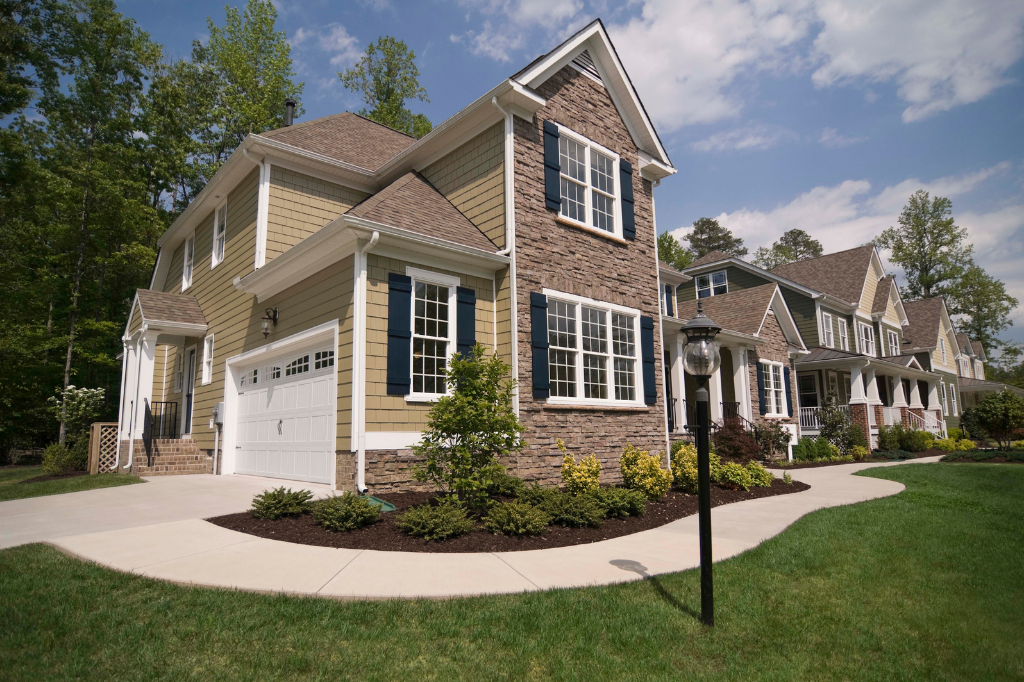
Buyers and sellers market perspective can be completely different, even when both are looking at the same listings, the same sales, and the same local conditions. A buyer may feel prices are still too high. A seller may feel they are already being realistic. A buyer may see more choice and expect negotiation. A seller may remember what homes sold for last year and expect a similar result. Both sides can be partly right. That is what makes real estate emotional. The market is the same, but the experience is different depending on which side of the transaction you are on. In Greater Victoria, where micro-markets can shift by property type, neighbourhood, price range, and condition, understanding this difference can help buyers and sellers make better decisions. Buyers Focus on What They Can Choose Today Buyers usually judge the market based on what is available right now. They compare active listings, price reductions, days on market, condition, location, and value. If they have more homes to choose from, they often feel more patient. They may book several showings, compare options closely, and wait to see if sellers adjust. Buyers tend to ask: What else can I buy for this price? Has this home been sitting? Are there better options nearby? Can I negotiate? Will another listing come up soon? Is this worth the monthly payment? What repairs or upgrades will I need to pay for? A buyer’s view is shaped by choice. If they see multiple homes that feel similar, urgency drops. If they see one rare property that fits their needs perfectly, urgency rises. Sellers Focus on What They Own Sellers see the market through a different lens. They know the work they have put into the home. They remember the renovations, repairs, family milestones, neighbourhood improvements, and the price they were told the home might be worth. Sellers often ask: What did nearby homes sell for? What have we invested into the property? How much do we need for our next move? Why is our home not getting more attention? Why are buyers being so cautious? Are buyers undervaluing the property? Should we wait for a better offer? A seller’s view is shaped by attachment, timing, and financial goals. That does not mean sellers are unrealistic. It means they are emotionally and financially connected to the property in a way buyers are not. Buyers Compare Options. Sellers Compare Outcomes. This is one of the biggest differences. Buyers compare available options. Sellers compare expected outcomes. A buyer may look at three similar homes and choose the one that feels like the best value. A seller may look at a recent sale nearby and believe their home should sell for the same amount. Both comparisons matter, but they are not the same. Sold data shows what buyers were willing to pay in the recent past. Active competition shows what buyers are considering today. If the market has changed, relying only on past sales can create pricing problems. If buyers ignore recent sales completely, they may underestimate fair market value. The best strategy looks at both. Sellers Remember the Peak. Buyers Feel the Payment. Sellers often remember the highest values they heard about during stronger market periods. Buyers often focus on current affordability. This creates tension. A seller may think, “Homes like mine were selling for more before.” A buyer may think, “With today’s mortgage payment, this price does not feel affordable.” Neither side is necessarily wrong. They are just measuring value differently. Sellers often think in terms of price. Buyers often think in terms of monthly cost, repairs, risk, and future flexibility. That is why a home can seem reasonably priced to a seller and still feel expensive to a buyer. More Inventory Changes Buyer Behaviour When buyers have more options, they usually become more selective. They may expect: Better presentation Sharper pricing More complete information Cleaner homes Flexible showing access Stronger negotiation room More time to make decisions For sellers, this can feel frustrating. A seller may think the home should sell because it is good enough. But buyers may compare it against several other homes that are also good enough. In a market with more choice, average homes can get overlooked unless they are clearly priced, presented, and marketed well. Sellers Feel Time Differently Than Buyers Time feels different depending on which side of the transaction you are on. For buyers, time can feel helpful. More time means more listings, more comparison, and less pressure. For sellers, time can feel stressful. More days on market can create doubt, reduce momentum, and make buyers wonder whether something is wrong. This difference affects negotiation. A buyer may think, “The longer it sits, the more leverage we have.” A seller may think, “We just need the right buyer.” Sometimes both are true. But the longer a listing sits without meaningful activity, the more important it becomes to re-evaluate pricing, presentation, and competition. Condition Looks Different to Each Side Sellers often see improvements. Buyers often see future costs. A seller may think about the renovated bathroom, newer flooring, or updated appliances. A buyer may notice the older roof, aging windows, dated electrical panel, or drainage concerns. This is not because buyers are trying to be difficult. Buyers are calculating what ownership will cost after completion. They may be thinking about: Immediate repairs Insurance Renovation costs Maintenance Strata fees Future resale Monthly affordability Emergency savings A seller may see pride of ownership. A buyer may see a list of upcoming expenses. Good marketing and preparation help close that gap by showing buyers what has been done, what is in good condition, and what value the home offers. Buyers Price in Risk Buyers often reduce what they are willing to pay when they sense uncertainty. That uncertainty may come from: Limited property information Deferred maintenance Unclear permits Weak strata documents High strata fees Poor inspection results Awkward layout Busy road exposure Future development nearby Longer days on market Sellers may see these as small issues. Buyers may see them as reasons to negotiate. This is why transparency matters. When buyers understand a property clearly, they can make stronger decisions. When they feel uncertain, they usually either discount the price or walk away. Sellers Price in Emotion Sellers naturally attach meaning to their home. They remember what the home has meant to them, not just what it offers to the next buyer. That emotional connection can make it harder to accept market feedback. A buyer’s lower offer may feel insulting. A showing with no feedback may feel personal. A price reduction may feel like losing value. But the market is not judging the seller’s memories. It is judging the property’s current appeal compared with other options. That distinction is important. A home can be loved and still need a price adjustment. Negotiation Feels Different on Each Side Buyers often see negotiation as risk management. Sellers often see negotiation as value protection. A buyer may ask for a lower price because they see repairs, uncertainty, or competing options. A seller may resist because they feel the home is worth more or because they need a certain number for their next step. This can create a gap. The best negotiations focus on facts: Comparable sales Active competition Property condition Inspection results Days on market Buyer demand Seller timing Terms beyond price When both sides move away from emotion and toward evidence, the conversation becomes more productive. A Balanced Market Can Feel Different to Everyone A balanced market does not mean every buyer and seller feels balanced. A seller with a highly desirable home in a low-supply neighbourhood may still experience strong demand. A buyer shopping in a competitive price range may still face pressure. A seller with a dated home competing against newer options may feel the market is slow. A buyer shopping a higher price point with more inventory may feel they have leverage. This is why broad market labels can be misleading. There is no single Greater Victoria market experience. There are many smaller markets happening at the same time. Why Expectations Matter Many real estate problems begin with mismatched expectations. Sellers may expect: More showings Faster offers Less negotiation Higher prices Buyers to overlook minor issues Buyers may expect: Big discounts Perfect condition Sellers to negotiate quickly More leverage than they actually have Every listing to be overpriced Both sides can misread the market when they rely on assumptions instead of evidence. The better approach is to ask, “What is the current market telling us?” What Sellers Can Do Sellers can improve their position by focusing on what they can control. That includes: Pricing based on current competition Preparing the home properly Making showings easy Using strong photography and marketing Reviewing feedback honestly Responding quickly when activity slows Understanding buyer affordability Separating personal attachment from market value A seller does not need to give the home away. But they do need to compete with the homes buyers can choose today. What Buyers Can Do Buyers can improve their position by staying realistic. That includes: Understanding recent comparable sales Watching active competition Knowing when a home is truly well priced Avoiding low offers without a strategy Getting financing ready early Considering resale value Understanding repair costs Acting decisively when the right home appears More choice does not mean every seller is desperate. A buyer still needs to recognize quality when it appears. The Market Does Not Care Who Is Right Real estate decisions get better when buyers and sellers stop trying to prove who is right and start looking at what the market is actually doing. If a listing is getting strong showings and offers, the market is responding. If buyers are not booking showings, the market is hesitating. If similar homes are selling and yours is not, the market is making a comparison. If a buyer keeps losing homes, the market may be stronger than they think. The market gives feedback. The best decisions come from listening to it. Final Thoughts Buyers and sellers see the same market differently because they are experiencing different pressures. Buyers are trying to protect affordability, avoid risk, and choose wisely. Sellers are trying to protect value, manage timing, and move forward with confidence. Neither side is wrong for seeing the market through their own lens. But the best results happen when both sides understand the other perspective and make decisions based on evidence, not emotion. If you are buying or selling in Greater Victoria and want a clearer view of what the market is really saying, contact Faber Real Estate Group for practical advice tailored to your next move. Scott L., 5-Star Review, via Google “I had the pleasure of working with the Faber Group to sell my house, and I couldn't be more pleased with the experience. Cal and Scott from the Faber Group provided exceptional service from start to finish. Their expertise and guidance were instrumental in preparing my home for sale, ensuring it was presented in the best possible light for maximum return on investment. They demonstrated a deep understanding of the market, strategically timing the listing to attract the right buyers." Faber Real Estate Group Royal LePage Coast Capital Realty 📞 250-244-3430 📧 [email protected] ℹ️ Scott Faber Personal Real Estate Corporation ℹ️ Cal Faber Personal Real Estate Corporation Vanessa Wood, Zachary Parsons, and Sophie Taylor “Building Lasting Relationships, One Home at a Time.”
Read more
What buyers expect from sellers when they have more choice has changed in Victoria’s current market. Buyers are no longer making decisions under the same pressure they faced in tighter conditions. With 3,261 active listings at the end of March 2026, up 7.9 per cent from a year earlier, and with VREB noting that current conditions allow more time for due diligence, buyers are expecting better pricing, better presentation, and fewer question marks before they commit. (vreb.org) In other words, more choice does not mean homes are not selling. It means buyers can compare more carefully. CREA’s Victoria market conditions data shows that homes are taking longer to sell than they were a year ago, with median days on market in Q1 2026 rising to 26 days for single-family homes, 31 days for townhouses, and 30 days for condominiums. When buyers have more time, their standards rise. (creastats.crea.ca) Buyers Expect Realistic Pricing The first thing buyers expect is pricing that reflects the current market, not last year’s peak expectations. When inventory rises and sales slow year over year, buyers become much more sensitive to value. In March 2026, VREB reported 579 sales, down 5.5 per cent from March 2025, even as inventory increased. That means buyers have more alternatives, so an overpriced listing is easier to skip. (vreb.org) Today, buyers are asking themselves: how does this home compare to the other options I have seen? does the asking price match the condition, location, and layout? if this home needs work, has that been reflected in the price? Sellers who price strategically tend to attract stronger interest early. Sellers who price for negotiation alone often end up inviting hesitation instead. Buyers Expect the Home to Feel Market-Ready When buyers have more choice, they notice presentation faster. That does not mean every home needs a major renovation. It does mean buyers expect the property to feel cared for, clean, and easy to understand. If they walk into a home with deferred maintenance, clutter, poor lighting, or obvious unfinished projects, they start calculating cost, effort, and inconvenience. In a market with more listings, buyers often lean toward the property that feels simpler and safer, even if it is not perfect. That is why sellers should focus on: decluttering and cleaning thoroughly completing small repairs improving lighting and flow making the home photograph well online reducing distractions during showings A buyer who has five similar listings to compare will often choose the one that feels easiest to step into. Buyers Expect Transparency More choice also gives buyers more confidence to walk away when something feels unclear. VREB has said buyers are using the extra time in today’s market to undertake due diligence. That means sellers should expect buyers to pay closer attention to disclosures, strata documents, depreciation reports, maintenance history, permits, and overall condition. (vreb.org) This is especially important for: condos and townhomes with strata documentation older homes with past renovations properties with tenancies or suite income homes with known issues that could come up in inspection Buyers do not expect perfection. They do expect honesty. Clear information builds trust. Unanswered questions create resistance. Buyers Expect Flexibility, Not Friction In a competitive seller’s market, buyers often accepted the seller’s timing, terms, and conditions without much pushback. That is less common when they have options. Today’s buyers may expect: flexible possession dates reasonable time for financing and inspection access to documents early a smoother showing process thoughtful communication when they have questions That does not mean sellers need to agree to everything. It does mean rigid sellers can lose otherwise solid buyers over issues that could have been handled more smoothly. Buyers Expect to See Value Clearly This is where many listings fall short. Sellers know what they have spent on the home. Buyers care more about what the home offers them now. If the value story is unclear, they move on. That is why sellers need to make the value visible. Instead of assuming buyers will notice, the listing and showing experience should help them understand: what has been updated what makes the layout work what makes the location desirable what costs or concerns have already been addressed why this home stands out from nearby competition More choice makes comparison easier. Therefore, sellers need to do a better job showing why their home deserves to be shortlisted. Buyers Expect Better Online First Impressions Before a showing happens, buyers have already judged the listing online. That matters even more when inventory is up. Buyers sorting through more listings often decide within seconds whether a home feels worth seeing in person. Poor photos, weak descriptions, missing room details, or unclear value positioning can cost a seller showings before the conversation even begins. The online presentation should answer three things quickly: what kind of buyer is this home best for? what are the best features? why should someone book a showing instead of scrolling past? When buyers have more choice, average marketing blends in. Buyers Expect Sellers to Understand the Market Shift One of the biggest disconnects right now is that some sellers still act like the market owes them urgency. It does not. Victoria’s market is not frozen, but it is more balanced than it was in more aggressive seller-driven periods. CREA’s Victoria data shows higher months of inventory across single-family, townhouse, and condominium segments in Q1 2026, while VREB says buyers and sellers alike now have more time to make decisions. (creastats.crea.ca; vreb.org) That shift changes expectations. Buyers now expect sellers to meet the market with a clear strategy instead of assuming demand will do the work for them. What Sellers Should Take Away From This If buyers have more choice, sellers need to reduce reasons to say no. That means: price with discipline prepare the home properly disclose clearly market the value well stay flexible where it matters The homes that perform best in this kind of market are usually not the ones with the highest asking price. They are the ones that feel the most credible, best prepared, and easiest to buy. Final Thought What buyers expect from sellers when they have more choice is not complicated, but it is more demanding. They want value, clarity, presentation, and confidence that the home is worth their time. If you are thinking of selling and want to position your home the right way in today’s Victoria market, contact Faber Real Estate Group for practical advice and a strategy built for current buyer behaviour. Lorraine P., 5-Star Review, via Google “I would not dream of ever using a realtor other than Cal. Apart from the fact that he is was exceptionally knowledgable and resourceful, he was also honest, truthful and always acted in my best interest while at the same time treating all parties with dignity and respect.” Faber Real Estate Group Royal LePage Coast Capital Realty 📞 250-244-3430 📧[email protected] ℹ️ Scott Faber Personal Real Estate Corporation ℹ️ Cal Faber Personal Real Estate Corporation Vanessa Wood, Zachary Parsons, and Sophie Taylor “Building Lasting Relationships, One Home at a Time.”
Read more
If you are wondering how long is it taking to sell in Victoria right now, the short answer is that homes are still selling, but most are not moving at the speed sellers saw in hotter markets. In the Victoria Real Estate Board area, the median time on market in the first quarter of 2026 was 26 days for single-family homes, 31 days for townhouses, and 30 days for condominiums. At the same time, inventory has grown, which means buyers have more choice and sellers need a sharper strategy. That does not mean every property takes a full month to sell. It means the market is more measured. Some homes still move quickly when they are priced well, presented properly, and listed in a segment with strong demand. Others sit longer because buyers now have more room to compare options, ask questions, and negotiate. VREB reported 579 sales in March 2026, up 24.5 per cent from February but down 5.5 per cent from March 2025, while active listings rose to 3,261, up 7.9 per cent from a year earlier. What the Current Selling Timelines Look Like Here is the clearest snapshot from CREA’s Victoria market conditions data for Q1 2026: Single-family homes: 26 median days on market Townhouses and row homes: 31 median days on market Condominiums: 30 median days on market In plain English, that tells us most well-positioned listings are not sitting for months, but sellers should also not expect a first weekend bidding war just because the property hit the market. Why Homes Are Taking Longer Than Last Year The biggest reason is choice. Compared with the first quarter of 2025, the median days on market increased across all three major property types. Single-family homes rose from 22 days to 26, townhouses rose from 22.5 to 31, and condominiums rose from 26 to 30. CREA also reported higher months of inventory for each category, which lines up with a more balanced market where buyers can take more time before committing. VREB said current conditions are creating fewer high-pressure transactions and allowing more time for due diligence. That is an important shift. Buyers are still active, but they are less likely to rush and more likely to compare value, review documents carefully, and negotiate when something feels overpriced. What This Means for Sellers A realistic expectation today is not simply, “How fast will my home sell?” A better question is, “How well does my home fit what buyers want at this price point?” Homes tend to sell faster when they offer: strong pricing from day one clean presentation and good photography a property type and location with steady demand fewer obvious objections around condition, strata documents, or layout Homes tend to take longer when they have: optimistic pricing based on old market expectations too much competition nearby dated presentation issues buyers think will cost them money after closing This is why two homes in the same neighbourhood can have very different timelines. Detached, Condo, and Townhouse Sellers Are Not Facing the Same Market Detached homes are moving a bit faster than condos and townhouses based on Q1 median days on market, but the gap is not huge. Detached homes came in at 26 days, compared with 30 for condos and 31 for townhouses. That said, property type is only part of the story. Price range, neighbourhood, strata health, parking, updates, and monthly carrying costs all affect how buyers respond. In a market with more inventory, buyers become more selective about compromises. The Mistake Sellers Make Right Now The most common mistake is assuming “average” means their home will sell quickly no matter what. Today’s Victoria market is more forgiving for buyers, not sellers. VREB’s March 2026 numbers show more listings and slower year-over-year sales, which means pricing and preparation matter more than they did in tighter conditions. A listing that starts too high can lose momentum, sit longer, and end up chasing the market down. So, How Long Is It Taking to Sell in Victoria Right Now? If you want the simple answer, the current median timeline is about four weeks, depending on property type: detached homes: about 26 days condos: about 30 days townhouses: about 31 days That is the broad market view. Your home could sell faster or slower depending on price, presentation, location, and competition. Final Thought The Victoria market is still active, but it is no longer a market where sellers can rely on urgency alone. If you want the best result, the goal is not just to list. It is to launch with the right price, the right presentation, and the right expectations from the start. If you want to know how your home would likely perform in today’s market, contact Faber Real Estate Group for a tailored pricing and selling strategy. Lou N., 5-Star Review, via Google “Scott is a knowledgeable, professional, dedicated and thorough expert in his field. Excellent at what he does and we couldn't have found a better realtor to guide us through one of the most important decisions in our lives.” Faber Real Estate Group Royal LePage Coast Capital Realty 📞 250-244-3430 📧[email protected] ℹ️ Scott Faber Personal Real Estate Corporation ℹ️ Cal Faber Personal Real Estate Corporation Vanessa Wood, Zachary Parsons, and Sophie Taylor “Building Lasting Relationships, One Home at a Time.”
Read more
How to read the Victoria market without overreacting to headlines starts with one simple idea: national housing stories and local real estate decisions are not the same thing. It is easy to see a dramatic headline about falling sales, rising uncertainty, or interest rate risk and assume the same conclusion applies directly to Greater Victoria. However, the local market has its own mix of inventory, buyer demand, price behaviour, and micro-markets. In March 2026, the Victoria Real Estate Board reported 579 sales, which was 24.5 per cent higher than February, while active listings climbed to 3,261, up 7.9 per cent from March 2025. That is not a frozen market. It is a more balanced one. (vreb.org) That distinction matters. Nationally, CREA reported that Canadian home sales activity in March 2026 was virtually unchanged month over month, and Reuters reported that CREA also downgraded its 2026 forecast amid higher mortgage costs and wider uncertainty. At the same time, the Bank of Canada held its policy rate at 2.25 per cent on March 18, 2026. Those are useful signals, but they are not a substitute for local interpretation. (crea.ca; bankofcanada.ca; (Reuters)) Headline Risk Comes From Oversimplifying the Story Most headlines are built to compress a complicated market into one emotion. That emotion might be fear, urgency, optimism, or caution. The problem is that real estate decisions are rarely improved by emotional compression. A headline might say sales are down, but that does not tell you whether inventory is up, whether pricing is stable in your segment, whether one property type is outperforming another, or whether your neighbourhood is behaving differently from the broader region. VREB said current conditions in Greater Victoria are creating fewer high-pressure transactions and giving both buyers and sellers more time for due diligence. That is a much more useful insight than a broad headline suggesting the sky is falling. (vreb.org) Start With Inventory, Not Emotion If you want to understand what is really happening, start by asking how much choice buyers have. At the end of March 2026, there were 3,261 active listings in the VREB region. That was up 12.3 per cent from February and up 7.9 per cent from March 2025. More inventory usually means more competition for sellers and more leverage for buyers. It also means buyers can be more selective, which tends to stretch timelines and reduce panic-driven decisions. (vreb.org) This is why one negative sales headline can be misleading. If listings are up but prices are relatively stable, that is a different market story from a true downturn driven by weak demand and collapsing values. Then Look at Property Type The Victoria market is not one market. It is a collection of smaller markets. CREA’s Victoria market conditions data for the first quarter of 2026 shows different timelines by property type: single-family homes: 26 median days on market townhouses: 31 median days on market condominiums: 30 median days on market (creastats.crea.ca) It also shows higher months of inventory across all three major categories compared with a year earlier. Single-family inventory was 4.3 months in Q1 2026, townhouse inventory was 3.7 months, and condominium inventory was 5.3 months. (creastats.crea.ca) So if a headline says “the market is slowing,” the better question is: which part of the market? Price Changes Need Context Too Another common mistake is reacting to one price stat without asking what it actually measures. VREB’s March 2026 benchmark for a Victoria Core single-family home was $1,330,200, down 1.1 per cent from March 2025 but up from February 2026. The benchmark for a Victoria Core condominium was $553,800, down 0.8 per cent year over year and also up from February. (vreb.org) That is a more nuanced story than a dramatic “prices are falling” headline. In plain terms, some values are softer than a year ago, but the month-to-month trend into spring improved. That is exactly why broad headlines can distort what is actually happening on the ground. Pay Attention to Timing, Not Just Direction A lot of headlines miss the seasonal rhythm of Victoria real estate. VREB noted that March 2026 followed a fairly typical spring pattern, with both sales and listings increasing from the previous month and the market generally building toward a peak in May or June. (vreb.org) That matters because a temporary slowdown in January or February can look dramatic in a headline while still being completely normal in a seasonal market cycle. Without context, people mistake rhythm for risk. Use Headlines as Prompts, Not Conclusions Good market headlines can still be useful. They just should not be treated as your final interpretation. A better process is: read the headline check whether it is national, provincial, or local compare sales, inventory, and benchmark prices break the market down by property type ask what is happening in your actual neighbourhood and price band That approach is slower, but it leads to better decisions. What Buyers and Sellers Should Really Watch Instead of reacting to every market story, buyers and sellers in Victoria should focus on the indicators that affect strategy most directly: active listings and months of inventory median days on market by property type benchmark price movement over time competition in your exact neighbourhood and price segment whether your goals depend on speed, price, or flexibility For example, someone buying a condo in the core should not interpret the market the same way as someone selling a detached home in a tightly held neighbourhood. The Bigger Lesson The Victoria market rarely rewards people for being the most emotional person in the room. It usually rewards people who understand local conditions, compare the right numbers, and avoid making big decisions based on broad narratives. Headlines are designed to get attention. Strategy is designed to get results. Final Thought If you want to read the Victoria market without overreacting to headlines, focus less on noise and more on what the local data is actually saying. Inventory is higher, buyers have more room to think, and different segments are moving at different speeds. That is not a reason to panic. It is a reason to be more strategic. If you want help interpreting what the current market means for your next move, contact Faber Real Estate Group for grounded local advice tailored to your situation. Brandon S., 5-Star Review, via Google “My wife and I sold our condo in View Royal and bought a place in Esquimalt with the help of The Faber Group. Scott helped us to find and buy the perfect home for our growing family in a very competitive market. He got to know our wants and needs and worked within our schedule with a small baby. Once we found the perfect place Scott helped us to get it for under the asking price and sold our condo in one day on the market with multiple offers over asking! We are so grateful that Scott helped us through this process, answering our many questions and alleviating our concerns. Thank you for helping us sell our first home and buy a beautiful house for our family.” Faber Real Estate Group Royal LePage Coast Capital Realty 📞 250-244-3430 📧[email protected] ℹ️ Scott Faber Personal Real Estate Corporation ℹ️ Cal Faber Personal Real Estate Corporation Vanessa Wood, Zachary Parsons, and Sophie Taylor “Building Lasting Relationships, One Home at a Time.”
Read more- 1
- 2