
Posts Tagged ‘Victoria BC real estate blog’
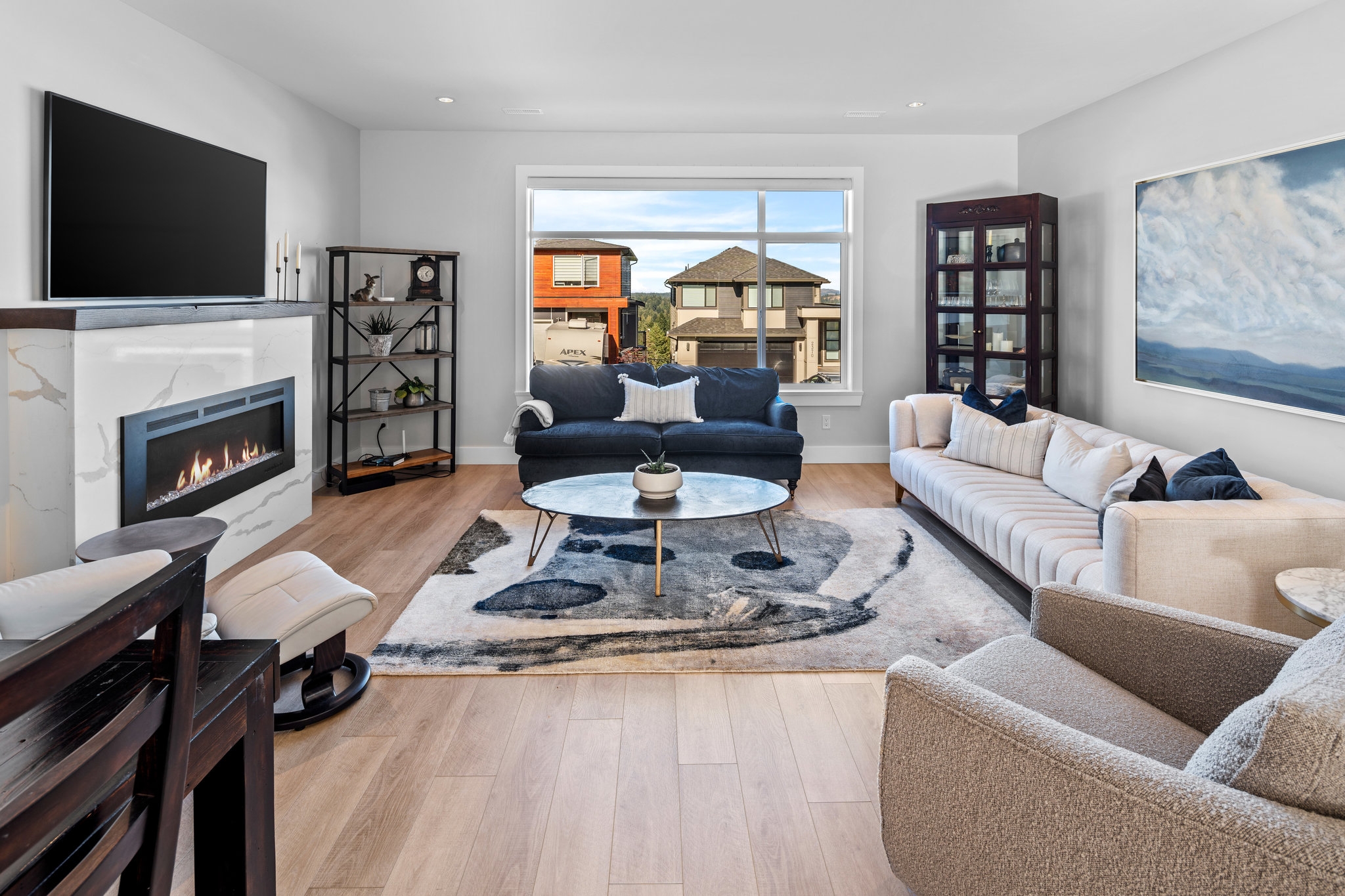
Detached homes in Westshore: renovate or buy new? For many buyers, that question is becoming more relevant as Langford, Colwood, and the broader Westshore continue to offer a mix of older detached homes with renovation potential and newer construction competing for attention. In early 2026, Greater Victoria market conditions have been relatively balanced, active listings were up year over year, and spring inventory was building, which gives buyers more room to compare options carefully rather than rush into the first house that appears workable. The better answer usually is not purely financial. It depends on how much uncertainty you can tolerate, how quickly you need the home to function well, and whether you value customization more than convenience. In Westshore especially, that trade-off matters because buyers are often comparing established resale homes against polished new-build communities that come with cleaner finishes, fewer immediate repairs, and stronger first impressions. Why This Decision Matters More in Westshore Westshore has been shaped by growth for years, but the choice today is sharper because new construction has changed buyer expectations. Developers in Langford and Colwood are not just selling square footage. They are selling ease, presentation, incentives, and a move-in-ready experience. That creates pressure on older detached homes to justify why a buyer should take on renovation risk instead. At the same time, Canada’s supply story has been uneven. CMHC reports that while housing starts rose nationally in 2025, ownership-oriented construction weakened overall, cautious buyers remained a factor, and elevated construction costs continued shaping supply decisions. That matters for Westshore buyers because a renovation plan on paper can still become more expensive and slower than expected once quotes, permits, and contractor timelines enter the picture. When Renovating an Older Detached Home Can Make Sense Renovating can be the smarter path when the property gives you something difficult to recreate in a new build. That could include: a larger lot a more established street or neighbourhood feel a better yard for kids, pets, or long-term outdoor use more separation from neighbours stronger future suite potential, depending on the property the chance to improve the home over time instead of paying for every upgrade upfront In many cases, older Westshore detached homes offer more land and a more mature setting than newer subdivisions. If the house is structurally sound and the needed work is cosmetic or phased, renovation can allow buyers to create value gradually while tailoring the home to their actual priorities. This path often works best for buyers who: can live through some disruption have cash reserves beyond the purchase price are realistic about timelines do not need every finish completed immediately can see potential without needing perfection on day one When Buying New Can Make More Sense Buying new usually appeals to buyers who want simplicity, predictability, and lower maintenance in the near term. A newer detached home may offer: modern layouts and open-concept design better energy performance and insulation newer roofs, windows, plumbing, and electrical systems less immediate repair risk a more polished move-in-ready feel lower short-term maintenance demands That convenience has real value. It is easy to underestimate how much time, decision fatigue, and unexpected cost can come with renovations. For busy families, professionals, and buyers moving on a tight timeline, a new home can reduce friction dramatically. This option often fits buyers who: want a cleaner, faster move prefer predictable monthly costs do not want to manage trades or renovation decisions need functional space right away are comparing total lifestyle cost, not just purchase price The Real Trade-Off: Control Versus Certainty At its core, this is usually a choice between control and certainty. With renovation, you may get more control over the finished product. You can choose materials, improve function, and potentially create value in a more intentional way. With new construction, you usually get more certainty. The home is already finished or close to it, and you have a clearer idea of what your next year will look like. Neither path is automatically better. The mistake is assuming one is always more affordable. A cheaper purchase price on an older home can disappear quickly if the property needs major work such as: roofing drainage windows electrical upgrades plumbing replacement building-envelope repairs significant interior remodelling Meanwhile, a new home may cost more upfront, but it can reduce surprise expenses in the first several years. What Buyers Should Look at Before Choosing Before deciding whether to renovate or buy new, it helps to compare more than the list price. 1. Total Cost, Not Just Purchase Cost Look at the full number, including: purchase price closing costs immediate repairs or upgrades contractor estimates contingency funds carrying costs during renovation landscaping, fencing, blinds, appliances, or GST considerations where applicable The better decision is often revealed only after all of these costs are laid side by side. 2. Timeline Risk A new home can still involve delays, but renovation timelines are often harder to control. Permits, trade availability, hidden issues, and product lead times can all shift the budget and completion date. Elevated construction costs and financing pressure remain part of the broader Canadian housing environment, which is one reason buyers should build in margin rather than rely on best-case assumptions. 3. Neighbourhood Value Some buyers focus so heavily on the house that they underweight the lot and location. A well-located older home in an established pocket may outperform a newer home in a less ideal micro-location for that buyer’s lifestyle. The opposite can also be true. 4. Future Resale Position Ask which option will be easier to resell in your likely time horizon. In Westshore, resale homes are competing not only with each other but with developer inventory and professionally marketed new construction. That means an older home needs either strong pricing, strong land value, strong character, or a clear functional advantage to stand out. A Simple Way to Frame the Decision A practical way to think about it is this: Renovate if you are buying opportunity.That usually means you see long-term value in the lot, location, or structure and you have the patience and budget to unlock it. Buy new if you are buying ease.That usually means you want a more predictable first few years, cleaner finishes, and less operational stress after possession. What Many Buyers Get Wrong Many buyers compare an older detached home to a new one as though they are buying the same thing in different packaging. Usually, they are not. They are choosing between two different lifestyles: one is more hands-on and flexible the other is more streamlined and turnkey That is why the best choice is rarely about granite counters versus quartz, or old flooring versus new flooring. It is about whether you want to spend the next few years managing projects or simply living in the home. Final Thoughts Detached homes in Westshore renovate or buy new is not a question with one universal answer. In a market with more inventory, measured pricing, and continued competition from new construction, buyers have a better chance to compare these options carefully and choose based on fit rather than urgency. If you are weighing detached-home options in Langford, Colwood, or the broader Westshore and want help comparing renovation potential against newer inventory, contact Faber Real Estate Group for practical advice on value, trade-offs, and which path fits your budget and lifestyle best. Liam G., 5-Star Review, via Google “The real estate market felt daunting, especially when it was our first time entering it. But, working with Scott made the whole process so much easier. He was really excellent at asking questions, showing us a variety of places, and helping us narrow down exactly what we were looking for. Scott was flexible, never pushy, and I really felt supported by him throughout! He made a big difference in helping us find THE place and we couldn’t do it without him. I can’t wait to work with Scott again in the future!” Faber Real Estate Group Royal LePage Coast Capital Realty 📞 250-244-3430 📧[email protected] ℹ️ Scott Faber Personal Real Estate Corporation ℹ️ Cal Faber Personal Real Estate Corporation Vanessa Wood, Zachary Parsons, and Sophie Taylor “Building Lasting Relationships, One Home at a Time.”
Read more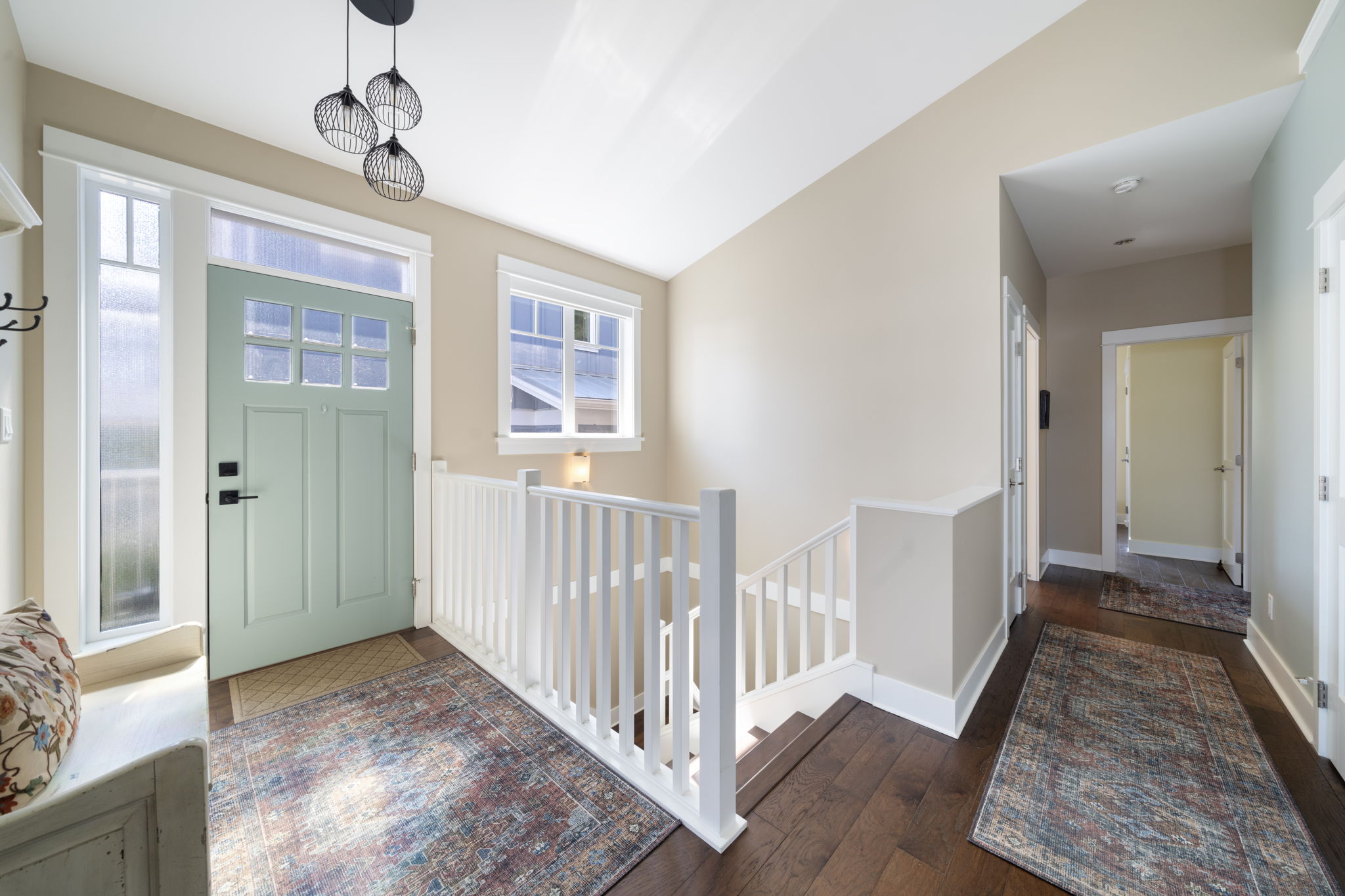
How long should you live in a home before selling? There is no one rule that fits every homeowner. Some people sell after a year because life changes quickly. Others stay for five, ten, or twenty years. The better question is whether selling now makes financial and practical sense for your situation. That is because timing a sale is not just about how long you have owned the property. It is also about costs, equity, market conditions, and what comes next. In many cases, the smartest move is not simply waiting longer. It is understanding whether your home still fits your needs and whether selling supports your bigger goals. There Is No Magic Number, But Time Does Matter Many homeowners hear that they should stay in a property for at least five years. That guideline exists for a reason. Buying and selling come with costs. When you purchase a home, you may pay legal fees, inspection costs, moving expenses, and other closing expenses. When you sell, there are typically real estate fees, legal costs, staging expenses, preparation costs, and moving costs again. If you sell too soon, those costs can take a larger bite out of your equity. That does not mean selling earlier is always a mistake. It simply means the shorter your ownership period, the more carefully you should run the numbers. Why Five Years Often Gets Mentioned The five-year idea is not a strict rule. It is more of a practical benchmark. Over a longer ownership period, homeowners often have more time to: build equity through mortgage paydown benefit from market appreciation, if values rise spread out buying and selling costs over more years make improvements that increase appeal and function avoid making a rushed move based on a short-term frustration Still, real life does not always follow a perfect timeline. Job changes, family needs, divorce, estate matters, health issues, and lifestyle shifts can all create valid reasons to sell sooner. When Selling Sooner Can Still Make Sense Sometimes the best decision is to move even if you have not been in the home very long. That can happen when: your household has outgrown the space the layout no longer works for your needs you need to relocate for work monthly costs feel too high the home needs more upkeep than expected you want to move closer to family, schools, or support systems the property was always meant to be short-term In those cases, the real question is not whether you have owned the home long enough. It is whether staying longer solves the problem or only delays a necessary decision. The Financial Side to Review Before Selling Before listing, it helps to step back and look at the numbers clearly. 1. Your Current Equity Position How much do you still owe on the mortgage, and how much could the home likely sell for in today’s market? That gap matters. A home sale may look strong on paper, but the real number is what remains after mortgage payout, fees, and closing costs. 2. Your Selling Costs Sellers should account for: real estate fees legal fees moving costs staging or preparation costs mortgage penalty, if applicable These costs affect whether selling now feels worthwhile. 3. Your Next-Step Costs Selling is only one side of the decision. You also need to consider what comes after. Ask yourself: Will you be buying again in the same market? Will your next monthly payment be higher? Are you moving into a more expensive property type or area? Would renting temporarily make sense? Sometimes a sale looks attractive until the replacement cost is considered. Lifestyle Matters Just As Much As the Numbers A home decision is never purely financial. A property may still work on paper but no longer feel right in daily life. That could mean the commute is too long, the yard is too much work, the home feels too small, or the neighbourhood no longer fits your priorities. On the other hand, some homeowners think about selling because of a temporary frustration that may not justify the cost and disruption of moving. That is why it helps to separate short-term stress from long-term misalignment. Questions to Ask Before You Sell If you are unsure whether it is too soon to move, start with these questions: Is this a need-based move or a want-based move? Does the home still fit our lifestyle over the next two to three years? Have we built enough equity to make the move worthwhile? What would our next housing option realistically cost? Are we reacting to a temporary challenge or a lasting change? These questions often bring more clarity than focusing on an arbitrary ownership timeline. Market Timing Should Be a Factor, Not the Only Factor Some sellers delay a move because they are waiting for the perfect market. Others rush because they think they must sell before conditions change. In reality, the best timing usually balances both personal readiness and market opportunity. A strong market can help. So can low competition in your property segment. But even a favourable market does not automatically make selling the right move. The best outcome often comes when your personal goals and market conditions align, not when you chase headlines. A Better Way to Think About Timing Instead of asking, "How long should I live in a home before selling?" it may be more useful to ask: Have I stayed long enough for the move to make sense financially? Does selling now improve my lifestyle, flexibility, or long-term plans? Am I clear on both the cost of leaving and the cost of what comes next? That framing leads to better decisions because it focuses on outcomes, not rules of thumb. Final Thoughts How long should you live in a home before selling? Long enough for the move to make sense for your finances, your lifestyle, and your next chapter. For some homeowners, that may be a short stay. For others, it may be many years. The key is making a decision based on your full picture, not just a general guideline. If you are weighing whether now is the right time to move, contact Faber Real Estate Group for clear, practical advice on your home’s value, your likely selling costs, and whether selling now supports your bigger real estate goals. Leanne D, 5-Star Review, via Google “I would highly recommend the Faber Group this is the second time we have used them and have been over the top happy with their service. They are an honest group who all go above and beyond to make your experience perfect!” Faber Real Estate Group Royal LePage Coast Capital Realty 📞 250-244-3430 📧[email protected] ℹ️ Scott Faber Personal Real Estate Corporation ℹ️ Cal Faber Personal Real Estate Corporation Vanessa Wood, Zachary Parsons, and Sophie Taylor “Building Lasting Relationships, One Home at a Time.”
Read more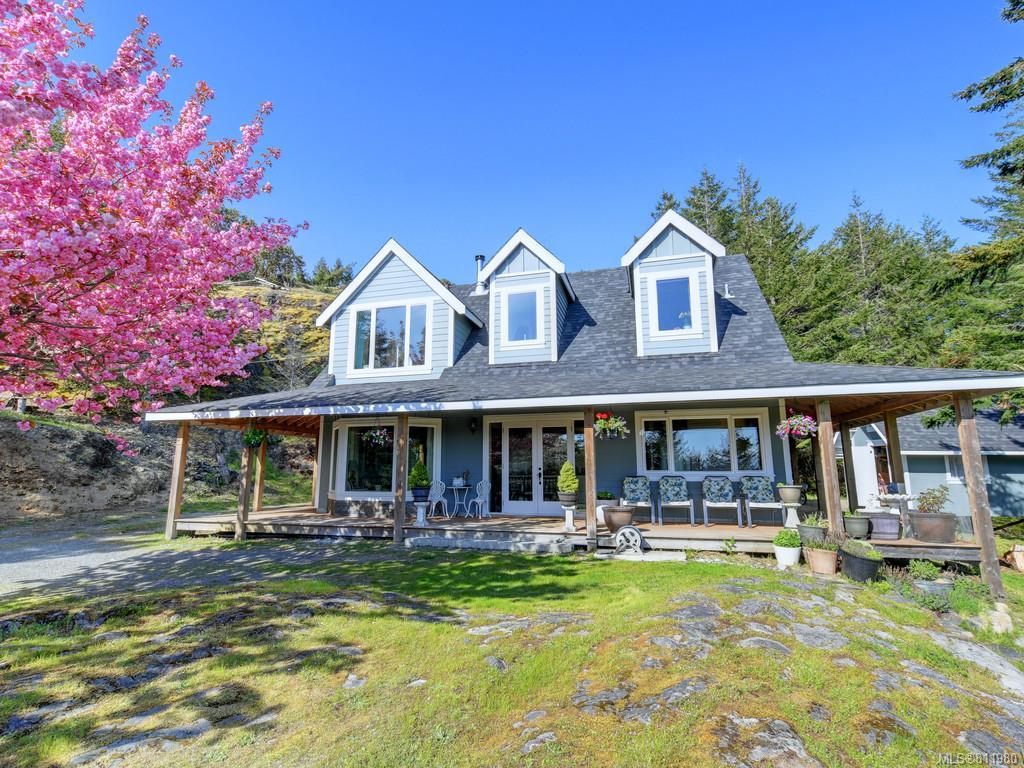
What makes a listing feel premium without luxury pricing? It usually is not one expensive renovation or a long list of flashy upgrades. More often, it is the feeling buyers get when a home appears well cared for, thoughtfully presented, and easy to understand from the moment they see it. That matters in every price range. Buyers notice when a property feels elevated. They also notice when a home feels cluttered, rushed, or confusing. The good news is that creating a premium impression does not always require a luxury budget. In many cases, it comes down to better choices, not bigger spending. Premium Does Not Mean Expensive A premium listing feels intentional. It tells buyers that the seller has taken the time to prepare the home properly and present it in a way that respects both the property and the buyer experience. That can come through in simple ways: clean, bright, well-lit rooms fresh paint in the right areas consistent hardware and finishes tidy landscaping and strong curb appeal professional photography that captures the home clearly a layout and marketing strategy that make the home easy to understand Luxury pricing often depends on location, lot, size, views, finish level, and market conditions. But a premium feel is different. It is about presentation, polish, and confidence. Buyers Are Responding to More Than Features Many sellers focus only on what the home has. Buyers also focus on how the home feels. Two homes can have similar square footage, bedroom count, and location, yet one creates much more excitement. Often, the difference is not the product itself. It is the way the product is prepared and introduced to the market. A premium-feeling listing usually gives buyers three things: clarity about what makes the home special confidence that the property has been cared for emotion that helps them picture themselves living there That is where strong listing strategy starts to separate itself from basic marketing. The Small Details That Create a Premium Feel You do not need a full luxury renovation to raise the perceived quality of a home. Often, the best return comes from details that improve the overall impression. 1. Cleanliness That Feels Obvious A spotless home does more than look nice. It signals pride of ownership. Buyers tend to assume that a clean home has also been better maintained. Deep-cleaning kitchens, bathrooms, baseboards, windows, floors, and entry areas can make a major difference. 2. Consistency Over Flash A premium listing often feels cohesive. That means finishes, colours, lighting, and décor work together rather than compete for attention. A home does not need designer materials everywhere. It just needs fewer distractions. 3. Better Light Natural light changes how a home is perceived. Clean windows, lighter paint, updated light fixtures, and proper lamp placement can make spaces feel larger and more welcoming. Even simple adjustments like opening blinds, trimming exterior greenery, or switching dated bulbs can improve the mood of a room. 4. Thoughtful Styling Staging does not need to feel dramatic to be effective. In fact, the most successful styling often feels subtle. Good styling helps buyers understand: how the space functions where furniture should go how rooms connect how the home could support their lifestyle That is especially important in smaller homes, condos, townhomes, and properties with unusual layouts. 5. Strong Photography and Marketing A premium listing experience often begins online. If the photos are dark, crooked, or incomplete, buyers may never book a showing. Professional photography, compelling remarks, floor plans when possible, and a clear pricing strategy help a home feel more serious and better positioned in the market. Where Sellers Often Overspend One of the biggest mistakes sellers make is assuming they need to spend heavily to compete. That is not always true. Before investing in large upgrades, it helps to ask whether the spending will actually improve buyer perception or simply satisfy personal taste. New countertops, designer fixtures, or major remodelling can be worthwhile in some cases, but many homes benefit more from: paint decluttering minor repairs updated lighting landscaping touch-ups better furniture placement pre-listing preparation A premium listing without luxury pricing is usually built through discipline and prioritization, not overspending. Premium Presentation Builds Buyer Confidence When buyers walk into a home that feels ready, they tend to respond more positively. They are less distracted by small issues. They can focus more clearly on the home’s strengths. They are also more likely to remember the property after the showing. That matters because buyer decisions are rarely based on numbers alone. They are shaped by trust, comfort, and comparison. If your listing feels more polished than competing homes in a similar price range, that can improve: showing activity perceived value buyer engagement offer confidence It does not guarantee a sale, but it can put the property in a stronger position. The Goal Is Not to Fake Luxury The goal is not to make an average home pretend to be something it is not. The goal is to present the home at its best so buyers see its value clearly. That means identifying what already works, improving what weakens the first impression, and building a strategy around the buyers most likely to connect with the property. A premium feel comes from preparation, not exaggeration. Final Thoughts A premium listing without luxury pricing is possible when sellers focus on the details that shape perception most. Cleanliness, consistency, lighting, styling, and strong marketing often do more to elevate a listing than expensive upgrades that do not match the market. If you are preparing to sell and want to know which improvements will actually help your home stand out, contact Faber Real Estate Group for advice on creating a polished, buyer-friendly listing strategy that fits your property and price point. Sue S., 5-Star Review, via Google “I was so impressed with Cal and Scott, a father and son team. They make you feel so cared for. They went out of their way to help get my moms house ready to sell. It was hard to let the family home go but Cal and Scott helped to make the process go smooth. They sold my mom's house in 2 days for over the listing price. Faber Real Estate Group Royal LePage Coast Capital Realty 📞 250-244-3430 📧[email protected] ℹ️ Scott Faber Personal Real Estate Corporation ℹ️ Cal Faber Personal Real Estate Corporation Vanessa Wood, Zachary Parsons, and Sophie Taylor “Building Lasting Relationships, One Home at a Time.”
Read more- 1
- 2