
Posts Tagged ‘Victoria BC real estate advice’

How Much House Can I Afford in Victoria BC? Income & Mortgage Examples (2026) How much house can you afford in Victoria, BC, on your current income? It's one of the first questions buyers should answer before searching for properties. The challenge is that mortgage approval and comfortable homeownership aren't necessarily the same thing. You might qualify for an $800,000 property, but that doesn't automatically mean the monthly expenses will fit your lifestyle. Between mortgage payments, property taxes, strata fees, insurance and everyday living costs, your actual budget deserves more attention than your maximum borrowing limit. The short answer: A household earning approximately $100,000 to $110,000 per year might qualify for a $500,000 condo, while a household earning $180,000 to $195,000 could potentially qualify for a $1 million home, assuming a 20% down payment, limited existing debt and the mortgage conditions outlined below. These are illustrative estimates, not guaranteed mortgage approvals. Here's how income, down payments and mortgage qualification affect what you can afford in Greater Victoria in 2026. How Much House Can You Afford Based on Your Income in Victoria? Your household income plays a significant role in determining how much you can borrow, but lenders also consider your down payment, debt obligations, credit history and the ongoing expenses associated with the property. The following table provides a starting point for buyers exploring Greater Victoria. Victoria BC Home Affordability by Household Income Gross household income Illustrative home price $90,000 Around $400,000–$450,000 $110,000 Around $500,000–$550,000 $130,000 Around $600,000–$650,000 $150,000 Around $750,000–$800,000 $180,000 Around $900,000–$1,000,000 $220,000 Around $1,100,000–$1,250,000 These are broad planning estimates assuming approximately 20% down, a 25-year amortization, an illustrative 4.5% mortgage rate, qualification at 6.5%, reasonable property expenses and minimal additional debt. Individual borrowing capacity may differ substantially. Higher strata fees, property taxes or debt payments can reduce affordability. These figures illustrate why two buyers with similar incomes may have very different purchasing power. Someone earning $130,000 annually with no debts and a substantial down payment may qualify for considerably more than someone with the same income but significant vehicle and loan payments. Before looking at individual properties, it helps to understand how lenders calculate affordability. 1. How Do Mortgage Lenders Calculate What You Can Afford in BC? Canadian mortgage lenders generally use two debt-service ratios to assess whether you can afford a mortgage. These calculations compare your monthly expenses with your gross household income, meaning income before taxes. Gross Debt Service Ratio (GDS) The Gross Debt Service ratio measures how much of your income goes toward housing-related expenses. These generally include: Mortgage principal and interest. Property taxes. Heating expenses. 50% of condominium or strata fees, when applicable. For insured mortgage qualification, the standard GDS limit is generally 39% of gross household income. For example, a household earning $120,000 annually has gross monthly income of $10,000. At a 39% GDS ratio, approximately $3,900 per month may be available for qualifying housing expenses. Importantly, this is a lender qualification calculation, not necessarily a comfortable personal spending target. Total Debt Service Ratio (TDS) The Total Debt Service ratio includes housing expenses plus other debt obligations. These can include: Vehicle loans and leases. Credit card payments. Student loans. Personal loans. Lines of credit. For insured mortgage qualification, the standard TDS limit is generally 44%. That means a household earning $120,000 annually would typically have a maximum qualifying monthly debt allowance of approximately $4,400 under the 44% calculation. If that household already has $800 per month in other debt payments, less room remains for mortgage-related expenses. Lender requirements may differ for uninsured mortgages and certain borrowing situations. You can explore your own figures using the CMHC Debt Service Calculator. 2. What Is the Mortgage Stress Test in Canada in 2026? Canada's mortgage stress test requires borrowers at federally regulated lenders to demonstrate that they can afford mortgage payments at a higher interest rate than the rate they may actually receive. The qualifying interest rate is generally the higher of: Your mortgage contract rate plus 2 percentage points. 5.25%. For example, if you obtain a mortgage rate of 4.5%, the lender generally qualifies you at 6.5%. That doesn't mean you're actually paying 6.5% interest. It means the lender uses the higher rate when assessing your borrowing capacity. The stress test helps determine whether your finances could support higher payments. It also explains why a mortgage payment that appears affordable on paper may not translate into approval for the full purchase price. Use the Government of Canada's Mortgage Qualifier Tool to estimate how mortgage qualification works. 3. How Much Are Mortgage Payments in Victoria, BC? Let's compare monthly mortgage payments at several common Greater Victoria purchase prices. For consistency, these examples assume: A 20% down payment. A 25-year amortization. A hypothetical 4.5% fixed mortgage rate. Monthly principal and interest payments. No mortgage default insurance premium. Monthly Mortgage Payments by Home Price Purchase price Down payment (20%) Mortgage amount Approx. monthly payment $450,000 $90,000 $360,000 $1,993 $550,000 $110,000 $440,000 $2,435 $650,000 $130,000 $520,000 $2,878 $800,000 $160,000 $640,000 $3,542 $1,000,000 $200,000 $800,000 $4,428 $1,200,000 $240,000 $960,000 $5,314 Payments are rounded estimates using a 4.5% annual mortgage rate with Canadian semi-annual compounding. These are payment examples, not lender quotes or stress-test qualification payments. Property taxes, insurance, strata fees, utilities and maintenance are additional expenses. The difference between purchasing a $550,000 condo and an $800,000 townhome is approximately $1,107 per month in mortgage payments under these assumptions. However, that doesn't tell the entire story. A condo with higher strata fees may have ownership costs closer to those of a more expensive property with lower monthly operating expenses. A home's affordability depends on the total monthly cost of ownership, not just the mortgage payment. 4. How Much Income Do You Need to Buy a $550,000 Condo in Victoria? For a $550,000 condo with 20% down, the mortgage amount would be approximately $440,000. At an illustrative 4.5% mortgage rate, your monthly mortgage payment would be approximately $2,435. However, your lender would generally assess affordability using the higher 6.5% qualifying rate. When estimated property taxes, heating and 50% of strata fees are included, a household may need approximately $105,000 to $115,000 in annual gross income to qualify, assuming minimal additional debt. A $550,000 purchase is relevant because it is close to the Victoria Core condominium benchmark. According to the Victoria Real Estate Board, the benchmark price for a condominium in the Victoria Core was $547,800 in September 2026. That provides a useful reference point for buyers comparing condos in Victoria, Esquimalt, Saanich and the Westshore. 5. How Much Income Do You Need to Buy an $800,000 Home in Victoria? An $800,000 purchase with 20% down requires a $160,000 down payment. That leaves a $640,000 mortgage. At our illustrative 4.5% mortgage rate, the monthly payment would be approximately $3,542 before property expenses. Using the stress-test rate and reasonable allowances for property taxes, heating and potential strata fees, a household may need approximately $145,000 to $155,000 in gross annual income. At this price point, Greater Victoria buyers may be considering a variety of options, including: Townhomes in Langford or Colwood. Condominiums in established Victoria neighbourhoods. Townhomes in Saanich or View Royal. Smaller or older detached homes in certain outlying communities. The type of property available will depend on current inventory, condition and location. For a neighbourhood-by-neighbourhood comparison, read our article on What $800K Buys You in Victoria. 6. How Much Income Do You Need to Buy a $1 Million House in Victoria? With a 20% down payment, a $1 million purchase requires $200,000 upfront and leaves an $800,000 mortgage. At an illustrative 4.5% interest rate and 25-year amortization, the principal and interest payment would be approximately $4,428 per month. Under the 6.5% qualifying rate, the assessed payment would be higher. After allowing for property taxes and heating, a household may require approximately $180,000 to $195,000 in gross annual income, assuming minimal other debt and no major additional qualification expenses. Buyers should also consider that a detached home typically requires a separate maintenance budget for roofing, heating systems, landscaping and other repairs. For households purchasing a property with a secondary suite, some lenders may consider qualifying rental income. The amount and method used depend on the lender, loan structure and the property's eligibility. Rental income should never be assumed to guarantee a larger mortgage approval. 7. How Much Down Payment Do You Need to Buy a Home in Victoria? Your down payment directly affects your mortgage amount and the income needed to qualify. In Canada, the minimum down payment generally depends on the purchase price. Purchase price Minimum down payment $500,000 or less 5% More than $500,000 but below $1.5 million 5% of the first $500,000 plus 10% of the remainder $1.5 million or more 20% For example, a $600,000 home requires a minimum down payment of $35,000 under the standard rules. An $800,000 purchase requires at least $55,000. However, buyers putting down less than 20% generally require mortgage default insurance, subject to insurer eligibility. That insurance can increase the total amount borrowed. A larger down payment reduces the mortgage balance and may allow a buyer to qualify with less income. Review the Government of Canada's down payment requirements for further details. 8. How Does Your Down Payment Change What You Can Afford? Consider two buyers purchasing the same $800,000 property. Buyer A has a $160,000 down payment. Buyer B has a $300,000 down payment. Buyer A Buyer B Purchase price $800,000 $800,000 Down payment $160,000 $300,000 Mortgage $640,000 $500,000 Monthly payment at 4.5% $3,542 $2,767 Buyer B has a monthly mortgage payment approximately $775 lower because they are borrowing $140,000 less. That also reduces the mortgage payment used in the lender's affordability calculation. This is particularly relevant for buyers who are selling an existing home and using accumulated equity toward their next purchase. It can also help first-time buyers understand why additional down payment savings may have a meaningful effect on affordability. 9. What Other Costs Should You Include When Calculating Home Affordability? A mortgage pre-approval helps establish a potential purchase price, but homeownership involves ongoing expenses that deserve equal attention. Property Taxes Annual property taxes differ by municipality, property assessment and eligibility for applicable grants. A property in Victoria may have a different annual tax bill from a similarly priced home in Langford, Oak Bay or Saanich. You can learn more in our Municipal Property Tax Comparisons in Greater Victoria. Strata Fees Condo and townhome owners may pay monthly strata fees covering shared maintenance, building insurance, utilities and contributions to the contingency reserve fund. These fees vary by building, amenities and financial requirements. Although lenders may include only 50% of strata fees in their qualification calculation, owners remain responsible for paying the full amount. Insurance and Maintenance Insurance premiums depend on property type, location and coverage. Detached homeowners should also budget for ongoing repairs and replacement of major components. Older homes may require more immediate maintenance than newer properties, although new construction isn't entirely free from unexpected costs. Closing Costs Buyers also need sufficient funds for property transfer tax, legal fees, inspections and adjustments. Some buyers qualify for property transfer tax exemptions or GST rebates on eligible new construction. Review our Greater Victoria real estate resources to learn more about the home-buying process and related expenses. 10. Is It Cheaper to Buy in Langford Than Victoria? In many cases, Langford and the surrounding Westshore offer different housing options at lower purchase prices than comparable properties in the Victoria Core. However, the difference depends on property type, age, size and neighbourhood. A condominium in downtown Langford may provide more interior space than a similarly priced property in central Victoria. A townhome in Colwood may also offer a different combination of living space, parking and outdoor areas than a central Victoria condo. That said, price isn't the only consideration. Buyers should also account for commuting costs, property taxes, strata fees and proximity to employment. For someone working in downtown Victoria five days a week, transportation costs may change the financial comparison. For someone working remotely or employed in Langford, purchasing in the Westshore may offer both convenience and additional housing options. Read our guide to Hidden Gem Neighbourhoods in Langford, Colwood and View Royal. 11. Is 2026 a Good Time to Buy in Victoria? Greater Victoria's housing market has experienced changing conditions throughout 2026. According to the Victoria Real Estate Board's September 2026 statistics: 463 properties sold during September. Sales decreased 16.4% compared with September 2025. Active inventory reached 3,811 listings. The Victoria Core detached home benchmark was $1,280,100. The Victoria Core condo benchmark was $547,800. The Board described September's market conditions as entering buyer's market territory, while cautioning that one month does not necessarily indicate a long-term trend. For qualified buyers, additional inventory can mean more properties to compare and potentially greater negotiating flexibility. However, mortgage affordability remains a separate issue. A buyer may have more choices in the market but still face borrowing limitations due to income, interest rates or debt obligations. The better question isn't simply whether it's a good time to buy. It's whether the property, monthly expenses and purchase terms make sense for your financial situation. 12. Should You Buy at Your Maximum Mortgage Approval? Just because a lender approves you for a certain purchase price doesn't mean you should spend that amount. Mortgage qualification is based on financial criteria, but it doesn't fully account for every lifestyle choice or future financial goal. Before purchasing at your maximum budget, consider: How much you want to save each month. Whether you expect major life changes. Your current and future transportation costs. Whether you plan to have children or change employment. The maintenance requirements of the property. Your comfort level if mortgage rates increase at renewal. For example, a household approved for an $850,000 property may prefer buying at $700,000. That difference could provide more financial flexibility for travel, savings, retirement contributions or unexpected expenses. A comfortable ownership experience often begins with choosing a purchase price below your absolute borrowing limit. Frequently Asked Questions About Home Affordability in Victoria, BC Can I afford a house in Victoria on a $100,000 salary? A household earning $100,000 annually may qualify for a home around $450,000 to $500,000 under certain assumptions, including a 20% down payment, limited debt and manageable property expenses. Actual approval depends on the lender and individual finances. How much mortgage can I qualify for with a $150,000 income in BC? With strong credit, minimal existing debt and a suitable down payment, a $150,000 household income might support a purchase around $750,000 to $800,000. Mortgage qualification also depends on the stress test, property taxes, heating and strata fees. How much income do you need for a $1 million home in Victoria? With 20% down and limited existing debt, a household may need approximately $180,000 to $195,000 annually under the assumptions used in this article. A larger down payment may reduce the income required. Do car payments affect mortgage qualification in BC? Yes. Car loans and leases count toward your total debt-service calculation. A significant monthly vehicle payment can reduce how much mortgage debt a lender will approve. Can I buy a house in Victoria with less than 20% down? Yes, eligible buyers can purchase qualifying properties with less than 20% down. Mortgage default insurance is generally required, and the minimum down payment depends on the purchase price. Does buying with a partner increase mortgage affordability? Potentially. A joint application may combine eligible household income, allowing buyers to qualify for a larger mortgage. However, lenders also consider both applicants' debts, credit histories and financial obligations. Is it better to get pre-approved before looking at homes in Victoria? Yes. Mortgage pre-approval helps establish a realistic price range and provides an opportunity to identify potential financing issues before making an offer. However, pre-approval is not a guarantee of final mortgage funding. How Much House Should You Actually Buy in Victoria? Knowing how much a lender may approve is useful, but understanding how much you can comfortably afford is what matters most. Your income establishes part of the equation. Your down payment, existing debts, monthly expenses and long-term priorities determine the rest. For some buyers, that means choosing a condo near downtown Victoria. Others may find better value in a Langford townhome or an established property in Saanich. There isn't one property type or price point that works for everyone. The goal is to purchase a home that fits your needs without putting unnecessary pressure on your finances. At Faber Real Estate Group, we help buyers understand Greater Victoria's neighbourhoods, compare property options and make informed decisions based on their individual circumstances. Whether you're buying your first home, relocating to Victoria or planning your next move, our team can help you connect your budget with realistic opportunities in the local market. Contact Faber Real Estate Group to discuss what you can afford in Greater Victoria. Jordan Z., 5-Star Review, via Google “Working with Zach Parsons and the Faber Real Estate Group made buying our first home a great experience from start to finish. As first-time buyers, we had a lot to learn, but Zach was there every step of the way. He was always quick to answer questions, explain the process, and offer honest guidance without ever making us feel rushed or pressured into a decision. I highly recommend Zach Parsons and the Faber Real Estate Group to anyone looking to buy or sell a home. If you're looking for a realtor who truly puts his clients first, you won't be disappointed. Thanks again for helping us find our first home!” Faber Real Estate Group Royal LePage Coast Capital Realty 📞 250-244-3430 📧 [email protected] ℹ️ Scott Faber PREC ℹ️ Cal Faber PREC Vanessa Wood, Zachary Parsons, Sophie Taylor Building Lasting Relationships, One Home at a Time. Information updated October 8, 2026. Mortgage payments and income ranges are illustrative estimates, not financing offers or pre-approvals. Actual eligibility depends on lender policies, credit, debt, down payment and property-related expenses. Consult a qualified mortgage professional for personalized financing advice.
Read more
Selling in the Greater Victoria summer market can be a strong opportunity, but it requires the right strategy. The Greater Victoria summer market often brings motivated buyers, better curb appeal, longer days, and more flexibility for showings. However, it can also bring more competition and a slower decision cycle as buyers balance house hunting with travel, family plans, and summer schedules. For sellers, the key is not just listing because the weather is good. The key is understanding how buyers behave during this part of the year and positioning your home accordingly. Summer Buyers Can Be Motivated, But Selective Summer buyers are often serious. Many want to make a move before the fall, especially families hoping to settle before the next school year or buyers relocating for work. Longer days also make it easier for people to view homes after work and attend weekend open houses. However, today’s buyers are also more careful. With more inventory available across Greater Victoria, buyers have more options to compare. They may take longer to make decisions, revisit properties, review recent sales more closely, and pay attention to details that could affect value. This means sellers need to be realistic from the beginning. A strong first impression matters, but so does pricing, preparation, and market positioning. Pricing Needs to Match the Market One of the most important parts of selling in the summer is getting the price right. A home can show beautifully, have strong marketing, and attract plenty of online attention, but if the price feels too high compared with similar listings, buyers may wait. In a market with more choice, buyers are less likely to rush into an offer just because they like the home. Pricing should be based on: Recent comparable sales Current competing listings Property condition Location and neighbourhood demand Buyer activity in your specific price range A strong pricing strategy does not mean underpricing your home. It means entering the market at a number that feels supported, explainable, and competitive. This helps create confidence for buyers and gives your listing a better chance of building momentum early. Presentation Carries More Weight in the Summer Summer can make a home look its best. Gardens are fuller, natural light is stronger, patios feel more inviting, and outdoor spaces become a bigger part of the buyer experience. That also means expectations are higher. Before listing, sellers should focus on the details that help the home feel cared for and easy to imagine living in. Simple improvements can make a meaningful difference, especially when buyers are comparing several homes in the same price range. Focus on: Fresh landscaping and clean outdoor spaces Pressure washing patios, walkways, and siding Clean windows to maximize natural light Light seasonal staging Decluttering garages, sheds, and storage areas Highlighting patios, decks, yards, and garden areas Buyers do not need everything to be perfect, but they do need the home to feel well-maintained. In summer, outdoor spaces are part of the showing, not an afterthought. Showings May Need More Flexibility Summer schedules can be less predictable. Buyers may be away on weekends, working around travel, or trying to fit showings into evenings. Sellers who are flexible with access can have an advantage. This is especially important during the first two weeks on market. That early window is when the listing is fresh, buyer interest is highest, and online attention is strongest. If possible, make showings easy to book and avoid overly limited access. A serious buyer may only have one short window to view the property. If the home is difficult to see, they may move on to another option. The First Impression Starts Online Most buyers will see your home online before they ever step through the door. In the summer market, strong visuals are especially important because buyers are often scrolling through listings quickly and comparing multiple homes at once. Professional photography, clear descriptions, floor plans, video, and thoughtful marketing can help your home stand out. The goal is not just to show the home. The goal is to help buyers understand why it is worth viewing. Your listing should clearly communicate: The lifestyle the home offers Recent updates or improvements Outdoor space and seasonal features Neighbourhood benefits Walkability, schools, parks, transit, and nearby amenities Parking, storage, suites, strata details, or flexible spaces A good listing answers questions before buyers ask them. That can help reduce hesitation and encourage stronger showing activity. Competition Still Matters Even in a season with good buyer activity, your home does not sell in isolation. It competes against other listings nearby, similar properties in the same price range, and homes that may offer better condition, more updates, or stronger value. Before listing, sellers should look closely at what buyers will be comparing their home against. Ask: What else can a buyer purchase at this price? How does our home compare in condition? Are we priced ahead of the market, behind it, or in line with it? Does the listing clearly explain the value? What concerns might buyers notice during a showing? This type of thinking helps sellers make better decisions before going live. It can also prevent unnecessary price reductions later. Summer Timing Can Work Well With the Right Plan Summer can be a good time to sell in Greater Victoria, but timing alone is not the strategy. A successful sale depends on preparation, pricing, exposure, and how well the home meets current buyer expectations. Some homes will benefit from launching early in the season when buyer activity is strong. Others may need a little more preparation before hitting the market. In some cases, waiting a few weeks to improve presentation, complete small repairs, or build the right marketing package can create a stronger result. The best timing depends on the home, the neighbourhood, the price range, and the seller’s goals. Final Thoughts The Greater Victoria summer market can offer real opportunity for sellers, but it rewards preparation. Buyers are active, but they are also comparing carefully. They want homes that feel well-presented, properly priced, and aligned with current market value. For sellers, the best approach is simple: understand the competition, prepare the home properly, price with confidence, and make the listing easy for buyers to engage with. If you are thinking about selling this summer, start with a clear understanding of your home’s position in today’s market. The right strategy can help you attract stronger interest, reduce buyer hesitation, and move forward with more confidence. Gemma Kemp, 5-Star Review, via Google “Super professional and will go out of his way to help! Not only the best realtor but also the sweetest! We felt so taken care of every step of the way! Thank you Scott for all you do and thank you Faber Group - I highly recommend!!!!” Faber Real Estate Group Royal LePage Coast Capital Realty 📞 250-244-3430 📧 [email protected] ℹ️ Scott Faber Personal Real Estate Corporation ℹ️ Cal Faber Personal Real Estate Corporation Vanessa Wood, Zachary Parsons, and Sophie Taylor “Building Lasting Relationships, One Home at a Time.”
Read more
Victoria character homes have a special pull. From front porches and original hardwood floors to mature gardens and tree-lined streets, they often offer the kind of warmth that newer homes struggle to recreate. For many buyers, Victoria character homes feel less like a product and more like a place with history. However, charm is only one part of the decision. A home also needs to work for everyday life. That means layout, parking, storage, insulation, heating, maintenance, accessibility, and the amount of time you are willing to spend on upkeep. The right home is not always the one with the most personality. It is the one where the character still fits your lifestyle. Why Character Homes Are So Appealing Many of Victoria’s older homes are found in established neighbourhoods close to shops, schools, parks, transit, and downtown amenities. Areas such as Fairfield, Fernwood, James Bay, Vic West, Oak Bay, and parts of Saanich often attract buyers who want more than square footage. They want: A home with architectural charm A mature neighbourhood feel Walkability and nearby amenities Larger trees and established gardens Unique details that newer builds may not offer A stronger sense of place These homes can feel emotional from the first showing. The challenge is making sure that emotional connection does not overshadow the practical questions. The Convenience Side of the Equation Convenience does not always mean new construction. It means the home supports your day-to-day life with less friction. A more convenient home may offer: A practical floor plan Better storage Off-street parking Modern electrical and plumbing updates Improved insulation and windows Lower maintenance exterior materials A heat pump or efficient heating system Fewer immediate repair concerns Easier access for aging in place For some buyers, these details matter more than original trim, stained glass, or period charm. That does not mean they lack appreciation for character. It means they are thinking about how the home will feel five years from now, not just five minutes after walking in. The Maintenance Reality of Older Homes Character homes often come with older systems, and that can affect both cost and comfort. Buyers should pay close attention to: Roof age Drainage and perimeter drains Foundation condition Oil tanks or past oil tank removal Knob-and-tube or outdated wiring Older plumbing Window condition Insulation levels Chimneys and fireplaces Siding and exterior maintenance Basement moisture None of these issues automatically make a home a bad purchase. In fact, many older homes have been carefully updated over time. The key is understanding what has been done, what still needs attention, and whether the cost fits your long-term plan. Layout Can Matter More Than Charm Some older Victoria homes were built for a different style of living. Smaller kitchens, limited closets, steeper stairs, fewer bathrooms, and compartmentalized rooms can affect how functional the home feels. Before buying, ask yourself: Does the layout work for how we actually live? Is there enough storage? Can the kitchen handle daily use? Are the bedrooms practical? Is there room for guests, work, hobbies, or children? Will stairs become an issue later? Can the home adapt as our needs change? A charming home can still be the right choice. But if the layout creates daily frustration, the romance may wear off quickly. Why Location Often Keeps Character Homes Competitive One major advantage of Victoria character homes is location. Many sit in walkable, established areas where land is limited and neighbourhood appeal stays strong. That location can help support long-term value, especially when the home has been well maintained. Buyers may accept smaller closets, older layouts, or ongoing upkeep if the neighbourhood offers lifestyle benefits that are hard to replace. This is where the trade-off becomes personal. A newer home may offer comfort and efficiency. An older home may offer a more connected, walkable lifestyle. Neither is automatically better. The better choice depends on what you want your daily life to look like. When Character May Be Worth the Trade-Off A character home may be a strong fit if you: Value location and neighbourhood feel Appreciate unique architecture Are comfortable with ongoing maintenance Have budget room for future updates Prefer charm over perfect efficiency Want a home that feels distinct Are willing to improve the home over time For the right buyer, a character home is not just a house. It is a long-term project, a lifestyle choice, and a place with personality. When Convenience May Be the Smarter Choice A more convenient home may be the better fit if you: Want lower maintenance Prefer modern systems and finishes Need functional storage and parking Have a busy lifestyle Want better energy efficiency Are concerned about surprise repair costs Need a more accessible layout Prefer move-in-ready comfort This does not mean settling. It means choosing a home that reduces stress instead of adding projects. The Best Choice Balances Emotion and Practicality The strongest buying decisions usually come from balancing what you love with what you can live with. Before committing to a character home, look beyond the first impression. Review the inspection carefully. Ask about maintenance history. Understand upcoming costs. Compare the home to newer or more updated options in the same price range. A beautiful home still needs to function. A convenient home still needs to feel good. The goal is not to choose charm or practicality in isolation. The goal is to find the point where they work together. Final Thoughts Victoria character homes can offer warmth, history, and neighbourhood appeal that many buyers love. However, convenience has real value too. A home that saves time, reduces stress, and supports your lifestyle can be just as meaningful as one with original details and architectural charm. The right decision comes from knowing what you are truly willing to trade. If you can separate emotional appeal from everyday function, you will be in a much better position to choose a home that feels right now and continues to work well over time. For guidance on comparing Victoria character homes with newer or more convenient options, contact Faber Real Estate Group for local advice before you make your next move. Darcie R., 5-Star Review, via Google “We had the best experience with Scott and the Faber Group team helping us buy our first house! From start to finish it was a positive experience, & Scott went the extra mile every chance he could. Based on our search parameters, we didn’t even come across this house, but using his expertise, he was able to find us our dream home that matched all of our criteria! We are so beyond happy and would absolutely recommend reaching out to Scott if you are looking to buy an amazing home.” Faber Real Estate GroupRoyal LePage Coast Capital Realty📞 250-244-3430📧 [email protected]ℹ️ Scott Faber Personal Real Estate Corporationℹ️ Cal Faber Personal Real Estate CorporationVanessa Wood, Zachary Parsons, and Sophie Taylor“Building Lasting Relationships, One Home at a Time.”
Read more
Waiving conditions in real estate can make an offer look stronger, but it can also create serious risk for buyers. In a competitive market, buyers may feel pressure to remove subjects so their offer stands out. That may help win the home, but it can also leave less room to confirm financing, review documents, inspect the property, or walk away safely. A subject-free offer is not always a bad idea. However, it should never be treated casually. The better question is not, “Will waiving conditions help me win?” The better question is, “What risk am I accepting if I remove this protection?” What Does Waiving Conditions Mean? In a real estate offer, conditions are clauses that must be satisfied before the buyer becomes fully committed to completing the purchase. Common buyer conditions include: Financing approval Home inspection Insurance confirmation Strata document review Title review Sale of the buyer’s current home Legal review Property disclosure review Once a buyer waives conditions, or writes an offer with no subjects, the offer becomes firmer from the beginning. That can appeal to a seller because it reduces uncertainty. For the buyer, it may also reduce options if a problem appears later. Why Buyers Waive Conditions Buyers usually waive conditions because of competition. If several buyers want the same property, a seller may prefer a cleaner offer with fewer conditions, even if another offer is close in price. A subject-free offer can feel faster, simpler, and less likely to collapse. Buyers may consider waiving conditions when: The market is competitive There are multiple offers The property is rare Due diligence has already been completed Financing is strong The buyer understands the risk However, pressure is not the same as preparation. A buyer should not waive conditions simply because they are tired of losing offers. The Financing Risk The financing condition is one of the most important protections in an offer. A mortgage pre-approval is helpful, but it is not final approval for a specific property. Lenders still need to review the home, appraisal, borrower details, insurance, and other risk factors. If a buyer waives financing and the lender later declines the file, lowers the approved amount, or raises concerns about the property, the buyer may still be expected to complete the purchase. That can lead to: Losing the deposit Being sued for seller losses Needing emergency financing Paying higher borrowing costs Being unable to complete on time Before waiving a financing condition, buyers should speak with their mortgage broker or lender about the exact property and the full risk. The Inspection Risk A home inspection condition gives buyers time to understand the physical condition of the property. Without that condition, buyers may accept unknown issues. This matters because even well-presented homes can have hidden problems behind walls, below grade, or in older systems. Inspection concerns may include: Roof age Drainage issues Electrical concerns Plumbing problems Moisture or mould Heating system age Oil tank risk Structural issues Unpermitted renovations In Greater Victoria, many homes have been renovated, expanded, or updated over several decades. A home can look beautiful and still carry expensive repair risk. The Strata Document Risk For condos and townhomes, waiving conditions before reviewing strata documents can be risky. Strata documents can reveal issues that a showing cannot, including: Depreciation reports Insurance concerns Special levies Building repairs Bylaws Financial statements Contingency reserve fund levels Litigation or major building concerns Pet, rental, smoking, parking, and storage rules If buyers waive the strata document condition too early, they may later discover issues that affect affordability, lifestyle, or resale value. The Insurance Risk Insurance is easy to overlook, but it matters. Some properties may be harder or more expensive to insure because of age, condition, location, prior claims, building systems, or strata insurance issues. For detached homes, buyers may need to confirm coverage for older wiring, oil tanks, wood stoves, water damage history, roofing condition, or rural and waterfront exposure. For strata properties, buyers should understand both the strata corporation’s insurance and their own unit owner’s policy. If insurance cannot be secured, financing may also be affected. The Title and Legal Risk Title review helps buyers understand whether anything is registered against the property. These may include: Easements Covenants Rights of way Building schemes Encroachments Charges Access issues Some items may be minor. Others can affect future renovations, development plans, property use, or enjoyment of the home. The Home Buyer Rescission Period Is Not a Replacement for Conditions In BC, the Home Buyer Rescission Period gives buyers a limited right to rescind many residential purchase contracts within three business days after acceptance. However, it is not the same as having normal buyer conditions. If a buyer uses the rescission right, they must pay the seller a rescission fee equal to 0.25% of the purchase price. On a $900,000 purchase, that fee would be $2,250. The rescission period may provide limited time to reconsider, but it does not replace proper due diligence. It also may not apply to every type of transaction, so buyers should confirm the rules before relying on it. When Waiving Conditions May Be More Reasonable Waiving conditions may be less risky when the buyer has already completed meaningful preparation. For example: Financing has been reviewed in detail The lender understands the property type A pre-inspection has been completed Strata documents have already been reviewed Insurance has been confirmed Title has been checked The buyer has cash reserves The risks have been clearly discussed Even then, risk remains. The goal is not to eliminate risk completely. The goal is to avoid making a blind decision. When Buyers Should Be Very Cautious Waiving conditions can be especially risky when: The home is older There is visible deferred maintenance The buyer is close to their maximum budget Financing is high-ratio The property has unauthorized work The property is tenanted The home is rural, waterfront, or on septic There may be an oil tank Strata documents are not available The purchase depends on selling another property Winning the property is not the same as making a smart purchase. Strong Offers Do Not Always Mean No Conditions A buyer can still write a strong offer with conditions. Strength can also come from: A fair price A larger deposit Short but realistic condition dates Flexible completion and possession dates Clear communication Pre-approved financing A clean contract Strong supporting documentation Sometimes the best strategy is not to waive everything. It is to keep the right conditions and make the rest of the offer as clean as possible. Questions to Ask Before Waiving Conditions Before writing a subject-free offer, buyers should ask: Have we spoken with our mortgage broker about this exact property? Do we understand the appraisal risk? Have we reviewed the strata documents? Have we confirmed insurance availability? Do we understand the likely repair risks? Have we reviewed title or key documents? Do we have enough cash if something unexpected appears? Can we still complete if financing changes? Are we making this decision because it is smart, or because we feel pressured? If the answer is unclear, the buyer may not be ready to waive conditions. Final Thoughts Waiving conditions in real estate can help a buyer compete, but it should never be treated as a simple offer tactic. Conditions exist for a reason. They give buyers time to confirm that the property, financing, documents, insurance, and legal details are acceptable before becoming fully committed. The goal is not just to win the home. The goal is to win the right home on terms you understand. If you are thinking about waiving conditions or writing a competitive offer in Greater Victoria, contact Faber Real Estate Group for guidance before you take on unnecessary risk. Lena N., 5-Star Review, via Google “I have worked with Scott and Zach on my listing and it has been a pleasure to work with both diligent and professional agents. They have been communicative and friendly. Hope to do more collaboration and deals with you both in the near future!” Faber Real Estate GroupRoyal LePage Coast Capital Realty📞 250-244-3430📧 [email protected]ℹ️ Scott Faber Personal Real Estate Corporationℹ️ Cal Faber Personal Real Estate CorporationVanessa Wood, Zachary Parsons, and Sophie Taylor “Building Lasting Relationships, One Home at a Time.”
Read more
Moving from condo to house can feel like a natural next step. More space, more privacy, and more flexibility often sound like clear upgrades. However, condo to house is not just a square-footage decision. It is a lifestyle and cost decision that changes how you live, maintain your property, and plan your budget. For many Victoria homeowners, this move happens after a life change. A growing family, remote work, pets, storage needs, or simply wanting more room can all push the condo to start feeling too small. At the same time, moving into a house means taking on responsibilities that were once shared through strata living. Why this move appeals to so many owners There is a reason people think about leaving condo living behind. A detached house can offer: more indoor space a private yard fewer shared walls room for children, guests, or a home office more control over renovations and day-to-day use less concern about strata rules and restrictions That extra freedom is real. So is the extra responsibility. The biggest mindset shift: you become fully responsible In a condo, many major items are shared or managed through the strata. That does not mean condo ownership is simple, but it does mean certain responsibilities are spread out. In a house, they are yours. That includes: roof maintenance gutters and drainage exterior paint or siding yard care fencing plumbing and electrical repairs heating system upkeep windows, decks, and exterior wear For some buyers, this feels exciting. For others, it is the hidden cost of more freedom. Monthly costs change in a different way One of the most common mistakes buyers make when going from condo to house is comparing only the mortgage payment. A house may remove strata fees, but that does not automatically make ownership cheaper. Instead, the monthly cost structure shifts. Condo costs often include: strata fees shared building maintenance building insurance through the strata fewer direct exterior maintenance expenses House costs often add: higher utility bills property maintenance landscaping or yard tools separate home insurance repair reserves for major items potentially higher property taxes depending on area and value The lesson is simple: do not swap a strata fee for a false sense of savings. Maintenance is no longer somebody else’s problem This is often the biggest real-world adjustment. Many condo owners move into a house because they want more control. That is fair. Just remember that control comes with tasks. Before buying a house, ask yourself: Am I comfortable managing repairs? Do I want to spend weekends on upkeep? Do I have room in my budget for surprise costs? Would I rather maintain a yard or pay strata fees? How old are the roof, windows, furnace, and hot water system? A house can be a better fit. It just needs to be a fit for your time and energy too. Your search criteria need to expand Condo buyers often focus heavily on interior finish, building quality, strata documents, and monthly fees. House buyers still care about those things, but the checklist becomes broader. Now you also need to look at: lot size drainage age and condition of major systems foundation type attic and crawlspace issues neighbourhood fit school catchments if relevant commute and traffic patterns renovation potential long-term resale appeal In other words, the property becomes more complex. So does the due diligence. The emotional shift is bigger than many people expect A condo often offers simplicity. A house often offers possibility. That sounds positive, but it can also create pressure. Buyers moving into a house often start thinking: Should we stretch a little more for the better neighbourhood? Should we buy something move-in ready or something with upside? How much work are we willing to take on? Are we buying for today or for the next ten years? This is why upsizing can feel less straightforward than people expect. More options do not always create more confidence. In fact, Faber’s market strategy work highlights that in a market with more inventory and more choice, clients often need stronger decision support and more structured planning, not less. Selling your condo and buying a house requires coordination This move is often tied to two transactions, not one. That means you need a strategy for: pricing and selling the condo realistically understanding how quickly it may sell knowing your financing position for the house deciding whether to sell first or buy first planning possession dates and move timing A rushed decision on one side can create stress on the other side. For example, overpricing the condo may delay the sale and affect your house purchase plans. On the other hand, buying too quickly without understanding the real costs of house ownership can lead to regret after possession. What condo owners often underestimate about houses Outdoor upkeep A yard looks great in listing photos. It also needs mowing, trimming, weeding, cleanup, and seasonal maintenance. Ongoing repair budgeting In a condo, special assessments feel frustrating because they arrive all at once. In a house, repairs can show up one by one. The cost still arrives. Furnishing and space creep A larger home often needs more furniture, more storage solutions, and more ongoing upkeep inside too. Heating and utility use Detached homes often cost more to heat and cool. Older homes can increase that difference even more. Time This is the overlooked one. A house asks for more attention. Some buyers love that. Others miss the simplicity of condo living more than they expected. What to think about before making the jump 1. Why do you want a house? Make sure the answer is specific. More space is not enough on its own. What problem is the house solving? 2. What kind of house fits your life? Not every detached home offers the same experience. A newer small-lot home, an older character home, and a suburban family house all come with different workloads and benefits. 3. What is your real monthly comfort zone? Build a budget that includes repairs, utilities, insurance, and maintenance, not just mortgage qualification. 4. How much work do you want to take on? There is a big difference between wanting freedom and wanting projects. 5. What is your timing plan? If you need to sell the condo first, build that into the strategy early. If you buy first, understand the carrying risk. A practical framework for moving from condo to house Step 1: Review your current condo position Understand likely sale value, monthly ownership costs, and what equity you can bring forward. Step 2: Define your next-home priorities Separate must-haves from nice-to-haves. Space, yard, location, school area, and condition all need to be ranked. Step 3: Build a house budget properly Include more than mortgage and taxes. Add maintenance reserves, utilities, insurance, and move costs. Step 4: Study the property, not just the photos A house purchase needs stronger due diligence because there are more systems, more components, and more long-term costs. Step 5: Coordinate the move as one plan Treat the condo sale and house purchase as connected decisions, not separate events. Final thoughts Moving from condo to house can be a smart next step, but only when the decision is based on the full picture. More space and freedom can absolutely improve your lifestyle. The key is knowing what extra cost, responsibility, and planning come with that change before you commit. If you are thinking about moving from condo to house in Greater Victoria, contact Faber Real Estate Group for advice on timing, budgeting, and finding the right fit for your next chapter. Matt C., 5-Star Review, via Google “I would highly recommend not only the Faber group however specifically Scott. He treated us with the utmost respect and looked out for our best interests. Our selling and buying process were seemless with little stress due to Scott handling everything behind the scenes. Furthermore not only did Scott show us exactly what we were looking for he knew what location would best suit our lives.” Faber Real Estate Group Royal LePage Coast Capital Realty 📞 250-244-3430 📧[email protected] ℹ️ Scott Faber Personal Real Estate Corporation ℹ️ Cal Faber Personal Real Estate Corporation Vanessa Wood, Zachary Parsons, and Sophie Taylor “Building Lasting Relationships, One Home at a Time.”
Read more
Buying and selling a home at the same time can feel like trying to time two moving targets. The good news is that buy and sell at the same time does not have to mean feeling rushed, pressured, or forced into a bad decision. With the right strategy, the process becomes less about guesswork and more about sequencing, timing, and protecting your options. In Greater Victoria, that matters more than ever. Buyers often have more choice when inventory is higher, while sellers need to be realistic on pricing and timing in a more competitive market. That means the best move is rarely the fastest move. It is the one that gives you enough control to make clear decisions at each stage. Why this feels so stressful Most homeowners are not just making one decision. They are making several at once. How much can I realistically sell for? How quickly will my current home move? Do I buy first or sell first? What happens if one side moves faster than the other? How do I avoid carrying two homes or having nowhere to go? That pressure gets heavier when people think there is only one “right” order. In reality, there are a few workable paths. The right one depends on your finances, your flexibility, and how much risk you are comfortable carrying. The real goal is not perfect timing A lot of people think success means both transactions happen on the exact right day. That is not really the goal. The real goal is to create enough margin so you can make smart decisions without panic. That means planning for timing gaps, knowing your financial limits, and understanding what you will do if the market moves slower or faster than expected. This is especially important in a market where buyers may take longer to act and sellers face more competition. Faber’s own market positioning work notes that today’s clients need decision support, sequencing plans, and proactive communication because more choice does not automatically create more confidence. The three main ways to buy and sell at the same time 1. Sell first, then buy This is the most conservative option. You sell your current home first, know exactly what you have to work with, and then shop with a clear budget and less financial risk. This works well when: you need the sale proceeds to fund the next purchase you want to avoid carrying two properties you prefer certainty over speed you are downsizing or on a tighter budget The downside is that you may need temporary housing or a rent-back arrangement if you do not find the next home quickly. 2. Buy first, then sell This option can work when you have strong finances, access to bridge financing, or enough equity to handle a short overlap. This works well when: you have to secure the next home before letting go of the current one you are moving into a hard-to-find property type your income and financing flexibility can absorb some overlap you want to avoid feeling pressured to settle for the wrong home The risk is simple: if your current home takes longer to sell or sells for less than expected, the pressure shifts from emotional stress to financial stress. 3. Buy with a subject to sale strategy This means making an offer that depends on the sale of your current home. This can reduce risk, but it is not always competitive. Some sellers will accept it, especially if their property has been sitting or if the market gives buyers more negotiating room. Other sellers will pass in favour of a cleaner offer. This works best when: you are in a more balanced or buyer-favouring market the home you want is not attracting multiple offers your current property is likely to sell quickly both parties are realistic and flexible How to reduce the feeling of being rushed Start with your numbers, not the listings The fastest way to feel overwhelmed is to begin with open houses and online searches before you understand your real position. Before you look seriously, get clear on: your likely sale price range your mortgage qualification your cash available for closing costs and moving costs whether bridge financing is available to you the monthly carrying cost you can tolerate if there is overlap That clarity changes everything. Instead of reacting emotionally to each new listing, you can judge opportunities against a plan. Price your current home for movement, not hope When people are trying to buy and sell at the same time, overpricing creates a chain reaction. A home that sits too long delays the next purchase, weakens your negotiating position, and adds stress to every decision. In a market with more listings and more defined outcomes, sellers need clearer expectations on pricing and timelines rather than optimism alone. A strong pricing strategy gives you momentum. Momentum creates options. Know your backup plan before you need it This is where a lot of stress can be avoided. Ask these questions early: Could you stay with family for a short time? Would you consider a short-term rental? Can you negotiate a longer completion date on your sale? Can you ask for a rent-back after closing? Would bridge financing solve the gap if timing is close? The people who feel least rushed are usually the people with a Plan B. Focus on dates, not just price When clients buy and sell at the same time, price gets most of the attention. However, dates often matter just as much. A slightly lower sale price with better timing can be the better overall outcome. Likewise, a purchase with flexible possession may be more valuable than one that looks cheaper on paper but forces a rushed move. In other words, the cleanest transaction is not always the highest number. Sometimes it is the best fit. A practical way to think about the sequence Here is the simplest framework: Step 1: Prepare your current home as if you will list soon Even if you have not committed to listing yet, get the home market-ready. Declutter, handle small repairs, and understand what work is actually worth doing. Step 2: Get a realistic pricing and timing opinion You need to know not just what your home could sell for, but how long it may take in your specific area and property type. Step 3: Confirm financing for your next move Talk to your lender or broker about qualification, down payment timing, and whether bridge financing is an option. Step 4: Choose your risk tolerance Do you want maximum certainty, maximum flexibility, or a balance of both? This is where the sell-first versus buy-first decision becomes clearer. Step 5: Build your offer and listing strategy around timing This includes preferred possession dates, subject options, rent-back possibilities, and what you will do if one side moves faster than the other. Who should usually sell first Selling first is often the better path for: homeowners on a fixed budget downsizers who want less uncertainty anyone relying heavily on sale proceeds clients who would lose sleep carrying two homes There is nothing unstrategic about choosing certainty. In many cases, it is the move that protects both your finances and your peace of mind. Who may be better off buying first Buying first can make sense for: move-up buyers searching for a very specific home clients with strong income and equity households that can handle a temporary overlap people who would rather wait for the right purchase than rush into one after selling This path can work very well, but only when the numbers support it. The biggest mistake to avoid The biggest mistake is treating both transactions like separate events. They are connected. Your list price affects your buying power. Your purchase timeline affects your sale strategy. Your financing affects how aggressive or flexible you can be. When people look at each piece in isolation, they feel pulled in different directions. When they treat it as one coordinated plan, the process becomes much easier to manage. Final thoughts If you want to buy and sell at the same time without feeling rushed, the answer is not to move faster. It is to plan better. The right strategy creates breathing room, reduces emotional decisions, and keeps you in control even when the market feels uncertain. If you are trying to time your next move in Greater Victoria, contact Faber Real Estate Group for a clear step-by-step plan that fits your budget, timeline, and comfort level. Howard P., 5-Star Review, via Google “Cal and Scott Faber are authentic and trustworthy and give it to you straight up. They take the time and the attention to learn about your needs and then find the home that fits them. Our experience with Cal and Scott Faber was exceptional. They didn't just provide great service, they demonstrated a genuine concern for our best interests, making us feel truly valued. They will do their best to find the home that fits your lifestyle and needs. I heartily recommend Cal and Scott.” Faber Real Estate Group Royal LePage Coast Capital Realty 📞 250-244-3430 📧[email protected] ℹ️ Scott Faber Personal Real Estate Corporation ℹ️ Cal Faber Personal Real Estate Corporation Vanessa Wood, Zachary Parsons, and Sophie Taylor “Building Lasting Relationships, One Home at a Time.”
Read more
Knowing how to identify red flags during a home showing can protect buyers from unexpected repair costs and long-term maintenance issues. In Victoria’s competitive but balanced market, buyers often have more time to evaluate properties carefully. While many homes show beautifully, some warning signs can indicate hidden problems beneath the surface. Learning what to watch for helps buyers make informed, confident decisions. Unusual Odours Can Signal Hidden Problems Strong air fresheners, candles, or recently opened windows during a showing can sometimes mask underlying issues. Persistent musty smells may indicate moisture intrusion, mould growth, or ventilation problems. Sewer-like odours can point to plumbing or drainage concerns. While not every smell indicates a major defect, consistent or overpowering scents should prompt further investigation. Signs of Water Damage or Moisture Intrusion Water damage remains one of the most expensive issues homeowners face. Buyers should look for staining on ceilings, bubbling paint, warped flooring, or soft drywall. Basements and crawl spaces deserve extra attention, especially in Victoria’s coastal climate where moisture management is critical. Spotting these red flags during a home showing early can help buyers avoid costly remediation later. Fresh Cosmetic Updates That Seem Strategic New paint and updated flooring can enhance a home’s appeal, but buyers should look closely at why renovations were completed. Fresh paint covering only one wall or section of ceiling may conceal past leaks or repairs. Quick cosmetic upgrades without addressing structural or mechanical systems may suggest deferred maintenance. Structural Warning Signs Cracks in walls, uneven floors, or doors that do not close properly can indicate structural movement. Minor settling is normal in many homes, especially older Victoria properties, but large horizontal cracks or significant floor sloping should raise concerns. Structural repairs can be expensive and may require professional evaluation before moving forward. Electrical and Plumbing Irregularities Outdated electrical panels, exposed wiring, or a lack of grounded outlets can signal safety and insurance challenges. Buyers should also check water pressure, drainage speed, and signs of pipe corrosion. These issues are common in older homes and do not automatically eliminate a property from consideration, but they should factor into negotiations and budgeting. Poor Exterior Maintenance The exterior often reveals how well a home has been maintained overall. Peeling paint, damaged roofing, deteriorating siding, or failing gutters can indicate broader upkeep issues. In Victoria’s climate, proper drainage and roof condition play major roles in preventing moisture intrusion. Exterior neglect can suggest future repair costs beyond cosmetic fixes. Neighbourhood and Location Concerns A showing should include evaluating the surrounding area. Excessive traffic noise, nearby commercial activity, or poorly maintained neighbouring properties can impact long-term enjoyment and resale value. Buyers should visit at different times of day to gain a full perspective of the property and community environment. Documentation and Disclosure Gaps Incomplete disclosure statements, missing renovation permits, or unclear strata documentation can be major warning signs. Buyers should review available records carefully and ask questions about past repairs, upgrades, and building maintenance. Proper documentation supports transparency and reduces legal or financial risk. Why Professional Inspections Still Matter Even experienced buyers can miss hidden defects. Home inspections, strata document reviews, and specialist evaluations provide objective assessments of property condition. Identifying red flags during a home showing helps buyers decide whether to proceed, negotiate, or request further inspections before finalising a purchase. Making Smart and Confident Buying Decisions Every property has minor imperfections, but recognising major warning signs helps buyers separate manageable maintenance from serious risk. Victoria’s housing market offers diverse property options, and careful evaluation ensures buyers choose homes that align with both lifestyle goals and financial comfort. Past performance does not dictate future results, but informed due diligence consistently leads to stronger real estate outcomes. If you are planning to view homes in Greater Victoria, reach out to our team to help you evaluate properties, identify potential concerns, and confidently navigate your home search. Matt, 5-Star Review, via Google Professional, knowledgeable and just stand up guys. Would recommend for all your real estate needs! Faber Real Estate Group Royal LePage Coast Capital Realty 📞 250-244-3430 📧[email protected] ℹ️ Scott Faber Personal Real Estate Corporation ℹ️ Cal Faber Personal Real Estate Corporation Vanessa Wood, Zachary Parsons, and Sophie Taylor “Building Lasting Relationships, One Home at a Time.”
Read more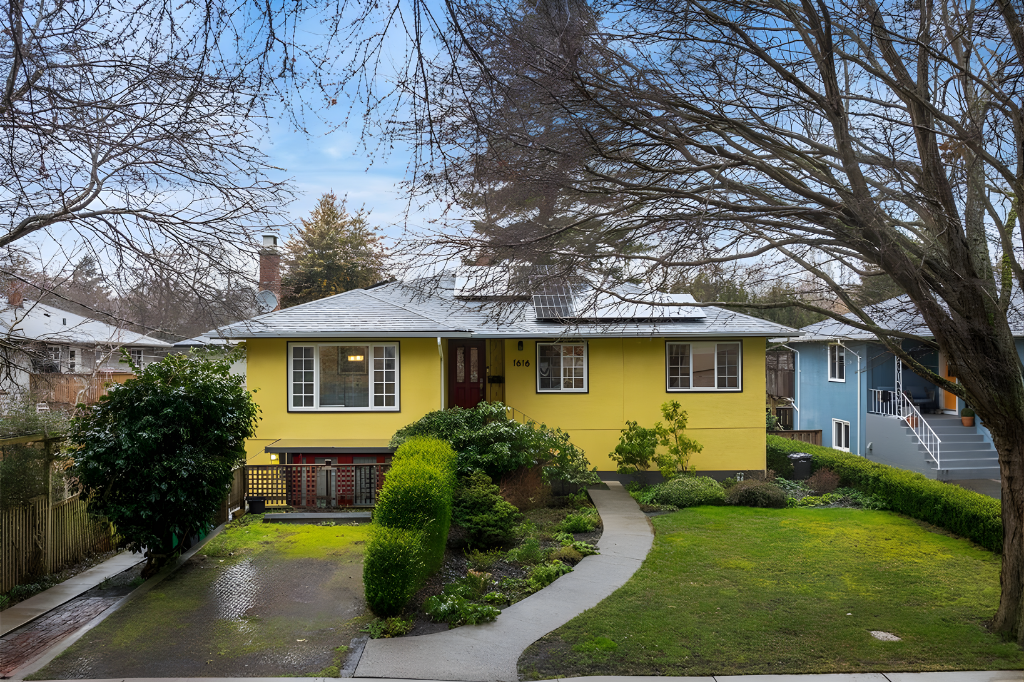
When buyers compare Fernwood vs Fairfield Victoria BC, they are usually not choosing between a good area and a bad one. They are choosing between two strong neighbourhoods that offer very different versions of Victoria living. Both are established, desirable, and close to the urban core, but the day-to-day feel is not the same. The City of Victoria identifies both as distinct neighbourhoods within the city, and both have active community associations and established planning frameworks that shape how they evolve. The real difference is not price alone A lot of buyers start with price, but that usually is not the best first filter. The better question is this: Do you want a neighbourhood that feels a little more eclectic and community-driven, or one that feels more polished, coastal, and traditionally residential? That is where the Fernwood versus Fairfield decision usually becomes clearer. Why Fernwood appeals to so many buyers Fernwood tends to attract buyers who want character, creativity, and a stronger sense of neighbourhood identity. The City-approved Fernwood neighbourhood plan was adopted in July 2022, and the planning work around Fernwood emphasizes housing choice, sustainable transportation, and the role of Fernwood Village as a local centre. The City also describes Fernwood Village as a cluster of well-maintained, intact, and regionally significant heritage buildings centred on Fernwood Avenue and Gladstone Avenue. In practical terms, Fernwood often appeals to buyers who value: heritage character local independent-business energy a community-oriented atmosphere a more urban, artsy, lived-in feel housing with personality rather than polish alone Fernwood also has a strong community identity beyond real estate. Fernwood NRG describes itself as a neighbourhood house run by and for Fernwood residents, which reinforces the area’s reputation for grassroots community involvement. Why Fairfield draws a different type of buyer Fairfield usually attracts buyers who want a quieter residential setting with a more classic Victoria feel. City planning documents for Fairfield identify village nodes such as Fairfield Plaza Village, Five Points Village, and Moss Street Village, and the broader area is closely tied to major outdoor amenities and shoreline access. The City describes Beacon Hill Park as the crowning jewel in Victoria’s park system, with roughly 740,000 square metres of parkland, while Dallas Road Beach is identified by the City as offering beach access, water views, and trails and paths. That usually makes Fairfield attractive to buyers who value: a more established residential feel access to major parks and shoreline walking a quieter streetscape in many pockets a classic South Victoria lifestyle a neighbourhood that often feels more traditional and tucked in Fairfield is often less about edge and more about ease. How the housing feel differs This is where the comparison becomes more useful for serious buyers. Fernwood Fernwood often feels more varied. Buyers will notice a mix of older character homes, smaller lots, converted properties, and a broader blend of housing types as the neighbourhood evolves. Because the neighbourhood plan focuses on housing choice and village-centred growth, Fernwood can feel more dynamic and more layered block to block. Fairfield Fairfield often feels more consistently residential. Even as housing policy changes continue across Victoria, Fairfield has long been associated with traditional residential form, and planning documents continue to frame parts of the area around village nodes within a largely established neighbourhood fabric. That difference matters because some buyers want variety and evolution, while others want consistency and predictability. Lifestyle fit: which one feels more like you? This is usually the fastest way to narrow it down. Fernwood may be the better fit if you want: more character and neighbourhood personality a stronger arts and community vibe a less polished, more organic streetscape easier comfort with mixed housing forms and gradual change a neighbourhood that feels creative and active Fairfield may be the better fit if you want: a calmer, more residential atmosphere close access to major green space and waterfront walking a classic Victoria setting a neighbourhood that feels established and timeless a more traditionally residential day-to-day experience Neither choice is more “correct.” They just serve different buyer priorities. What buyers often miss in this comparison The biggest mistake is assuming the choice is only about prestige or popularity. It is not. The better choice usually comes down to how you want to live Monday through Friday, not just how the area feels on a sunny Saturday afternoon. For example: If you want a neighbourhood with a little more texture and community energy, Fernwood may feel more natural. If you want a calmer residential setting with easier access to landmark outdoor spaces, Fairfield may feel stronger. If you are buying for long-term lifestyle stability, street-by-street fit matters more than broad reputation. That is especially true in Victoria, where neighbourhood transitions can happen quickly over only a few blocks. Which neighbourhood is better for resale? Both can hold strong appeal, but for different reasons. Fernwood often attracts buyers who are drawn to character, walkability, and community identity. Fairfield often attracts buyers who prioritize location stability, park access, and a classic South Victoria feel. In other words, both have strong demand drivers, but the buyer pools are not always identical. This is why resale strength is often more about matching the right property to the right neighbourhood expectation than trying to declare one area universally better. That conclusion is an informed market inference based on the neighbourhood characteristics and planning context above. The bottom line Fernwood and Fairfield are both excellent Victoria neighbourhoods, but they appeal to different instincts. Fernwood tends to suit buyers who want character, culture, and a stronger neighbourhood pulse. Fairfield tends to suit buyers who want a quieter residential setting, classic Victoria appeal, and close access to park and waterfront amenities. The best choice is usually not the one with the strongest reputation. It is the one that fits the way you actually want to live. If you are deciding between Fernwood and Fairfield, contact Faber Real Estate Group for local guidance on which neighbourhood better fits your budget, lifestyle, and long-term goals. Grace C., 5-Star Review, via Google “Zach is very pleasant and professional at all times. He's great to work with. He helped us find a great home for our family. Thank you.” Faber Real Estate Group Royal LePage Coast Capital Realty 📞 250-244-3430 📧[email protected] ℹ️ Scott Faber Personal Real Estate Corporation ℹ️ Cal Faber Personal Real Estate Corporation Vanessa Wood, Zachary Parsons, and Sophie Taylor “Building Lasting Relationships, One Home at a Time.”
Read more
Westshore real estate selling strategy matters more in 2026 because resale homes are no longer competing only with the home down the street. In Langford and Colwood, you are also competing with developers, staged showhomes, polished marketing campaigns, and incentive packages. Westshore inventory is being shaped by volume. Condos, townhomes, and detached homes are being delivered at scale. If you ignore that reality, you risk longer days on market and price reductions. If you work with it, you can still sell quickly and confidently. Developers Are Setting Buyer Expectations Langford continues to see one of the highest volumes of new construction in Greater Victoria. Projects often launch with coordinated marketing, presentation centres, and incentives that make buyers feel they are getting a “complete package.” Developers can offer: Deposit structures spread over time Appliance or upgrade packages Completion flexibility GST inclusions or credits in certain cases Professionally staged model units That becomes the benchmark. When buyers tour resale homes afterward, they compare immediately. That comparison shapes your pricing power and your negotiation leverage. How This Impacts Each Property Type Condos in the Westshore New towers can create psychological price ceilings. Even if your condo is well maintained, buyers often ask: How old is the building? Is there depreciation report risk? Are there upcoming special assessments? When a new project offers warranties and new amenities, resale condos must compete on value and clarity, not hope. The tactical move: Price decisively from day one Highlight upgrades clearly (flooring, appliances, fixtures, storage) Emphasize move-in readiness Provide strata documents early and proactively Townhomes Townhomes remain a sweet spot for many first-time buyers in the Westshore. The challenge is that pre-sale townhome communities often launch with modern finishes and buyer-friendly deposit structures. Resale townhome sellers need to compete on: Timing: you can offer immediate possession Certainty: buyers can see the finished product Layout advantages: larger rooms, better parking, better yard space, or better storage (when applicable) If a new phase is launching nearby, “testing the market” is rarely effective. Detached Homes Detached homes face a different comparison set. Buyers now weigh older detached homes against: New detached builds (where available) High-end townhomes with newer finishes and lower maintenance Common buyer questions include: What upgrades have been completed? Is the home energy efficient? Are there insurance or inspection concerns? If your home needs updates, the price must reflect that quickly. Buyers calculate renovation costs fast in this environment. Why Some Westshore Homes Still Sell in 7 to 14 Days Even during heavy new construction cycles, resale homes can sell quickly when they: Price correctly at launch Show better than competing resale inventory Position clearly against nearby developments Market to a defined buyer, not everyone Homes that struggle usually: Start high “to see what happens” Ignore new inventory nearby Assume last year’s value still applies Westshore real estate rewards decisiveness right now. The Tactical Seller Playbook for 2026 If you are considering selling in Langford or Colwood, this is a simple framework that holds up in today’s market. 1) Identify Your True Competition Ask what is coming next, not what sold last. A new condo building two blocks away A townhome phase launching next month A detached subdivision completing soon We map the competition before pricing. 2) Position, Then Price Price alone is not the strategy. Positioning is. We define: Who your buyer is Why they would choose resale over new What your timing advantage is (possession, condition, certainty) Then we price with urgency. 3) Launch Strong In a developer-influenced market, first impressions carry more weight. That means: Professional photography Clear feature sheets that explain the value Transparent documentation (especially strata) Immediate showing availability Delayed momentum is expensive. What This Means for Westshore Sellers New construction is not a threat. It is a variable. When handled correctly, resale homes can benefit from the attention new projects bring to the region. Buyers who get priced out of new builds often pivot to resale quickly, but only if the resale option is positioned properly. The key is to price with forward awareness, not backward attachment. A Westshore real estate selling strategy that accounts for nearby development competition is one of the simplest ways to protect your timeline and your outcome. If you are thinking about selling in the Westshore this year, contact Faber Real Estate Group to map your competition and build a pricing and launch plan that fits today’s market. Debbie N., 5-Star Review, via Google “From start to finish, Scott and Cal were amazing to work with. I hadn't moved in nearly 22 years and going from a house to a condo was a very difficult decision, but they were amazingly patient and responsive to my needs. This team doesn't just say that they care, they actually do. I couldn't have done this without them. I would recommend them to anyone. You will be in the best hands. Thank you Faber Group!!!” Faber Real Estate Group Royal LePage Coast Capital Realty 📞 250-244-3430 📧[email protected] ℹ️ Scott Faber Personal Real Estate Corporation ℹ️ Cal Faber Personal Real Estate Corporation Vanessa Wood, Zachary Parsons, and Sophie Taylor “Building Lasting Relationships, One Home at a Time.”
Read more
The Greater Victoria real estate market continued to show signs of stability and steady activity in February 2026. According to the Victoria Real Estate Board, 465 properties sold across the region, representing a 37.2 percent increase from January, though still 11.9 percent lower than February 2025. While year-over-year comparisons show some moderation, the strong month-to-month growth indicates that buyers are returning to the market as we move toward the spring season. Inventory is also expanding, giving buyers more options than they have seen in recent years. Active listings rose to 2,903 properties, up 10.6 percent from January and 10.4 percent higher than the same time last year. For many buyers and sellers, this signals a shift toward a more balanced real estate environment where neither side holds a dramatic advantage. Local REALTOR® Scott Faber notes that the Victoria market continues to behave differently than many larger Canadian markets. “There’s a lot of noise coming out of Vancouver and Toronto,” Scott Faber says. “However, our market here is very stable and resilient compared to other markets across Canada.” Insights for Buyers For buyers entering the market this spring, the increased inventory is creating more breathing room to explore options and make thoughtful decisions. With nearly three thousand active listings available, buyers can take time to compare homes, neighbourhoods, and property types more carefully than they could during the intense competition of previous years. Scott Faber explains that condominiums may offer particular opportunity right now. “If you’re a buyer looking for a condo this spring, this is definitely a good time to explore those options,” Scott Faber says. “Especially for downsizers or first-time homebuyers, there’s a lot of choice available and mortgage rates have come down significantly compared to last year.” However, the single-family home segment remains competitive in certain price ranges. Scott Faber notes that homes under $1.2 million with suites are attracting strong demand, particularly in areas like Saanich and Langford. “One of our listings had 18 showings within two weeks,” Scott Faber says. “And we’ve been in multiple-offer situations on several homes under a million dollars, some with suites and some without.” Because of this continued competition in certain segments, preparation remains critical. “If you’re looking for a single-family home, get prepared with a mortgage pre-approval and talk to your real estate professional so you’re ready to act,” Scott Faber advises. Insights for Sellers For sellers considering entering the market this spring, the February activity provides an important takeaway: preparation and presentation matter more than ever. While buyers have more inventory to choose from, homes that are properly priced and move-in ready are still attracting strong interest and selling quickly. Properties that are not show-ready, however, may take longer to move in a market where buyers have more choice. Scott Faber sees this trend clearly when working with clients. “When a home is priced to sell and it’s move-in ready, buyers are moving quickly,” Scott Faber says. “But the homes that aren’t show-ready or require significant updates tend to sit longer because buyers simply have more options right now.” For sellers, this makes professional strategy essential. “I always recommend choosing a professional real estate team that understands how to position your home properly in today’s market,” Scott Faber says. “If your home is well-appointed, marketed correctly, and priced appropriately, you’re going to have a good experience selling.” Market Outlook Looking ahead to the spring market, Greater Victoria appears to be entering a period of stability rather than volatility. The benchmark price for a single-family home in the Victoria Core is now $1,307,400, a modest 0.9 percent decrease from last year, though prices have increased since January. Condominiums show a similar pattern, with a benchmark value of $545,600, down slightly year-over-year but rising month-over-month. Scott Faber believes these numbers reflect a market that is finding its balance. “What we’re seeing right now is a balanced market,” Scott Faber says. “We’re not seeing the large supply increases that some people expected, and when the market is balanced it creates great opportunities for both buyers and sellers.” As the spring market approaches, activity is expected to continue building. Buyers will likely benefit from increased inventory, while sellers who prepare their homes properly can still capture strong demand. Final Thoughts February’s data and on-the-ground experience point to a clear conclusion: the Greater Victoria real estate market remains steady, resilient, and balanced. Buyers now have more options and greater confidence as prices stabilize and inventory expands. Sellers, meanwhile, can still achieve excellent results when their homes are positioned correctly in the marketplace. For those considering a move this year, understanding these local dynamics is critical. If you are thinking about buying or selling in Greater Victoria, connect with Scott Faber and the Faber Real Estate Group for personalized guidance and expert insight into today’s market opportunities. Scott L., 5-Star Review, via Google “I had the pleasure of working with the Faber Group to sell my house, and I couldn't be more pleased with the experience. Cal and Scott from the Faber Group provided exceptional service from start to finish. Their expertise and guidance were instrumental in preparing my home for sale, ensuring it was presented in the best possible light for maximum return on investment. They demonstrated a deep understanding of the market, strategically timing the listing to attract the right buyers. Faber Real Estate Group Royal LePage Coast Capital Realty 📞 250-244-3430 📧[email protected] ℹ️ Scott Faber Personal Real Estate Corporation ℹ️ Cal Faber Personal Real Estate Corporation Vanessa Wood, Zachary Parsons, and Sophie Taylor “Building Lasting Relationships, One Home at a Time.”
Read more- 1
- 2