
Posts Tagged ‘Victoria BC neighbourhood guide’
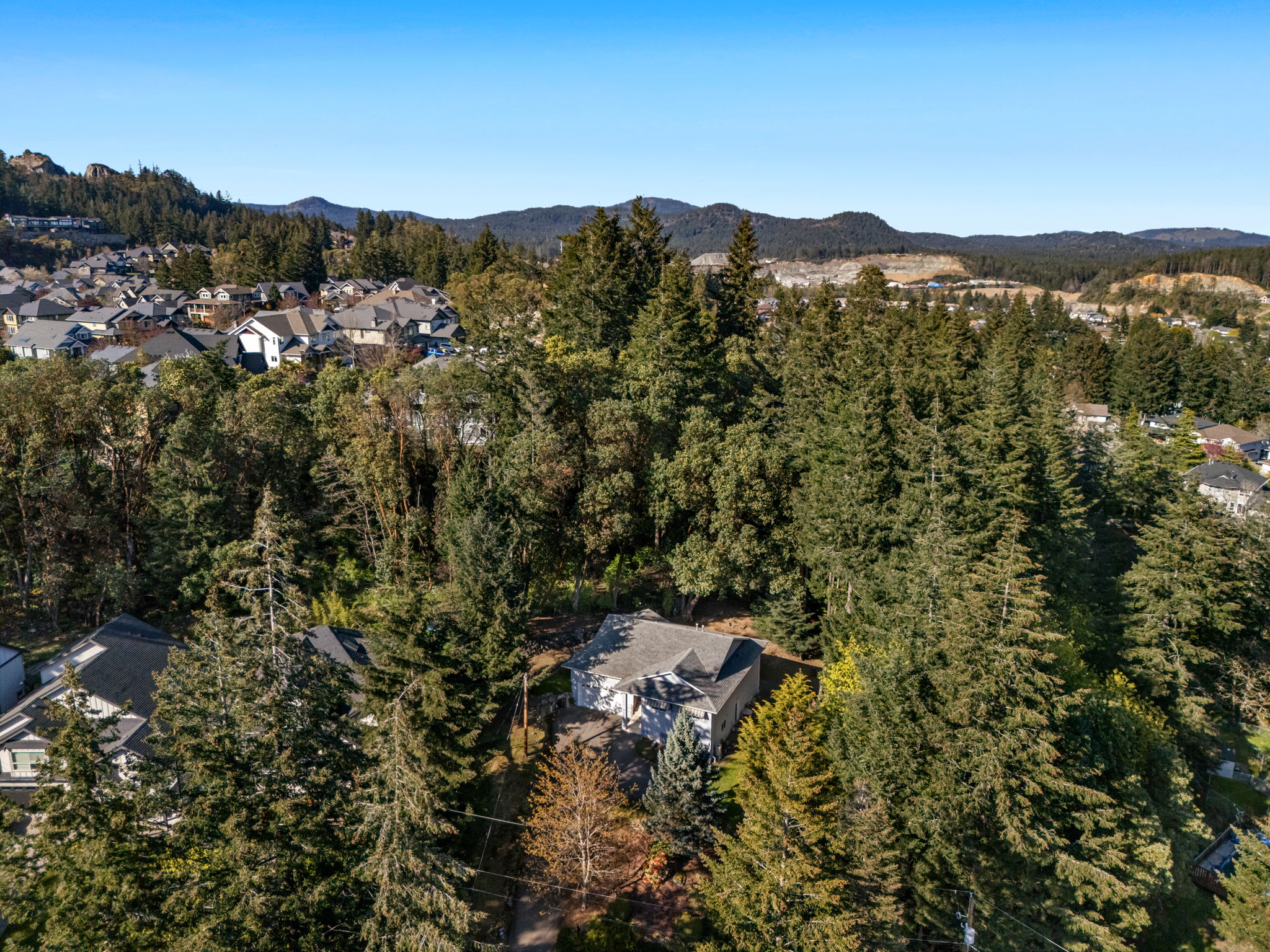
When buyers start house hunting, price usually gets the first look. That makes sense. Budget matters. But price alone rarely tells you whether a neighbourhood will actually fit your life. In Greater Victoria, that matters even more right now. The Victoria Real Estate Board reported 3,261 active listings at the end of March 2026, with board commentary pointing to many micro-markets with different conditions and demand. In other words, buyers have more choice, but they also need to be more thoughtful about where they want to live, not just what they can afford. The better question is not just, “What can I buy here?” It is, “What will my day-to-day life feel like here?” Start with your real routine Before comparing neighbourhoods, compare your lifestyle first. A lot of buyers say they want a “good area,” but what they really mean is one of these: Close to work and less time in the car Easy walks to coffee shops, groceries, and parks Quiet streets and more yard space Better access to schools, recreation, or the beach A neighbourhood that feels social and active A home base that feels calm and low-maintenance That is why two neighbourhoods at similar price points can feel completely different in real life. One may look better on paper, while the other fits your routine far better. Look at lifestyle in five categories 1. Commute and movement Think about where you go most often, not just where you go once in a while. Ask yourself: How often do you commute downtown? Do you need quick access to UVic, the airport, ferries, or the Westshore? Do you prefer driving, walking, cycling, or transit? Will your routine still work in winter, during school traffic, or on busy weekdays? This is where neighbourhood choice becomes practical. A longer commute may be worth it for more space. But if you hate driving, a cheaper home farther out may cost you in time, stress, and flexibility. 2. Walkability and daily convenience Walkability is not just about being able to go for a stroll. It is about reducing friction in everyday life. Some buyers are happier in a neighbourhood where they can walk to groceries, cafés, restaurants, and the waterfront. Sidney, for example, describes its downtown as vibrant and pedestrian-friendly, and the town also highlights flat terrain and dedicated walking and cycling routes. Others would rather trade that convenience for a larger home, newer construction, or a quieter setting. The key is knowing which trade-off matters more to you. 3. Recreation and free time A neighbourhood should support how you spend your off-hours, not just where you sleep. For some buyers, lifestyle means trails, lakes, fitness facilities, and family recreation close to home. Langford, for example, highlights major recreation assets including City Centre Park, the Westhills YMCA-YWCA, and the Island Training Centre. For others, it is about beach access, local shops, or being able to walk along the water after dinner. Sidney’s waterfront walkway, public beach access points, and downtown connection are good examples of how a place can shape your daily rhythm. A neighbourhood that matches your weekends often matters just as much as one that matches your workweek. 4. Energy and atmosphere Every neighbourhood has a different pace. Some feel lively, social, and connected to shops, restaurants, and street activity. Others feel quieter, more residential, and more private. Neither is better. They simply suit different people at different stages of life. This is where buyers can make expensive mistakes. A home can be perfect, but if the surrounding area feels too busy, too quiet, too student-oriented, too car-dependent, or too far from your usual routine, the fit starts to wear on you. 5. Long-term fit Try to buy for the life you expect over the next three to five years, not just the life you have today. Ask: Will this location still work if your job changes? Are you planning for kids? Are you hoping to downsize maintenance? Will aging parents visit often? Do you want a lock-and-leave condo lifestyle or more room to grow? The best neighbourhood decision is often the one that still feels right after your routine changes a little. Compare neighbourhoods using a “day in the life” test One simple way to compare areas is to imagine an ordinary Tuesday. Picture: Your morning coffee Your school run or commute Your grocery trip Your dog walk Your gym or recreation time Your evening plans Your weekend errands Now ask which neighbourhood makes that day easier. This sounds basic, but it is one of the most useful filters a buyer can use. It shifts the decision away from emotion, headlines, or square footage alone and puts it back on real-life function. A few Greater Victoria examples This is where lifestyle becomes clearer. If you want walkability and an urban routine Neighbourhoods closer to Victoria’s core often appeal to buyers who want cafés, restaurants, shops, parks, and shorter drives. The City of Victoria notes there are 12 unique neighbourhoods across the city, each with its own feel and community identity. If you want family recreation and newer-home options Many Westshore buyers are choosing lifestyle through newer housing stock, more recreation infrastructure, and a bit more breathing room in their day-to-day environment. Langford’s recreation amenities are a strong example of that appeal. If you want a quieter, walkable small-town feel Sidney stands out for buyers who value a pedestrian-friendly downtown, waterfront access, cycling routes, and a slower pace. The point is not that one area is better. It is that each serves a different version of a good life. Price still matters, but it should not lead the whole decision A lower price in the wrong neighbourhood can feel expensive later. You may spend more time commuting, more money on transportation, more effort on everyday errands, or more energy trying to make the location work for a lifestyle it was never a fit for. On the other hand, paying slightly more for the right area can improve daily life in ways buyers often notice only after they move in. That is why the smartest neighbourhood comparison usually includes both numbers and lifestyle. A better way to shop Instead of ranking neighbourhoods by price alone, try ranking them by: Commute fit Walkability Recreation access Noise and pace Family needs Long-term flexibility Housing style you prefer Then compare price. That order matters. Price tells you what is possible. Lifestyle tells you what is worth pursuing. Final thoughts In a market with more inventory and more neighbourhood choices, buyers have a real opportunity to be more intentional. Greater Victoria is full of micro-markets, and the best move is not always the cheapest one. It is the one that fits how you want to live. If you are trying to narrow down the right area for your next move, contact Faber Real Estate Group and we can help you compare neighbourhoods based on the lifestyle that fits you best. Matt, 5-Star Review, via Google Professional, knowledgeable and just stand up guys. Would recommend for all your real estate needs! Faber Real Estate Group Royal LePage Coast Capital Realty 📞 250-244-3430 📧[email protected] ℹ️ Scott Faber Personal Real Estate Corporation ℹ️ Cal Faber Personal Real Estate Corporation Vanessa Wood, Zachary Parsons, and Sophie Taylor “Building Lasting Relationships, One Home at a Time.”
Read more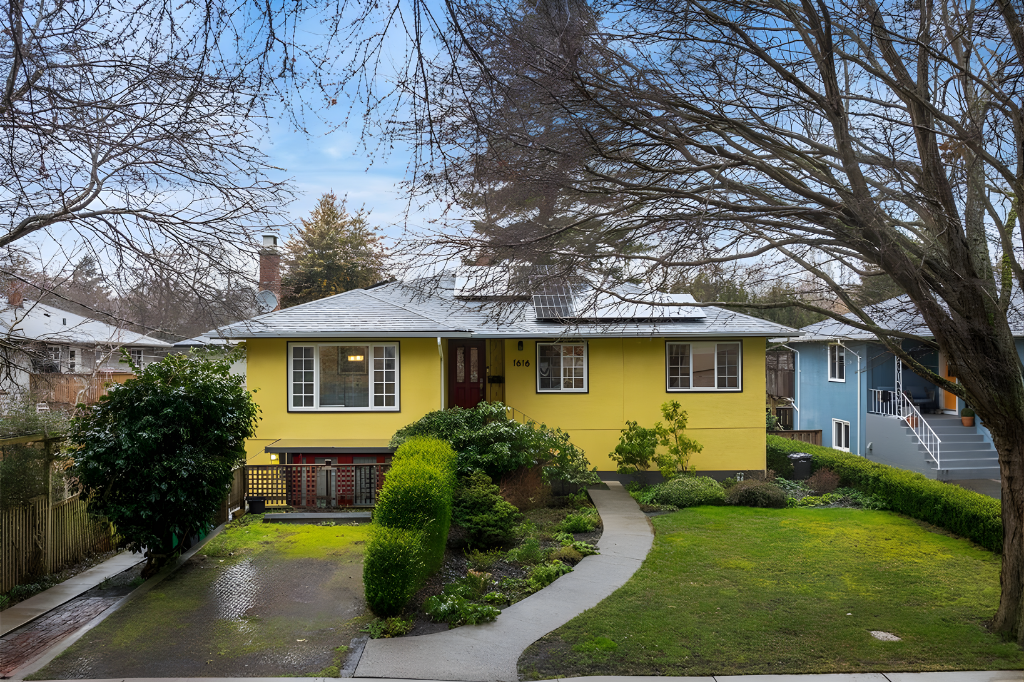
When buyers compare Fernwood vs Fairfield Victoria BC, they are usually not choosing between a good area and a bad one. They are choosing between two strong neighbourhoods that offer very different versions of Victoria living. Both are established, desirable, and close to the urban core, but the day-to-day feel is not the same. The City of Victoria identifies both as distinct neighbourhoods within the city, and both have active community associations and established planning frameworks that shape how they evolve. The real difference is not price alone A lot of buyers start with price, but that usually is not the best first filter. The better question is this: Do you want a neighbourhood that feels a little more eclectic and community-driven, or one that feels more polished, coastal, and traditionally residential? That is where the Fernwood versus Fairfield decision usually becomes clearer. Why Fernwood appeals to so many buyers Fernwood tends to attract buyers who want character, creativity, and a stronger sense of neighbourhood identity. The City-approved Fernwood neighbourhood plan was adopted in July 2022, and the planning work around Fernwood emphasizes housing choice, sustainable transportation, and the role of Fernwood Village as a local centre. The City also describes Fernwood Village as a cluster of well-maintained, intact, and regionally significant heritage buildings centred on Fernwood Avenue and Gladstone Avenue. In practical terms, Fernwood often appeals to buyers who value: heritage character local independent-business energy a community-oriented atmosphere a more urban, artsy, lived-in feel housing with personality rather than polish alone Fernwood also has a strong community identity beyond real estate. Fernwood NRG describes itself as a neighbourhood house run by and for Fernwood residents, which reinforces the area’s reputation for grassroots community involvement. Why Fairfield draws a different type of buyer Fairfield usually attracts buyers who want a quieter residential setting with a more classic Victoria feel. City planning documents for Fairfield identify village nodes such as Fairfield Plaza Village, Five Points Village, and Moss Street Village, and the broader area is closely tied to major outdoor amenities and shoreline access. The City describes Beacon Hill Park as the crowning jewel in Victoria’s park system, with roughly 740,000 square metres of parkland, while Dallas Road Beach is identified by the City as offering beach access, water views, and trails and paths. That usually makes Fairfield attractive to buyers who value: a more established residential feel access to major parks and shoreline walking a quieter streetscape in many pockets a classic South Victoria lifestyle a neighbourhood that often feels more traditional and tucked in Fairfield is often less about edge and more about ease. How the housing feel differs This is where the comparison becomes more useful for serious buyers. Fernwood Fernwood often feels more varied. Buyers will notice a mix of older character homes, smaller lots, converted properties, and a broader blend of housing types as the neighbourhood evolves. Because the neighbourhood plan focuses on housing choice and village-centred growth, Fernwood can feel more dynamic and more layered block to block. Fairfield Fairfield often feels more consistently residential. Even as housing policy changes continue across Victoria, Fairfield has long been associated with traditional residential form, and planning documents continue to frame parts of the area around village nodes within a largely established neighbourhood fabric. That difference matters because some buyers want variety and evolution, while others want consistency and predictability. Lifestyle fit: which one feels more like you? This is usually the fastest way to narrow it down. Fernwood may be the better fit if you want: more character and neighbourhood personality a stronger arts and community vibe a less polished, more organic streetscape easier comfort with mixed housing forms and gradual change a neighbourhood that feels creative and active Fairfield may be the better fit if you want: a calmer, more residential atmosphere close access to major green space and waterfront walking a classic Victoria setting a neighbourhood that feels established and timeless a more traditionally residential day-to-day experience Neither choice is more “correct.” They just serve different buyer priorities. What buyers often miss in this comparison The biggest mistake is assuming the choice is only about prestige or popularity. It is not. The better choice usually comes down to how you want to live Monday through Friday, not just how the area feels on a sunny Saturday afternoon. For example: If you want a neighbourhood with a little more texture and community energy, Fernwood may feel more natural. If you want a calmer residential setting with easier access to landmark outdoor spaces, Fairfield may feel stronger. If you are buying for long-term lifestyle stability, street-by-street fit matters more than broad reputation. That is especially true in Victoria, where neighbourhood transitions can happen quickly over only a few blocks. Which neighbourhood is better for resale? Both can hold strong appeal, but for different reasons. Fernwood often attracts buyers who are drawn to character, walkability, and community identity. Fairfield often attracts buyers who prioritize location stability, park access, and a classic South Victoria feel. In other words, both have strong demand drivers, but the buyer pools are not always identical. This is why resale strength is often more about matching the right property to the right neighbourhood expectation than trying to declare one area universally better. That conclusion is an informed market inference based on the neighbourhood characteristics and planning context above. The bottom line Fernwood and Fairfield are both excellent Victoria neighbourhoods, but they appeal to different instincts. Fernwood tends to suit buyers who want character, culture, and a stronger neighbourhood pulse. Fairfield tends to suit buyers who want a quieter residential setting, classic Victoria appeal, and close access to park and waterfront amenities. The best choice is usually not the one with the strongest reputation. It is the one that fits the way you actually want to live. If you are deciding between Fernwood and Fairfield, contact Faber Real Estate Group for local guidance on which neighbourhood better fits your budget, lifestyle, and long-term goals. Grace C., 5-Star Review, via Google “Zach is very pleasant and professional at all times. He's great to work with. He helped us find a great home for our family. Thank you.” Faber Real Estate Group Royal LePage Coast Capital Realty 📞 250-244-3430 📧[email protected] ℹ️ Scott Faber Personal Real Estate Corporation ℹ️ Cal Faber Personal Real Estate Corporation Vanessa Wood, Zachary Parsons, and Sophie Taylor “Building Lasting Relationships, One Home at a Time.”
Read more
The Tillicum and Gorge area continues to attract buyers looking for affordability without sacrificing location. In 2026, balanced market conditions have increased buyer choice, making this area especially appealing for first-time buyers, downsizers, and value-focused investors. Tillicum and Gorge real estate benefits from strong transit links, central positioning, and pricing that remains more attainable than many core Victoria neighbourhoods. Why Buyers Look to Tillicum and Gorge This area sits just minutes from downtown Victoria, Uptown, and the Trans-Canada Highway. Key advantages include: Easy access to major employment hubs Strong public transit and cycling routes Proximity to parks, the Gorge Waterway, and shopping For buyers who want convenience without downtown pricing, the location remains a major draw. Affordability Compared to Core Neighbourhoods Tillicum and Gorge continue to offer some of the most accessible price points within the urban core. Buyers typically find: Condos priced below downtown and Fairfield averages Townhomes that appeal to first-time buyers Older single-family homes with renovation potential In 2026, longer days on market have improved negotiating conditions, particularly for condos. Condo Market and Entry-Level Options The condo segment dominates much of the housing stock. Many buildings offer: Larger floor plans compared to newer developments More reasonable strata fees Strong rental appeal due to central location For buyers entering the market, Tillicum and Gorge real estate often provides a practical first step into ownership. Accessibility and Daily Convenience Accessibility remains one of the area’s strongest features. Residents benefit from: Direct transit routes to downtown and UVic Walkable access to Tillicum Centre and Uptown Quick connections to the West Shore and Peninsula This connectivity supports both owner-occupiers and long-term rental demand. What Buyers Should Watch in 2026 While affordability remains a strength, buyers should still review: Strata documentation and contingency funds Upcoming maintenance in older buildings Zoning and redevelopment potential along key corridors Well-priced properties continue to sell, while overpriced listings often sit longer. Final Thoughts Tillicum and Gorge real estate offers a compelling mix of affordability and accessibility in 2026. For buyers who value central location, transit access, and realistic pricing, this area remains one of Greater Victoria’s most practical options. Gary B., 5-Star Review, via Google “We bought a apartment and sold an apartment through Faber Group. It was a pleasure working with them, sold our apartment in one day at full price. No request was too much for them.” Faber Real Estate Group Royal LePage Coast Capital Realty 📞 250-244-3430 📧[email protected] ℹ️ Scott Faber Personal Real Estate Corporation ℹ️ Cal Faber Personal Real Estate Corporation Vanessa Wood, Zachary Parsons, and Sophie Taylor “Building Lasting Relationships, One Home at a Time.”
Read more