
Posts Tagged ‘Victoria BC investment property’
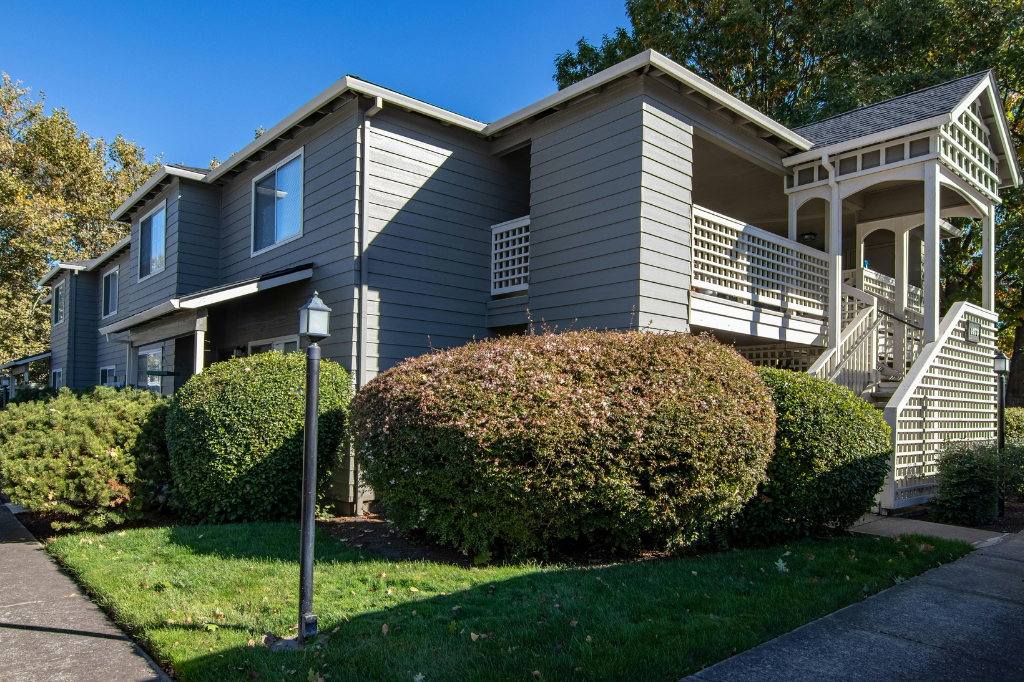
A plex investment property can be appealing because it combines rental income, land value, financing strategy, and long-term resale potential. For investors, a plex investment property usually means a duplex, triplex, or fourplex that is purchased primarily for income, equity growth, or future flexibility. However, buying a plex is not the same as buying a standard condo or single-family rental. Investors need to look beyond the headline rent number and understand the property’s income, expenses, tenancy profile, condition, zoning, financing, and long-term risk. The right plex can be a strong addition to a real estate portfolio. The wrong one can create expensive problems. Why Investors Look at Plexes Plexes are popular with investors because they offer multiple income streams under one title. Instead of relying on one tenant, a duplex, triplex, or fourplex can spread income across several units. That can help reduce the impact of one vacancy, depending on the property and rent structure. Investors may consider a plex because it can offer: Multiple rental units Long-term income potential Better control than a strata rental Land value Future renovation potential Possible suite or unit optimization Portfolio growth More resale appeal to both investors and owner-occupiers For investors who want a buy-and-hold property, a plex can offer a practical middle ground between a single rental suite and a larger apartment building. Start With the Numbers The first question is simple: do the numbers work? A listing may advertise strong rental income, but investors need to look at net income, not just gross rent. The property may bring in rent every month, but that does not mean it produces healthy cash flow. Investors should review: Gross monthly rent Annual rental income Property taxes Insurance Utilities Water and sewer Garbage Maintenance Repairs Vacancy allowance Property management Financing costs Capital reserves A stronger analysis should also include future repairs. A roof, drainage issue, exterior work, or major system upgrade can change the return quickly. Rental Income Needs Verification Investors should not rely only on the listing description. Before making a firm decision, buyers should request documentation that supports the income. This helps confirm whether the rents are current, collectible, and tied to enforceable tenancy agreements. Useful documents may include: Current tenancy agreements Rent roll Security deposit records Utility arrangements Rental payment history Notice of rent increases Lease start dates Fixed-term or month-to-month details Any side agreements with tenants If a unit is rented below market, the income may be stable but limited. If a unit is vacant, there may be upside, but the investor needs to budget for downtime and leasing costs. Tenant Profile Matters A tenant-occupied plex can be attractive because income may start immediately after completion. However, existing tenants also shape the investment. Their lease terms, rent amounts, payment history, and rights all matter. Investors need to understand what they are inheriting. Before buying, investors should ask: Are all units occupied? Are tenants on written agreements? Are rents at market or below market? Are any tenants in arrears? Are there unresolved disputes? Are utilities included in rent? Has the seller provided proper documentation? Are there any notices already issued? Does the buyer plan to keep the tenants long-term? A good tenancy profile can support stable ownership. A poor or unclear tenancy profile can increase risk. Financing Can Change the Return Financing is a major part of the investment decision. The loan structure, down payment, interest rate, amortization, and how rental income is treated by the lender can all affect the numbers. Investors should work with a mortgage broker or lender who understands multi-unit rental properties. Important financing questions include: How will rental income be counted? What down payment is required? Is the property considered residential or commercial by the lender? Does the number of units change the approval process? Will the lender require leases or an appraisal with market rents? How does the rate affect cash flow? Can the investor still qualify with conservative rent assumptions? What happens at renewal if rates change? A property that looks good at one interest rate may look very different at another. Cap Rate Is Useful, But Not Enough Cap rate can help investors compare properties, but it should not be the only measure. A cap rate looks at net operating income compared with purchase price. It can be helpful for comparing similar income properties, but it does not capture financing, future repairs, vacancy risk, appreciation potential, or the investor’s tax position. Investors should also consider: Cash flow Debt service coverage Return on equity Future repair costs Rent growth potential Resale demand Location quality Tenant stability Long-term land value A higher cap rate is not always better. Sometimes it reflects higher risk, weaker location, older systems, or more management work. Condition Can Make or Break the Investment With a plex, property condition matters even more because one problem can affect multiple tenants and multiple income streams. Investors should review the home carefully and, when needed, bring in specialists for further due diligence. Key areas to inspect include: Roof Foundation Drainage Plumbing Electrical Heating systems Hot water tanks Windows Exterior envelope Fire separation Sound transfer Laundry setup Parking Retaining walls Appliances in each unit Deferred maintenance can reduce cash flow, create tenant issues, and limit financing options. A property with lower rent and high repair needs may not be the deal it first appears to be. Zoning and Legal Use Need Careful Review Investors should confirm that the property’s use matches what is being marketed. Some properties have multiple units that are legal. Others may have suites or layouts that need further review. This can affect financing, insurance, future resale, and the investor’s ability to make changes. Due diligence may include reviewing: Zoning Permits Occupancy records Fire safety requirements Suite legality Parking requirements Municipal records Past renovations Future development potential An investor should not assume that every existing unit is fully recognized or permitted. This is especially important with older properties or homes that have been modified over time. Location Still Drives Long-Term Value A good rental property is not only about rent. Location affects tenant demand, vacancy risk, resale value, and long-term stability. In Greater Victoria, investors may compare different submarkets depending on budget, property type, and strategy. A plex in Victoria, Saanich, Esquimalt, View Royal, Langford, or Colwood may all attract different tenants and offer different trade-offs. Investors should consider proximity to: Transit Employment areas Schools Hospitals Post-secondary institutions Shopping Parks and trails Major commuter routes Downtown Victoria The Westshore A strong location can help support long-term rental demand, even when the market changes. Expense Assumptions Should Be Conservative Investors often get into trouble when they assume everything will go perfectly. A better approach is to build in a margin for vacancy, repairs, and unexpected costs. Even a well-maintained plex will need ongoing attention. Conservative planning should include: Vacancy allowance Maintenance reserve Capital repair reserve Insurance increases Property tax increases Utility changes Interest rate changes Turnover costs Legal or accounting costs Property management fees, even if self-managed If the investment only works when every assumption is optimistic, the risk may be too high. Management Style Matters Some investors want to self-manage. Others prefer to hire a property manager. Self-management can save money, but it requires time, organization, and comfort dealing with tenants, repairs, notices, emergencies, and conflict. Property management can reduce the workload, but it affects cash flow. Investors should be honest about their capacity. Questions to ask include: Do I have time to manage tenants? Am I comfortable handling repairs? Do I understand BC tenancy rules? Can I respond quickly to problems? Do I want this to be passive or hands-on? Does the property cash flow after management fees? The right strategy depends on the investor’s goals, experience, and available time. Future Upside Should Be Realistic Many plex listings are marketed with upside. Sometimes that upside is real. Sometimes it depends on assumptions that may not be practical. Possible upside may include: Raising rents over time within legal limits Renovating vacant units Improving layout or functionality Reducing operating costs Adding laundry Improving exterior appeal Creating better tenant storage Long-term redevelopment potential However, investors should be cautious. Upside is not the same as guaranteed income. It may require capital, time, approvals, vacancy, and risk. When a Plex May Be a Good Fit A plex may be a good fit for investors who want a long-term hold and are prepared to manage the details. It may make sense when: The income is well documented The expense assumptions are realistic The condition is understood The location supports rental demand The financing works conservatively The tenancy profile is clear There is enough reserve capital The investor understands landlord responsibilities The resale story makes sense It may not be the right fit if the buyer is relying on aggressive rent assumptions, has limited cash reserves, or does not want the responsibility that comes with rental housing. Final Thoughts Buying a plex investment property can be a strong real estate strategy, but only when the numbers, condition, tenancy profile, and location make sense together. Investors should look beyond the purchase price and ask better questions. What is the true net income? Are the rents supported by documentation? What repairs are coming? Are the units legal and insurable? Does the location support long-term demand? Can the property still work if rates, expenses, or vacancy change? A good plex is not just a property with multiple doors. It is an investment that needs clear due diligence, conservative numbers, and a long-term plan. If you are considering a duplex, triplex, or fourplex in Greater Victoria, contact Faber Real Estate Group for local advice, current market insight, and a clear investment strategy before you make your next move. Marc G., 5-Star Review, via Google “Scott is focused on providing his clients with a long-term positive experience, and he truly acts as a trusted advisor throughout the process. It's important to have someone you can trust for this kind of investment, and Scott has certainly earned my trust. For me, it's important that a realtor fits my values, is always responsive, professional, and goes above and beyond to ensure all my needs are met. I highly recommend Scott and Faber Real Estate for all your real estate needs.” Faber Real Estate Group Royal LePage Coast Capital Realty 📞 250-244-3430 📧 [email protected] ℹ️ Scott Faber Personal Real Estate Corporation ℹ️ Cal Faber Personal Real Estate Corporation Vanessa Wood, Zachary Parsons, and Sophie Taylor “Building Lasting Relationships, One Home at a Time.”
Read more
A home with rental income potential can be one of the smartest ways to improve affordability and build long-term wealth. For many buyers in Greater Victoria, a suite, carriage home, or rentable space can help offset mortgage costs while creating future flexibility. However, not every property advertised as a “mortgage helper” is equal. Some generate strong income. Others create headaches, vacancy risk, or renovation costs. Before buying, it helps to evaluate the property like both a homeowner and an investor. 1. Start With the Real Rental Income Do not rely only on optimistic listing comments. Instead, ask: What similar suites are actually renting for nearby? Is the rental market stronger for one-bedroom, two-bedroom, or furnished units? What utilities are included? Is there parking? Is the area attractive to students, professionals, or families? In areas near University of Victoria or Camosun College, rental demand may differ from suburban family-focused areas. 2. Confirm If the Suite Is Legal or Existing Non-Conforming This is one of the biggest issues buyers miss. A suite may be: Fully permitted and legal Existing but not currently compliant Unauthorized Added without permits Missing fire separation or safety requirements That matters for insurance, financing, resale, and future renovations. Always review municipal zoning, permits, and disclosures carefully. 3. Look at Separate Access and Privacy The best rental setups work well for both owner and tenant. Strong layouts often include: Private entrance Separate laundry or clear laundry access Sound separation Dedicated parking Outdoor space separation Good bedroom window placement If the owner and tenant feel like they live on top of each other, turnover can be higher. 4. Understand Monthly Carrying Costs A home with rental income potential should be measured by net benefit, not gross rent. Review: Mortgage payment difference Property taxes Insurance premiums Utilities Maintenance reserves Vacancy allowance Property management if needed Sometimes an extra $2,000 in rent feels strong until real carrying costs are included. 5. Evaluate Tenant Demand by Location Not every area rents equally. Generally stronger rental demand can come from proximity to: Transit routes Employment centres Schools and universities Shopping and services Hospitals Downtown access A beautiful suite in an inconvenient location may underperform. 6. Think About Future Flexibility Rental income is useful, but life changes. Ask: Could parents use the suite later? Could adult children live there? Could it become a home office? Would the next buyer value the same setup? The best income properties often have multiple future uses. 7. Review Noise, Construction Quality, and Livability Tenants pay rent monthly. They also leave monthly if the space feels poor. Watch for: Low ceilings Poor natural light No storage Weak soundproofing Moisture issues Limited heating or cooling Good tenant experience often equals better long-term income. Smart Buyer Question to Ask Instead of asking: “How much rent can I get?” Also ask: “How stable, legal, and sustainable is this income?” That question protects buyers. Final Thought A home with rental income potential can reduce ownership costs and improve buying power, but only if the numbers, layout, legality, and location make sense. The best mortgage helper is not just extra income. It is income that remains dependable and adds resale value later. If you are considering a suite property or investment-focused purchase in Greater Victoria, contact Faber Real Estate Group for strategic local guidance. Hendri E., 5-Star Review, via Google “We had a fantastic experience working with Cal and Scott. They provided a truly personalized service, taking the time to understand exactly what our needs were and guiding us through every step of the process. What really stood out was how they went above and beyond—we felt fully supported from start to finish. Highly recommended!” Faber Real Estate GroupRoyal LePage Coast Capital Realty📞 250-244-3430📧 [email protected]ℹ️ Scott Faber Personal Real Estate Corporationℹ️ Cal Faber Personal Real Estate CorporationVanessa Wood, Zachary Parsons, and Sophie Taylor“Building Lasting Relationships, One Home at a Time.”
Read more