
Posts Tagged ‘Victoria BC housing market’
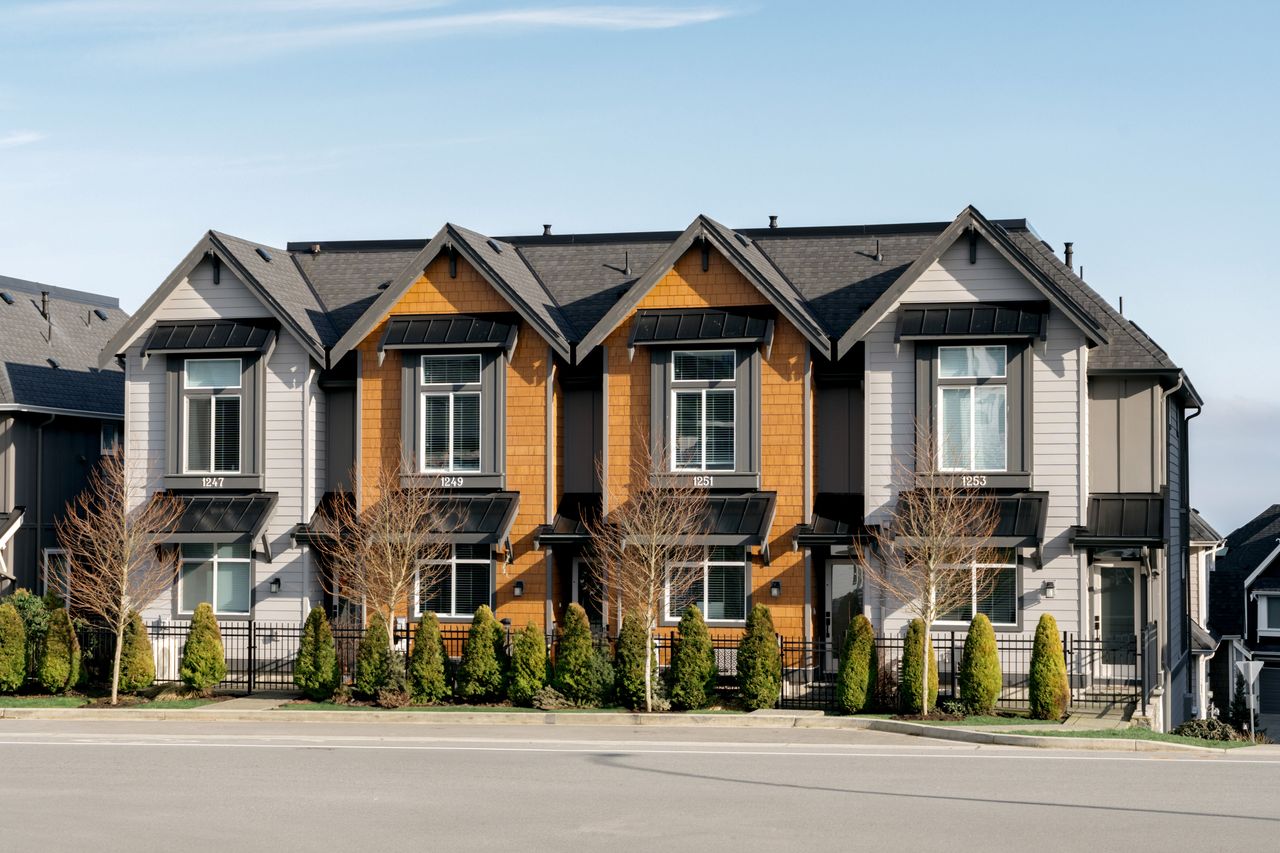
If you are wondering what $800,000 buys you in Victoria, the answer depends heavily on location, property type, and neighbourhood demand. In today’s Greater Victoria market, $800,000 sits in the entry-to-mid range for many areas. However, purchasing power shifts significantly between core Victoria and the Westshore. Here is a realistic look at what $800,000 buys you in Victoria across several popular neighbourhoods. Langford (Westshore) In Langford, $800,000 typically buys: A newer 2 to 3-bedroom townhome A small detached home on a compact lot A large, modern condo with amenities Langford continues to attract buyers seeking newer construction and strong long-term growth. Many developments offer energy-efficient builds and family-oriented layouts. For buyers priced out of central Victoria, Langford provides value per square foot that is difficult to match. This price point works well for first-time buyers, young families, and investors targeting rental demand. Gordon Head (Saanich East) In Gordon Head, $800,000 usually buys: An older townhome A smaller detached home in original condition A condo near the university Proximity to University of Victoria supports steady rental demand and long-term appreciation. Detached homes in this area often exceed this budget unless they require renovation. Buyers here pay a premium for location, schools, and proximity to beaches. For investors, properties with suite potential can create stronger cash flow. Fairfield Fairfield is known for character homes and walkability. At $800,000, buyers can expect: A smaller condo or garden suite A leasehold property A townhome in select buildings Detached character homes in Fairfield generally trade well above this range. Buyers at this price point gain access to one of Victoria’s most desirable lifestyle locations, close to parks and oceanfront paths. James Bay In James Bay, $800,000 commonly buys: A spacious condo with water or city views A renovated two-bedroom unit in a concrete building A townhome in select complexes This neighbourhood appeals to downsizers and professionals who value walkability to downtown. Concrete buildings with strong strata management often hold value well over time. Saanich East Saanich East offers a balance between suburban space and central convenience. At $800,000, buyers may find: An older detached home requiring updates A well-appointed townhome A larger condo in a low-rise building School catchments and quiet residential streets drive consistent demand here. What Influences Value at $800,000? Several factors determine what $800,000 buys you in Victoria: Lot size and zoning potential Age and condition of the property Proximity to schools, parks, and transit Strata fees and building quality Rental or suite potential Neighbourhood supply also matters. Westshore areas tend to offer more inventory at this price point, while core Victoria remains constrained. Is $800,000 a Good Budget in Victoria? For townhomes and condos, $800,000 remains a strong budget across many neighbourhoods. For detached homes, expectations must adjust depending on location and condition. Buyers prioritizing space often look west, while buyers prioritizing lifestyle choose central neighbourhoods and accept smaller footprints. Understanding what $800,000 buys you in Victoria allows you to align your purchase with long-term goals rather than short-term emotion. If you are considering buying and want a tailored breakdown of options in your target neighbourhood, reach out anytime to discuss your goals and explore available opportunities. Justine D., 5-Star Review, via Google “If you are looking for a realtor you can TRUST, and will look out for YOUR interests— then Cal and Scott are IT!!! I would recommend them to anyone looking to buy a home on the Island. I should also mention that Cal negotiated an amazing price on the purchase of our home and made sure if something was not right when we took possession that it would be taken care of. Cal and Scott and realtors with integrity and kindness..” Faber Real Estate Group Royal LePage Coast Capital Realty 📞 250-244-3430 📧[email protected] ℹ️ Scott Faber Personal Real Estate Corporation ℹ️ Cal Faber Personal Real Estate Corporation Vanessa Wood, Zachary Parsons, and Sophie Taylor “Building Lasting Relationships, One Home at a Time.”
Read more
As realtors working in Greater Victoria, we often get asked by buyers which types of homes offer the best value right now. Whether you are looking at condos, townhomes, detached houses, or properties in suburban neighbourhoods, the right choice depends on your lifestyle, budget, and long-term goals. Condos Condos remain a popular choice for first-time buyers, downsizers, and people seeking a low-maintenance lifestyle. In Greater Victoria, many condos are located near downtown or along transit corridors, making them convenient for work, shopping, and entertainment. Prices for condos have been relatively stable, and some buildings offer amenities such as gyms, pools, and concierge services. Condos are ideal if you want a smaller footprint and less responsibility for maintenance, though strata fees should be factored into your budget. Townhomes Townhomes are a great middle ground. They offer more space and privacy than a condo but are generally more affordable than detached homes. In areas like Langford, Saanich, and Oak Bay, townhomes are attractive to young families or buyers looking for more room without a full yard to maintain. Many townhome communities also have shared amenities and strong community appeal. Townhomes are a good option if you want a balance of affordability, space, and convenience. Detached Houses Detached houses offer the most flexibility, space, and privacy. They are perfect for growing families or anyone wanting a backyard, garage, or room to expand. Prices for detached homes in Greater Victoria are higher, especially in core areas like Fairfield, Oak Bay, and Fernwood. While the investment is larger, detached homes tend to hold their value well and offer long-term stability. If you can manage the budget, a detached home in a desirable neighbourhood is often the best long-term investment. Suburban Neighbourhoods Suburban homes, particularly in Langford, View Royal, and Sooke, have become increasingly popular. These areas offer more space for the price, larger lots, and newer construction. Suburban living may mean a longer commute for some, but it also provides access to parks, schools, and a quieter lifestyle. Suburbs are often the best buy for buyers seeking value, modern homes, and room to grow. The Bottom Line There is no one-size-fits-all answer when it comes to the best home type in Greater Victoria. Condos are great for convenience and low maintenance, townhomes offer a balance of space and cost, detached homes provide long-term investment potential, and suburban properties give more room for the price. The best choice depends on your priorities, budget, and lifestyle. As realtors in Greater Victoria, we help buyers navigate these options, evaluate the market, and find the right fit for their needs. The key is to understand the trade-offs and make a choice that works for your life today and in the future. Wilson, 5-Star Review, via Google “Amazing people there! They will help you through the entire process and will always make you feel like family. For those first time home buyers, don't be intimidated entering the market because they will explain every process and guide you through.” Faber Real Estate Group Royal LePage Coast Capital Realty 📞 250-244-3430 📧[email protected] ℹ️ Scott Faber Personal Real Estate Corporation ℹ️ Cal Faber Personal Real Estate Corporation Vanessa Wood, Zachary Parsons, and Sophie Taylor “Building Lasting Relationships, One Home at a Time.”
Read more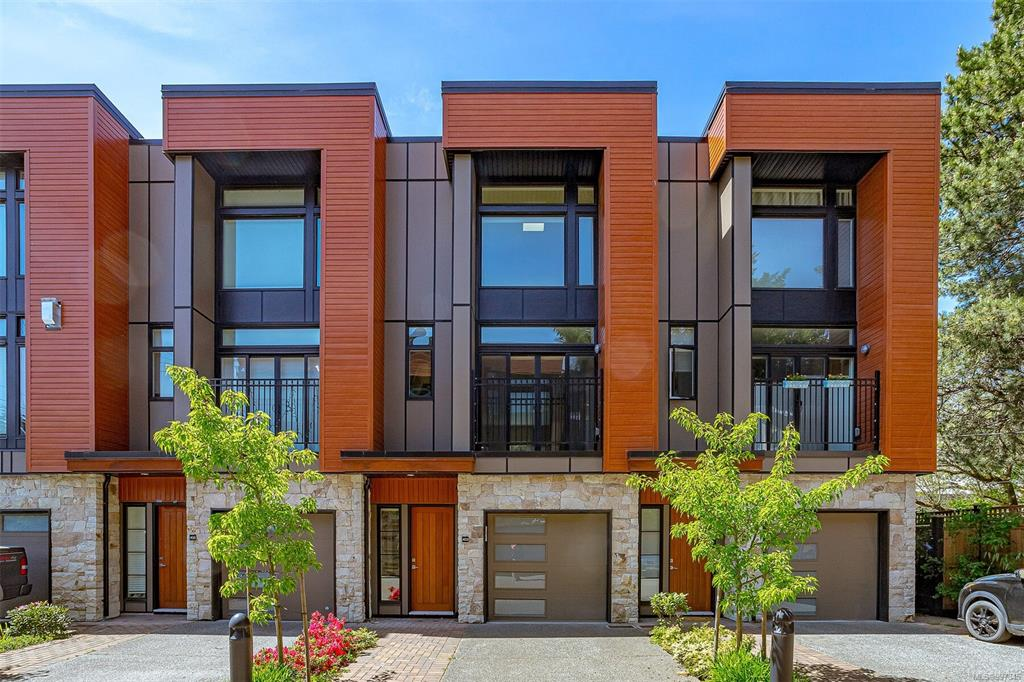
Greater Victoria continues to evolve as population growth, housing demand, and infrastructure investment shape how the region develops. Understanding where future growth is planned can help buyers, homeowners, and investors make informed long term decisions. Westshore Communities The Westshore remains one of the primary growth areas in Greater Victoria. Langford and Colwood continue to see new residential communities, mixed use developments, and commercial expansion. Planned infrastructure improvements, additional schools, and expanding amenities support continued population growth while improving livability. These areas attract buyers seeking newer housing options, relative affordability, and access to both urban convenience and outdoor recreation. Urban Core and Transit Oriented Growth In the City of Victoria and surrounding core municipalities, growth is increasingly focused on higher density development near major transit routes and employment centres. Condos, purpose built rentals, and mixed use projects are planned to support housing demand while limiting urban sprawl. Transit oriented growth helps improve walkability, reduce commute times, and create complete communities where residents can access daily needs without relying heavily on vehicles. Saanich and Established Neighbourhood Intensification Saanich plays a key role in Greater Victoria’s future growth through targeted intensification rather than large scale expansion. Development is often focused along major corridors, village centres, and underutilized commercial areas. This approach allows established neighbourhoods to evolve gradually while preserving community character and improving access to housing close to schools, services, and parks. Infrastructure and Employment Hubs Future growth is closely tied to infrastructure investment and employment centres. Improvements to transportation networks, health care facilities, post secondary institutions, and commercial districts influence where housing demand will remain strong. Areas that combine residential growth with nearby employment opportunities tend to offer stronger long term stability and reduced commuting pressure. Long Term Planning and Livability Across Greater Victoria, growth is guided by official community plans that emphasize sustainability, housing diversity, and livability. Green space preservation, improved transportation options, and community amenities are key priorities as municipalities plan for the future. Understanding these long term plans helps buyers choose areas that align with both lifestyle goals and future value. Brett Hayward, 5-Star Review, via Google “I can’t suggest how to make Fabers better at being good realtors. They’re already congenial, trustworthy, informed, experienced, and thorough. Cal listened and advised, and somewhere in the middle he said what the condo would sell for and he was right on. Thanks!” Faber Real Estate Group Royal LePage Coast Capital Realty 📞 250-244-3430 📧[email protected] ℹ️ Scott Faber Personal Real Estate Corporation ℹ️ Cal Faber Personal Real Estate Corporation Vanessa Wood & Zachary Parsons “Building Lasting Relationships, One Home at a Time.”
Read more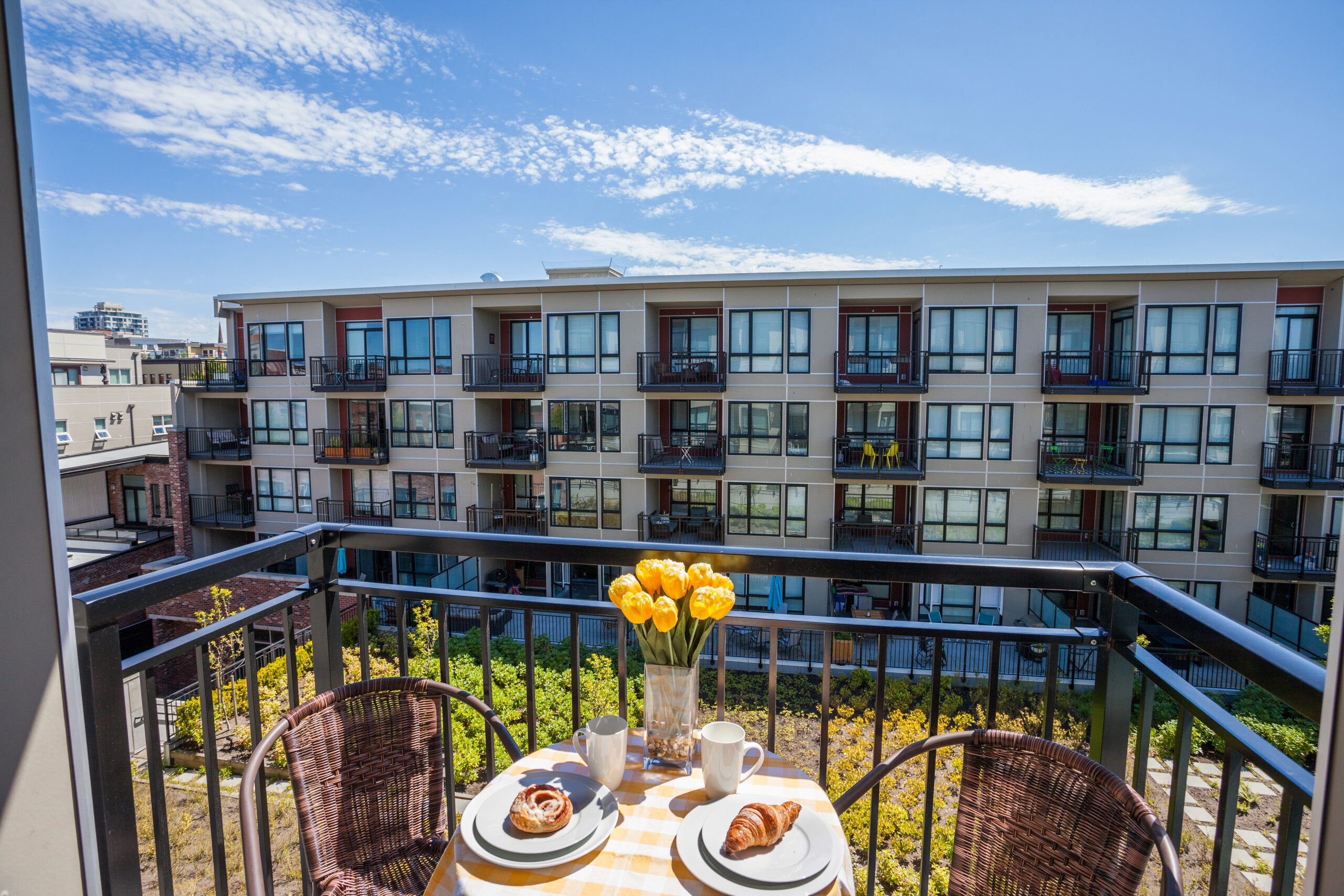
The 2026 Greater Victoria real estate market entered the year in a noticeably more balanced position. Inventory is higher year-over-year, sales remain seasonally soft, and prices are largely stable, with variation by neighbourhood and property type. Buyers have real choice again. Sellers who price realistically are still seeing solid outcomes. January 2026 Snapshot (VREB) Sales: 339 properties sold region-wide 19.7% fewer than January 2025 7.6% fewer than December 2025, consistent with winter trends Active Listings: 2,624 at month-end Up 3.1% from December Up 9.6% year-over-year Market Balance: Sitting on the line between balanced and buyer-friendly, depending on the neighbourhood Benchmark Prices at a Glance Victoria Core Single-family: $1,265,500 Down 2.5% year-over-year Slight uptick from December, signalling price stability Condos: $537,800 Down 1.5% year-over-year The most stable segment in the market Westshore Single-family benchmarks are not broken out monthly Langford, Colwood, and View Royal posted modest gains through 2025 Relative affordability and newer housing stock continue to support demand Saanich (East & West) Generally stable pricing Family-oriented neighbourhoods like Gordon Head, Broadmead, and Royal Oak are holding value well Data source: VREB MLS® Home Price Index, February 2026 release What This Means So Far The broader trend from 2025 into early 2026 is clear. Core Victoria single-family homes softened modestly over the past year. The Westshore posted small gains, supported by family demand and newer inventory. Saanich continues to act as the steady middle ground. What Buyers Can Expect in 2026 More selection, especially early in the yearInventory levels are the highest seen in several years. Expect more choice and slightly longer days on market across most areas. Stable pricing with room to negotiateCore Victoria single-family benchmarks are holding in the $1.25M to $1.3M range. The Westshore continues to offer the best value for buyers seeking detached homes. Condos remain buyer-friendlyCondos are still the most accessible entry point for first-time buyers and downsizers, with stable pricing and ample selection. Westshore continues to lead for growth and valueLangford, Colwood, View Royal, Westhills, and Royal Bay offer newer builds, family amenities, and long-term upside. Saanich delivers lifestyle and schoolsNeighbourhoods like Gordon Head, Cadboro Bay, Broadmead, and Royal Oak continue to command premiums. Inventory is tighter, so well-prepared homes still sell quickly when priced correctly. Rates and external factors matter, but less dramaticallyMortgage rate stability or modest Bank of Canada cuts would support confidence. The market has returned to normal seasonal patterns rather than urgency-driven behaviour. Bottom Line for 2026 The 2026 Greater Victoria real estate market is healthy and sustainable. Buyers have more choice than at any point since 2021, prices are not falling sharply, and demand remains steady in well-located neighbourhoods. If you are planning to buy this year, the first half of 2026 offers one of the strongest windows we have seen in recent years, particularly in the Westshore and select areas of Saanich. If you would like to discuss your options or explore opportunities in your target neighbourhood, feel free to reach out anytime. Noel A., 5-Star Review, via Google “My partner and I had a great experience with Scott and the Fabers with our first home purchase. Scott answered all questions we had and helped guide us to make the right purchase that fit our lifestyle. Would highly recommend the Fabers!” Faber Real Estate Group Royal LePage Coast Capital Realty 📞 250-244-3430 📧[email protected] ℹ️ Scott Faber Personal Real Estate Corporation ℹ️ Cal Faber Personal Real Estate Corporation Vanessa Wood, Zachary Parsons, and Sophie Taylor “Building Lasting Relationships, One Home at a Time.”
Read more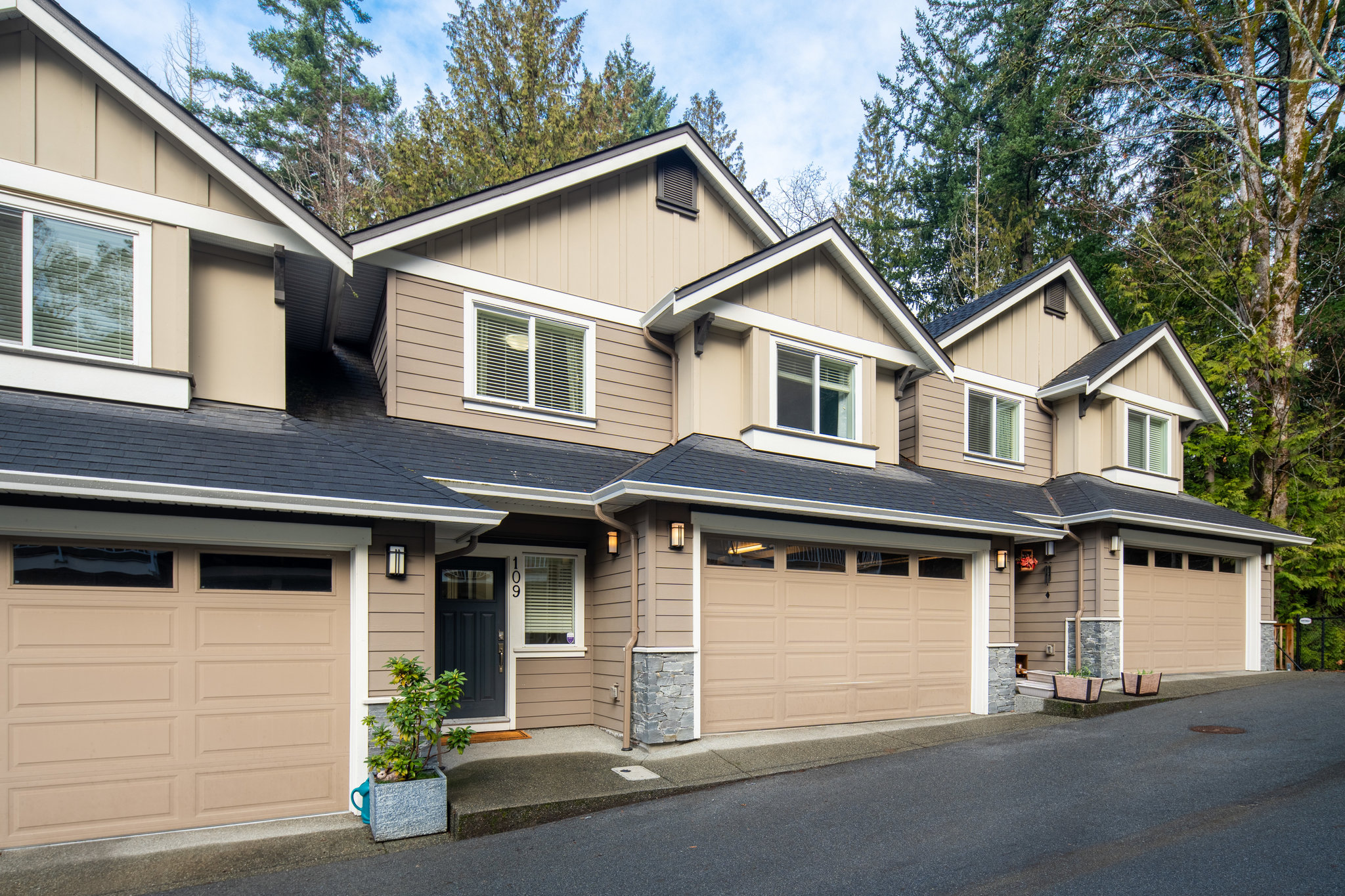
For buyers considering Langford, Colwood, or View Royal, one question comes up again and again: is the Westshore commute worth it? The Westshore continues to attract buyers with more attainable pricing, larger homes, and access to nature. In a balanced 2026 market with higher inventory and stable prices, many buyers are weighing commute time against lifestyle benefits. The answer depends largely on how you work, travel, and spend your time. Traffic Reality in 2026 For those commuting by car, traffic remains the biggest drawback. Highway 1 is the main route into downtown Victoria, and congestion during peak hours can significantly extend drive times. What should be a short commute can stretch to 45 minutes or more on busy mornings. Growth in the Westshore has outpaced infrastructure, creating bottlenecks that are still being addressed. While improvements such as bridge upgrades and dedicated bus lanes have helped, traffic remains inconsistent. Buyers who drive daily need to factor this into their routine, especially if they work standard office hours. That said, proximity matters. Homes closer to Highway 1 or transit corridors in Colwood and View Royal can offer slightly more predictable travel times. Public Transit as an Alternative For buyers looking to avoid driving, public transit continues to improve. BC Transit’s Blink RapidBus provides frequent service between the Westshore and downtown, using dedicated lanes to reduce delays. During peak hours, buses arrive often enough to support daily commuting. Transit works especially well for students, downtown workers, and households with flexible schedules. However, some routes can still feel crowded, and transit times may not suit everyone. While transit is a viable option, it works best when paired with realistic expectations. Remote and Hybrid Work Changes the Equation Work-from-home and hybrid schedules have reshaped the Westshore commute conversation. In 2026, many buyers no longer travel five days a week. Even commuting two or three days instead of five significantly reduces the impact of traffic. This shift has made the Westshore more appealing for professionals in tech, government, and remote-friendly roles. For buyers with flexible work arrangements, the commute often becomes a manageable trade-off rather than a daily frustration. Space, Value, and Lifestyle Benefits What the Westshore lacks in proximity to downtown, it makes up for in space and value. Buyers typically get larger homes, newer construction, and better value per square foot compared to Victoria’s core neighbourhoods. Communities like Westhills and Bear Mountain offer planned developments with parks, trails, and amenities built in. Access to nature is a major draw, with nearby options like the Galloping Goose Trail, Goldstream Park, and Florence Lake supporting an active lifestyle year-round. For families and outdoor-focused buyers, these lifestyle benefits often outweigh longer travel times. Pros and Cons at a Glance Pros More affordable homes with larger layouts Strong access to parks, trails, and outdoor recreation Improved transit options and remote work flexibility High inventory and buyer leverage in 2026 Cons Traffic congestion during peak hours Longer drives to downtown amenities Ongoing infrastructure pressure as the area grows Bottom Line So, is the Westshore commute worth it? For buyers prioritizing space, affordability, and lifestyle, the answer is often yes, especially with hybrid or remote work. For those who value short commutes and walkable urban living, the trade-offs may feel more significant. In a 2026 market that favours buyers, the Westshore offers real value if the commute fits your routine. If you are considering Langford or Colwood, understanding how these factors align with your lifestyle is key to making the right move. Ready to explore options in Langford or Colwood? Contact us to discuss how these factors play into your home search. Don S., 5-Star Review, via Google “I would recommend them to anyone buying real estate on the Vancouver Island. The team is very knowledgeable, courteous and professional, adding a personal touch to building a strong relationship.” Faber Real Estate Group Royal LePage Coast Capital Realty 📞 250-244-3430 📧[email protected] ℹ️ Scott Faber Personal Real Estate Corporation ℹ️ Cal Faber Personal Real Estate Corporation Vanessa Wood, Zachary Parsons, and Sophie Taylor “Building Lasting Relationships, One Home at a Time.”
Read more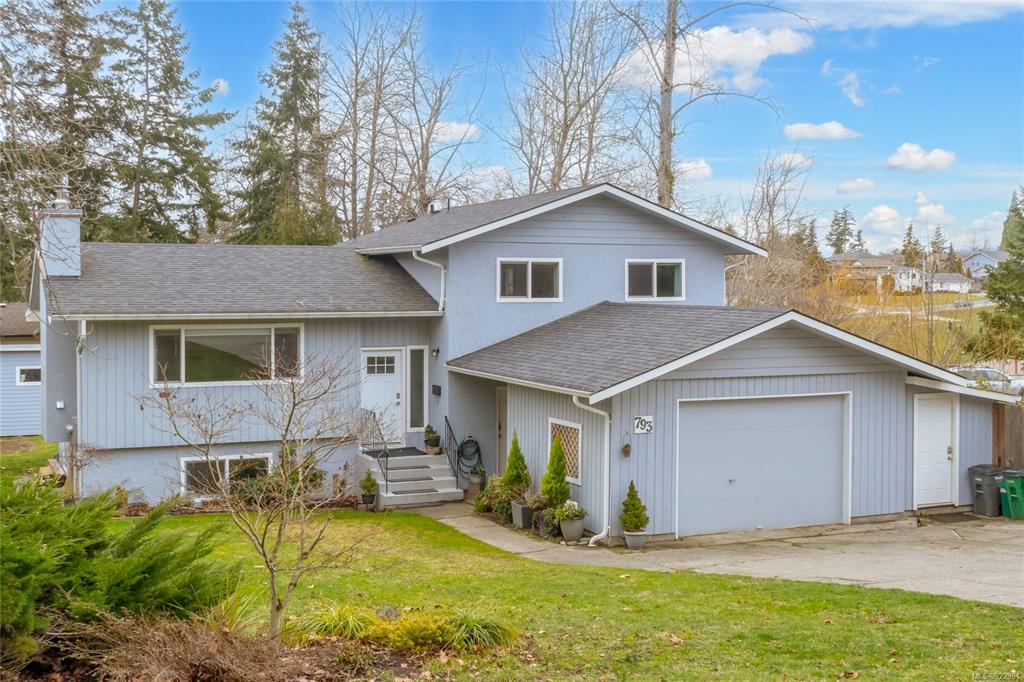
Home equity is the difference between your home’s market value and what you still owe on your mortgage. Understanding home equity is essential for buyers and homeowners because it plays a major role in long-term financial planning and wealth building. Simply put, the more of your home you own outright, the more equity you have. How Home Equity Builds Over Time Home equity typically grows in two ways: Paying down your mortgage with each monthly payment Property value increases over time due to market conditions or improvements For example, if your home is worth $800,000 and your mortgage balance is $500,000, you have $300,000 in home equity. Why Home Equity Matters Home equity provides flexibility and financial leverage. It can be used to: Help fund renovations or upgrades Support future home purchases Assist with major life expenses Increase long-term net worth In markets like Greater Victoria, where home prices have historically trended upward over the long term, equity can become a significant asset. Equity vs. Renting Rent payments build no equity. Once the payment is made, the money is gone. With homeownership, a portion of each mortgage payment contributes to building equity, even during stable or slower markets. This difference is one of the key reasons many buyers choose to purchase when they plan to stay put for several years. How Much Equity Do You Need? There is no universal benchmark, but more equity generally means: Better refinancing options Lower borrowing risk Greater financial security That said, equity takes time to build. It works best as a long-term strategy rather than a short-term gain. Final Thoughts Home equity is not just a number on paper. It represents ownership, stability, and long-term value. Whether you are a first-time buyer or a long-time homeowner, understanding how equity works can help you make more informed real estate decisions in Victoria’s market. If you are curious how much equity you may be able to build, reviewing your options early can make a meaningful difference. Dom L., 5-Star Review, via Google “After months of searching and giving us their honest advice, we finally bought a place while out of town. We only had a virtual tour of the site, but we felt very comfortable making an offer because they understood what we were looking for. I would recommend going to Faber group as they are knowledgeable, professional and resourceful.” Faber Real Estate Group Royal LePage Coast Capital Realty 📞 250-244-3430 📧[email protected] ℹ️ Scott Faber Personal Real Estate Corporation ℹ️ Cal Faber Personal Real Estate Corporation Vanessa Wood, Zachary Parsons, and Sophie Taylor “Building Lasting Relationships, One Home at a Time.”
Read more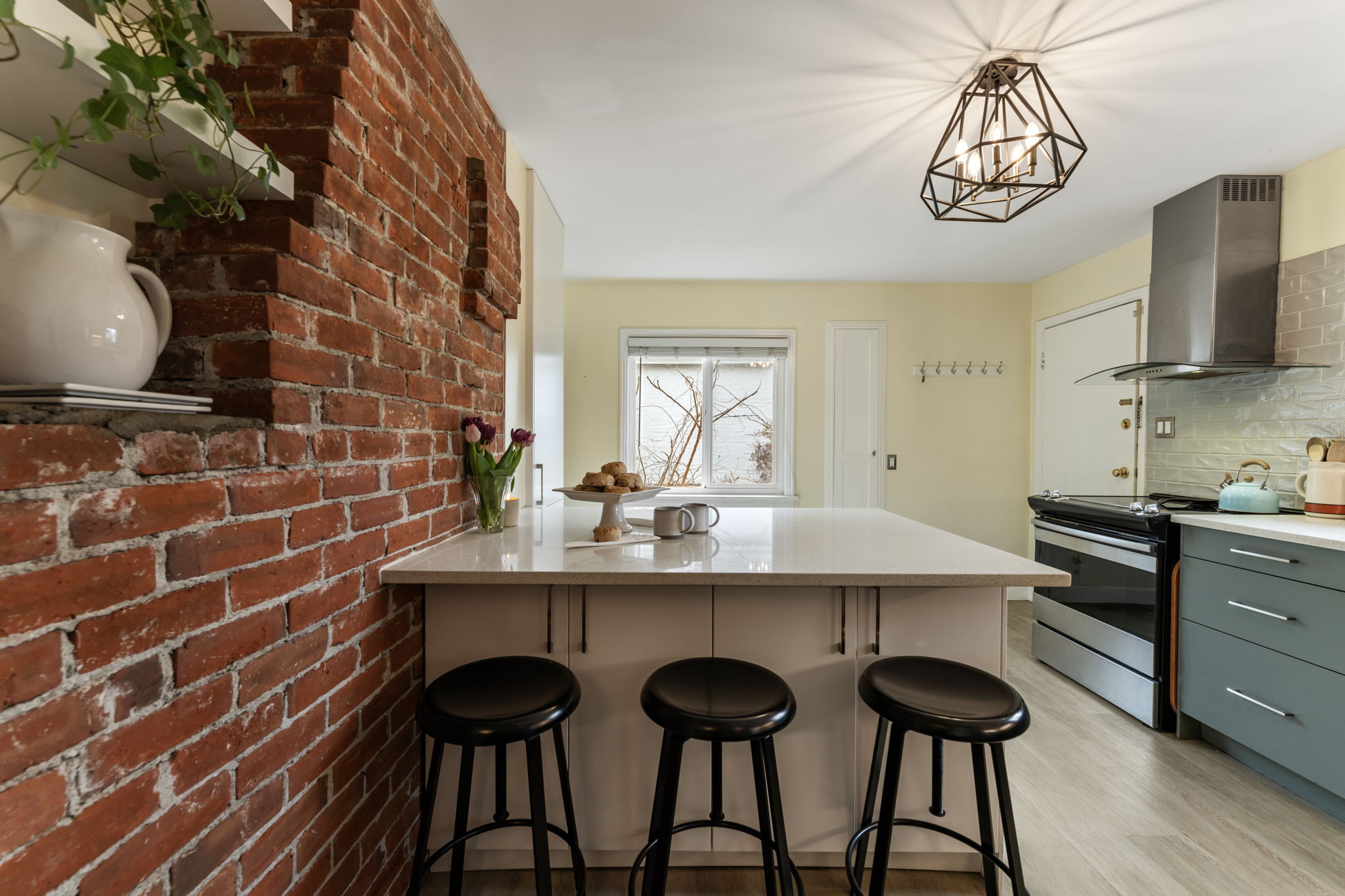
From our experience, the smoothest purchases happen when couples have clear and honest discussions before they ever step into a showing. Understanding each other’s priorities, timelines, and comfort levels with risk helps avoid difficult moments later in the process. We often see challenges arise when expectations are not aligned early on. Taking time to talk through lifestyle goals and future plans creates clarity and confidence when it is time to make decisions. Know How Lenders See You Many couples are surprised by how financing works when buying together. Lenders look at combined income, credit history, existing debts, and employment stability. One stronger credit profile can help, but one weaker profile can also affect borrowing power. From a realtor’s standpoint, buyers who secure a solid pre approval before shopping are always in a stronger position, both financially and strategically. Compromise Is Part of the Process Every couple enters the market with different priorities. One person may value location while the other wants space or specific features. We see the most success when couples clearly define their must haves versus nice to haves. Understanding where you can be flexible helps move quickly when the right property comes along, especially in competitive neighbourhoods. Think About Resale From Day One Even if a home feels like a long term purchase, resale value always matters. As realtors, we look at homes through the lens of future buyers as well as current lifestyle. Location, layout, condition, and neighbourhood appeal all influence how easily a home will sell down the road. Choosing a property with broad market appeal protects your investment and keeps options open. Understand Ownership and Protection How a property is registered is often overlooked. Joint tenancy and tenancy in common affect what happens if circumstances change. We regularly recommend couples speak with a legal professional to ensure ownership aligns with their situation and contributions. Clarity here provides peace of mind and avoids complications later. Lean on Professional Guidance Buying property together is exciting, but it can also feel overwhelming. From a realtor’s perspective, the couples who enjoy the process most are those who ask questions, seek advice, and stay informed at every stage. When couples approach the purchase as a team and work closely with experienced professionals, they are more likely to find a home that supports both their relationship and their long term goals. Lindsay R., 5-Star Review, via Google “Scott has been an awesome help finding my condo. He always knew my needs and gave me the right advise every step of the way. Would 10/10 recommend !” Faber Real Estate Group Royal LePage Coast Capital Realty 📞 250-244-3430 📧[email protected] ℹ️ Scott Faber Personal Real Estate Corporation ℹ️ Cal Faber Personal Real Estate Corporation Vanessa Wood, Zachary Parsons, and Sophie Taylor “Building Lasting Relationships, One Home at a Time.”
Read more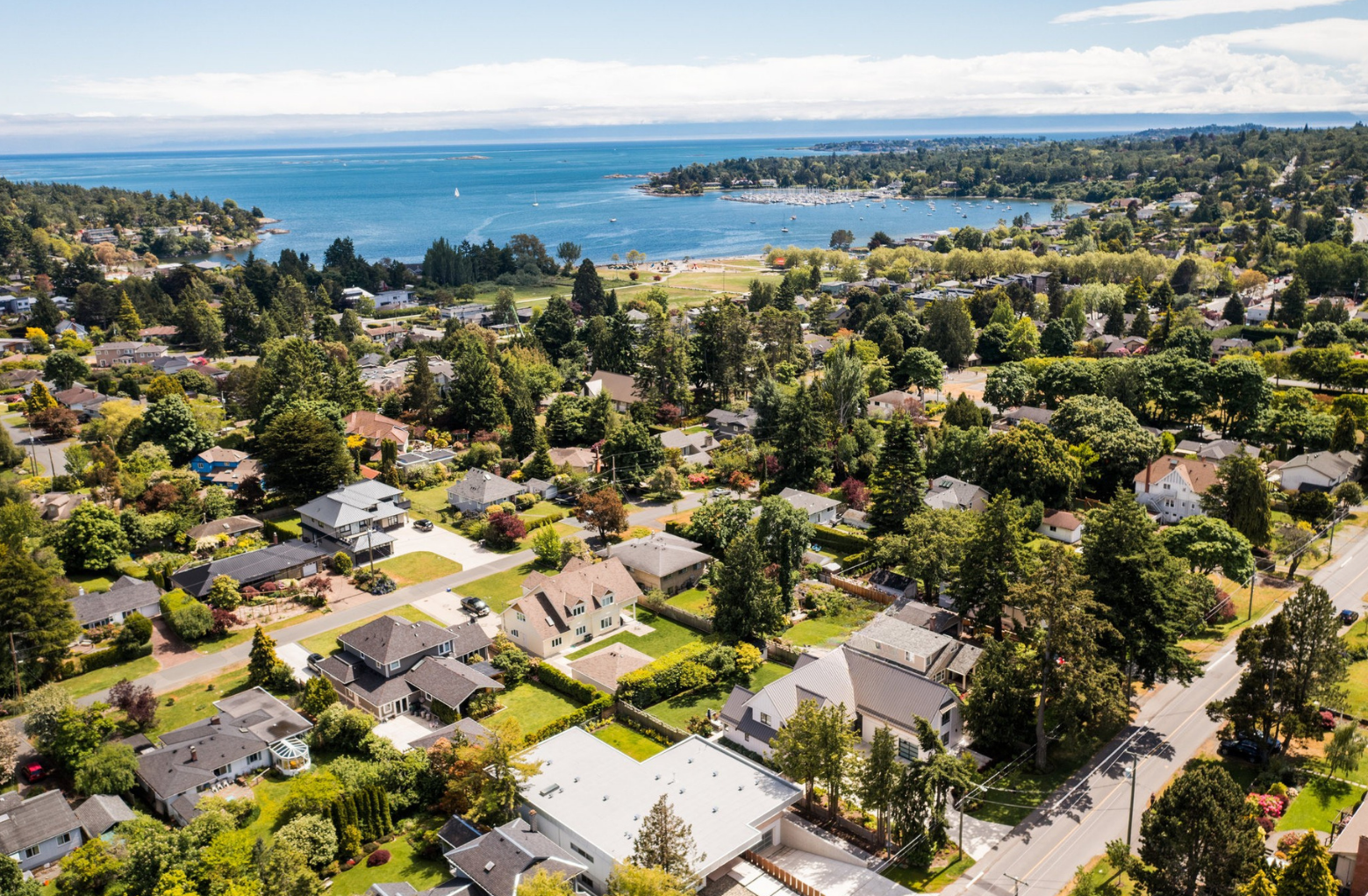
Housing demand around the University of Victoria continues to grow, and new projects are reshaping how students, renters, and homeowners live near campus. Several existing and planned developments near UVic aim to increase housing supply, improve walkability, and support long-term community growth. On-Campus Housing Expansion at UVic UVic has prioritized adding more on-campus housing to address student demand. Recent residence projects have focused on higher-density buildings with modern amenities and strong sustainability standards. These residences help reduce pressure on nearby rental markets by keeping more students on campus. Looking ahead, UVic has announced plans for an additional large-scale student housing project that will add hundreds of new beds for upper-year and graduate students. This future development near UVic is designed to maximize land use while supporting transit access and campus services. University District and Long-Term Planning UVic is also planning a broader mixed-use area known as the University District. This long-term vision includes housing, commercial space, and community amenities on university-owned land near Gordon Head Road. While still in planning stages, this project signals a shift toward a more integrated campus-adjacent neighbourhood. Once complete, the University District could play a major role in expanding housing options near UVic while supporting local businesses and services. Off-Campus Developments Near UVic Several nearby developments are already changing the surrounding neighbourhoods: New rental and condo projects along Shelbourne Street and McKenzie Avenue are increasing density near key transit routes. Purpose-built rental buildings near UVic are providing alternatives to older secondary suites and student rentals. Affordable housing projects led by non-profit and public housing providers are helping diversify the local housing mix. These developments near UVic appeal not only to students but also to professionals, downsizers, and investors seeking proximity to the university and amenities. What This Means for Buyers and Renters As developments near UVic continue, buyers and renters can expect more housing choice over time. Condos and purpose-built rentals may improve affordability compared to older, high-demand rental stock. At the same time, increased density may bring changes to traffic, parking, and neighbourhood character. Checking zoning, development applications, and school catchments early remains important when considering property near the university. Final Thoughts Existing and upcoming developments near UVic reflect a broader push to address housing demand while supporting a growing academic community. For students, homeowners, and investors, these projects signal continued growth and long-term change in one of Victoria’s most sought-after areas. Leanne D, 5-Star Review, via Google “I would highly recommend the Faber Group this is the second time we have used them and have been over the top happy with their service. They are an honest group of men who all go above and beyond to make your experience perfect!” Faber Real Estate Group Royal LePage Coast Capital Realty 📞 250-244-3430 📧[email protected] ℹ️ Scott Faber Personal Real Estate Corporation ℹ️ Cal Faber Personal Real Estate Corporation Vanessa Wood, Zachary Parsons, and Sophie Taylor “Building Lasting Relationships, One Home at a Time.”
Read more
When buying a home in Greater Victoria, many buyers must decide between a new build and a resale home. Each option offers unique benefits, depending on your budget, lifestyle, and timeline. Price and Ongoing Costs New build homes often come with a higher purchase price, particularly in growing areas like Langford and Colwood. While they include modern finishes and energy efficiency, buyers should budget for extras such as landscaping and window coverings. Resale homes may have a lower upfront cost, especially in established neighbourhoods. However, older homes may require updates or repairs, making a home inspection essential. Location and Neighbourhood New builds are typically located in developing communities, often farther from downtown Victoria. These areas offer newer infrastructure and planned layouts but may take time to fully mature. Resale homes are common in established neighbourhoods like Fairfield, Oak Bay, and Gordon Head, where amenities, schools, and transit are already in place. Customization and Condition New builds allow for modern layouts and, in some cases, finish selections. They also meet current building codes and include new systems, which can reduce early maintenance. Resale homes offer character and established lots. While updates may be needed, renovations can be done gradually and tailored to your preferences. Timelines and Warranties New builds often require flexible timelines due to construction schedules but come with the protection of BC’s 2-5-10 home warranty. Resale homes typically offer quicker possession and more predictable closing dates, though they do not include warranties. Which Option Is Right for You A new build may suit buyers looking for modern features and low initial maintenance, while a resale home may appeal to those prioritizing location and neighbourhood character. In Greater Victoria’s competitive market, the right choice depends on your long-term goals and lifestyle needs. Helen M, 5-Star Review, via Google “Cal and Scott are the best. They made it happen and made the entire process of securing my condo smooth and stress free. They were always supportive, responsive, and clearly committed to getting the right result. I am very grateful for their hard work and would highly recommend them to anyone looking for reliable, dedicated realtors.” Faber Real Estate Group Royal LePage Coast Capital Realty 📞 250-244-3430 📧[email protected] ℹ️ Scott Faber Personal Real Estate Corporation ℹ️ Cal Faber Personal Real Estate Corporation Vanessa Wood, Zachary Parsons, and Sophie Taylor “Building Lasting Relationships, One Home at a Time.”
Read more
Spring is one of the busiest and most competitive times of year in the real estate market. Buyers are active, inventory increases, and well-prepared homes tend to stand out. If you are thinking about selling this spring, taking the right steps early can make a meaningful difference in both timing and final sale results. Here are the key steps to take if you want to sell your home this spring. Start Planning Early Preparation is critical for a successful spring sale. Begin planning several months in advance to allow time for repairs, cleaning, and professional guidance. Early planning helps avoid rushed decisions and ensures your home is ready when buyer activity peaks. Get a Professional Market Evaluation Understanding your home’s current market value is essential. A professional evaluation provides insight into pricing, recent comparable sales, and local demand. Pricing accurately from the start can attract more interest and reduce the risk of extended time on market. Declutter and Depersonalize Buyers want to envision themselves living in the space. Decluttering creates a sense of openness, while depersonalizing helps buyers focus on the home rather than the current owner. This includes clearing countertops, reducing furniture, and organizing storage areas. Complete Minor Repairs and Updates Small issues can leave a lasting impression on buyers. Addressing minor repairs such as leaky faucets, chipped paint, loose fixtures, and worn caulking can improve overall presentation. Simple updates often deliver a strong return by making the home feel well cared for. Focus on Curb Appeal First impressions start before buyers walk through the door. Refresh landscaping, clean walkways, and ensure the exterior looks tidy and inviting. Spring buyers are especially attentive to outdoor spaces, so highlighting these areas is important. Prepare for Professional Photography and Marketing High-quality photography and marketing are essential in today’s market. A clean, well-lit, and staged home photographs better and attracts more online interest. Strategic marketing ensures your home reaches the right buyers at the right time. Plan Your Timing Strategically The timing of your listing can impact exposure and competition. Understanding local market trends and seasonal patterns can help determine the best moment to list. Strategic timing can lead to stronger interest and smoother negotiations. Be Ready for Showings Once your home is listed, flexibility is key. Keeping the home show-ready and accommodating viewing requests increases the chances of attracting serious buyers. A well-prepared home that is easy to show often sells more efficiently. Work With a Trusted Real Estate Professional Navigating a spring sale requires local market knowledge, strong negotiation skills, and effective marketing. Working with an experienced real estate professional helps ensure every step is handled strategically, from preparation to closing. Selling your home in the spring can be a rewarding experience when approached with the right plan. Preparation, presentation, and professional guidance all play a role in achieving the best possible outcome. Don Wong. 5-Star Review, via Google “I would recommend them to anyone buying real estate on the Vancouver Island. The team is very knowledgeable, courteous and professional, adding a personal touch to building a strong relationship. ” Faber Real Estate Group Royal LePage Coast Capital Realty 📞 250-244-3430 📧[email protected] ℹ️ Scott Faber Personal Real Estate Corporation ℹ️ Cal Faber Personal Real Estate Corporation Vanessa Wood, Zachary Parsons, and Sophie Taylor “Building Lasting Relationships, One Home at a Time.”
Read more- 1
- 2