
Posts Tagged ‘Victoria BC housing market’

What Should Buyers and Sellers Expect From Victoria’s Fall 2026 Real Estate Market? The Greater Victoria real estate market entered fall 2026 with a noticeable shift in favour of buyers. Inventory is elevated, sales slowed sharply in September, and buyers generally have more time and more properties to choose from than they did earlier in the year. Sellers can still achieve strong results, but pricing, presentation, and understanding the conditions within your specific neighbourhood have become increasingly important. The biggest takeaway is simple: this is not one Greater Victoria market. A well-priced detached home in Saanich can behave very differently from a downtown Victoria condo, a Langford townhome, or a property in Sooke. If you are comparing different areas, our Greater Victoria Neighbourhood Guide breaks down communities throughout Victoria, Saanich, the Westshore, Sooke and surrounding areas. Understanding those local differences matters more than any single market headline. Is Victoria BC Currently a Buyer’s Market? The September numbers moved Greater Victoria into buyer’s market territory, according to the Victoria Real Estate Board. A total of 463 properties sold in September 2026, down 16.4% from September 2025 and 21.7% from August. At the same time, the number of active listings climbed to 3,811, up 4.1% from August and 3.2% from the same time last year. VREB noted that inventory outpaced sales by a degree the region has not experienced in years. Excluding the unusual conditions at the beginning of the pandemic, September marked the first time Victoria had entered buyer’s market territory since January 2015. VREB also cautioned that one month does not necessarily establish a longer-term trend. That does not mean every buyer suddenly has unlimited negotiating power. It means the balance between supply and demand has changed. Buyers are generally facing less competition, while sellers are competing more directly with other available properties. Victoria Real Estate Market September 2026 at a Glance September recorded: 463 total residential sales 239 single-family home sales 137 condominium sales 3,811 active listings Single-family home sales declined 17.3% compared with September 2025, while condo sales declined 11%. That combination matters. Higher inventory gives buyers more alternatives. Lower sales activity means those listings are being absorbed more slowly. Together, those conditions tend to create more negotiating room for buyers and make accurate pricing increasingly important for sellers. For additional context on how changing market conditions affect a move, see our guide on how to buy or sell with confidence in Greater Victoria. Are Victoria Home Prices Falling? Some prices have softened, but the numbers do not point to the same trend across every property type. The MLS® Home Price Index benchmark for a single-family home in the Victoria Core was $1,280,100 in September 2026, down 2% from $1,306,500 in September 2025. It was also down from $1,301,800 in August. For condominiums, the Victoria Core benchmark was $547,800, up 1% from September 2025 but down from $553,600 in August. This is an important distinction. A buyer’s market does not automatically mean prices fall dramatically. Market conditions often change before prices do. Properties may first take longer to sell, experience fewer competing offers, require price adjustments, or sell with more buyer-friendly terms. VREB also cautions against using one month of market data to determine the value of an individual property. The condition, location, price range, property type and immediate competition can all change the picture. What We Expect From the Victoria Real Estate Market This Fall Based on current conditions, we expect October and November to remain favourable for prepared buyers, particularly if inventory stays elevated and sales activity remains subdued. However, there is an important seasonal factor working in the opposite direction. Greater Victoria typically sees inventory decline as the market moves closer to winter. VREB specifically noted that qualified buyers shopping now may have a wider selection than they will later in the year. That creates an interesting window. Buyers currently have relatively strong selection and negotiating conditions. If inventory begins falling through November and December, there may be fewer homes available even if overall demand remains relatively soft. For sellers, we do not expect the remainder of fall to reward aggressive pricing. Instead, homes that are well positioned against their direct competition are likely to have the clearest advantage. What Does the Fall Market Mean for Victoria Home Buyers? For buyers, this may be one of the more interesting periods we have seen in Greater Victoria in several years. More inventory gives buyers the ability to compare properties instead of feeling pressured to make a decision simply because there are few alternatives. It may also create greater flexibility around negotiations. Depending on the property, buyers may have more opportunity to negotiate: Purchase price Completion and possession dates Included items Financing conditions Inspection conditions Other terms that may have been more difficult to secure in a highly competitive market But a slower market is not a reason to stop paying attention to good properties. Well-priced, well-maintained homes can still attract strong interest. The goal should not simply be to find the seller willing to accept the biggest discount. A better question is: Which property offers the strongest combination of price, condition, location, future resale potential and terms? That is where increased choice can become a real advantage. If you are preparing to purchase, learn more about buying a home with Faber Real Estate Group. Should Buyers Wait for Victoria Home Prices to Drop Further? There is no reliable way to know whether a specific home will cost less several months from now. Waiting can make sense when your finances, employment, down payment, or personal timeline are not ready. Waiting simply because the overall market has become more buyer-friendly is a different decision. If prices soften further but the home you want is no longer available, inventory falls, or borrowing costs change, the result may not necessarily be better. For qualified buyers, fall 2026 is less about trying to perfectly time the bottom of the market and more about using the current conditions to make a disciplined purchase. What Does the Fall Market Mean for Victoria Home Sellers? For sellers, the strategy has changed. When inventory is limited, buyers have fewer alternatives. When nearly 3,800 properties are available across the VREB region, your home has to compete more directly for attention. That makes the first few weeks of a listing especially important. Buyers can quickly compare your property against competing homes based on: Price Condition Location Layout Renovations Outdoor space Parking Strata costs Age Overall presentation Overpricing a property simply to “leave room to negotiate” can have the opposite effect. It may cause buyers to focus on better-positioned alternatives. The strongest fall selling strategy starts with understanding the current competition, not simply looking at what a similar property sold for six months ago. We explored this strategy further in our guide to selling your home faster when buyers have more choice. If you are considering selling, you can also learn more about selling your home with Faber Real Estate Group. Should You Sell Your Victoria Home This Fall or Wait Until Spring? There is no universal answer. Spring normally brings more buyers into the market, but it can also bring significantly more competing listings. Fall often has fewer total buyers, but those who remain active may have stronger motivation and clearer timelines. Your decision should depend on: Why you are selling Your desired timeline What type of property you own Where the property is located Your property's current competition Whether you are also buying another home For someone selling and buying in the same market, softer conditions can actually create an interesting trade-off. You may need to be more realistic when selling your current home, but you could gain negotiating power when purchasing the next one. Looking at both sides of the move together often gives a much clearer picture than focusing only on the sale price of your existing home. What Role Will Interest Rates Play This Fall? Interest rates remain one of the biggest variables affecting buyer confidence and purchasing power. As of October 8, 2026, the Bank of Canada’s target for the overnight rate is 2.25%, where it has remained since late 2025. A stable Bank of Canada rate does not necessarily mean mortgage rates will remain unchanged. Fixed mortgage rates are influenced by bond markets and broader economic expectations, while variable-rate products are more directly connected to movements in the Bank of Canada policy rate. For buyers, that makes mortgage planning just as important as negotiating the purchase price. A lower purchase price is valuable, but the overall affordability of a home also depends on your financing, down payment, monthly carrying costs, property taxes, strata fees where applicable, and long-term plans. Is the Victoria Real Estate Market Expected to Recover? The broader provincial outlook points toward gradual improvement rather than a sudden rebound. BCREA’s third-quarter forecast projects BC residential sales to decline 1.2% in 2026 before increasing 7.5% in 2027. BCREA has described the expected recovery as slow and gradual, while noting that active listings remain near their highest levels since 2015. That does not mean Victoria will follow the provincial forecast exactly. Greater Victoria has its own supply, affordability, employment, demographic, and neighbourhood dynamics. It does suggest that buyers and sellers should be cautious about assuming the market will suddenly return to the competitive conditions experienced during the pandemic years. Why Victoria’s Micro-Markets Matter More Than the Headline One of the biggest mistakes buyers and sellers can make is treating Greater Victoria as a single market. Consider the differences between: Victoria Oak Bay Saanich View Royal Langford Colwood Sidney Sooke Then consider the differences between a detached home, condo, townhome, new construction property, waterfront home, or entry-level property. Each can have a different level of inventory, buyer demand, price sensitivity, and negotiating power. Even within the same municipality, two neighbourhoods can behave differently. Our Greater Victoria Neighbourhood Guide can help you compare communities, while our guide to up-and-coming neighbourhoods in Greater Victoria looks more closely at areas attracting buyer attention. That is why the question should not simply be: “Is Victoria a buyer’s market?” A better question is: “What are the market conditions for the type of property I am buying or selling, in the neighbourhood and price range I am considering?” That answer is considerably more useful. Our Fall 2026 Victoria Real Estate Market Forecast For the remainder of fall, we expect Greater Victoria to remain a market where buyers generally have more choice and negotiating power, while sellers need to compete more carefully on price, condition and presentation. Inventory will be the number to watch. If listings begin their normal seasonal decline while sales stabilize, the gap between supply and demand could narrow heading into winter. If sales remain subdued while inventory stays unusually high, buyer-friendly conditions could continue. Either way, September should not be viewed as proof that every home in Greater Victoria is suddenly worth less. It is evidence that the market has changed, and strategies need to change with it. For buyers, that means using increased choice to make better decisions rather than rushing. For sellers, it means understanding your competition, pricing from current evidence, and making sure your home gives buyers a clear reason to choose it. Frequently Asked Questions About the Victoria BC Real Estate Market Is Victoria BC a buyer’s market in fall 2026? Yes. Based on September 2026 data, the Victoria Real Estate Board reported that Greater Victoria had moved into buyer’s market territory. However, VREB also cautioned that one month does not establish a longer-term trend, and conditions can vary significantly by neighbourhood, property type and price range. Are Victoria BC home prices going down? Some segments have softened. The September 2026 benchmark price for a single-family home in the Victoria Core was down 2% year over year, while the condominium benchmark remained 1% higher than September 2025. Both benchmarks declined compared with August 2026. Is fall 2026 a good time to buy a home in Victoria? For qualified buyers, current conditions provide more inventory and generally less competition than Victoria has experienced in tighter markets. Whether it is the right time personally depends on your finances, timeline, property requirements and long-term plans. Start with our Greater Victoria homebuyer resources if you are preparing to purchase. Is fall a good time to sell a home in Victoria? It can be. Motivated buyers remain active during the fall, but sellers are currently facing more competition from other listings. Accurate pricing, strong presentation and understanding your specific market segment are particularly important. Learn more about our approach to selling homes in Greater Victoria. Will Victoria real estate prices fall in 2027? No one can predict future Victoria home prices with certainty. BCREA currently forecasts a gradual improvement in provincial home sales in 2027, but local prices will depend on inventory, buyer demand, mortgage rates, economic conditions and the specific Greater Victoria micro-market. Thinking About Buying or Selling in Greater Victoria? Market headlines are useful for context, but the decision that matters is what is happening in your specific neighbourhood, property type and price range. If you are considering buying or selling in Greater Victoria this fall, our team can provide a current market analysis based on the properties you are actually competing with or considering. Contact Faber Real Estate Group to discuss your next move and build a strategy around today’s market conditions. Megan W.., 5-Star Review, via Google “As first-time home buyers, we couldn't have asked for a better realtor than Zach Parsons and the Faber Real Estate Group! From day one, Zach made us feel completely supported. He answered every question with patience, gave honest advice, and never made us feel pressured. We put our full trust in him, and he absolutely did not disappoint." Faber Real Estate Group Royal LePage Coast Capital Realty 📞 250-244-3430 📧 [email protected] ℹ️ Scott Faber PREC ℹ️ Cal Faber PREC Vanessa Wood, Zachary Parsons, Sophie Taylor Building Lasting Relationships, One Home at a Time.
Read more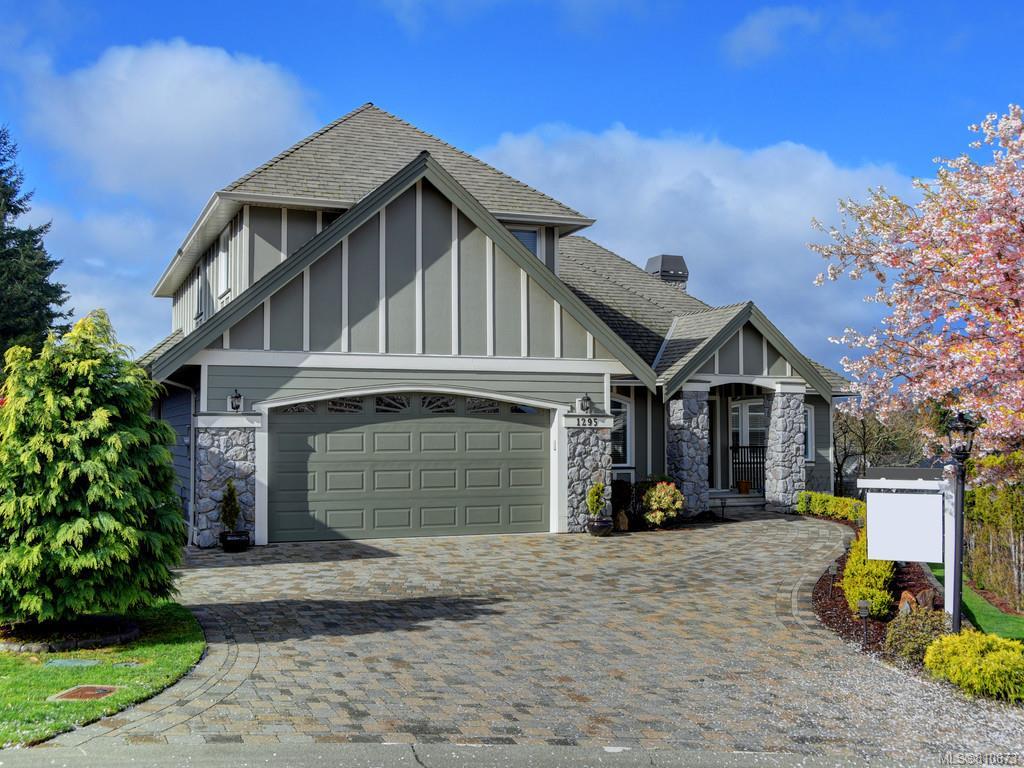
Selling in the Greater Victoria summer market can be a strong opportunity, but it requires the right strategy. The Greater Victoria summer market often brings motivated buyers, better curb appeal, longer days, and more flexibility for showings. However, it can also bring more competition and a slower decision cycle as buyers balance house hunting with travel, family plans, and summer schedules. For sellers, the key is not just listing because the weather is good. The key is understanding how buyers behave during this part of the year and positioning your home accordingly. Summer Buyers Can Be Motivated, But Selective Summer buyers are often serious. Many want to make a move before the fall, especially families hoping to settle before the next school year or buyers relocating for work. Longer days also make it easier for people to view homes after work and attend weekend open houses. However, today’s buyers are also more careful. With more inventory available across Greater Victoria, buyers have more options to compare. They may take longer to make decisions, revisit properties, review recent sales more closely, and pay attention to details that could affect value. This means sellers need to be realistic from the beginning. A strong first impression matters, but so does pricing, preparation, and market positioning. Pricing Needs to Match the Market One of the most important parts of selling in the summer is getting the price right. A home can show beautifully, have strong marketing, and attract plenty of online attention, but if the price feels too high compared with similar listings, buyers may wait. In a market with more choice, buyers are less likely to rush into an offer just because they like the home. Pricing should be based on: Recent comparable sales Current competing listings Property condition Location and neighbourhood demand Buyer activity in your specific price range A strong pricing strategy does not mean underpricing your home. It means entering the market at a number that feels supported, explainable, and competitive. This helps create confidence for buyers and gives your listing a better chance of building momentum early. Presentation Carries More Weight in the Summer Summer can make a home look its best. Gardens are fuller, natural light is stronger, patios feel more inviting, and outdoor spaces become a bigger part of the buyer experience. That also means expectations are higher. Before listing, sellers should focus on the details that help the home feel cared for and easy to imagine living in. Simple improvements can make a meaningful difference, especially when buyers are comparing several homes in the same price range. Focus on: Fresh landscaping and clean outdoor spaces Pressure washing patios, walkways, and siding Clean windows to maximize natural light Light seasonal staging Decluttering garages, sheds, and storage areas Highlighting patios, decks, yards, and garden areas Buyers do not need everything to be perfect, but they do need the home to feel well-maintained. In summer, outdoor spaces are part of the showing, not an afterthought. Showings May Need More Flexibility Summer schedules can be less predictable. Buyers may be away on weekends, working around travel, or trying to fit showings into evenings. Sellers who are flexible with access can have an advantage. This is especially important during the first two weeks on market. That early window is when the listing is fresh, buyer interest is highest, and online attention is strongest. If possible, make showings easy to book and avoid overly limited access. A serious buyer may only have one short window to view the property. If the home is difficult to see, they may move on to another option. The First Impression Starts Online Most buyers will see your home online before they ever step through the door. In the summer market, strong visuals are especially important because buyers are often scrolling through listings quickly and comparing multiple homes at once. Professional photography, clear descriptions, floor plans, video, and thoughtful marketing can help your home stand out. The goal is not just to show the home. The goal is to help buyers understand why it is worth viewing. Your listing should clearly communicate: The lifestyle the home offers Recent updates or improvements Outdoor space and seasonal features Neighbourhood benefits Walkability, schools, parks, transit, and nearby amenities Parking, storage, suites, strata details, or flexible spaces A good listing answers questions before buyers ask them. That can help reduce hesitation and encourage stronger showing activity. Competition Still Matters Even in a season with good buyer activity, your home does not sell in isolation. It competes against other listings nearby, similar properties in the same price range, and homes that may offer better condition, more updates, or stronger value. Before listing, sellers should look closely at what buyers will be comparing their home against. Ask: What else can a buyer purchase at this price? How does our home compare in condition? Are we priced ahead of the market, behind it, or in line with it? Does the listing clearly explain the value? What concerns might buyers notice during a showing? This type of thinking helps sellers make better decisions before going live. It can also prevent unnecessary price reductions later. Summer Timing Can Work Well With the Right Plan Summer can be a good time to sell in Greater Victoria, but timing alone is not the strategy. A successful sale depends on preparation, pricing, exposure, and how well the home meets current buyer expectations. Some homes will benefit from launching early in the season when buyer activity is strong. Others may need a little more preparation before hitting the market. In some cases, waiting a few weeks to improve presentation, complete small repairs, or build the right marketing package can create a stronger result. The best timing depends on the home, the neighbourhood, the price range, and the seller’s goals. Final Thoughts The Greater Victoria summer market can offer real opportunity for sellers, but it rewards preparation. Buyers are active, but they are also comparing carefully. They want homes that feel well-presented, properly priced, and aligned with current market value. For sellers, the best approach is simple: understand the competition, prepare the home properly, price with confidence, and make the listing easy for buyers to engage with. If you are thinking about selling this summer, start with a clear understanding of your home’s position in today’s market. The right strategy can help you attract stronger interest, reduce buyer hesitation, and move forward with more confidence. Gemma Kemp, 5-Star Review, via Google “Super professional and will go out of his way to help! Not only the best realtor but also the sweetest! We felt so taken care of every step of the way! Thank you Scott for all you do and thank you Faber Group - I highly recommend!!!!” Faber Real Estate Group Royal LePage Coast Capital Realty 📞 250-244-3430 📧 [email protected] ℹ️ Scott Faber Personal Real Estate Corporation ℹ️ Cal Faber Personal Real Estate Corporation Vanessa Wood, Zachary Parsons, and Sophie Taylor “Building Lasting Relationships, One Home at a Time.”
Read more
Purpose-built rentals in Langford are becoming a bigger part of the local housing story. As the city continues to grow, larger rental communities are adding more housing options for people who want flexibility, newer buildings, and professionally managed rental homes. A recent example is The District in Langford. The first two buildings, The Gallery and The Exchange, added 256 purpose-built rental homes, with the full project expected to include 597 suites across four residential buildings once complete. The development includes studio, one-bedroom, and two-bedroom homes, with amenities such as fitness areas, co-working spaces, lounges, and rooftop terraces planned for the larger community. That kind of project raises an important local question. How does more rental supply affect buyers, investors, and the overall real estate market in Langford? What Is a Purpose-Built Rental? A purpose-built rental is a building designed and operated as rental housing from the beginning. That makes it different from a rented condo, basement suite, or secondary suite. In a purpose-built rental building, the homes are usually owned by one company or group and managed as long-term rental housing. For renters, this can mean: More predictable professional management Newer building systems and amenities More rental choice in one location Less risk of an individual owner selling the unit For the broader market, it can also shift how people think about renting, buying, and investing. Why Langford Is Seeing More Rental Growth Langford has been one of Greater Victoria’s major growth areas for years. It offers more land availability than many core municipalities, strong access to shopping and services, newer housing stock, and a growing employment and lifestyle base. The City of Langford is also actively working on housing planning, including a housing strategy and updates related to how development contributes to affordable housing and community amenities. This does not mean every new project solves affordability on its own. However, it does show that rental housing is now part of Langford’s long-term growth pattern, not just a short-term response to demand. How More Rental Supply Can Affect Renters For renters, more purpose-built rental supply can create more choice. That matters because choice changes behaviour. When renters have limited options, they often move quickly, compromise more, and accept higher prices because alternatives are scarce. When more supply enters the market, renters may have more room to compare buildings, layouts, locations, parking options, pet policies, amenities, and overall value. Greater Victoria’s rental market has already shown signs of easing. The Province cited CMHC’s 2025 Rental Market Report, noting that Greater Victoria’s vacancy rate rose to 3.3%, its highest level since 1999. That does not mean renting has suddenly become easy or inexpensive. It simply means new supply can help reduce some of the pressure that has built up over many years. How This Could Affect First-Time Buyers More rental supply may also influence first-time buyer behaviour. When renters have better housing options, some may feel less pressure to buy quickly. Instead of purchasing because they are frustrated with the rental market, they may take more time to save, compare neighbourhoods, and wait for the right property. That can be healthy. A rushed buyer often focuses on getting into the market. A prepared buyer focuses on whether the home actually fits their life. In Langford, this could mean some renters choose to stay in newer rental communities longer before buying. Others may use the rental period as a stepping stone while they monitor prices, interest rates, and inventory. For buyers, the key is simple: renting and buying are not always opposite decisions. Sometimes, renting a little longer can support a better purchase later. What It Means for Investors Purpose-built rentals in Langford may also change investor expectations. Small-scale investors who own condos, townhomes, or suites may face more competition from newer rental buildings. A private rental unit still has advantages, especially if it offers more space, parking, outdoor areas, or a desirable location. However, tenants may compare those units against professionally managed buildings with modern amenities. That means investors may need to think more carefully about: Monthly rent expectations Unit condition Parking and storage Pet flexibility Location quality Tenant experience Long-term operating costs A newer rental building can set a higher standard for presentation and convenience. Investors who rely only on low vacancy and rising rents may need to adjust their strategy as the rental market becomes more competitive. What It Means for Buyers Looking at Condos New purpose-built rentals can also affect how buyers view condos. Some buyers may still prefer ownership because they want stability, equity growth, and control over their home. Others may compare the monthly cost of owning a condo against renting in a newer building with amenities. This is especially relevant in a market where buyers have more options. In April 2026, the Victoria Real Estate Board reported 3,710 active listings at month-end, up 8.3% from April 2025 and 13.8% from March 2026. More resale inventory and more rental choice can make buyers more selective. A condo that competes against both other listings and high-quality rentals may need to show clear value through price, layout, strata health, location, or long-term upside. Could More Rentals Help the Ownership Market? In some ways, yes. More rental supply can support a healthier housing system because not every household is ready or able to buy at the same time. A stronger rental market can give people more flexibility during life transitions, job changes, separations, downsizing decisions, or periods of financial planning. For sellers, it may also create a more informed buyer pool. Buyers who are not under extreme rental pressure may take more time to evaluate value. That can make pricing, presentation, and condition even more important. For Langford, this could support a more balanced housing mix over time, with options for renters, first-time buyers, downsizers, investors, and families. The Bigger Langford Story Langford’s growth is no longer just about detached homes and townhomes. It is increasingly about density, rental communities, mixed-use areas, and more urban-style living. The District project, located at the McCallum lands, is one example of that shift. Project information describes four six-storey purpose-built rental buildings with 597 suites and nearly 10,000 square feet of retail and commercial space planned as part of the first phase. That matters because rental projects of this scale do more than add units. They can help create new neighbourhood patterns, support nearby businesses, increase demand for walkable amenities, and change how people use an area day to day. What Buyers Should Watch If you are buying in Langford, rental growth should not scare you. But it should make you more aware. Watch for: New rental projects near the property Future density plans Parking and traffic changes Transit improvements Commercial space and amenities Competition between resale condos and new rentals Long-term neighbourhood identity A growing rental market can be positive, but the impact will depend on the exact location, property type, and buyer goals. The Bottom Line Purpose-built rentals in Langford are part of a larger shift in how the Westshore is growing. More rental supply may give tenants better options, encourage first-time buyers to plan more carefully, and push investors to think more strategically. It may also make resale condos and townhomes compete harder on value, condition, and lifestyle fit. For buyers, the main lesson is not that renting is better than buying or that buying is better than renting. The lesson is that housing choices are becoming more layered. The best decision depends on your timeline, financial position, lifestyle, and long-term plan. If you are buying, selling, or investing in Langford and want to understand how new rental supply could affect your next move, contact Faber Real Estate Group for local advice before making your decision. Shane B., 5-Star Review, via Google “Scott was patient and helpful throughout the entire process of searching for houses, and went above and beyond to help us finally land an accepted offer on the perfect home. Thank you Scott and the Faber Real Estate Team!” Faber Real Estate GroupRoyal LePage Coast Capital Realty📞 250-244-3430📧 [email protected]ℹ️ Scott Faber Personal Real Estate Corporationℹ️ Cal Faber Personal Real Estate CorporationVanessa Wood, Zachary Parsons, and Sophie Taylor“Building Lasting Relationships, One Home at a Time.”
Read more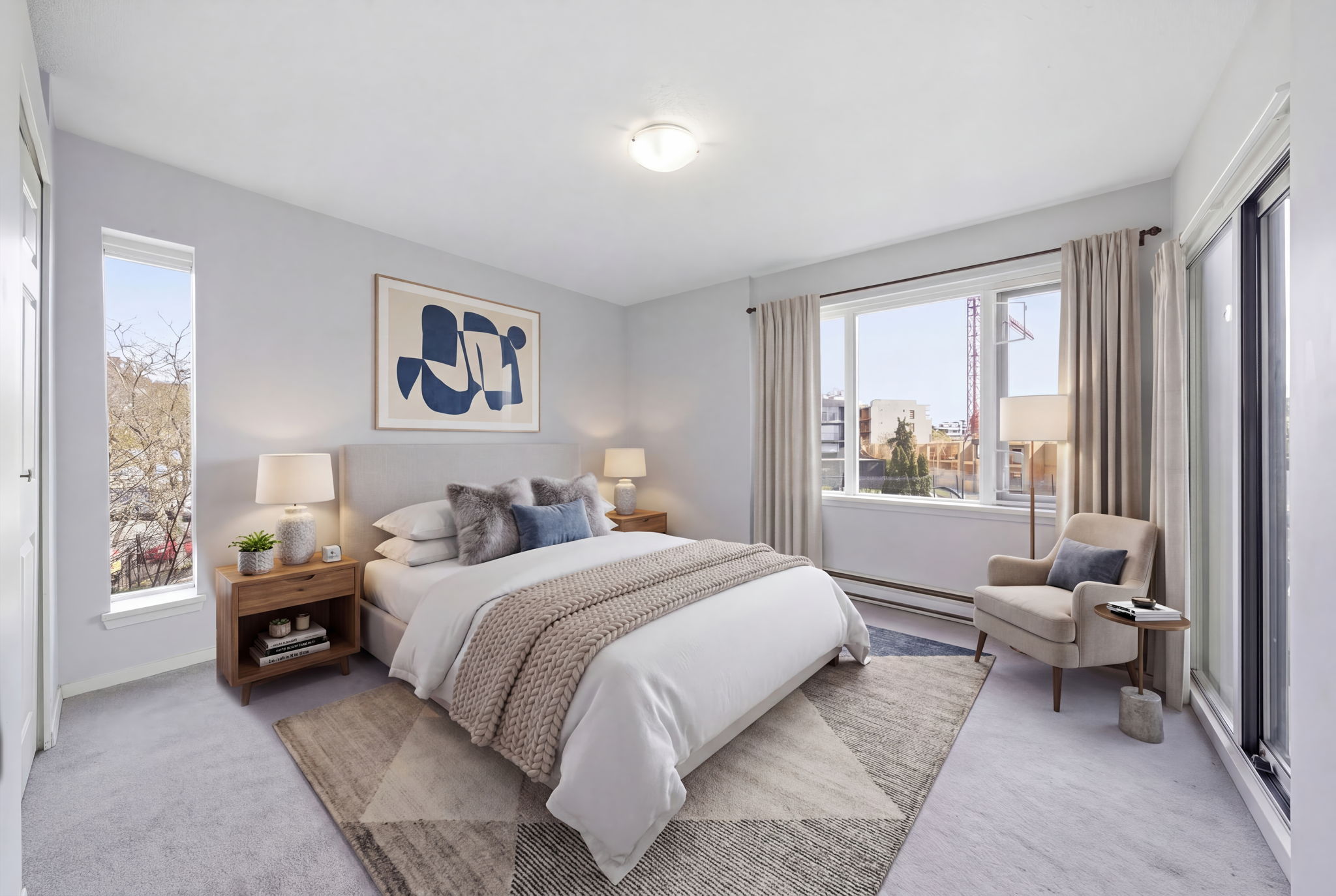
Showings slowing down can feel discouraging, especially if your home launched with strong activity and then suddenly went quiet. For sellers, fewer showings often raise the same question: is something wrong with the listing, the price, the market, or the home itself? The answer depends on timing. A slow week does not always mean your listing is failing. But if showing activity drops and stays low, it is usually a signal that buyers are hesitating. The key is to understand why before making the wrong adjustment. In Greater Victoria, where buyers can be selective when inventory gives them more choice, sellers need to respond with strategy, not panic. First, Do Not Overreact to One Quiet Week Every listing has a natural rhythm. The first week or two often brings the most attention because the property is new. Active buyers, agents, and saved searches notice it right away. After that first wave, activity may slow. That does not automatically mean the home is overpriced. Showings can be affected by: Weather Long weekends School schedules Interest rate news Competing new listings Buyer fatigue Seasonal timing Local events Poor showing availability A sudden increase in similar inventory Before making a major change, look at the pattern. One quiet stretch is different from three weeks of steady decline. Understand What Slower Showings Usually Mean When showings slow down, the market may be sending one of several messages. It may mean: Buyers think the price is high The listing photos are not creating enough interest The home is competing against stronger options The property is not easy to show The location or layout narrows the buyer pool The home needs better presentation Buyers are waiting for a price adjustment The listing has lost new-listing momentum The mistake is assuming every slowdown has the same cause. Sometimes the price needs to change. Sometimes the marketing needs to improve. Sometimes the home needs better preparation. Sometimes the listing simply needs a fresh strategy to reach the right buyers. Review the Price Against Today’s Competition Pricing is not only about what your home is worth in theory. It is also about what else buyers can choose right now. If showings slow down, review your active competition. Ask: What else is available in the same price range? Are similar homes offering more space, better updates, or stronger locations? Have competing listings reduced their price? Are buyers choosing newer homes, better layouts, or better condition? Is your home priced against sold data from a stronger market? Are you competing with homes that have sat and already adjusted? Sellers often focus on what recently sold. Buyers focus on what they can buy today. That difference matters. Look at the Listing Through a Buyer’s Eyes When you live in a home, you see its memories, improvements, and potential. Buyers see comparison. They ask: Is this worth the price? What work does it need? How does it compare to the next home? Can I move in comfortably? Will I need to spend money right away? Does the home feel better in person than online? Is there a reason this has not sold yet? If showings are slowing down, step back and look at the listing the way a buyer would. Not emotionally. Practically. The goal is not to criticize the home. The goal is to understand the buyer’s hesitation. Study Online Engagement Before buyers book a showing, they usually interact with the listing online. If online views are strong but showings are low, buyers may be interested but not convinced enough to visit. If online views are weak, the issue may be exposure, presentation, price positioning, or the listing’s ability to stand out. Review: Listing views Saves or favourites Click-through activity Showing requests Open house traffic Agent inquiries Time on market compared with similar listings A listing can fail quietly online before it ever fails in person. If the photos, headline, description, or price do not create enough urgency, buyers may simply move on. Pay Close Attention to Showing Feedback Showing feedback is not perfect, but patterns matter. One buyer’s opinion may not mean much. Five buyers saying the same thing should get your attention. Look for repeated comments about: Price Condition Layout Odour Lighting Privacy Noise Parking Stairs Yard usability Needed updates Strata fees Competing options Feedback can be uncomfortable, but it is useful. Buyers are not always right, but they are the market. If the same concern keeps coming up, your strategy should respond to it. Make the Home Easier to Show Sometimes showings slow down because the home is difficult to access. Buyers may skip a property if showing windows are too limited, notice requirements are too long, tenants are difficult to coordinate with, or the home is not available during peak times. If your home is on the market, convenience matters. Consider: Allowing more flexible showing times Reducing unnecessary notice requirements Keeping the home showing-ready Making open houses easier to host Avoiding too many blocked-out times Ensuring pets are managed during showings Making access instructions simple The easier a home is to show, the more chances it has to sell. A great listing can lose momentum if buyers cannot get in when they are ready. Refresh the Presentation If activity slows, small presentation changes can help. This does not always mean major staging or expensive renovations. Often, the goal is to remove friction and make the home feel easier to imagine. Consider: Decluttering key rooms Improving lighting Cleaning windows Touching up paint Removing worn mats or tired decor Improving curb appeal Rearranging furniture Adding simple staging pieces Reducing personal items Making storage areas feel organized Buyers do not need perfection. They need confidence. A home that feels clean, cared for, and easy to move into can regain attention. Revisit the Photos and Listing Description Sometimes the home is better than the listing makes it look. If showings slow down and feedback from visitors is positive, the issue may be the online presentation. Ask: Do the photos show the strongest features first? Is the floor plan easy to understand? Is the lighting flattering? Are outdoor spaces shown clearly? Does the description explain the lifestyle and value? Are important upgrades mentioned? Does the listing sound generic? Are the best features buried too low? A listing needs to create a reason for buyers to book a showing. If the home has strong features but they are not obvious online, refresh the marketing before assuming the market is rejecting the property. Consider a New Marketing Angle Not every property should be marketed the same way. If the first wave of buyers does not respond, your listing may need a sharper message. For example: A family home should highlight layout, schools, storage, yard, and daily function A condo should highlight building strength, strata health, parking, storage, and lifestyle A downsizer-friendly home should highlight main-level living, low maintenance, and convenience An investor-friendly property should highlight rental potential, flexibility, and location A renovation opportunity should highlight lot, layout, location, and upside Sometimes the issue is not the home. It is that the wrong buyer story is being told. Know When a Price Adjustment Is the Right Move Price reductions can work when they are strategic. They should not be treated as a failure. In a market where buyers have options, price adjustments are often part of aligning with current demand. A price change may be worth considering if: Showings have dropped significantly Feedback repeatedly mentions price Similar homes are selling while yours sits Competing listings offer more value Online views are high but showing requests are low The home has been passed over by active buyers There are no serious second showings or offers The original price was based on optimistic expectations The goal of a price adjustment is not just to lower the price. The goal is to reposition the listing where buyers take action. A small reduction may not be enough if it does not change how buyers see the home. Do Not Chase the Market Down Slowly One of the biggest seller mistakes is making small, hesitant adjustments after the market has already moved. If a home sits too long, buyers may start to assume there is a problem. The listing can become stale. A late reduction may not create the same excitement it would have created earlier. If a price adjustment is needed, it should be meaningful enough to create renewed attention. The question should be: “What price will make buyers reconsider this property?” Not: “What is the smallest reduction we can tolerate?” Compare Against Sold Listings and Active Listings A strong pricing review should look at both sides of the market. Sold listings show what buyers recently accepted. Active listings show what buyers are comparing you against now. Pending listings, when available, can also help reveal where demand is actually moving. Your pricing strategy should consider: Similar homes that sold Similar homes that did not sell Current active competition Recent price reductions Days on market Condition differences Location differences Buyer feedback Showing trends Pricing is not static. It must respond to what buyers are doing now. Avoid Blaming Buyers When showings slow down, it is easy to say buyers are unrealistic. Sometimes buyers do have high expectations. But if multiple buyers are choosing other homes or not booking showings, the listing needs to adjust to the market. That adjustment may be price, presentation, access, marketing, or expectations. The seller’s job is not to convince every buyer. It is to position the property so the right buyer sees the value. What Not to Do When Showings Slow Down Avoid these common mistakes: Ignoring feedback Waiting too long to adjust Making tiny price reductions with no strategy Refusing to improve presentation Assuming more time will solve everything Comparing only to the highest recent sale Blaming the market without studying the competition Making showings difficult Changing marketing without reviewing price Reducing price without improving presentation A slow listing needs diagnosis, not guesswork. A Simple Seller Checklist If showings slow down, review the following: Has the market changed since launch? What new competition has appeared? Are similar homes selling? What feedback keeps repeating? Are showings easy to book? Does the home show well in person? Does the online listing create enough interest? Is the price aligned with today’s options? Is the marketing speaking to the right buyer? Would a buyer choose this home over the competition? This checklist helps sellers move from emotion to action. Final Thoughts When showings slow down, the worst response is to do nothing and hope the market changes. The best response is to diagnose the issue clearly. Sometimes the solution is a price adjustment. Sometimes it is better presentation, improved access, stronger marketing, or a clearer buyer story. In many cases, it is a combination of several small changes that help the listing regain momentum. A slower showing pattern is not always bad news. It is information. Used properly, that information can help sellers make smarter decisions and improve their chances of a successful sale. If your home is listed and showings have slowed down, contact Faber Real Estate Group for a practical review of your pricing, presentation, and marketing strategy. David M., 5-Star Review, via Google “Scott was a fantastic realtor—hardworking, knowledgeable, and truly dedicated to his clients. His expertise and great connections made the entire process smooth and stress-free. He went above and beyond to ensure everything was taken care of, and I couldn’t be happier with the results. I highly recommend Scott to anyone looking for a realtor.” Faber Real Estate Group Royal LePage Coast Capital Realty 📞 250-244-3430 📧 [email protected] ℹ️ Scott Faber Personal Real Estate Corporation ℹ️ Cal Faber Personal Real Estate Corporation Vanessa Wood, Zachary Parsons, and Sophie Taylor “Building Lasting Relationships, One Home at a Time.”
Read more
If you want to sell your home faster in a balanced Victoria market, the key is not luck. It is strategy. Sellers are no longer operating in a market where almost every listing gets immediate attention. In March 2026, the Victoria Real Estate Board reported 579 sales and 3,261 active listings. That works out to a sales-to-active listings ratio of about 17.8 per cent, which sits in Victoria’s balanced-market range of 17 to 28 per cent. That matters because balanced markets reward homes that are priced right, presented well, and marketed clearly. VREB also noted that current conditions offer good supply and reasonable demand, with fewer high-pressure transactions and more time for buyers to make decisions and do their due diligence. What a Balanced Market Really Means for Sellers A balanced market is often misunderstood. Some sellers hear “balanced” and assume that means stable, easy, and predictable. What it really means is that buyers have options, and your home is being compared against more listings than it would be in a tighter market. In March 2026, active listings in the VREB region were up 12.3 per cent from February and 7.9 per cent year over year. Sales were up from February, but still 5.5 per cent lower than March 2025. In plain terms, buyers are looking carefully. They are taking more time. They are comparing value. If your home feels overpriced, poorly presented, or confusing, they often move on before booking a showing. Price for the Market You Are In, Not the Market You Remember The fastest way to slow down a sale is to price based on past peak conditions instead of current buyer behaviour. In a balanced market, buyers tend to notice value quickly. They also notice when a listing is reaching. When that happens, the home often sits, accumulates days on market, and ends up needing a price adjustment that could have been avoided with a stronger launch strategy from the beginning. Selling faster usually means pricing close to where the market sees the property today, not where the seller hoped it would be six months ago. The goal is not to “leave money on the table.” The goal is to avoid becoming the listing buyers watch while they buy something else. Make the First Week Count The first week on market carries more weight than many sellers realize. That is when your listing is freshest, most visible, and most likely to attract buyers who have been waiting for the right property. If the home goes live with weak photos, cluttered rooms, incomplete preparation, or a price that feels too ambitious, that early momentum fades quickly. Once buyers have mentally dismissed a listing, it is harder to bring them back. A faster sale usually starts before the listing goes live: complete repairs that buyers will notice declutter and depersonalize the space improve lighting and cleanliness sharpen curb appeal make sure the photography, floor plan, and remarks match the home’s strongest selling points In this market, presentation is not about being flashy. It is about removing hesitation. Stop Marketing Features and Start Selling Fit Many listings spend too much time describing countertops, flooring, and appliance brands without answering the buyer’s real question: “Is this the right home for me?” To sell faster, the marketing needs to connect the property to a buyer profile. A family buyer looks for layout, yard space, storage, and school access. A downsizer looks for ease, comfort, low maintenance, and main-level living. An investor looks for flexibility, rental appeal, and numbers. Homes often move faster when the positioning is clear. Buyers respond more quickly when they can see themselves in the home and understand why it fits their next move. Condition Still Shapes Speed In a balanced Victoria market, buyers are more willing to walk away from work they do not want to take on. That does not mean every seller needs a full renovation. It does mean sellers should pay attention to the details that create doubt. Old paint, worn flooring, dated fixtures, poor odours, and deferred maintenance do more than make a home feel tired. They raise questions about what else has not been looked after. If you want a faster sale, focus on improvements that make the home feel clean, cared for, and easy to step into. Buyers do not need perfection. They need confidence. Be Easy to Show Access matters more than many sellers think. A home that is hard to show usually takes longer to sell. Limited time windows, excessive notice requirements, or repeated declined appointments create friction at the exact point when a buyer is deciding whether your home deserves serious attention. Balanced markets reward convenience. The easier it is for qualified buyers to see the property, the better your chances of creating momentum early. Watch the Market While You Are Listed Launching well is important, but so is adjusting quickly if the market speaks. If showings are low, feedback is repetitive, or similar homes are moving while yours is not, that is useful information. In a balanced market, speed often comes from responding early rather than defending a strategy that is not producing results. This does not always mean a price cut. Sometimes it means better photos, stronger staging, improved remarks, or a more targeted marketing push. But if the issue is price, waiting too long usually costs more than acting decisively. Negotiate With the Goal of Keeping the Deal Together Selling faster is not only about getting an offer. It is also about getting to completion without unnecessary friction. Because buyers in this market often have more options and more time for due diligence, clean negotiation matters. Sellers who are realistic on inspections, timelines, and reasonable requests are often the ones who get deals across the finish line faster. A hardline approach can feel strong in the moment, but in a balanced market it can also send a ready buyer back into the pool of competing listings. The Real Advantage Comes From Preparation The sellers who do best in this kind of market are usually not the ones with the most expensive homes. They are the ones with the clearest strategy. That means: pricing from today’s evidence preparing the home before launch marketing to the right buyer making showings easy responding quickly to feedback negotiating with the goal of closing, not just countering Final Thoughts If you want to sell your home faster in a balanced Victoria market, the path is usually not dramatic. It is disciplined. The homes that sell first are often the ones that feel correctly priced, easy to understand, and easy to act on. Victoria’s market is giving buyers more choice right now, but that does not mean sellers cannot succeed. It means success comes from sharper execution. If you are thinking about selling and want a plan built for today’s Victoria market, contact Faber Real Estate Group for tailored advice on pricing, preparation, and launch strategy. Maryann G., 5-Star Review, via Google “We recently sold our home through the Faber Real Estate Group. We received excellent service as we navigated our way through the sale of the house. I would recommend Cal and his sons as the realtor for your sale as they are so professional and gave good advice leading to a quick sale.” Faber Real Estate Group Royal LePage Coast Capital Realty 📞 250-244-3430 📧[email protected] ℹ️ Scott Faber Personal Real Estate Corporation ℹ️ Cal Faber Personal Real Estate Corporation Vanessa Wood, Zachary Parsons, and Sophie Taylor “Building Lasting Relationships, One Home at a Time.”
Read more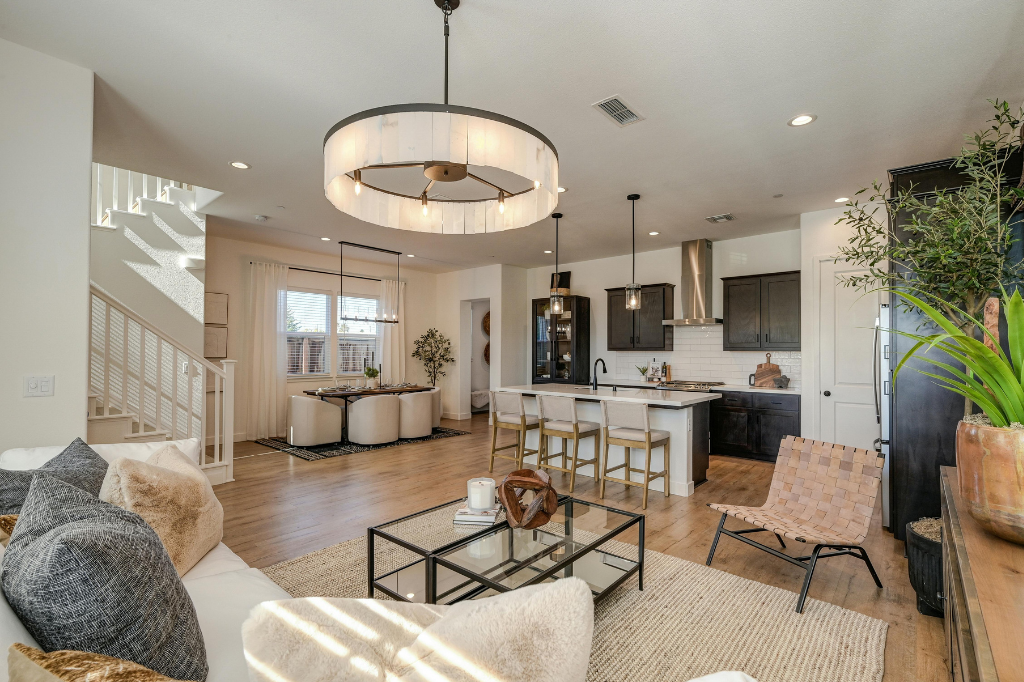
If you are wondering what $1.5 million buys in Greater Victoria, the answer depends less on the number itself and more on where you want to live, what style of home you want, and how much compromise you are willing to make. In today’s market, buyers have more inventory to choose from and more time to compare options, but that does not mean every $1.5 million property offers the same value. In March 2026, the Victoria Real Estate Board reported 579 sales and 3,261 active listings, with Chair Fergus Kyne noting that Greater Victoria is made up of many micro-markets with different conditions and demand. The bigger story is this: $1.5 million can still buy a very good home in Greater Victoria, but the type of home changes sharply by area. That budget sits above the Victoria Core single-family benchmark of $1,330,200, which means buyers are shopping above the benchmark range in some neighbourhoods and below luxury pricing in others. Why $1.5 Million Means Different Things Across Greater Victoria Greater Victoria is not one market. It is a collection of smaller markets, each with its own pricing, lot sizes, housing stock, and buyer demand. VREB’s March 2026 report makes that clear, and it matters a lot when buyers set a budget. At around $1.5 million, buyers are often comparing very different options, such as: an older character home in a prime central location a larger family home in Saanich a newer build in Langford or the Westshore a well-located executive townhome a smaller but premium property in Oak Bay or near the water That is why buyers who focus only on price often miss the bigger question: what kind of lifestyle does that $1.5 million actually buy? In Oak Bay, $1.5 Million Often Buys Location More Than Size In Oak Bay, $1.5 million can buy you into one of Greater Victoria’s most established and desirable neighbourhoods, but it usually does not buy the largest home on the block. Current listings around that price point include a 2-bedroom, 2-bath single-family home on Windsor Road listed at $1.5 million, and another 4-bedroom, 2-bath home on Kinross Avenue listed at $1.399 million. What that tells buyers is simple: in Oak Bay, a big part of the value is tied to the neighbourhood itself. You are often paying for walkability, prestige, established streets, school catchments, and long-term desirability. The trade-off may be less square footage, older construction, or future renovation needs. In Saanich, $1.5 Million Usually Buys More House Move into parts of Saanich and that same budget often stretches further. Around $1.5 million, buyers may find larger family homes with more bedrooms, more updated interiors, or larger lots. For example, a current Cadboro Bay area listing at 2615 Arbutus Road is priced at $1.5 million and offers 4 bedrooms and 4 bathrooms. This is where the $1.5 million price point becomes attractive for move-up buyers. Instead of paying primarily for a marquee postal code, buyers may be able to secure more usable living space, better functionality for families, or a property that works longer term. In Victoria Proper, It Can Mean Character, Centrality, or Flexibility Closer to central Victoria, $1.5 million can buy a home with more urban convenience, access to amenities, and in some cases income or multi-generational potential. One current Jubilee-area listing at 1790 Denman Street is priced at $1.5 million and offers 5 bedrooms and 3 bathrooms. That points to an important theme in this price range: some buyers are not just buying a home, they are buying flexibility. At $1.5 million, a property might offer space for extended family, a home office setup, or room to adapt over time. In neighbourhoods closer to the core, that flexibility can be just as valuable as finishings. In Langford and the Westshore, Buyers Often Get More Modern Features In the Westshore, especially Langford, $1.5 million often buys newer construction, more modern layouts, and more finished square footage compared with older central neighbourhoods. This part of the market tends to appeal to buyers who care about newer systems, open-concept design, energy efficiency, and less immediate maintenance. The trade-off is usually not inside the home. It is location, commute, and lot character. For many buyers, though, that is a trade worth making. If the goal is maximum house for the money, newer inventory, and family-friendly design, this price point can go further in the Westshore than it does in Victoria Core or Oak Bay. Current REALTOR.ca results also show substantial listing inventory in Langford, reflecting that buyers have real choice right now. In Sidney and the Peninsula, It Often Buys Lifestyle and Ease For Peninsula buyers, $1.5 million may buy a smaller but polished home, a well-kept rancher, or a downsizing option in a strong location. In these areas, the appeal often comes from walkability, proximity to the water, a quieter pace, and easy everyday living. This price point can be especially relevant for downsizers selling larger homes elsewhere in Greater Victoria. Instead of chasing maximum square footage, many are using this budget to buy simplicity, quality, and convenience. What Buyers Should Really Expect at This Price Point The mistake many buyers make is assuming $1.5 million guarantees a dream home everywhere. It does not. What it does buy is option value. At this level, buyers can usually choose between: better location more square footage newer condition income potential or flexibility lower-maintenance lifestyle But rarely all five at once. That is the real story behind what $1.5 million buys in Greater Victoria. It is enough to enter a wide range of strong neighbourhoods, but not enough to avoid trade-offs. The smart move is not asking, “What is the best home for $1.5 million?” The better question is, “Which version of $1.5 million fits my life best?” The Market Context Matters Too This is also a useful price point in the current market because inventory has been rising. VREB reported 3,261 active listings at the end of March 2026, up 12.3 per cent from February and 7.9 per cent from March 2025. That gives buyers more room to compare neighbourhoods, property types, and condition before acting. That said, more choice does not automatically make decisions easier. It often creates more second-guessing. Buyers with a $1.5 million budget still need to be clear on what matters most: location, lot, age, layout, schools, rental flexibility, or long-term resale. Final Thoughts If you are trying to understand what $1.5 million buys in Greater Victoria, the answer is not one home. It is a range of possibilities shaped by neighbourhood, property type, and priorities. In some areas, it buys charm and location. In others, it buys size and newer finishings. In others, it buys lifestyle and simplicity. That is why the best buying strategy at this price point starts with clarity, not just budget. If you want help comparing what $1.5 million could buy in different Greater Victoria neighbourhoods, contact Faber Real Estate Group for tailored advice and a clear plan based on your goals. Michael F., 5-Star Review, via Google “If you want the best in town, stop your search – you've found them here in Cal and Scott Faber. We couldn't be happier with the results and highly recommend them to anyone in need of top-notch real estate services. Professional, patient, and caring results guaranteed.” Faber Real Estate Group Royal LePage Coast Capital Realty 📞 250-244-3430 📧[email protected] ℹ️ Scott Faber Personal Real Estate Corporation ℹ️ Cal Faber Personal Real Estate Corporation Vanessa Wood, Zachary Parsons, and Sophie Taylor “Building Lasting Relationships, One Home at a Time.”
Read more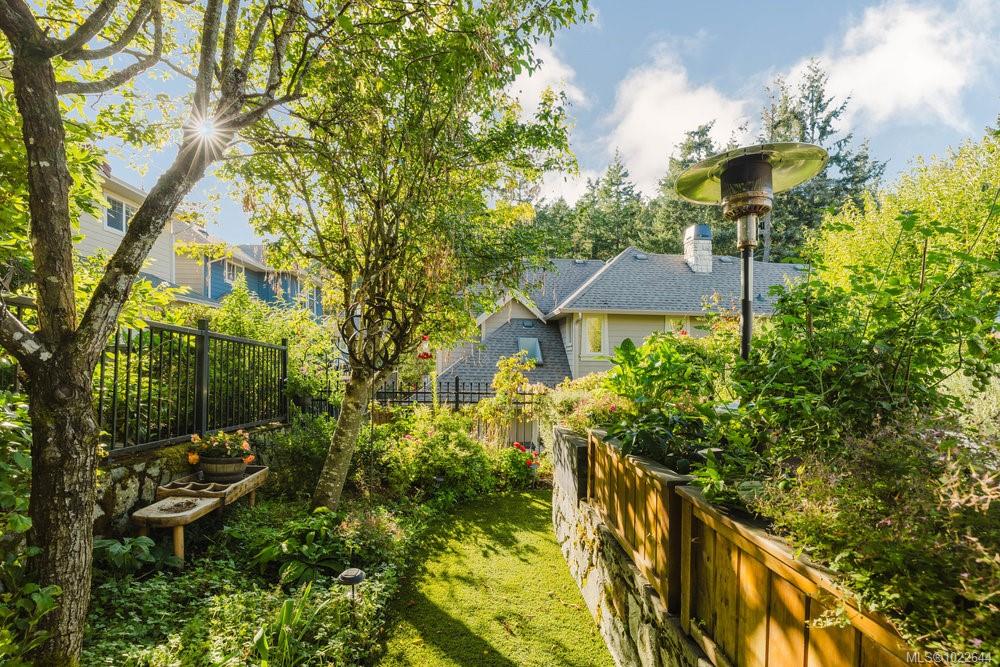
The spring market in Victoria, BC is now taking shape, and this year it looks more balanced, more selective, and less rushed than the fast-moving markets many people still remember. March 2026 sales in the Victoria Real Estate Board region rose to 579 properties, up 24.5 per cent from February, while active listings climbed to 3,261. VREB described this as a fairly typical spring pattern that usually builds toward May or June. More Listings Means More Choice One of the clearest themes this spring is inventory. Buyers are seeing more options than they did in many recent spring markets, and that changes the tone of the market. At the end of March 2026, active listings were up 12.3 per cent from February and 7.9 per cent from March 2025. That matters because more selection usually gives buyers more time to compare properties, review documents carefully, and make decisions with less pressure. This trend was already building in February. VREB reported 2,903 active listings at the end of that month, up 10.6 per cent from January and 10.4 per cent from the year before. In other words, spring did not suddenly appear in March. It has been building in stages, with supply steadily improving as more sellers prepare to list. Buyers Should Expect Better Conditions Than Recent Years For buyers, this spring should feel more manageable than the highly competitive conditions of past years. VREB noted that current conditions are creating fewer high-pressure transactions and allowing more time for due diligence. That does not mean every home will sit or every seller will negotiate heavily. Well-priced homes in strong locations can still move quickly. It does mean buyers have a better chance to compare options and make decisions with a plan rather than panic. That fits the broader provincial picture as well. BCREA says inventory across BC is running near its highest level in more than a decade, and it expects markets to remain broadly balanced in 2026, with price growth tempered by higher supply. Sellers Should Expect More Competition For sellers, the spring market still offers opportunity, but not in the same way it did in ultra-tight markets. More listings mean more competition. Buyers have more homes to compare, so pricing, presentation, and strategy matter more. A property that is well prepared and priced in line with today’s market can still attract strong attention. A property that is overpriced or poorly presented may sit longer than expected. This is where many sellers can get caught off guard. Spring brings more buyer activity, but it also brings more competing listings. More activity does not automatically mean more leverage for every seller. In a balanced market, the homes that stand out usually do so because the strategy behind them is stronger, not because the season alone carries them. This matches the current reality that VREB describes as offering opportunities for both buyers and sellers rather than strongly favouring one side. Prices Are Showing Stability More Than Acceleration If you are wondering whether spring 2026 will bring a sharp jump in prices, the current data suggests a steadier pattern. In the Victoria Core, the MLS HPI benchmark for a single-family home was $1,330,200 in March 2026, down 1.1 per cent from March 2025 but up from February 2026. The benchmark for a condo was $553,800, down 0.8 per cent year over year and also up month over month. That tells an important story. Prices are not showing the kind of fast upward pressure that buyers feared in past spring markets, but they are also not collapsing. Instead, we are seeing a market where values are relatively stable, with modest month-to-month improvement as spring demand builds. What This Means for Buyers If you are buying this spring, expect more choice, more time to think, and more room to be strategic. That said, do not confuse a more balanced market with an easy market. Good homes can still attract competition, especially if they are priced well and show well. The advantage for buyers this year is not unlimited negotiating power. It is the ability to be more deliberate. A smart buyer strategy this spring is to get clear on your budget, target neighbourhoods, and must-haves before the right property appears. When the right fit does come up, preparation still matters. The buyers who do best in a balanced spring market are often the ones who are patient first and decisive second. What This Means for Sellers If you are selling this spring, expect buyers to notice value gaps more quickly. They have more listings to compare, and that makes strong pricing and strong presentation more important. Spring can still be an excellent time to list, but it is no longer enough to rely on seasonal momentum alone. Sellers who are realistic from the start often put themselves in a stronger position than those who test the market too high and hope conditions will do the work for them. In this market, preparation, marketing quality, and pricing discipline are what create leverage. The Bottom Line on This Year’s Spring Market The spring market in Victoria, BC looks active, but measured. Sales are rising seasonally, inventory is improving, and the market is giving both buyers and sellers room to make better decisions. That is a healthier environment than the rushed conditions many people associate with spring real estate. It also means strategy matters more than ever. If you are planning to buy or sell this spring, the best next step is not to guess where the market is going. It is to understand how your specific property type, price point, and area fit into today’s conditions. If you want help building the right plan for this spring market, contact Faber Real Estate Group for advice tailored to your move. Leanne D, 5-Star Review, via Google “I would highly recommend the Faber Group this is the second time we have used them and have been over the top happy with their service. They are an honest group of men who all go above and beyond to make your experience perfect!” Faber Real Estate Group Royal LePage Coast Capital Realty 📞 250-244-3430 📧[email protected] ℹ️ Scott Faber Personal Real Estate Corporation ℹ️ Cal Faber Personal Real Estate Corporation Vanessa Wood, Zachary Parsons, and Sophie Taylor “Building Lasting Relationships, One Home at a Time.”
Read more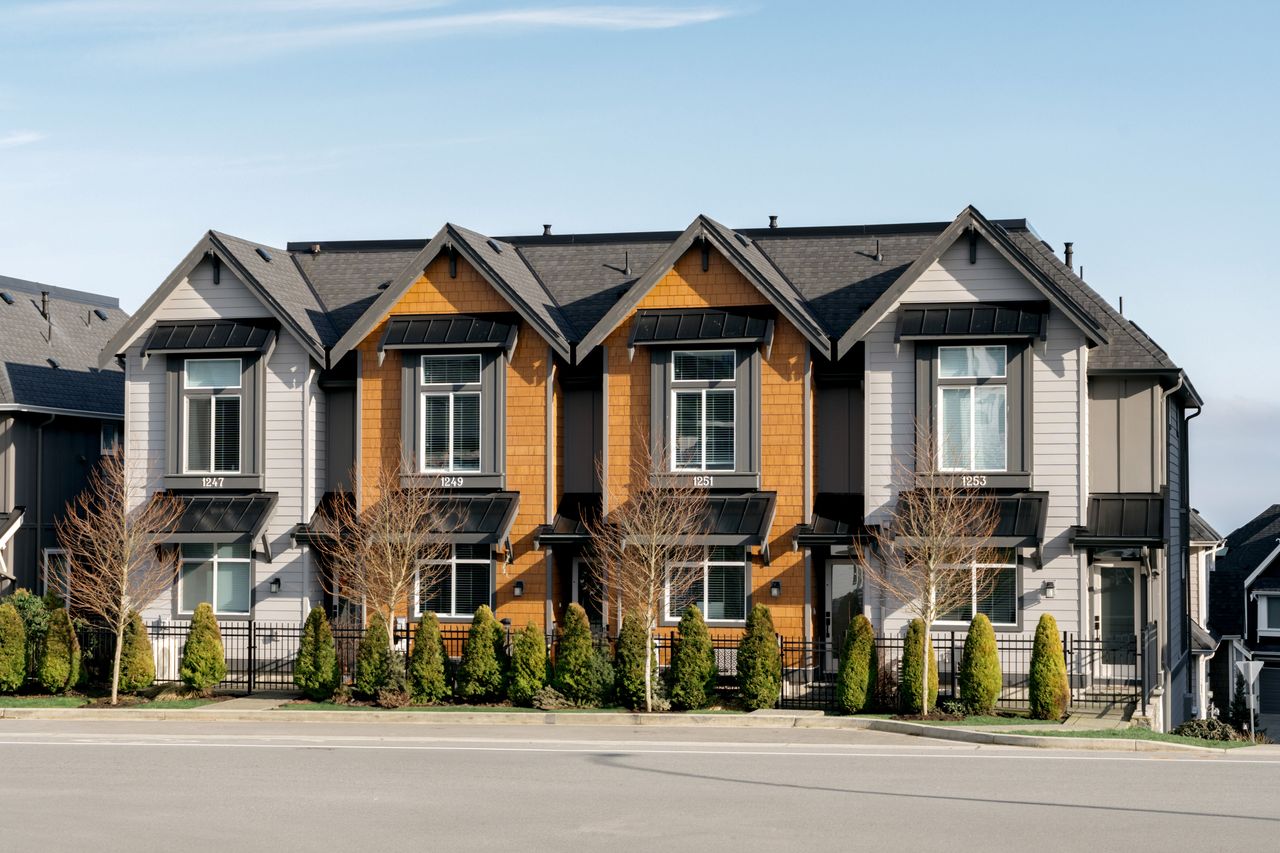
If you are wondering what $800,000 buys you in Victoria, the answer depends heavily on location, property type, and neighbourhood demand. In today’s Greater Victoria market, $800,000 sits in the entry-to-mid range for many areas. However, purchasing power shifts significantly between core Victoria and the Westshore. Here is a realistic look at what $800,000 buys you in Victoria across several popular neighbourhoods. Langford (Westshore) In Langford, $800,000 typically buys: A newer 2 to 3-bedroom townhome A small detached home on a compact lot A large, modern condo with amenities Langford continues to attract buyers seeking newer construction and strong long-term growth. Many developments offer energy-efficient builds and family-oriented layouts. For buyers priced out of central Victoria, Langford provides value per square foot that is difficult to match. This price point works well for first-time buyers, young families, and investors targeting rental demand. Gordon Head (Saanich East) In Gordon Head, $800,000 usually buys: An older townhome A smaller detached home in original condition A condo near the university Proximity to University of Victoria supports steady rental demand and long-term appreciation. Detached homes in this area often exceed this budget unless they require renovation. Buyers here pay a premium for location, schools, and proximity to beaches. For investors, properties with suite potential can create stronger cash flow. Fairfield Fairfield is known for character homes and walkability. At $800,000, buyers can expect: A smaller condo or garden suite A leasehold property A townhome in select buildings Detached character homes in Fairfield generally trade well above this range. Buyers at this price point gain access to one of Victoria’s most desirable lifestyle locations, close to parks and oceanfront paths. James Bay In James Bay, $800,000 commonly buys: A spacious condo with water or city views A renovated two-bedroom unit in a concrete building A townhome in select complexes This neighbourhood appeals to downsizers and professionals who value walkability to downtown. Concrete buildings with strong strata management often hold value well over time. Saanich East Saanich East offers a balance between suburban space and central convenience. At $800,000, buyers may find: An older detached home requiring updates A well-appointed townhome A larger condo in a low-rise building School catchments and quiet residential streets drive consistent demand here. What Influences Value at $800,000? Several factors determine what $800,000 buys you in Victoria: Lot size and zoning potential Age and condition of the property Proximity to schools, parks, and transit Strata fees and building quality Rental or suite potential Neighbourhood supply also matters. Westshore areas tend to offer more inventory at this price point, while core Victoria remains constrained. Is $800,000 a Good Budget in Victoria? For townhomes and condos, $800,000 remains a strong budget across many neighbourhoods. For detached homes, expectations must adjust depending on location and condition. Buyers prioritizing space often look west, while buyers prioritizing lifestyle choose central neighbourhoods and accept smaller footprints. Understanding what $800,000 buys you in Victoria allows you to align your purchase with long-term goals rather than short-term emotion. If you are considering buying and want a tailored breakdown of options in your target neighbourhood, reach out anytime to discuss your goals and explore available opportunities. Justine D., 5-Star Review, via Google “If you are looking for a realtor you can TRUST, and will look out for YOUR interests— then Cal and Scott are IT!!! I would recommend them to anyone looking to buy a home on the Island. I should also mention that Cal negotiated an amazing price on the purchase of our home and made sure if something was not right when we took possession that it would be taken care of. Cal and Scott and realtors with integrity and kindness..” Faber Real Estate Group Royal LePage Coast Capital Realty 📞 250-244-3430 📧[email protected] ℹ️ Scott Faber Personal Real Estate Corporation ℹ️ Cal Faber Personal Real Estate Corporation Vanessa Wood, Zachary Parsons, and Sophie Taylor “Building Lasting Relationships, One Home at a Time.”
Read more
As realtors working in Greater Victoria, we often get asked by buyers which types of homes offer the best value right now. Whether you are looking at condos, townhomes, detached houses, or properties in suburban neighbourhoods, the right choice depends on your lifestyle, budget, and long-term goals. Condos Condos remain a popular choice for first-time buyers, downsizers, and people seeking a low-maintenance lifestyle. In Greater Victoria, many condos are located near downtown or along transit corridors, making them convenient for work, shopping, and entertainment. Prices for condos have been relatively stable, and some buildings offer amenities such as gyms, pools, and concierge services. Condos are ideal if you want a smaller footprint and less responsibility for maintenance, though strata fees should be factored into your budget. Townhomes Townhomes are a great middle ground. They offer more space and privacy than a condo but are generally more affordable than detached homes. In areas like Langford, Saanich, and Oak Bay, townhomes are attractive to young families or buyers looking for more room without a full yard to maintain. Many townhome communities also have shared amenities and strong community appeal. Townhomes are a good option if you want a balance of affordability, space, and convenience. Detached Houses Detached houses offer the most flexibility, space, and privacy. They are perfect for growing families or anyone wanting a backyard, garage, or room to expand. Prices for detached homes in Greater Victoria are higher, especially in core areas like Fairfield, Oak Bay, and Fernwood. While the investment is larger, detached homes tend to hold their value well and offer long-term stability. If you can manage the budget, a detached home in a desirable neighbourhood is often the best long-term investment. Suburban Neighbourhoods Suburban homes, particularly in Langford, View Royal, and Sooke, have become increasingly popular. These areas offer more space for the price, larger lots, and newer construction. Suburban living may mean a longer commute for some, but it also provides access to parks, schools, and a quieter lifestyle. Suburbs are often the best buy for buyers seeking value, modern homes, and room to grow. The Bottom Line There is no one-size-fits-all answer when it comes to the best home type in Greater Victoria. Condos are great for convenience and low maintenance, townhomes offer a balance of space and cost, detached homes provide long-term investment potential, and suburban properties give more room for the price. The best choice depends on your priorities, budget, and lifestyle. As realtors in Greater Victoria, we help buyers navigate these options, evaluate the market, and find the right fit for their needs. The key is to understand the trade-offs and make a choice that works for your life today and in the future. Wilson, 5-Star Review, via Google “Amazing people there! They will help you through the entire process and will always make you feel like family. For those first time home buyers, don't be intimidated entering the market because they will explain every process and guide you through.” Faber Real Estate Group Royal LePage Coast Capital Realty 📞 250-244-3430 📧[email protected] ℹ️ Scott Faber Personal Real Estate Corporation ℹ️ Cal Faber Personal Real Estate Corporation Vanessa Wood, Zachary Parsons, and Sophie Taylor “Building Lasting Relationships, One Home at a Time.”
Read more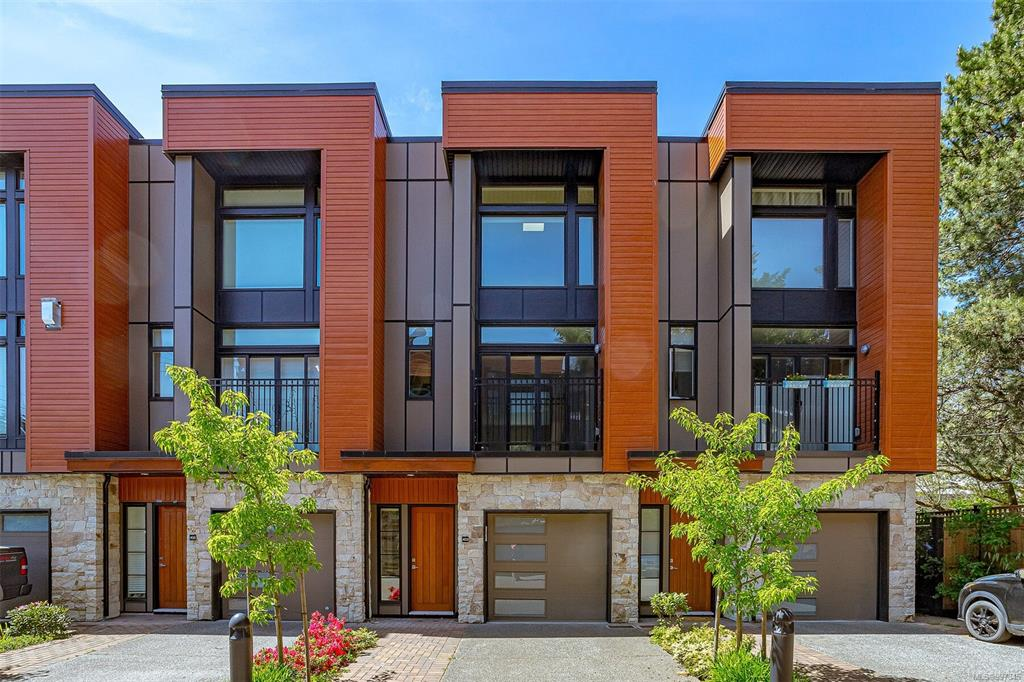
Greater Victoria continues to evolve as population growth, housing demand, and infrastructure investment shape how the region develops. Understanding where future growth is planned can help buyers, homeowners, and investors make informed long term decisions. Westshore Communities The Westshore remains one of the primary growth areas in Greater Victoria. Langford and Colwood continue to see new residential communities, mixed use developments, and commercial expansion. Planned infrastructure improvements, additional schools, and expanding amenities support continued population growth while improving livability. These areas attract buyers seeking newer housing options, relative affordability, and access to both urban convenience and outdoor recreation. Urban Core and Transit Oriented Growth In the City of Victoria and surrounding core municipalities, growth is increasingly focused on higher density development near major transit routes and employment centres. Condos, purpose built rentals, and mixed use projects are planned to support housing demand while limiting urban sprawl. Transit oriented growth helps improve walkability, reduce commute times, and create complete communities where residents can access daily needs without relying heavily on vehicles. Saanich and Established Neighbourhood Intensification Saanich plays a key role in Greater Victoria’s future growth through targeted intensification rather than large scale expansion. Development is often focused along major corridors, village centres, and underutilized commercial areas. This approach allows established neighbourhoods to evolve gradually while preserving community character and improving access to housing close to schools, services, and parks. Infrastructure and Employment Hubs Future growth is closely tied to infrastructure investment and employment centres. Improvements to transportation networks, health care facilities, post secondary institutions, and commercial districts influence where housing demand will remain strong. Areas that combine residential growth with nearby employment opportunities tend to offer stronger long term stability and reduced commuting pressure. Long Term Planning and Livability Across Greater Victoria, growth is guided by official community plans that emphasize sustainability, housing diversity, and livability. Green space preservation, improved transportation options, and community amenities are key priorities as municipalities plan for the future. Understanding these long term plans helps buyers choose areas that align with both lifestyle goals and future value. Brett Hayward, 5-Star Review, via Google “I can’t suggest how to make Fabers better at being good realtors. They’re already congenial, trustworthy, informed, experienced, and thorough. Cal listened and advised, and somewhere in the middle he said what the condo would sell for and he was right on. Thanks!” Faber Real Estate Group Royal LePage Coast Capital Realty 📞 250-244-3430 📧[email protected] ℹ️ Scott Faber Personal Real Estate Corporation ℹ️ Cal Faber Personal Real Estate Corporation Vanessa Wood & Zachary Parsons “Building Lasting Relationships, One Home at a Time.”
Read more