
Posts Tagged ‘Victoria BC housing market 2026’

Deciding between selling first vs buying first in Victoria BC is one of the biggest strategy questions homeowners face. The right answer depends on your finances, your risk tolerance, and the type of property you are moving into. In Greater Victoria, that decision matters even more right now because the market is giving buyers more choice, while sellers still need to price carefully and plan well. As of March 2026, the Victoria Real Estate Board reported 3,261 active listings, up 12.3% from February and 7.9% from March 2025, while 579 properties sold, up 24.5% month over month but still 5.5% below last year. That points to a market with more inventory and more room for due diligence than the high-pressure conditions many sellers remember. Why This Question Matters More Now In a fast-moving seller’s market, some homeowners buy first because they expect their current home to sell quickly. In a more balanced market, that approach can create stress if the sale takes longer than expected or sells for less than hoped. BCREA notes that the sales-to-active listings ratio is a useful way to judge market balance, with roughly 15% to 25% generally considered balanced across BC markets. Victoria’s March 2026 ratio works out to about 17.8% using 579 sales and 3,261 active listings, which fits that balanced range. In plain English, that means homes are still selling, but buyers usually have more options and more time to compare. When Selling First Usually Makes More Sense For many homeowners in Victoria, selling first is the safer route. Selling first may be the better move if: You need the equity from your current home for the next down payment You want a firm budget before shopping You are moving into a higher price bracket You would feel stressed carrying two properties at once Your current home may take time to sell because of pricing, condition, or competition This strategy reduces uncertainty. You know what your home actually sold for, what closing date you are working with, and how much you can comfortably spend on the next purchase. That matters in today’s market because inventory is up, but sellers still face more competition than they did when supply was tighter. The Victoria Real Estate Board said current conditions are creating “fewer high-pressure transactions” and allowing more time for decisions and due diligence. That is good for buyers, but it also means sellers should not assume a quick sale at top dollar. The trade-off The downside is obvious: once you sell, you may feel pressure to buy. If the right property does not come up quickly, you may need temporary housing, storage, or a flexible completion plan. When Buying First Can Be the Better Strategy There are also times when buying first makes more sense. Buying first may be the better move if: You are financially strong enough to carry both properties for a period You have substantial equity and easy access to financing You are searching for a very specific property that may be hard to replace You are downsizing and moving into a lower price bracket You want to avoid the stress of selling and then rushing into a purchase This can work especially well for homeowners moving from a detached home into a condo or townhome, where the next purchase may cost less than the home being sold. Victoria Core benchmark prices help explain this. In March 2026, the benchmark price was $1,330,200 for a single-family home, $848,500 for a townhome, and $553,800 for a condo. For an owner selling a higher-value detached home and moving into a lower-priced property type, buying first may be more manageable than it would be for someone moving up. The risk The main risk is carrying costs. If your current home does not sell quickly, you may end up covering two mortgages, two sets of property taxes, insurance, utilities, and moving costs at the same time. Even if you qualify on paper, that can create pressure you do not want. A Simple Way to Think About It Instead of asking, “What is better?” ask, “Where is the risk for me?” Sell first if your biggest concern is: Budget certainty Monthly cash flow Avoiding financial strain Not wanting to guess what your home will sell for Buy first if your biggest concern is: Finding the right replacement property Avoiding a rushed purchase Securing a rare home when it becomes available Having enough financial flexibility to handle overlap Common Victoria BC Scenarios Move-up buyers If you are moving from a condo or townhome into a detached home, selling first is often the cleaner strategy. Detached homes in the Victoria Core remain far more expensive than other property types, so knowing your exact sale proceeds matters. Downsizers If you are selling a detached home and moving into a condo or townhome, buying first may be realistic if financing allows. This can help you lock in the right location, layout, or building rather than buying whatever is left once your sale is firm. Buyers in highly specific segments If you only want a certain school catchment, waterfront area, building type, or one-level layout, buying first can sometimes protect you from settling. The rarer the target property, the more this matters. Tools That Can Help Depending on your situation, the strategy can sometimes be improved with the right structure. Options to consider: Longer closing dates to give yourself more time between transactions Subject-to-sale offers in some situations, though these can be less competitive Bridge financing when the gap between purchase and sale is short and financing is approved Rent-back agreements if a buyer allows you to stay in the home temporarily after closing These tools do not remove risk, but they can make the timing more workable. Final Thoughts The best answer to selling first vs buying first in Victoria BC is usually not emotional. It is financial and strategic. In today’s Greater Victoria market, buyers have more choice and less urgency than in past years, while sellers need to be realistic about pricing and timing. That tends to make selling first the safer default for many homeowners, while buying first can work well for those with strong equity, flexible financing, and a very clear plan. If you want help deciding which order makes the most sense for your move, contact Faber Real Estate Group for advice tailored to your timeline, budget, and property type in today’s Victoria market. Lisa S., 5-Star Review, via Google “Scott went above and beyond for us in both finding our dream home and selling our condo. He listened to us and provided professional advice for each circumstance. Would highly recommend!” Faber Real Estate Group Royal LePage Coast Capital Realty 📞 250-244-3430 📧[email protected] ℹ️ Scott Faber Personal Real Estate Corporation ℹ️ Cal Faber Personal Real Estate Corporation Vanessa Wood, Zachary Parsons, and Sophie Taylor “Building Lasting Relationships, One Home at a Time.”
Read more
Deciding between renting vs buying in Victoria BC is a major choice for many residents. Victoria’s housing market is moving in two directions at once: rents have been easing, while ownership prices (especially for single family homes) have stayed relatively firm. Using current numbers can help you make a decision based on reality, not headlines. Current Rental Market: Prices and Trends Victoria remains one of the pricier rental markets in Canada, but recent data shows rents have been trending down. Average asking rent (Victoria): about $2,224 across unit types (January 2026). One-bedroom: about $1,942 (January 2026), down 6.7% year-over-year. Two-bedroom: about $2,605 (January 2026), down 5.1% year-over-year. On supply, Greater Victoria is seeing more breathing room than recent years: Greater Victoria vacancy rate: about 3.3% (CMHC 2025 Rental Market Report, cited by the Province). What this means in plain terms: more choice, a bit more leverage for renters, and fewer situations where tenants feel forced to accept the first available unit. Buying in Victoria: Prices and Ownership Landscape On the ownership side, a helpful “apples-to-apples” metric is the MLS HPI benchmark (it tracks a typical home over time, rather than averages that can swing with the mix of what sold). From the Victoria Real Estate Board’s February 2026 market report (Victoria Core): Single family home benchmark: $1,307,400 (February 2026). Condominium benchmark: $545,600 (February 2026). Inventory has been healthier than the tightest years, with 2,903 active listings across the VREB region at the end of February 2026. That usually translates into more selection and a less frantic pace, but affordability still matters because the entry point remains high. Pros and Cons of Renting in Victoria Pros of Renting Lower upfront cost (no down payment or closing costs) Flexibility to relocate without selling No responsibility for major repairs and maintenance Recent rent softening and higher vacancy can improve negotiating position Cons of Renting Monthly payments do not build equity Rent is still expensive relative to local incomes Less control over the home and potential future rent increases Pros and Cons of Buying in Victoria Pros of Buying Builds equity over time More stability and control over your space Predictable payments if you choose a fixed-rate mortgage Cons of Buying High upfront costs (down payment, closing costs, property transfer tax, legal fees) Ongoing costs (maintenance, insurance, property taxes, condo fees if applicable) Market conditions vary by segment, and pricing is not guaranteed to rise year-to-year Making the Decision: What to Consider Your choice between renting vs buying in Victoria BC should match three things: Time horizon: Are you staying put for 3+ years, or is life still in motion? Cash position: Down payment, closing costs, and an emergency fund for ownership surprises Monthly reality: Compare rent to the true cost of ownership (mortgage, taxes, insurance, maintenance, and strata fees) A useful takeaway from the 2026 data is this: renting has become slightly less punishing than it was, while buying still requires a clear financial plan because benchmarks remain high. Final Thoughts Rents are easing and vacancy is up, while benchmark ownership prices in the Victoria Core have stayed relatively steady. That combination can create a “pause-and-plan” moment where renters gain options and buyers gain breathing room. If you want, we can run a simple rent vs buy comparison using your target neighbourhood, down payment, and comfort level with monthly costs, so your decision is grounded in real numbers. David M., 5-Star Review, via Google “Scott was a fantastic realtor—hardworking, knowledgeable, and truly dedicated to his clients. His expertise and great connections made the entire process smooth and stress-free. He went above and beyond to ensure everything was taken care of, and I couldn’t be happier with the results. I highly recommend Scott to anyone looking for a realtor.” Faber Real Estate Group Royal LePage Coast Capital Realty 📞 250-244-3430 📧[email protected] ℹ️ Scott Faber Personal Real Estate Corporation ℹ️ Cal Faber Personal Real Estate Corporation Vanessa Wood, Zachary Parsons, and Sophie Taylor “Building Lasting Relationships, One Home at a Time.”
Read more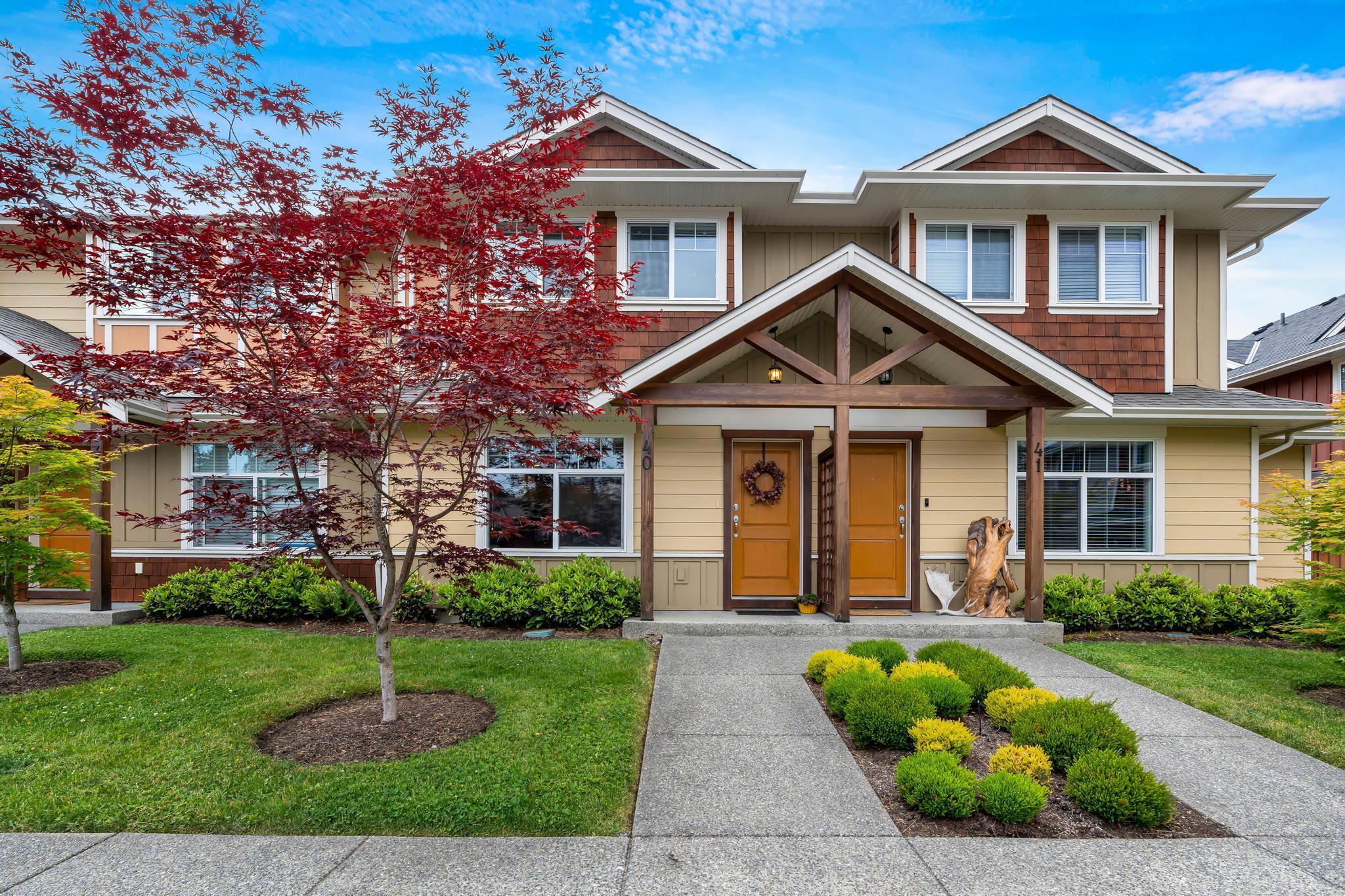
Victoria real estate myths can mislead both buyers and sellers. As we move into 2026 in Victoria, British Columbia, market conditions have shifted from the frenzy of earlier years. Here, we address common misconceptions with up-to-date data and practical insights. Myth 1: Prices Always Rise A pervasive belief is that real estate prices in Victoria will only go up. While long-term demographic demand and limited land supply support overall value retention, benchmark prices have not consistently climbed in 2025. Data from late 2025 shows single-family home benchmark prices slightly down year-over-year in the Victoria core and sales slowing, even as detached values remain relatively high. This reflects a stable or mildly softening market rather than unchecked price growth. Pricing is now more balanced, influenced by interest rates, inventory levels and buyers’ ability to act. Expect modest movement rather than guaranteed annual increases in 2026. Myth 2: Condominiums Are Always a Bad Investment Another common idea is that condos are poor investments in Victoria. The condo market did experience significant sales declines in 2025, especially compared to detached homes, and some downtown inventory softened. However, benchmark condo prices have shown mild appreciation in late 2025. Market niche, building quality, location and rental demand all matter for investment outcomes. Victoria’s condo segment can still offer opportunities, particularly where rental returns and future demand align with investor goals. Myth 3: You’ll Always Get Multiple Offers The extreme multiple-offer situations of the early 2020s have largely vanished. In balanced conditions, competitive offers occur but are no longer the norm. Accurate pricing, presentation and a strategic listing approach now drive stronger outcomes — not simply list-and-watch offers flood in. Myth 4: Real Estate Agents Aren’t Needed Anymore With abundant online data, some believe professional representation is optional. In a balanced and nuanced market, expert guidance remains critical for pricing strategy, negotiation and risk management — particularly in Victoria where micro-market variations can be significant. Myth 5: Rental Demand Always Sustains Values The link between rental demand and investment value is not automatic. Broader Canadian trends show rents softening into late 2025 and early 2026, which can temper yield expectations for investors. Conclusion Victoria’s real estate landscape in 2026 is defined by stability and balance, not runaway growth or universal downturns. Dispelling myths with current data helps buyers and investors make informed decisions rather than relying on assumptions rooted in past market behaviour. Raman B., 5-Star Review, via Google “Faber group is a power house team with motivation, drive and a desire to exceed your needs. This family based business excels in the Victoria real estate market and goes to great lengths to find the perfect property that suits you. I would highly recommend them, 5 out of 5 stars!!” Faber Real Estate Group Royal LePage Coast Capital Realty 📞 250-244-3430 📧[email protected] ℹ️ Scott Faber Personal Real Estate Corporation ℹ️ Cal Faber Personal Real Estate Corporation Vanessa Wood, Zachary Parsons, and Sophie Taylor “Building Lasting Relationships, One Home at a Time.”
Read more