
Posts Tagged ‘Victoria BC buyers guide’
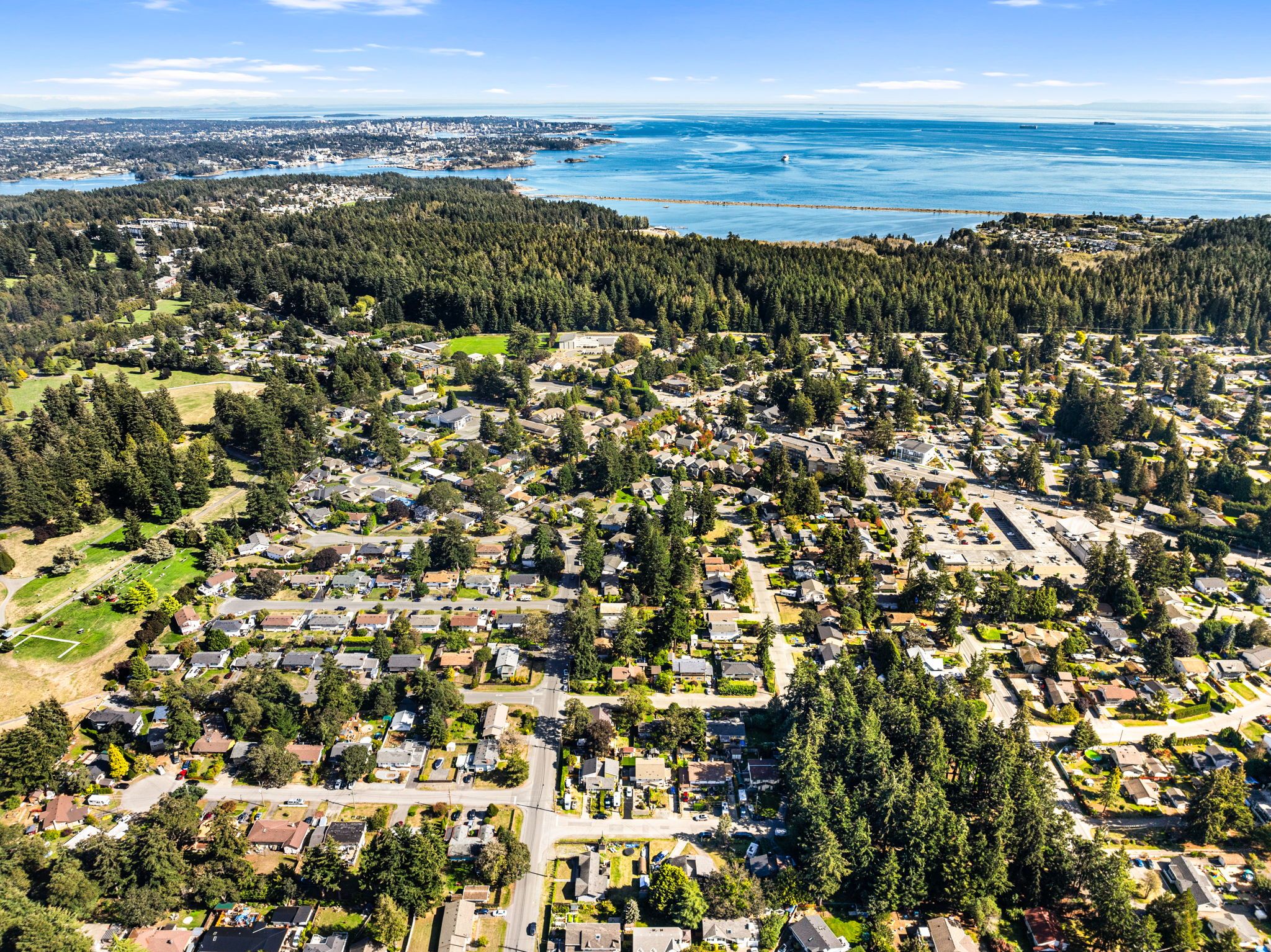
For buyers in Greater Victoria, budget matters, but where you shop matters just as much. The same number can buy a newer condo in one area, an older townhouse in another, or a detached home in a completely different part of the region. That is especially true when comparing Langford, Saanich, and Victoria, where housing stock, neighbourhood feel, and price points can shift quickly from one municipality to the next. The Victoria Real Estate Board reported 3,261 active listings at the end of March 2026, up 7.9% from March 2025, while also noting that Greater Victoria is made up of many micro-markets with different conditions and demand. This is why buyers who only search by price can miss the bigger picture. A $750,000 budget does not mean the same lifestyle in Langford as it does in Saanich or Victoria. In practical terms, your budget is really buying a mix of location, home type, age, condition, and future resale appeal. Langford’s planning direction continues to support a wider range of housing choices, including more mid-rise and ground-oriented homes, while Saanich is actively working to expand housing diversity in established neighbourhoods. Victoria, meanwhile, is made up of 12 distinct neighbourhoods, which helps explain why value can look very different from one pocket to another. Why These Three Areas Feel So Different Langford Langford often gives buyers more square footage and newer construction for the money. Many buyers looking here are trading a longer commute or a different neighbourhood feel for a more modern home, newer strata, or a better chance at ground-oriented living. The city’s current planning framework emphasizes mid-rise and ground-oriented housing choices, which supports that broader range of product. Saanich Saanich tends to sit in the middle. It offers a wide mix of housing, from condos and townhomes to established detached neighbourhoods, but pricing can move up quickly depending on school catchments, lot size, and proximity to key amenities. Its updated planning direction also points toward more housing diversity within existing neighbourhoods. Victoria Victoria usually commands a premium for location, walkability, and lifestyle. Buyers are often paying more for proximity to downtown, the Inner Harbour, Cook Street Village, Fernwood, Fairfield, or other well-known urban neighbourhoods. The City’s neighbourhood structure and evolving housing policy help explain why Victoria often offers less space for the same budget, but stronger lifestyle appeal for buyers who want to be close to the core. What Different Budgets May Buy You Around $500,000 to $650,000 At this level, most buyers are usually focused on condo living. In Langford, this budget can often put you in a newer one-bedroom or two-bedroom condo, sometimes in a more modern building with updated finishes, parking, and better overall building age. In Saanich, this same budget may still work for a condo, but buyers are often choosing between size and age. You may find a larger older suite or a smaller unit in a more desirable pocket. In Victoria, this range often means a condo as well, but the trade-off is usually space. You may buy into a more central and walkable lifestyle, but with less square footage or an older building than you would see in Langford. That lines up with broader market data. In March 2026, the Victoria Core MLS HPI benchmark for a condo was $553,800, while the region-wide average sale price for condo apartments was $634,393. Around $650,000 to $900,000 This is where the comparison starts to get more interesting. In Langford, buyers in this range may start stretching into larger condos, newer townhomes, or older small detached options depending on exact location and condition. In Saanich, this is often townhouse territory, larger condos, or entry-level detached opportunities in select pockets, though detached choices can still be limited. In Victoria, buyers may still be mostly looking at condos, townhomes, or half-duplex style options rather than detached homes, especially if staying close to the urban core is important. Region-wide in March 2026, the average sale price for a row or townhouse was $837,192, which makes this budget range one of the most competitive for buyers trying to move beyond condo living without jumping fully into higher detached-home pricing. Around $900,000 to $1.2 million This is often the transition zone where buyers start deciding between location and home type. In Langford, this budget may open the door to detached homes, including newer or more updated properties, especially when buyers are flexible on exact neighbourhood or lot size. In Saanich, this budget may buy an older detached home, a smaller lot, a home needing updates, or a strong townhouse alternative in a well-established area. In Victoria, this range often still requires compromise for detached housing. Buyers may need to consider smaller homes, more renovation work, duplex options, or moving slightly away from the most sought-after central pockets. That context matters because the Victoria Core single-family benchmark was $1,330,200 in March 2026, while the region-wide average sale price for single-family homes was just over $1.35 million. In other words, a budget around $1 million can still be powerful, but it does not stretch evenly across all three municipalities. Around $1.2 million to $1.6 million Now buyers start seeing a bigger difference in what their money can do. In Langford, this range can often buy a newer detached home with more interior space, a garage, and a family-oriented layout. In Saanich, this may put buyers into an established detached home in a desirable neighbourhood, though age, updates, and lot characteristics still matter a great deal. In Victoria, this budget may buy a detached home in select areas, but many buyers are still choosing between character, condition, parking, and walkability rather than getting all of them at once. This is where buyer strategy becomes more important than headline price. A family focused on space and newer finishings may lean Langford. A buyer focused on long-term neighbourhood stability and central access may prioritize Saanich. A buyer focused on walkability and city lifestyle may still prefer Victoria even if the home itself is smaller or older. Above $1.6 million At this level, all three areas offer more choice, but the type of value still differs. Langford may offer larger and newer detached homes with more modern layouts. Saanich may offer stronger lot value, established streets, and family-oriented neighbourhood appeal. Victoria may offer premium location, character homes, or higher-demand central properties where land and proximity carry more of the value story. For many buyers, this is the budget range where the decision stops being about “Can I buy?” and starts becoming “What kind of life do I want this home to support?” The Real Trade-Off Is Not Just Price The biggest mistake buyers make is assuming that more house always means better value. Sometimes the better move is buying less space in the right location. Sometimes it is buying a newer home with fewer maintenance surprises. Sometimes it is choosing an older home in a strong neighbourhood because the long-term livability is better for your family. The best budget is not the highest one. It is the one that aligns with how you want to live, how long you plan to stay, and how much compromise you are actually comfortable making. Final Thoughts If you are comparing Langford, Saanich, and Victoria, the smarter question is not just what your budget can buy. It is what kind of home, lifestyle, and future flexibility that budget can buy in each area. In today’s market, buyers have more room to compare options and do proper due diligence than they did in more competitive years, but the differences between micro-markets still matter. The right strategy is to compare the same budget across multiple municipalities before committing too early to one path. VREB says current supply and consumer demand have created conditions with less pressure and more time for decision-making, which makes this kind of side-by-side comparison especially worthwhile right now. If you want help comparing what your budget could realistically buy in Langford, Saanich, and Victoria right now, contact Faber Real Estate Group for tailored advice and a clear plan based on your goals. Nilo M., 5-Star Review, via Google “This group have a high level of commitment to help and to put thier client’s need ahead of their personal gain. They deal and engage with integrity and wisdom on how it will work for both the seller and the clients. I experienced it first hand in this crazy and difficult season. We just bought a home at Glanford area, and they are always there for us, every step of the way. They are real and can be trusted.” Faber Real Estate Group Royal LePage Coast Capital Realty 📞 250-244-3430 📧[email protected] ℹ️ Scott Faber Personal Real Estate Corporation ℹ️ Cal Faber Personal Real Estate Corporation Vanessa Wood, Zachary Parsons, and Sophie Taylor “Building Lasting Relationships, One Home at a Time.”
Read more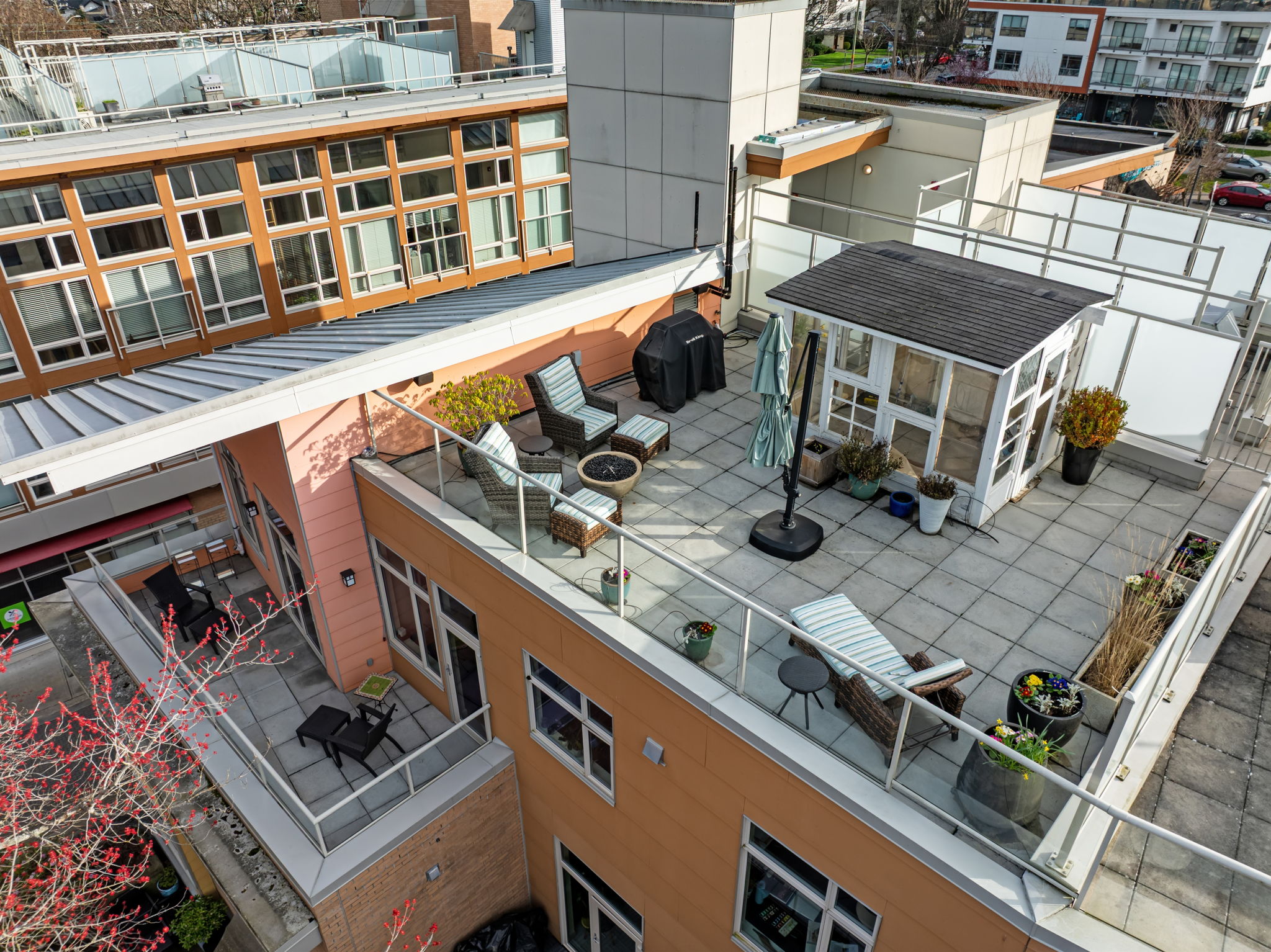
A strong long-term value property Victoria buyers should look for is not always the newest or most polished listing. More often, it is the property that will remain useful, desirable, and financially defensible as your life changes and the market shifts. That matters in today’s market because buyers have more inventory to compare than they did in the tighter conditions of recent years. At the end of February 2026, the Victoria Real Estate Board reported 2,903 active listings, up 10.4 per cent from February 2025. The Victoria Core benchmark was $1,307,400 for a single-family home and $545,600 for a condo. When buyers focus only on finishes, they can miss the deeper question: will this property still make sense years from now? That is where long-term value lives. Start with location, not just the listing itself A beautiful home in a weak location can become harder to defend over time. A simpler home in a consistently desirable area often holds up better. In Victoria, long-term value is usually supported by locations that stay practical through changing market conditions. That often means proximity to employment areas, schools, daily services, parks, and transit. These are the features buyers tend to keep paying for, even when the market becomes more selective. A good question to ask is not just, “Do I like this neighbourhood today?” It is, “Will buyers still want this area when I eventually sell?” Look for a layout that can adapt Long-term value improves when a property can serve more than one stage of life. That could mean: a bedroom and bathroom on the main floor space for a home office a lower level with suite potential a layout that works for a couple, a family, or downsizers enough storage and functional living space for daily life The most resilient homes are often the ones that can adjust with changing needs. A property that only works for one very specific buyer profile may still sell, but it often has a smaller resale pool. Pay attention to flexibility and future utility One of the clearest signs of long-term value is flexibility. In Victoria, that can include a legal suite, a layout that could support secondary accommodation, or land and zoning context that gives the property more than one use case. The City of Victoria’s Missing Middle and residential infill framework allows forms such as houseplexes, corner townhouses, and heritage-conserving infill in applicable areas, and the city notes that other forms of residential infill are now permitted in most areas. That does not mean every property should be valued as a redevelopment play, but it does mean flexibility has become a more important part of how buyers assess value. A property can have stronger long-term value if it offers: legal income potential multigenerational living options adaptable finished space lot characteristics that widen future use value even without relying on speculative redevelopment Separate cosmetic issues from functional problems Some homes look dated but still make excellent long-term purchases. Others look updated but have underlying problems that can weaken value later. Cosmetic issues are usually easier to manage, such as: old paint colours tired flooring dated fixtures older but functional kitchens and bathrooms Functional issues are more important to weigh carefully, such as: awkward layouts poor natural light very limited storage expensive deferred maintenance aging roofs, windows, or building systems weak strata planning in a condo building A smart buyer learns to tell the difference. Cosmetic flaws can create opportunity. Functional obsolescence can create drag. Think about resale before you own it A property with long-term value should have a believable resale story. That usually means: a sensible floor plan enough parking for the area and property type outdoor space that feels usable broad lifestyle appeal a price point supported by steady demand a location and design that do not require too much explanation If you already know you will need to “sell the buyer” on the home’s weaknesses, that is worth noticing. Long-term value is often tied to how easy the property will be to understand and appreciate later. In today’s market, buyers can afford to be more selective This is one reason long-term thinking matters right now. Victoria buyers are no longer making decisions in the same ultra-tight environment that defined some recent years. More active listings mean more comparison, and that usually puts pressure on homes with weaker fundamentals. BCREA has also reported that provincial inventory is running near its highest level in over a decade, while its 2026 first-quarter forecast update says markets are expected to remain balanced in 2026 with price growth tempered by supply. That does not mean value disappears. It means buyers have a better chance to choose carefully. What long-term value can look like by property type Detached homes Detached homes often hold long-term value through a combination of land, flexibility, and family appeal. Homes with suites, usable yards, and adaptable layouts tend to offer broader demand over time. Condos For condos, long-term value often comes down to the building as much as the unit. A practical floor plan, good light, strong location, and responsible strata management usually matter more than trendy finishes. Townhomes Townhomes can offer strong long-term value when they balance space, livability, and manageable ownership costs. Functional layouts and family-friendly design tend to age well. A better question to ask before buying Instead of asking, “Will this property go up quickly?” ask: “Will this home still make sense if I own it for 7 to 10 years?” That question tends to reveal the things that actually matter: location durability layout flexibility maintenance risk resale depth income or suite potential overall usability That is how buyers move from short-term excitement to long-term strategy. Final thoughts A strong long-term value property Victoria buyers should prioritize is rarely just the best-staged listing or the one with the newest finish package. It is usually the property with lasting utility, flexible appeal, manageable risk, and a location buyers are likely to keep valuing. If you want help evaluating which homes offer real long-term value in Victoria, contact Faber Real Estate Group for practical guidance tailored to your goals, budget, and timeframe. Gerry L., 5-Star Review, via Google “It was a true pleasure working with Cal. We could not have asked more from Cal in how he looked after us from showing to closing. He made the whole process as easy as possible for us, and it was obvious that he cares about his clients and looking after them. The communication from both Cal and Scott was clear, fast and professional. We would absolutely recommend the Faber Real Estate Group!” Faber Real Estate Group Royal LePage Coast Capital Realty 📞 250-244-3430 📧[email protected] ℹ️ Scott Faber Personal Real Estate Corporation ℹ️ Cal Faber Personal Real Estate Corporation Vanessa Wood, Zachary Parsons, and Sophie Taylor “Building Lasting Relationships, One Home at a Time.”
Read more