
Posts Tagged ‘Vancouver Island real estate’
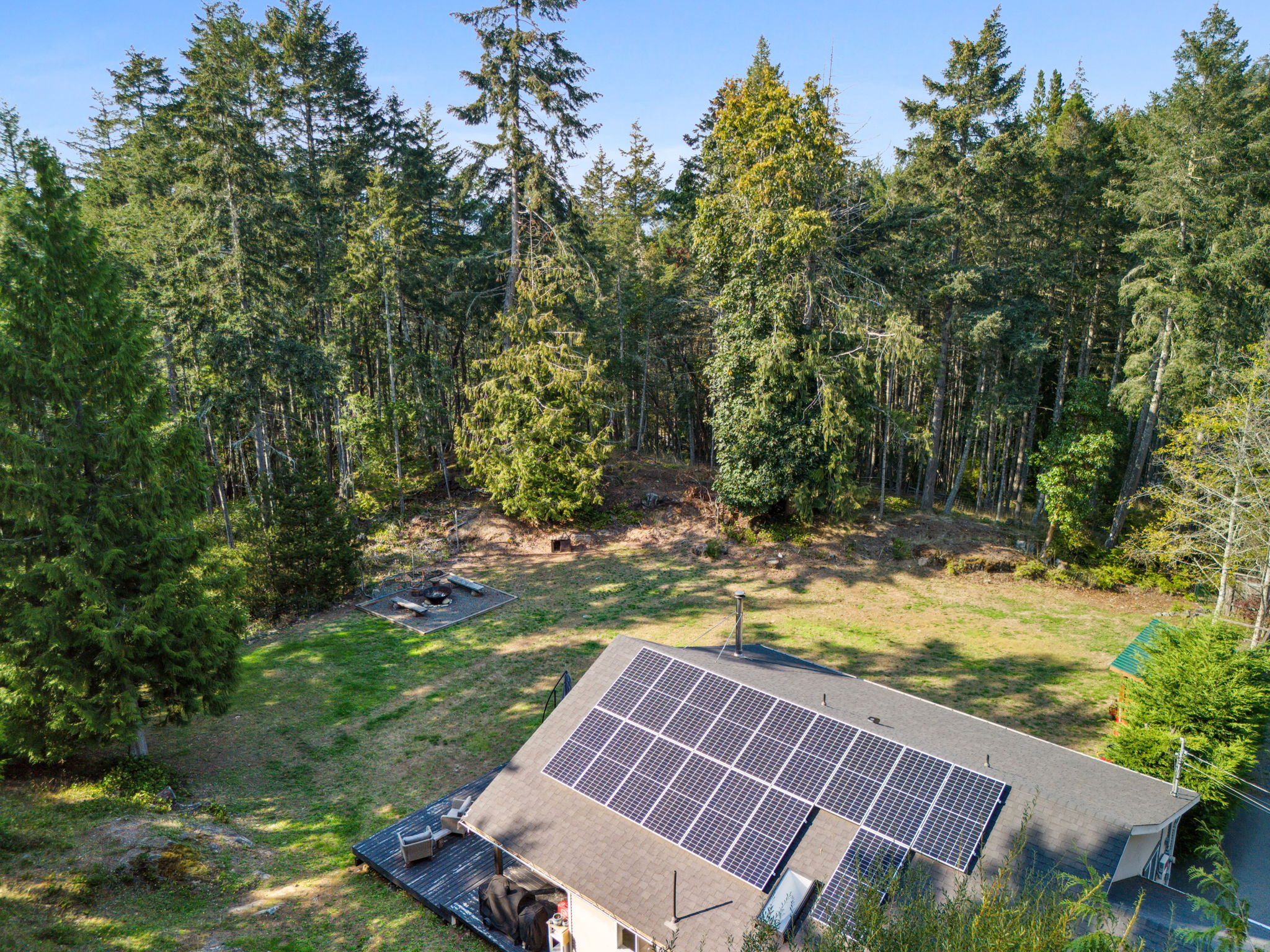
More space without leaving Greater Victoria is one of the most common goals for buyers whose current home no longer fits. That may mean an extra bedroom, a larger yard, a garage, a home office, suite potential, or simply a layout that feels easier to live in. For many buyers, the challenge is not wanting to leave the region. They still want access to work, schools, family, recreation, and the lifestyle that makes Greater Victoria such a desirable place to call home. The good news is that there are still practical options. The key is understanding where your budget goes further, what trade-offs each area involves, and what type of space actually matters most to your lifestyle. Why Buyers Start Looking for More Space Most people do not wake up one day and suddenly decide they need a bigger home. Usually, the need builds slowly. A condo starts to feel tight. A townhouse no longer has enough storage. A growing family needs another bedroom. Remote work makes a proper office more important. Pets, kids, hobbies, tools, bikes, guests, or extended family can all change how a home functions. At that point, the question becomes less about wanting more square footage and more about wanting a home that supports daily life better. That is where a thoughtful move-up strategy matters. The First Question Is Not Size. It Is Trade-Off. When buyers start searching for more space, they often focus on square footage first. That makes sense, but it is not the only thing that matters. In Greater Victoria, more space usually comes from one of three trade-offs: Moving farther from the downtown core Choosing an older home with more potential Prioritizing land, layout, or suite flexibility over newer finishes A newer home in Langford may offer more bedrooms, a garage, and a functional family layout. An older home in Saanich West may offer a larger lot, renovation potential, and a more central location. A property in Sooke may offer land, privacy, and outdoor space that would be difficult to find closer to town. None of these options are automatically better. The right choice depends on what problem you are trying to solve. Langford Langford is often one of the first areas buyers consider when they want more space without leaving Greater Victoria. The appeal is practical. Buyers can often find newer single-family homes, townhomes, duplexes, and family-oriented communities with more interior space than they may find in Victoria, Oak Bay, or central Saanich at a similar price point. Langford also offers strong everyday convenience. Shopping, restaurants, recreation, schools, trails, lakes, and transit connections have made it one of the most active move-up markets in the region. For many buyers, Langford offers a useful balance between space, amenities, and long-term livability. Colwood Colwood can be a strong option for buyers who want more space with a quieter residential feel. Areas around Royal Bay, Olympic View, Wishart, and Lagoon offer a mix of newer homes, established neighbourhoods, schools, parks, and access to the ocean. Buyers who value outdoor space, community planning, and proximity to beaches may find Colwood especially appealing. Compared with some core neighbourhoods, Colwood may offer more flexibility for families looking for an extra bedroom, a garage, a yard, or a more functional layout. View Royal View Royal is worth considering for buyers who want more space but do not want to feel too far removed from Victoria. Its location between the core and the Westshore makes it a strong middle-ground option. Buyers have access to Thetis Lake, the Galloping Goose Trail, Victoria General Hospital, shopping, schools, and major commuter routes. View Royal includes a mix of older single-family homes, townhomes, strata communities, and larger properties depending on the neighbourhood. For buyers who want both space and convenience, it can be a smart area to watch. Saanich West Saanich West is often overlooked by buyers who are focused on either central Victoria or the Westshore. That can create opportunity. Neighbourhoods around Tillicum, Glanford, Strawberry Vale, Royal Oak, Interurban, and Carey may offer single-family homes, larger lots, established streets, parks, and convenient access to town. Some homes may need updating, but that can be part of the long-term value. For buyers who are open to improving a home over time, Saanich West can offer more flexibility than trying to buy a fully renovated property in a more expensive neighbourhood. Sooke Sooke is a strong option for buyers who want more land, more privacy, or more access to nature. The trade-off is usually commute time. For buyers working in downtown Victoria, Saanich, or even parts of Langford, that can be a major consideration. But for those who work remotely, have flexible schedules, or value lifestyle space more than central convenience, Sooke can be a practical fit. Buyers may find larger lots, newer homes, suite options, ocean views, rural settings, and access to trails and beaches. For the right person, Sooke offers a kind of space that is difficult to replicate closer to town. Metchosin and the Highlands Metchosin and the Highlands offer a different version of space. These areas appeal to buyers looking for privacy, acreage, workshops, gardens, rural character, or a quieter lifestyle. They are not always the easiest fit for every buyer because larger properties can come with more maintenance, wells, septic systems, and unique home styles. For buyers who want land and separation, these communities can offer something rare within Greater Victoria. The key is to look beyond the appeal of acreage and understand the responsibility that comes with it. More land can be an incredible lifestyle choice, but it should be matched with the right budget, time, and expectations. The Peninsula Central Saanich, North Saanich, and Sidney can also be worth exploring for buyers who want more space without leaving Greater Victoria. Central Saanich and North Saanich may appeal to buyers looking for larger lots, rural surroundings, established homes, and a calmer pace. Sidney offers more walkability, services, restaurants, shops, and waterfront access, although larger detached homes can come at a premium. The Peninsula works well for buyers who want to stay connected to Greater Victoria but prefer a quieter setting outside the busier urban core. Older Homes Can Be a Smart Path to More Space More space does not always mean buying the newest home. In many established neighbourhoods, older homes may offer larger lots, better renovation potential, suite possibilities, mature landscaping, and more flexible layouts. They may also come with maintenance needs, so it is important to understand the roof, windows, perimeter drains, electrical, plumbing, heating, and overall condition. For buyers with a longer-term mindset, an older home in the right location can be a strategic move. You may not get every finish you want on day one, but you may gain land, layout, and future flexibility. Layout Matters More Than Square Footage A bigger home is not always a better home. A well-designed 1,900 square foot home can feel more functional than a poorly laid out 2,400 square foot home. Before focusing only on size, it helps to define what kind of space you actually need. Ask yourself: Do you need more bedrooms? Do you need a second living room? Do you need a proper office? Do you need storage? Do you need a garage or workshop? Do you need a yard for kids or pets? Do you need suite potential? Do you need separation for teenagers, guests, or extended family? The clearer you are on the real need, the easier it becomes to compare homes properly. A large home with the wrong layout may not solve your problem. A slightly smaller home with the right layout might. Do Not Forget the Cost of the Move When moving up, the purchase price is only one part of the decision. Buyers should also consider: Property transfer tax Legal fees Moving costs Renovations or repairs Utility costs Insurance Commuting costs Strata fees, if applicable Long-term maintenance A home that looks more affordable on paper may become less affordable if it requires major work. On the other hand, a slightly more expensive home with better systems, layout, and condition may be easier to manage over time. This is where strategy matters. The goal is not just to buy more space. The goal is to buy more usable space without creating unnecessary financial pressure. Final Thoughts Finding more space without leaving Greater Victoria is possible, but it often requires a flexible mindset. For some buyers, the right move may be Langford, Colwood, View Royal, or Sooke. For others, it may be Saanich West, the Peninsula, Metchosin, the Highlands, or an older home with more potential. The best choice is not always the biggest home or the newest home. It is the home that gives you the right balance of space, location, lifestyle, budget, and long-term value. If your current home no longer fits, it may be time to look at your options with a clear plan. A thoughtful move-up strategy can help you understand where your budget goes further, which areas fit your lifestyle, and what trade-offs are actually worth making. Devon M., 5-Star Review, via Google “Scott was very patient with us as we started our family and took about a year to decide on place we thought would be fit for our home. He went above and beyond and still continues to this day to keep in touch and periodically checks in to see how we are doing. I highly recommend him to anyone looking for a realtor to either sell or buy their home.” Faber Real Estate Group Royal LePage Coast Capital Realty 📞 250-244-3430 📧 [email protected] ℹ️ Scott Faber Personal Real Estate Corporation ℹ️ Cal Faber Personal Real Estate Corporation Vanessa Wood, Zachary Parsons, and Sophie Taylor “Building Lasting Relationships, One Home at a Time.”
Read more
What makes buyers hesitate is not always obvious to sellers. A buyer may like the home, book a second showing, ask good questions, and still decide not to write an offer. That hesitation usually comes from uncertainty. Buyers are not only deciding whether they like the home. They are deciding whether the price, condition, location, documents, and future costs feel safe enough to move forward. In a market where buyers have more choice, small concerns can carry more weight. The Price Does Not Match the Experience Price is one of the most common reasons buyers pause. A buyer may like the home, but if the asking price feels high compared with similar listings, recent sales, or the home’s condition, they may hold back. This is especially true when there are other options available. Buyers often hesitate when: The home feels overpriced compared with competing listings Recent comparable sales do not support the asking price The condition does not match the price point The home has been sitting without adjustment The seller appears unwilling to negotiate A strong price does not need to be the lowest price. It needs to feel reasonable, explainable, and connected to the market. The Home Needs Too Much Work Most buyers expect some imperfections. But when the list of repairs starts to feel long, hesitation can build quickly. Common concerns include: Older roof Aging windows Worn flooring Tired paint Outdated electrical or plumbing Poor drainage Signs of moisture Deferred exterior maintenance Old appliances Unclear renovation quality Even cosmetic issues can matter if buyers start adding up the cost, time, and effort involved. A home that feels manageable may still attract strong interest. A home that feels like a project can narrow the buyer pool. The Listing Photos Do Not Match the Showing Buyers want the home to feel consistent with what they saw online. If the photos make the property look brighter, larger, cleaner, or more updated than it feels in person, trust can drop. That does not mean photos should be unflattering. It means the marketing should present the home well without creating a disconnect. Buyers may hesitate when they feel surprised by: Smaller room sizes Less natural light More wear and tear than expected Awkward layout Noise Odours Poor storage Neighbouring properties Parking limitations Once buyers feel misled, it becomes harder for them to feel confident. The Layout Does Not Fit Real Life A home can be attractive but still not function well for a buyer’s daily routine. Layout concerns often show up during or after the showing. Buyers start thinking about furniture, storage, work-from-home needs, children, pets, guests, hobbies, or future resale. They may hesitate if: Bedrooms are too small The kitchen feels disconnected There is no proper entryway Storage is limited The living area is hard to furnish The bathroom count feels tight Outdoor space is impractical There is no room to grow The home does not suit their next five years Buyers are not just purchasing a space. They are trying to picture a life inside it. The Documents Raise Questions For condos, townhomes, and strata properties, documents can have a major impact on buyer confidence. A buyer may like the unit but pause after reviewing the strata package. Concerns may come from: Low contingency reserve fund Repeated special levies Insurance concerns Major repairs being discussed Depreciation report issues Rental or pet restrictions Noise complaints Bylaw concerns Unclear meeting minutes For detached homes, buyers may hesitate over title details, permits, surveys, septic records, oil tank history, or renovation documentation. Good documents help buyers feel safe. Unclear documents create doubt. The Costs Feel Uncertain Many buyers are not only thinking about the purchase price. They are thinking about the total cost of ownership. That may include: Mortgage payment Property taxes Strata fees Insurance Utilities Maintenance Repairs Renovations Commuting costs Future special levies A buyer may be able to afford the home on paper but still hesitate if the ongoing costs feel unpredictable. This is one reason well-maintained homes with clear records can feel easier to buy. The Buyer Is Comparing Too Many Options More choice can create confidence, but it can also create decision fatigue. When buyers see several homes that could work, they may delay because they worry a better option will appear. They may like one property but keep comparing it to another. This is especially common when: Inventory is rising Multiple homes are priced similarly Buyers are early in their search The home has compromises The buyer is unsure about neighbourhoods Interest rates or monthly payments feel tight Sellers cannot control buyer psychology, but they can make the decision easier by pricing and presenting the home clearly. The Home Lacks an Emotional Pull Not every buyer decision is purely logical. Sometimes buyers hesitate because the home does not create enough emotional connection. It may check the boxes but feel cold, cluttered, dark, or hard to imagine living in. A stronger emotional pull can come from: Clean presentation Natural light Warm but neutral staging Clear room purpose Good flow Tidy outdoor spaces A welcoming entry Small signs of care and maintenance When buyers feel emotionally connected and logically reassured, they are more likely to act. The Seller Seems Difficult or Unprepared Buyers also read signals from the process. If showings are hard to book, information is missing, documents are delayed, or responses feel slow, buyers may wonder whether the transaction will be difficult. Hesitation can increase when: Listing details are unclear Documents are incomplete Access is limited Questions go unanswered The seller seems unrealistic The home was not prepared properly There is uncertainty around dates or inclusions A smooth process builds trust before an offer is ever written. The Bottom Line for Sellers What makes buyers hesitate is usually a mix of price, uncertainty, condition, presentation, documents, and confidence. Most buyers do not need a perfect home. They need enough clarity to feel the decision makes sense. For sellers, the goal is to reduce friction before the home goes live. That means pricing with care, preparing the property well, organizing key information, and making the home easy to understand. In Greater Victoria, where buyers often compare different property types, neighbourhoods, and ownership costs, small details can make a big difference. The more confident buyers feel, the easier it becomes for them to move from interest to action. For advice on preparing your home for sale in Greater Victoria, contact Faber Real Estate Group for clear, local guidance before making your next move. Leanne D, 5-Star Review, via Google “I would highly recommend the Faber Group this is the second time we have used them and have been over the top happy with their service. They are an honest group who all go above and beyond to make your experience perfect!” Faber Real Estate Group Royal LePage Coast Capital Realty 📞 250-244-3430 📧 [email protected] ℹ️ Scott Faber Personal Real Estate Corporation ℹ️ Cal Faber Personal Real Estate Corporation Vanessa Wood, Zachary Parsons, and Sophie Taylor “Building Lasting Relationships, One Home at a Time.”
Read more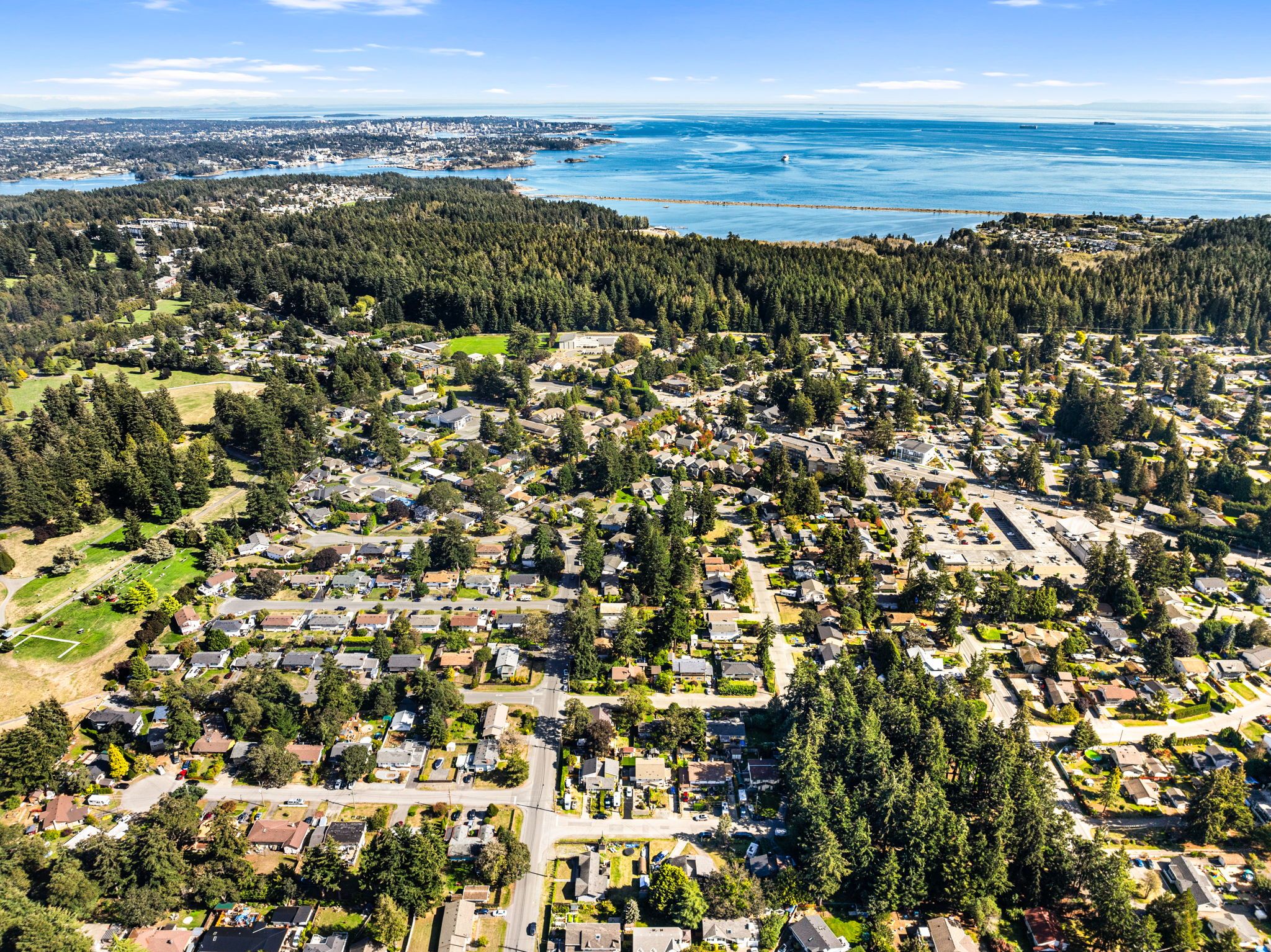
For buyers in Greater Victoria, budget matters, but where you shop matters just as much. The same number can buy a newer condo in one area, an older townhouse in another, or a detached home in a completely different part of the region. That is especially true when comparing Langford, Saanich, and Victoria, where housing stock, neighbourhood feel, and price points can shift quickly from one municipality to the next. The Victoria Real Estate Board reported 3,261 active listings at the end of March 2026, up 7.9% from March 2025, while also noting that Greater Victoria is made up of many micro-markets with different conditions and demand. This is why buyers who only search by price can miss the bigger picture. A $750,000 budget does not mean the same lifestyle in Langford as it does in Saanich or Victoria. In practical terms, your budget is really buying a mix of location, home type, age, condition, and future resale appeal. Langford’s planning direction continues to support a wider range of housing choices, including more mid-rise and ground-oriented homes, while Saanich is actively working to expand housing diversity in established neighbourhoods. Victoria, meanwhile, is made up of 12 distinct neighbourhoods, which helps explain why value can look very different from one pocket to another. Why These Three Areas Feel So Different Langford Langford often gives buyers more square footage and newer construction for the money. Many buyers looking here are trading a longer commute or a different neighbourhood feel for a more modern home, newer strata, or a better chance at ground-oriented living. The city’s current planning framework emphasizes mid-rise and ground-oriented housing choices, which supports that broader range of product. Saanich Saanich tends to sit in the middle. It offers a wide mix of housing, from condos and townhomes to established detached neighbourhoods, but pricing can move up quickly depending on school catchments, lot size, and proximity to key amenities. Its updated planning direction also points toward more housing diversity within existing neighbourhoods. Victoria Victoria usually commands a premium for location, walkability, and lifestyle. Buyers are often paying more for proximity to downtown, the Inner Harbour, Cook Street Village, Fernwood, Fairfield, or other well-known urban neighbourhoods. The City’s neighbourhood structure and evolving housing policy help explain why Victoria often offers less space for the same budget, but stronger lifestyle appeal for buyers who want to be close to the core. What Different Budgets May Buy You Around $500,000 to $650,000 At this level, most buyers are usually focused on condo living. In Langford, this budget can often put you in a newer one-bedroom or two-bedroom condo, sometimes in a more modern building with updated finishes, parking, and better overall building age. In Saanich, this same budget may still work for a condo, but buyers are often choosing between size and age. You may find a larger older suite or a smaller unit in a more desirable pocket. In Victoria, this range often means a condo as well, but the trade-off is usually space. You may buy into a more central and walkable lifestyle, but with less square footage or an older building than you would see in Langford. That lines up with broader market data. In March 2026, the Victoria Core MLS HPI benchmark for a condo was $553,800, while the region-wide average sale price for condo apartments was $634,393. Around $650,000 to $900,000 This is where the comparison starts to get more interesting. In Langford, buyers in this range may start stretching into larger condos, newer townhomes, or older small detached options depending on exact location and condition. In Saanich, this is often townhouse territory, larger condos, or entry-level detached opportunities in select pockets, though detached choices can still be limited. In Victoria, buyers may still be mostly looking at condos, townhomes, or half-duplex style options rather than detached homes, especially if staying close to the urban core is important. Region-wide in March 2026, the average sale price for a row or townhouse was $837,192, which makes this budget range one of the most competitive for buyers trying to move beyond condo living without jumping fully into higher detached-home pricing. Around $900,000 to $1.2 million This is often the transition zone where buyers start deciding between location and home type. In Langford, this budget may open the door to detached homes, including newer or more updated properties, especially when buyers are flexible on exact neighbourhood or lot size. In Saanich, this budget may buy an older detached home, a smaller lot, a home needing updates, or a strong townhouse alternative in a well-established area. In Victoria, this range often still requires compromise for detached housing. Buyers may need to consider smaller homes, more renovation work, duplex options, or moving slightly away from the most sought-after central pockets. That context matters because the Victoria Core single-family benchmark was $1,330,200 in March 2026, while the region-wide average sale price for single-family homes was just over $1.35 million. In other words, a budget around $1 million can still be powerful, but it does not stretch evenly across all three municipalities. Around $1.2 million to $1.6 million Now buyers start seeing a bigger difference in what their money can do. In Langford, this range can often buy a newer detached home with more interior space, a garage, and a family-oriented layout. In Saanich, this may put buyers into an established detached home in a desirable neighbourhood, though age, updates, and lot characteristics still matter a great deal. In Victoria, this budget may buy a detached home in select areas, but many buyers are still choosing between character, condition, parking, and walkability rather than getting all of them at once. This is where buyer strategy becomes more important than headline price. A family focused on space and newer finishings may lean Langford. A buyer focused on long-term neighbourhood stability and central access may prioritize Saanich. A buyer focused on walkability and city lifestyle may still prefer Victoria even if the home itself is smaller or older. Above $1.6 million At this level, all three areas offer more choice, but the type of value still differs. Langford may offer larger and newer detached homes with more modern layouts. Saanich may offer stronger lot value, established streets, and family-oriented neighbourhood appeal. Victoria may offer premium location, character homes, or higher-demand central properties where land and proximity carry more of the value story. For many buyers, this is the budget range where the decision stops being about “Can I buy?” and starts becoming “What kind of life do I want this home to support?” The Real Trade-Off Is Not Just Price The biggest mistake buyers make is assuming that more house always means better value. Sometimes the better move is buying less space in the right location. Sometimes it is buying a newer home with fewer maintenance surprises. Sometimes it is choosing an older home in a strong neighbourhood because the long-term livability is better for your family. The best budget is not the highest one. It is the one that aligns with how you want to live, how long you plan to stay, and how much compromise you are actually comfortable making. Final Thoughts If you are comparing Langford, Saanich, and Victoria, the smarter question is not just what your budget can buy. It is what kind of home, lifestyle, and future flexibility that budget can buy in each area. In today’s market, buyers have more room to compare options and do proper due diligence than they did in more competitive years, but the differences between micro-markets still matter. The right strategy is to compare the same budget across multiple municipalities before committing too early to one path. VREB says current supply and consumer demand have created conditions with less pressure and more time for decision-making, which makes this kind of side-by-side comparison especially worthwhile right now. If you want help comparing what your budget could realistically buy in Langford, Saanich, and Victoria right now, contact Faber Real Estate Group for tailored advice and a clear plan based on your goals. Nilo M., 5-Star Review, via Google “This group have a high level of commitment to help and to put thier client’s need ahead of their personal gain. They deal and engage with integrity and wisdom on how it will work for both the seller and the clients. I experienced it first hand in this crazy and difficult season. We just bought a home at Glanford area, and they are always there for us, every step of the way. They are real and can be trusted.” Faber Real Estate Group Royal LePage Coast Capital Realty 📞 250-244-3430 📧[email protected] ℹ️ Scott Faber Personal Real Estate Corporation ℹ️ Cal Faber Personal Real Estate Corporation Vanessa Wood, Zachary Parsons, and Sophie Taylor “Building Lasting Relationships, One Home at a Time.”
Read more
If you are wondering what $1 million buys in Sidney BC, the answer is more nuanced than it used to be. Sidney remains one of the most desirable places on the Saanich Peninsula thanks to its walkable downtown, waterfront lifestyle, strong downsizer appeal, and easy access to the airport and ferries. That desirability means a $1 million budget can still open the door to ownership, but buyers need to be realistic about the kind of property, size, finish level, and location they can expect. The broader Greater Victoria market is also giving buyers more breathing room than it did a year ago. In March 2026, the Victoria Real Estate Board reported 579 total sales, down 5.5% from March 2025, while active listings rose to 3,261, up 7.9% year over year. VREB also notes that Victoria’s sales-to-active listings ratio is considered balanced between 17% and 28%, with downward pressure below that range. March sat right around that threshold, which helps explain why buyers currently have more choice and more negotiating room than in tighter markets. So What Does That Mean for Sidney Buyers? In a place like Sidney, a $1 million budget usually does not mean unlimited choice. What it often means instead is choosing between lifestyle, space, condition, and property type. In practical terms, buyers around the $1 million mark are often looking at one of three paths: a larger or more premium condo in a strong location a well-kept townhome or patio home a smaller detached home, older home, or a property that may need some updates That is the real story of Sidney right now. One million dollars can still buy something very appealing, but buyers usually have to decide which trade-off matters least to them. Option 1: Condo Living With Lifestyle Appeal For some buyers, especially downsizers or retirees, this budget can go a long way in Sidney’s condo market. Instead of stretching for a detached house, it may allow for a better location, updated finishes, lower maintenance, and walkability to shops, cafés, the waterfront, and everyday services. That can be a smart move in Sidney because lifestyle is a major part of the value. If the goal is to simplify life while staying close to amenities, a well-chosen condo can offer more day-to-day enjoyment than a detached home that needs work. Option 2: Townhome or Patio Home Convenience For buyers who still want a bit more privacy and space than a condo offers, a townhome or patio home can often be the sweet spot. Around the $1 million range, this category may offer a more functional layout, some outdoor space, and a balance between comfort and maintenance. This is where many buyers find the best compromise. You may not get the full detached-home experience, but you may gain a more updated interior, a better location, or a more manageable ownership experience. Option 3: Detached Home Entry Into Sidney A detached home near the $1 million mark in Sidney can still be possible, but expectations matter. Buyers may be looking at an older house, a smaller footprint, less renovated condition, or a location that is less central or less polished than the most in-demand pockets. That does not make it a bad purchase. In fact, for buyers who value land, privacy, or the long-term upside of improving a property over time, this can still be a strong strategy. But it is rarely the budget tier where you get every box checked. The Bigger Takeaway The mistake many buyers make is treating $1 million like it should buy the same thing everywhere. In Sidney, a large part of the value is tied to the setting itself. You are not just buying square footage. You are buying access to a coastal community that feels walkable, established, and connected. That is why the better question is not only, “What does $1 million buy me?” It is also, “What kind of lifestyle do I want that $1 million to buy?” For one buyer, that means a stylish condo near Beacon Avenue. For another, it means a quiet patio home. For someone else, it means getting into a detached house and improving it over time. Final Thoughts If you are exploring what $1 million buys in Sidney BC, the answer is still encouraging, but it is no longer simple. A seven-figure budget can absolutely buy a great home in Sidney, but buyers need to go in with a clear strategy and the right expectations about compromises. The good news is that today’s market is offering more selection and a little more negotiating room than last year, which gives buyers a better chance to find the right fit without the same pressure we saw in tighter conditions. If you are thinking about buying in Sidney and want help understanding where your budget fits in today’s market, contact Faber Real Estate Group for tailored advice on the best opportunities available now. Brett H., 5-Star Review, via Google “I can’t suggest how to make Fabers better at being good realtors. They’re already congenial, trustworthy, informed, experienced, and thorough. Cal listened and advised, and somewhere in the middle he said what the condo would sell for and he was right on. Thanks!” Faber Real Estate Group Royal LePage Coast Capital Realty 📞 250-244-3430 📧[email protected] ℹ️ Scott Faber Personal Real Estate Corporation ℹ️ Cal Faber Personal Real Estate Corporation Vanessa Wood, Zachary Parsons, and Sophie Taylor “Building Lasting Relationships, One Home at a Time.”
Read more
The spring market in Victoria, BC is now taking shape, and this year it looks more balanced, more selective, and less rushed than the fast-moving markets many people still remember. March 2026 sales in the Victoria Real Estate Board region rose to 579 properties, up 24.5 per cent from February, while active listings climbed to 3,261. VREB described this as a fairly typical spring pattern that usually builds toward May or June. More Listings Means More Choice One of the clearest themes this spring is inventory. Buyers are seeing more options than they did in many recent spring markets, and that changes the tone of the market. At the end of March 2026, active listings were up 12.3 per cent from February and 7.9 per cent from March 2025. That matters because more selection usually gives buyers more time to compare properties, review documents carefully, and make decisions with less pressure. This trend was already building in February. VREB reported 2,903 active listings at the end of that month, up 10.6 per cent from January and 10.4 per cent from the year before. In other words, spring did not suddenly appear in March. It has been building in stages, with supply steadily improving as more sellers prepare to list. Buyers Should Expect Better Conditions Than Recent Years For buyers, this spring should feel more manageable than the highly competitive conditions of past years. VREB noted that current conditions are creating fewer high-pressure transactions and allowing more time for due diligence. That does not mean every home will sit or every seller will negotiate heavily. Well-priced homes in strong locations can still move quickly. It does mean buyers have a better chance to compare options and make decisions with a plan rather than panic. That fits the broader provincial picture as well. BCREA says inventory across BC is running near its highest level in more than a decade, and it expects markets to remain broadly balanced in 2026, with price growth tempered by higher supply. Sellers Should Expect More Competition For sellers, the spring market still offers opportunity, but not in the same way it did in ultra-tight markets. More listings mean more competition. Buyers have more homes to compare, so pricing, presentation, and strategy matter more. A property that is well prepared and priced in line with today’s market can still attract strong attention. A property that is overpriced or poorly presented may sit longer than expected. This is where many sellers can get caught off guard. Spring brings more buyer activity, but it also brings more competing listings. More activity does not automatically mean more leverage for every seller. In a balanced market, the homes that stand out usually do so because the strategy behind them is stronger, not because the season alone carries them. This matches the current reality that VREB describes as offering opportunities for both buyers and sellers rather than strongly favouring one side. Prices Are Showing Stability More Than Acceleration If you are wondering whether spring 2026 will bring a sharp jump in prices, the current data suggests a steadier pattern. In the Victoria Core, the MLS HPI benchmark for a single-family home was $1,330,200 in March 2026, down 1.1 per cent from March 2025 but up from February 2026. The benchmark for a condo was $553,800, down 0.8 per cent year over year and also up month over month. That tells an important story. Prices are not showing the kind of fast upward pressure that buyers feared in past spring markets, but they are also not collapsing. Instead, we are seeing a market where values are relatively stable, with modest month-to-month improvement as spring demand builds. What This Means for Buyers If you are buying this spring, expect more choice, more time to think, and more room to be strategic. That said, do not confuse a more balanced market with an easy market. Good homes can still attract competition, especially if they are priced well and show well. The advantage for buyers this year is not unlimited negotiating power. It is the ability to be more deliberate. A smart buyer strategy this spring is to get clear on your budget, target neighbourhoods, and must-haves before the right property appears. When the right fit does come up, preparation still matters. The buyers who do best in a balanced spring market are often the ones who are patient first and decisive second. What This Means for Sellers If you are selling this spring, expect buyers to notice value gaps more quickly. They have more listings to compare, and that makes strong pricing and strong presentation more important. Spring can still be an excellent time to list, but it is no longer enough to rely on seasonal momentum alone. Sellers who are realistic from the start often put themselves in a stronger position than those who test the market too high and hope conditions will do the work for them. In this market, preparation, marketing quality, and pricing discipline are what create leverage. The Bottom Line on This Year’s Spring Market The spring market in Victoria, BC looks active, but measured. Sales are rising seasonally, inventory is improving, and the market is giving both buyers and sellers room to make better decisions. That is a healthier environment than the rushed conditions many people associate with spring real estate. It also means strategy matters more than ever. If you are planning to buy or sell this spring, the best next step is not to guess where the market is going. It is to understand how your specific property type, price point, and area fit into today’s conditions. If you want help building the right plan for this spring market, contact Faber Real Estate Group for advice tailored to your move. Leanne D, 5-Star Review, via Google “I would highly recommend the Faber Group this is the second time we have used them and have been over the top happy with their service. They are an honest group of men who all go above and beyond to make your experience perfect!” Faber Real Estate Group Royal LePage Coast Capital Realty 📞 250-244-3430 📧[email protected] ℹ️ Scott Faber Personal Real Estate Corporation ℹ️ Cal Faber Personal Real Estate Corporation Vanessa Wood, Zachary Parsons, and Sophie Taylor “Building Lasting Relationships, One Home at a Time.”
Read more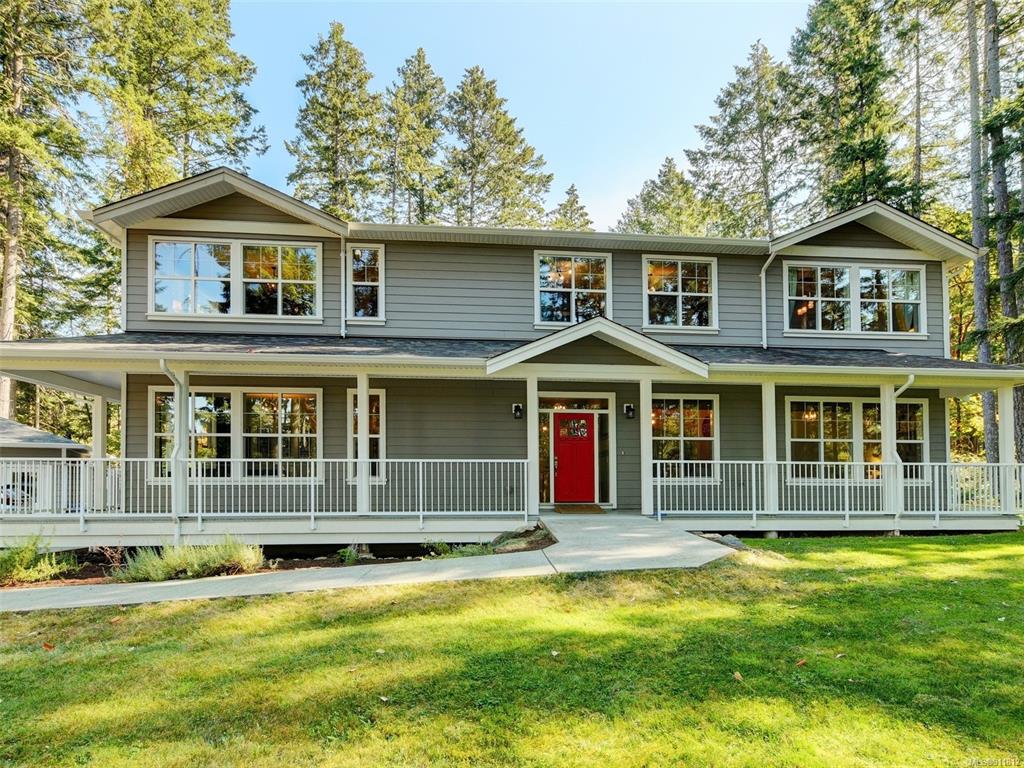
Living in Duncan BC appeals to buyers who want more space, more lifestyle, and stronger long-term value. Many start their search after comparing prices in Victoria or the Westshore. Then they realize Duncan offers a different balance. You gain access to the Cowichan Valley lifestyle. At the same time, you often secure more square footage for your budget. That trade-off drives demand. Location and Connectivity Duncan sits between Victoria and Nanaimo. As a result, residents stay connected to larger centres while enjoying a quieter daily routine. However, commute time matters. If you drive to Victoria daily, the highway becomes part of your cost calculation. On the other hand, if you work remotely or commute occasionally, the distance feels manageable. Therefore, your work structure should guide your decision. What Your Budget Buys One of the strongest advantages of living in Duncan BC is relative affordability compared to southern Vancouver Island markets. Buyers often find: Detached homes at lower price points than Victoria Larger lots with usable outdoor space Rural or semi-rural properties minutes from town Flexible housing options for families Consequently, many buyers upgrade lifestyle rather than stretch finances. Still, you must weigh convenience against value. Duncan offers space. Victoria offers proximity. The right choice depends on priorities. Lifestyle and Community Duncan attracts lifestyle-driven buyers. The Cowichan River supports swimming, fishing, and summer tubing. Mount Prevost offers hiking and scenic views. In addition, local markets and wineries reinforce the region’s agricultural roots. Because the community is smaller, residents often build stronger local connections. Schools, sports programs, and neighbourhood events feel accessible rather than overwhelming. For families and retirees, that environment often matters more than nightlife. Who Thrives in Duncan Living in Duncan BC suits buyers who value rhythm over rush. Families benefit from yard space and community focus. Retirees appreciate a slower pace and lower daily stress. Remote professionals enjoy larger homes that support work-from-home needs. However, buyers seeking dense urban energy may prefer Victoria. Therefore, clarity about lifestyle goals reduces second-guessing later. Neighbourhood Differences Not all areas of Duncan feel the same. Some neighbourhoods sit closer to downtown. Others offer acreage and privacy. Before choosing a property, consider: Do you want walkability or land? Is highway access important? Are schools a deciding factor? Do you plan to hold the property long-term? Clear answers guide stronger decisions. Long-Term Perspective Duncan attracts buyers focused on stability rather than speculation. Ownership periods tend to be longer. As a result, neighbourhoods often feel consistent and community-driven. If your goal is a quick resale, evaluate carefully. If your goal is lifestyle alignment over five to ten years, Duncan often makes sense. Final Thoughts Living in Duncan BC is a strategic lifestyle decision. You gain space, nature, and community. In return, you accept longer drives and fewer urban conveniences. Before moving, compare commute tolerance, property type goals, and long-term plans. Then evaluate listings side by side. When lifestyle leads the decision, Duncan frequently stands out. Michael B., 5-Star Review, via Google “Excellent experience with Faber group! Zach is an amazing young professional, he is very knowledgeable and explained everything to me (a first time buyer) very well. Towards the end I got to work with Cal as well who was also very kind and professional. I would certainly recommend Faber group.” Faber Real Estate Group Royal LePage Coast Capital Realty 📞 250-244-3430 📧[email protected] ℹ️ Scott Faber Personal Real Estate Corporation ℹ️ Cal Faber Personal Real Estate Corporation Vanessa Wood, Zachary Parsons, and Sophie Taylor “Building Lasting Relationships, One Home at a Time.”
Read more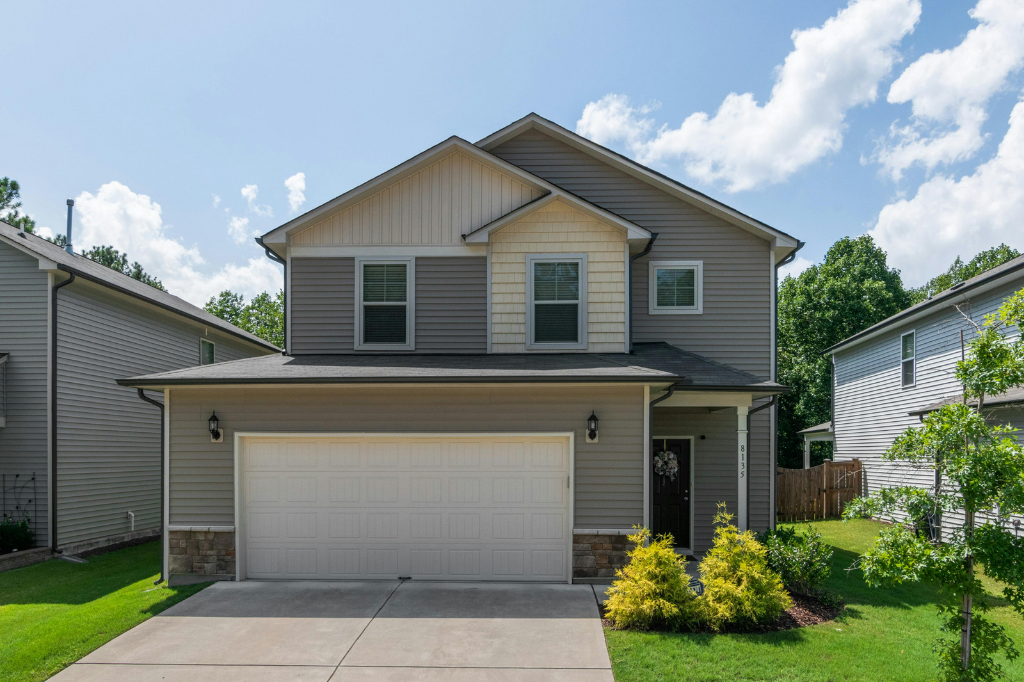
If you need to purchase a home remotely, you are not alone. Relocations, military postings, job transfers, and lifestyle moves have made long-distance buying more common than ever. The good news is that in British Columbia, the process can be completed smoothly with the right preparation and professional guidance. Here is how to do it properly. Step 1: Secure Financing First Before viewing properties, obtain a full mortgage pre-approval. Remote purchases move quickly when financing is confirmed upfront. Your lender can handle documentation digitally, and most major institutions support secure online verification. Clear financing reduces risk, especially when you cannot attend showings in person. Step 2: Choose the Right Local Realtor When you purchase a home remotely, your Realtor becomes your eyes and ears on the ground. Choose someone who: Knows neighbourhood trends • Provides honest property assessments • Is comfortable with video walkthroughs • Communicates clearly and quickly A strong local advisor will flag concerns you may not see on camera, such as traffic noise, slope of the lot, or deferred maintenance. Step 3: Use Virtual Tours Strategically Technology now makes it easier to evaluate homes from anywhere. Tools include: Live video showings via FaceTime or Zoom • Detailed video walkthroughs • 3D Matterport tours • Drone footage for surrounding context Ask for close-up views of mechanical systems, ceilings, flooring transitions, and exterior grading. Remote buyers should request more detail than in-person buyers. Step 4: Analyze the Neighbourhood When you purchase a home remotely, the property is only part of the decision. Research: School catchments • Proximity to amenities • Traffic patterns • Future development plans Your Realtor can provide insight into micro-locations within Greater Victoria, since street-by-street differences matter. Step 5: Include Protective Subjects In British Columbia, offers typically include subjects such as: Financing • Home inspection • Insurance approval • Strata document review if applicable Even when buying remotely, never skip inspections. Your inspector can provide a detailed report and often walk you through findings by phone or video. Step 6: Sign Documents Electronically Most contracts are signed electronically using secure platforms. This allows you to submit offers and remove subjects without being physically present. For closing, you will work with a lawyer or notary. In many cases, documents can be signed remotely or coordinated through a local lawyer in your current city. Step 7: Plan Possession Logistics If you cannot attend possession day, arrange: Key pickup by your Realtor • Professional cleaning if needed • Utility transfers • Moving company coordination Many remote buyers schedule possession a few days before they arrive to allow flexibility. Risks to Avoid When you purchase a home remotely, avoid: Rushing without proper due diligence • Waiving inspections without expert advice • Relying solely on listing photos • Ignoring neighbourhood research Preparation reduces surprises. The Bottom Line It is entirely possible to purchase a home remotely in today’s market. With strong financing, detailed virtual evaluations, thorough inspections, and trusted local representation, buyers can complete transactions confidently from anywhere. If you are planning a move to Greater Victoria and need guidance on how to purchase a home remotely, reach out to discuss your timeline and strategy. I would be happy to help you plan your next move. Justin V., 5-Star Review, via Google “Scott and Cal were absolutely phenomenal! From the moment we met them, we knew we were in good hands. Their in-depth knowledge of the Victoria market was impressive, and they guided us through the entire home selling and buying process with expertise and patience. They were always available to answer our questions, and their negotiation skills were top-notch. Thanks to their hard work, we found our dream home! We highly recommend The Faber Group to anyone looking to buy or sell a property.” Faber Real Estate Group Royal LePage Coast Capital Realty 📞 250-244-3430 📧[email protected] ℹ️ Scott Faber Personal Real Estate Corporation ℹ️ Cal Faber Personal Real Estate Corporation Vanessa Wood, Zachary Parsons, and Sophie Taylor “Building Lasting Relationships, One Home at a Time.”
Read more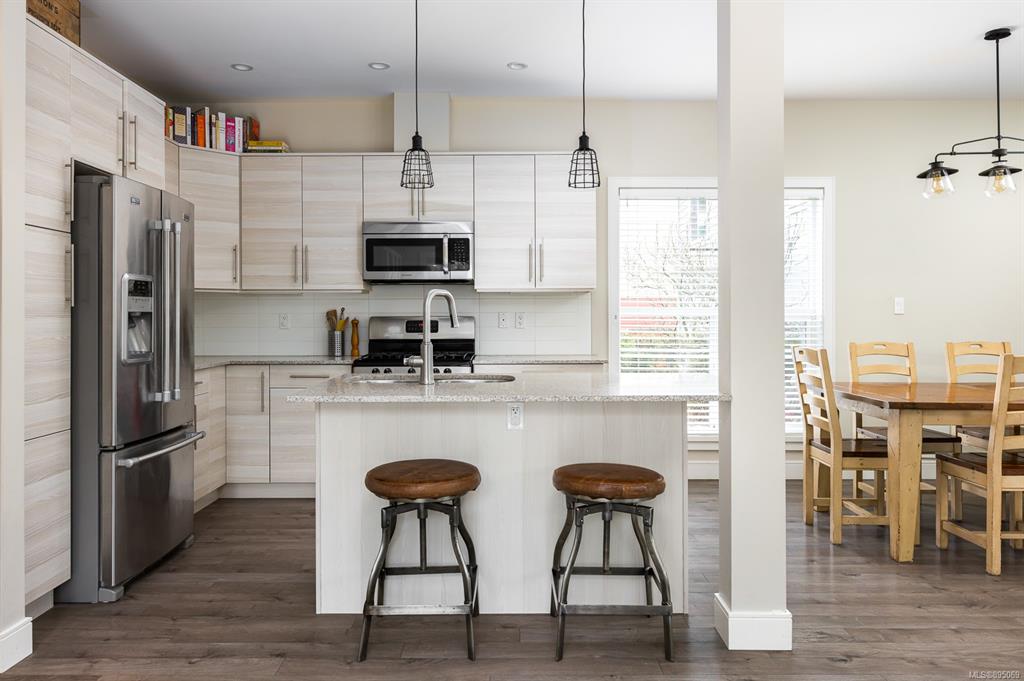
If you are trying to make sense of the Westshore real estate market overview 2026, here is the simple truth: inventory across Greater Victoria is higher, activity picked up in February, and pricing is holding steady enough that strategy matters more than speed. Sales are up month over month, which helped shift conditions back toward balance. Active listings rose to 2,903 across the Victoria Real Estate Board region at the end of February 2026. In the Westshore, pricing depends heavily on community and home type, so one headline number rarely tells the full story. What “Westshore” means in real terms When locals say “Westshore,” they are usually talking about the west side of Greater Victoria, including: Langford Colwood View Royal Metchosin Highlands Sooke These markets behave differently from one another. In 2026, that micro-market reality matters more than ever because buyers have more choice and sellers need cleaner pricing and presentation to stand out. The 2026 story so far: more choice, more thinking time February 2026 showed a noticeable pickup in sales compared with January, while inventory stayed healthy. The Victoria Real Estate Board reported 465 total properties sold in February (up 37.2% from January), with 2,903 active listings at month end. Why that matters in the Westshore Buyers: more listings usually means more leverage, but it also increases decision fatigue. Sellers: the “just list it and it sells” era is not the baseline. Pricing and preparation are doing more of the heavy lifting. Westshore benchmark prices: what a “typical” home costs in February 2026 VREB’s MLS Home Price Index (HPI) benchmark is useful because it tracks a typical home rather than swinging with whatever mix sold that month. Single family benchmark prices (February 2026) Langford: $1,029,300 Colwood: $1,077,800 Sooke: $803,000 Metchosin: $1,304,600 Highlands: $1,598,000 Townhome benchmark prices (February 2026) Langford: $714,300 Colwood: $737,800 Sooke: $666,200 Condo benchmark prices (February 2026) Langford: $512,200 Colwood: $494,000 Sooke: $499,000 How to read this quickly Westshore is not “cheap Victoria.” It is a range of sub-markets with different price bands. Highlands and Metchosin often behave like lifestyle acreage markets. Langford and Colwood carry a lot of the region’s growth, new supply, and townhome activity. What buyers should do differently in 2026 In a more balanced environment, the winning buyer move is not “move faster.” It is “get clearer.” Practical buyer strategy Choose your tradeoff first: space, schools, commute, or price point. The right answer changes the neighbourhood shortlist. Use the benchmark ranges to set expectations: if you are shopping detached, Langford vs Sooke vs Highlands is not a small adjustment. Be ready to act when the right home shows up: balance does not mean every listing sits, especially the ones priced properly and showing well. A smart question to ask yourself If you found the right home in Langford today, would you rather win on price, conditions, or possession date? Pick one before you write. What sellers should do differently in 2026 When inventory is higher, buyers compare more homes and notice flaws faster. Practical seller strategy Price for your competition, not your memory: the benchmark tells you the direction; your micro-market comps set the number. Presentation is a pricing tool: strong photos, clean prep, and clear showing access can reduce days on market. Plan for negotiation: balanced markets often include more back-and-forth, especially when buyers have options. A smart question to ask yourself If your home sits for 21 days, what is your plan: improve presentation, adjust price, or change terms? The bigger BC context: supply is higher across the province BCREA has noted provincial inventory running near the highest level in over a decade, with just over 40,000 homes for sale and expectations for broadly balanced conditions in 2026. That supports what we are seeing locally: more choice, fewer rushed decisions, and stronger results for people who plan. Dawson H., 5-Star Review, via Google “Working with Scott and Zach made the entire condo purchase process incredibly smooth, even while I was traveling in another country. Their communication was clear, timely, and efficient, which made it easy to navigate every step without feeling stressed or overwhelmed. They handled details behind the scenes with confidence, giving me peace of mind knowing everything was in good hands.” Faber Real Estate Group Royal LePage Coast Capital Realty 📞 250-244-3430 📧[email protected] ℹ️ Scott Faber Personal Real Estate Corporation ℹ️ Cal Faber Personal Real Estate Corporation Vanessa Wood, Zachary Parsons, and Sophie Taylor “Building Lasting Relationships, One Home at a Time.”
Read more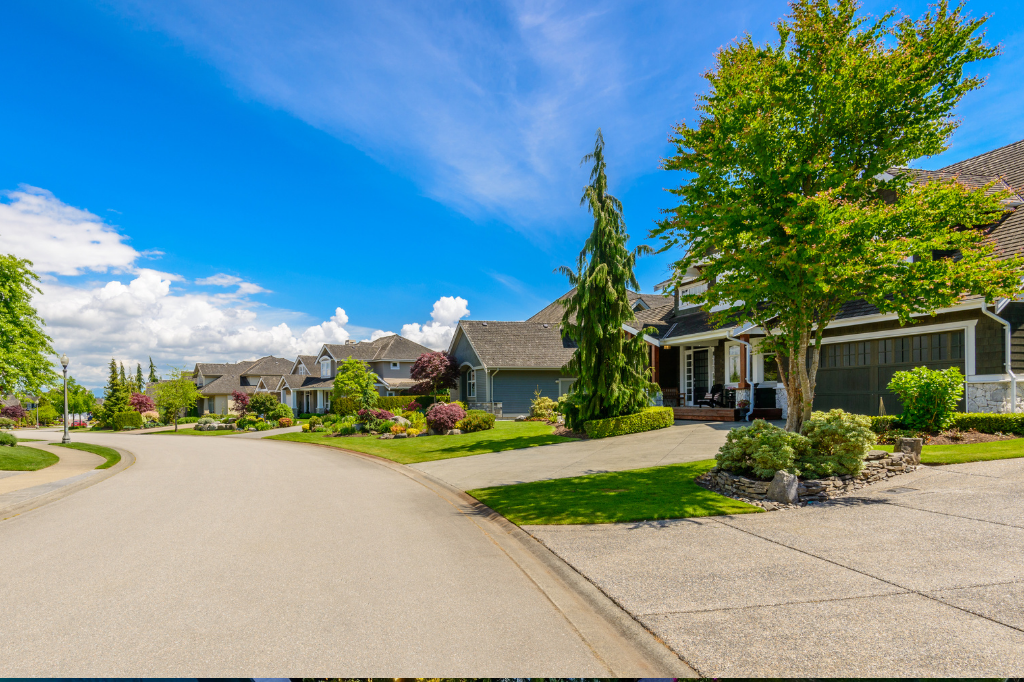
Cap rates in Greater Victoria are a key metric for investors evaluating rental property performance. Whether you are purchasing a condo in the urban core or a suited home in the Westshore, understanding capitalization rates helps you assess risk, return, and pricing discipline. If you are analyzing investment property, cap rates in Greater Victoria provide a fast way to compare opportunities across neighbourhoods. What Is a Cap Rate? The capitalization rate measures a property’s return based on its net operating income. Formula: Cap Rate = Net Operating Income ÷ Purchase Price Net operating income includes rental income minus operating expenses such as: Property taxes Insurance Maintenance Property management Strata fees It does not include mortgage payments. Cap rate evaluates the property itself, not your financing structure. Typical Cap Rates in Greater Victoria Cap rates in Greater Victoria are generally lower than many Canadian markets. This reflects: Strong long-term appreciation High demand and limited land supply Stable government and institutional employment As of recent market cycles, investors often see approximate ranges such as: 3% to 4% for prime core areas 4% to 5% in select Westshore submarkets Higher returns possible in properties requiring renovation or repositioning For example, a condo in downtown Victoria may trade at a lower cap rate due to high demand and limited vacancy. Meanwhile, a suited property in Langford could offer a slightly stronger yield with higher rental flexibility. Why Are Cap Rates Lower Here? Several structural factors influence cap rates in Greater Victoria: Constrained housing supply due to geography Consistent in-migration to Vancouver Island Low vacancy rates Strong rental demand from students at University of Victoria Government and military employment stability Because investors anticipate appreciation, they accept lower immediate yield in exchange for long-term equity growth. What Is a “Good” Cap Rate? A good cap rate depends on your investment strategy. If you prioritize: Cash flow → You may target higher cap rates in emerging areas. Appreciation → You may accept lower cap rates in established neighbourhoods. Risk mitigation → You may focus on strong tenant demand and stable buildings. In Greater Victoria, many investors prioritize stability and appreciation over aggressive yield. Cap Rate vs Cash Flow It is important not to confuse cap rate with cash flow. A property can have: A strong cap rate but negative cash flow due to high interest rates A lower cap rate but stable long-term equity growth Financing conditions significantly affect actual monthly performance. Therefore, investors must analyze both cap rate and debt servicing. How to Use Cap Rates Effectively Cap rates in Greater Victoria work best as a comparison tool. They allow you to: Compare neighbourhoods objectively Evaluate pricing relative to income Identify overvalued or underperforming assets Screen properties quickly before deeper due diligence However, cap rates alone do not capture future development potential, zoning changes, or suite opportunities. A full underwriting analysis remains essential. Final Thoughts Cap rates in Greater Victoria remain compressed compared to many markets, but they reflect a stable, supply-constrained region with consistent demand. For investors focused on long-term growth and risk-adjusted returns, this market continues to offer compelling fundamentals. If you are considering an investment purchase and want help analyzing cap rates and projected returns, reach out anytime to review current opportunities and run the numbers together. Grymyko J., 5-Star Review, via Google “Scott and Cal were a pleasure to work with, thank you Guys for negotiating a good deal for us, will definitely work with them again in the future!” Faber Real Estate Group Royal LePage Coast Capital Realty 📞 250-244-3430 📧[email protected] ℹ️ Scott Faber Personal Real Estate Corporation ℹ️ Cal Faber Personal Real Estate Corporation Vanessa Wood, Zachary Parsons, and Sophie Taylor “Building Lasting Relationships, One Home at a Time.”
Read more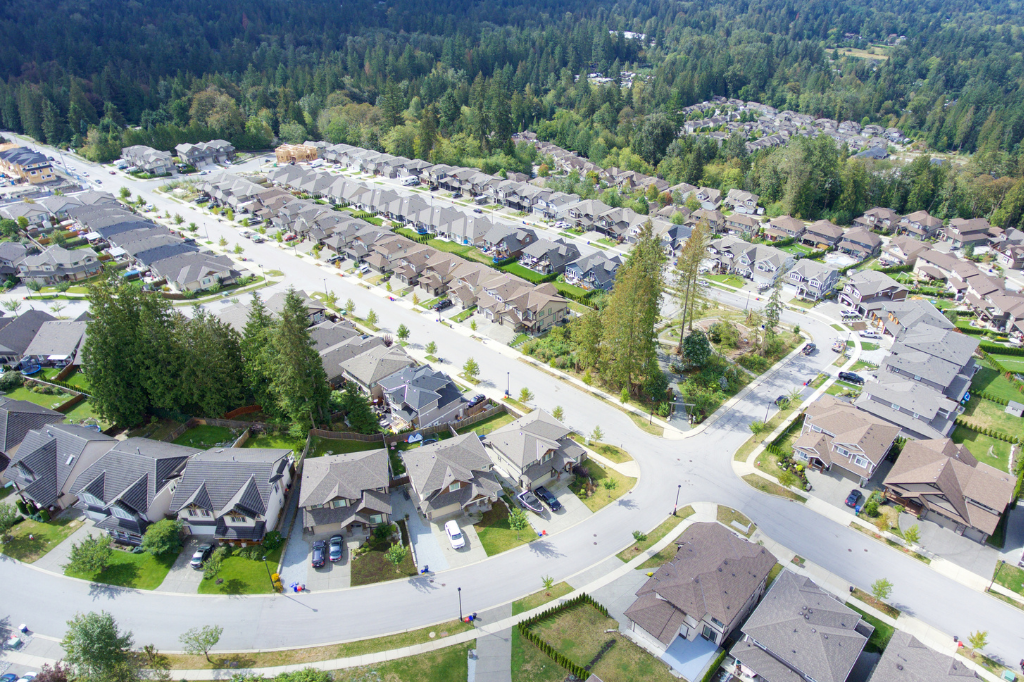
Up-and-coming neighbourhoods in Greater Victoria are attracting attention from buyers who want long-term upside and lifestyle value. With infrastructure investment, population growth, and continued demand for Vancouver Island living, several areas stand out in 2026. If you are looking for appreciation potential or relative affordability compared to core Victoria, these up-and-coming neighbourhoods in Greater Victoria deserve a closer look. Langford Langford continues to lead Westshore growth. Ongoing development, improved amenities, and expanding retail corridors are reshaping the area. Why buyers are watching Langford: Continued new construction supply Family-oriented communities Access to lakes, trails, and recreation Increasing density near transit corridors While Langford is no longer “undiscovered,” certain pockets still offer value compared to central Victoria. Buyers who prioritize space and newer homes often begin their search here. Colwood Colwood has shifted significantly over the past few years. With major master-planned communities and waterfront access, it is evolving quickly. Growth drivers include: Revitalization along major routes New housing inventory Expanding commercial amenities Improved commuter routes Colwood appeals to buyers seeking newer homes with long-term growth potential, particularly as pricing in central neighbourhoods remains elevated. View Royal View Royal sits between the Westshore and downtown, offering strategic positioning. Historically overlooked, it now benefits from its central access. Why it stands out: Short commute to downtown Proximity to Thetis Lake and shoreline parks Mix of condos, townhomes, and detached homes Redevelopment potential in select pockets For investors, View Royal provides relative value with strong rental appeal due to its location. Vic West Vic West has transitioned steadily over the last decade. Its proximity to downtown and waterfront pathways continues to draw professionals and young families. Key factors: Walkability to employment hubs Waterfront access Blend of character homes and modern condos Ongoing infill development As supply tightens in downtown Victoria, Vic West remains a logical spillover market. Esquimalt Esquimalt is undergoing gradual transformation. Infrastructure upgrades and community investments are improving both perception and livability. Reasons buyers are paying attention: Relative affordability Ocean access and parks Military and government employment stability Increasing townhouse and condo projects For long-term investors, Esquimalt offers a compelling combination of rental demand and appreciation potential. What Makes a Neighbourhood “Up-and-Coming”? Up-and-coming neighbourhoods in Greater Victoria typically share several traits: Infrastructure investment Increased building permits Retail and amenity expansion Improved transit access Migration from higher-priced adjacent areas Monitoring these indicators helps buyers position themselves ahead of broader price growth. Is It Better to Buy Early? Buying in up-and-coming neighbourhoods in Greater Victoria often requires a long-term perspective. Appreciation typically follows infrastructure, density, and lifestyle improvements. Therefore, buyers who focus on fundamentals rather than short-term headlines often benefit most. If you are considering entering the market and want guidance on which neighbourhood aligns with your goals, reach out anytime to discuss your options and upcoming opportunities. Bokz V., 5-Star Review, via Google “Thank you Cal and Scott for helping us to find our home. Excellent service highly recommended.” Faber Real Estate Group Royal LePage Coast Capital Realty 📞 250-244-3430 📧[email protected] ℹ️ Scott Faber Personal Real Estate Corporation ℹ️ Cal Faber Personal Real Estate Corporation Vanessa Wood, Zachary Parsons, and Sophie Taylor “Building Lasting Relationships, One Home at a Time.”
Read more