
Posts Tagged ‘Vancouver Island housing market’
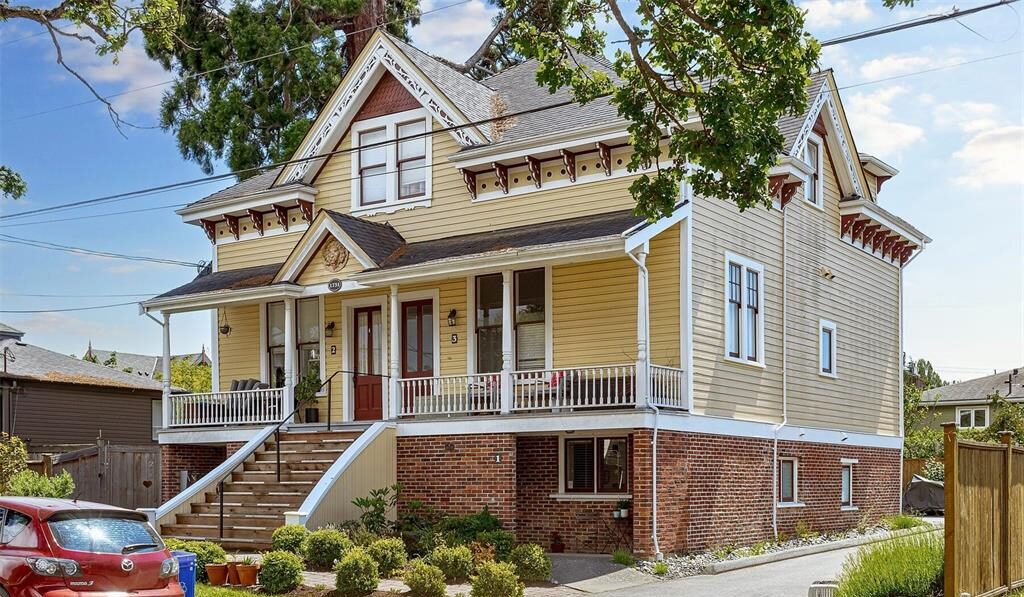
Vancouver Island assessed property values are now available, and many homeowners are asking what the numbers really mean. While assessments influence property taxes, they do not directly reflect current market value. Understanding how BC Assessment works helps put these figures into context. How BC Assessment Determines Value BC Assessment estimates property values annually based on a July 1 valuation date from the prior year. They analyze recent sales, property characteristics, location, and zoning. The goal is fairness across similar properties, not predicting today’s selling price. Why Total Assessed Values Reached $399 Billion Across British Columbia, total assessed property values climbed to approximately $399 billion. This increase reflects long-term population growth, limited housing supply in many areas, and steady demand over several years. Even in a more balanced market, past price gains still influence assessed values. Regional Differences Across Vancouver Island Changes were not uniform. In Greater Victoria, assessments rose by about 1 percent, signalling a cooler and more stable market compared to prior years. In contrast, parts of the North Island saw increases of up to 7 percent, driven by relative affordability, lifestyle demand, and fewer listings. These differences matter. Property taxes are based on your home’s value relative to others in your municipality, not just whether your assessment went up or down. What This Means for Homeowners in 2026 A higher assessment does not automatically mean higher taxes. If your property value increased less than the local average, your tax bill may rise only modestly. For buyers and sellers, assessed values remain a reference point, but market conditions, pricing strategy, and timing still matter more. If you believe your assessment does not reflect your property accurately, you can review comparable sales and file an appeal within the stated deadline. Bottom Line Vancouver Island assessed property values 2026 show a market that is stabilizing in some regions and still adjusting in others. Understanding the assessment process helps homeowners make informed decisions without overreacting to the headline number. Cindy H., 5-Star Review, via Google “The Faber team go above and beyond! Scott is wonderful to deal with and has a great attitude. I definitely recommend.” Faber Real Estate Group Royal LePage Coast Capital Realty 📞 250-244-3430 📧[email protected] ℹ️ Scott Faber Personal Real Estate Corporation ℹ️ Cal Faber Personal Real Estate Corporation Vanessa Wood, Zachary Parsons, and Sophie Taylor “Building Lasting Relationships, One Home at a Time.”
Read more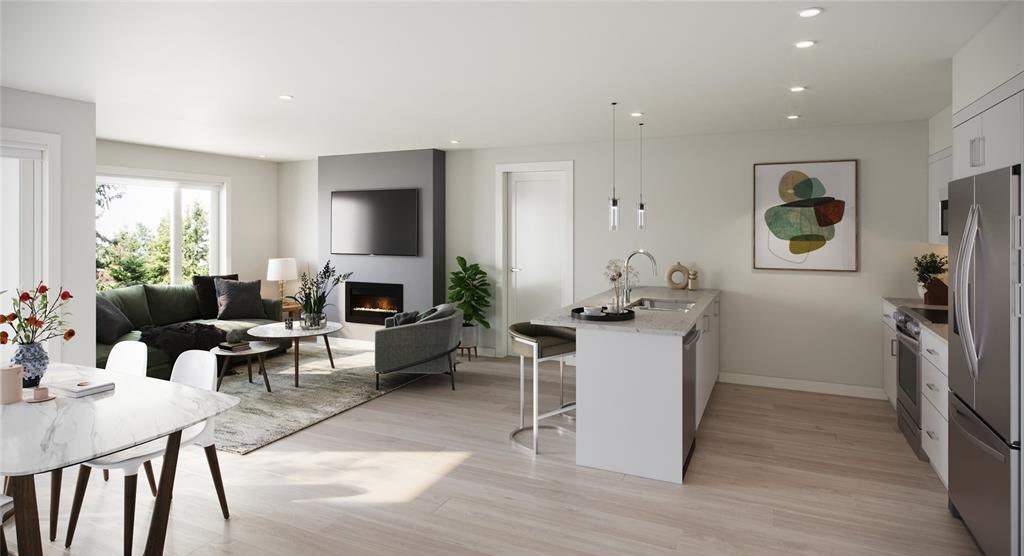
The Victoria spring real estate market 2026 is shaping up to be more balanced than the fast-paced years buyers remember. Spring remains the most active season locally, but conditions suggest a steadier, more strategic market ahead rather than rapid price surges. Buyers and sellers entering the market this spring should expect improved choice, realistic pricing, and a stronger emphasis on value and location. Inventory and Buyer Activity Inventory is expected to improve modestly across Greater Victoria. More homeowners appear willing to list as pricing stabilizes and borrowing costs level out. As a result, buyers will have slightly more selection than in recent spring markets. Demand should remain strongest in family-oriented neighbourhoods and entry-level price ranges. Well-located homes that show well will still attract attention, but bidding wars should be less common overall. Price Trends for Spring 2026 Home prices in Victoria are likely to remain relatively flat this spring, with modest gains in high-demand pockets. Condos and townhomes should continue to lead activity, especially among first-time buyers and downsizers. Single-family homes may see longer days on market unless priced accurately. Sellers who align with current market conditions will have the best results. Interest Rates and Buyer Confidence Interest rates remain a key factor shaping the Victoria spring real estate market 2026. While rates are higher than pandemic-era lows, improved predictability has restored some buyer confidence. Pre-approved buyers are returning with clearer budgets and a more disciplined approach. This supports steady sales without the volatility seen in previous cycles. Neighbourhoods to Watch This Spring The West Shore, including Langford and Colwood, is expected to stay active due to relative affordability. Vic West and View Royal should continue attracting buyers seeking proximity to downtown without core pricing. Established areas like Fairfield and Oak Bay remain resilient, though price sensitivity is higher than in past spring markets. What This Means for Buyers and Sellers For buyers, spring 2026 offers better negotiating conditions and more time to make informed decisions. Preparation and flexibility remain essential. For sellers, presentation, pricing, and timing matter more than ever. Homes that are well-prepared and competitively priced should still perform well during the spring surge. Final Thoughts The Victoria spring real estate market 2026 is expected to reward patience and strategy rather than speed. While spring activity will pick up as usual, balanced conditions favour informed buyers and realistic sellers. If you are planning to make a move this spring, understanding neighbourhood trends and current pricing will be key to success. Elel P., 5-Star Review, via Google “Months of looking then a listing came up to our liking. We were out of town so Scott did a virtual viewing for us. We gave an offer even without viewing it personally because of this crazy market we have. Offer got accepted a couple hours after!” Faber Real Estate Group Royal LePage Coast Capital Realty 📞 250-244-3430 📧[email protected] ℹ️ Scott Faber Personal Real Estate Corporation ℹ️ Cal Faber Personal Real Estate Corporation Vanessa Wood, Zachary Parsons, and Sophie Taylor “Building Lasting Relationships, One Home at a Time.”
Read more