
Posts Tagged ‘strata finances’
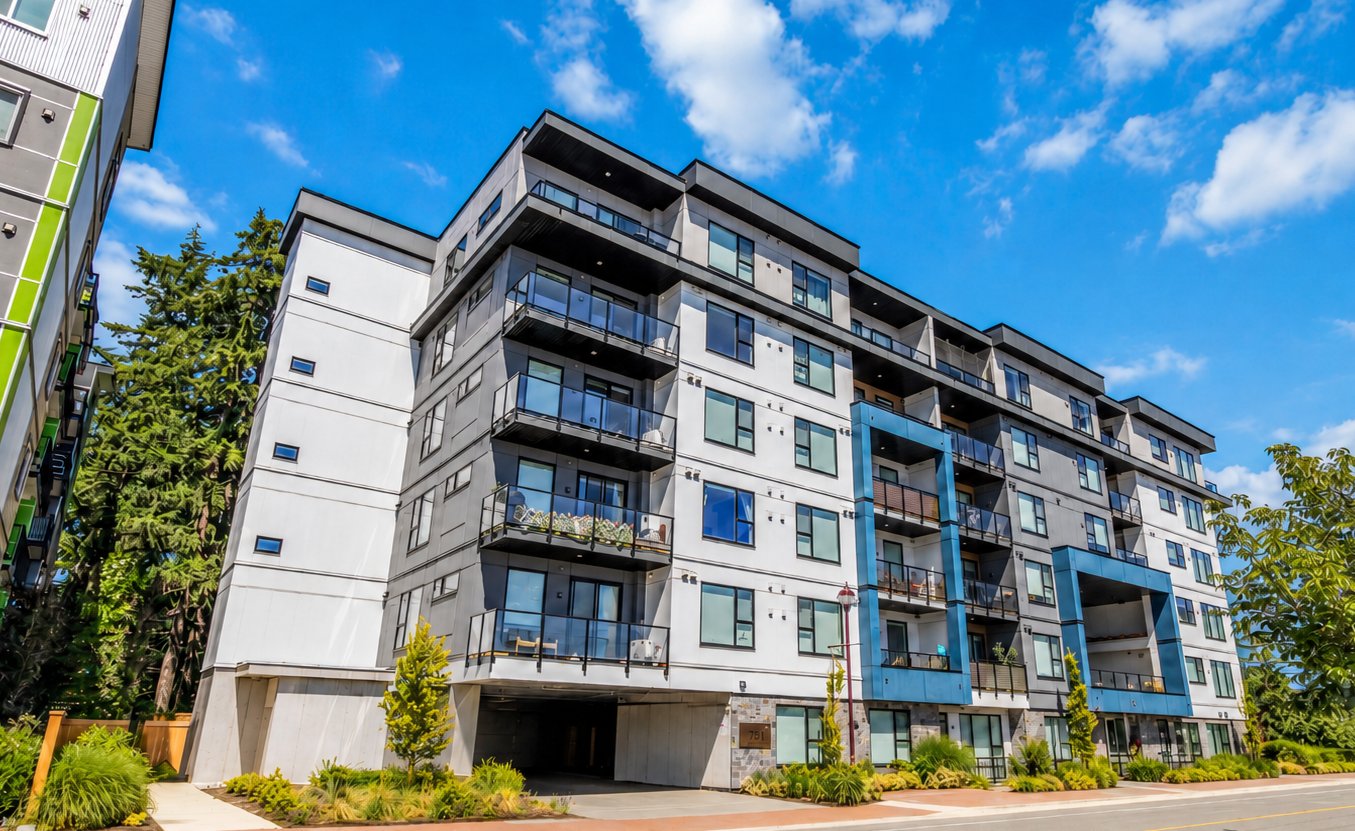
When you compare condo buildings before you buy, it is easy to focus mostly on the units themselves. One has a better kitchen. Another has a larger balcony. One has newer flooring, while the other has a better view. Those differences matter. But when two condos are reasonably close in price and location, the better purchase may have less to do with the countertops and more to do with the building behind them. A condo purchase includes the suite, the strata corporation, shared property, future maintenance obligations, rules, finances, insurance, parking, storage, and the way the building may appeal to future buyers. The Short Answer When comparing two condo buildings, look beyond which unit shows better. Compare: Strata finances and contingency reserve funds Depreciation reports and upcoming work Meeting minutes and maintenance history Strata fees and what they actually cover Insurance Bylaws and rules Parking and storage Building age, construction, and systems Amenities and their ongoing cost Location and resale appeal The strongest condo is not always the newest building or the one with the lowest strata fee. It is the one where the overall package makes sense. Start With How the Buildings Are Managed A well-managed building often leaves clues. Look through council meeting minutes and annual general meeting records. You are trying to understand how the strata responds when problems arise. Does maintenance happen proactively? Are repairs repeatedly delayed? Do the same issues appear month after month? Are owners regularly debating unexpected costs? No building will have perfect minutes. Repairs, complaints, and maintenance are normal parts of shared ownership. The bigger question is whether the strata appears organized and willing to deal with issues before they become more expensive. Compare the Financial Position, Not Just the Strata Fee Buyers often assume the building with the lower monthly fee is better value. That can be misleading. A lower fee may be perfectly reasonable if the building is simpler to operate. It may have fewer amenities, newer systems, or lower operating costs. But low fees can also mean less money is being collected for future expenses. Compare the contingency reserve fund, annual budget, recent spending, planned projects, and how the building intends to fund larger repairs. A higher monthly fee can sometimes provide more predictability if it supports proper maintenance and long-term planning. The question is not: “Which building has cheaper strata fees?” It is: “What am I getting for the fee, and is the building financially prepared for what comes next?” Read the Depreciation Report With the Building’s History A depreciation report can help identify major building components, expected replacement timelines, projected costs, and possible funding approaches. But do not read it by itself. Compare it against the meeting minutes and completed work. If a report identified window replacement several years ago, has anything happened since? If the roof was expected to need attention, was it repaired, replaced, or deferred? If major projects are approaching, how does the strata plan to pay for them? Two buildings of the same age can have very different financial outlooks depending on what has already been completed and what remains ahead. Look at Maintenance, Not Just Age Newer does not automatically mean better. Older does not automatically mean risky. An older building that has consistently replaced roofs, elevators, plumbing, windows, balconies, or other major components may compare favourably with a newer building that has delayed maintenance. The age of the building gives you context. The maintenance history tells you more. This is one reason buyers should avoid making decisions based simply on the year built. Compare What the Strata Fees Include Two buildings may have similar fees but very different operating structures. One may include: Hot water Heating Gas Building insurance Caretaker services Landscaping Fitness facilities Guest suites Pool or recreation areas Another building may offer very few shared services. Neither is automatically better. Buyers should compare the full monthly cost and decide whether they are actually getting value from what the building provides. This also connects to Why Your Monthly Payment Matters More Than the Purchase Price. The purchase price is only one part of what a home costs to own. Amenities Have a Cost A rooftop patio, swimming pool, gym, guest suite, concierge, landscaped courtyard, or multiple elevators can add lifestyle value. They also need to be maintained. Ask yourself whether you will actually use the amenities and whether they strengthen the building's appeal enough to justify their ongoing cost. A simpler building with fewer amenities may suit a buyer who values lower operating complexity. Another buyer may happily pay more for a building that provides amenities they will use every week. Value depends on how the building fits your lifestyle. Compare the Rules Before You Fall in Love With the Unit Bylaws can make two similar condos function very differently. Check rules relating to: Pets Rentals Smoking Renovations Flooring Barbecues Parking Storage EV charging Move-in procedures Use of balconies and common areas A condo can be beautiful and still be the wrong home if the building's rules conflict with how you plan to live. Understanding the bylaws before removing conditions is much easier than discovering restrictions after possession. Parking and Storage Can Separate Two Similar Buildings Parking and storage sometimes look like secondary features during the search. They often become much more important over time. Consider whether parking is secure, underground, EV-ready, easy to access, and clearly associated with the unit. Then look at storage. Is there a locker? Bike storage? Space for outdoor equipment? Enough room for the lifestyle you actually have? Our guide to Why Parking and Storage Matter When Buying a Condo looks more closely at why these practical features can also influence resale appeal. Think About Insurance and Future Costs Insurance deserves attention because the strata's coverage, deductible structure, and claims history can affect owners. Buyers should understand the building's insurance information and speak with their own insurance provider about coverage for the individual unit. The goal is not to find a building with zero risk. It is to understand the risk before making the purchase. That same thinking applies when deciding whether something is a reasonable compromise or a concern that deserves more attention. Our Buyer Compromises vs Red Flags guide can help put those trade-offs into perspective. Look at the Building Through a Future Buyer's Eyes You may love both units today. But eventually, another buyer may be comparing them too. Consider: Building reputation Location Parking availability Storage Pet rules Layouts Exterior condition Common areas Strata fees Amenities Maintenance history Upcoming capital projects A well-located, well-run building with practical features can appeal to a broad buyer pool even if the individual unit is not the most renovated one on the market. Cosmetic finishes can change. The building is much harder to change. Do Not Automatically Choose the Prettier Condo Imagine two units at a similar price. Condo A has a renovated kitchen and newer flooring, but the building has upcoming major work, limited reserves, higher operating complexity, and unclear maintenance planning. Condo B has an older kitchen, but the building has a strong maintenance history, clear financial planning, secure parking, useful storage, and recent major upgrades. Condo A may photograph better. Condo B may deserve the closer look. That does not mean Condo B is automatically the right choice. It means buyers should separate cosmetic value from building-level value. Build a Simple Comparison When you compare condo buildings before you buy, score each one across five areas. 1. Financial Health Is the strata preparing for future costs? 2. Building Condition What has already been completed, and what may be coming? 3. Lifestyle Fit Do the bylaws, amenities, parking, storage, and location work for you? 4. Monthly Cost What will ownership actually cost beyond the mortgage? 5. Resale Flexibility Would the building appeal to a reasonably broad group of future buyers? This type of comparison can make the decision much clearer than simply choosing the unit with the nicer finishes. Final Thoughts Comparing condos means comparing much more than bedrooms, square footage, and finishes. The better building may have stronger finances, clearer maintenance planning, more useful features, better rules for your lifestyle, or greater resale flexibility. Sometimes that means choosing the unit with the nicer kitchen. Sometimes it means choosing the slightly less impressive unit in the building you would rather own for the next ten years. Good condo buying is not about finding a building with no problems. It is about understanding the differences well enough to decide which set of trade-offs you are comfortable owning. Comparing two condos and unsure which building is actually the stronger choice? Faber Real Estate Group can help you compare the strata documents, financial position, maintenance history, practical features, and recent sales so you can look beyond the suite and understand what you would really be buying. Debbie N., 5-Star Review, via Google “From start to finish, Scott and Cal were amazing to work with. I hadn’t moved in nearly 22 years and going from a house to a condo was a very difficult decision, but they were amazingly patient and responsive to my needs. This team doesn’t just say that they care, they actually do. I couldn’t have done this without them. I would recommend them to anyone. You will be in the best hands. Thank you Faber Group!!!” Faber Real Estate Group Royal LePage Coast Capital Realty 📞 250-244-3430 📧 [email protected] ℹ️ Scott Faber Personal Real Estate Corporation ℹ️ Cal Faber Personal Real Estate Corporation Vanessa Wood, Zachary Parsons, and Sophie Taylor “Building Lasting Relationships, One Home at a Time.”
Read more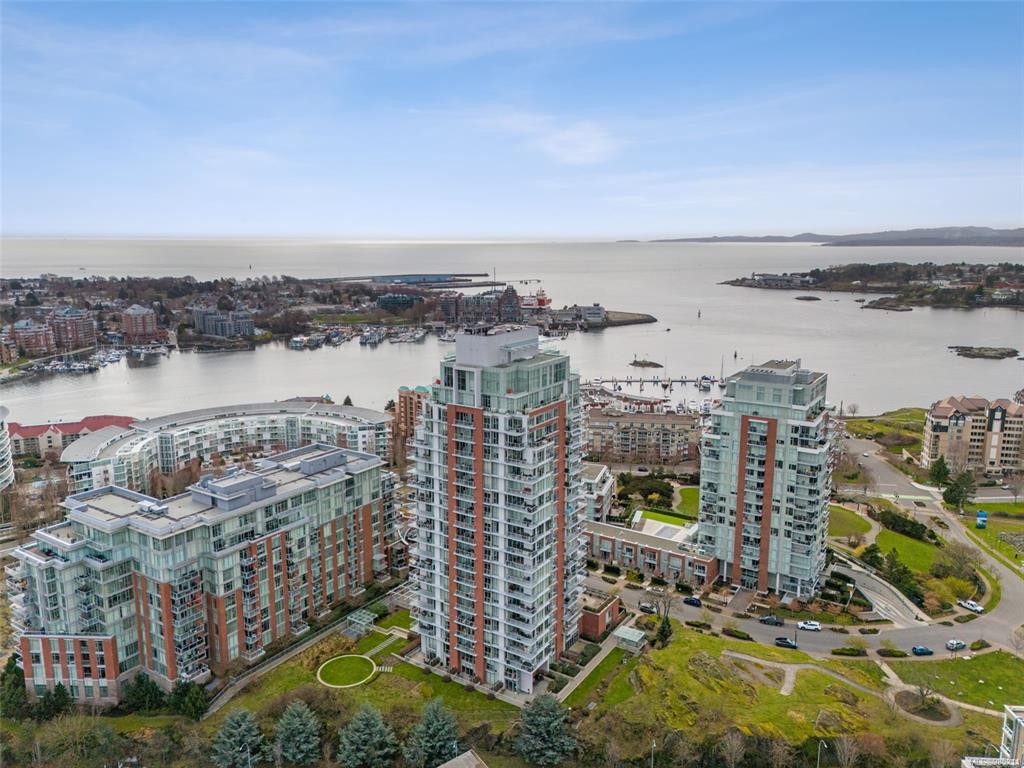
Some condo buildings hold value better than others because buyers are not only purchasing an individual unit. They are also buying into the building’s location, finances, maintenance history, bylaws, amenities, insurance position, and reputation. Two similar condos can perform very differently over time, even when they have comparable square footage and finishes. The difference is often the building itself. The Short Answer Condo buildings tend to hold their value when buyers feel confident about the property. That confidence usually comes from: A desirable and convenient location Responsible strata management Healthy contingency reserves Proactive building maintenance Reasonable and predictable strata fees Useful parking, storage, and amenities Bylaws that appeal to a broad group of buyers Consistent demand when units are listed for sale A beautiful unit may attract attention, but a well-run building creates lasting buyer confidence. Location Still Sets the Foundation Location remains one of the strongest influences on condo value. Buildings near employment centres, shopping, parks, transit, waterfront areas, universities, and everyday services often appeal to a larger group of buyers. Walkability can also become more valuable as buyers look for ways to reduce transportation costs and simplify their routines. However, location is not only about being downtown. A well-positioned building in Langford, View Royal, Saanich, Esquimalt, or Sidney may attract strong demand because it offers convenient access, newer construction, quieter surroundings, or better value for the space. The strongest locations usually offer something buyers will continue to want. Strong Strata Finances Build Buyer Confidence A condo building is easier to resell when its financial records suggest that the strata corporation is prepared for future expenses. Buyers and their advisors may review: The contingency reserve fund Annual budgets and financial statements Recent meeting minutes Planned repairs and projects Past or proposed special assessments The depreciation report Insurance coverage and deductibles A large contingency fund does not guarantee that a building is problem-free. However, consistent financial planning can reduce uncertainty and make future costs easier to understand. The opposite can also be true. Very low strata fees may look attractive at first but could indicate that the building is not saving enough for long-term repairs. Proactive Maintenance Protects the Building Every condo building requires ongoing maintenance. The buildings that tend to inspire more confidence are often the ones that address issues before they become larger and more expensive. This may include maintaining or replacing: Roofs Windows and exterior cladding Elevators Plumbing systems Balconies Parkades Building envelopes Heating and ventilation systems Older buildings are not automatically poor investments. A well-maintained older building may be more attractive than a newer building with unresolved deficiencies or weak financial planning. What matters is how the property has been cared for. Strata Fees Need Context Lower strata fees do not always mean better value. Buyers should understand what the monthly fee includes and whether it reflects the building’s actual operating needs. A higher fee may include hot water, heating, insurance, maintenance, landscaping, amenities, or contributions to the contingency reserve fund. A lower fee may cover less or leave the strata more exposed to future increases and assessments. The better question is not, “Are the fees low?” It is, “Are the fees reasonable for this building, and is the money being managed responsibly?” Parking and Storage Expand the Buyer Pool Parking and storage can have a meaningful effect on condo resale demand, particularly in Greater Victoria. A secure parking stall may be especially important in areas where street parking is limited. Storage lockers also appeal to buyers who need room for bicycles, outdoor equipment, seasonal items, or downsizing belongings. These features may not seem essential during the initial search, but they can make a condo easier to live in and easier to sell. Read more about why parking and storage matter when buying a condo. Useful Amenities Can Support Value Amenities can help a building stand out, but only when buyers see them as useful. Features such as secure bicycle storage, rooftop patios, fitness rooms, guest suites, EV charging, dog-washing areas, and shared lounges may improve the ownership experience. However, expensive or underused amenities can also increase strata fees. The strongest amenities usually solve practical problems without placing unnecessary pressure on the operating budget. Bylaws Affect Who Can Buy Strata bylaws can either expand or reduce the number of potential buyers. Rules involving pets, rentals, smoking, age restrictions, renovations, barbecue use, and move-in procedures can all affect demand. For example, pet-friendly buildings may appeal to a larger buyer pool. Buildings with highly restrictive rules may work well for some residents but become harder to sell when fewer buyers qualify. Buyers should review bylaws based on both their current needs and future resale considerations. Insurance and Building History Matter Insurance has become an important part of condo due diligence. Buyers should understand the building’s coverage, deductibles, claims history, and whether the unit can be properly insured. Buildings with repeated claims or unusually high deductibles may create additional cost or financing concerns. Past problems do not automatically make a building a poor choice. The response matters. A building that identified an issue, completed proper repairs, documented the work, and improved its planning may be easier to evaluate than one with limited records or unresolved concerns. Some Buildings Develop Stronger Reputations Over time, certain condo buildings become known for good layouts, sound construction, responsive management, useful amenities, or desirable locations. That reputation can influence buyer interest. When units rarely become available, buyers may watch the building and act quickly when a suitable property is listed. Other buildings may experience frequent listings, repeated price reductions, or longer selling periods. Reviewing previous sales within the building can help reveal how buyers have responded to it over time. The Unit Still Matters A strong building cannot make every unit equally desirable. Resale value can still be influenced by: Floor level Exposure and natural light Views Noise Layout Outdoor space Parking location Storage Renovations Monthly fees Position within the building A well-located unit with a functional floor plan may outperform a larger unit with poor light, excessive noise, or an awkward layout. The goal is to evaluate the unit and the building together. How Buyers Can Compare Condo Buildings Before purchasing, compare more than finishes and listing prices. Review the strata documents, financial position, insurance, maintenance history, bylaws, fees, and recent sales. Consider whether the building will continue to appeal to future buyers, not only whether the unit works for you today. It is also helpful to separate acceptable compromises from concerns that could affect your finances or future resale. Our guide to buyer compromises versus red flags offers a useful framework. Final Thoughts The condo with the newest kitchen is not always the one that will hold its value best. Buildings tend to perform well when they combine desirable locations, responsible management, realistic budgets, proactive maintenance, practical features, and steady buyer demand. That is why buying a condo requires two decisions: Is this the right unit? And is this a building other buyers are likely to trust in the future? For help reviewing condo options across Greater Victoria, learn more about how we support buyers through our Buy With Us page or search current homes for sale. Lindsay R., 5-Star Review, via Google “Scott has been an awesome help finding my condo. He always knew my needs and gave me the right advice every step of the way. Would 10/10 recommend !” Faber Real Estate Group Royal LePage Coast Capital Realty 📞 250-244-3430 📧 [email protected] ℹ️ Scott Faber Personal Real Estate Corporation ℹ️ Cal Faber Personal Real Estate Corporation Vanessa Wood, Zachary Parsons, and Sophie Taylor “Building Lasting Relationships, One Home at a Time.”
Read more