
Posts Tagged ‘strata documents BC’

Strata vs freehold in Greater Victoria is one of the most important differences buyers should understand before choosing a home. Strata vs freehold in Greater Victoria is not only about whether you are buying a condo, townhouse, or detached house. It is about how ownership works, who is responsible for maintenance, what rules apply, and how predictable your costs may be over time. Many buyers use “strata” and “freehold” as simple labels. In practice, the details can be more nuanced. Some strata properties are freehold strata. Some detached homes can be part of a bare land strata. Some properties may be leasehold. That is why buyers should look beyond the listing description and understand what they are actually buying. What Buyers Need to Know First The easiest way to think about the difference is control versus shared responsibility. With many freehold detached homes, you typically have more direct control over the property. You are usually responsible for the building, the land, the repairs, the insurance, the landscaping, and the long-term maintenance decisions. With a strata property, you own your strata lot and share ownership or responsibility for common property with other owners. You also follow strata bylaws, pay strata fees, and participate in shared decisions through the strata corporation. Neither option is automatically better. The right choice depends on your lifestyle, budget, maintenance comfort level, location goals, and how much control you want over the property. What Is a Strata Property? A strata property is a form of ownership where individual owners own their strata lots and share responsibility for common areas. In Greater Victoria, strata properties often include: Condos Townhomes Duplex-style strata homes Bare land strata homes Some detached homes in planned communities For condo buyers, common property may include hallways, elevators, parkades, roofs, exterior walls, landscaping, amenity rooms, and building systems. For townhouse buyers, common property may include roads, visitor parking, landscaping, roofs, siding, fences, or shared services. For bare land strata buyers, the home may feel more like a detached house, but there may still be shared roads, services, landscaping, septic systems, or other common property. This is why buyers should never assume that “detached” automatically means fully freehold, and they should never assume that “strata” only means condo. What Is a Freehold Property? Freehold is often used to describe a property where the owner has ownership of the land and the structures on it, subject to registered interests, charges, zoning, bylaws, and other legal limitations. In everyday buyer language, freehold often refers to a detached home on its own lot. For many buyers, freehold ownership feels appealing because it can offer more independence. You are not usually asking a strata council for permission to change flooring, paint your front door, replace windows, add a heat pump, build a fence, or keep a certain type of pet. However, more independence also means more responsibility. If the roof needs replacing, that is your cost. If the perimeter drains fail, that is your cost. If the exterior needs painting, that is your cost. Freehold ownership can provide more control, but it can also create larger, less predictable maintenance expenses. Monthly Costs Look Different One of the biggest differences between strata and freehold ownership is how costs are handled. With a strata property, you usually pay monthly strata fees. These fees may cover items such as building insurance, landscaping, common area maintenance, management, garbage, water, amenities, contingency reserve contributions, and other shared expenses. With a freehold property, you may not have strata fees, but that does not mean the home has no ongoing costs. Freehold owners still need to budget for: Insurance Utilities Repairs Landscaping Roof replacement Exterior maintenance Drainage Windows Heating and cooling systems Plumbing and electrical updates The difference is that strata costs are more structured, while freehold costs are often more owner-managed. A buyer comparing a condo with strata fees to a detached home without strata fees should not only compare the monthly payment. They should compare the full cost of ownership. Strata Fees Are Not Automatically Bad Many buyers see strata fees and treat them as a negative. That can be too simple. Strata fees may feel like an extra monthly cost, but they often pay for services and maintenance that a freehold owner would still need to cover in another way. The question is not whether there are strata fees. The better question is what those fees include and whether the building is being managed responsibly. A healthy strata may have clear records, realistic budgeting, appropriate insurance, a useful depreciation report, and a contingency reserve fund that supports future repairs. A lower strata fee is not always better if the building is underfunded or delaying needed work. When reviewing strata fees, buyers should ask: What is included in the monthly fee? How much is going into the contingency reserve fund? Are fees increasing? Are there approved special levies? Are major repairs expected? Is the building being maintained properly? Are the fees realistic for the age and type of building? A well-run strata can make ownership feel simpler. A poorly managed strata can create stress, uncertainty, and unexpected costs. Freehold Homes Require More Direct Planning Freehold buyers often like the idea of not paying strata fees. That can make sense, especially for buyers who want more privacy, more yard space, more renovation freedom, or more control over the property. But freehold ownership requires discipline. Instead of paying monthly strata fees into a shared budget, you need to create your own maintenance plan. A detached home still ages. Roofs wear out. Windows fail. Decks need repair. Heating systems need replacement. Exterior paint, siding, drainage, landscaping, and appliances all need attention over time. For some buyers, that control feels empowering. For others, it can become overwhelming. Before choosing freehold, buyers should ask whether they are comfortable managing repairs, hiring trades, making maintenance decisions, and saving for larger future expenses. Rules and Bylaws Matter in Strata Properties Strata living comes with rules. These rules are usually set out in the strata bylaws and may cover pets, rentals, smoking, flooring, noise, parking, balconies, renovations, short-term accommodation, and use of common property. For some buyers, strata rules are helpful because they create structure and consistency in the building or community. For other buyers, the rules may feel limiting. This is especially important if you have pets, plan to rent the property, want to renovate, need extra parking, use a balcony frequently, or have specific lifestyle needs. Before buying a strata property, buyers should review the bylaws carefully. It is much better to understand the rules before writing an offer than to discover after possession that the property does not fit the way you live. Strata Documents Are a Key Part of Due Diligence When buying a strata property, the documents matter. Buyers should review the available strata documents carefully before removing conditions. These documents can help show how the building is managed, whether there are financial concerns, and what issues have been discussed by owners and council. Important documents may include: Form B Information Certificate Strata bylaws and rules Meeting minutes Annual general meeting minutes Special general meeting minutes Financial statements Budget Insurance summary Depreciation report Engineering reports if applicable Contingency reserve fund information Special levy information These documents help buyers understand the building behind the unit. A condo may show beautifully, but the documents may reveal upcoming repairs, insurance issues, owner disputes, or funding concerns. On the other hand, strong documents can give buyers more confidence that the strata is being managed responsibly. Special Levies Can Affect Affordability A special levy is an extra amount owners may need to pay for a specific expense or project. This can happen when a strata needs money for repairs, upgrades, insurance deductibles, building issues, or major maintenance work. Special levies can vary widely depending on the property and the project. This does not mean buyers should avoid every strata with a special levy. Sometimes a levy means the building is addressing an issue properly. Other times, it may point to underfunding, deferred maintenance, or larger concerns. The key is understanding why the levy exists, how much it costs, when it is due, and whether it solves the issue or is part of a larger pattern. Control Looks Different in Each Ownership Type Control is one of the biggest emotional differences between strata and freehold ownership. With freehold ownership, you may have more freedom to make changes, maintain the property your way, and use the home within municipal rules and title restrictions. With strata ownership, you may need approval for certain changes. You may have limits on exterior alterations, flooring, pets, rentals, parking, storage, and how common spaces are used. For some buyers, this shared structure feels easier. For others, it feels restrictive. The right question is not, “Which one gives me more freedom?” The better question is, “How much responsibility and control do I actually want?” Strata Can Be a Strong Fit for Many Buyers Strata properties can be a practical choice for buyers who want a simpler ownership experience. This may include first-time buyers, downsizers, busy professionals, investors, or buyers who prefer a lower-maintenance lifestyle. A strata may be a good fit if you value: Shared maintenance Lock-and-leave convenience Building amenities Lower exterior upkeep A more attainable purchase price Walkable locations Predictable monthly structure Community rules and standards In Greater Victoria, strata ownership can also help buyers access locations that may be less attainable in the detached market. For example, a buyer may not be able to buy a detached home in a preferred neighbourhood, but they may be able to buy a condo or townhouse nearby. Freehold Can Be a Strong Fit for Other Buyers Freehold homes can be a strong fit for buyers who want more independence, more land, more renovation flexibility, or more room to grow. A freehold home may be a good fit if you value: More control over decisions Private outdoor space Renovation flexibility Detached living Suite potential Yard space More storage Long-term land ownership Fewer shared rules For families, hobbyists, pet owners, gardeners, and buyers who want more room to customize, freehold ownership can be appealing. The trade-off is that you need to manage more of the maintenance yourself. Townhomes Can Sit in the Middle Townhomes often sit between condo living and detached ownership. They may offer more space, private entrances, garages, patios, and family-friendly layouts while still having shared maintenance responsibilities through a strata. For buyers who want more space without the full maintenance load of a detached home, a townhouse can be a practical middle ground. However, townhouse stratas still require document review. Buyers should understand what is common property, what is limited common property, what the owner is responsible for, and what the strata is responsible for. This can vary from one development to another. Bare Land Strata Needs Extra Attention Bare land strata can be especially confusing for buyers. A bare land strata home may look and feel like a detached property, but it is still part of a strata corporation. The strata may manage roads, services, landscaping, septic, water systems, or other shared infrastructure. Buyers should pay close attention to: What land is part of the strata lot What is common property What the strata maintains What the owner maintains Shared service obligations Road maintenance Septic or water systems Insurance requirements Bylaws and rules Bare land strata can work well for some buyers, but it should not be treated the same as a standard freehold detached home. How This Applies in Greater Victoria Greater Victoria has a wide mix of ownership types. In downtown Victoria, James Bay, Esquimalt, and parts of Saanich, many buyers compare condos and townhomes because they offer access to walkable locations and established neighbourhoods. In Langford, Colwood, View Royal, and Sooke, buyers may compare newer townhomes, bare land strata homes, detached houses, and condo developments. In Oak Bay, Saanich, and the Peninsula, freehold detached homes may appeal to buyers looking for land, privacy, or long-term family space. The right ownership type depends on more than price. It depends on your lifestyle, future plans, comfort with maintenance, renovation goals, monthly budget, and how long you plan to own the home. Questions Buyers Should Ask Before Choosing Before deciding between strata and freehold, buyers should ask themselves: Do I want more control or more shared responsibility? Am I comfortable with strata fees? Do I understand what the strata fees include? Have I reviewed the strata documents carefully? Am I prepared for freehold maintenance costs? Do I want to renovate or customize the home? Do I need flexibility for pets, rentals, parking, or storage? How important is outdoor space? How much time do I want to spend maintaining the property? What monthly cost feels sustainable? How long do I plan to live there? These questions can help buyers move past labels and focus on fit. The Bottom Line for Buyers Strata vs freehold in Greater Victoria is not about choosing the “better” type of property. It is about choosing the ownership structure that matches your life. Strata properties can offer convenience, shared maintenance, and access to desirable locations. Freehold properties can offer more control, more privacy, and more direct ownership responsibility. Townhomes and bare land strata homes can fall somewhere in between. The most important step is understanding what you are buying before you commit. Look at the title. Review the strata documents if applicable. Understand the rules, fees, responsibilities, future costs, and trade-offs. Then decide whether the property fits your budget, lifestyle, and long-term goals. Faber Real Estate Group can help you compare strata and freehold options, review key property details, and understand how each ownership type fits into your buying decision. Learn more about how we support buyers here: Buy With Us. Gary B., 5-Star Review, via Google “We bought a apartment and sold an apartment through Faber Group. It was a pleasure working with them, sold our apartment in one day at full price. No request was too much for them.” Faber Real Estate Group Royal LePage Coast Capital Realty 📞 250-244-3430 📧 [email protected] ℹ️ Scott Faber Personal Real Estate Corporation ℹ️ Cal Faber Personal Real Estate Corporation Vanessa Wood, Zachary Parsons, and Sophie Taylor “Building Lasting Relationships, One Home at a Time.”
Read more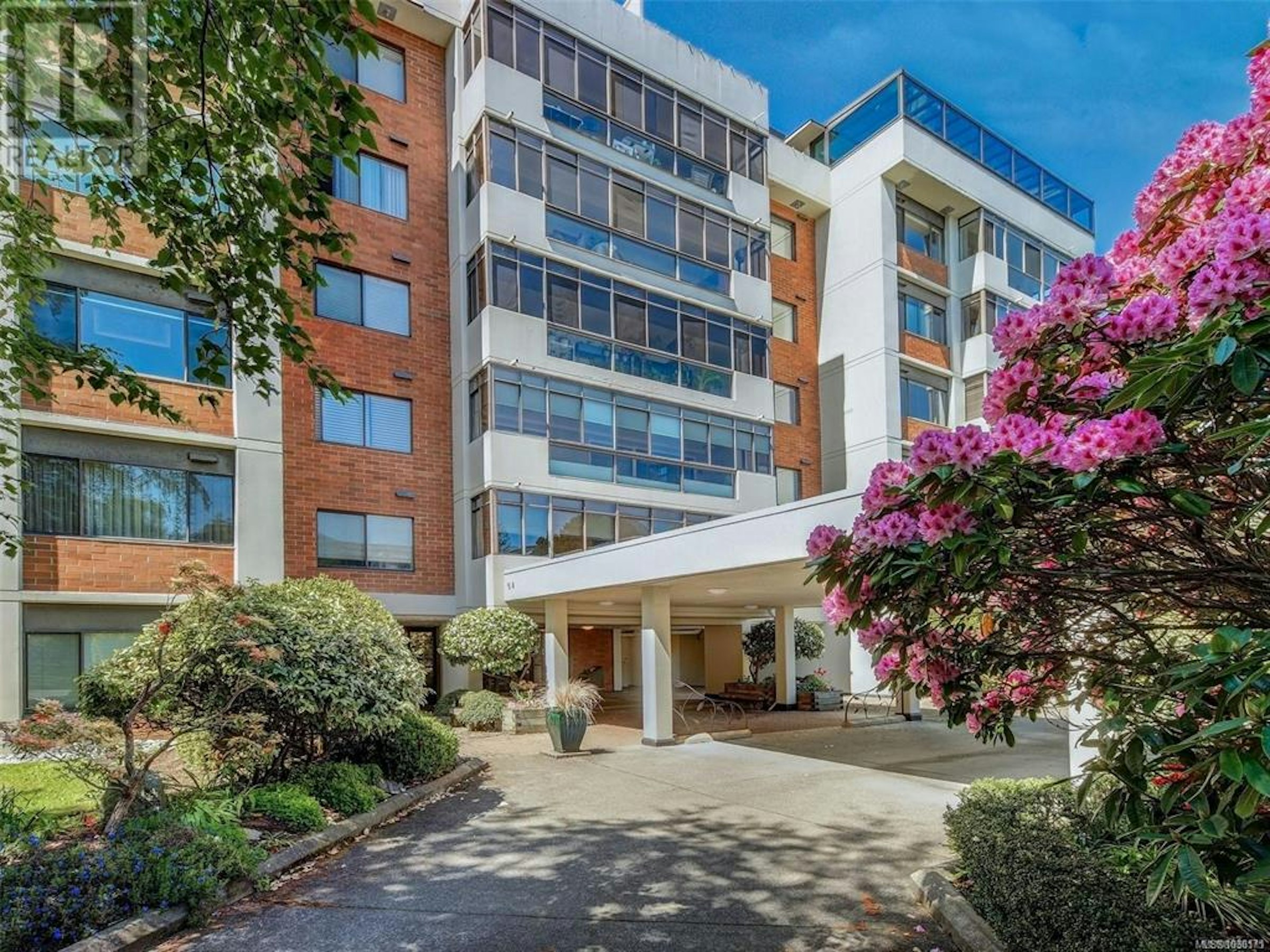
Older condo buildings can offer excellent value, larger floor plans, established locations, and a stronger sense of community. In Greater Victoria, many older condo buildings sit in highly walkable neighbourhoods close to transit, shops, parks, and everyday amenities. However, buying into an older condo building is not just about the unit itself. It is also about the condition of the building, the financial health of the strata, and the long-term maintenance plan. A well-managed older building can be a smart purchase. A poorly managed one can become expensive quickly. Older Does Not Automatically Mean Problematic Many buyers hear “older building” and immediately think of repairs, special levies, or outdated systems. While those are important risks to review, age alone does not tell the full story. Some older condo buildings have strong ownership, proactive strata councils, healthy contingency reserve funds, and a clear maintenance history. Others may look appealing on the surface but have deferred repairs, low reserves, or upcoming projects that could affect owners financially. The key is not to avoid older condo buildings. The key is to understand what you are buying. Review the Strata Documents Carefully When buying a condo in British Columbia, the strata documents matter. These documents help you understand how the building is managed, what issues have come up, and what expenses may be ahead. Important documents to review include: Form B Information Certificate Current budget Strata meeting minutes Annual general meeting minutes Depreciation report Insurance summary Bylaws and rules Financial statements Contingency reserve fund balance Any approved or proposed special levies The Form B is especially important because it discloses key information such as monthly strata fees, the contingency reserve fund balance, approved special levies, parking and storage details, insurance information, and other matters connected to the strata lot and strata corporation. Look Beyond the Strata Fee A lower strata fee can look attractive, but it is not always a sign of better value. In an older building, a very low strata fee may mean the strata is not saving enough for future repairs. That can lead to larger increases later or special levies when major work becomes necessary. On the other hand, a higher strata fee may be reasonable if it supports proper maintenance, insurance, building operations, and long-term reserve contributions. Buyers should ask: What does the strata fee include? Has the fee increased gradually or suddenly? Is the building contributing enough to the contingency reserve fund? Are major repairs already planned? Are owners repeatedly voting down important maintenance? The goal is not always to find the lowest monthly cost. The goal is to understand whether the monthly cost reflects responsible building management. Pay Attention to the Contingency Reserve Fund The contingency reserve fund, often called the CRF, is used for expenses that do not happen every year, such as roof replacement, elevator work, exterior repairs, or other major building projects. For older condo buildings, the CRF becomes especially important because more building components may be closer to the end of their expected life. A strong CRF does not guarantee that there will never be a special levy. However, it can show that the strata has been planning ahead. A low CRF does not always mean the building is a bad purchase, but it should lead to more questions. Buyers should compare the CRF balance with the depreciation report and upcoming repair schedule. Understand the Depreciation Report The depreciation report is one of the most useful tools when reviewing an older condo building. It outlines major building components, estimated repair or replacement timelines, and projected costs. This report can help buyers understand what may be coming over the next several years. For example, if the roof, windows, balconies, plumbing, parkade membrane, or elevator systems are nearing major repair cycles, buyers should know that before removing conditions. The report should not be read as a guarantee. It is a planning document. However, it can provide valuable insight into whether the strata is preparing for future costs or simply reacting as problems arise. Watch for Deferred Maintenance Deferred maintenance means repairs or updates have been delayed. This can happen for many reasons. Sometimes owners want to keep strata fees low. Sometimes a council has not had enough information. Sometimes projects have been discussed for years but never approved. Signs of deferred maintenance may include: Repeated discussion of the same repair issues in minutes Water ingress concerns Aging balconies or exterior cladding Elevator problems Plumbing issues Roof concerns Low reserve funds compared to upcoming projects Special levies that are discussed but not approved Insurance concerns or rising deductibles These items do not automatically mean you should walk away. However, they should be reviewed carefully with your REALTOR®, inspector, lender, and other professionals when needed. Consider Insurance and Deductibles Insurance has become an important issue for many strata properties. Buyers should review the strata corporation’s insurance summary and pay attention to deductibles, coverage, and any claims history discussed in the minutes. Higher deductibles can affect owners if there is a claim. Buyers should also speak with an insurance provider about their own condo insurance, including deductible coverage. This is especially important in older condo buildings where plumbing, roofing, or water-related issues may appear more often in the minutes. Older Buildings Can Offer Real Advantages While buyers need to be careful, older condo buildings can also offer meaningful benefits. Many older condos have larger floor plans than newer buildings. They may have more storage, wider rooms, better separation between living spaces, and locations closer to established amenities. In Greater Victoria, some older condo buildings are in excellent neighbourhoods where newer construction may be limited or significantly more expensive. For buyers who value space, walkability, and location, an older building may be worth serious consideration. The Building Matters as Much as the Unit A beautifully updated condo can still be a risky purchase if the building has major unresolved issues. At the same time, a dated unit in a well-managed building may offer strong long-term potential. Buyers should look at both layers: The condition and layout of the unit The financial and physical condition of the building Cosmetic updates are easy to see. Building management takes more work to understand. That extra review can make the difference between a confident purchase and an expensive surprise. Questions Buyers Should Ask Before Buying Before purchasing in an older condo building, buyers should ask: What major work has already been completed? What major work is coming next? Is the depreciation report current? Does the strata appear to follow the depreciation report? How much is in the contingency reserve fund? Have there been recent special levies? Are there any lawsuits, claims, or unresolved disputes? Are there repeated maintenance issues in the minutes? Are there rental, pet, age, or renovation restrictions? Does the building fit your lifestyle and long-term plans? These questions help buyers move past surface-level impressions and make a more informed decision. Final Thoughts Older condo buildings should not be dismissed automatically. Some offer excellent space, central locations, and strong long-term value. However, they require a closer look. For buyers, the goal is to understand the full picture before making a decision. That means reviewing the strata documents, asking the right questions, and looking carefully at both the unit and the building. A condo is not just four walls. It is a shared building, a shared budget, and a shared responsibility. If you are considering buying a condo in Greater Victoria and want help reviewing the right details before making an offer, contact Faber Real Estate Group for advice and information. Lorraine P., 5-Star Review, via Google “I would not dream of ever using a realtor other than Cal. Apart from the fact that he is was exceptionally knowledgable and resourceful, he was also honest, truthful and always acted in my best interest while at the same time treating all parties with dignity and respect.” Faber Real Estate Group Royal LePage Coast Capital Realty 📞 250-244-3430 📧 [email protected] ℹ️ Scott Faber Personal Real Estate Corporation ℹ️ Cal Faber Personal Real Estate Corporation Vanessa Wood, Zachary Parsons, and Sophie Taylor “Building Lasting Relationships, One Home at a Time.”
Read more
A safer condo building is not always the newest, flashiest, or most expensive option. Often, a safer condo building is one that feels well-managed, financially prepared, and clear about future maintenance. For buyers, that sense of safety comes from confidence. You want to know the building has been cared for, the strata has a plan, and there are fewer surprises hiding behind the monthly fee. Good Strata Documents Tell a Clear Story When buying a condo, the strata documents matter as much as the unit itself. Minutes, financial statements, bylaws, insurance documents, the Form B, and the depreciation report can reveal how the building is being managed. They can also show whether owners are dealing with recurring issues, upcoming repairs, or financial pressure. A well-run building usually has documents that feel organized and consistent. The records do not need to be perfect, but they should help buyers understand what has happened, what is being discussed, and what may be coming next. A Healthy Contingency Reserve Fund Builds Confidence The contingency reserve fund, often called the CRF, is one of the key areas buyers should review. This fund helps pay for larger common expenses, repairs, and future building needs. A stronger reserve can give buyers more confidence that the strata has prepared for long-term costs. A low reserve does not automatically mean a building is a bad purchase. However, it may mean buyers need to ask better questions. Has the strata recently completed major work? Are owners keeping fees low at the expense of future planning? Are special levies likely? The answer matters more than the number alone. A Depreciation Report Helps Buyers See Ahead A depreciation report is useful because it looks beyond today. It helps identify major building components, estimated repair timelines, and long-term funding needs. This may include items such as the roof, windows, balconies, plumbing, exterior finishes, parkade areas, elevators, or mechanical systems. For buyers, the depreciation report can help answer one of the most important condo questions: What could this building need in the next few years? A building feels safer when the strata has a clear report, takes it seriously, and appears to plan around it. Consistent Maintenance Is Better Than Deferred Problems A condo building does not need to be flawless to be a good buy. In fact, every building needs maintenance over time. What matters is how the strata responds. Buyers should look for signs that repairs are being handled thoughtfully. Regular maintenance, timely follow-up, and clear communication can be more reassuring than a building that appears problem-free but has little documentation. Deferred maintenance can create uncertainty. When small issues pile up, they can become larger costs later. Insurance Should Not Be Ignored Insurance has become an important part of condo buying. Buyers should review the strata’s insurance coverage, deductible amounts, and any notes related to claims history. High deductibles or repeated claims may affect how buyers think about risk and ownership costs. This does not mean buyers should avoid a building automatically. It means insurance should be part of the full review, not an afterthought. Clear Bylaws Reduce Future Friction A condo can feel safer when the rules are easy to understand. Bylaws can affect pets, rentals, smoking, renovations, parking, storage, short-term accommodation, and use of common areas. These rules shape day-to-day living and future resale appeal. Buyers should make sure the building’s bylaws fit their lifestyle before removing conditions. A great unit in the wrong building can still become a frustrating purchase. Strong Communication Shows Good Governance A well-managed strata usually communicates clearly. Council minutes should show thoughtful discussion, not constant conflict. Owners may disagree from time to time, but repeated tension, unresolved complaints, or unclear decision-making can be warning signs. Good governance does not mean everyone agrees. It means the building has a process, keeps records, and makes decisions in a way buyers can understand. The Monthly Fee Should Make Sense Some buyers focus only on keeping strata fees low. That can be a mistake. A lower fee is not always better if the building is underfunded or delaying repairs. A higher fee is not always bad if it supports good maintenance, insurance, amenities, and long-term planning. The better question is: Does the monthly fee match what the building needs? A safer condo building usually has fees that feel realistic, not artificially low. Resale Confidence Matters Too A condo purchase is not only about living there today. It is also about how future buyers may view the building. Buildings with clear documents, steady maintenance, reasonable fees, strong insurance, and good governance often feel easier to explain when it is time to sell. That matters because future buyers will review many of the same documents you are reviewing now. The Bottom Line A condo building feels safer to buy when the risk is easier to understand. Buyers should look beyond the unit and review how the building is managed, funded, maintained, and governed. A beautiful condo can lose appeal if the building creates uncertainty. A simpler unit in a well-run building may offer stronger long-term confidence. The goal is not to find a perfect building. The goal is to understand the building clearly before making a decision. For advice on buying a condo or reviewing strata documents in Greater Victoria, contact Faber Real Estate Group for local guidance before you move forward. Dione S., 5-Star Review, via Google “We made a MAJOR purchase and his expertise gave us the confidence to make OUR own decision in this crazy market! We are HAPPY ! Would not change a thing! Thank you Faber team!!” Faber Real Estate Group Royal LePage Coast Capital Realty 📞 250-244-3430 📧 [email protected] ℹ️ Scott Faber Personal Real Estate Corporation ℹ️ Cal Faber Personal Real Estate Corporation Vanessa Wood, Zachary Parsons, and Sophie Taylor “Building Lasting Relationships, One Home at a Time.”
Read more
If you are buying or owning a condo in British Columbia, understanding strata documents is part of protecting your money. One of the most important documents is the depreciation report. This is why condo depreciation reports explained clearly and simply matters so much for buyers, sellers, and owners. A depreciation report is not just a technical building file. It is a long-range planning document that helps show what major common-property repairs and replacements may be coming, when they may be needed, and how the strata may need to fund them. In B.C., depreciation reports are intended to help strata corporations plan and pay for repair, maintenance, and renewal of common property and common assets over a 30-year time period. What a Depreciation Report Actually Is A condo depreciation report is a professional assessment of the building’s major shared components and long-term capital needs. It typically looks at items such as: roofing exterior cladding windows balconies elevators plumbing and mechanical systems parkades amenity areas landscaping and site features Under B.C. regulations, a depreciation report must include a physical component inventory and evaluation, a summary of less-frequent repair and maintenance work, and a financial forecasting section. In plain language, it is the strata’s roadmap for future major repair and replacement costs. Why Depreciation Reports Matter So Much Many buyers focus on the unit itself. But in a condo, part of what you are really buying is exposure to the building’s future repair costs. A depreciation report helps answer questions like: What major repairs are likely coming? How soon might they happen? Does the contingency reserve fund seem aligned with future needs? Could owners face special levies? Is the strata planning ahead or reacting late? The Province says depreciation reports help strata owners understand what repair and replacement work is required, what the approximate costs may be, and when those costs are likely to occur. That is why this document can strongly affect buyer confidence. What the Rules Are in BC Right Now This part is important because the rules changed. In B.C., all strata corporations with five or more strata lots must obtain depreciation reports, and they must do so on a five-year cycle. Strata corporations with four or fewer lots remain exempt. Also, strata corporations can no longer defer getting a depreciation report by passing an annual 3/4 vote. There are also transition deadlines for older stratas. For strata corporations in the Capital Regional District, those without a depreciation report, or with one dated before December 31, 2020, must obtain one by July 1, 2026. That deadline matters directly in Greater Victoria. What Buyers Should Look For in a Depreciation Report A depreciation report is most useful when you read it strategically, not just quickly. 1. Age and date of the report Start with how current it is. If the report is old, it may be less reliable as a planning tool, especially if construction costs have changed or the building has aged faster than expected. 2. Major components coming due soon Look for expensive items that may require work in the next one to five years, such as roofs, windows, balconies, membranes, elevators, or parkade repairs. 3. Funding versus forecast Compare the projected repair schedule to the contingency reserve fund and overall financial position. A report may show sensible planning, or it may hint that future levies are likely. 4. Condition comments Pay attention to language around deferred maintenance, shortened life expectancy, or components needing more invasive review. 5. Scope limits and assumptions Some reports rely on visual review and assumptions. That does not make them useless, but it does mean they are not a guarantee. What a Depreciation Report Does Not Tell You This is where buyers can get tripped up. A depreciation report is not the same as: an engineer’s intrusive building-envelope investigation a unit inspection a guarantee that costs will be exact proof that the strata will follow the report perfectly It is a planning document, not a promise. That means buyers should read it alongside: strata minutes financial statements Form B / Information Certificate bylaws and rules engineering reports, if any recent special levy history CHOA notes that the report must be disclosed with the Information Certificate, also known as Form B. Red Flags Buyers Should Notice A depreciation report can be reassuring, but it can also raise concerns. Some common red flags include: no current report where one should now exist a very outdated report large repair items coming soon with limited reserve funding repeated mention of deferred maintenance major cost spikes with no clear savings path mismatch between the report and the meeting minutes evidence the strata has ignored earlier recommendations A building does not need to be perfect. But a buyer should understand whether the strata is managing reality well. What Sellers Should Understand Sellers sometimes assume depreciation reports only matter to cautious buyers. In reality, they can influence marketability, offer confidence, and negotiation power. A well-run building with a current report and a credible maintenance plan often feels lower risk to buyers. A building with unclear planning or obvious funding pressure can lead to tougher questions, slower decisions, and more pricing sensitivity. That does not mean every older building is a bad buy. It means transparency matters. What This Means for Victoria Condo Buyers In Greater Victoria, condo buyers should pay close attention to depreciation reports because many buildings are now approaching or already in the phase where larger shared repairs become more relevant. With the Capital Regional District specifically included in the July 1, 2026 transition deadline for many strata corporations, some buyers will be reviewing buildings that have recently obtained a required report, while others may still be in the process of compliance. That creates an important practical question: Is this building simply older, or is it older and underplanned? Those are very different risks. A Simple Way to Think About It The easiest way to understand a depreciation report is this: It tells you what the building may need, roughly when it may need it, and whether the strata appears prepared. That is why it matters so much. In condo ownership, your monthly strata fee is only part of the financial story. Future shared repair costs are the other part. Final Thoughts When it comes to condo depreciation reports explained, the real takeaway is simple: this document helps buyers and owners understand the building beyond the unit itself. It can reveal how well a strata is planning, what major expenses may be ahead, and whether future financial risk looks manageable or uncomfortable. If you are buying or selling a condo in Greater Victoria and want help interpreting strata documents, depreciation reports, and overall building risk, contact Faber Real Estate Group for clear guidance before you make your next move. Shane B., 5-Star Review, via Google “The last few months navigating this crazy real estate market has been a rollercoaster, and we couldn’t have done it without the Faber Real Estate Team! Scott was extremely helpful, positive and always available. Under a tight timeline we were able to get our condo on the market and sell right away, to be available for any housing opportunity. Faber Real Estate Group Royal LePage Coast Capital Realty 📞 250-244-3430 📧[email protected] ℹ️ Scott Faber Personal Real Estate Corporation ℹ️ Cal Faber Personal Real Estate Corporation Vanessa Wood, Zachary Parsons, and Sophie Taylor “Building Lasting Relationships, One Home at a Time.”
Read more
Westshore real estate selling strategy matters more in 2026 because resale homes are no longer competing only with the home down the street. In Langford and Colwood, you are also competing with developers, staged showhomes, polished marketing campaigns, and incentive packages. Westshore inventory is being shaped by volume. Condos, townhomes, and detached homes are being delivered at scale. If you ignore that reality, you risk longer days on market and price reductions. If you work with it, you can still sell quickly and confidently. Developers Are Setting Buyer Expectations Langford continues to see one of the highest volumes of new construction in Greater Victoria. Projects often launch with coordinated marketing, presentation centres, and incentives that make buyers feel they are getting a “complete package.” Developers can offer: Deposit structures spread over time Appliance or upgrade packages Completion flexibility GST inclusions or credits in certain cases Professionally staged model units That becomes the benchmark. When buyers tour resale homes afterward, they compare immediately. That comparison shapes your pricing power and your negotiation leverage. How This Impacts Each Property Type Condos in the Westshore New towers can create psychological price ceilings. Even if your condo is well maintained, buyers often ask: How old is the building? Is there depreciation report risk? Are there upcoming special assessments? When a new project offers warranties and new amenities, resale condos must compete on value and clarity, not hope. The tactical move: Price decisively from day one Highlight upgrades clearly (flooring, appliances, fixtures, storage) Emphasize move-in readiness Provide strata documents early and proactively Townhomes Townhomes remain a sweet spot for many first-time buyers in the Westshore. The challenge is that pre-sale townhome communities often launch with modern finishes and buyer-friendly deposit structures. Resale townhome sellers need to compete on: Timing: you can offer immediate possession Certainty: buyers can see the finished product Layout advantages: larger rooms, better parking, better yard space, or better storage (when applicable) If a new phase is launching nearby, “testing the market” is rarely effective. Detached Homes Detached homes face a different comparison set. Buyers now weigh older detached homes against: New detached builds (where available) High-end townhomes with newer finishes and lower maintenance Common buyer questions include: What upgrades have been completed? Is the home energy efficient? Are there insurance or inspection concerns? If your home needs updates, the price must reflect that quickly. Buyers calculate renovation costs fast in this environment. Why Some Westshore Homes Still Sell in 7 to 14 Days Even during heavy new construction cycles, resale homes can sell quickly when they: Price correctly at launch Show better than competing resale inventory Position clearly against nearby developments Market to a defined buyer, not everyone Homes that struggle usually: Start high “to see what happens” Ignore new inventory nearby Assume last year’s value still applies Westshore real estate rewards decisiveness right now. The Tactical Seller Playbook for 2026 If you are considering selling in Langford or Colwood, this is a simple framework that holds up in today’s market. 1) Identify Your True Competition Ask what is coming next, not what sold last. A new condo building two blocks away A townhome phase launching next month A detached subdivision completing soon We map the competition before pricing. 2) Position, Then Price Price alone is not the strategy. Positioning is. We define: Who your buyer is Why they would choose resale over new What your timing advantage is (possession, condition, certainty) Then we price with urgency. 3) Launch Strong In a developer-influenced market, first impressions carry more weight. That means: Professional photography Clear feature sheets that explain the value Transparent documentation (especially strata) Immediate showing availability Delayed momentum is expensive. What This Means for Westshore Sellers New construction is not a threat. It is a variable. When handled correctly, resale homes can benefit from the attention new projects bring to the region. Buyers who get priced out of new builds often pivot to resale quickly, but only if the resale option is positioned properly. The key is to price with forward awareness, not backward attachment. A Westshore real estate selling strategy that accounts for nearby development competition is one of the simplest ways to protect your timeline and your outcome. If you are thinking about selling in the Westshore this year, contact Faber Real Estate Group to map your competition and build a pricing and launch plan that fits today’s market. Debbie N., 5-Star Review, via Google “From start to finish, Scott and Cal were amazing to work with. I hadn't moved in nearly 22 years and going from a house to a condo was a very difficult decision, but they were amazingly patient and responsive to my needs. This team doesn't just say that they care, they actually do. I couldn't have done this without them. I would recommend them to anyone. You will be in the best hands. Thank you Faber Group!!!” Faber Real Estate Group Royal LePage Coast Capital Realty 📞 250-244-3430 📧[email protected] ℹ️ Scott Faber Personal Real Estate Corporation ℹ️ Cal Faber Personal Real Estate Corporation Vanessa Wood, Zachary Parsons, and Sophie Taylor “Building Lasting Relationships, One Home at a Time.”
Read more