
Posts Tagged ‘strata buying tips’
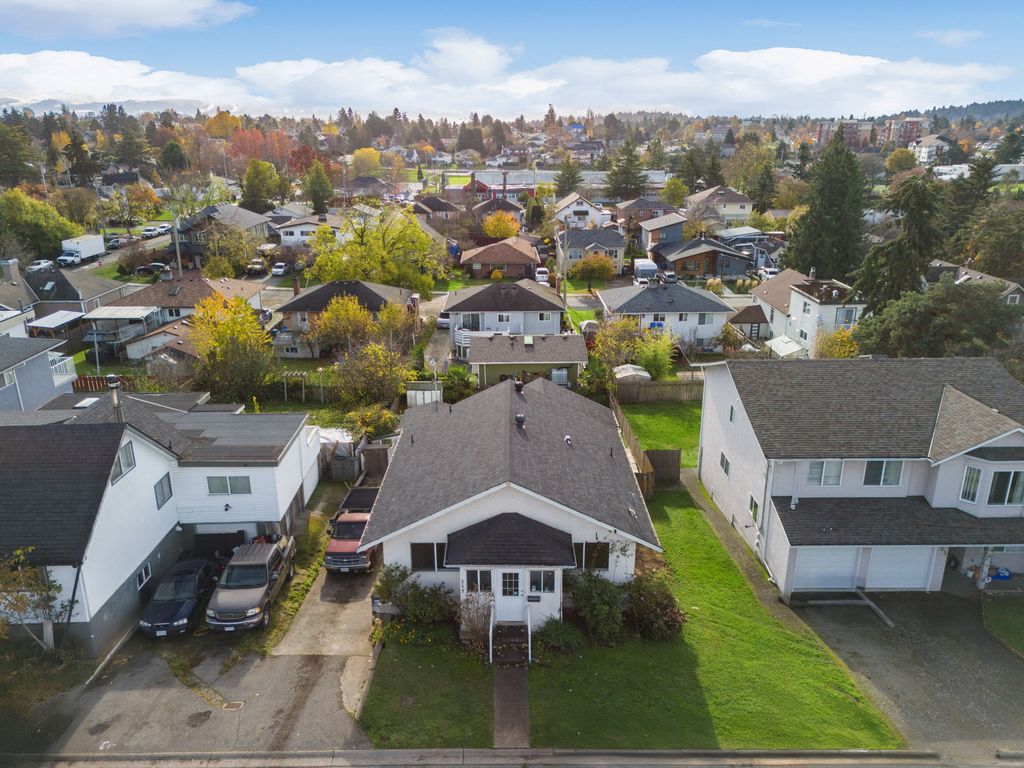
Understanding compromise vs red flag ,swhen buying a home can help you make a calmer, clearer decision before you write an offer. Most buyers will not find a home that checks every box. That does not mean they are settling. It means they are choosing which trade-offs make sense and which concerns need a closer look. A compromise is usually something you can live with, change, or plan around. A red flag is a warning sign that could affect safety, cost, resale, financing, or peace of mind. The difference matters. What Is a Reasonable Compromise? A compromise is a trade-off between what you want and what still works. For example, you may choose: A smaller yard to stay in your preferred neighbourhood An older kitchen because the layout works well A longer commute for more space A condo instead of a townhouse to stay within budget A home that needs cosmetic updates over time These are not always problems. In fact, most smart buyers make some form of compromise. The key is knowing whether the trade-off supports your lifestyle, budget, and long-term plan. Questions to Ask Before Accepting a Compromise Before you move forward, ask yourself a few clear questions. Can I live with this every day? Paint colour is easy to change. A layout that does not work for your family is harder to ignore. Focus on the parts of the home that affect daily life, such as storage, parking, noise, stairs, natural light, and commute. Can I fix this within my budget? Some updates can happen slowly. Others may cost more than expected. Before accepting a compromise, think about the true cost of changing it. A dated bathroom may be manageable. Old wiring, drainage issues, or a failing roof may need more care. Will this affect resale? You do not need to buy a home that works for everyone. However, resale still matters. Limited parking, an unusual layout, poor access, or a difficult location can reduce the number of future buyers. That does not mean you should walk away. It simply means you should understand the trade-off before you buy. What Is a Red Flag? A red flag is not always a dealbreaker. However, it is a reason to slow down and ask better questions. When thinking about compromise vs red flag when buying a home, look at whether the issue creates risk beyond simple preference. Common red flags may include: Water damage or moisture concerns Foundation or drainage issues Old electrical or plumbing systems A roof near the end of its life Signs of mould or poor ventilation Unpermitted renovations Missing or unclear documents Strata financial concerns Repeated special levies A purchase that stretches your monthly budget too far These concerns need proper review before you decide what to do next. Why the Home Inspection Matters A home inspection helps you understand what you are buying. It is not about finding a perfect home. It is about spotting visible concerns, future repairs, and maintenance priorities. For example, an older roof may be acceptable if the price reflects it. However, active leaks or repeated moisture problems may point to a larger issue. Good information helps you make a better decision. It also gives you room to negotiate, ask questions, or walk away if needed. Strata Homes Need Extra Review If you are buying a condo or townhouse, the unit is only one part of the decision. The building matters too. A beautiful condo may still carry risk if the strata has weak financials, ongoing repairs, insurance concerns, or poor maintenance history. Before buying a strata property, review: Form B Strata minutes Budget Bylaws Insurance documents Depreciation report Contingency reserve fund Any upcoming levies or major repairs This review can help you understand whether the home is a smart fit or just looks good on the surface. For more buyer guidance, visit: https://www.fabergroup.ca/buy-with-us/ Budget Red Flags Matter Too Not every red flag shows up during a walkthrough. Sometimes the biggest risk is the monthly cost. A home may fit your pre-approval but still feel too tight once you include taxes, strata fees, insurance, utilities, repairs, and moving costs. Before writing an offer, ask: What will this home cost each month? Do I have room for repairs? Will I still feel comfortable after closing? Am I relying on everything going perfectly? Does this home support the life I want? A good home should fit your life, not just your approval amount. A Simple Way to Decide When a concern comes up, place it into one of three categories. Preference This is something you wanted but do not truly need. Examples include paint colours, cabinet style, flooring, or light fixtures. These are often manageable compromises. Practical Concern This affects how the home works. Examples include parking, storage, layout, noise, commute, or renovation needs. These deserve more thought. Risk Factor This could affect cost, safety, financing, resale, or legal clarity. Examples include water damage, structural concerns, strata issues, unpermitted work, or an uncomfortable budget. These need deeper review before you move forward. Why Local Guidance Helps Greater Victoria has many different property types, and each one comes with its own trade-offs. Older homes may offer charm but need more maintenance. Condos may offer convenience but require careful strata review. Townhomes may provide more space but come with bylaws and monthly fees. Rural properties may involve wells, septic systems, access, zoning, and insurance considerations. That is why local guidance matters. The right advice can help you compare the home, the risks, the neighbourhood, and the numbers together. You can also start exploring current listings here: https://www.fabergroup.ca/search-homes/ Final Thoughts A compromise is not a failure. It is often part of buying the right home. A red flag is different. It is a signal to pause, ask questions, and protect your future self. The goal is not to find a flawless property. The goal is to understand what you are accepting before you say yes. When you can tell the difference between a reasonable compromise and a serious concern, you can buy with more clarity and fewer regrets. If you are buying in Greater Victoria and want help reviewing a property, comparing trade-offs, or understanding what concerns deserve a closer look, our team is here to help. Maryann G., 5-Star Review, via Google “We recently sold our home through the Faber Real Estate Group. We received excellent service as we navigated our way through the sale of the house. I would recommend, they are so professional and gave good advice leading to a quick sale.” Faber Real Estate Group Royal LePage Coast Capital Realty 📞 250-244-3430 📧 [email protected] ℹ️ Scott Faber Personal Real Estate Corporation ℹ️ Cal Faber Personal Real Estate Corporation Vanessa Wood, Zachary Parsons, and Sophie Taylor “Building Lasting Relationships, One Home at a Time.”
Read more
A smart home search strategy in Victoria starts before you step inside a property. A smart home search strategy in Victoria helps you compare homes with more confidence, avoid emotional decision-making, and focus on the properties that actually fit your budget, lifestyle, and long-term plans. Most buyers think the search begins with viewing homes. It usually starts earlier than that. Before you book showings, scroll listings, or fall in love with a kitchen, it helps to slow down and build a clear plan. In Greater Victoria, where neighbourhoods, property types, strata rules, commute times, renovation needs, and price points can vary so much, a better search strategy can save time and reduce stress. The goal is not to view the most homes. The goal is to view the right homes with the right questions. Why Your Search Strategy Matters Before Viewing Homes A home can look perfect online and still be the wrong fit. Photos can make a room feel larger. A listing description may not tell the full story. A desirable location may come with trade-offs around parking, strata fees, traffic, school catchments, noise, or future resale appeal. That is why preparation matters. In June 2026, the Victoria Real Estate Board reported 4,054 active listings at month-end, up 7.3% from June 2025. VREB also noted that buyers had more options and more time to make informed decisions compared with the low-inventory years that created heavier competition. More choice can be helpful. It can also make the process harder if you do not have a clear filter. When buyers look at too many properties without a plan, every home starts to blur together. One has the better yard. One has the better kitchen. One has lower strata fees. One has a better location. One needs work. One feels emotionally exciting but financially uncomfortable. A clear search strategy gives you a way to compare those trade-offs before pressure enters the decision. Start With Your Real Budget, Not Just Your Pre-Approval A pre-approval is a starting point, not a comfort level. Before viewing homes, buyers should understand the difference between what they can technically afford and what they are comfortable paying each month. That means looking at more than the purchase price. Your budget should include: Mortgage payment Property taxes Strata fees, if applicable Home insurance Utilities Maintenance Parking or storage costs Future repairs or upgrades Closing costs Property transfer tax, if applicable Moving costs A home at the top of your approval amount may still work on paper, but feel tight in real life. That does not mean you should avoid stretching for the right property. It means you should know when you are stretching, why you are stretching, and what you are giving up in exchange. Separate Needs, Wants, and Nice-to-Haves One of the best ways to improve your home search is to divide your criteria into three categories. Needs These are the non-negotiables. They usually relate to daily function, budget, location, accessibility, family needs, pets, parking, or timeline. Examples may include: Minimum number of bedrooms Maximum monthly payment Pet-friendly building Parking requirement Specific school area Commute limit No major renovation requirement Suite potential One-level living Wants These matter, but they may be flexible if the right home checks the bigger boxes. Examples may include: Updated kitchen Larger yard Extra storage Home office South-facing exposure Walkability Garage Newer building Larger deck or patio Nice-to-Haves These are bonuses. They may improve your enjoyment, but they should not drive the entire decision. Examples may include: Feature fireplace Designer finishes Ocean glimpses Pantry Gym in the building EV charger already installed Extra guest space This exercise helps buyers avoid overvaluing cosmetic features and undervaluing practical ones. A beautiful backsplash is nice. A layout that works for your daily life matters more. Understand Which Neighbourhoods Fit Your Life Greater Victoria is not one market. A condo in Downtown Victoria, a townhome in Langford, a character home in Fernwood, a family property in Saanich, and a newer detached home in Colwood can all offer very different versions of value. Before viewing homes, ask yourself: Where do I spend most of my time? How far am I willing to commute? Do I want walkability or more space? Do I need access to schools, transit, parks, or trails? Am I comfortable being farther from the core if it gives me a better home? Do I want a newer property with less maintenance? Would I rather buy a smaller home in a preferred location or a larger home farther out? This is where many buyers get stuck. They say they want “the best value,” but value depends on what they are trying to solve. For one buyer, value means being able to walk to work. For another, it means a larger yard for kids and pets. For another, it means a newer strata building with fewer maintenance concerns. The right neighbourhood is not always the most popular one. It is the one that fits your budget, routine, and next stage of life. Know Your Property Type Trade-Offs Before viewing homes, buyers should understand how different property types affect lifestyle, cost, and responsibility. Condos Condos can offer lower maintenance, strong locations, and better entry points into the market. They also require careful review of strata fees, bylaws, depreciation reports, contingency reserve funds, insurance, rental rules, pet rules, parking, storage, and building history. Townhomes Townhomes often appeal to buyers who want more space than a condo without the full maintenance of a detached home. They can be practical for families, downsizers, and buyers who want outdoor space, but strata review is still important. Detached Homes Detached homes offer more control, privacy, land, and flexibility. They also come with more responsibility. Roofs, drainage, windows, perimeter drains, heating systems, exterior maintenance, and future repair costs all matter. New Construction and Pre-Sales Newer homes can offer modern layouts, energy efficiency, warranty coverage, and lower short-term maintenance. Buyers should still understand GST, completion timelines, deposits, assignment rules, deficiency walkthroughs, strata setup, and what is included in the purchase. Each property type can be the right choice. The key is knowing what you are accepting before you get emotionally attached. Build a Viewing Scorecard A simple scorecard can help you stay grounded during showings. After each viewing, rate the home from 1 to 5 in these categories: Location Layout Condition Natural light Storage Outdoor space Parking Strata or maintenance risk Renovation needs Monthly cost comfort Long-term resale appeal Overall lifestyle fit Then write one sentence: “Would I still want this home if no one else was interested?” That question matters. In real estate, competition can make a property feel more desirable than it actually is. A strong search strategy helps you separate urgency from alignment. Look Beyond the Listing Price The asking price is only one part of the story. A home may be priced sharply to create activity. Another may sit longer because it needs a specific buyer. A third may look expensive online but offer strong value because of location, condition, building quality, or future flexibility. Before viewing a property, it helps to ask: How long has it been on the market? Have there been price changes? How does it compare to recent sales? Are similar homes available nearby? Is the seller likely to negotiate? Are there obvious condition concerns? Is the home priced for its upgrades, location, or scarcity? Is the market moving differently for this property type? This is where local guidance matters. A listing can only tell you what the seller is asking. Market context helps you understand what the home may actually be worth. Review Risk Before Emotion Takes Over Every property has risk. The question is whether the risk is acceptable, manageable, and reflected in the price. Before writing an offer, buyers should understand the key items that may need review, including: Title Property disclosure statement Strata documents Building bylaws Depreciation report Insurance documents Inspection findings Permit history Easements or covenants Financing approval Insurance availability Deposit timing Subject removal timeline Possession date In British Columbia, many residential buyers also have the Home Buyer Rescission Period, which gives buyers up to three business days to rescind an accepted offer, with a rescission fee if they choose to do so. BCFSA states that the fee is 0.25% of the purchase price. That protection does not replace proper due diligence. It is still better to understand the property before writing, not after. Decide What You Are Willing to Compromise On Every buyer compromises. The mistake is not compromising. The mistake is compromising on the wrong things. Before viewing homes, decide which trade-offs you can live with. You may accept: A smaller yard for a better location An older kitchen for a stronger floor plan A longer commute for more space A smaller condo for walkability A higher strata fee for better amenities and building care A home needing cosmetic updates if the structure and location are strong You may not want to accept: A monthly payment that creates stress A layout that does not work A building with concerns you do not understand A location that makes daily life harder A renovation scope beyond your budget or patience A property that only works if everything goes perfectly Good buying decisions are rarely perfect. They are clear. Avoid Letting Online Searching Replace Strategy Online listings are helpful, but they can also create confusion. It is easy to compare homes that are not truly comparable. A condo downtown, a townhome in Langford, and a detached home in Saanich may all show up in a similar price range, but they solve different problems. Instead of asking, “Which one is best?” ask, “Which one best fits the life I am trying to build?” That shift changes the search. You stop chasing every new listing and start measuring each property against your actual goals. How Local Guidance Helps A strong buying process should not push you into a home. It should help you slow down enough to make a confident decision. Local guidance can help you: Compare neighbourhoods realistically Understand market conditions by property type Identify red flags before spending time on showings Review strata and property documents Build an offer strategy Understand timelines, deposits, and subjects Avoid overpaying because of emotion Recognize strong value when it appears In a market with more choice, preparation becomes even more important. The buyers who do best are not always the fastest. They are the ones who know what they are looking for, understand what matters, and act decisively when the right home appears. Final Thoughts A smarter home search starts with clarity. Before viewing properties, take time to understand your budget, lifestyle, neighbourhood preferences, property type, trade-offs, and risk tolerance. The more clearly you define your search, the easier it becomes to recognize the right home when you see it. You do not need to know everything before you begin. You just need a process that helps you make better decisions as you go. If you are thinking about buying in Greater Victoria, Faber Real Estate Group can help you build a search strategy that fits your goals, your timeline, and the realities of the local market. Wilson, 5-Star Review, via Google “Amazing people there! They will help you through the entire process and will always make you feel like family. For those first time home buyers, don't be intimidated entering the market because they will explain every process and guide you through.” Faber Real Estate Group Royal LePage Coast Capital Realty 📞 250-244-3430 📧 [email protected] ℹ️ Scott Faber Personal Real Estate Corporation ℹ️ Cal Faber Personal Real Estate Corporation Vanessa Wood, Zachary Parsons, and Sophie Taylor “Building Lasting Relationships, One Home at a Time.”
Read more