
Posts Tagged ‘Sidney real estate’
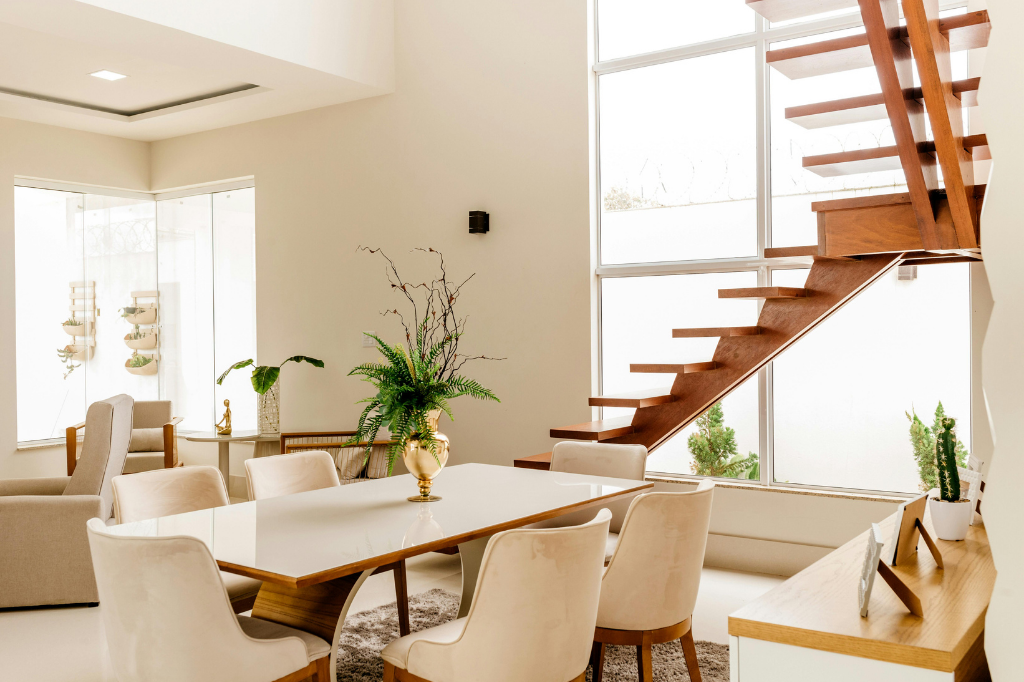
The emotional side of buying a home is often stronger than buyers expect. The emotional side of buying a home can show up as excitement, fear, pressure, comparison, frustration, or second-guessing, sometimes all in the same week. That is normal. Buying a home is not just a financial decision. It is personal. You are thinking about your lifestyle, your future, your family, your monthly payments, and whether the home in front of you is the right one. In a market like Greater Victoria, where price, location, and property type can vary widely, it is easy for emotions to take the lead. The goal is not to remove emotion from the process. The goal is to stay grounded enough to make a clear decision. Why Buying a Home Feels So Emotional A home represents more than walls and square footage. For many buyers, it connects to security, independence, family plans, lifestyle goals, and long-term financial stability. That is why a showing can feel exciting one moment and overwhelming the next. Buyers are often asking themselves: Can I really afford this? Am I making the right decision? What if something better comes up? What if I wait and prices rise? What if I buy and regret it? What if there are hidden problems? What if I lose the home to another buyer? These questions are not signs that something is wrong. They are signs that the decision matters. Excitement Can Make You Move Too Quickly Excitement is part of the process. When a home feels right, it can be tempting to rush. Maybe the layout works. Maybe the light is better than expected. Maybe the location feels right. Maybe you can already picture your furniture, your morning routine, or your first summer in the backyard. That emotional connection matters, but it should not replace due diligence. Before moving forward, buyers should still review: Recent comparable sales Monthly carrying costs Inspection concerns Strata documents, if applicable Property condition Neighbourhood fit Resale considerations Offer terms Financing comfort A home can feel right and still need careful review. Fear Can Make You Freeze Fear can push buyers in the opposite direction. Some buyers hesitate even when a home fits their needs. They worry about interest rates, market timing, repairs, resale value, or whether they are overpaying. In some cases, fear protects buyers from a poor decision. In other cases, it causes them to miss a good opportunity. The key is to separate useful caution from decision paralysis. Useful caution sounds like: “Let’s review the documents before we decide.” Decision paralysis sounds like: “I need certainty before I do anything.” Real estate rarely offers perfect certainty. A grounded buyer learns how to make a decision with enough information, not perfect information. Comparison Can Create Confusion The more homes you see, the easier it becomes to compare everything. One home has the better kitchen. Another has more parking. Another has a better yard. Another has lower strata fees. Another is closer to work. Soon, every option starts to feel incomplete. This is where buyers can lose focus. Before viewing too many homes, it helps to separate needs from preferences. Needs may include: Budget Location range Number of bedrooms Parking Accessibility Pet rules Commute Financing requirements Preferences may include: Finish style Paint colours Flooring Yard size View Extra storage Renovation level Specific street or building When buyers are clear on the difference, it becomes easier to make decisions. Your Budget Should Be a Boundary, Not a Suggestion One of the best ways to stay grounded is to know your real budget before falling in love with a property. That means understanding more than your pre-approval amount. A lender may approve you for one number, but your comfort level may be lower. Buyers should consider: Mortgage payment Property taxes Insurance Utilities Strata fees, if applicable Repairs and maintenance Moving costs Furniture or appliances Emergency savings Lifestyle costs after moving A home should not only be affordable on paper. It should still allow you to live your life. For more on this, you may find our post on from rent payments to mortgage payments: is buying right for you? helpful. Do Not Let One Showing Control the Whole Decision A strong first impression can be powerful. So can a weak one. Some buyers dismiss homes too quickly because of paint, furniture, clutter, lighting, or staging. Others overlook serious concerns because the home feels warm and inviting. Try to look at each property in layers. First, ask whether the home fits your life. Then ask whether the numbers work. Then ask what needs to be investigated. Then ask whether the concerns are manageable or deal-breaking. This approach slows the emotional swing and gives you a clearer way to evaluate each property. Be Careful With Outside Opinions Friends and family often want to help. Their input can be valuable, especially if they know construction, financing, or the neighbourhood. However, too many opinions can make the process harder. Someone who is not buying the home may focus on different priorities. They may compare the property to a market from years ago, a different city, or their own personal preferences. Outside opinions should support your decision, not replace it. A good question to ask is: “Does this feedback relate to my goals, my budget, and this market?” If not, it may be noise. Understand Your Risk Tolerance Every buyer has a different comfort level. Some buyers are comfortable renovating. Others want move-in ready. Some are open to older homes. Others prefer newer construction. Some are willing to stretch for location. Others value monthly comfort more than anything else. There is no universal right answer. The best purchase is the one that fits your actual tolerance for risk, cost, work, and uncertainty. Before writing an offer, ask yourself: Can I handle repairs if they come up? Am I comfortable with this monthly payment? Do I understand the trade-offs? Would I still want this home if another buyer was not interested? Am I making this decision from clarity or pressure? The answers can help you slow down and think clearly. Have a Clear Offer Strategy Emotions often rise when it is time to write an offer. This is where preparation matters. A strong offer strategy should consider the property, the seller’s position, comparable sales, market activity, competing interest, conditions, deposit, dates, and your own comfort level. The goal is not always to win at any cost. The goal is to write an offer you can stand behind. A grounded buyer knows: Their maximum price Their preferred terms Their walk-away point Their required conditions Their financing comfort Their reason for choosing the home This makes the offer process less reactive. You may also want to read our post on how to tell if a seller might consider a lower offer for more negotiation context. Give Yourself Time to Process, But Not Forever Buying a home requires both patience and decisiveness. You should have enough time to think, ask questions, and review the details. But waiting too long can create its own pressure, especially if the right home is well priced and other buyers are interested. A helpful rule is to process with structure. After a showing, ask: Does this home fit my needs? What are the trade-offs? What questions do I still have? What would I need to confirm before offering? Would I be disappointed if someone else bought it? These questions help move the decision from emotion to clarity. Work With People Who Keep You Grounded The right support matters. A good REALTOR® should not push you into a decision. They should help you understand the market, compare options, review risks, and make a clear plan. The same is true for your mortgage broker, inspector, lawyer, and other professionals involved in the process. A grounded process includes: Clear expectations Honest market context Strong property research Budget discipline Calm offer strategy Careful document review Practical next steps Buying a home will always carry emotion. Good guidance helps make sure emotion does not take over. Final Thoughts The emotional side of buying a home is real. Excitement, fear, doubt, pressure, and comparison can all shape how buyers feel during the process. The key is not to ignore those emotions. The key is to recognize them, slow the decision down, and return to the facts: budget, needs, location, condition, risk, and long-term fit. A grounded buyer is not emotionless. A grounded buyer is prepared. If you are thinking about buying a home in Greater Victoria and want a clear, steady approach, contact Faber Real Estate Group for local advice, current market insight, and a strategy that helps you move forward with confidence. Raman B., 5-Star Review, via Google “Faber group is a power house team with motivation, drive and a desire to exceed your needs. This family based business excels in the Victoria real estate market and goes to great lengths to find the perfect property that suits you. I would highly recommend them, 5 out of 5 stars!!” Faber Real Estate Group Royal LePage Coast Capital Realty 📞 250-244-3430 📧 [email protected] ℹ️ Scott Faber Personal Real Estate Corporation ℹ️ Cal Faber Personal Real Estate Corporation Vanessa Wood, Zachary Parsons, and Sophie Taylor “Building Lasting Relationships, One Home at a Time.”
Read more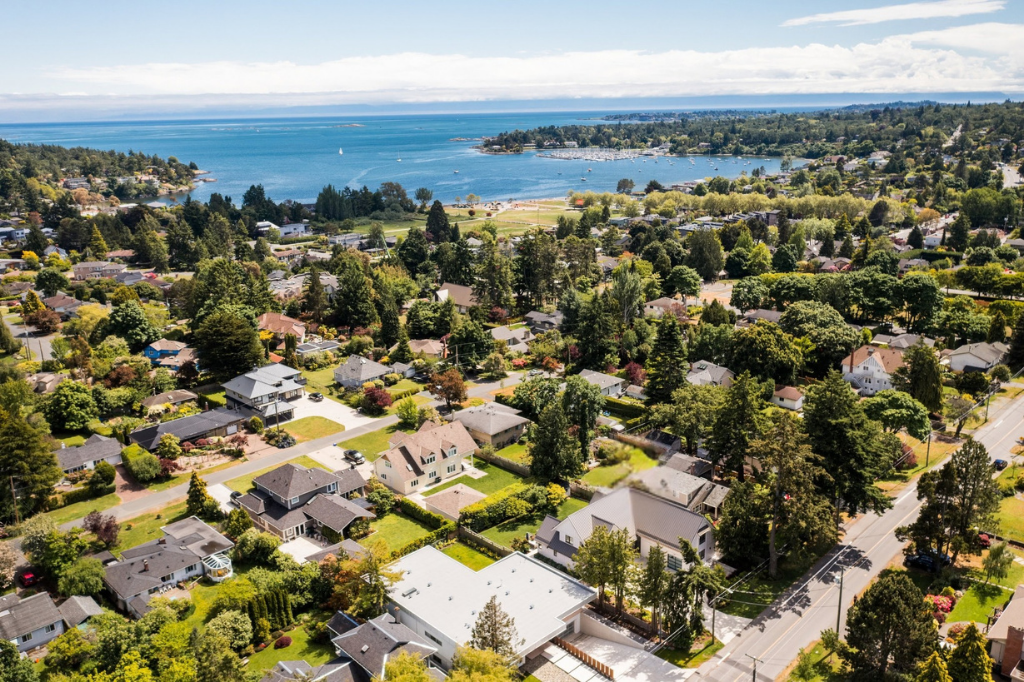
Greater Victoria real estate micro-markets can feel confusing because the region does not move as one single market. A condo in downtown Victoria, a family home in Gordon Head, a townhome in Langford, and a character home in Oak Bay can all respond differently to the same interest rate environment, inventory level, or buyer mood. That is why broad market headlines can only tell part of the story. According to the Victoria Real Estate Board, there were 3,710 active listings on the MLS® at the end of April 2026, up 8.3% from April 2025. The Board also described the overall market as balanced, while noting that buyer and seller experiences can vary depending on property type and location. That last point matters most. A Balanced Market Does Not Mean Every Area Feels Balanced When people hear that the market is balanced, they often assume every neighbourhood is moving at the same pace. That is rarely true. One area may have strong demand for detached homes because families want school access, yard space, and long-term livability. Another area may have slower condo activity because buyers have more choice, higher strata scrutiny, or stronger price sensitivity. A balanced regional market can still contain: Competitive pockets Slower-moving property types Price-sensitive segments High-demand neighbourhoods Listings that need sharper pricing to stand out This is why Greater Victoria real estate micro-markets require more than a regional average. Property Type Changes Everything A detached home, townhouse, condo, acreage property, and new-build unit can all behave differently. For example, buyers comparing condos may focus on strata fees, depreciation reports, insurance, amenities, parking, and building age. Buyers looking at detached homes may care more about lot size, renovation history, suite potential, roof condition, schools, and outdoor space. Even within the same neighbourhood, two property types can have very different buyer pools. A well-priced townhouse in a walkable area may attract strong interest, while a nearby condo with high strata fees may move more slowly. A dated detached home may sit if it needs major work, while a well-maintained home nearby may sell quickly because buyers value certainty. Neighbourhood Lifestyle Drives Buyer Demand Greater Victoria is not just a collection of price points. It is a collection of lifestyles. Buyers are often choosing between very different versions of daily life: Walkability in Fairfield, James Bay, Cook Street Village, or Fernwood Space and newer homes in Langford, Colwood, or View Royal Quiet residential streets in Gordon Head, Cordova Bay, or Oak Bay Waterfront access in Sidney, Saanich Peninsula, or Esquimalt Rural privacy in Metchosin, Central Saanich, or parts of Highlands These choices are emotional as much as financial. A buyer who wants cafés, transit, and walkability may accept less square footage. A buyer who wants a garage, yard, and newer construction may look further from the core. A downsizer may prioritize elevator access, storage, and a quiet building over a larger floor plan. That is why two homes at the same price can feel completely different in value. Price Brackets Create Their Own Markets Price point is another reason local real estate behaves differently. A home listed around a first-time buyer budget may attract a very different buyer group than a home listed above $1.5 million. Financing, affordability, insurance, strata fees, renovation costs, and property transfer tax considerations can all influence how active buyers feel at each level. In some price ranges, buyers may move quickly because quality options are limited. In others, they may compare more carefully because there are more listings to choose from. For sellers, this means pricing cannot rely only on what the neighbour sold for. It needs to consider: The current competition Buyer affordability at that price point Days on market for similar homes Recent comparable sales Property condition How much choice buyers have today The right pricing strategy depends on the specific buyer pool, not just the address. Condition Matters More When Buyers Have Choice When inventory rises, buyers tend to become more selective. In April 2026, Greater Victoria had more active listings than the previous year, giving buyers more options across many parts of the region. That does not mean every buyer has endless choice, but it does mean sellers need to understand how their home compares in real time. In a market with more selection, buyers often look closely at: Roof age Windows Heating systems Strata documents Depreciation reports Drainage Electrical updates Renovation quality Storage and parking Long-term maintenance costs A home does not need to be perfect. It needs to be clearly positioned. A well-maintained home gives buyers confidence. A home with unclear maintenance history may create hesitation, even if the price seems reasonable. Buyers and Sellers Need Local Context, Not Just Market Averages Averages can help explain the direction of the market. They do not tell you what to offer on one specific home or how to price one specific listing. For buyers, local context helps answer better questions: Is this home priced fairly for this neighbourhood? How much competition is there for this property type? Are buyers moving quickly here or taking their time? Is this location likely to support long-term resale demand? What trade-offs are normal at this price point? For sellers, local context helps avoid two common mistakes: Overpricing based on old market momentum Underestimating buyer demand in a strong pocket Good strategy starts with the micro-market, not the headline. What This Means If You Are Buying When buying in Greater Victoria, it helps to compare homes by lifestyle, property type, and long-term fit rather than price alone. A condo in the core may offer walkability and convenience. A townhouse in the Westshore may offer more space and newer construction. A detached home in Saanich may offer long-term flexibility, but may also come with higher maintenance needs. The better question is not simply, “Is this a good deal?” A better question is, “Is this the right trade-off for the way I want to live, the budget I have, and the resale value I want to protect?” What This Means If You Are Selling When selling, the goal is not to price for the entire region. The goal is to price for the buyers most likely to choose your home. That means looking closely at: Your neighbourhood Your property type Your condition level Your competition Your timing Your likely buyer profile A strong listing strategy should explain why your home makes sense in its specific market. That may mean highlighting walkability, updates, outdoor space, suite potential, strata strength, school proximity, or lifestyle convenience. The more specific the positioning, the easier it is for the right buyer to understand the value. The Bottom Line Greater Victoria real estate micro-markets matter because buyers are not shopping the region in one uniform way. They are comparing neighbourhoods, lifestyles, building types, costs, risks, and long-term fit. That is why the best advice is rarely generic. Whether you are buying or selling, the real value comes from understanding the specific market you are in, not just the market everyone is talking about. For advice on how your neighbourhood, property type, or price range is performing in today’s Greater Victoria real estate market, contact Faber Real Estate Group. Darren L., 5-Star Review, via Google “Fabulous job from Cal, Scott and Vanessa. They were professional, have strong negotiating skills and had a proactive strategy as the house sold very quickly (within a day the offer was accepted) and for the asking price. We were at ease with Cal and the team once we decided to go with them after interviewing other realty groups. It was definitely a smooth experience to say the least. Highly recommending the Faber Group if you’re buy or selling. Truly a group that is there to put the client first and foremost.” Faber Real Estate Group Royal LePage Coast Capital Realty 📞 250-244-3430 📧 [email protected] ℹ️ Scott Faber Personal Real Estate Corporation ℹ️ Cal Faber Personal Real Estate Corporation Vanessa Wood, Zachary Parsons, and Sophie Taylor “Building Lasting Relationships, One Home at a Time.”
Read more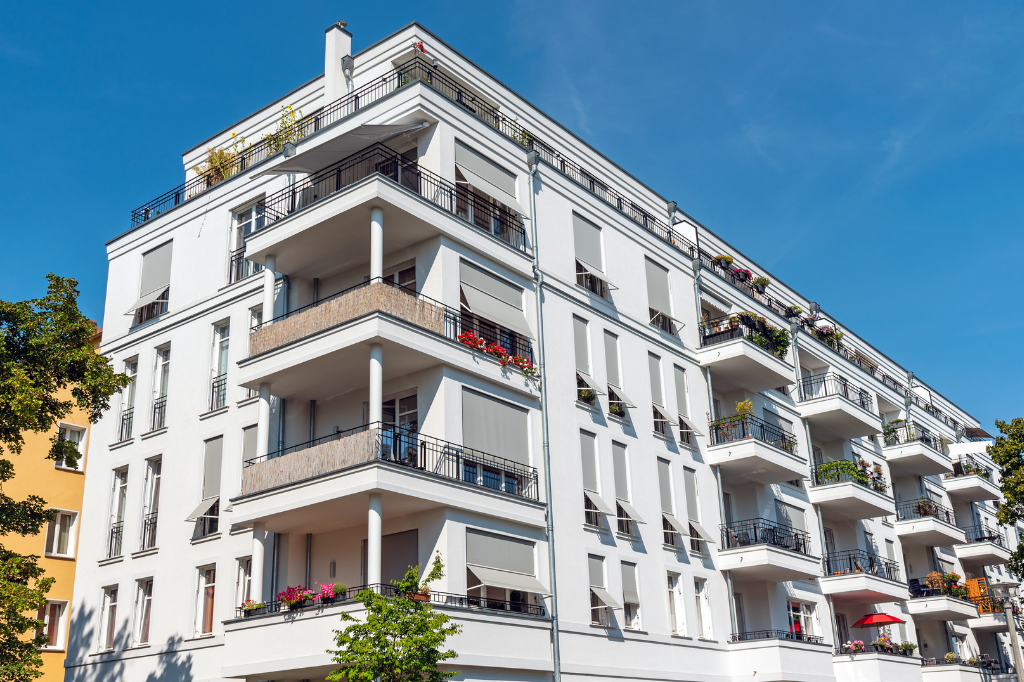
If you are asking what can $800k buy you in Greater Victoria, the answer depends less on the headline market and more on where you want to live, what type of property you want, and how flexible you are on age, size, and condition. In today’s market, $800,000 can still open real options, but it buys very different lifestyles depending on whether you are shopping in the Westshore, core Victoria, or the Saanich Peninsula. That matters because the market is offering buyers more choice than it did a few years ago. In March 2026, the Victoria Real Estate Board reported 579 sales, up 24.5% from February but 5.5% below March 2025, while active listings rose to 3,261, up 12.3% month over month and 7.9% year over year. At the same time, Victoria Core benchmark prices sat at $1,330,200 for a single-family home, $848,500 for a townhome, and $553,800 for a condo. That gives useful context: at $800,000, buyers are generally below the benchmark for detached homes in the core, close to the benchmark for townhomes, and well above the benchmark for many condos. Why $800K Means Different Things in Different Areas Greater Victoria is really a collection of micro-markets. A buyer with an $800,000 budget is not shopping one market. They are choosing between trade-offs. In simple terms: Want more square footage? Westshore usually gives you more. Want walkability and central location? Core Victoria often means condo or older townhome. Want detached potential? You may need to look farther out, accept a smaller home, or take on updates. Want a lower-maintenance lifestyle? This budget is still strong in the condo market. What $800K Usually Buys in Different Parts of Greater Victoria Langford and Westshore This is still one of the strongest areas for value at this price point. Around $800,000, buyers can often find: A newer 2- to 3-bedroom townhome A compact detached home on a smaller lot A larger condo with newer finishes and amenities This is why Langford remains attractive for first-time buyers, upsizers on a budget, and buyers who want newer construction without crossing into core Victoria pricing. Faber Group’s own recent neighbourhood comparison notes that $800,000 in Langford typically buys a newer townhome, a small detached home, or a large modern condo. Esquimalt Esquimalt often sits in an interesting middle ground. At this budget, buyers may find: A well-located townhome A larger condo in a solid building The occasional smaller detached home, half-duplex, or older property needing work For buyers who want to stay close to downtown without paying Fairfield or Oak Bay pricing, Esquimalt can be one of the more practical options. Saanich East and Gordon Head At $800,000, this budget becomes tighter in many East Saanich neighbourhoods. Buyers are more likely to be looking at: Older townhomes Larger condos Smaller detached homes in original condition, when available Faber Group’s local comparison notes that in Gordon Head and Saanich East, $800,000 often means an older townhome, a condo near UVic, or a detached home that needs updates rather than a move-in-ready family house. James Bay and Victoria Core If your goal is walkability, restaurants, downtown access, and a lower-maintenance lifestyle, $800,000 can still go a long way here, just usually not toward detached housing. Typical options may include: A spacious condo in a concrete building A renovated two-bedroom condo Select townhomes, depending on building and location In James Bay especially, this budget often buys lifestyle more than land. That can be a smart trade for downsizers, professionals, or buyers who want to live close to the Inner Harbour and Dallas Road. Fairfield Fairfield is one of those neighbourhoods where $800,000 buys access, not abundance. Buyers are usually looking at: Smaller condos Garden-level or older units Select townhomes or leasehold opportunities Detached character homes in Fairfield generally sit well above this range, so buyers need to be realistic about what the budget is buying here: location, charm, and walkability. Sidney and the Saanich Peninsula In Sidney, $800,000 can still be competitive, but buyers are often choosing between: A quality condo with good square footage A townhome A smaller or older detached option, depending on exact location and condition This area tends to attract downsizers and buyers focused on lifestyle, walkability, and proximity to the waterfront, airport, and ferries. What Buyers Need to Watch at This Price Point An $800,000 budget can create opportunity, but it also creates decision pressure because the options vary so much. The right buy is often less about the list price and more about the full package. Key things to watch: Property type: Condo, townhome, half-duplex, and detached homes each come with different long-term costs. Strata fees: A lower purchase price can be offset by high monthly fees. Condition: Older detached homes may need roof, windows, plumbing, or electrical work. Location trade-offs: More space often means moving farther from the core. Resale strength: Walkability, school catchments, transit, and layout still matter at every price point. The Bigger Picture The current market is giving buyers more breathing room than the high-pressure conditions of recent years. With active listings up and inventory giving people more choice, buyers at the $800,000 price point have room to compare neighbourhoods and think more carefully about the lifestyle they actually want. That said, this is still not a one-size-fits-all budget. In some parts of Greater Victoria, $800,000 buys a very comfortable townhome or condo. In others, it may only buy an entry point. The smartest move is to decide first what matters most to you: space, location, condition, or future upside. Final Thoughts So, what can $800k buy you in Greater Victoria? In most cases, it buys choice, but not the same kind of choice everywhere. In the Westshore, it may mean more home for the money. In core Victoria, it often means a strong lifestyle property. In tighter neighbourhoods, it may mean getting creative on property type or condition. If you want help comparing where $800,000 will stretch the furthest based on your goals, contact Faber Real Estate Group for advice on the best-fit neighbourhoods and current opportunities across Greater Victoria. Rose, 5-Star Review, via Google “Terrific team. Cal and Vanessa were knowledgeable, patient, and listened to what our needs and concerns were. Vanessa was a ray of sunshine in an often grey winter house hunt.” Faber Real Estate Group Royal LePage Coast Capital Realty 📞 250-244-3430 📧[email protected] ℹ️ Scott Faber Personal Real Estate Corporation ℹ️ Cal Faber Personal Real Estate Corporation Vanessa Wood, Zachary Parsons, and Sophie Taylor “Building Lasting Relationships, One Home at a Time.”
Read more