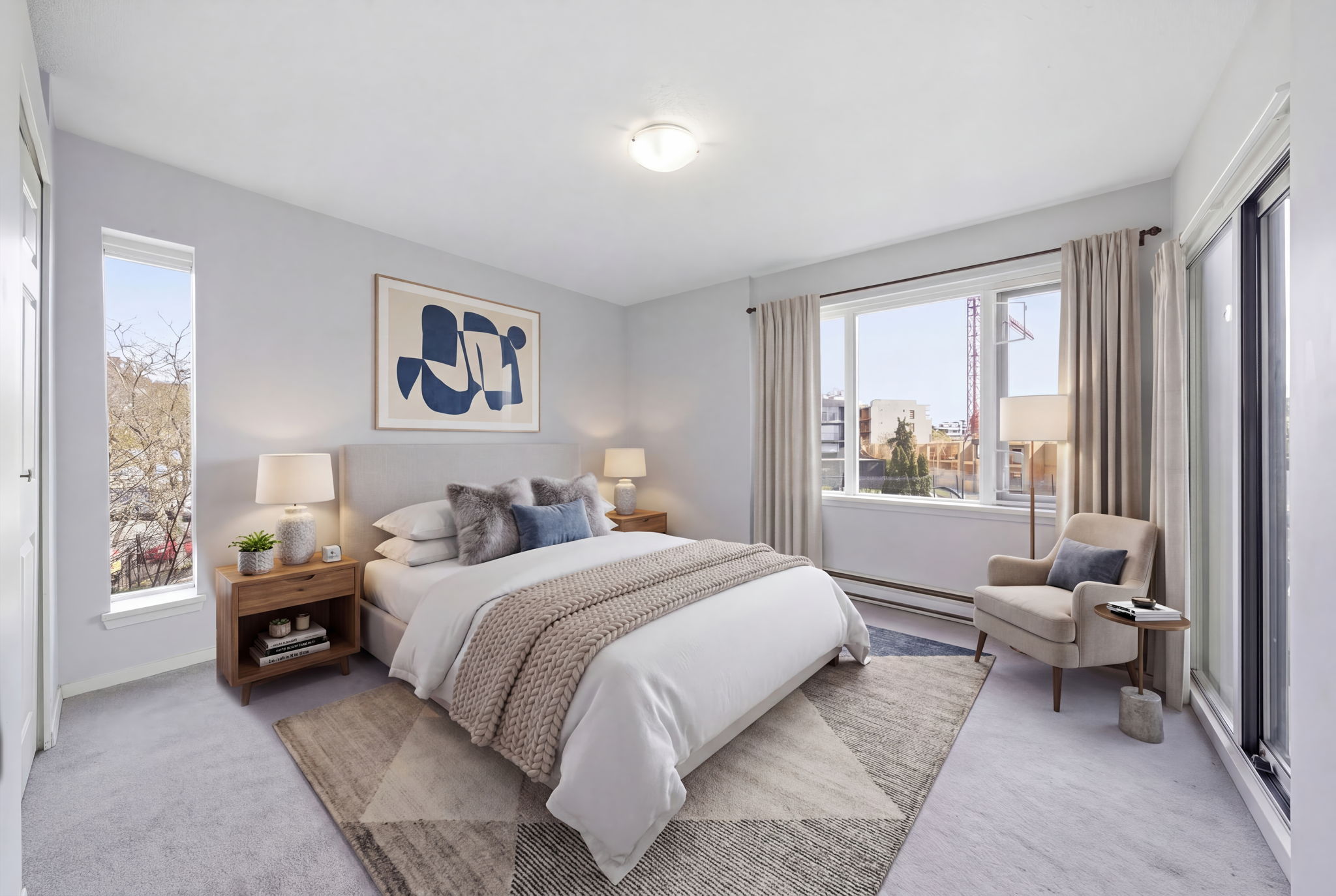
When Showings Slow Down: What Sellers Should Do Next
April 25, 2026
Showings slowing down can feel discouraging, especially if your home launched with strong activity and then suddenly went quiet. For sellers, fewer showings often raise the same question: is something wrong with the listing, the price, the market, or the home itself?
The answer depends on timing.
A slow week does not always mean your listing is failing. But if showing activity drops and stays low, it is usually a signal that buyers are hesitating. The key is to understand why before making the wrong adjustment.
In Greater Victoria, where buyers can be selective when inventory gives them more choice, sellers need to respond with strategy, not panic.
First, Do Not Overreact to One Quiet Week
Every listing has a natural rhythm.
The first week or two often brings the most attention because the property is new. Active buyers, agents, and saved searches notice it right away. After that first wave, activity may slow.
That does not automatically mean the home is overpriced.
Showings can be affected by:
Weather
Long weekends
School schedules
Interest rate news
Competing new listings
Buyer fatigue
Seasonal timing
Local events
Poor showing availability
A sudden increase in similar inventory
Before making a major change, look at the pattern. One quiet stretch is different from three weeks of steady decline.
Understand What Slower Showings Usually Mean
When showings slow down, the market may be sending one of several messages.
It may mean:
Buyers think the price is high
The listing photos are not creating enough interest
The home is competing against stronger options
The property is not easy to show
The location or layout narrows the buyer pool
The home needs better presentation
Buyers are waiting for a price adjustment
The listing has lost new-listing momentum
The mistake is assuming every slowdown has the same cause.
Sometimes the price needs to change. Sometimes the marketing needs to improve. Sometimes the home needs better preparation. Sometimes the listing simply needs a fresh strategy to reach the right buyers.
Review the Price Against Today’s Competition
Pricing is not only about what your home is worth in theory. It is also about what else buyers can choose right now.
If showings slow down, review your active competition.
Ask:
What else is available in the same price range?
Are similar homes offering more space, better updates, or stronger locations?
Have competing listings reduced their price?
Are buyers choosing newer homes, better layouts, or better condition?
Is your home priced against sold data from a stronger market?
Are you competing with homes that have sat and already adjusted?
Sellers often focus on what recently sold. Buyers focus on what they can buy today.
That difference matters.
Look at the Listing Through a Buyer’s Eyes
When you live in a home, you see its memories, improvements, and potential.
Buyers see comparison.
They ask:
Is this worth the price?
What work does it need?
How does it compare to the next home?
Can I move in comfortably?
Will I need to spend money right away?
Does the home feel better in person than online?
Is there a reason this has not sold yet?
If showings are slowing down, step back and look at the listing the way a buyer would. Not emotionally. Practically.
The goal is not to criticize the home. The goal is to understand the buyer’s hesitation.
Study Online Engagement
Before buyers book a showing, they usually interact with the listing online.
If online views are strong but showings are low, buyers may be interested but not convinced enough to visit.
If online views are weak, the issue may be exposure, presentation, price positioning, or the listing’s ability to stand out.
Review:
Listing views
Saves or favourites
Click-through activity
Showing requests
Open house traffic
Agent inquiries
Time on market compared with similar listings
A listing can fail quietly online before it ever fails in person.
If the photos, headline, description, or price do not create enough urgency, buyers may simply move on.
Pay Close Attention to Showing Feedback
Showing feedback is not perfect, but patterns matter.
One buyer’s opinion may not mean much. Five buyers saying the same thing should get your attention.
Look for repeated comments about:
Price
Condition
Layout
Odour
Lighting
Privacy
Noise
Parking
Stairs
Yard usability
Needed updates
Strata fees
Competing options
Feedback can be uncomfortable, but it is useful.
Buyers are not always right, but they are the market. If the same concern keeps coming up, your strategy should respond to it.
Make the Home Easier to Show
Sometimes showings slow down because the home is difficult to access.
Buyers may skip a property if showing windows are too limited, notice requirements are too long, tenants are difficult to coordinate with, or the home is not available during peak times.
If your home is on the market, convenience matters.
Consider:
Allowing more flexible showing times
Reducing unnecessary notice requirements
Keeping the home showing-ready
Making open houses easier to host
Avoiding too many blocked-out times
Ensuring pets are managed during showings
Making access instructions simple
The easier a home is to show, the more chances it has to sell.
A great listing can lose momentum if buyers cannot get in when they are ready.
Refresh the Presentation
If activity slows, small presentation changes can help.
This does not always mean major staging or expensive renovations. Often, the goal is to remove friction and make the home feel easier to imagine.
Consider:
Decluttering key rooms
Improving lighting
Cleaning windows
Touching up paint
Removing worn mats or tired decor
Improving curb appeal
Rearranging furniture
Adding simple staging pieces
Reducing personal items
Making storage areas feel organized
Buyers do not need perfection. They need confidence.
A home that feels clean, cared for, and easy to move into can regain attention.
Revisit the Photos and Listing Description
Sometimes the home is better than the listing makes it look.
If showings slow down and feedback from visitors is positive, the issue may be the online presentation.
Ask:
Do the photos show the strongest features first?
Is the floor plan easy to understand?
Is the lighting flattering?
Are outdoor spaces shown clearly?
Does the description explain the lifestyle and value?
Are important upgrades mentioned?
Does the listing sound generic?
Are the best features buried too low?
A listing needs to create a reason for buyers to book a showing.
If the home has strong features but they are not obvious online, refresh the marketing before assuming the market is rejecting the property.
Consider a New Marketing Angle
Not every property should be marketed the same way.
If the first wave of buyers does not respond, your listing may need a sharper message.
For example:
A family home should highlight layout, schools, storage, yard, and daily function
A condo should highlight building strength, strata health, parking, storage, and lifestyle
A downsizer-friendly home should highlight main-level living, low maintenance, and convenience
An investor-friendly property should highlight rental potential, flexibility, and location
A renovation opportunity should highlight lot, layout, location, and upside
Sometimes the issue is not the home. It is that the wrong buyer story is being told.
Know When a Price Adjustment Is the Right Move
Price reductions can work when they are strategic.
They should not be treated as a failure. In a market where buyers have options, price adjustments are often part of aligning with current demand.
A price change may be worth considering if:
Showings have dropped significantly
Feedback repeatedly mentions price
Similar homes are selling while yours sits
Competing listings offer more value
Online views are high but showing requests are low
The home has been passed over by active buyers
There are no serious second showings or offers
The original price was based on optimistic expectations
The goal of a price adjustment is not just to lower the price. The goal is to reposition the listing where buyers take action.
A small reduction may not be enough if it does not change how buyers see the home.
Do Not Chase the Market Down Slowly
One of the biggest seller mistakes is making small, hesitant adjustments after the market has already moved.
If a home sits too long, buyers may start to assume there is a problem. The listing can become stale. A late reduction may not create the same excitement it would have created earlier.
If a price adjustment is needed, it should be meaningful enough to create renewed attention.
The question should be:
“What price will make buyers reconsider this property?”
Not:
“What is the smallest reduction we can tolerate?”
Compare Against Sold Listings and Active Listings
A strong pricing review should look at both sides of the market.
Sold listings show what buyers recently accepted.
Active listings show what buyers are comparing you against now.
Pending listings, when available, can also help reveal where demand is actually moving.
Your pricing strategy should consider:
Similar homes that sold
Similar homes that did not sell
Current active competition
Recent price reductions
Days on market
Condition differences
Location differences
Buyer feedback
Showing trends
Pricing is not static. It must respond to what buyers are doing now.
Avoid Blaming Buyers
When showings slow down, it is easy to say buyers are unrealistic.
Sometimes buyers do have high expectations. But if multiple buyers are choosing other homes or not booking showings, the listing needs to adjust to the market.
That adjustment may be price, presentation, access, marketing, or expectations.
The seller’s job is not to convince every buyer. It is to position the property so the right buyer sees the value.
What Not to Do When Showings Slow Down
Avoid these common mistakes:
Ignoring feedback
Waiting too long to adjust
Making tiny price reductions with no strategy
Refusing to improve presentation
Assuming more time will solve everything
Comparing only to the highest recent sale
Blaming the market without studying the competition
Making showings difficult
Changing marketing without reviewing price
Reducing price without improving presentation
A slow listing needs diagnosis, not guesswork.
A Simple Seller Checklist
If showings slow down, review the following:
Has the market changed since launch?
What new competition has appeared?
Are similar homes selling?
What feedback keeps repeating?
Are showings easy to book?
Does the home show well in person?
Does the online listing create enough interest?
Is the price aligned with today’s options?
Is the marketing speaking to the right buyer?
Would a buyer choose this home over the competition?
This checklist helps sellers move from emotion to action.
Final Thoughts
When showings slow down, the worst response is to do nothing and hope the market changes. The best response is to diagnose the issue clearly. Sometimes the solution is a price adjustment. Sometimes it is better presentation, improved access, stronger marketing, or a clearer buyer story. In many cases, it is a combination of several small changes that help the listing regain momentum.
A slower showing pattern is not always bad news. It is information. Used properly, that information can help sellers make smarter decisions and improve their chances of a successful sale.
If your home is listed and showings have slowed down, contact Faber Real Estate Group for a practical review of your pricing, presentation, and marketing strategy.
David M., 5-Star Review, via Google
“Scott was a fantastic realtor—hardworking, knowledgeable, and truly dedicated to his clients. His expertise and great connections made the entire process smooth and stress-free. He went above and beyond to ensure everything was taken care of, and I couldn’t be happier with the results. I highly recommend Scott to anyone looking for a realtor.”
Faber Real Estate Group
Royal LePage Coast Capital Realty
📞 250-244-3430
📧 [email protected]
ℹ️ Scott Faber Personal Real Estate Corporation
ℹ️ Cal Faber Personal Real Estate Corporation
Vanessa Wood, Zachary Parsons, and Sophie Taylor
“Building Lasting Relationships, One Home at a Time.”
Read more