
Posts Tagged ‘selling a home in Victoria’
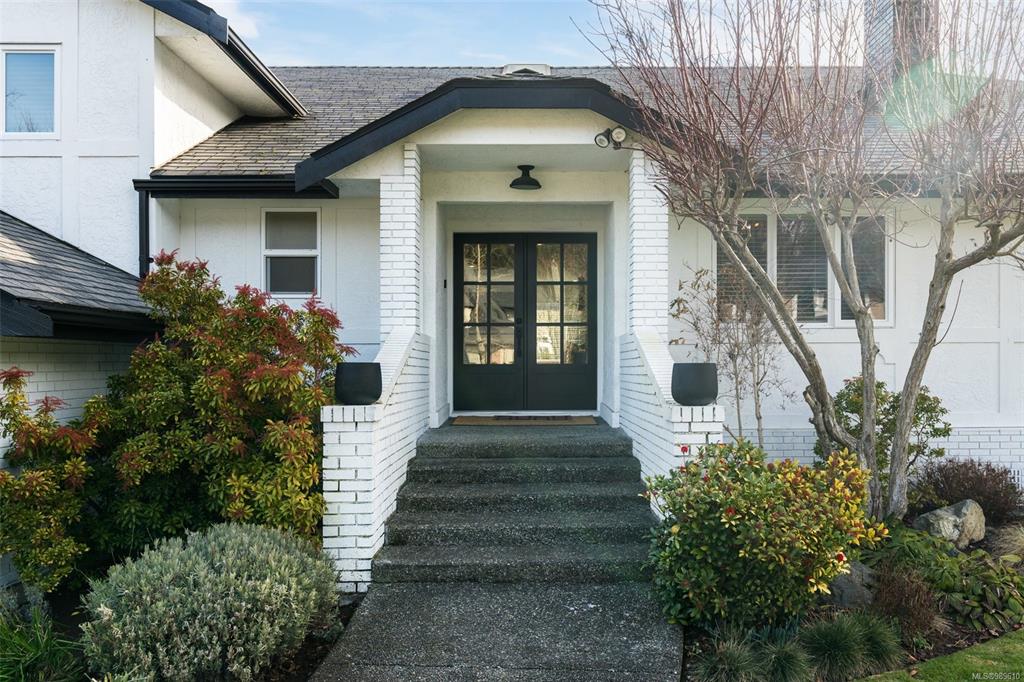
Buyer hesitation after a showing is one of the most frustrating parts of selling a home. A buyer books a showing, walks through the property, seems interested, and then nothing happens. No offer. No second showing. Sometimes, not even detailed feedback. For sellers, this can feel confusing. However, buyers rarely hesitate for no reason. In most cases, something during the showing created doubt, uncertainty, or a sense that the home may not be worth pursuing at the current price. Buyers Are Often Looking for Reasons to Say No When buyers walk into a home, they may want to love it. However, they are also protecting themselves. They are thinking about their budget, future repairs, monthly costs, resale value, layout, lifestyle fit, and whether another property may be better. Even buyers who are emotionally drawn to a home may slow down if something feels unclear. That is why buyer hesitation after a showing is often about more than the home itself. It is about confidence. If buyers feel confident, they move closer to an offer. If they feel uncertain, they usually step back. The Price Does Not Match the Experience One of the biggest reasons buyers hesitate is a gap between the asking price and what they experience in person. Online, the home may look polished. In person, buyers may notice wear, dated finishes, layout challenges, noise, maintenance issues, or smaller rooms than expected. When that happens, buyers may still like the home, but not at the listed price. This is especially important in a market where buyers have more choice. If several homes are available in the same price range, buyers will compare condition, location, updates, and overall value very closely. Deferred Maintenance Creates Doubt Buyers can usually accept cosmetic imperfections. What worries them more is the feeling that maintenance has been delayed. Common concerns include: An older roof Worn exterior paint or siding Foggy windows Old heating systems Moisture concerns Cracked walkways or drainage issues Tired decks or fencing Unfinished repairs Poorly maintained landscaping These items may not stop every buyer, but they create questions. How much will this cost? What else has been overlooked? Will insurance be an issue? Will we need to spend money right away? Once buyers start building a mental repair list, hesitation grows quickly. The Layout Does Not Fit Their Real Life Sometimes a home shows well but does not function the way buyers need it to. A buyer may like the kitchen, the location, or the yard, but still hesitate because the layout creates friction. Maybe there is no proper mudroom. Maybe the bedrooms are too close together. Maybe the office space is awkward. Maybe the dining area feels too small. Layout concerns are personal, but they matter because buyers imagine daily routines during a showing. They are asking: Where do we put coats, shoes, and bags? Can we host family here? Is there enough storage? Does the home work for kids, pets, guests, or working from home? Will this still work in five years? If the home does not answer those questions clearly, buyers may keep looking. The Home Feels Too Personal A home should feel warm, but not so personal that buyers struggle to picture themselves living there. Too many family photos, strong paint colours, heavy decor, specific collections, or crowded rooms can make it harder for buyers to connect with the space. This does not mean a home needs to feel empty. In fact, a completely empty home can sometimes feel cold. The goal is balance. Buyers should feel like the home has been cared for, while still being able to imagine their own furniture, routines, and future. The Showing Experience Feels Distracting The smallest distractions can shift a buyer’s attention away from the strengths of the home. Examples include: Strong odours Poor lighting Cluttered counters Pets at the showing Sellers being home Rooms that feel too warm or too cold Loud appliances or background noise Hard-to-access areas Locked rooms or blocked storage spaces A buyer may not say, “The home felt distracting.” Instead, they may simply leave feeling unsure. Good showing preparation removes friction. The easier it is for buyers to focus, the more likely they are to connect with the property. The Neighbourhood Fit Is Unclear A buyer may like the home but hesitate because they are unsure about the neighbourhood. They may wonder about traffic, parking, schools, walkability, transit, future development, noise, or commute times. Sometimes they view the home first, then research the area afterward. If the neighbourhood does not match their expectations, interest can fade. This is where strong marketing helps. Sellers should not rely only on the home itself. The listing should explain the lifestyle around the home, including nearby parks, shops, schools, recreation, trails, beaches, transit, or community features. A buyer needs to understand not just the property, but the life it supports. Buyers Are Unsure About Future Resale Many buyers are thinking ahead, even if they are buying for themselves. They may ask: Will this home appeal to future buyers? Is the layout too unusual? Is the location too specific? Will the strata fees become a concern? Is there enough parking? Will future repairs affect value? Is the home over-improved for the area? If buyers worry that a home may be difficult to sell later, they may hesitate even if they personally like it. This is especially true for first-time buyers, downsizers, and anyone stretching their budget. They want to feel that the home is not only enjoyable, but also a sound long-term decision. The Listing Raised Expectations Too High Great marketing should attract buyers, but it should also be accurate. If photos, descriptions, or staging create expectations that the home cannot meet in person, buyers may feel disappointed. That disappointment can be hard to recover from. This is why strong real estate marketing should highlight the best features while still preparing buyers for the real experience of the home. The goal is not to oversell. The goal is to create trust before the showing even begins. How Sellers Can Reduce Buyer Hesitation Sellers cannot control every buyer’s needs, budget, or personal taste. However, they can reduce unnecessary doubt. Before listing, sellers should consider: Completing small repairs Decluttering key rooms Improving lighting Cleaning windows and exterior areas Organizing closets, storage rooms, and garages Gathering maintenance records Making the entry feel welcoming Removing strong odours Preparing the yard or balcony Pricing in line with condition and competition These steps help buyers focus on the home’s strengths instead of searching for problems. Feedback Matters, But Patterns Matter More One piece of buyer feedback may not tell the full story. However, repeated feedback should be taken seriously. If several buyers mention price, layout, condition, smell, lighting, or maintenance, that pattern matters. It may point to an adjustment in preparation, marketing, or pricing strategy. Sellers should avoid reacting emotionally to every comment, but they should stay open to what the market is saying. The market does not always speak through offers. Sometimes, it speaks through silence. The Bottom Line Buyer hesitation after a showing usually comes from uncertainty. Buyers may like a home, but if they are unsure about price, condition, layout, maintenance, neighbourhood fit, or resale value, they may pause instead of writing an offer. For sellers, the goal is to remove as much doubt as possible before buyers walk through the door. A well-prepared home, clear marketing, realistic pricing, and strong presentation can help turn interest into confidence. If your home is getting showings but not offers, contact Faber Real Estate Group for advice on what buyers may be noticing and how to strengthen your selling strategy. Michael F., 5-Star Review, via Google “We recently had the pleasure of working with Cal and Scott Faber, a remarkable father-son real estate team, to sell our premium family home and purchase a smaller, downsized property in an awesome neighbourhood. Their experience and guidance were invaluable in both pricing and strategizing the timing of our sale. The professionalism of their photography and marketing video team was unparalleled, making us feel like celebrities on an episode of MTV Cribs, they showcased our home in the best possible light at different times of the day. This attention to detail truly highlighted the features we loved about our home and revealed the value to our buyers..” Faber Real Estate Group Royal LePage Coast Capital Realty 📞 250-244-3430 📧 [email protected] ℹ️ Scott Faber Personal Real Estate Corporation ℹ️ Cal Faber Personal Real Estate Corporation Vanessa Wood, Zachary Parsons, and Sophie Taylor “Building Lasting Relationships, One Home at a Time.”
Read more
Pets are part of the family, but when it comes time to sell, they can change how buyers experience your home. Preparing a home with pets does not mean hiding the fact that animals live there. It means making sure buyers focus on the space, layout, condition, and lifestyle instead of odours, fur, scratches, noise, or distractions. For many buyers, pets are not a problem. In fact, plenty of buyers have pets themselves. However, when someone walks through a listing, they are quietly asking one question the entire time: “Can I see myself living here?” A strong showing helps them answer yes. Start With Odour Before Anything Else Pet odour is one of the fastest ways to shift a buyer’s impression. Even a clean home can carry subtle smells that the owner no longer notices. Before listing, focus on: Washing pet beds, blankets, and soft toys Deep cleaning carpets, rugs, and upholstery Replacing or professionally cleaning heavily used area rugs Cleaning litter boxes, crates, and feeding areas daily Opening windows before showings when weather allows Avoiding heavy air fresheners that can feel like they are covering something up A fresh home feels cared for. A heavily scented home can make buyers wonder what they are not seeing. Repair the Small Signs of Wear Pets can leave behind small clues that buyers notice quickly. Scratched doors, chewed trim, worn flooring, damaged screens, stained carpet, and marked baseboards can all create the impression that the home has been harder used than it really has. Before photos and showings, look closely at: Door frames and trim Baseboards Flooring near entryways and feeding areas Backyard lawn damage Patio doors and window screens Carpet stains Scratches on hardwood or laminate Not every mark needs a major repair. However, small fixes can help buyers see the home as well maintained rather than worn down. Reduce Visual Pet Clutter Pet items are practical, but they can create visual noise in photos and during showings. Buyers are often trying to understand room size, storage, flow, and natural light. Too many beds, toys, bowls, gates, crates, and scratching posts can make spaces feel smaller. Before listing photos, remove or minimize: Extra pet beds Food and water bowls Litter boxes Leashes and harnesses near the entry Large crates Pet toys Scratching posts Pet gates You do not need to erase all signs of a pet. The goal is to simplify the space so buyers can focus on the home. Have a Showing Plan for Your Pets The best option during showings is usually to remove pets from the home. This protects the buyer experience and keeps your pets safe and less stressed. Consider: Taking dogs for a walk during showings Arranging daycare for busy showing days Asking a friend or family member to help Using a secure off-site option during open houses Creating a clear plan for short-notice showings Even friendly pets can distract buyers. Some people are nervous around animals, some have allergies, and some simply find it hard to concentrate when a pet is present. Do Not Forget the Yard For detached homes, townhomes, and ground-level units, outdoor space matters. If pets use the yard, make sure it feels clean, functional, and ready for the next owner. Before showings: Pick up waste daily Repair lawn patches where possible Store pet toys out of sight Clean patios and deck areas Check fencing for obvious damage Remove strong odours from artificial turf or pet areas A well-kept yard helps buyers picture relaxing, entertaining, gardening, or letting their own pets enjoy the space. Be Thoughtful With Strata and Pet Rules If you are selling a condo or townhouse, pet policies can matter to buyers. Some buildings have restrictions around size, number of pets, types of animals, or rental-related pet rules. Have key information ready, including: Pet bylaws Number of pets allowed Size or weight limits, if applicable Any breed or animal restrictions Common area rules Move-in and elevator rules for pet owners Clear answers reduce uncertainty. For buyers with pets, this information can affect whether the home feels like a real option. Make the Home Feel Easy to Maintain Buyers are not only looking at how a home looks today. They are also thinking about future upkeep. If they see pet damage, strong odours, or clutter, they may assume the home will need more work after possession. That can affect: Perceived value Buyer confidence Offer strength Inspection concerns How emotionally connected buyers feel during the showing Preparing a home with pets is really about removing doubt. When the home feels clean, calm, and well cared for, buyers can focus on what matters. Final Thought Pets do not have to hurt your sale. With the right preparation, a pet-friendly home can still show beautifully, photograph well, and make buyers feel comfortable from the moment they walk in. If you are preparing a home with pets and want advice on what to clean, repair, remove, or adjust before listing, reach out to Faber Real Estate Group for practical guidance before you go to market. Justin V., 5-Star Review, via Google “Scott and Cal were absolutely phenomenal! From the moment we met them, we knew we were in good hands. Their in-depth knowledge of the Victoria market was impressive, and they guided us through the entire home selling and buying process with expertise and patience. They were always available to answer our questions, and their negotiation skills were top-notch. Thanks to their hard work, we found our dream home! We highly recommend The Faber Group to anyone looking to buy or sell a property.” Faber Real Estate GroupRoyal LePage Coast Capital Realty📞 250-244-3430📧 [email protected]ℹ️ Scott Faber Personal Real Estate Corporationℹ️ Cal Faber Personal Real Estate CorporationVanessa Wood, Zachary Parsons, and Sophie Taylor“Building Lasting Relationships, One Home at a Time.”
Read more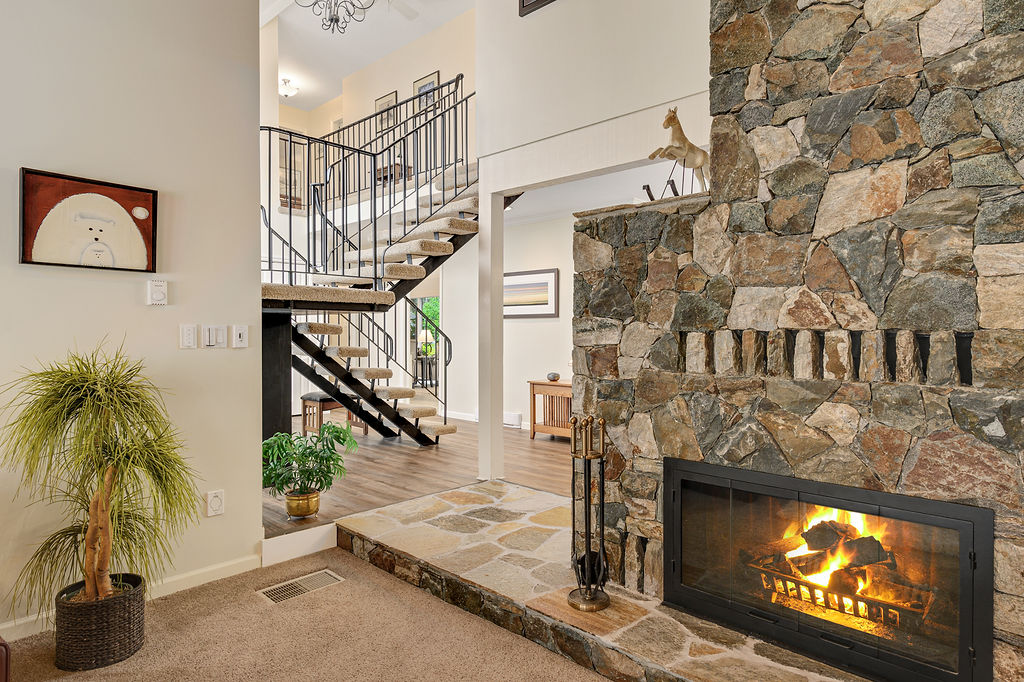
Comparable sales in real estate are one of the most common tools used to estimate value. Buyers use them to decide what to offer. Sellers use them to decide how to price. Appraisers, lenders, and REALTORS® also rely on them to understand what similar homes have recently sold for. However, comparable sales in real estate can also be misleading when they are used too quickly or without enough context. A sold price tells you what one buyer was willing to pay for one property at one moment in time. It does not automatically tell you what your home is worth, what another buyer should offer, or how today’s market will respond to a new listing. That is where the real analysis begins. Not Every Similar Home Is Truly Comparable At first glance, two homes may seem almost identical. They may be in the same neighbourhood, have similar square footage, and offer the same number of bedrooms. But small differences can create very different values. Important differences may include: Lot size and usable yard space Sun exposure and privacy Renovation quality Deferred maintenance Layout and flow Suite potential Parking Street noise Views Strata condition Age of major systems Proximity to schools, parks, or busy roads A home on a quiet cul-de-sac may sell differently than a similar home on a busier street. A renovated kitchen may help, but if the roof, perimeter drains, or windows need attention, buyers may still discount the price. The details matter because buyers do not purchase square footage alone. They buy the full experience of the property. Sold Prices Reflect the Market Conditions at That Time Comparable sales are historical data. That means they are useful, but they are always looking backward. A sale from three months ago may not reflect today’s buyer activity, inventory levels, interest rate environment, or local competition. In a fast-moving market, even a sale from a few weeks ago can lose some relevance. This matters for both buyers and sellers. For sellers, relying too heavily on older high sales can lead to overpricing. For buyers, relying too heavily on older lower sales can lead to offers that do not compete. The better question is not simply, “What did similar homes sell for?” It is, “What has changed since those homes sold?” Condition Can Change the Entire Conversation Condition is one of the biggest reasons comparable sales can mislead people. Two homes may look similar online, but one may be move-in ready while the other needs major updates. Photos can hide a lot. A home may photograph beautifully but still have concerns with moisture, electrical, plumbing, roofing, windows, or overall maintenance. On the other hand, a home that looks dated may be extremely well cared for and structurally strong. This is why condition needs to be reviewed carefully, not assumed from listing photos. Buyers should avoid thinking, “That home sold for less, so this one should too,” without asking why. Sellers should avoid thinking, “My neighbour got that price, so I should too,” without comparing condition honestly. The Best Comparable May Not Be the Closest One Many people assume the best comparable sale is the one closest to the property. Sometimes it is. But proximity alone does not make a sale useful. In Greater Victoria, small location differences can change buyer demand quickly. A few blocks can affect walkability, school catchments, views, noise, lot usability, and overall appeal. A better comparable might be farther away but more similar in style, size, condition, and buyer profile. For example, a well-maintained 1970s family home in one part of Saanich may compare better with a similar home in another nearby pocket than with a brand-new build down the street. The goal is not to find the nearest sale. The goal is to find the most relevant sale. List Price and Sold Price Tell Different Stories A sold price matters, but the story behind it matters too. A home may sell over asking because it was intentionally priced low to attract multiple offers. Another home may sell under asking because it started too high and sat on the market. A third home may sell quickly at full price because it was priced accurately from the start. Without context, the numbers can create the wrong impression. Buyers may think every home is overpriced because they see price reductions. Sellers may think every home should attract competing offers because they saw one sale go over asking. Both can be wrong. The better analysis looks at: Original list price Final list price Sold price Days on market Price reductions Number of competing listings Property condition Buyer activity Offer terms The price is only one part of the story. Unique Properties Are Harder to Compare Some homes are easier to price than others. A standard condo in a large building with several recent sales may have clear comparable data. A custom home, acreage, waterfront property, view property, character home, or rural property is much harder to compare. Unique properties require more interpretation because there may not be a perfect match. In these cases, value often depends on buyer depth. How many buyers are looking for that specific type of property? How often do similar homes become available? How much are buyers willing to pay for rare features? This is why unusual homes need a more careful pricing strategy. The wrong comparable can create the wrong expectation. Buyers Can Use Comparables Too Aggressively Buyers sometimes use comparable sales as a negotiation weapon. They may find the lowest recent sale and treat it as the only number that matters. But if that sale had poor condition, an awkward layout, a motivated seller, or a less desirable location, it may not support a lower offer on a better property. A strong buyer strategy is not about forcing every home to fit the cheapest comparable. It is about understanding fair value, then deciding what the property is worth to you based on condition, competition, and long-term fit. The best buyers stay disciplined without ignoring context. Sellers Can Use Comparables Too Optimistically Sellers can make the opposite mistake. They may focus on the highest sale in the area and assume their home should match or exceed it. But the highest sale may have had better renovations, better timing, stronger presentation, a larger lot, or more motivated buyers. This can lead to a pricing problem. When a home starts too high, it can lose early momentum. Buyers may compare it to better-priced alternatives and move on. Over time, the listing may need a price adjustment, and the final result may be weaker than if it had launched with a sharper strategy. A good pricing conversation should include both the best-case sale and the realistic competition. Active Listings Matter Too Comparable sales show what has already happened. Active listings show what buyers can choose from right now. This is especially important in a market where buyers have more selection. A seller may feel confident because a similar home sold well last month, but if several competing homes are now available, buyers may have more leverage. For buyers, active listings help explain why one home may still attract strong interest. If the property is the best option in its price range, older comparable sales may not fully capture current demand. Pricing should consider both past sales and present competition. The Most Useful Comparables Need Adjustment A comparable sale is rarely perfect. That is why adjustments matter. A REALTOR® may look at a comparable and adjust for differences such as: Larger or smaller lot Better or worse condition Renovations Basement suite Garage or parking View Location Strata fees Building condition Outdoor space Timing of the sale The goal is not to make the numbers look exact. The goal is to understand the range of reasonable value. Real estate pricing is part data, part interpretation, and part buyer psychology. What Buyers Should Ask Before relying on a comparable sale, buyers should ask: How similar is the property really? Was the condition better or worse? Did it sell in a different market environment? Was it priced low to create competition? How many similar homes are available now? Would today’s buyers view this home as better or worse? These questions help buyers avoid overpaying or losing a good property because they relied on the wrong sale. What Sellers Should Ask Before using a comparable to set a price, sellers should ask: Is my home honestly in similar condition? Does my home have the same buyer appeal? Was the other sale an outlier? What competition will buyers compare us against? Are we pricing for attention or testing the market? What happens if we do not receive strong activity in the first two weeks? These questions help sellers build a pricing strategy instead of chasing a number. Final Thoughts Comparable sales in real estate are useful, but they are not automatic answers. They need context, adjustment, and honest interpretation. For buyers, comparables can help you understand value and avoid emotional overpaying. For sellers, they can help you price with confidence and avoid unrealistic expectations. But in both cases, the best results come from looking beyond the sold price and understanding the full story behind the sale. If you are buying or selling in Greater Victoria and want help understanding what comparable sales really mean for your next move, contact Faber Real Estate Group for clear, local advice. Tatiana S., 5-Star Review, via Google “Absolutely phenomenal service from start to finish! Scott took the time to really get to know us and understand our likes and dislikes, what were dealbreakers and what really sold us in finding our perfect first home! Being first time homebuyers, he was extremely patient with all of our questions and very thorough when it came down to the finer details. Without a doubt, I would recommend him to everyone!” Faber Real Estate GroupRoyal LePage Coast Capital Realty📞 250-244-3430📧 [email protected]ℹ️ Scott Faber Personal Real Estate Corporationℹ️ Cal Faber Personal Real Estate CorporationVanessa Wood, Zachary Parsons, and Sophie Taylor “Building Lasting Relationships, One Home at a Time.”
Read more
Spring in Greater Victoria has a way of changing what buyers notice. The longer days, blooming gardens, and brighter natural light all bring certain features to the front. This year, Greater Victoria home trends are less about flashy upgrades and more about comfort, function, and spaces that make everyday life feel easier. Buyers are still paying attention to finishes, layout, and location. However, many are also looking closely at how a home supports real life. They want useful storage, flexible rooms, outdoor space, efficient systems, and homes that feel calm rather than overdone. Outdoor Living Is Still a Major Selling Feature In Greater Victoria, outdoor space carries real emotional weight. A patio, balcony, deck, garden, or sunny sitting area can help a home feel larger and more livable. Buyers are not always looking for a huge yard. In many cases, they want outdoor space that feels easy to use and simple to maintain. Some of the outdoor features buyers are noticing this spring include: Private patios or decks South-facing outdoor areas Low-maintenance landscaping Space for a BBQ or outdoor dining Raised garden beds Fenced yards for pets or children Covered areas that work in more than one season The key is usability. A small, well-planned patio can often feel more valuable than a large yard that looks like a lot of work. Flexible Rooms Are More Important Than Formal Rooms Many buyers are thinking beyond traditional layouts. A formal dining room may still appeal to some people, but flexible space often gets more attention now. Buyers want rooms that can change with their lifestyle. A den, spare bedroom, finished lower level, or loft area can serve different needs over time. A flexible space may work as: A home office A guest room A workout area A nursery A media room A hobby space Storage for seasonal items This trend is especially noticeable with first-time buyers, families, downsizers, and people who work from home part-time. The more adaptable a home feels, the easier it is for buyers to imagine staying there longer. Natural Light Is a Quiet Deal-Maker Spring makes natural light hard to ignore. Buyers often respond quickly to homes that feel bright, warm, and open. Large windows, skylights, light paint colours, and clean window coverings can all help a home feel more inviting. This does not mean every home needs to be fully renovated. Sometimes simple changes make the biggest difference. Cleaning windows, trimming overgrown landscaping, replacing heavy curtains, and using softer interior colours can help light move through the space more naturally. A bright home often feels better before a buyer can explain why. Low-Maintenance Living Is Gaining Appeal More buyers are paying attention to the work a home will require after possession. This is especially true for busy professionals, downsizers, and buyers moving from condos into detached homes. They may love the idea of more space, but they are also thinking carefully about upkeep. Low-maintenance features that can stand out include: Updated windows Durable flooring Clean exterior siding Simple landscaping Newer roofing Efficient heating and cooling Well-organized storage Updated appliances A home does not need to be brand new to feel low-maintenance. It simply needs to feel cared for, practical, and easy to manage. Warm, Natural Finishes Are Replacing Cold Minimalism Buyers are still drawn to clean design, but overly cold spaces can feel less inviting. In many Greater Victoria homes, warmer finishes are becoming more appealing. Wood tones, soft neutrals, textured fabrics, natural stone, and layered lighting can make a space feel comfortable without feeling dated. The current look is less about perfection and more about livability. Think: Soft white or warm neutral walls Natural wood accents Matte finishes Simple cabinetry Comfortable lighting Calm, uncluttered rooms Organic materials where possible This works especially well in Victoria, where homes often blend indoor comfort with West Coast surroundings. Energy Efficiency Is Becoming Part of the Conversation Energy efficiency is no longer only a bonus feature. More buyers are asking practical questions about comfort and operating costs. They may want to know about heating systems, insulation, windows, hot water tanks, heat pumps, and utility bills. Even if a buyer does not lead with energy efficiency, it can influence how confident they feel about the home. Features that may help include: Heat pumps Updated insulation Energy-efficient windows Smart thermostats Modern appliances Electric vehicle charging Well-maintained heating systems For sellers, this means documentation matters. If you have completed upgrades, keeping receipts, permits, manuals, and warranty information organized can help buyers understand the value. Storage Is Getting More Attention Storage is one of those features buyers notice quickly when it is missing. In condos, townhomes, and character homes, smart storage can make a major difference. Buyers want places for bikes, paddleboards, tools, holiday decor, sports equipment, pantry items, and everyday clutter. Helpful storage features include: Built-in shelving Garage storage Pantry space Mudrooms Organized closets Crawlspace storage Bike rooms or secure lockers Laundry room cabinetry A home that feels organized often feels larger, even if the square footage has not changed. Buyers Are Looking for Homes That Feel Ready, Not Perfect One of the clearest Greater Victoria home trends this spring is the shift toward practical readiness. Buyers do not necessarily expect every home to be fully renovated. However, they are paying close attention to whether the home feels clean, maintained, and easy to move into. Before listing, sellers should focus on the details that shape first impressions: Fresh paint where needed Clean windows Tidy landscaping Repaired trim or doors Updated light bulbs Decluttered rooms Clean patios, decks, and balconies Clear maintenance records Small improvements can help buyers focus on the home instead of the to-do list. What This Means for Sellers For sellers, spring is a good time to think about how your home feels, not just how it looks. A buyer may forget the exact countertop material, but they will remember how the kitchen felt in the morning light. They may not need a perfect backyard, but they will notice whether the outdoor space feels peaceful and usable. The best preparation often comes down to three questions: Does the home feel bright? Does it feel easy to live in? Does it feel well cared for? If the answer is yes, buyers are more likely to connect with the property. What This Means for Buyers For buyers, trends can be helpful, but they should not replace good judgment. A stylish home is appealing, but function matters more over time. Before getting caught up in finishes, look closely at layout, storage, maintenance, natural light, outdoor space, and long-term usability. The best home is not always the trendiest one. It is the one that fits your life now and gives you room to grow. Final Thoughts Spring home trends in Greater Victoria are pointing toward comfort, flexibility, outdoor living, and lower-maintenance ownership. Buyers are looking for homes that feel calm, practical, and ready for real life. For sellers, that means preparation should focus on clarity, cleanliness, light, and livability. For buyers, it means looking beyond surface finishes and thinking carefully about how a home will support your day-to-day life. If you are preparing to buy or sell this spring, contact Faber Real Estate Group for local guidance, practical advice, and a clear plan for your next move. Courtenay C., 5-Star Review, via Google “Scott and the team are exceptional to work with! They are knowledgeable, professional, and go above and beyond for their clients :) Scott made our move easy all around. Highly recommend!” Faber Real Estate GroupRoyal LePage Coast Capital Realty📞 250-244-3430📧 [email protected]ℹ️ Scott Faber Personal Real Estate Corporationℹ️ Cal Faber Personal Real Estate CorporationVanessa Wood, Zachary Parsons, and Sophie Taylor “Building Lasting Relationships, One Home at a Time.”
Read more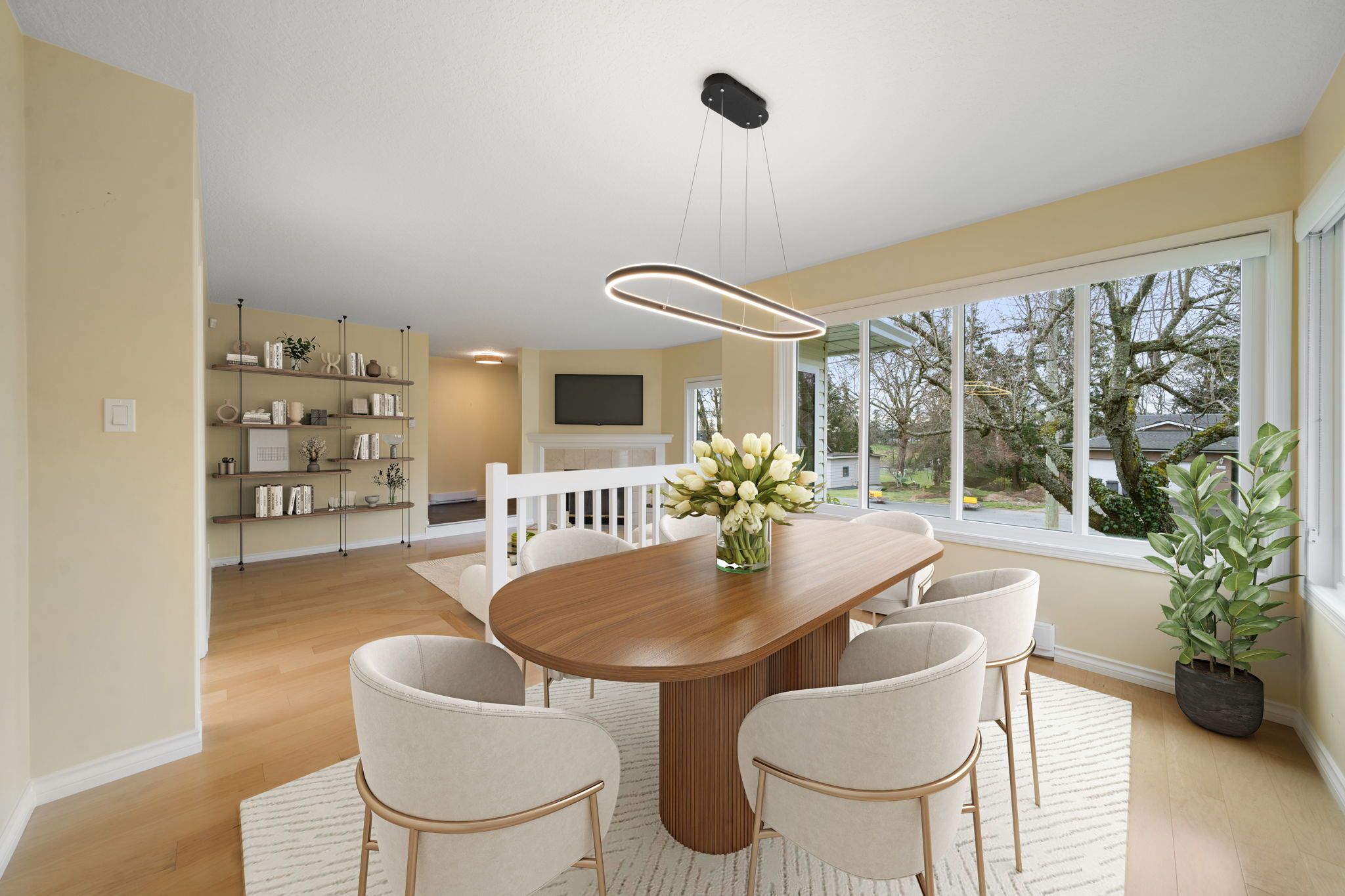
Selling a home in Victoria is about more than just listing it online. Buyers often decide within seconds whether a property feels right, and strong presentation plays a major role in that decision. Virtual staging has become an effective tool for showcasing a home’s potential, helping buyers visualize the space and move forward with confidence. What Is Virtual Staging Virtual staging uses digital design to add furniture, decor, and finishes to listing photos of empty or minimally furnished homes. The goal is to highlight scale, layout, and functionality without physically staging the property. When done well, it helps buyers imagine how they could live in the space. Why Virtual Staging Works for Victoria Homes Many Victoria homes, especially condos, townhomes, and new builds, are listed vacant or partially furnished. Empty rooms can feel cold or smaller than they are. Virtual staging helps define each space, making it easier for buyers to understand room purpose and flow, which is especially important in compact or unique layouts common throughout the region. First Impressions Matter Online Most buyers first encounter a property online. Visually appealing photos stand out, attract more clicks, and encourage buyers to book showings. Virtual staging can dramatically improve listing photos, helping a home compete more effectively in Victoria’s market where presentation influences buyer behaviour. Cost-Effective Compared to Traditional Staging Traditional staging can be costly and logistically challenging. Virtual staging offers a more affordable alternative while still delivering strong visual impact. It allows sellers to highlight a home’s strengths without moving furniture or coordinating staging timelines. Helps Buyers Visualize Lifestyle and Scale Virtual staging helps buyers see how furniture fits within a space and how rooms can be used. This is especially helpful for open-concept layouts, smaller bedrooms, or awkward spaces that may be difficult to visualize when empty. Supports Faster, More Confident Decisions When buyers can easily picture themselves living in a home, hesitation is reduced. Virtual staging removes uncertainty, helping buyers focus on the potential rather than the lack of furnishings. This can lead to quicker showings, stronger interest, and a faster sale. Transparency Is Key It is important that virtual staging is clearly disclosed and used responsibly. Accurate representations help maintain buyer trust and avoid disappointment during in-person showings. When used correctly, virtual staging enhances marketing without misleading buyers. Is Virtual Staging Right for Your Home Virtual staging is particularly effective for vacant homes, new construction, and properties where furniture does not reflect the target buyer. Every listing is different, and the right marketing approach depends on the property and current market conditions. If you are considering selling your Victoria home, understanding how tools like virtual staging can improve presentation may help you achieve better results in less time. Lisa Shortt, 5-Star Review, via Google “Scott went above and beyond for us in both finding our dream home and selling our condo. He listened to us and provided professional advice for each circumstance. Would highly recommend!” Faber Real Estate Group Royal LePage Coast Capital Realty 📞 250-244-3430 📧[email protected] ℹ️ Scott Faber Personal Real Estate Corporation ℹ️ Cal Faber Personal Real Estate Corporation Vanessa Wood, Zachary Parsons, and Sophie Taylor “Building Lasting Relationships, One Home at a Time.”
Read more- 1
- 2