
Posts Tagged ‘seller tips Victoria BC’
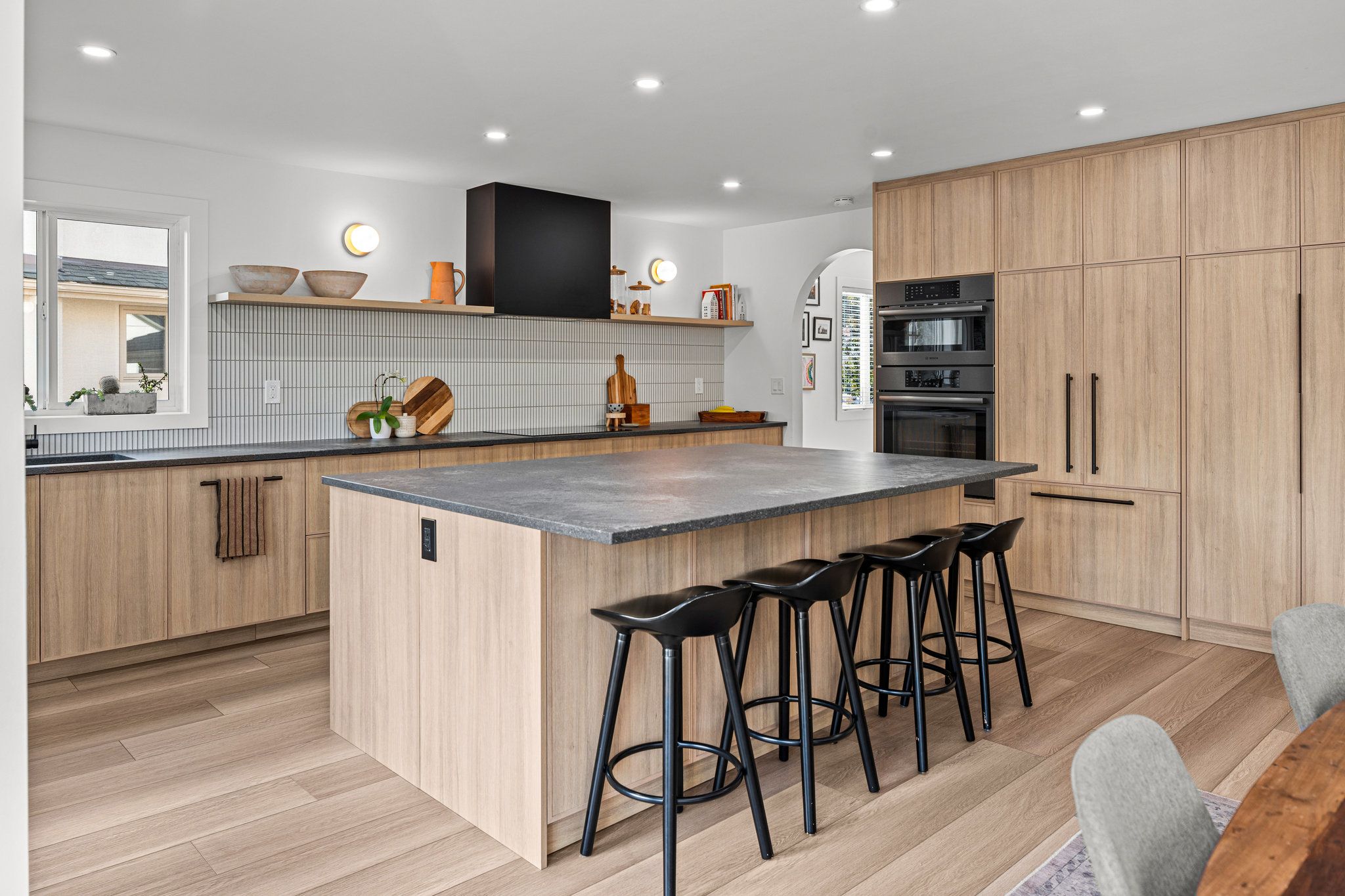
Greater Victoria real estate market trends are changing what sellers need to think about before listing. For anyone selling in Greater Victoria, understanding Greater Victoria real estate market trends can help you price with more confidence, prepare your home more strategically, and avoid the common mistake of assuming last year’s market still applies today. The market is not weak across the board. It is more selective. Buyers have more options, more time, and stronger opinions about price, condition, layout, and value. For sellers, that means success depends less on simply being listed and more on being positioned correctly from the start. What Sellers Need to Know First The biggest shift for sellers is buyer behaviour. Buyers are still active, but they are comparing homes more carefully. They are looking at competing listings, recent sales, monthly costs, strata fees, repair concerns, and long-term value before deciding whether to write an offer. Understanding buyer expectations can help sellers prepare their home more effectively and avoid the common issues that cause buyers to pause. That does not mean sellers cannot achieve strong results. It means the strategy needs to match the market. A seller who prices accurately, prepares well, and responds to feedback can still stand out. A seller who lists too high, ignores competing inventory, or assumes buyers will overlook condition may struggle to gain momentum. In today’s market, the first impression matters more because buyers have more choices. More Inventory Means More Competition When there are more active listings, sellers are not only competing against recent sales. They are competing against every similar home currently available. This is one of the most important points for sellers to understand. A buyer may like your home, but if there are five similar options available, they will compare price, condition, layout, location, parking, storage, updates, and overall presentation. If your home does not offer enough value compared to the alternatives, it may receive showings but no offers. More inventory means buyers can be more selective. For sellers, this makes it important to review: Similar active listings Recent accepted offers Days on market Price reductions Condition differences Location advantages Layout and usability Buyer feedback after showings A listing strategy should not be based only on what you hope to get. It should be based on how your home compares to what buyers can actually choose from right now. Pricing Correctly Matters From Day One In a more selective market, pricing too high can create problems quickly. The first few weeks of a listing are usually when the home gets the most attention. Buyers who have been watching the market often notice new listings right away. If the price feels too high compared to similar homes, they may skip it or save it to watch for a reduction. That can create a difficult pattern. The home sits. Showings slow down. Buyers begin to wonder why it has not sold. A price reduction may eventually bring new interest, but the listing has already lost some of its early momentum. This does not mean sellers should underprice their homes. It means pricing should be strategic, current, and realistic. A strong pricing plan should consider: Recent comparable sales Active competing listings Current buyer demand Property condition Location strengths Unique features Timing goals Risk tolerance The goal is not simply to pick the highest number. The goal is to choose the price that gives the property the best chance of attracting serious buyers. Condition Is Playing a Bigger Role When buyers have more choice, condition becomes more important. In a faster market, buyers may overlook small issues because they feel pressure to act quickly. In a more balanced or slower market, buyers are more likely to notice repairs, outdated finishes, tired paint, worn flooring, poor lighting, clutter, or deferred maintenance. Small concerns can become negotiation points. This does not mean every seller needs to renovate before listing. In many cases, simple preparation can make a meaningful difference. That may include: Fresh paint where needed Professional cleaning Decluttering Minor repairs Yard cleanup Better lighting Touch-ups to trim, doors, and walls Clear storage areas Staging or furniture editing Buyers do not expect every home to be perfect. But they do want to feel that the home has been cared for and priced appropriately for its condition. Presentation Can Change Buyer Perception Good presentation helps buyers understand the home quickly. Photos, video, listing copy, floor plans, staging, and showing preparation all affect how buyers feel before and during a viewing. In a market where buyers are comparing more options, presentation can be the difference between being remembered and being overlooked. A well-presented home should answer key buyer questions: How does the layout work? Where does the natural light come from? Is there enough storage? How has the home been maintained? What makes the location practical? What lifestyle does this home support? Presentation is not about making a home look unrealistic. It is about helping buyers see the value clearly. The easier it is for buyers to understand the home, the easier it is for them to feel confident about taking the next step. Showings Are Not the Same as Offers Some sellers assume that steady showings mean an offer is close. That is not always true. Showings tell us that the listing is getting attention. Offers tell us that buyers see enough value to act. If a home is getting showings but no offers, the issue may be: Price Condition Layout Location Presentation Buyer expectations Competing inventory Strata concerns Inspection concerns Timing This is why showing feedback matters. If multiple buyers are saying the same thing, that feedback should not be ignored. It may point to a pricing issue, a presentation issue, or a concern that needs to be addressed before the listing becomes stale. A strong selling strategy includes regular review points, not just listing the home and waiting. Different Property Types Are Behaving Differently Not every part of the market moves the same way. A detached home in Saanich, a condo in downtown Victoria, a townhouse in Langford, and an acreage in Metchosin can all attract different buyers. Each property type has its own supply, demand, and pricing pressures. Detached Homes Detached homes can still attract strong attention when they offer good location, functional space, suite potential, updates, or long-term land value. However, buyers are often watching total monthly costs closely, especially at higher price points. Condos Condo buyers are paying close attention to strata fees, building condition, depreciation reports, insurance, parking, storage, pet rules, and future repair concerns. A well-run building can be a major advantage. Townhomes Townhomes remain practical for many buyers who want more space without the full cost or maintenance of a detached home. Layout, parking, outdoor space, strata health, and family-friendly function can all affect demand. Newer Homes and Pre-Sales Newer homes may appeal to buyers who want modern systems, energy efficiency, warranty coverage, and lower maintenance. However, resale sellers may need to show how their home compares against new-build options and incentives. Micro-Markets Matter More Than General Headlines Sellers often hear broad market comments and assume they apply directly to their home. That can be risky. Greater Victoria is made up of many smaller markets. Oak Bay does not behave exactly like Langford. Fairfield does not behave exactly like Sooke. A family home near schools may attract a different buyer pool than a downtown condo or a rural property. The right strategy depends on your specific micro-market. Before listing, sellers should review: Local sales in the last 30 to 90 days Current competing homes Buyer activity in the area Property type demand Price range demand Average days on market Condition differences Seasonal timing A general market update can give context. A micro-market review gives direction. Motivated Sellers Need a Clear Strategy Being motivated does not mean giving your home away. It means being realistic about the market, clear about your goals, and willing to make decisions based on data rather than emotion. A motivated seller should know: The ideal list price The minimum acceptable outcome The preferred completion timeline The strongest features to highlight The likely buyer profile The main objections buyers may have When to adjust strategy if needed This kind of clarity helps reduce stress. Instead of reacting to every showing or waiting too long to make a decision, sellers can follow a plan. Price Reductions Are Not Always a Setback A price reduction can feel disappointing, but it can also be a strategy. If the original price is not creating enough activity, an adjustment can help the listing reach a better group of buyers. The key is timing and positioning. A small reduction after too much time may not create enough renewed interest. A strategic adjustment, paired with refreshed marketing, updated messaging, or improved presentation, can help a listing regain attention. The question is not simply, “Should we reduce the price?” The better question is, “What change will create a stronger response from the market?” Sometimes that is price. Sometimes it is presentation. Sometimes it is access, marketing, staging, or a clearer explanation of the home’s value. What Sellers Should Do Before Listing Preparation is one of the best ways to protect your result. Before going live, sellers should: Review current market data Compare active competition Complete small repairs Clean and declutter Improve curb appeal Gather important documents Review strata documents if applicable Understand likely buyer objections Build a pricing strategy Plan the first two weeks of marketing The goal is to reduce friction. The fewer questions, concerns, or distractions buyers have, the easier it is for them to focus on the value of the home. What Sellers Should Watch After Listing Once a home is listed, the market starts giving feedback. Important signs to watch include: Number of showings Quality of buyer feedback Online engagement Repeat viewings Agent comments Offer activity Competing price changes New listings in the same category Recent accepted offers This feedback should be reviewed regularly. If the listing is getting strong engagement and positive feedback, the strategy may simply need time. If the listing is quiet or buyers are raising consistent concerns, the strategy may need to change. Successful sellers are not passive. They pay attention, adjust when needed, and stay aligned with current market conditions. The Bottom Line for Sellers Current market trends in Greater Victoria are not saying sellers cannot succeed. They are saying sellers need to be more prepared, more strategic, and more realistic about how buyers are making decisions. Buyers have more choice. That means pricing, preparation, presentation, and micro-market strategy matter more. The homes that stand out are the ones that make sense to buyers quickly. They are priced in line with the current market, presented well, easy to understand, and positioned against the right competition. If you are thinking about selling in Greater Victoria, the best first step is to understand how your home fits into today’s market. Not last year’s market. Not the headline market. Your market. Faber Real Estate Group can help you review recent sales, compare active listings, identify likely buyer expectations, and build a selling strategy that matches your goals. Learn more about how we support sellers here: Sell With Us. Vince R., 5-Star Review, via Google “Cal and Scott made our home selling experience very simple and easy, especially when you consider that we were in a different province and corresponding via our mobile devices. In less than 2 weeks we received and accepted an offer on our Condo. We would like to thank the both of them for listing our property and sharing all their expertise in properly listing our condo.” Faber Real Estate Group Royal LePage Coast Capital Realty 📞 250-244-3430 📧 [email protected] ℹ️ Scott Faber Personal Real Estate Corporation ℹ️ Cal Faber Personal Real Estate Corporation Vanessa Wood, Zachary Parsons, and Sophie Taylor “Building Lasting Relationships, One Home at a Time.”
Read more
Low-maintenance homes in Greater Victoria are getting more attention because buyers are thinking beyond charm. They are still drawn to character, gardens, mature landscaping, and unique design, but they are also asking a more practical question: what will this home cost me after I move in? In a market where buyers have more choice, the homes that feel easier to own can stand out. The Victoria Real Estate Board has described the Greater Victoria market as balanced, with strong inventory giving buyers more options and time to compare properties. Buyers Are Thinking About the Full Cost of Ownership A buyer may love a beautiful older home, but that excitement can change quickly when they start thinking about: Roof age Windows Heating systems Drainage Exterior maintenance Insurance Energy costs Future repairs Yard upkeep This does not mean older homes or character homes are less desirable. In many Greater Victoria neighbourhoods, they remain highly sought after. However, buyers are becoming more cautious about homes that may require major work soon after purchase. A home that feels manageable can create confidence. That confidence can influence showings, offers, and how strongly a buyer is willing to move forward. Why Sellers Should Pay Attention For sellers, low-maintenance does not always mean new. It means the home feels cared for, organized, and less risky. A seller can help create that feeling by showing buyers that the home has been maintained over time. Simple details can make a big difference, including: Service records for major systems Recent invoices for repairs or upgrades Clear information about the age of the roof, windows, furnace, or heat pump Fresh paint where needed Clean gutters and exterior areas Well-kept landscaping A tidy crawlspace, garage, or mechanical area Buyers do not expect every home to be perfect. However, they do want to understand what they are buying. When a seller can reduce uncertainty, the home often feels easier to choose. Insurance and Repair Costs Are Part of the Conversation Insurance is also becoming a bigger part of buyer decision-making. In British Columbia, rising rebuild costs, repair expenses, and weather-related risk continue to put pressure on insurance costs. That matters because buyers are not only comparing monthly mortgage payments. They are thinking about the full monthly and yearly cost of ownership. A home with an older roof, outdated systems, deferred maintenance, or signs of water issues may raise questions. Even if the home is priced well, buyers may hesitate if they feel future costs are uncertain. Energy Efficiency Can Add Practical Appeal Energy efficiency is another reason low-maintenance homes in Greater Victoria are standing out. Buyers are paying attention to heating systems, insulation, windows, and overall comfort. Programs such as the Home Energy Navigator help Greater Victoria homeowners understand energy-efficient upgrades, available rebates, and planning steps. The Province of BC also notes that eligible households may access rebates for certain energy-efficient renovations. For sellers, this does not mean every home needs major upgrades before listing. Instead, it means energy-related improvements should be clearly explained if they already exist. If the home has a heat pump, improved insulation, newer windows, or other comfort-focused upgrades, those details should be included in the marketing. Buyers may not notice every improvement during a showing, so the listing strategy needs to connect the dots. Outdoor Space Still Matters, But Manageability Matters Too Greater Victoria buyers often value outdoor space. Gardens, patios, mature trees, and private yards can still be major selling features. However, some buyers are now asking whether the outdoor space fits their lifestyle. A large garden may appeal to one buyer and feel overwhelming to another. This is especially true for downsizers, busy professionals, first-time buyers, and people moving from condos or townhomes. They may want outdoor space, but they may not want hours of weekly upkeep. For sellers, the goal is not to remove personality. The goal is to show that the property is enjoyable and manageable. How Sellers Can Position a Home as Low-Maintenance A strong listing strategy should help buyers see both the lifestyle and the practicality of the home. Before listing, sellers should consider: Completing small repairs that may distract buyers Cleaning and organizing utility areas Trimming overgrown landscaping Replacing worn weatherstripping or tired exterior details Touching up paint Gathering maintenance records Highlighting newer systems and upgrades Being clear about what has been done and when Small improvements can help buyers feel that the home has been cared for. That can be especially helpful in a market where buyers are comparing several options at once. Low-Maintenance Does Not Mean Boring One common mistake is thinking low-maintenance means plain or characterless. That is not the case. A home can still have warmth, charm, and personality while also feeling easy to own. In fact, the strongest homes often do both. They offer emotional appeal, but they also give buyers practical confidence. That balance is powerful. A buyer may fall in love with the style of a home, but they often write stronger offers when they also trust the condition, upkeep, and long-term ownership picture. The Bottom Line for Sellers Low-maintenance homes in Greater Victoria are standing out because buyers are thinking more carefully. They want homes that feel comfortable, functional, and financially manageable. For sellers, this creates an opportunity. The right preparation, documentation, and marketing can help buyers see the value behind the home, not just the surface features. If you are thinking about selling, the key is to understand what buyers may notice, what they may worry about, and how to present your home with clarity. For advice on preparing your home for today’s market, contact Faber Real Estate Group for local guidance and a thoughtful selling strategy. Brett H., 5-Star Review, via Google “I can’t suggest how to make Fabers better at being good realtors. They’re already congenial, trustworthy, informed, experienced, and thorough. Cal listened and advised, and somewhere in the middle he said what the condo would sell for and he was right on. Thanks!” Faber Real Estate GroupRoyal LePage Coast Capital Realty📞 250-244-3430📧 [email protected]ℹ️ Scott Faber Personal Real Estate Corporationℹ️ Cal Faber Personal Real Estate CorporationVanessa Wood, Zachary Parsons, and Sophie Taylor“Building Lasting Relationships, One Home at a Time.”
Read more
If you want to prepare your home for listing photos properly, the goal is not perfection. The goal is clarity. Great listing photos help buyers understand the home, picture themselves living there, and decide whether your property is worth seeing in person. Poor photos can do the opposite, even when the home itself is strong. In today’s market, buyers usually see your photos before they read the full description, book a showing, or ask a question. That means your photos are often your first showing, not just a marketing extra. When a home looks clean, bright, and well-prepared online, it creates stronger first impressions and can increase both interest and confidence. Why listing photos matter so much Most buyers begin their search online. They scroll quickly, compare homes side by side, and make decisions in seconds. If the photos feel dark, cluttered, cramped, or inconsistent, many buyers move on before ever learning the property’s real value. Strong photos matter because they help: Increase click-throughs from MLS and listing websites Create better first impressions before a showing Make the home feel more spacious, bright, and cared for Attract more qualified buyers who already like what they see Support stronger marketing across social media, email, and brochures Good real estate photography does not just document the home. It positions it. The biggest mistake sellers make Many sellers assume the photographer will make everything look better. A skilled photographer absolutely helps, but photography cannot fully fix clutter, poor lighting, visible damage, crowded surfaces, or rooms that feel too personal. Photos work best when the home is already showing well in real life. Think of photography as the amplifier. It will amplify what is good, but it can also amplify what feels distracting. What buyers notice in listing photos Buyers may not say it this way, but they are usually asking themselves three questions while looking at photos: 1. Does this home feel well cared for? Visible mess, stains, crowded countertops, and burnt-out bulbs can make buyers assume there are deeper maintenance issues. 2. Does this home feel spacious and functional? Too much furniture, poor room layout, or overloaded shelves can make even a decent room feel smaller than it is. 3. Can I picture myself here? Highly personal items, too many family photos, bold niche décor, and visual clutter can make it harder for buyers to connect emotionally. This is why photo preparation matters. It helps buyers focus on the home, not the distractions. How to prepare your home for listing photos Start with a full clean A clean home always photographs better. Dust, smudges, streaks, pet hair, soap scum, and dirty floors often stand out more in photos than they do in person. Focus on: windows and mirrors kitchen counters and appliances bathroom sinks, tubs, and faucets baseboards and flooring light fixtures and glass surfaces A home does not need to feel sterile, but it should feel fresh. Declutter every room Clutter competes with the features of the home. Buyers should notice the space, layout, and light, not cords, piles, baskets, or too many decorative items. Try to remove: extra items from countertops papers, chargers, and cords oversized or excess furniture laundry hampers and floor mats personal toiletries fridge magnets and notes visible pet items Less visual noise usually makes a room feel larger and calmer. Depersonalise the space You are not trying to remove all warmth. You are trying to create room for the buyer’s imagination. Pack away or reduce: family photos children’s artwork on walls or fridges highly specific collections personalized signs bold or polarizing décor The more universal the space feels, the easier it is for buyers to picture their own life in it. Let in as much light as possible Natural light helps a home feel more open and inviting. Before photos, open blinds and curtains, replace burnt-out bulbs, and make sure every light fixture works. Good lighting can make a major difference in: room size perception colour balance overall mood buyer confidence in the condition of the home Dark rooms often feel smaller online than they do in person. Simplify the kitchen and bathrooms These are two of the most important spaces in listing photos. They should feel clean, functional, and easy to maintain. For kitchens: clear counters as much as possible hide dish soap, sponges, and drying racks remove most small appliances keep only a few simple finishing touches For bathrooms: remove toothbrushes, razors, and products close toilet lids hang fresh, simple towels clear shower shelves and tub edges These rooms tend to show every detail. Make beds and soften bedrooms Bedrooms should feel restful, not busy. Use simple bedding, smooth out wrinkles, and remove extra items from nightstands and dressers. A tidy bedroom helps buyers read the space more clearly and makes the home feel more put together overall. Improve curb appeal for exterior photos Exterior photos often come first in the listing gallery. If the outside feels neglected, it affects how buyers interpret everything that follows. Before exterior photography: sweep walkways and porches move bins and hoses out of sight park vehicles away from the front mow the lawn trim overgrowth remove dead plants clean the front door and entry area You do not need luxury landscaping. You need a tidy and welcoming first impression. Room-by-room photo checklist Entryway remove shoes, jackets, and bags clear the floor keep décor minimal Living room reduce furniture if the room feels tight hide remotes and cords straighten pillows and rugs Kitchen clear counters hide garbage cans if possible polish stainless steel remove clutter from the top of the fridge Dining area keep the table simple remove extra chairs if crowded centre the room visually Bathrooms clear all personal products use clean towels wipe mirrors and glass hide toilet brushes and bins if possible Bedrooms make beds neatly clear surfaces remove bulky storage items from view Laundry room put away detergent and baskets clear machine tops keep it simple and clean Yard and patio tidy furniture remove toys and tools sweep surfaces keep outdoor spaces usable and inviting Why this preparation can affect results Homes that photograph well often create stronger momentum. More clicks can lead to more showings. More showings can lead to better offers and stronger negotiating position. This does not mean photos alone sell the home. Price, condition, timing, and marketing strategy still matter. But photography plays a major role in whether buyers give your home a real chance. Preparation also signals something deeper. It tells buyers the home has been cared for and presented with intention. That can shape how they view value before they ever step through the door. What not to do before listing photos Avoid these common mistakes: leaving too many items on counters and surfaces forgetting to replace burnt-out bulbs keeping curtains closed leaving pet bowls, litter boxes, or beds visible using heavily patterned bedding or towels overdecorating rooms assuming editing will fix everything later The best listing photos usually come from simple preparation, not digital correction. Final thoughts To prepare your home for listing photos, focus on cleanliness, light, simplicity, and removing distractions. Buyers do not need a perfect home. They need a clear, appealing first impression that helps them see the home’s potential. If you want advice on getting your property photo-ready before it hits the market, contact Faber Real Estate Group for practical guidance tailored to your home and selling strategy. Sue S., 5-Star Review, via Google “I loved how they did virtual staging. I didn't have to find furniture etc. to stage the house. Cal and Scott got amazing pictures and made my moms house look like a cozy, beautiful home by placing the furiture etc. into the pictures of the rooms with their furniture. When the house was shown it was empty but Cal and Scott had their computer running so people going through the home could visualize how it could look. I would recommend Cal and Scott, an amazing duo team to sell or purchase any Real Estate.They even came and brought a mirror in to finish off one of the bathrooms in my mom's house. They totally cared and they go above and beyond. If you are looking to buy or sell your home give Cal and Scott a call, you will not be disappointed.” Faber Real Estate Group Royal LePage Coast Capital Realty 📞 250-244-3430 📧[email protected] ℹ️ Scott Faber Personal Real Estate Corporation ℹ️ Cal Faber Personal Real Estate Corporation Vanessa Wood, Zachary Parsons, and Sophie Taylor “Building Lasting Relationships, One Home at a Time.”
Read more
Days on Market, often referred to as DOM, measures how many days a property is listed for sale before it sells. The count typically starts on the day the listing becomes active and ends when an accepted offer is in place. For sellers, Days on Market is more than just a number. It is one of the most closely watched indicators of market performance and buyer demand in Greater Victoria. Why Days on Market Matters to Sellers Days on Market directly affects how buyers perceive your home. Properties that sell quickly are often seen as well-priced and desirable. Listings that remain on the market longer can raise questions, even if the home itself is well-maintained. Buyers may assume: The price is too high The home has issues The seller may be more flexible This perception can influence both the number of showings and the strength of offers received. How Days on Market Impacts Pricing Strategy Pricing and Days on Market are closely connected. Homes priced correctly for current market conditions tend to attract interest early, often within the first few weeks. When a listing stays on the market longer than average, sellers may face: Fewer showings Lower offers Pressure to reduce the price In contrast, a well-priced home that generates early activity can create urgency and stronger negotiating positions. Average Days on Market in Greater Victoria Days on Market can vary widely depending on location, property type, and market conditions. Single-family homes, condos, and townhomes often perform differently, and some neighbourhoods move faster than others. For example: Entry-level homes often sell more quickly Well-priced homes in high-demand areas attract faster offers Unique or higher-priced properties may take longer Understanding local averages is essential when setting expectations and strategy. What Longer Days on Market Can Signal A higher Days on Market number does not always mean a home will not sell. However, it can indicate a mismatch between price, condition, or buyer expectations. Common reasons a listing lingers include: Pricing above market value Limited exposure or poor presentation Market shifts during the listing period Addressing these factors early can help reset buyer interest. How Sellers Can Reduce Days on Market Sellers have more control over Days on Market than they may realize. Preparation and strategy play a key role. Steps that often help reduce Days on Market include: Pricing based on current comparable sales Professional photography and marketing Proper staging and presentation Flexible showing availability Working with an agent who understands neighbourhood-level data can make a meaningful difference. Final Thoughts Understanding Days on Market and why it matters allows sellers to make informed decisions and set realistic expectations. In Greater Victoria’s evolving real estate market, success is not just about selling, but about selling efficiently and at the right price. A thoughtful pricing and marketing strategy, paired with local market insight, can help minimize Days on Market and maximize results. Brandon Sharratt, 5-Star Review, via Google “My wife and I sold our condo in View Royal and bought a place in Esquimalt with the help of The Faber Group. Scott helped us to find and buy the perfect home for our growing family in a very competitive market. He got to know our wants and needs and worked within our schedule with a small baby. Once we found the perfect place Scott helped us to get it for under the asking price and sold our condo in one day on the market with multiple offers over asking! We are so grateful that Scott helped us through this process, answering our many questions and alleviating our concerns. Thank you for helping us sell our first home and buy a beautiful house for our family.” Faber Real Estate Group Royal LePage Coast Capital Realty 📞 250-244-3430 📧[email protected] ℹ️ Scott Faber Personal Real Estate Corporation ℹ️ Cal Faber Personal Real Estate Corporation Vanessa Wood & Zachary Parsons “Building Lasting Relationships, One Home at a Time.”
Read more