
Posts Tagged ‘seller advice’

What makes buyers hesitate is not always obvious to sellers. A buyer may like the home, book a second showing, ask good questions, and still decide not to write an offer. That hesitation usually comes from uncertainty. Buyers are not only deciding whether they like the home. They are deciding whether the price, condition, location, documents, and future costs feel safe enough to move forward. In a market where buyers have more choice, small concerns can carry more weight. The Price Does Not Match the Experience Price is one of the most common reasons buyers pause. A buyer may like the home, but if the asking price feels high compared with similar listings, recent sales, or the home’s condition, they may hold back. This is especially true when there are other options available. Buyers often hesitate when: The home feels overpriced compared with competing listings Recent comparable sales do not support the asking price The condition does not match the price point The home has been sitting without adjustment The seller appears unwilling to negotiate A strong price does not need to be the lowest price. It needs to feel reasonable, explainable, and connected to the market. The Home Needs Too Much Work Most buyers expect some imperfections. But when the list of repairs starts to feel long, hesitation can build quickly. Common concerns include: Older roof Aging windows Worn flooring Tired paint Outdated electrical or plumbing Poor drainage Signs of moisture Deferred exterior maintenance Old appliances Unclear renovation quality Even cosmetic issues can matter if buyers start adding up the cost, time, and effort involved. A home that feels manageable may still attract strong interest. A home that feels like a project can narrow the buyer pool. The Listing Photos Do Not Match the Showing Buyers want the home to feel consistent with what they saw online. If the photos make the property look brighter, larger, cleaner, or more updated than it feels in person, trust can drop. That does not mean photos should be unflattering. It means the marketing should present the home well without creating a disconnect. Buyers may hesitate when they feel surprised by: Smaller room sizes Less natural light More wear and tear than expected Awkward layout Noise Odours Poor storage Neighbouring properties Parking limitations Once buyers feel misled, it becomes harder for them to feel confident. The Layout Does Not Fit Real Life A home can be attractive but still not function well for a buyer’s daily routine. Layout concerns often show up during or after the showing. Buyers start thinking about furniture, storage, work-from-home needs, children, pets, guests, hobbies, or future resale. They may hesitate if: Bedrooms are too small The kitchen feels disconnected There is no proper entryway Storage is limited The living area is hard to furnish The bathroom count feels tight Outdoor space is impractical There is no room to grow The home does not suit their next five years Buyers are not just purchasing a space. They are trying to picture a life inside it. The Documents Raise Questions For condos, townhomes, and strata properties, documents can have a major impact on buyer confidence. A buyer may like the unit but pause after reviewing the strata package. Concerns may come from: Low contingency reserve fund Repeated special levies Insurance concerns Major repairs being discussed Depreciation report issues Rental or pet restrictions Noise complaints Bylaw concerns Unclear meeting minutes For detached homes, buyers may hesitate over title details, permits, surveys, septic records, oil tank history, or renovation documentation. Good documents help buyers feel safe. Unclear documents create doubt. The Costs Feel Uncertain Many buyers are not only thinking about the purchase price. They are thinking about the total cost of ownership. That may include: Mortgage payment Property taxes Strata fees Insurance Utilities Maintenance Repairs Renovations Commuting costs Future special levies A buyer may be able to afford the home on paper but still hesitate if the ongoing costs feel unpredictable. This is one reason well-maintained homes with clear records can feel easier to buy. The Buyer Is Comparing Too Many Options More choice can create confidence, but it can also create decision fatigue. When buyers see several homes that could work, they may delay because they worry a better option will appear. They may like one property but keep comparing it to another. This is especially common when: Inventory is rising Multiple homes are priced similarly Buyers are early in their search The home has compromises The buyer is unsure about neighbourhoods Interest rates or monthly payments feel tight Sellers cannot control buyer psychology, but they can make the decision easier by pricing and presenting the home clearly. The Home Lacks an Emotional Pull Not every buyer decision is purely logical. Sometimes buyers hesitate because the home does not create enough emotional connection. It may check the boxes but feel cold, cluttered, dark, or hard to imagine living in. A stronger emotional pull can come from: Clean presentation Natural light Warm but neutral staging Clear room purpose Good flow Tidy outdoor spaces A welcoming entry Small signs of care and maintenance When buyers feel emotionally connected and logically reassured, they are more likely to act. The Seller Seems Difficult or Unprepared Buyers also read signals from the process. If showings are hard to book, information is missing, documents are delayed, or responses feel slow, buyers may wonder whether the transaction will be difficult. Hesitation can increase when: Listing details are unclear Documents are incomplete Access is limited Questions go unanswered The seller seems unrealistic The home was not prepared properly There is uncertainty around dates or inclusions A smooth process builds trust before an offer is ever written. The Bottom Line for Sellers What makes buyers hesitate is usually a mix of price, uncertainty, condition, presentation, documents, and confidence. Most buyers do not need a perfect home. They need enough clarity to feel the decision makes sense. For sellers, the goal is to reduce friction before the home goes live. That means pricing with care, preparing the property well, organizing key information, and making the home easy to understand. In Greater Victoria, where buyers often compare different property types, neighbourhoods, and ownership costs, small details can make a big difference. The more confident buyers feel, the easier it becomes for them to move from interest to action. For advice on preparing your home for sale in Greater Victoria, contact Faber Real Estate Group for clear, local guidance before making your next move. Leanne D, 5-Star Review, via Google “I would highly recommend the Faber Group this is the second time we have used them and have been over the top happy with their service. They are an honest group who all go above and beyond to make your experience perfect!” Faber Real Estate Group Royal LePage Coast Capital Realty 📞 250-244-3430 📧 [email protected] ℹ️ Scott Faber Personal Real Estate Corporation ℹ️ Cal Faber Personal Real Estate Corporation Vanessa Wood, Zachary Parsons, and Sophie Taylor “Building Lasting Relationships, One Home at a Time.”
Read more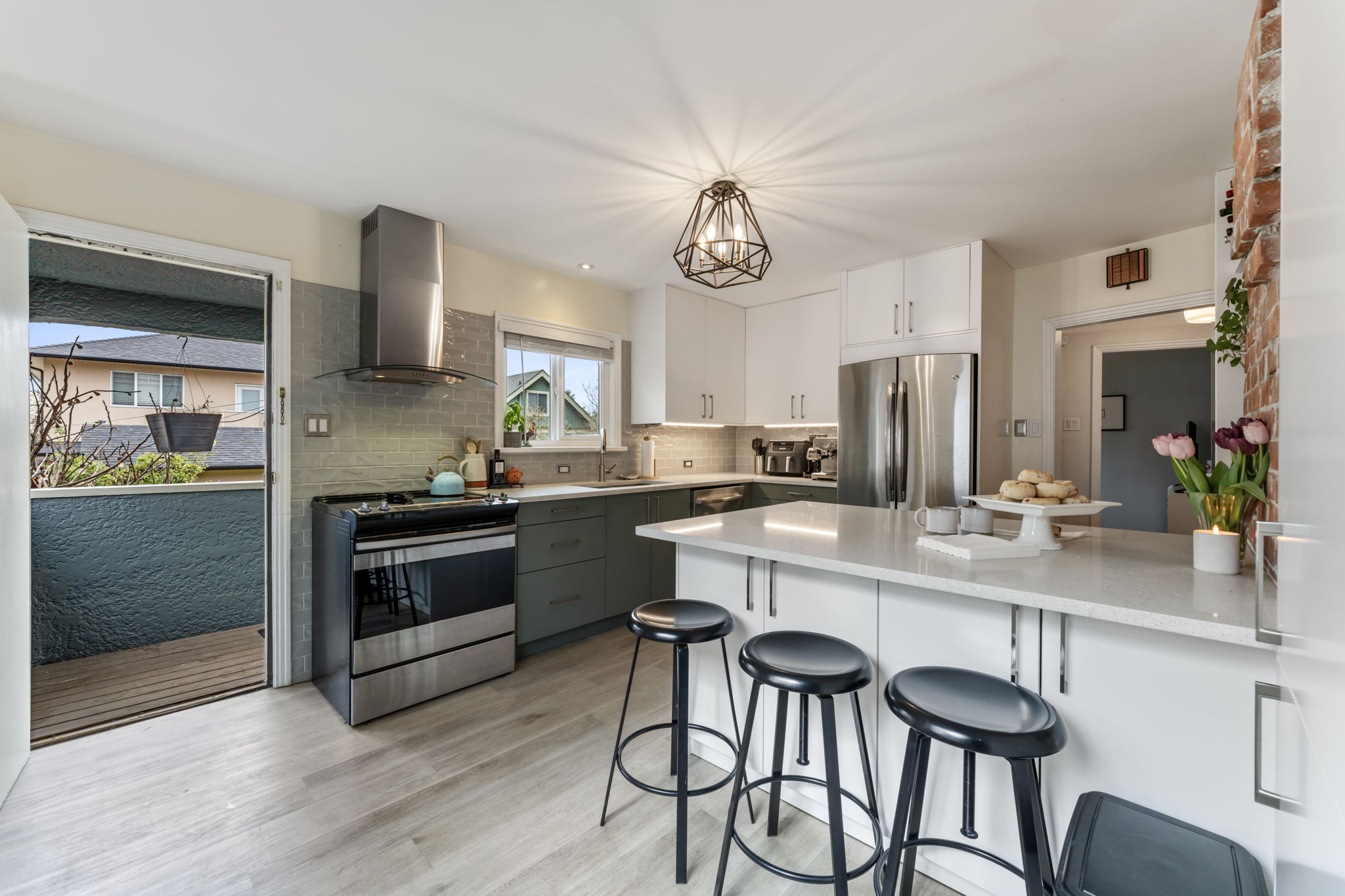
A price reduction strategy can feel uncomfortable for sellers. After all, no one lists their home hoping to lower the price later. However, in the right situation, a price reduction strategy is not a failure. It is a tool to reposition the listing, regain buyer attention, and move closer to a successful sale. In real estate, the market gives feedback quickly. Showings, online views, agent comments, competing listings, and offer activity all tell a story. When that feedback points in the same direction, adjusting the price can become one of the most practical decisions a seller can make. Pricing Is Not About Ego. It Is About Positioning. A home’s asking price does more than state what the seller hopes to receive. It places the property in a buyer’s comparison set. Buyers rarely look at one home in isolation. They compare your home against similar properties in the same price range, neighbourhood, building type, condition, and lifestyle category. That means your price needs to make sense beside the competition. If buyers are choosing other homes first, the issue may not be the home itself. It may be where the home is positioned in the market. For more on this, read our related post: How Competing Listings Affect Your Home Sale Strategy. A Price Reduction Can Create New Momentum Listings usually receive the most attention when they first hit the market. Buyers notice the new listing, agents review it, and online activity tends to be strongest early on. If a home sits without meaningful activity, the listing can start to feel stale. A thoughtful price adjustment can change that. It can: Bring the property into a new buyer search range Re-engage buyers who previously passed on it Encourage agents to revisit the listing with their clients Improve perceived value compared to competing homes Create urgency before the listing loses more momentum The goal is not simply to reduce the price. The goal is to reposition the home where buyers see stronger value. The Market Is Giving You Information A lack of offers does not always mean buyers dislike the home. Sometimes, it means buyers like the home but not enough at the current price. This is an important distinction. If buyers are booking showings but not writing offers, they may be comparing your property to others and choosing better perceived value elsewhere. If buyers are not booking showings at all, the listing may be missing the right audience because of price, presentation, exposure, location, condition, or buyer expectations. Either way, the market is giving you information. The key is to respond strategically rather than emotionally. When a Price Reduction Makes Sense A price reduction may be worth considering when several signs appear together. For example: Showings have slowed or stopped Online views are not turning into appointments Buyers are giving similar feedback Competing listings offer more value Similar homes have sold while yours remains active The home has been on the market longer than expected No serious offers have come in Market conditions have shifted since listing One of these signs alone may not be enough. However, when several point in the same direction, it may be time to adjust. A Small Reduction Is Not Always the Best Move Sometimes sellers want to make a small reduction because it feels safer. However, a price adjustment needs to be meaningful enough to change buyer behaviour. A minor reduction may not move the listing into a new search bracket or make it feel more competitive. For example, if a buyer is searching up to $900,000, a property listed at $914,900 may not appear in their search. A strategic adjustment could place the home in front of a different pool of buyers. This is why pricing should be reviewed with both psychology and search behaviour in mind. A good price reduction is not random. It should be based on buyer activity, competing listings, recent sales, and where the next group of serious buyers is likely searching. Timing Matters The longer a listing sits, the harder it can be to regain momentum. That does not mean every home needs an immediate price reduction. Some properties need more time because they are unique, luxury, rural, tenant-occupied, or suited to a smaller buyer pool. However, if the data is clear, waiting too long can work against the seller. A well-timed adjustment can help protect the listing from becoming stale. It also shows the market that the seller is realistic and motivated, without appearing desperate. A Price Reduction Should Be Paired With a Marketing Refresh A price change is stronger when it comes with a fresh strategy. That may include: Updating listing remarks Reordering photos Refreshing social media promotion Highlighting a different buyer benefit Re-engaging agents who showed the property Reviewing staging or presentation Promoting new open house activity Comparing the home against newly listed competition A price reduction should not happen quietly in the background. It should be treated as a new opportunity to tell the property’s story. For more on how presentation affects buyer response, read: How Small Improvements Can Help a Home Feel More Marketable. Price Reductions Can Protect the Final Sale Price It may sound counterintuitive, but a strategic price reduction can sometimes protect a seller from a larger loss later. If a home remains overpriced for too long, buyers may start to assume there is less demand or that the seller is unrealistic. Over time, this can lead to lower offers, longer carrying costs, and more negotiation pressure. A timely adjustment can help bring the listing back into alignment before the market discounts it further. The goal is not to chase the market down. The goal is to stay close enough to buyer expectations that the home remains competitive. The Right Price Builds Confidence Buyers want to feel confident when they write an offer. If a property feels overpriced, buyers may hesitate. They may wait. They may choose a competing home. Or, they may write an aggressive offer that creates tension before negotiations even begin. When a property is priced well, buyers are more likely to act. A strong price creates clarity. It helps buyers understand the value, compare the home fairly, and feel more comfortable moving forward. It Is Not a Setback. It Is a Decision. A price reduction can feel personal, but it should be viewed through a strategic lens. The question is not, “Did we fail at the first price?” The better question is, “What is the market telling us, and how do we respond?” When sellers treat pricing as part of the strategy, they make better decisions. They stay objective. They reduce guesswork. Most importantly, they keep the focus on the final goal: selling well in the current market. Final Thoughts A price reduction strategy is not always a setback. In many cases, it is a smart response to real market feedback. The best pricing decisions come from a clear review of showing activity, buyer comments, competing listings, recent sales, and current market conditions. When the adjustment is well-timed and paired with strong marketing, it can help a listing regain attention and move toward a successful sale. If you are selling a home in Greater Victoria and wondering whether your current price is helping or holding back your listing, Faber Real Estate Group can help you review the full picture and build a strategy that fits today’s market. Brett Hayward, 5-Star Review, via Google “I can’t suggest how to make Fabers better at being good realtors. They’re already congenial, trustworthy, informed, experienced, and thorough. Cal listened and advised, and somewhere in the middle he said what the condo would sell for and he was right on. Thanks!” Faber Real Estate Group Royal LePage Coast Capital Realty 📞 250-244-3430 📧 [email protected] ℹ️ Scott Faber Personal Real Estate Corporation ℹ️ Cal Faber Personal Real Estate Corporation Vanessa Wood, Zachary Parsons, and Sophie Taylor “Building Lasting Relationships, One Home at a Time.”
Read more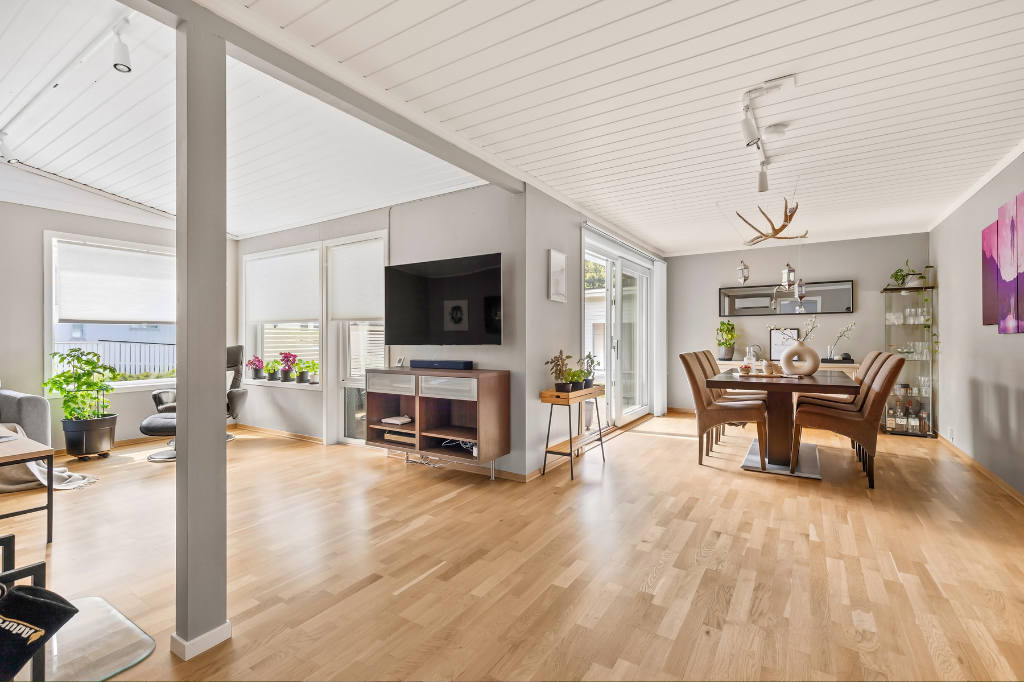
When selling a home, competing listings can tell you almost as much as recent sales. Sold properties show what buyers have already accepted. Active listings show what buyers are comparing your home against right now. That distinction matters. A seller may have a strong property, a fair price, and good marketing. However, if nearby homes offer more space, better presentation, stronger updates, or a sharper price, buyers will notice. They may not say it out loud, but they are comparing options in real time. Buyers Do Not View Your Home in Isolation Most buyers are not looking at one home. They are looking at a group of homes within a price range, neighbourhood, property type, and lifestyle need. That means your home is judged against: Similar homes currently for sale Recent price reductions Properties with better presentation Homes with stronger layouts or updates Listings that appear to offer better value Even if your home is priced based on past sales, competing listings can change how buyers respond today. Active Listings Show Current Buyer Choice Recent comparable sales are useful, but they are historical. They tell you what happened under a specific set of conditions. Active listings show the current choice buyers have. If there are only a few similar homes available, your property may stand out more easily. If there are many similar homes on the market, buyers may take longer, compare more carefully, and negotiate harder. This does not always mean a seller needs to lower the price. It does mean the listing strategy needs to be realistic. Presentation Can Shift the Comparison Competing listings are not only about price. Presentation plays a major role. A home that is clean, bright, well photographed, and easy to understand online can often create more interest than a similar home that feels cluttered or poorly presented. Buyers compare photos before they book a showing. They compare layouts before they walk through the door. They compare condition, finishes, outdoor space, storage, parking, and maintenance concerns. Small improvements can help your listing compete more strongly, especially when buyers have options. Price Adjustments Often Start With Competition When a listing is not getting enough showings or interest, sellers often look first at the price. That is fair, but the better question is: What else can buyers choose instead? If a nearby property is priced lower, recently reduced, better staged, or offering more useful space, that listing becomes part of the decision. Your home may still be worth the asking price, but buyers need to clearly understand why. This is where strategy matters. Sometimes the answer is a price adjustment. Sometimes it is improved photos, better wording, stronger feature emphasis, or a clearer explanation of the home’s value. Competing Listings Help Sellers Stay Objective Selling a home can feel personal. For many homeowners, the property carries years of memories, improvements, and emotional value. Buyers see it differently. They are trying to decide which home gives them the best fit, value, and confidence. Looking honestly at competing listings helps sellers step outside their own attachment and see the home through a buyer’s eyes. That perspective can make the difference between waiting and adjusting with purpose. What Sellers Should Review Before Listing Before going live, sellers should review the current competition with their real estate team. Key questions include: How many similar homes are currently for sale? Which listings are getting attention? Which homes have reduced their price? How does our presentation compare? What does our home offer that others do not? Where might buyers hesitate? Is our pricing strategy clear and defensible? These questions help shape a stronger launch. The Bottom Line Competing listings are not something sellers should fear. They are information. They help sellers understand buyer choice, pricing pressure, presentation standards, and market positioning. The goal is not to copy the competition. The goal is to know where your home fits, where it stands out, and where strategy may need to change. In a market where buyers compare carefully, sellers who understand competing listings are better prepared to price, present, and adjust with confidence. For advice on how your home compares to competing listings in Greater Victoria, contact Faber Real Estate Group for a clear, local selling strategy. Doug M., 5-Star Review, via Google “For us, selling our first home of 15 years brought up a lot of emotion and the process felt daunting. We had a challenging tenant and lived off island. In rode the Fabers, like knights on white horses! Always there, supporting, guiding every step of the way, connecting with confidence and kindness. Fluid communication and success on every level. Truly a God send, we can’t imagine having done it without them! A pleasure indeed.” Faber Real Estate Group Royal LePage Coast Capital Realty 📞 250-244-3430 📧 [email protected] ℹ️ Scott Faber Personal Real Estate Corporation ℹ️ Cal Faber Personal Real Estate Corporation Vanessa Wood, Zachary Parsons, and Sophie Taylor “Building Lasting Relationships, One Home at a Time.”
Read more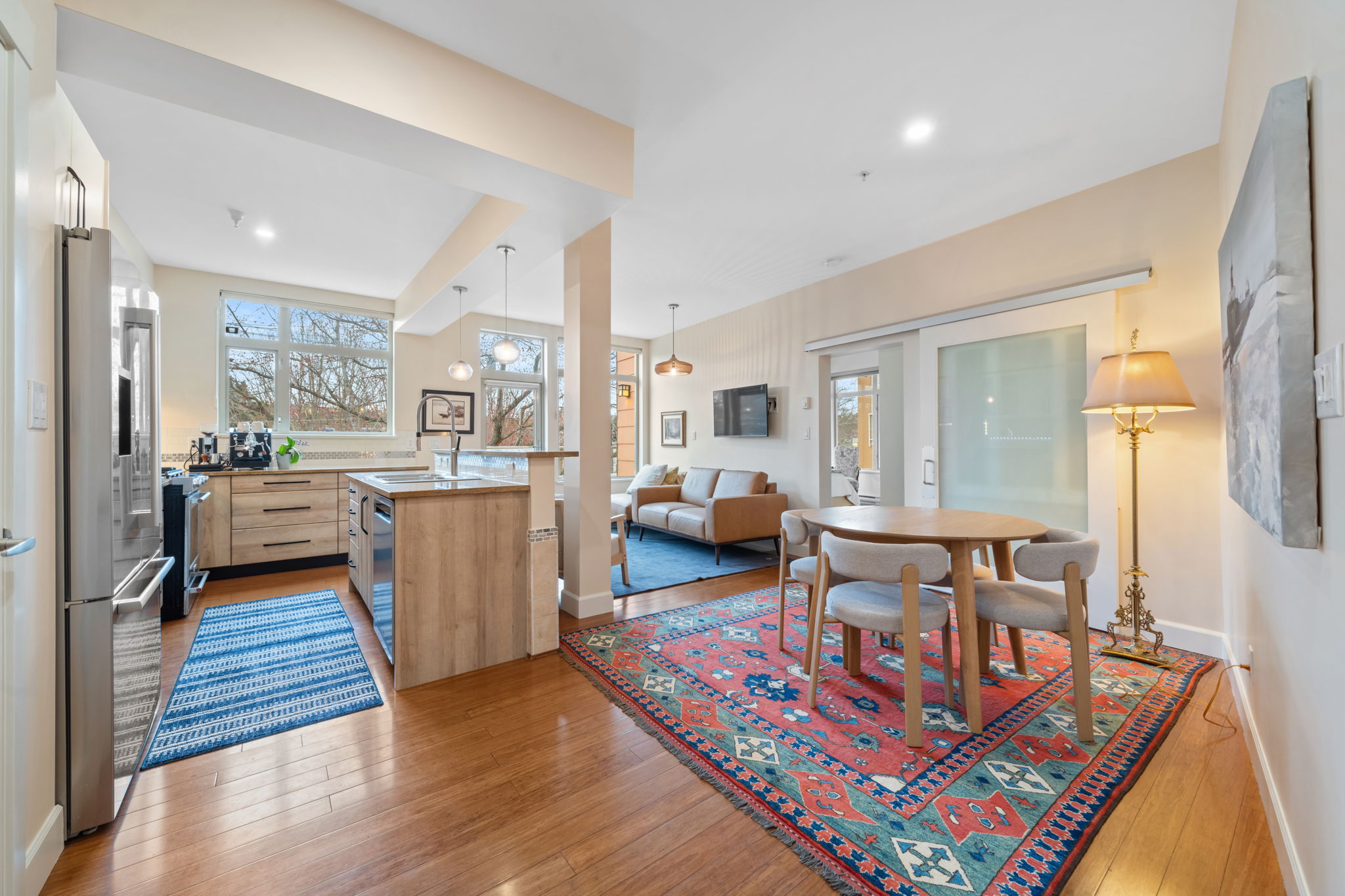
Staging vs decluttering is an important distinction for sellers preparing a home for the market. Both can help a property show better, but they serve different purposes. Decluttering removes distractions. Staging creates direction. Decluttering helps buyers see the space more clearly. Staging helps buyers understand how the space can feel, function, and support their lifestyle. A clean, organized home is a great start. However, a decluttered room can still feel empty, awkward, cold, or forgettable. Staging adds intention so each space feels useful, balanced, and easy to connect with. What Decluttering Really Does Decluttering is the process of removing excess items from a home before photos, showings, and open houses. This may include: Clearing countertops Reducing personal items Removing extra furniture Organizing closets Tidying storage areas Packing away seasonal decor Simplifying shelves and surfaces Creating cleaner sightlines The goal is to reduce visual noise. When there is too much to look at, buyers can struggle to focus on the home itself. Instead of noticing natural light, layout, storage, and room size, they may focus on personal belongings or crowded furniture. Decluttering gives the home room to breathe. What Staging Really Does Staging goes a step further. It is not only about taking things away. It is about deciding what should remain, what should be added, and how each room should be presented. Good staging helps answer key buyer questions: Where would the sofa go? Can this bedroom fit a queen bed? Is this dining area usable? Could this den work as a home office? Does the home feel bright and welcoming? Does the layout make sense? Staging helps buyers imagine how they would live in the home. It creates emotional clarity, not just visual cleanliness. Decluttering Is About Less. Staging Is About Better. This is the simplest way to understand the difference. Decluttering asks, “What should we remove?” Staging asks, “What story should this room tell?” For example, a spare room might be decluttered by removing boxes and extra furniture. But if the room is left empty, buyers may still wonder how useful it is. Staging might turn that same room into a home office, guest room, nursery, or reading space. Suddenly, buyers understand the value of the room. That is the difference. Decluttering clears space. Staging gives it purpose. Why Decluttering Alone May Not Be Enough Decluttering is helpful, but it does not always solve presentation issues. A home can be very clean and still feel: Too sparse Too dark Poorly arranged Dated Unbalanced Hard to photograph Emotionally flat For example, removing too much furniture from a living room can make it feel cold or oddly shaped. Clearing a bedroom too aggressively can make it difficult for buyers to understand scale. Empty rooms often look smaller in photos than people expect. This is where staging can make a difference. It brings structure back into the space. Why Staging Is Especially Useful in Photos Most buyers see a home online before they ever visit in person. That means photos matter. Decluttering helps photos look cleaner. Staging helps photos feel more compelling. A staged room can guide the eye, highlight natural light, show scale, and create a stronger first impression. In a competitive listing environment, that first impression can influence whether a buyer decides to book a showing. This does not mean every home needs full professional staging. Sometimes light styling, furniture rearrangement, fresh linens, improved lighting, and small decor changes can make a major difference. When Decluttering Is the Priority Some homes do not need much staging. They simply need to be edited. Decluttering may be the main priority when: The home is already well furnished Rooms have clear purpose Furniture fits the space Decor is neutral and current The layout photographs well Storage areas are tidy The home already feels warm and inviting In these cases, the best move may be to remove distractions and let the home speak for itself. A good listing preparation plan does not add work for the sake of it. It focuses on what will actually improve the buyer experience. When Staging Becomes More Important Staging becomes more important when buyers may struggle to understand the home. This can happen when: The home is vacant Rooms are unusually shaped Furniture is too large or too small The layout feels unclear The home feels dark The decor is very personal Rooms lack a clear purpose The property needs stronger emotional appeal Staging can also help when the target buyer is different from the current owner. For example, a family home, downsizer-friendly condo, or investment property may need to be presented in a way that matches the most likely buyer profile. Staging Does Not Have to Mean Overdecorating One common misconception is that staging makes a home feel fake or overly styled. Good staging should do the opposite. The best staging feels natural, simple, and supportive. It should help buyers notice the home, not the furniture. The goal is not to create a magazine spread. The goal is to make the property feel clear, comfortable, and easy to understand. A well-staged home often feels: Bright Balanced Functional Calm Warm Spacious Easy to move through That feeling matters because buying a home is both practical and emotional. Small Staging Adjustments Can Have a Big Effect Staging does not always require renting furniture or redesigning the entire home. Sometimes the most effective changes are simple: Repositioning furniture Removing heavy window coverings Adding brighter bulbs Updating bedding Using fresh towels Simplifying artwork Adding a mirror Creating a clear office area Improving patio furniture placement Setting up a small dining space These details help buyers understand how each area can be used. In Greater Victoria, outdoor spaces also deserve attention. A clean patio with a small seating area can help buyers see lifestyle value, even if the space is modest. How Sellers Should Think About Both The strongest listing preparation often uses both decluttering and staging. A good process usually looks like this: First, declutter to remove distractions Then, clean and repair obvious issues Next, assess layout and furniture placement Then, stage or style key areas Finally, prepare the home for photos and showings Decluttering creates the foundation. Staging creates the impression. Together, they help buyers focus on the best parts of the property. Final Thoughts Staging vs decluttering is not about choosing one or the other. It is about understanding what each one does. Decluttering helps buyers see the home clearly. Staging helps them understand how it lives. One removes distraction. The other creates connection. For sellers, the right approach depends on the property, the target buyer, and the condition of the home. Some homes only need a thoughtful edit. Others need more strategic presentation to help buyers see the full potential. If you are preparing to sell in Greater Victoria and want advice on what your home needs before listing, contact Faber Real Estate Group for practical guidance and a clear preparation plan. Faber Real Estate GroupRoyal LePage Coast Capital Realty📞 250-244-3430📧 [email protected]ℹ️ Scott Faber Personal Real Estate Corporationℹ️ Cal Faber Personal Real Estate CorporationVanessa Wood, Zachary Parsons, and Sophie Taylor“Building Lasting Relationships, One Home at a Time.”
Read more
Showings slowing down can feel discouraging, especially if your home launched with strong activity and then suddenly went quiet. For sellers, fewer showings often raise the same question: is something wrong with the listing, the price, the market, or the home itself? The answer depends on timing. A slow week does not always mean your listing is failing. But if showing activity drops and stays low, it is usually a signal that buyers are hesitating. The key is to understand why before making the wrong adjustment. In Greater Victoria, where buyers can be selective when inventory gives them more choice, sellers need to respond with strategy, not panic. First, Do Not Overreact to One Quiet Week Every listing has a natural rhythm. The first week or two often brings the most attention because the property is new. Active buyers, agents, and saved searches notice it right away. After that first wave, activity may slow. That does not automatically mean the home is overpriced. Showings can be affected by: Weather Long weekends School schedules Interest rate news Competing new listings Buyer fatigue Seasonal timing Local events Poor showing availability A sudden increase in similar inventory Before making a major change, look at the pattern. One quiet stretch is different from three weeks of steady decline. Understand What Slower Showings Usually Mean When showings slow down, the market may be sending one of several messages. It may mean: Buyers think the price is high The listing photos are not creating enough interest The home is competing against stronger options The property is not easy to show The location or layout narrows the buyer pool The home needs better presentation Buyers are waiting for a price adjustment The listing has lost new-listing momentum The mistake is assuming every slowdown has the same cause. Sometimes the price needs to change. Sometimes the marketing needs to improve. Sometimes the home needs better preparation. Sometimes the listing simply needs a fresh strategy to reach the right buyers. Review the Price Against Today’s Competition Pricing is not only about what your home is worth in theory. It is also about what else buyers can choose right now. If showings slow down, review your active competition. Ask: What else is available in the same price range? Are similar homes offering more space, better updates, or stronger locations? Have competing listings reduced their price? Are buyers choosing newer homes, better layouts, or better condition? Is your home priced against sold data from a stronger market? Are you competing with homes that have sat and already adjusted? Sellers often focus on what recently sold. Buyers focus on what they can buy today. That difference matters. Look at the Listing Through a Buyer’s Eyes When you live in a home, you see its memories, improvements, and potential. Buyers see comparison. They ask: Is this worth the price? What work does it need? How does it compare to the next home? Can I move in comfortably? Will I need to spend money right away? Does the home feel better in person than online? Is there a reason this has not sold yet? If showings are slowing down, step back and look at the listing the way a buyer would. Not emotionally. Practically. The goal is not to criticize the home. The goal is to understand the buyer’s hesitation. Study Online Engagement Before buyers book a showing, they usually interact with the listing online. If online views are strong but showings are low, buyers may be interested but not convinced enough to visit. If online views are weak, the issue may be exposure, presentation, price positioning, or the listing’s ability to stand out. Review: Listing views Saves or favourites Click-through activity Showing requests Open house traffic Agent inquiries Time on market compared with similar listings A listing can fail quietly online before it ever fails in person. If the photos, headline, description, or price do not create enough urgency, buyers may simply move on. Pay Close Attention to Showing Feedback Showing feedback is not perfect, but patterns matter. One buyer’s opinion may not mean much. Five buyers saying the same thing should get your attention. Look for repeated comments about: Price Condition Layout Odour Lighting Privacy Noise Parking Stairs Yard usability Needed updates Strata fees Competing options Feedback can be uncomfortable, but it is useful. Buyers are not always right, but they are the market. If the same concern keeps coming up, your strategy should respond to it. Make the Home Easier to Show Sometimes showings slow down because the home is difficult to access. Buyers may skip a property if showing windows are too limited, notice requirements are too long, tenants are difficult to coordinate with, or the home is not available during peak times. If your home is on the market, convenience matters. Consider: Allowing more flexible showing times Reducing unnecessary notice requirements Keeping the home showing-ready Making open houses easier to host Avoiding too many blocked-out times Ensuring pets are managed during showings Making access instructions simple The easier a home is to show, the more chances it has to sell. A great listing can lose momentum if buyers cannot get in when they are ready. Refresh the Presentation If activity slows, small presentation changes can help. This does not always mean major staging or expensive renovations. Often, the goal is to remove friction and make the home feel easier to imagine. Consider: Decluttering key rooms Improving lighting Cleaning windows Touching up paint Removing worn mats or tired decor Improving curb appeal Rearranging furniture Adding simple staging pieces Reducing personal items Making storage areas feel organized Buyers do not need perfection. They need confidence. A home that feels clean, cared for, and easy to move into can regain attention. Revisit the Photos and Listing Description Sometimes the home is better than the listing makes it look. If showings slow down and feedback from visitors is positive, the issue may be the online presentation. Ask: Do the photos show the strongest features first? Is the floor plan easy to understand? Is the lighting flattering? Are outdoor spaces shown clearly? Does the description explain the lifestyle and value? Are important upgrades mentioned? Does the listing sound generic? Are the best features buried too low? A listing needs to create a reason for buyers to book a showing. If the home has strong features but they are not obvious online, refresh the marketing before assuming the market is rejecting the property. Consider a New Marketing Angle Not every property should be marketed the same way. If the first wave of buyers does not respond, your listing may need a sharper message. For example: A family home should highlight layout, schools, storage, yard, and daily function A condo should highlight building strength, strata health, parking, storage, and lifestyle A downsizer-friendly home should highlight main-level living, low maintenance, and convenience An investor-friendly property should highlight rental potential, flexibility, and location A renovation opportunity should highlight lot, layout, location, and upside Sometimes the issue is not the home. It is that the wrong buyer story is being told. Know When a Price Adjustment Is the Right Move Price reductions can work when they are strategic. They should not be treated as a failure. In a market where buyers have options, price adjustments are often part of aligning with current demand. A price change may be worth considering if: Showings have dropped significantly Feedback repeatedly mentions price Similar homes are selling while yours sits Competing listings offer more value Online views are high but showing requests are low The home has been passed over by active buyers There are no serious second showings or offers The original price was based on optimistic expectations The goal of a price adjustment is not just to lower the price. The goal is to reposition the listing where buyers take action. A small reduction may not be enough if it does not change how buyers see the home. Do Not Chase the Market Down Slowly One of the biggest seller mistakes is making small, hesitant adjustments after the market has already moved. If a home sits too long, buyers may start to assume there is a problem. The listing can become stale. A late reduction may not create the same excitement it would have created earlier. If a price adjustment is needed, it should be meaningful enough to create renewed attention. The question should be: “What price will make buyers reconsider this property?” Not: “What is the smallest reduction we can tolerate?” Compare Against Sold Listings and Active Listings A strong pricing review should look at both sides of the market. Sold listings show what buyers recently accepted. Active listings show what buyers are comparing you against now. Pending listings, when available, can also help reveal where demand is actually moving. Your pricing strategy should consider: Similar homes that sold Similar homes that did not sell Current active competition Recent price reductions Days on market Condition differences Location differences Buyer feedback Showing trends Pricing is not static. It must respond to what buyers are doing now. Avoid Blaming Buyers When showings slow down, it is easy to say buyers are unrealistic. Sometimes buyers do have high expectations. But if multiple buyers are choosing other homes or not booking showings, the listing needs to adjust to the market. That adjustment may be price, presentation, access, marketing, or expectations. The seller’s job is not to convince every buyer. It is to position the property so the right buyer sees the value. What Not to Do When Showings Slow Down Avoid these common mistakes: Ignoring feedback Waiting too long to adjust Making tiny price reductions with no strategy Refusing to improve presentation Assuming more time will solve everything Comparing only to the highest recent sale Blaming the market without studying the competition Making showings difficult Changing marketing without reviewing price Reducing price without improving presentation A slow listing needs diagnosis, not guesswork. A Simple Seller Checklist If showings slow down, review the following: Has the market changed since launch? What new competition has appeared? Are similar homes selling? What feedback keeps repeating? Are showings easy to book? Does the home show well in person? Does the online listing create enough interest? Is the price aligned with today’s options? Is the marketing speaking to the right buyer? Would a buyer choose this home over the competition? This checklist helps sellers move from emotion to action. Final Thoughts When showings slow down, the worst response is to do nothing and hope the market changes. The best response is to diagnose the issue clearly. Sometimes the solution is a price adjustment. Sometimes it is better presentation, improved access, stronger marketing, or a clearer buyer story. In many cases, it is a combination of several small changes that help the listing regain momentum. A slower showing pattern is not always bad news. It is information. Used properly, that information can help sellers make smarter decisions and improve their chances of a successful sale. If your home is listed and showings have slowed down, contact Faber Real Estate Group for a practical review of your pricing, presentation, and marketing strategy. David M., 5-Star Review, via Google “Scott was a fantastic realtor—hardworking, knowledgeable, and truly dedicated to his clients. His expertise and great connections made the entire process smooth and stress-free. He went above and beyond to ensure everything was taken care of, and I couldn’t be happier with the results. I highly recommend Scott to anyone looking for a realtor.” Faber Real Estate Group Royal LePage Coast Capital Realty 📞 250-244-3430 📧 [email protected] ℹ️ Scott Faber Personal Real Estate Corporation ℹ️ Cal Faber Personal Real Estate Corporation Vanessa Wood, Zachary Parsons, and Sophie Taylor “Building Lasting Relationships, One Home at a Time.”
Read more