
Posts Tagged ‘Saanich real estate’
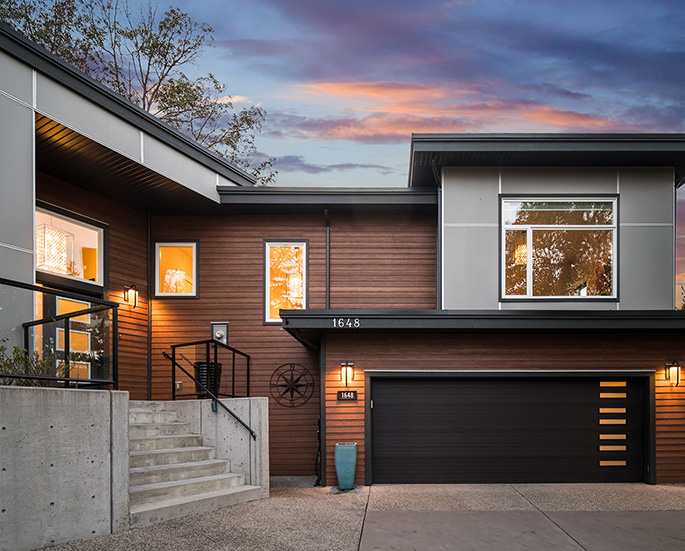
A budget is important, but it should never be the only filter guiding a home search. Many buyers start with a monthly payment or purchase price in mind, then assume the right home will naturally appear within that number. In reality, shopping by budget alone often leads buyers toward the wrong property type, the wrong location, or the wrong compromises. In Greater Victoria’s current market, buyers have more room to compare options and complete due diligence than they did in more competitive years, with 3,261 active listings at the end of March 2026, up 7.9% from March 2025. VREB also noted that today’s market is giving both buyers and sellers more time to make decisions and complete due diligence. The problem is not having a budget. The problem is treating that budget as the full strategy. Mistake 1: Assuming the Cheapest Option Is the Best Value Many buyers focus on finding the most home for the lowest price. On paper, that feels sensible. In practice, it can lead to buying a home that costs less upfront but more over time. A lower-priced property may come with higher strata fees, deferred maintenance, a weaker location, or renovation needs that stretch far beyond the original budget. What looks affordable at first can become more expensive once repairs, updates, insurance, commuting costs, or future resale challenges are factored in. The better question is not, “What is the cheapest home I can buy?” It is, “What gives me the best overall value for how I want to live?” Mistake 2: Ignoring Location to Max Out Square Footage This is one of the most common trade-offs buyers make without fully thinking it through. They chase more bedrooms, a larger yard, or a newer finish, but give up too much in location. That can mean a longer commute, less walkability, fewer nearby amenities, a less suitable school catchment, or a neighbourhood that does not fit their day-to-day life. The home may look better online, but it may feel less practical once real life sets in. In a region made up of many micro-markets, the same budget can buy very different lifestyles depending on whether you are looking in Victoria, Saanich, Langford, or elsewhere. VREB specifically notes that Greater Victoria is a relatively small area made up of many micro-markets with varying conditions and demand. Mistake 3: Shopping at the Top of the Budget With No Cushion Just because a lender approves a certain number does not mean that number is comfortable. Buyers who stretch to the top of their approval range often leave too little room for the rest of ownership. Closing costs, moving expenses, immediate repairs, furniture, utility changes, property taxes, and rising day-to-day expenses can quickly create pressure after possession. A home should support your life, not squeeze it. The strongest buying position is often a budget that still leaves room for flexibility after the keys are in your hand. Mistake 4: Looking Only at Price, Not Monthly Ownership Cost Two homes with the same purchase price can feel completely different financially. A condo may come with strata fees and special assessment risk. A detached home may come with higher utility bills and maintenance costs. An older property may require near-term upgrades. A newer one may reduce maintenance for a while but carry a premium upfront. Buyers who only compare purchase price often miss the real monthly cost of ownership. That is where budget-only shopping starts to break down. Mistake 5: Overlooking Future Resale Appeal When buyers are focused only on what they can afford today, they sometimes forget to ask whether the property will still be attractive when it is time to sell. A home with a challenging layout, limited parking, poor natural light, a busy location, or an unusual strata setup may fit the budget now, but could be harder to move later. Affordability matters, but marketability matters too. This is especially important in a market where buyers have more choice. More inventory means more comparison, which can make weaker listings stand out for the wrong reasons. March 2026 sales in the VREB region were 579, while active listings stood at 3,261, reflecting a market where buyers have selection and can be more selective. Mistake 6: Not Matching the Budget to the Right Property Type Some buyers start with a detached-home goal no matter what their price range supports. Others dismiss condos or townhomes too quickly because they are focused on the biggest possible purchase. That can create frustration and wasted time. In some price points, a well-located condo or townhouse may be the smarter first step than forcing a detached purchase that comes with too many compromises. The right property type depends on your stage of life, timeline, maintenance tolerance, and long-term plan. Budget should inform that decision, but not dominate it. Mistake 7: Treating the Search Like a Spreadsheet Problem Real estate decisions are financial, but they are not only financial. A purely budget-driven search can cause buyers to overlook lifestyle fit, stress level, future plans, and how the home actually functions on a daily basis. The cheapest option is not always the one that creates the most stability or the best next move. Sometimes the smarter buy is smaller, better located, easier to maintain, or more appealing for resale. Sometimes it is not the property that wins the spreadsheet. It is the one that fits your life best. What Buyers Should Do Instead A stronger approach is to build the search around five filters, not just one: budget location property type monthly carrying cost long-term fit When those five pieces are aligned, buyers make clearer decisions and avoid chasing homes that look affordable but are wrong in more important ways. Final Thoughts Budget matters, but it should be the starting point, not the entire plan. The biggest mistakes buyers make when shopping by budget alone usually come down to forgetting that a home is more than a price tag. It is a lifestyle decision, a financial commitment, and a future resale asset all at once. In a market like Greater Victoria, where current conditions are giving buyers more time and more choice, the best results usually come from comparing value more carefully, not just spending more aggressively. If you want help building a search strategy that looks beyond just price, contact Faber Real Estate Group for advice tailored to your budget, lifestyle, and long-term goals. Lindsay R., 5-Star Review, via Google “Scott has been an awesome help finding my condo. He always knew my needs and gave me the right advise every step of the way. Would 10/10 recommend !” Faber Real Estate Group Royal LePage Coast Capital Realty 📞 250-244-3430 📧[email protected] ℹ️ Scott Faber Personal Real Estate Corporation ℹ️ Cal Faber Personal Real Estate Corporation Vanessa Wood, Zachary Parsons, and Sophie Taylor “Building Lasting Relationships, One Home at a Time.”
Read more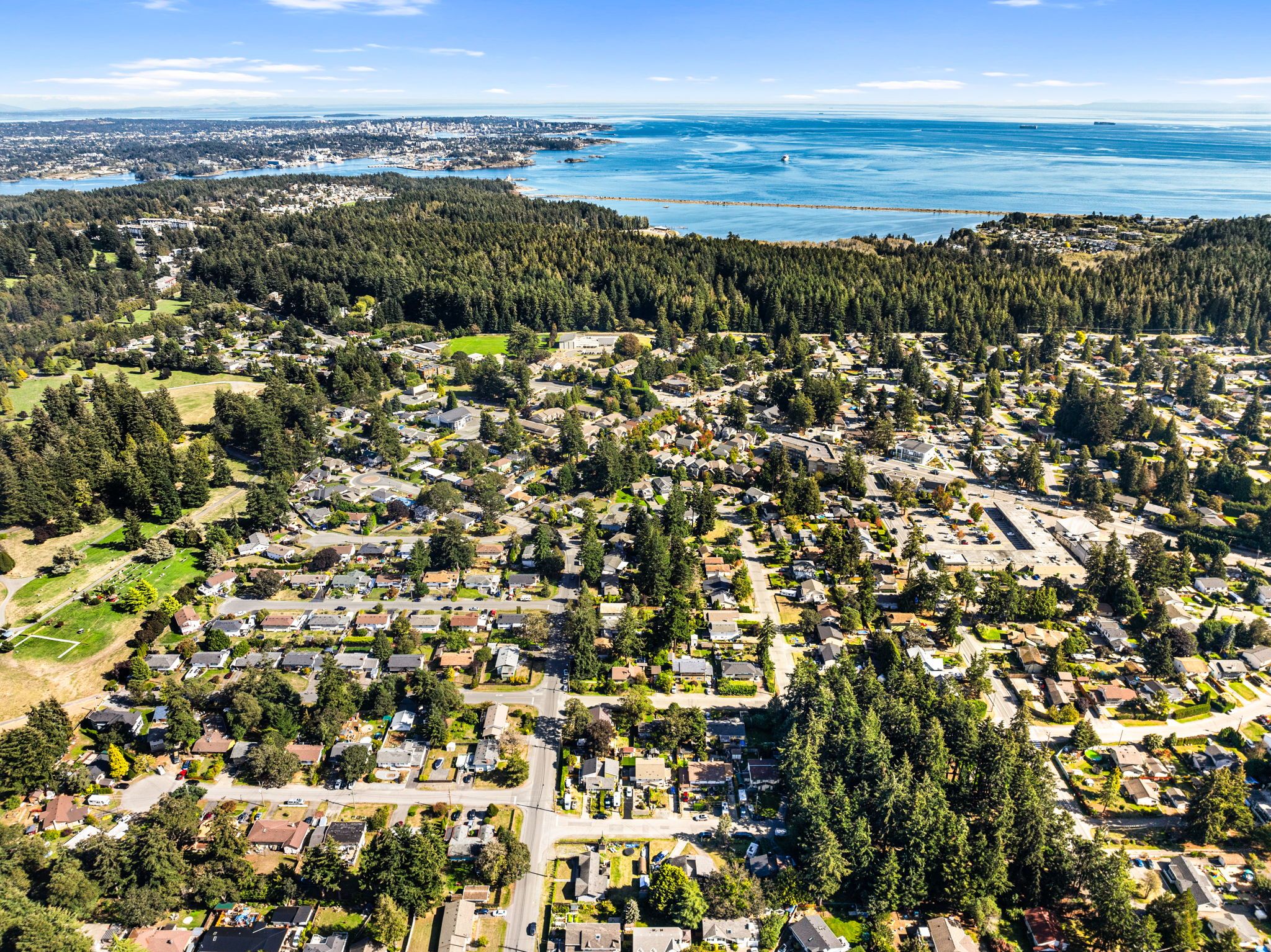
For buyers in Greater Victoria, budget matters, but where you shop matters just as much. The same number can buy a newer condo in one area, an older townhouse in another, or a detached home in a completely different part of the region. That is especially true when comparing Langford, Saanich, and Victoria, where housing stock, neighbourhood feel, and price points can shift quickly from one municipality to the next. The Victoria Real Estate Board reported 3,261 active listings at the end of March 2026, up 7.9% from March 2025, while also noting that Greater Victoria is made up of many micro-markets with different conditions and demand. This is why buyers who only search by price can miss the bigger picture. A $750,000 budget does not mean the same lifestyle in Langford as it does in Saanich or Victoria. In practical terms, your budget is really buying a mix of location, home type, age, condition, and future resale appeal. Langford’s planning direction continues to support a wider range of housing choices, including more mid-rise and ground-oriented homes, while Saanich is actively working to expand housing diversity in established neighbourhoods. Victoria, meanwhile, is made up of 12 distinct neighbourhoods, which helps explain why value can look very different from one pocket to another. Why These Three Areas Feel So Different Langford Langford often gives buyers more square footage and newer construction for the money. Many buyers looking here are trading a longer commute or a different neighbourhood feel for a more modern home, newer strata, or a better chance at ground-oriented living. The city’s current planning framework emphasizes mid-rise and ground-oriented housing choices, which supports that broader range of product. Saanich Saanich tends to sit in the middle. It offers a wide mix of housing, from condos and townhomes to established detached neighbourhoods, but pricing can move up quickly depending on school catchments, lot size, and proximity to key amenities. Its updated planning direction also points toward more housing diversity within existing neighbourhoods. Victoria Victoria usually commands a premium for location, walkability, and lifestyle. Buyers are often paying more for proximity to downtown, the Inner Harbour, Cook Street Village, Fernwood, Fairfield, or other well-known urban neighbourhoods. The City’s neighbourhood structure and evolving housing policy help explain why Victoria often offers less space for the same budget, but stronger lifestyle appeal for buyers who want to be close to the core. What Different Budgets May Buy You Around $500,000 to $650,000 At this level, most buyers are usually focused on condo living. In Langford, this budget can often put you in a newer one-bedroom or two-bedroom condo, sometimes in a more modern building with updated finishes, parking, and better overall building age. In Saanich, this same budget may still work for a condo, but buyers are often choosing between size and age. You may find a larger older suite or a smaller unit in a more desirable pocket. In Victoria, this range often means a condo as well, but the trade-off is usually space. You may buy into a more central and walkable lifestyle, but with less square footage or an older building than you would see in Langford. That lines up with broader market data. In March 2026, the Victoria Core MLS HPI benchmark for a condo was $553,800, while the region-wide average sale price for condo apartments was $634,393. Around $650,000 to $900,000 This is where the comparison starts to get more interesting. In Langford, buyers in this range may start stretching into larger condos, newer townhomes, or older small detached options depending on exact location and condition. In Saanich, this is often townhouse territory, larger condos, or entry-level detached opportunities in select pockets, though detached choices can still be limited. In Victoria, buyers may still be mostly looking at condos, townhomes, or half-duplex style options rather than detached homes, especially if staying close to the urban core is important. Region-wide in March 2026, the average sale price for a row or townhouse was $837,192, which makes this budget range one of the most competitive for buyers trying to move beyond condo living without jumping fully into higher detached-home pricing. Around $900,000 to $1.2 million This is often the transition zone where buyers start deciding between location and home type. In Langford, this budget may open the door to detached homes, including newer or more updated properties, especially when buyers are flexible on exact neighbourhood or lot size. In Saanich, this budget may buy an older detached home, a smaller lot, a home needing updates, or a strong townhouse alternative in a well-established area. In Victoria, this range often still requires compromise for detached housing. Buyers may need to consider smaller homes, more renovation work, duplex options, or moving slightly away from the most sought-after central pockets. That context matters because the Victoria Core single-family benchmark was $1,330,200 in March 2026, while the region-wide average sale price for single-family homes was just over $1.35 million. In other words, a budget around $1 million can still be powerful, but it does not stretch evenly across all three municipalities. Around $1.2 million to $1.6 million Now buyers start seeing a bigger difference in what their money can do. In Langford, this range can often buy a newer detached home with more interior space, a garage, and a family-oriented layout. In Saanich, this may put buyers into an established detached home in a desirable neighbourhood, though age, updates, and lot characteristics still matter a great deal. In Victoria, this budget may buy a detached home in select areas, but many buyers are still choosing between character, condition, parking, and walkability rather than getting all of them at once. This is where buyer strategy becomes more important than headline price. A family focused on space and newer finishings may lean Langford. A buyer focused on long-term neighbourhood stability and central access may prioritize Saanich. A buyer focused on walkability and city lifestyle may still prefer Victoria even if the home itself is smaller or older. Above $1.6 million At this level, all three areas offer more choice, but the type of value still differs. Langford may offer larger and newer detached homes with more modern layouts. Saanich may offer stronger lot value, established streets, and family-oriented neighbourhood appeal. Victoria may offer premium location, character homes, or higher-demand central properties where land and proximity carry more of the value story. For many buyers, this is the budget range where the decision stops being about “Can I buy?” and starts becoming “What kind of life do I want this home to support?” The Real Trade-Off Is Not Just Price The biggest mistake buyers make is assuming that more house always means better value. Sometimes the better move is buying less space in the right location. Sometimes it is buying a newer home with fewer maintenance surprises. Sometimes it is choosing an older home in a strong neighbourhood because the long-term livability is better for your family. The best budget is not the highest one. It is the one that aligns with how you want to live, how long you plan to stay, and how much compromise you are actually comfortable making. Final Thoughts If you are comparing Langford, Saanich, and Victoria, the smarter question is not just what your budget can buy. It is what kind of home, lifestyle, and future flexibility that budget can buy in each area. In today’s market, buyers have more room to compare options and do proper due diligence than they did in more competitive years, but the differences between micro-markets still matter. The right strategy is to compare the same budget across multiple municipalities before committing too early to one path. VREB says current supply and consumer demand have created conditions with less pressure and more time for decision-making, which makes this kind of side-by-side comparison especially worthwhile right now. If you want help comparing what your budget could realistically buy in Langford, Saanich, and Victoria right now, contact Faber Real Estate Group for tailored advice and a clear plan based on your goals. Nilo M., 5-Star Review, via Google “This group have a high level of commitment to help and to put thier client’s need ahead of their personal gain. They deal and engage with integrity and wisdom on how it will work for both the seller and the clients. I experienced it first hand in this crazy and difficult season. We just bought a home at Glanford area, and they are always there for us, every step of the way. They are real and can be trusted.” Faber Real Estate Group Royal LePage Coast Capital Realty 📞 250-244-3430 📧[email protected] ℹ️ Scott Faber Personal Real Estate Corporation ℹ️ Cal Faber Personal Real Estate Corporation Vanessa Wood, Zachary Parsons, and Sophie Taylor “Building Lasting Relationships, One Home at a Time.”
Read more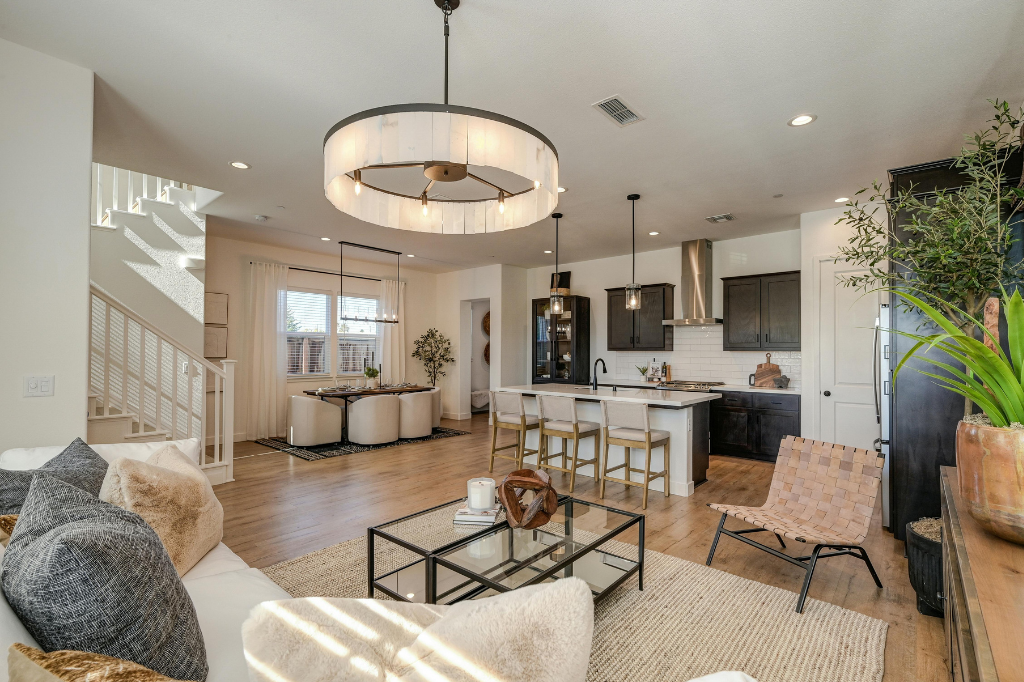
If you are wondering what $1.5 million buys in Greater Victoria, the answer depends less on the number itself and more on where you want to live, what style of home you want, and how much compromise you are willing to make. In today’s market, buyers have more inventory to choose from and more time to compare options, but that does not mean every $1.5 million property offers the same value. In March 2026, the Victoria Real Estate Board reported 579 sales and 3,261 active listings, with Chair Fergus Kyne noting that Greater Victoria is made up of many micro-markets with different conditions and demand. The bigger story is this: $1.5 million can still buy a very good home in Greater Victoria, but the type of home changes sharply by area. That budget sits above the Victoria Core single-family benchmark of $1,330,200, which means buyers are shopping above the benchmark range in some neighbourhoods and below luxury pricing in others. Why $1.5 Million Means Different Things Across Greater Victoria Greater Victoria is not one market. It is a collection of smaller markets, each with its own pricing, lot sizes, housing stock, and buyer demand. VREB’s March 2026 report makes that clear, and it matters a lot when buyers set a budget. At around $1.5 million, buyers are often comparing very different options, such as: an older character home in a prime central location a larger family home in Saanich a newer build in Langford or the Westshore a well-located executive townhome a smaller but premium property in Oak Bay or near the water That is why buyers who focus only on price often miss the bigger question: what kind of lifestyle does that $1.5 million actually buy? In Oak Bay, $1.5 Million Often Buys Location More Than Size In Oak Bay, $1.5 million can buy you into one of Greater Victoria’s most established and desirable neighbourhoods, but it usually does not buy the largest home on the block. Current listings around that price point include a 2-bedroom, 2-bath single-family home on Windsor Road listed at $1.5 million, and another 4-bedroom, 2-bath home on Kinross Avenue listed at $1.399 million. What that tells buyers is simple: in Oak Bay, a big part of the value is tied to the neighbourhood itself. You are often paying for walkability, prestige, established streets, school catchments, and long-term desirability. The trade-off may be less square footage, older construction, or future renovation needs. In Saanich, $1.5 Million Usually Buys More House Move into parts of Saanich and that same budget often stretches further. Around $1.5 million, buyers may find larger family homes with more bedrooms, more updated interiors, or larger lots. For example, a current Cadboro Bay area listing at 2615 Arbutus Road is priced at $1.5 million and offers 4 bedrooms and 4 bathrooms. This is where the $1.5 million price point becomes attractive for move-up buyers. Instead of paying primarily for a marquee postal code, buyers may be able to secure more usable living space, better functionality for families, or a property that works longer term. In Victoria Proper, It Can Mean Character, Centrality, or Flexibility Closer to central Victoria, $1.5 million can buy a home with more urban convenience, access to amenities, and in some cases income or multi-generational potential. One current Jubilee-area listing at 1790 Denman Street is priced at $1.5 million and offers 5 bedrooms and 3 bathrooms. That points to an important theme in this price range: some buyers are not just buying a home, they are buying flexibility. At $1.5 million, a property might offer space for extended family, a home office setup, or room to adapt over time. In neighbourhoods closer to the core, that flexibility can be just as valuable as finishings. In Langford and the Westshore, Buyers Often Get More Modern Features In the Westshore, especially Langford, $1.5 million often buys newer construction, more modern layouts, and more finished square footage compared with older central neighbourhoods. This part of the market tends to appeal to buyers who care about newer systems, open-concept design, energy efficiency, and less immediate maintenance. The trade-off is usually not inside the home. It is location, commute, and lot character. For many buyers, though, that is a trade worth making. If the goal is maximum house for the money, newer inventory, and family-friendly design, this price point can go further in the Westshore than it does in Victoria Core or Oak Bay. Current REALTOR.ca results also show substantial listing inventory in Langford, reflecting that buyers have real choice right now. In Sidney and the Peninsula, It Often Buys Lifestyle and Ease For Peninsula buyers, $1.5 million may buy a smaller but polished home, a well-kept rancher, or a downsizing option in a strong location. In these areas, the appeal often comes from walkability, proximity to the water, a quieter pace, and easy everyday living. This price point can be especially relevant for downsizers selling larger homes elsewhere in Greater Victoria. Instead of chasing maximum square footage, many are using this budget to buy simplicity, quality, and convenience. What Buyers Should Really Expect at This Price Point The mistake many buyers make is assuming $1.5 million guarantees a dream home everywhere. It does not. What it does buy is option value. At this level, buyers can usually choose between: better location more square footage newer condition income potential or flexibility lower-maintenance lifestyle But rarely all five at once. That is the real story behind what $1.5 million buys in Greater Victoria. It is enough to enter a wide range of strong neighbourhoods, but not enough to avoid trade-offs. The smart move is not asking, “What is the best home for $1.5 million?” The better question is, “Which version of $1.5 million fits my life best?” The Market Context Matters Too This is also a useful price point in the current market because inventory has been rising. VREB reported 3,261 active listings at the end of March 2026, up 12.3 per cent from February and 7.9 per cent from March 2025. That gives buyers more room to compare neighbourhoods, property types, and condition before acting. That said, more choice does not automatically make decisions easier. It often creates more second-guessing. Buyers with a $1.5 million budget still need to be clear on what matters most: location, lot, age, layout, schools, rental flexibility, or long-term resale. Final Thoughts If you are trying to understand what $1.5 million buys in Greater Victoria, the answer is not one home. It is a range of possibilities shaped by neighbourhood, property type, and priorities. In some areas, it buys charm and location. In others, it buys size and newer finishings. In others, it buys lifestyle and simplicity. That is why the best buying strategy at this price point starts with clarity, not just budget. If you want help comparing what $1.5 million could buy in different Greater Victoria neighbourhoods, contact Faber Real Estate Group for tailored advice and a clear plan based on your goals. Michael F., 5-Star Review, via Google “If you want the best in town, stop your search – you've found them here in Cal and Scott Faber. We couldn't be happier with the results and highly recommend them to anyone in need of top-notch real estate services. Professional, patient, and caring results guaranteed.” Faber Real Estate Group Royal LePage Coast Capital Realty 📞 250-244-3430 📧[email protected] ℹ️ Scott Faber Personal Real Estate Corporation ℹ️ Cal Faber Personal Real Estate Corporation Vanessa Wood, Zachary Parsons, and Sophie Taylor “Building Lasting Relationships, One Home at a Time.”
Read more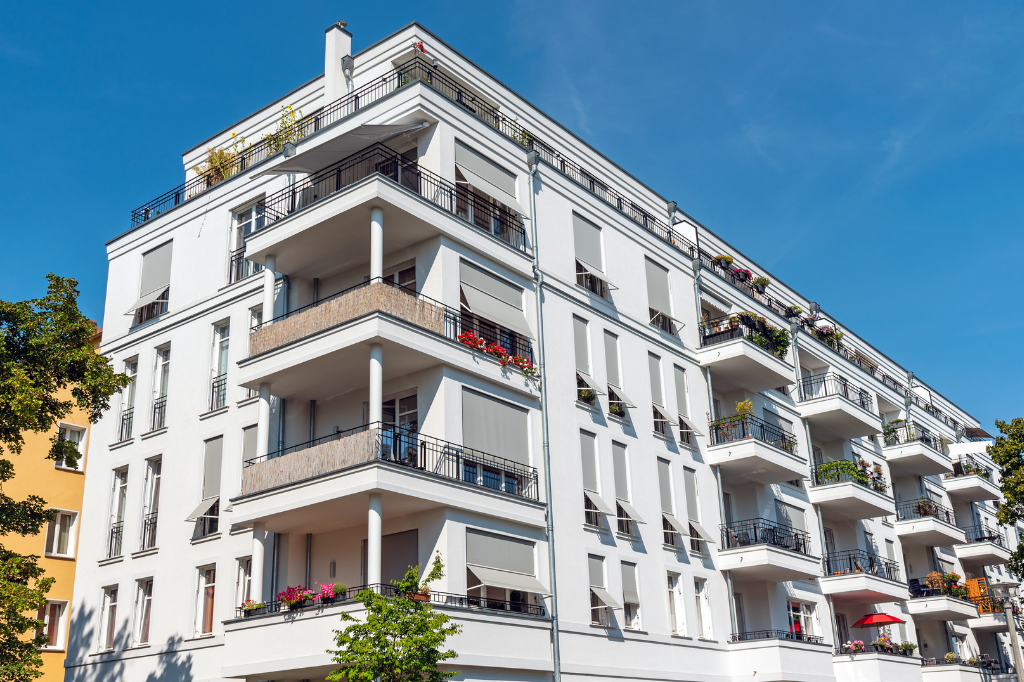
If you are asking what can $800k buy you in Greater Victoria, the answer depends less on the headline market and more on where you want to live, what type of property you want, and how flexible you are on age, size, and condition. In today’s market, $800,000 can still open real options, but it buys very different lifestyles depending on whether you are shopping in the Westshore, core Victoria, or the Saanich Peninsula. That matters because the market is offering buyers more choice than it did a few years ago. In March 2026, the Victoria Real Estate Board reported 579 sales, up 24.5% from February but 5.5% below March 2025, while active listings rose to 3,261, up 12.3% month over month and 7.9% year over year. At the same time, Victoria Core benchmark prices sat at $1,330,200 for a single-family home, $848,500 for a townhome, and $553,800 for a condo. That gives useful context: at $800,000, buyers are generally below the benchmark for detached homes in the core, close to the benchmark for townhomes, and well above the benchmark for many condos. Why $800K Means Different Things in Different Areas Greater Victoria is really a collection of micro-markets. A buyer with an $800,000 budget is not shopping one market. They are choosing between trade-offs. In simple terms: Want more square footage? Westshore usually gives you more. Want walkability and central location? Core Victoria often means condo or older townhome. Want detached potential? You may need to look farther out, accept a smaller home, or take on updates. Want a lower-maintenance lifestyle? This budget is still strong in the condo market. What $800K Usually Buys in Different Parts of Greater Victoria Langford and Westshore This is still one of the strongest areas for value at this price point. Around $800,000, buyers can often find: A newer 2- to 3-bedroom townhome A compact detached home on a smaller lot A larger condo with newer finishes and amenities This is why Langford remains attractive for first-time buyers, upsizers on a budget, and buyers who want newer construction without crossing into core Victoria pricing. Faber Group’s own recent neighbourhood comparison notes that $800,000 in Langford typically buys a newer townhome, a small detached home, or a large modern condo. Esquimalt Esquimalt often sits in an interesting middle ground. At this budget, buyers may find: A well-located townhome A larger condo in a solid building The occasional smaller detached home, half-duplex, or older property needing work For buyers who want to stay close to downtown without paying Fairfield or Oak Bay pricing, Esquimalt can be one of the more practical options. Saanich East and Gordon Head At $800,000, this budget becomes tighter in many East Saanich neighbourhoods. Buyers are more likely to be looking at: Older townhomes Larger condos Smaller detached homes in original condition, when available Faber Group’s local comparison notes that in Gordon Head and Saanich East, $800,000 often means an older townhome, a condo near UVic, or a detached home that needs updates rather than a move-in-ready family house. James Bay and Victoria Core If your goal is walkability, restaurants, downtown access, and a lower-maintenance lifestyle, $800,000 can still go a long way here, just usually not toward detached housing. Typical options may include: A spacious condo in a concrete building A renovated two-bedroom condo Select townhomes, depending on building and location In James Bay especially, this budget often buys lifestyle more than land. That can be a smart trade for downsizers, professionals, or buyers who want to live close to the Inner Harbour and Dallas Road. Fairfield Fairfield is one of those neighbourhoods where $800,000 buys access, not abundance. Buyers are usually looking at: Smaller condos Garden-level or older units Select townhomes or leasehold opportunities Detached character homes in Fairfield generally sit well above this range, so buyers need to be realistic about what the budget is buying here: location, charm, and walkability. Sidney and the Saanich Peninsula In Sidney, $800,000 can still be competitive, but buyers are often choosing between: A quality condo with good square footage A townhome A smaller or older detached option, depending on exact location and condition This area tends to attract downsizers and buyers focused on lifestyle, walkability, and proximity to the waterfront, airport, and ferries. What Buyers Need to Watch at This Price Point An $800,000 budget can create opportunity, but it also creates decision pressure because the options vary so much. The right buy is often less about the list price and more about the full package. Key things to watch: Property type: Condo, townhome, half-duplex, and detached homes each come with different long-term costs. Strata fees: A lower purchase price can be offset by high monthly fees. Condition: Older detached homes may need roof, windows, plumbing, or electrical work. Location trade-offs: More space often means moving farther from the core. Resale strength: Walkability, school catchments, transit, and layout still matter at every price point. The Bigger Picture The current market is giving buyers more breathing room than the high-pressure conditions of recent years. With active listings up and inventory giving people more choice, buyers at the $800,000 price point have room to compare neighbourhoods and think more carefully about the lifestyle they actually want. That said, this is still not a one-size-fits-all budget. In some parts of Greater Victoria, $800,000 buys a very comfortable townhome or condo. In others, it may only buy an entry point. The smartest move is to decide first what matters most to you: space, location, condition, or future upside. Final Thoughts So, what can $800k buy you in Greater Victoria? In most cases, it buys choice, but not the same kind of choice everywhere. In the Westshore, it may mean more home for the money. In core Victoria, it often means a strong lifestyle property. In tighter neighbourhoods, it may mean getting creative on property type or condition. If you want help comparing where $800,000 will stretch the furthest based on your goals, contact Faber Real Estate Group for advice on the best-fit neighbourhoods and current opportunities across Greater Victoria. Rose, 5-Star Review, via Google “Terrific team. Cal and Vanessa were knowledgeable, patient, and listened to what our needs and concerns were. Vanessa was a ray of sunshine in an often grey winter house hunt.” Faber Real Estate Group Royal LePage Coast Capital Realty 📞 250-244-3430 📧[email protected] ℹ️ Scott Faber Personal Real Estate Corporation ℹ️ Cal Faber Personal Real Estate Corporation Vanessa Wood, Zachary Parsons, and Sophie Taylor “Building Lasting Relationships, One Home at a Time.”
Read more
If you have been waiting for the right time to buy, the current Victoria real estate market deserves a closer look. The opportunity right now is not really about chasing a dramatic price drop. It is about something more practical: more choice, more negotiating room, and more time to make careful decisions than buyers have had in years. In Greater Victoria, 579 properties sold in March 2026 while active listings climbed to 3,261, creating a sales-to-active-listings ratio of about 17.8 per cent. That sits at the low end of the Victoria Real Estate Board’s balanced-market range and points to a market that feels far more manageable for buyers than the high-pressure conditions many remember. That matters because the best buying opportunities do not always show up when prices are falling sharply. In Victoria, benchmark prices have stayed relatively steady. The Victoria Core benchmark for a single-family home was $1,330,200 in March 2026, down 1.1 per cent from a year earlier, while the benchmark condo value was $553,800, down 0.8 per cent year over year. Prices have softened only modestly, but the bigger shift is that buyers now have more room to think, compare, and negotiate. More Inventory Changes the Conversation For a long time, many buyers in Greater Victoria felt pushed into fast decisions. Low inventory, tight timelines, and heavy competition created an environment where hesitation could mean missing out. That is not what this market looks like today. Active listings were up 7.9 per cent year over year at the end of March, and the Victoria Real Estate Board described current conditions as offering plentiful opportunity for both buyers and sellers, with fewer high-pressure transactions and more time for due diligence. That shift matters. More inventory does not guarantee a deal on every property, and it does not mean sellers have lost all leverage. What it does mean is that buyers can be more selective about location, layout, condition, and long-term fit. They can compare several options instead of forcing one property to work simply because there are no alternatives. In practical terms, that often leads to better decisions. A Better Buying Setup Does Not Mean an Easy Market Balanced conditions are different from a distressed market. Buyers still need to be realistic about pricing, financing, and the fact that well-positioned homes can attract strong interest. But balanced conditions do create a healthier process. The market is still active, with March sales up 24.5 per cent from February, yet the supply side remains strong enough to reduce some of the urgency that defined earlier years. That combination gives prepared buyers a better chance to move strategically instead of emotionally. This is where many people misread the market. They assume a good time to buy only happens when prices are falling hard or headlines sound negative. In reality, some of the strongest buying windows happen when prices are relatively stable but buyers gain better access to inventory and better negotiating conditions. That is much closer to what Victoria looks like right now. Why Breathing Room Matters So Much The real advantage in today’s market is not that every home is cheap. It is that buyers can act with more discipline. They can book an inspection without feeling rushed. They can review strata documents or title details more carefully. They can negotiate on price, dates, or conditions with more confidence. And they can walk away from the wrong property without feeling like they have lost their only chance. VREB has explicitly noted that current supply and demand levels are allowing both sides of the sale to make decisions and undertake due diligence with less pressure. That breathing room can be especially valuable for first-time buyers, upsizers, downsizers, and anyone trying to buy with a plan rather than from fear of missing out. A more workable market does not remove risk, but it does improve the quality of decision-making. Prepared Buyers Still Have the Advantage A better market for buyers still rewards preparation. The strongest buyers in this environment are the ones who understand their financing, know their comfort level, and have clarity around what matters most in a home. When the right property comes up, they can act decisively. When a property is overpriced or not the right fit, they can step back without panic. That is one of the biggest changes from the urgency-driven market many buyers still have in mind. This market is less about reacting fast and more about recognizing value clearly. Buyers who are organized and informed can use these conditions to make smarter, more confident decisions. A Smart Way to Think About Buying in 2026 Instead of asking whether everything feels perfect right now, a better question is whether conditions are more favourable for buyers than they have been in recent years. In Greater Victoria, the answer is increasingly yes. Inventory remains healthy, prices have been relatively steady, and the market is giving buyers more space to compare options and negotiate thoughtfully. Provincially, BCREA said inventory is running near its highest level in over a decade, with just over 40,000 homes for sale across BC, which should help keep broader market conditions balanced through 2026. That does not mean every buyer should rush into the market. But for people who are financially ready and planning for the long term, this may be one of the more practical buying windows Victoria has offered in a while. Not because the market is weak, but because it is more balanced, more navigable, and less driven by pressure. Final Thoughts The current market will not be the right fit for every buyer. But for those who are prepared, patient, and focused on long-term goals, today’s Victoria market may offer something that has been missing for a long time: more selection, less frenzy, and a better chance to buy with clarity. If you want help building a smart buying plan in today’s market, contact Faber Real Estate Group for advice on where the real opportunities are in Greater Victoria. Wilson, 5-Star Review, via Google “Amazing people there! They will help you through the entire process and will always make you feel like family. For those first time home buyers, don't be intimidated entering the market because they will explain every process and guide you through.” Faber Real Estate Group Royal LePage Coast Capital Realty 📞 250-244-3430 📧[email protected] ℹ️ Scott Faber Personal Real Estate Corporation ℹ️ Cal Faber Personal Real Estate Corporation Vanessa Wood, Zachary Parsons, and Sophie Taylor “Building Lasting Relationships, One Home at a Time.”
Read more
For Saanich house buyers, the biggest story is not one single rule. It is the combination of planning changes, density rules, buyer tax thresholds, and transit-focused growth that could change what is available, where new housing appears, and how buyers think about value in 2026. Saanich is already working under an updated Official Community Plan adopted on May 7, 2024, and the municipality is now moving through more detailed housing and growth implementation steps. The practical takeaway is simple: if you are planning to buy a detached home in Saanich, you now need to think about more than the house itself. You also need to think about the lot, the zoning, proximity to major transit, redevelopment potential nearby, and whether your purchase still fits within current tax exemption thresholds. Those details can affect both your competition today and your resale position later. Why This Matters More in 2026 Saanich has been given a provincial housing target of 4,610 net new completed homes over five years, and the municipality says that target includes tripling permit volume over that period. At the same time, Saanich’s Housing Strategy now runs with a 10-year framework, and its 2026-2028 Priorities Plan lays out the next phase of actions to improve housing outcomes. That means buyers should expect continued pressure for more housing supply, faster approvals, and more change in established neighbourhoods than they may have seen in the past. For buyers, that does not automatically mean lower prices. What it often means first is more variation. One street may still feel mostly unchanged, while another nearby could see townhomes, houseplexes, or higher-density projects become part of the long-term picture. 1) Small-Scale Multi-Unit Housing Is Changing What a “House Lot” Means One of the biggest shifts is B.C.’s small-scale multi-unit housing framework. The Province requires local governments to allow at least: 3 units on parcels 280 m2 or smaller 4 units on parcels larger than 280 m2 6 units on qualifying larger lots near frequent bus service These requirements apply in single-family and duplex zones unless the zone already allows three or more units. For Saanich house buyers, this matters in a few ways: Some detached homes will become more attractive because of future infill potential Nearby lots may hold redevelopment value even if the current home looks modest Buyers may start paying more attention to frontage, lot size, servicing, access, and transit proximity Traditional “single-family feel” may change over time in some areas This does not mean every Saanich block is suddenly turning into a townhouse corridor. It does mean the value of land and the value of a house are separating more clearly in certain pockets. A buyer who understands that distinction can make a much stronger decision than one who shops on cosmetics alone. 2) Transit-Oriented Areas Could Reshape Some Saanich Locations Faster Saanich’s Transit-Oriented Area rules are already in effect. The municipality identifies four provincial transit-oriented areas in Saanich: Uptown exchange, Royal Oak exchange, UVic exchange, and VGH exchange. Within these areas, provincial legislation governs density, height, and residential parking rules. The key details are important: Lands within 200 m and 400 m of prescribed transit stations must be designated as TOAs Within these TOAs, the Province sets minimum density and height requirements Within 400 m, local governments cannot require minimum off-street residential parking, except accessible parking In Saanich, zoning bylaw amendments reflecting these parking changes were adopted on June 10, 2024 For buyers, this could affect value in two opposite ways. First, homes near these areas may benefit from stronger long-term land value and improved convenience. Second, buyers who want a quieter, lower-density setting may need to be more selective about where they buy and how close they are to a transit exchange. A detached house near a major transit node may become more desirable to one buyer and less desirable to another. That is why location analysis in Saanich is becoming more nuanced, not less. 3) The Shelbourne Valley Plan Could Change Buyer Expectations in That Corridor One of the most active planning conversations right now is the Shelbourne Valley Plan. On March 2, 2026, Saanich confirmed that the proposed updated plan is moving to a public hearing later this year. Council moved it forward with three amendments: changing the “Shelbourne Valley Centre” designation to Shelbourne Valley Village reducing the maximum building height in that area from 12 storeys to 6 storeys extending the northern boundary to designate selected properties as Urban Townhomes between Shelbourne Street and Lambrick Park Secondary School strengthening watershed-related guidance and measurable outcomes For buyers looking in or near Shelbourne, Cedar Hill, or UVic-adjacent pockets, this matters because it speaks to where future growth may go and what form that growth may take. In plain terms, the corridor is still moving toward more housing, but the shape of that growth is being refined. Buyers who want to be ahead of change should watch this area closely, especially if they care about future walkability, transit access, redevelopment potential, or neighbourhood character. 4) First-Time Buyer Tax Rules Still Matter, Especially in Saanich Price Ranges Many buyers focus heavily on mortgage rates and monthly payments, but the property transfer tax still matters. In B.C., the first-time home buyers’ exemption currently works like this: if the fair market value is $500,000 or less, an eligible buyer can claim a full exemption equal to the full amount of property transfer tax from over $500,000 to $835,000, the exemption amount is $8,000 from over $835,000 to under $860,000, the exemption is reduced proportionally That matters in Saanich because many detached homes trade well above those thresholds. For some buyers, that means the first-time buyer tax break may be more realistic on a condo, townhome, or smaller entry-level property than on a detached house. In other words, government thresholds can quietly shape what “smart entry point” means. There is also a separate newly built home exemption in B.C. with a full exemption up to $1,100,000 and a phase-out to $1,150,000 for qualifying purchasers. That can make certain new-build options more competitive than buyers assume at first glance. 5) The Home Buyer Rescission Period Still Changes Offer Strategy The Home Buyer Rescission Period is not new in 2026, but it remains an important part of how buyers should approach offers in Saanich and across B.C. BCFSA states that buyers have up to three business days after acceptance to rescind an offer on a home, excluding weekends and holidays. If they rescind, they must pay the seller a fee. This affects buyer behaviour because it changes the psychology of writing an offer. Some buyers feel more protected. Others underestimate the financial consequence of changing course. A rushed decision can still be expensive. In a market where inventory has improved and buyers often have more choice than they did a few years ago, disciplined due diligence still matters more than impulse. 6) Saanich’s Broader Housing Push Could Affect Competition and Opportunity Saanich’s housing work is not just about rezoning. The municipality has also tied its strategy to implementation tools such as the Housing Accelerator Fund. Saanich says it received nearly $15 million over four years through the federal Housing Accelerator Fund and is aiming to permit 1,727 new homes through the program period. That matters because faster approvals and more housing forms can gradually create more choice. For buyers, more choice can mean: less pressure to overreact better ability to compare neighbourhoods and product types more alternatives between condo and detached more emphasis on long-term suitability instead of short-term panic At the same time, added supply rarely arrives all at once. The likely reality is uneven change: some buyers will find better options, while others will still face competition for well-priced detached homes in established Saanich neighbourhoods. 7) Investors and Second-Home Buyers Should Also Watch Tax Changes For investors or buyers considering underused property, the speculation and vacancy tax is another factor to watch. The Province states that for 2026 and subsequent years, the rate is 3% for foreign owners and untaxed worldwide earners, and 1% for Canadian citizens or permanent residents who are not untaxed worldwide earners, where the tax applies. This will not affect every Saanich house buyer. But it can affect some ownership decisions, especially for buyers thinking about part-time use, empty homes, or more complex ownership structures. That matters because rules aimed at unused housing can influence both carrying costs and investment behaviour. What Saanich House Buyers Should Do Now The biggest mistake buyers can make is treating all of Saanich as if it is moving in one direction. It is not. Some pockets are more affected by transit-oriented growth. Some are more exposed to infill change. Others may remain relatively stable in character while still benefiting from broader supply improvements. A stronger approach is to ask five better questions before you buy: Is this property mainly a home value play, a land value play, or both? Is it near a transit-oriented area or frequent bus service that could change future density? Would nearby redevelopment improve convenience or change the feel of the street in ways that matter to me? Am I relying on a tax exemption that may not apply to the property type or price range I want? If I buy here, will this location still make sense for me in five to ten years as Saanich continues to grow? That is the real shift in 2026. Buyers are no longer just choosing between house A and house B. They are choosing between different planning contexts, different long-term neighbourhood trajectories, and different financial trade-offs. Final Thoughts For Saanich house buyers, the upcoming changes are less about one dramatic moment and more about a steady reset in how housing, land, and neighbourhood value will be understood. Provincial density rules, transit-area growth, evolving local plans, and tax thresholds are all shaping the next version of Saanich. Buyers who understand those layers will be in a much better position to buy with confidence instead of reacting late. Hilary M., 5-Star Review, via Google “Scott and the rest of the team at the Faber Real Estate Group are fantastic! Scott went above and beyond to find us the perfect property that checked all the boxes. He was extremely attentive and professional and made the entire process very enjoyable. His extensive experience in the real estate industry helped us to choose a property that suited us and he was able to give us lots of helpful insight throughout our experience. Highly recommend to anyone in need of a trustworthy, knowledgeable real estate agent.” Faber Real Estate Group Royal LePage Coast Capital Realty 📞 250-244-3430 📧[email protected] ℹ️ Scott Faber Personal Real Estate Corporation ℹ️ Cal Faber Personal Real Estate Corporation Vanessa Wood, Zachary Parsons, and Sophie Taylor “Building Lasting Relationships, One Home at a Time.”
Read more
When you’re evaluating where to buy in the Greater Victoria, Saanich, or Westshore markets, understanding municipal property tax differences is an often-overlooked but highly relevant financial factor. Two homes with identical assessed values can lead to noticeably different tax bills year-to-year depending on the municipality — so knowing how rates stack up can influence both your upfront cost estimates and your long-term ownership costs. How Property Taxes Work in BC In British Columbia, municipal property taxes are calculated by multiplying the assessed value of your home by the municipal tax rate (mill rate). The assessment comes from BC Assessment and reflects market value as of July 1 prior to the tax year. Your total tax bill isn’t just the municipal share — it also includes levies collected for: Provincial school tax Capital Regional District (CRD) services Hospital district Transit Other local bodies Municipal budget decisions — such as infrastructure spending or service levels — directly influence the mill rate required to generate revenue. If assessments rise faster than the municipal budget, mill rates can stay stable or even decrease; if budgets grow faster than total assessed value, mill rates must increase. A municipality’s tax strategy often reflects local priorities and spending choices. Greater Victoria Municipal Property Tax Rates: A Snapshot Not all municipalities in Greater Victoria tax at the same rate. Based on available comparative data: Tax Rate Rankings (2022–2024 era) Lower tax rate municipalities: North Saanich generally sits near the lower end of regional property tax rates. View Royal often has lower mill rates compared with urban centres. Mid-range: Colwood and Langford in the Westshore tend to have moderate local municipal tax rates, but totals depend on other levies and assessment levels. Higher tax rate municipalities: Victoria and Central Saanich have among the higher municipal property tax rates within the region. Saanich typically shows a comparatively high effective tax burden. Differences matter: in a sample compiled by a brokerage, a $1 million home in Victoria would yield roughly $174 more in taxes than the same value home in Saanich, and a home in Colwood would pay about $645 more than in View Royal — purely based on rate spreads. (Note: precise current rates change annually with budgets and assessments. Always check municipal tax rate bylaws or use online tax calculators for exact figures for a given year.) Recent Trends: Rate Increases & Budget Pressures Municipalities across Greater Victoria have grappled with tax increases over recent years, driven by rising costs for core services, infrastructure renewals, and public safety: Saanich approved property tax increases near 8% in 2025, adding hundreds of dollars to the average homeowner bill. Langford has proposed significant tax hikes in multi-year financial plans to support rapid growth and expanding service demand. Regional increases by the Capital Regional District (CRD) also factor into total bills, with projected increases varying across municipalities depending on the services used (e.g., 4.1% for Victoria vs 7.7% for Langford for CRD requisitions in 2025). These upward pressures mean that even if a municipality historically had a lower tax rate, the year-to-year changes can shift relative burden across communities. Why These Differences Matter for Buyers 1. Annual Carrying Cost If you’re budgeting for homeownership, property taxes are a predictable recurring cost tied directly to your assessment and municipal priorities. A difference of a few hundred to a few thousand dollars annually can impact: Mortgage affordability Monthly cash flow Long-term cost projections for investment or retirement planning 2. Comparing Similar Homes Across Municipalities Two homes with equal market value — one in Saanich and one in Langford or Colwood — could result in: Different quarterly tax bills Different services received for that tax dollar (e.g., recreation, policing, parks) This can be a tiebreaker for buyers evaluating multiple locations in the region. 3. Growth and Future Tax Outlook Municipalities at different stages of development (e.g., fast-growing Langford vs more established Saanich or Victoria) may adopt differing strategies on whether to keep taxes low for growth incentives or invest in services and infrastructure. Howard P., 5-Star Review, via Google “Cal and Scott Faber are authentic and trustworthy and give it to you straight up. They take the time and the attention to learn about your needs and then find the home that fits them. Our experience with Cal and Scott Faber was exceptional. They didn't just provide great service, they demonstrated a genuine concern for our best interests, making us feel truly valued. They will do their best to find the home that fits your lifestyle and needs. I heartily recommend Cal and Scott.” Faber Real Estate Group Royal LePage Coast Capital Realty 📞 250-244-3430 📧[email protected] ℹ️ Scott Faber Personal Real Estate Corporation ℹ️ Cal Faber Personal Real Estate Corporation Vanessa Wood, Zachary Parsons, and Sophie Taylor “Building Lasting Relationships, One Home at a Time.”
Read more
Pets play a bigger role in homebuying than ever, especially in pet-friendly communities like Victoria, BC. In 2026, many buyers are no longer shopping just for themselves. They are also prioritizing the needs of their dogs, cats, and other companions when choosing where and what to buy. With pet ownership remaining high across Canada, homes that support a pet-friendly lifestyle continue to stand out in a balanced market. From neighbourhood selection to home features, pets are shaping buyer decisions in meaningful ways. Why Pets Matter More to Buyers Today For many households, pets are family. Buyers are increasingly willing to pass on otherwise ideal homes if they do not work for their animals. This shift has influenced everything from location choices to floor plans, particularly in Greater Victoria, where access to outdoor space is highly valued. In 2026, buyers are taking advantage of higher inventory levels in areas like the Westshore to be more selective. That often means holding out for homes that offer better layouts, outdoor access, or nearby trails that support an active lifestyle for both people and pets. Neighbourhood Choices Driven by Pet Needs Location is one of the biggest decision points for pet owners. Buyers often look for neighbourhoods with nearby walking trails, parks, and green space. In Victoria, access to areas like the Galloping Goose Trail, Beacon Hill Park, and local dog parks can heavily influence where buyers focus their search. Strata and HOA rules also play a major role. Restrictions on pet size, number, or breed can be deal-breakers, particularly for condo and townhome buyers. As a result, some pet owners gravitate toward freehold homes or newer developments with more flexible pet policies. Home Features Pet Owners Prioritize Pets often push buyers toward homes with more functional space. Common must-haves include fenced yards, easy outdoor access, and durable flooring that can handle wear and tear. Mudrooms, lower-level entries, and layouts that allow pets to move easily through the home are also appealing. In markets like Saanich, Langford, and Oak Bay, homes with usable yards or proximity to parks tend to attract strong interest from pet owners. Even smaller homes can appeal if the layout works well and outdoor amenities are close by. Budget and Long-Term Planning Pets also influence budgeting decisions. Buyers may factor in ongoing pet-related expenses when determining their comfort level with monthly payments. In a buyer-friendly 2026 market, this can work to their advantage, allowing more room to negotiate on homes that already meet their needs rather than budgeting for renovations later. That said, buyers still remain cautious. Signs of past pet damage can raise concerns, making inspections especially important for both pet owners and non-pet owners alike. Tips for Buying a Home With Pets in Mind If pets are part of your household, start by identifying your non-negotiables, whether that is yard space, trail access, or flexible pet rules. Work with a local agent who understands which neighbourhoods and property types tend to be more pet-friendly. Always review strata bylaws carefully and include inspections to check for potential issues. Pets are no longer an afterthought in the homebuying process. In Victoria’s 2026 market, aligning your home search with your pet’s needs can make a significant difference in long-term comfort and satisfaction. Ready to find a home that works for you and your pet? Contact us to discuss pet-friendly options and how to tailor your search across Greater Victoria. Nicholas D., 5-Star Review, via Google “Scott is an awesome realtor and real estate advisor. He got me all the information I needed incredibly quick and helped me make an informed buying decision. Couldn’t have done it without him and 10/10 will be recommending him to my friends and family! There are thousands of realtors on the island, but Scott and his team are by far the best” Faber Real Estate Group Royal LePage Coast Capital Realty 📞 250-244-3430 📧[email protected] ℹ️ Scott Faber Personal Real Estate Corporation ℹ️ Cal Faber Personal Real Estate Corporation Vanessa Wood, Zachary Parsons, and Sophie Taylor “Building Lasting Relationships, One Home at a Time.”
Read more
Buyer’s remorse is a common concern for homebuyers, especially in a market like Victoria, BC where prices remain high even in a balanced 2026 environment. Learning how to avoid buyer’s remorse in Victoria, BC starts with preparation, realistic expectations, and the right guidance. With more inventory available across the Westshore, Oak Bay, and Saanich, buyers now have the opportunity to make confident, well-considered decisions. Get Clear on Your Budget Before You Shop Financial stress is one of the biggest causes of buyer’s remorse. A mortgage pre-approval helps define your true price range and accounts for the stress test. It also locks in your rate for up to 120 days. To stay comfortable long-term: Shop 10 to 20 percent below your maximum approval Budget 1 to 4 percent of the home’s value annually for maintenance Plan for closing costs, which typically run 1.5 to 4 percent in Victoria This buffer gives you flexibility and peace of mind after possession day. Separate Must-Haves From Nice-to-Haves Emotion can creep in quickly during showings. Creating a clear list keeps decisions grounded. Focus on: Bedrooms and layout that fit your lifestyle Commute times and access to schools or transit Outdoor space, storage, or work-from-home needs Features like high-end finishes are appealing, but they should not outweigh long-term functionality. Research the Neighbourhood, Not Just the House Even a great home can lead to regret if the location does not fit your lifestyle. Visit the neighbourhood at different times of day and on weekends. Pay attention to noise, traffic, parking, and overall activity. In Victoria, each area offers a different feel. Fairfield, Langford, Colwood, and Oak Bay all appeal to different buyers. Understanding that difference helps you avoid buyer’s remorse after you move in. Never Skip the Inspection or Rush the Process A home inspection is essential, even in a competitive market. It can uncover issues that affect both your budget and your comfort in the home. Take time to: View the property more than once Ask detailed questions Bring in specialists for older or character homes when needed Rushing often leads to overlooked details and later regret. Work With Experienced Local Professionals A knowledgeable local REALTOR helps you spot red flags, understand value, and negotiate effectively. A good mortgage broker and real estate lawyer also play a critical role in reducing surprises. In a buyer-friendly 2026 market, you can afford to slow down and compare options. If something does not feel right, it is okay to walk away. Quick Tips to Avoid Buyer’s Remorse Get pre-approved early and respect your budget Prioritize needs over cosmetic upgrades Research neighbourhoods thoroughly Always complete a home inspection Take your time and trust the process Avoiding buyer’s remorse in Victoria, BC comes down to clarity, patience, and the right advice. Ready to buy with confidence? Contact us to discuss how these strategies can support your home search and help you feel good about your decision long after you move in. Wilson, 5-Star Review, via Google “Amazing people there! They will help you through the entire process and will always make you feel like family. For those first time home buyers, don't be intimidated entering the market because they will explain every process and guide you through.” Faber Real Estate Group Royal LePage Coast Capital Realty 📞 250-244-3430 📧[email protected] ℹ️ Scott Faber Personal Real Estate Corporation ℹ️ Cal Faber Personal Real Estate Corporation Vanessa Wood, Zachary Parsons, and Sophie Taylor “Building Lasting Relationships, One Home at a Time.”
Read more
The 2026 Greater Victoria real estate market entered the year in a noticeably more balanced position. Inventory is higher year-over-year, sales remain seasonally soft, and prices are largely stable, with variation by neighbourhood and property type. Buyers have real choice again. Sellers who price realistically are still seeing solid outcomes. January 2026 Snapshot (VREB) Sales: 339 properties sold region-wide 19.7% fewer than January 2025 7.6% fewer than December 2025, consistent with winter trends Active Listings: 2,624 at month-end Up 3.1% from December Up 9.6% year-over-year Market Balance: Sitting on the line between balanced and buyer-friendly, depending on the neighbourhood Benchmark Prices at a Glance Victoria Core Single-family: $1,265,500 Down 2.5% year-over-year Slight uptick from December, signalling price stability Condos: $537,800 Down 1.5% year-over-year The most stable segment in the market Westshore Single-family benchmarks are not broken out monthly Langford, Colwood, and View Royal posted modest gains through 2025 Relative affordability and newer housing stock continue to support demand Saanich (East & West) Generally stable pricing Family-oriented neighbourhoods like Gordon Head, Broadmead, and Royal Oak are holding value well Data source: VREB MLS® Home Price Index, February 2026 release What This Means So Far The broader trend from 2025 into early 2026 is clear. Core Victoria single-family homes softened modestly over the past year. The Westshore posted small gains, supported by family demand and newer inventory. Saanich continues to act as the steady middle ground. What Buyers Can Expect in 2026 More selection, especially early in the yearInventory levels are the highest seen in several years. Expect more choice and slightly longer days on market across most areas. Stable pricing with room to negotiateCore Victoria single-family benchmarks are holding in the $1.25M to $1.3M range. The Westshore continues to offer the best value for buyers seeking detached homes. Condos remain buyer-friendlyCondos are still the most accessible entry point for first-time buyers and downsizers, with stable pricing and ample selection. Westshore continues to lead for growth and valueLangford, Colwood, View Royal, Westhills, and Royal Bay offer newer builds, family amenities, and long-term upside. Saanich delivers lifestyle and schoolsNeighbourhoods like Gordon Head, Cadboro Bay, Broadmead, and Royal Oak continue to command premiums. Inventory is tighter, so well-prepared homes still sell quickly when priced correctly. Rates and external factors matter, but less dramaticallyMortgage rate stability or modest Bank of Canada cuts would support confidence. The market has returned to normal seasonal patterns rather than urgency-driven behaviour. Bottom Line for 2026 The 2026 Greater Victoria real estate market is healthy and sustainable. Buyers have more choice than at any point since 2021, prices are not falling sharply, and demand remains steady in well-located neighbourhoods. If you are planning to buy this year, the first half of 2026 offers one of the strongest windows we have seen in recent years, particularly in the Westshore and select areas of Saanich. If you would like to discuss your options or explore opportunities in your target neighbourhood, feel free to reach out anytime. Noel A., 5-Star Review, via Google “My partner and I had a great experience with Scott and the Fabers with our first home purchase. Scott answered all questions we had and helped guide us to make the right purchase that fit our lifestyle. Would highly recommend the Fabers!” Faber Real Estate Group Royal LePage Coast Capital Realty 📞 250-244-3430 📧[email protected] ℹ️ Scott Faber Personal Real Estate Corporation ℹ️ Cal Faber Personal Real Estate Corporation Vanessa Wood, Zachary Parsons, and Sophie Taylor “Building Lasting Relationships, One Home at a Time.”
Read more