
Posts Tagged ‘Royal LePage Victoria’

More space without leaving Greater Victoria is one of the most common goals for buyers whose current home no longer fits. That may mean an extra bedroom, a larger yard, a garage, a home office, suite potential, or simply a layout that feels easier to live in. For many buyers, the challenge is not wanting to leave the region. They still want access to work, schools, family, recreation, and the lifestyle that makes Greater Victoria such a desirable place to call home. The good news is that there are still practical options. The key is understanding where your budget goes further, what trade-offs each area involves, and what type of space actually matters most to your lifestyle. Why Buyers Start Looking for More Space Most people do not wake up one day and suddenly decide they need a bigger home. Usually, the need builds slowly. A condo starts to feel tight. A townhouse no longer has enough storage. A growing family needs another bedroom. Remote work makes a proper office more important. Pets, kids, hobbies, tools, bikes, guests, or extended family can all change how a home functions. At that point, the question becomes less about wanting more square footage and more about wanting a home that supports daily life better. That is where a thoughtful move-up strategy matters. The First Question Is Not Size. It Is Trade-Off. When buyers start searching for more space, they often focus on square footage first. That makes sense, but it is not the only thing that matters. In Greater Victoria, more space usually comes from one of three trade-offs: Moving farther from the downtown core Choosing an older home with more potential Prioritizing land, layout, or suite flexibility over newer finishes A newer home in Langford may offer more bedrooms, a garage, and a functional family layout. An older home in Saanich West may offer a larger lot, renovation potential, and a more central location. A property in Sooke may offer land, privacy, and outdoor space that would be difficult to find closer to town. None of these options are automatically better. The right choice depends on what problem you are trying to solve. Langford Langford is often one of the first areas buyers consider when they want more space without leaving Greater Victoria. The appeal is practical. Buyers can often find newer single-family homes, townhomes, duplexes, and family-oriented communities with more interior space than they may find in Victoria, Oak Bay, or central Saanich at a similar price point. Langford also offers strong everyday convenience. Shopping, restaurants, recreation, schools, trails, lakes, and transit connections have made it one of the most active move-up markets in the region. For many buyers, Langford offers a useful balance between space, amenities, and long-term livability. Colwood Colwood can be a strong option for buyers who want more space with a quieter residential feel. Areas around Royal Bay, Olympic View, Wishart, and Lagoon offer a mix of newer homes, established neighbourhoods, schools, parks, and access to the ocean. Buyers who value outdoor space, community planning, and proximity to beaches may find Colwood especially appealing. Compared with some core neighbourhoods, Colwood may offer more flexibility for families looking for an extra bedroom, a garage, a yard, or a more functional layout. View Royal View Royal is worth considering for buyers who want more space but do not want to feel too far removed from Victoria. Its location between the core and the Westshore makes it a strong middle-ground option. Buyers have access to Thetis Lake, the Galloping Goose Trail, Victoria General Hospital, shopping, schools, and major commuter routes. View Royal includes a mix of older single-family homes, townhomes, strata communities, and larger properties depending on the neighbourhood. For buyers who want both space and convenience, it can be a smart area to watch. Saanich West Saanich West is often overlooked by buyers who are focused on either central Victoria or the Westshore. That can create opportunity. Neighbourhoods around Tillicum, Glanford, Strawberry Vale, Royal Oak, Interurban, and Carey may offer single-family homes, larger lots, established streets, parks, and convenient access to town. Some homes may need updating, but that can be part of the long-term value. For buyers who are open to improving a home over time, Saanich West can offer more flexibility than trying to buy a fully renovated property in a more expensive neighbourhood. Sooke Sooke is a strong option for buyers who want more land, more privacy, or more access to nature. The trade-off is usually commute time. For buyers working in downtown Victoria, Saanich, or even parts of Langford, that can be a major consideration. But for those who work remotely, have flexible schedules, or value lifestyle space more than central convenience, Sooke can be a practical fit. Buyers may find larger lots, newer homes, suite options, ocean views, rural settings, and access to trails and beaches. For the right person, Sooke offers a kind of space that is difficult to replicate closer to town. Metchosin and the Highlands Metchosin and the Highlands offer a different version of space. These areas appeal to buyers looking for privacy, acreage, workshops, gardens, rural character, or a quieter lifestyle. They are not always the easiest fit for every buyer because larger properties can come with more maintenance, wells, septic systems, and unique home styles. For buyers who want land and separation, these communities can offer something rare within Greater Victoria. The key is to look beyond the appeal of acreage and understand the responsibility that comes with it. More land can be an incredible lifestyle choice, but it should be matched with the right budget, time, and expectations. The Peninsula Central Saanich, North Saanich, and Sidney can also be worth exploring for buyers who want more space without leaving Greater Victoria. Central Saanich and North Saanich may appeal to buyers looking for larger lots, rural surroundings, established homes, and a calmer pace. Sidney offers more walkability, services, restaurants, shops, and waterfront access, although larger detached homes can come at a premium. The Peninsula works well for buyers who want to stay connected to Greater Victoria but prefer a quieter setting outside the busier urban core. Older Homes Can Be a Smart Path to More Space More space does not always mean buying the newest home. In many established neighbourhoods, older homes may offer larger lots, better renovation potential, suite possibilities, mature landscaping, and more flexible layouts. They may also come with maintenance needs, so it is important to understand the roof, windows, perimeter drains, electrical, plumbing, heating, and overall condition. For buyers with a longer-term mindset, an older home in the right location can be a strategic move. You may not get every finish you want on day one, but you may gain land, layout, and future flexibility. Layout Matters More Than Square Footage A bigger home is not always a better home. A well-designed 1,900 square foot home can feel more functional than a poorly laid out 2,400 square foot home. Before focusing only on size, it helps to define what kind of space you actually need. Ask yourself: Do you need more bedrooms? Do you need a second living room? Do you need a proper office? Do you need storage? Do you need a garage or workshop? Do you need a yard for kids or pets? Do you need suite potential? Do you need separation for teenagers, guests, or extended family? The clearer you are on the real need, the easier it becomes to compare homes properly. A large home with the wrong layout may not solve your problem. A slightly smaller home with the right layout might. Do Not Forget the Cost of the Move When moving up, the purchase price is only one part of the decision. Buyers should also consider: Property transfer tax Legal fees Moving costs Renovations or repairs Utility costs Insurance Commuting costs Strata fees, if applicable Long-term maintenance A home that looks more affordable on paper may become less affordable if it requires major work. On the other hand, a slightly more expensive home with better systems, layout, and condition may be easier to manage over time. This is where strategy matters. The goal is not just to buy more space. The goal is to buy more usable space without creating unnecessary financial pressure. Final Thoughts Finding more space without leaving Greater Victoria is possible, but it often requires a flexible mindset. For some buyers, the right move may be Langford, Colwood, View Royal, or Sooke. For others, it may be Saanich West, the Peninsula, Metchosin, the Highlands, or an older home with more potential. The best choice is not always the biggest home or the newest home. It is the home that gives you the right balance of space, location, lifestyle, budget, and long-term value. If your current home no longer fits, it may be time to look at your options with a clear plan. A thoughtful move-up strategy can help you understand where your budget goes further, which areas fit your lifestyle, and what trade-offs are actually worth making. Devon M., 5-Star Review, via Google “Scott was very patient with us as we started our family and took about a year to decide on place we thought would be fit for our home. He went above and beyond and still continues to this day to keep in touch and periodically checks in to see how we are doing. I highly recommend him to anyone looking for a realtor to either sell or buy their home.” Faber Real Estate Group Royal LePage Coast Capital Realty 📞 250-244-3430 📧 [email protected] ℹ️ Scott Faber Personal Real Estate Corporation ℹ️ Cal Faber Personal Real Estate Corporation Vanessa Wood, Zachary Parsons, and Sophie Taylor “Building Lasting Relationships, One Home at a Time.”
Read more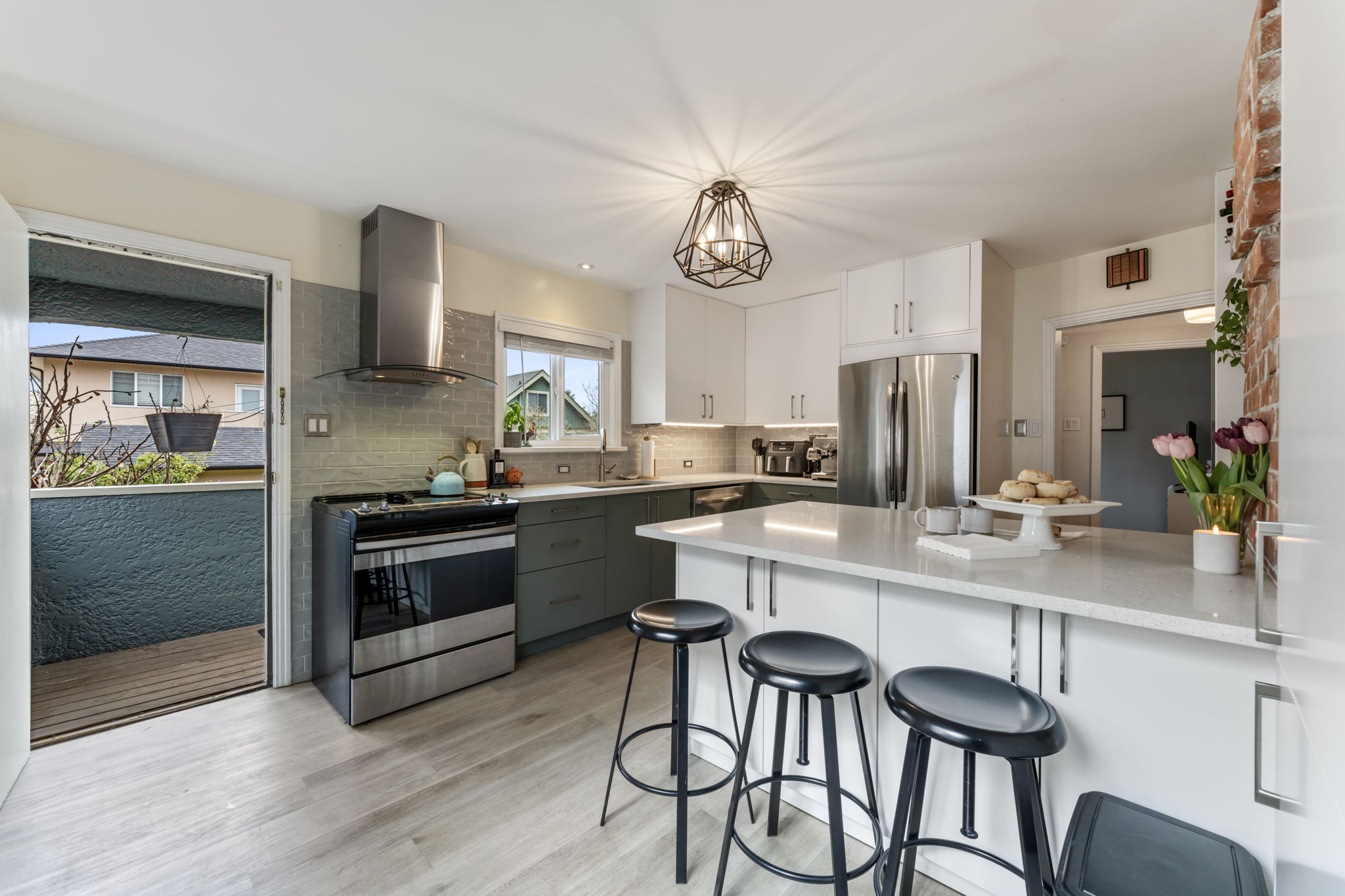
A price reduction strategy can feel uncomfortable for sellers. After all, no one lists their home hoping to lower the price later. However, in the right situation, a price reduction strategy is not a failure. It is a tool to reposition the listing, regain buyer attention, and move closer to a successful sale. In real estate, the market gives feedback quickly. Showings, online views, agent comments, competing listings, and offer activity all tell a story. When that feedback points in the same direction, adjusting the price can become one of the most practical decisions a seller can make. Pricing Is Not About Ego. It Is About Positioning. A home’s asking price does more than state what the seller hopes to receive. It places the property in a buyer’s comparison set. Buyers rarely look at one home in isolation. They compare your home against similar properties in the same price range, neighbourhood, building type, condition, and lifestyle category. That means your price needs to make sense beside the competition. If buyers are choosing other homes first, the issue may not be the home itself. It may be where the home is positioned in the market. For more on this, read our related post: How Competing Listings Affect Your Home Sale Strategy. A Price Reduction Can Create New Momentum Listings usually receive the most attention when they first hit the market. Buyers notice the new listing, agents review it, and online activity tends to be strongest early on. If a home sits without meaningful activity, the listing can start to feel stale. A thoughtful price adjustment can change that. It can: Bring the property into a new buyer search range Re-engage buyers who previously passed on it Encourage agents to revisit the listing with their clients Improve perceived value compared to competing homes Create urgency before the listing loses more momentum The goal is not simply to reduce the price. The goal is to reposition the home where buyers see stronger value. The Market Is Giving You Information A lack of offers does not always mean buyers dislike the home. Sometimes, it means buyers like the home but not enough at the current price. This is an important distinction. If buyers are booking showings but not writing offers, they may be comparing your property to others and choosing better perceived value elsewhere. If buyers are not booking showings at all, the listing may be missing the right audience because of price, presentation, exposure, location, condition, or buyer expectations. Either way, the market is giving you information. The key is to respond strategically rather than emotionally. When a Price Reduction Makes Sense A price reduction may be worth considering when several signs appear together. For example: Showings have slowed or stopped Online views are not turning into appointments Buyers are giving similar feedback Competing listings offer more value Similar homes have sold while yours remains active The home has been on the market longer than expected No serious offers have come in Market conditions have shifted since listing One of these signs alone may not be enough. However, when several point in the same direction, it may be time to adjust. A Small Reduction Is Not Always the Best Move Sometimes sellers want to make a small reduction because it feels safer. However, a price adjustment needs to be meaningful enough to change buyer behaviour. A minor reduction may not move the listing into a new search bracket or make it feel more competitive. For example, if a buyer is searching up to $900,000, a property listed at $914,900 may not appear in their search. A strategic adjustment could place the home in front of a different pool of buyers. This is why pricing should be reviewed with both psychology and search behaviour in mind. A good price reduction is not random. It should be based on buyer activity, competing listings, recent sales, and where the next group of serious buyers is likely searching. Timing Matters The longer a listing sits, the harder it can be to regain momentum. That does not mean every home needs an immediate price reduction. Some properties need more time because they are unique, luxury, rural, tenant-occupied, or suited to a smaller buyer pool. However, if the data is clear, waiting too long can work against the seller. A well-timed adjustment can help protect the listing from becoming stale. It also shows the market that the seller is realistic and motivated, without appearing desperate. A Price Reduction Should Be Paired With a Marketing Refresh A price change is stronger when it comes with a fresh strategy. That may include: Updating listing remarks Reordering photos Refreshing social media promotion Highlighting a different buyer benefit Re-engaging agents who showed the property Reviewing staging or presentation Promoting new open house activity Comparing the home against newly listed competition A price reduction should not happen quietly in the background. It should be treated as a new opportunity to tell the property’s story. For more on how presentation affects buyer response, read: How Small Improvements Can Help a Home Feel More Marketable. Price Reductions Can Protect the Final Sale Price It may sound counterintuitive, but a strategic price reduction can sometimes protect a seller from a larger loss later. If a home remains overpriced for too long, buyers may start to assume there is less demand or that the seller is unrealistic. Over time, this can lead to lower offers, longer carrying costs, and more negotiation pressure. A timely adjustment can help bring the listing back into alignment before the market discounts it further. The goal is not to chase the market down. The goal is to stay close enough to buyer expectations that the home remains competitive. The Right Price Builds Confidence Buyers want to feel confident when they write an offer. If a property feels overpriced, buyers may hesitate. They may wait. They may choose a competing home. Or, they may write an aggressive offer that creates tension before negotiations even begin. When a property is priced well, buyers are more likely to act. A strong price creates clarity. It helps buyers understand the value, compare the home fairly, and feel more comfortable moving forward. It Is Not a Setback. It Is a Decision. A price reduction can feel personal, but it should be viewed through a strategic lens. The question is not, “Did we fail at the first price?” The better question is, “What is the market telling us, and how do we respond?” When sellers treat pricing as part of the strategy, they make better decisions. They stay objective. They reduce guesswork. Most importantly, they keep the focus on the final goal: selling well in the current market. Final Thoughts A price reduction strategy is not always a setback. In many cases, it is a smart response to real market feedback. The best pricing decisions come from a clear review of showing activity, buyer comments, competing listings, recent sales, and current market conditions. When the adjustment is well-timed and paired with strong marketing, it can help a listing regain attention and move toward a successful sale. If you are selling a home in Greater Victoria and wondering whether your current price is helping or holding back your listing, Faber Real Estate Group can help you review the full picture and build a strategy that fits today’s market. Brett Hayward, 5-Star Review, via Google “I can’t suggest how to make Fabers better at being good realtors. They’re already congenial, trustworthy, informed, experienced, and thorough. Cal listened and advised, and somewhere in the middle he said what the condo would sell for and he was right on. Thanks!” Faber Real Estate Group Royal LePage Coast Capital Realty 📞 250-244-3430 📧 [email protected] ℹ️ Scott Faber Personal Real Estate Corporation ℹ️ Cal Faber Personal Real Estate Corporation Vanessa Wood, Zachary Parsons, and Sophie Taylor “Building Lasting Relationships, One Home at a Time.”
Read more