
Posts Tagged ‘resale value’
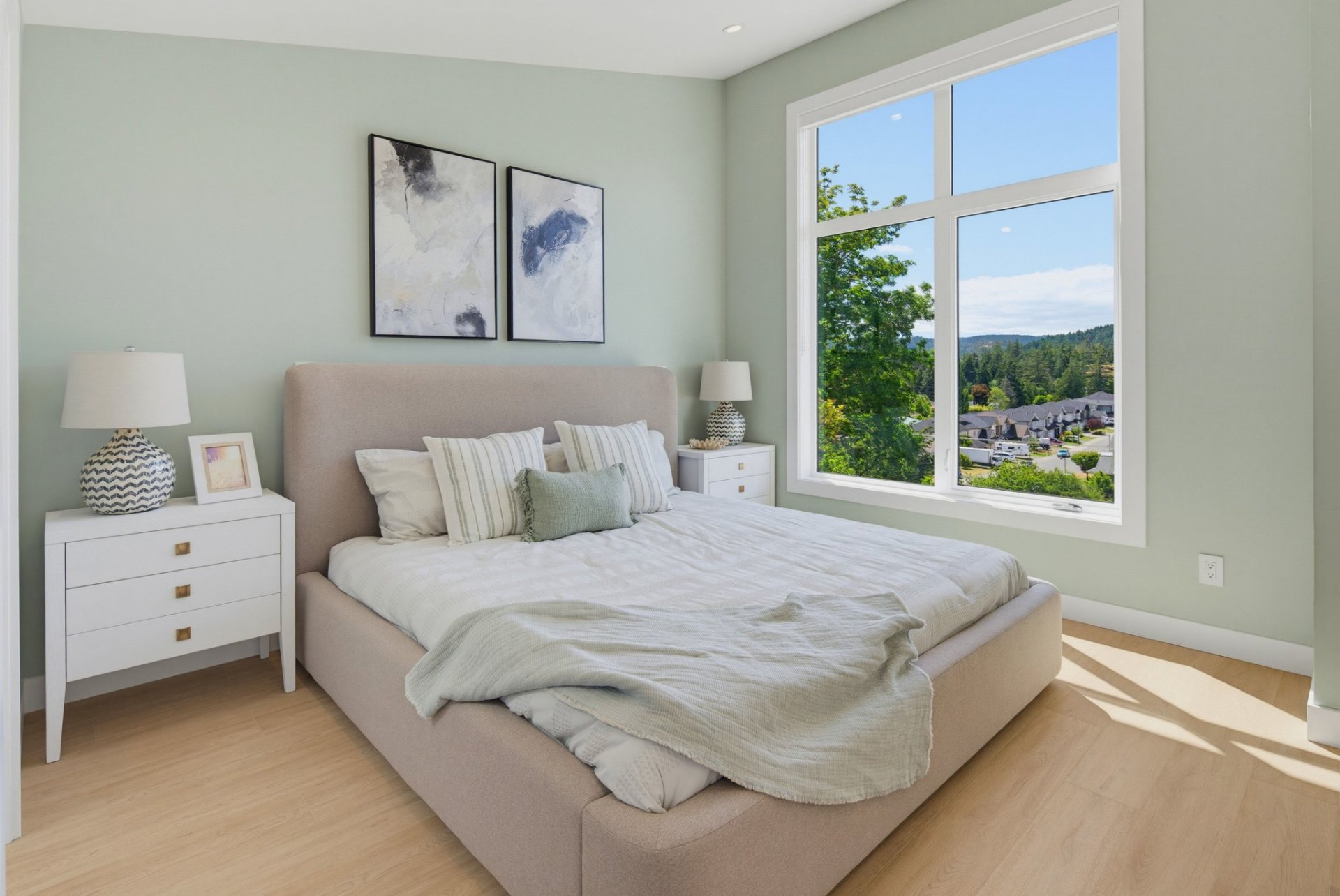
When buyers compare homes, they usually focus on price, location, square footage, and condition. However, home orientation matters more than many buyers realize because it can affect natural light, indoor temperature, outdoor space, privacy, and how the home feels throughout the day. Two nearly identical homes can offer very different living experiences simply because one faces a different direction. Orientation is not necessarily something buyers should rank above every other feature. Still, understanding it can help explain why one home feels brighter, cooler, warmer, or more inviting than another. The Short Answer Home orientation affects how sunlight moves through a property throughout the day. Generally: East-facing spaces receive more morning sun West-facing spaces receive stronger afternoon and evening sun South-facing spaces tend to receive more direct sunlight throughout the day North-facing spaces often receive softer, more indirect light However, orientation is only part of the picture. Trees, neighbouring buildings, floor level, window placement, balconies, roof overhangs, and surrounding terrain can all change how much sunlight actually reaches a home. South-Facing Does Not Automatically Mean Better South-facing exposure is often treated as a premium feature because it can provide strong natural light for much of the day. For some buyers, that is exactly what they want. A bright living room can feel more open, while a sunny patio or backyard may become more usable during cooler months. However, more sunlight can also mean more heat during the summer. Large south-facing windows may increase indoor temperatures, particularly if the home has limited shading or no air conditioning. Therefore, the better question is not whether south-facing is best. It is whether that exposure fits the way you want to live. East-Facing Homes Can Be Great for Morning Light East-facing rooms receive their strongest light earlier in the day. That can work particularly well for kitchens, breakfast areas, bedrooms, or patios used in the morning. By afternoon, those spaces may become cooler and more shaded. As a result, east exposure can appeal to buyers who enjoy bright mornings but prefer less intense afternoon heat. On the other hand, someone who spends most of the day away from home may rarely enjoy the strongest natural light the property receives. Lifestyle matters just as much as direction. West-Facing Exposure Can Change the Evening Experience West-facing homes receive more afternoon and evening sun. For buyers who spend evenings on a balcony, patio, or deck, that can be a significant lifestyle benefit. It can also make living spaces feel brighter later in the day. However, west exposure may bring more heat during summer afternoons, especially in condos with large glass walls or limited airflow. Before deciding whether that is a positive or negative, consider how the space will be used and whether the home has blinds, air conditioning, exterior shading, or good ventilation. North-Facing Does Not Mean Dark North-facing properties are sometimes dismissed too quickly. Although they may receive less direct sunlight, they can still have excellent natural light. Large windows, higher ceilings, an open layout, lighter interior finishes, and fewer obstructions can make a north-facing home feel bright. Meanwhile, the softer light can also reduce glare and overheating. This is particularly useful for home offices, artwork, or rooms where consistent light is more desirable than strong direct sun. In other words, direction alone does not determine whether a home feels bright. Orientation Matters Even More in Condos For condo buyers, orientation can have an outsized effect because the unit may only have windows on one or two sides. A corner unit with exposure in multiple directions can receive light at different times of day. By comparison, an interior unit may depend almost entirely on one exposure. Floor level matters too. A south-facing condo on a lower floor could receive less sunlight if another building sits directly across from it. Meanwhile, a north-facing unit higher in the building may have wide-open views and excellent natural light. That is why buyers should evaluate the actual unit rather than relying on the compass direction alone. Our article on Why Floor Plan Matters More Than Square Footage looks at another factor that can dramatically change how a condo or home feels despite what the listing specifications say. Think About Outdoor Space Too Orientation matters outside the home as well. A backyard, balcony, patio, or deck can feel completely different depending on when it receives sunlight. Consider when you expect to use the space. Morning coffee might make east exposure appealing. Evening dinners may make west exposure more attractive. Meanwhile, buyers who enjoy gardening may care about how much direct sunlight reaches different parts of the property throughout the day. A large outdoor space is valuable, but its orientation can determine how often you actually want to use it. Trees and Nearby Buildings Can Matter More Than Direction Compass direction should never be considered in isolation. A south-facing backyard surrounded by mature trees may receive less direct sunlight than expected. Similarly, a condo facing west could have most of its afternoon sun blocked by another tower. Before buying, look at: Nearby buildings Mature trees Hills and terrain Balcony overhangs Window size Floor level Seasonal sun angles Future development nearby These details can have just as much impact as the direction listed on a floor plan. Consider Future Development Today's view and sunlight may not always remain the same. A vacant lot, surface parking area, or low-rise building nearby could eventually be redeveloped. For condo buyers in particular, future construction could affect views, privacy, natural light, and the feel of an outdoor space. That does not mean buyers should avoid areas experiencing development. Instead, it is another reason to understand the surroundings before making a decision. Orientation Can Affect Privacy Windows and outdoor spaces do more than bring in sunlight. They also determine what you look toward. A balcony facing an open park may feel very different from one facing directly into another building. Likewise, bedroom windows that overlook neighbouring homes may require blinds more often, reducing some of the natural light buyers expected to enjoy. Therefore, orientation should be considered alongside sightlines and privacy. Visit at Different Times of Day When Possible A home can feel very different at 10:00 a.m. than it does at 5:00 p.m. If orientation is important to you, a second viewing at another time of day can provide useful information. Notice: Which rooms receive direct sunlight Where glare appears Whether the home feels warm How bright interior rooms are How much privacy you have Whether the patio or balcony feels comfortable Photos and listing descriptions cannot always capture those differences. Seeing the property at another time can. Could Orientation Affect Resale? Orientation can influence resale, but it should not be viewed as a simple formula. Some buyers actively seek south-facing outdoor space or west-facing views. Others prioritize cooler rooms, privacy, or morning light. As a result, desirable orientation depends partly on the property itself and the buyer pool. A strong view, functional layout, useful outdoor space, natural light, and privacy can all strengthen appeal. Orientation contributes to those features, but rarely acts alone. Compare How the Home Actually Feels When home orientation matters to your decision, use the compass direction as a starting point rather than the conclusion. Ask: When Will We Be Home? Morning, daytime, and evening routines can change which exposure feels best. Which Rooms Receive the Best Light? A sunny secondary bedroom may matter less if the living room stays dark all day. Will the Home Get Too Warm? Think about glazing, shading, airflow, and cooling. Does the Outdoor Space Work When We Would Use It? A patio's size only tells part of the story. What Surrounds the Property? Nearby buildings, trees, and future development may alter light and privacy. Final Thoughts Home orientation may seem like a minor detail when you first start looking at properties. In reality, it can influence how the home feels every day. Natural light, temperature, outdoor usability, privacy, and even furniture placement can all be affected by exposure. Still, there is no single direction that works best for every buyer. The right orientation depends on the property, the surroundings, and the way you plan to live in the home. When comparing two otherwise similar properties, paying attention to where the sun comes from may reveal a difference that square footage and listing photos never will. Considering two homes with different exposures? Faber Real Estate Group can help you compare orientation, layout, surroundings, future development, and the practical details that can affect how each property feels long after the showing is over. Michael F., 5-Star Review, via Google “Cal and Scott exceeded our expectations in every way. They were always available to answer our questions and address any concerns immediately, providing exceptional support throughout the entire process. Their dedication and expertise made the selling and buying experience seamless and stress-free.” Faber Real Estate Group Royal LePage Coast Capital Realty 📞 250-244-3430 📧 [email protected] ℹ️ Scott Faber Personal Real Estate Corporation ℹ️ Cal Faber Personal Real Estate Corporation Vanessa Wood, Zachary Parsons, and Sophie Taylor “Building Lasting Relationships, One Home at a Time.”
Read more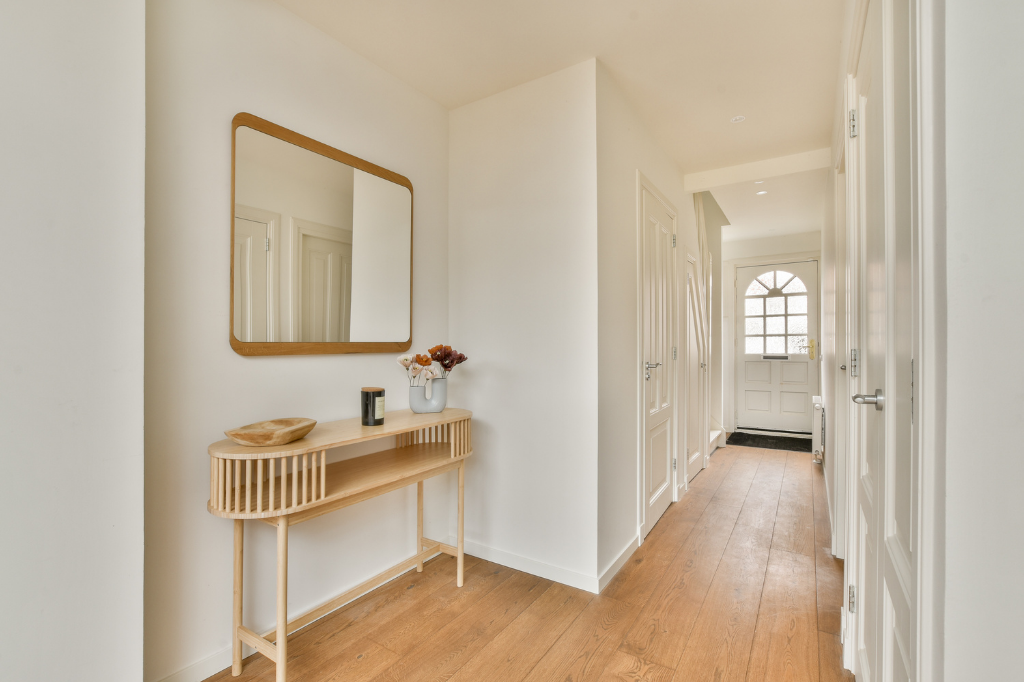
Storage when buying a home is easy to overlook. Buyers often focus on bedrooms, bathrooms, finishes, views, and location first. Those details matter, but storage can shape how well a home works once daily life begins. A home can look beautiful during a showing and still feel frustrating six months later if there is nowhere practical to put coats, bikes, tools, seasonal items, sports gear, cleaning supplies, or family keepsakes. Storage is not just a convenience. It is part of long-term livability. Storage Affects How a Home Feels Day to Day Good storage helps a home feel calm, organized, and easier to live in. Poor storage can make even a larger home feel cluttered. Buyers should think beyond square footage and ask how the space will actually function. Important areas to check include: Entry closet or mudroom space Bedroom closets Pantry storage Linen closets Laundry storage Garage or carport space Crawlspace or attic access Bike storage Outdoor storage Strata storage locker Room for tools, hobbies, or sports equipment A home does not need endless storage. It needs the right storage for how you live. Square Footage Does Not Tell the Full Story Two homes can have the same square footage but feel completely different. One may have smart closets, built-ins, a garage, and a practical laundry area. Another may have larger rooms but very little usable storage. On paper, they look similar. In real life, they function very differently. This is especially important in Greater Victoria, where buyers may compare condos, townhomes, older character homes, and newer detached homes. Each property type handles storage differently. Condo Buyers Should Pay Close Attention For condo buyers, storage can be a major part of the ownership experience. Some condos include a separate storage locker. Others have limited in-suite storage. Some buildings offer bike rooms, kayak storage, workshop areas, or extra rentable lockers. Others do not. Before buying a condo, buyers should confirm: Whether a storage locker is included Whether the locker is assigned, limited common property, or separately titled Whether bike storage is available Whether storage areas are secure Whether there are rules about what can be stored Whether extra lockers can be rented or purchased Whether parking stalls include any additional storage options These details matter because storage in a condo building is not always flexible after purchase. Storage Matters More for Downsizers Downsizers often focus on reducing space, but storage can make or break the transition. Moving from a detached home to a condo or townhome may mean losing a garage, basement, shed, crawlspace, or spare room. Even when the new home feels large enough, the storage difference can be significant. This does not mean downsizing is a bad move. It means buyers should plan carefully. The best downsizing properties often offer a balance between simpler living and enough storage to keep important belongings accessible. Families Need Flexible Storage For families, storage needs change over time. Young children may need space for strollers, toys, bikes, sports equipment, and seasonal clothing. Teenagers may need gear for school, hobbies, and activities. Parents may need room for tools, holiday items, extra food storage, or outdoor equipment. A home that works today should also work through the next stage of life. When viewing family homes, buyers should ask: Where will everyday items go? Is there space near the entry for shoes, coats, and bags? Can seasonal items be stored easily? Is the garage functional or already full? Is there room for bikes, tools, and outdoor gear? Will this storage still work in three to five years? A layout that supports real life often has more value than one that only looks good online. Lack of Storage Can Affect Resale Storage can also influence future resale. Buyers notice when a home feels functional. They also notice when every closet is full, the garage is overloaded, or there is no obvious place for practical items. A lack of storage may not stop every buyer, but it can create hesitation. It may make the home feel smaller, less practical, or harder to grow into. Strong storage can support resale because it helps the home feel easier to live in. Storage Should Be Compared With Your Lifestyle The right amount of storage depends on the buyer. A minimalist condo buyer may need very little. A family with bikes, skis, tools, and camping gear may need much more. A downsizer may need fewer rooms but better storage design. Before buying, it helps to make a simple list of what needs to be stored: Daily items Seasonal items Sports and recreation gear Tools and maintenance supplies Holiday decorations Sentimental items Kids’ items Work-from-home supplies Outdoor furniture or gardening equipment Then compare that list to the home. This makes the decision more practical and less emotional. The Bottom Line for Buyers Storage should be part of your buying decision because it affects how a home functions long after the excitement of the purchase fades. Good storage supports comfort, organization, flexibility, and long-term livability. When comparing homes in Greater Victoria, do not only ask whether the home has enough bedrooms or the right finishes. Ask whether it has enough practical space for real life. A home that stores your life well often feels better to live in, easier to maintain, and more comfortable over time. For advice on buying a home in Greater Victoria and evaluating long-term livability, contact Faber Real Estate Group for clear, local guidance before making your next move. Tyler F., 5-Star Review, via Google “I have worked with Scott a few times now, always great communication, respectful and punctual. Look forward to working with him in the future” Faber Real Estate Group Royal LePage Coast Capital Realty 📞 250-244-3430 📧 [email protected] ℹ️ Scott Faber Personal Real Estate Corporation ℹ️ Cal Faber Personal Real Estate Corporation Vanessa Wood, Zachary Parsons, and Sophie Taylor “Building Lasting Relationships, One Home at a Time.”
Read more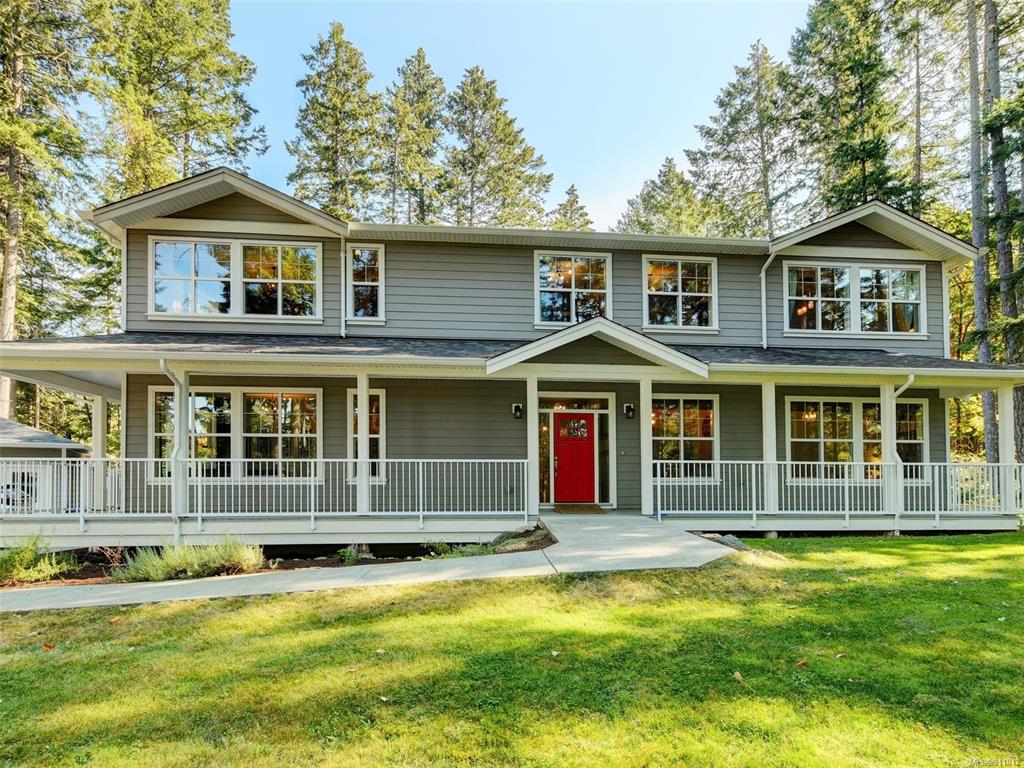
Trying to compare two homes can feel harder than expected when both seem like strong options. One may have the better layout. The other may have the better location. One might feel more emotional, while the other makes more practical sense. That is where buyers can get stuck. The goal is not always to find the “perfect” home. Often, the better goal is to decide which home supports your lifestyle, budget, and long-term plans with the fewest unnecessary compromises. Start With Your Daily Life, Not the Listing Photos A home can show beautifully and still not fit how you actually live. Before comparing finishes, square footage, or staging, ask how each home would affect your normal routine. Think about your commute, school drop-offs, grocery trips, parking, pets, hobbies, guests, work-from-home needs, and weekend lifestyle. A good home should not just impress you during a showing. It should make everyday life easier. Ask yourself: Which home fits our daily routine better? Which location will we appreciate more six months from now? Which home solves the problems we were trying to fix by moving? Which compromises will become annoying over time? Sometimes the better home is not the one that feels more exciting. It is the one that reduces friction in your life. Separate Emotional Value From Market Value Emotion matters in real estate. You are not buying a spreadsheet. You are buying the place where your life will happen. However, emotion should not be the only deciding factor. When you compare two homes, look at each one through three lenses: Personal valueHow well does it fit your lifestyle, needs, and future plans? Market valueDo recent comparable sales support the price? Risk valueAre there repairs, strata concerns, location issues, layout problems, or resale limitations? A home that scores well in all three areas is usually a stronger choice than one that only wins emotionally. Compare the Trade-Offs Clearly Every home has trade-offs. The mistake is pretending they do not exist. One home may offer more space but a longer commute. Another may offer a better neighbourhood but less yard. One may be move-in ready, while the other may need updates but offer better long-term upside. Write the trade-offs down side by side. Compare: Location Price Monthly carrying costs Condition Layout Outdoor space Parking Storage Renovation needs Strata rules, if applicable Future resale appeal Neighbourhood growth or change This helps shift the decision from “Which one do I like more?” to “Which one makes more sense for the life I am trying to build?” Think About Resale Before You Buy Even if you plan to stay for years, resale should still matter. Life changes. Jobs change. Families grow. Priorities shift. A home that works today should also have broad appeal later. When comparing two homes, consider which one future buyers may prefer. Look at location, layout, natural light, parking, school catchments, walkability, noise, strata health, outdoor space, and renovation potential. A quirky feature may feel charming now, but could narrow your buyer pool later. A slightly less exciting home with stronger fundamentals may be easier to sell when the time comes. Do Not Let Small Differences Distract From Big Ones Buyers often get caught comparing details that can be changed, while overlooking things that cannot. Paint colour, light fixtures, cabinet hardware, and landscaping can usually be improved. Location, lot position, natural light, ceiling height, parking, and layout are harder to change. When two homes feel close, separate the fixed features from the flexible ones. Fixed features matter more because they shape long-term value and livability. Use the “Regret Test” This is one of the simplest ways to compare two homes. Ask yourself: “If we bought Home A and Home B sold to someone else, how would we feel?” Then reverse the question. “If we bought Home B and Home A sold to someone else, how would we feel?” Your answer may reveal which home you are more attached to. However, take it one step further. Ask whether that attachment is based on practical fit or short-term emotion. The right choice should feel both exciting and grounded. Know When to Walk Away From Both Sometimes two good options still do not mean either one is the right option. If both homes require you to stretch too far, ignore major concerns, or compromise on your true needs, it may be better to pause. More choice can create pressure, but pressure should not replace good judgement. A disciplined buyer is not just someone who knows when to act. A disciplined buyer also knows when to wait. Final Thoughts When you compare two homes, the best decision usually comes from slowing the process down and looking at lifestyle, value, risk, and resale with clear eyes. The right home should not only feel good during the showing. It should support your life after possession day, protect your budget, and make sense for your long-term plans. If you are deciding between two homes and want a clear second opinion, contact Faber Real Estate Group for advice tailored to your goals, budget, and preferred neighbourhoods. Bokz V., 5-Star Review, via Google “Thank you Cal and Scott for helping us to find our home. Excellent service highly recommended.” Faber Real Estate GroupRoyal LePage Coast Capital Realty📞 250-244-3430📧 [email protected]ℹ️ Scott Faber Personal Real Estate Corporationℹ️ Cal Faber Personal Real Estate CorporationVanessa Wood, Zachary Parsons, and Sophie Taylor “Building Lasting Relationships, One Home at a Time.”
Read more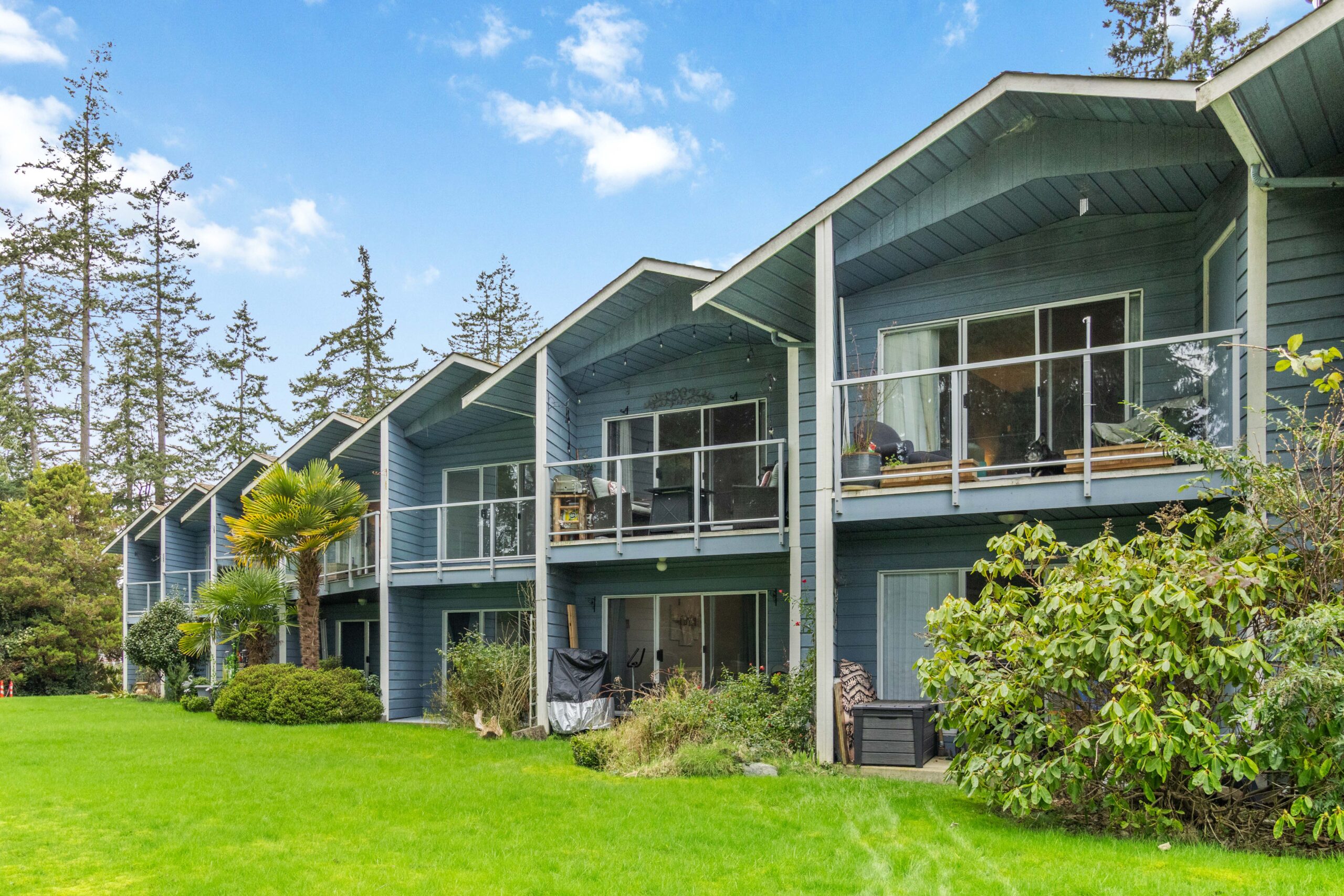
A good deal vs cheap house can look similar at first. Both may have a lower price, attract attention, and feel like an opportunity. However, in real estate, the cheapest home is not always the smartest buy. For buyers in Greater Victoria, this difference matters. A lower price can help with affordability, but it can also hide risk. Before you move forward, you need to understand the full picture. The goal is not to buy the cheapest home. The goal is to buy the right home at the right price. A Cheap House Starts With Price A cheap house usually stands out because it costs less than similar homes. That may happen because of: Major repairs An awkward layout A weaker location Deferred maintenance Limited parking Financing concerns Insurance concerns Low buyer demand Sometimes, a cheap house is a real opportunity. Other times, the price simply reflects the risk. So, before assuming it is a bargain, ask why the property is cheaper. A Good Deal Starts With Value A good deal is different. A good deal means the home offers strong value for the price and risk involved. It may not be perfect, but the trade-offs should be clear and manageable. A good deal may include: A fair or below-market price A strong location Manageable repairs Good resale appeal A practical layout Solid building fundamentals Less buyer competition This is where the good deal vs cheap house distinction becomes important. A low price gets attention. Strong value protects you. Cheap Can Become Expensive A lower purchase price can feel like a win. However, major repairs can quickly change the numbers. Buyers should look closely at: Roof age Drainage Plumbing Electrical systems Foundation concerns Oil tank risk Water ingress Strata documents Upcoming special levies For example, saving money on the purchase price may not help if the home needs expensive repairs right away. This is especially true with older homes in Greater Victoria. Some have been well maintained. Others may need more work than buyers expect. Location Still Matters A cheaper home in the wrong location may not be the better deal. Location affects: Resale demand Walkability Commute times School access Noise Rental appeal Future buyer interest You can update flooring, paint, and cabinets. You cannot move a home away from a busy road, poor exposure, or limited access. As a result, a well-priced home in a stronger location can be a better long-term decision than a cheaper home with location challenges. Potential Is Not the Same as Value Many buyers see a dated home and think, “This has potential.” Sometimes, that is true. Cosmetic issues can create an opportunity if the home has good bones. However, cosmetic work is very different from serious risk. Be careful with homes that may have: Structural issues Moisture problems Poor renovations Old wiring Plumbing concerns Permit issues Building envelope problems A good deal has problems you can understand and price properly. A cheap house often has problems buyers underestimate. The Home Still Needs to Fit Your Life A home can be affordable and still be the wrong fit. Before buying, ask: Will the commute work? Does the layout fit your lifestyle? Can you afford the repairs? Do you have time for renovations? Will the home still work in five years? Are you choosing it because it is right, or because it is cheaper? A cheap house can become stressful if it forces too many compromises. Therefore, the right deal should support your life, not just your budget. Inspections Help Clarify Risk A home inspection does not make a property good or bad. Instead, it helps you understand what you are buying. After inspection, separate issues into three groups: Normal maintenance Negotiation items Serious risks Normal maintenance may include small repairs or aging finishes. Negotiation items may affect price or terms. Serious risks may involve safety, financing, insurance, structure, or moisture. If the issues are manageable, the home may still be a good deal. If the repair list grows quickly, the cheap price may not tell the full story. Strata Buyers Need Extra Caution For condos and townhomes, price can be misleading. A lower-priced strata property may come with: High strata fees Weak contingency planning Upcoming special levies Insurance concerns Rental restrictions Pet restrictions Deferred maintenance Poor resale appeal Because of this, a cheap condo is not automatically a good entry point into the market. A strong condo deal should include a fair price, sound building management, reasonable fees, a practical floor plan, and healthy resale demand. Final Thoughts The difference between a good deal and a cheap house is simple. A cheap house has a low price. A good deal has strong value. Before writing an offer, look beyond the list price. Consider the location, condition, repair costs, financing, lifestyle fit, and resale potential. That is how buyers make better decisions in Greater Victoria’s real estate market. If you are trying to decide whether a home is a true opportunity or just a cheaper property with hidden problems, contact Faber Real Estate Group for advice before you write an offer. Michael B., 5-Star Review, via Google “Excellent experience with Faber group! Zach is an amazing young professional, he is very knowledgeable and explained everything to me (a first time buyer) very well. Towards the end I got to work with Cal as well who was also very kind and professional. I would certainly recommend Faber group.” Faber Real Estate GroupRoyal LePage Coast Capital Realty📞 250-244-3430📧 [email protected]ℹ️ Scott Faber Personal Real Estate Corporationℹ️ Cal Faber Personal Real Estate CorporationVanessa Wood, Zachary Parsons, and Sophie Taylor“Building Lasting Relationships, One Home at a Time.”
Read more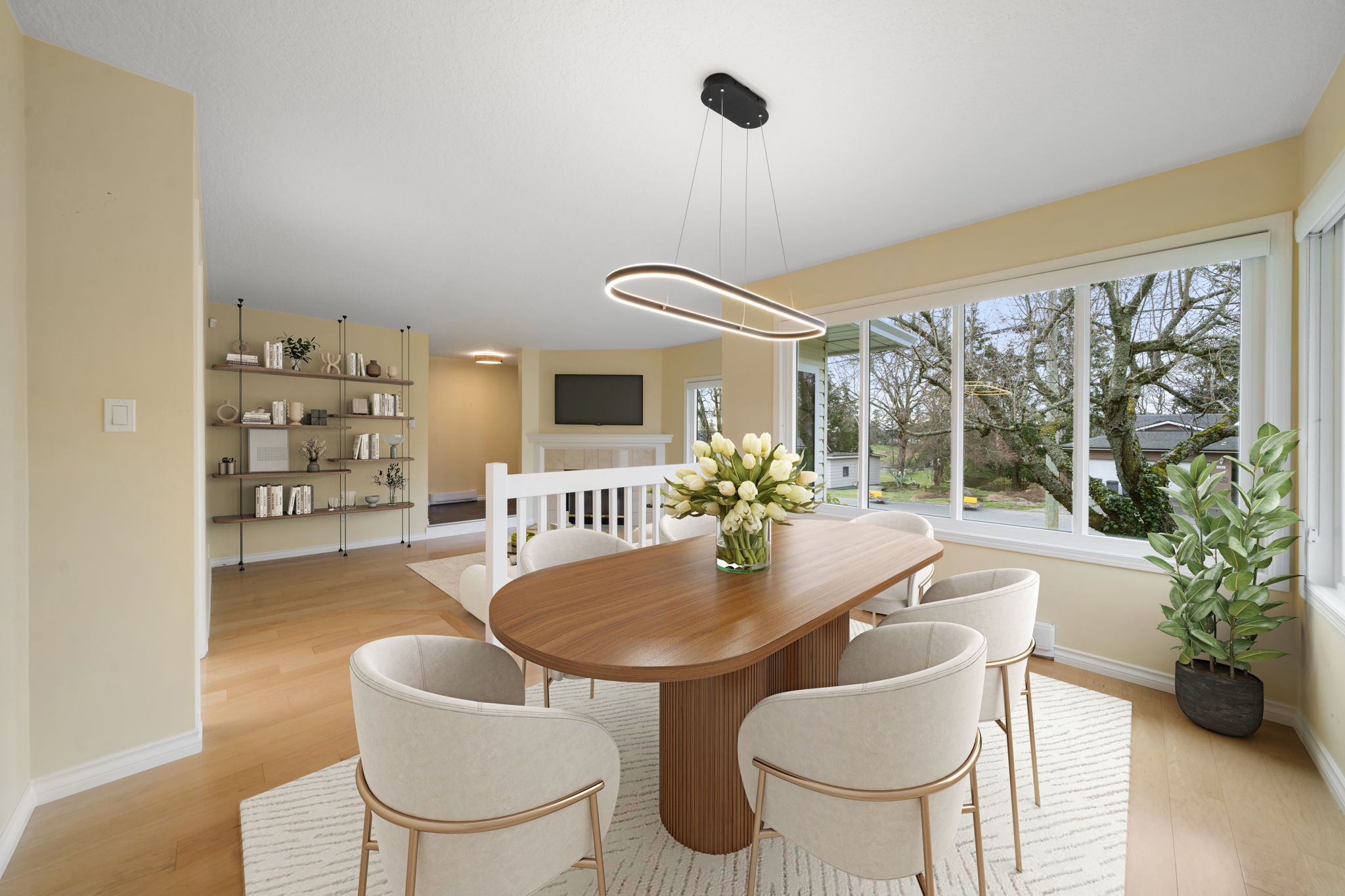
When sellers ask which renovations will boost their home’s value, they often expect expensive upgrades like full kitchen remodels or high-end flooring. The truth is simpler. As experienced realtors, we see buyers respond most to updates that reduce future work, improve functionality, and create a clean, move-in-ready feel. Fresh paint, modern fixtures, updated hardware, and tidy landscaping often do more for resale than costly design experiments. Kitchen and Bathroom Upgrades Kitchen and bathroom updates can add value, but full renovations rarely guarantee a dollar-for-dollar return. Buyers notice modern surfaces like new countertops, refreshed cabinets, updated faucets, and newer appliances. Small changes can refresh a space without a full remodel and make the home feel move-in ready. Flooring Matters More Than Luxury Consistency matters more than luxury. Homes with multiple flooring types feel disjointed. Installing a single, mid-range floor or replacing worn carpet can modernize a home instantly and create flow. Buyers want to see a home that won’t require immediate work. Avoid Highly Personal Upgrades Expensive, niche renovations often miss the mark. Built-in wine cellars, specialty media rooms, or custom outdoor spaces may appeal to few buyers. Unless you plan to stay long-term, these projects are better as lifestyle upgrades rather than investments. Maintenance Protects Value Repairs like new roofs, windows, plumbing, or heat pumps don’t add emotional value but prevent price reductions or failed negotiations. Maintenance is about protecting value, not creating it. The Move-In Ready Advantage Buyers pay a premium for move-in ready homes. They want confidence, not imagined work. Focus on improvements they will notice immediately: fresh paint, updated lighting, new faucets, consistent flooring, and a tidy front yard. Every property is different. The smartest renovations make your home easier to fall in love with while protecting its value. Small, practical updates often deliver the best results. Gerry Lenz, 5-Star Review, via Google “It was a true pleasure working with Cal. We could not have asked more from Cal in how he looked after us from showing to closing. He made the whole process as easy as possible for us, and it was obvious that he cares about his clients and looking after them. The communication from both Cal and Scott was clear, fast and professional. We would absolutely recommend the Faber Real Estate Group!” Faber Real Estate Group Royal LePage Coast Capital Realty 📞 250-244-3430 📧[email protected] ℹ️ Scott Faber Personal Real Estate Corporation ℹ️ Cal Faber Personal Real Estate Corporation Vanessa Wood & Zachary Parsons “Building Lasting Relationships, One Home at a Time.”
Read more