
Posts Tagged ‘real estate showings’
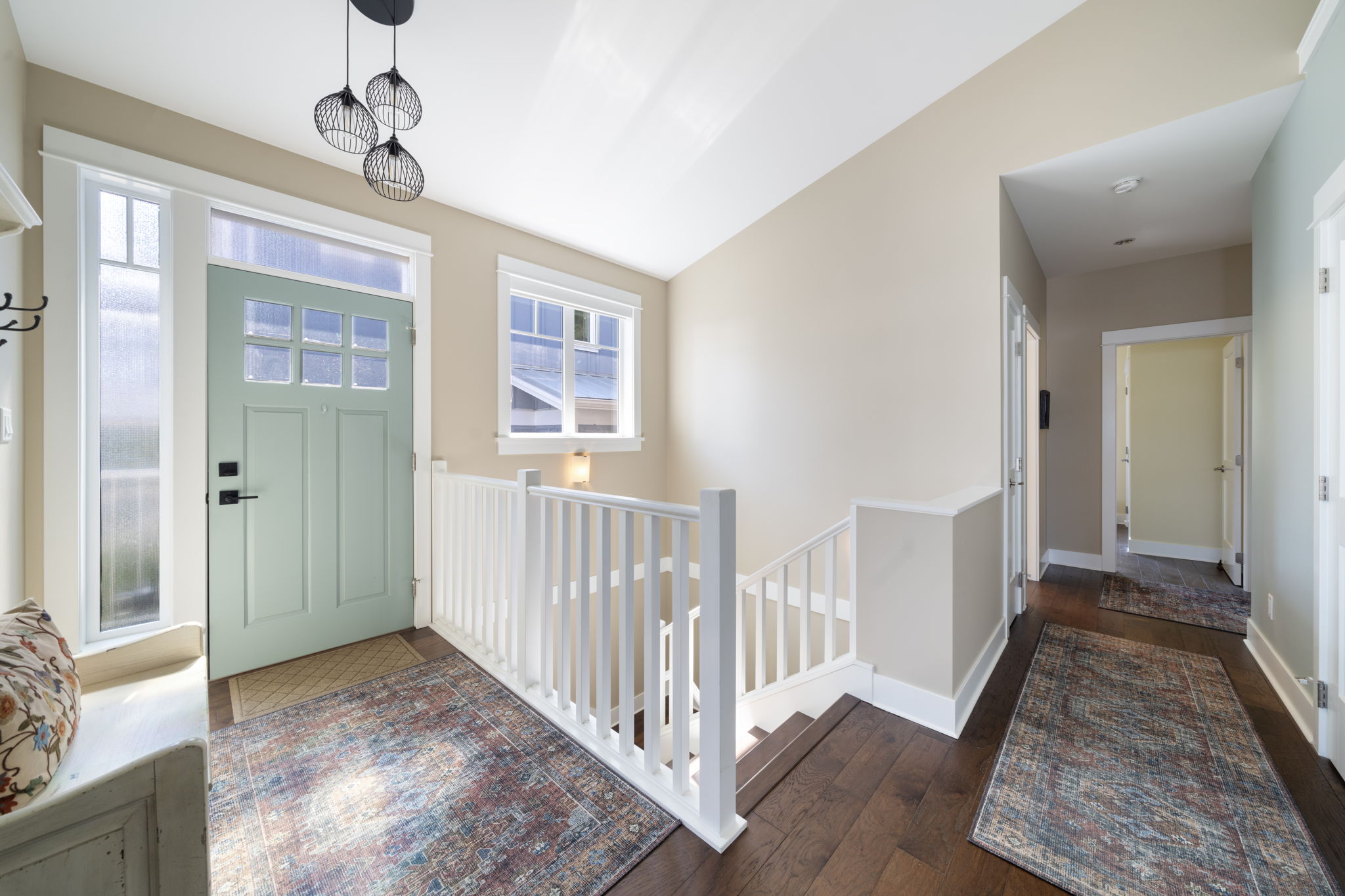
When homes get showings but no offers, it can feel confusing for sellers. On the surface, showings seem like a good sign. Buyers are booking appointments, walking through the home, and taking time to view it in person. However, if those showings are not turning into second showings, strong feedback, or written offers, the market may be sending a message. In Greater Victoria, buyers often compare multiple homes before making a decision. They may like your home, but they also weigh price, condition, layout, location, competing listings, and long-term value before moving forward. Showings create opportunity. Offers come from confidence. Showings Mean Buyers Are Interested Enough to Look A showing usually means the listing is doing something right. The price may be close enough to attract attention. The photos may be strong. The location may match what buyers are searching for. The property may also fit within an active price range. However, a showing does not always mean a buyer is ready to write. Sometimes buyers are curious. Sometimes they are comparing. Sometimes they like the online presentation but feel differently once they walk through the home. That is why sellers need to look beyond the number of showings and focus on what happens after each one. Buyers May Like the Home but Not the Price One of the most common reasons homes get showings but no offers is price. A home can be priced close enough to generate interest, but still high enough that buyers hesitate. In a market with more choice, buyers often compare homes side by side. If another property offers better condition, more space, a stronger location, or a lower price, they may choose to wait or make an offer elsewhere. This does not always mean the home is dramatically overpriced. Sometimes the gap is smaller than sellers think. However, even a small pricing disconnect can matter when buyers have options. The question is not only, “Are people coming to see it?” The better question is, “After seeing it, do buyers still feel the value makes sense?” The Online Listing May Be Stronger Than the In-Person Experience Professional photography, video, staging, and strong marketing can bring buyers through the door. That is important. However, the in-person experience still needs to support the expectations created online. If the listing looks bright, spacious, and move-in ready online, but the home feels darker, smaller, louder, or more dated in person, buyers may leave unsure. This can happen when: Rooms feel smaller than expected Natural light is limited Layout challenges are harder to see online Deferred maintenance becomes more obvious Neighbouring properties affect the feel Odours, noise, or clutter distract buyers Finishes look more worn in person Good marketing should attract attention, but it cannot fully overcome the way a home feels during a showing. Condition Can Create Buyer Hesitation Buyers are not only looking at what a home is today. They are also thinking about what it may cost tomorrow. Minor wear and tear may not seem significant to a seller, especially after years of living in the home. However, buyers often add up every visible project in their mind. Paint, flooring, appliances, windows, roof age, exterior maintenance, bathrooms, kitchens, landscaping, and storage can all affect confidence. A buyer may like the home, but if they start thinking, “This needs more work than I expected,” they may not write an offer. In today’s market, many buyers are watching their monthly payments closely. If a home already feels expensive, added repair costs can make them pause. The Home May Not Be Standing Out Against the Competition No listing exists in isolation. Buyers compare your home against every other property they have seen in the same price range. That includes active listings, recent sales, new construction, and homes they expect may come on the market soon. If your home gets showings but no offers, it may be worth reviewing the competition carefully. Ask: What else can buyers buy at this price? Are competing homes more updated? Do they offer better parking, storage, outdoor space, or layout? Are they in a more convenient location? Have similar homes recently reduced their price? Are new listings making your home feel less competitive? Sometimes a listing does not need a major change. It needs a sharper position within the current market. Buyers May Have Concerns They Are Not Saying Directly Buyer feedback is useful, but it is not always complete. Some buyers will be direct. Others may be polite. They might say the home “was not the right fit” when the real concern was price, layout, condition, noise, location, or future costs. That is why patterns matter more than one piece of feedback. If multiple buyers mention the same concern, sellers should pay attention. If buyers are viewing the home but not returning for second showings, that also matters. If activity is steady but offers are missing, the issue may be less about exposure and more about conversion. A good listing strategy should track these signals and respond before the listing loses momentum. The First Impression May Need Refinement Buyers often decide how they feel about a home quickly. Curb appeal, entryway presentation, lighting, cleanliness, furniture placement, scent, and temperature can all affect the first few minutes of a showing. This does not mean sellers need to renovate everything. In many cases, small improvements can make the home easier to connect with. Helpful adjustments may include: Improving lighting Decluttering surfaces Removing bulky furniture Freshening paint where needed Improving entryway presentation Cleaning windows Tidying landscaping Addressing small repairs Making rooms feel more clearly defined The goal is to reduce distractions so buyers can focus on the home’s best features. The Listing May Need a Strategy Adjustment When a home gets showings but no offers, sellers often wonder whether they should wait, reduce the price, update the marketing, or make improvements. The right answer depends on the market response. If the home has strong online views but few showings, the issue may be price, photos, or buyer expectations. If the home has showings but no second looks, the issue may be condition, layout, location, or perceived value. If the home has consistent feedback about price, the market may already be pointing toward a price adjustment. If feedback is mostly about presentation, small improvements may help before changing the price. A good strategy looks at the full picture, not just one number. When a Price Adjustment Becomes the Right Move A price adjustment should not be seen as failure. In many cases, it is a strategic reset. If the market has spoken clearly, adjusting the price can bring the listing back into stronger alignment with buyer expectations. It can also help reach buyers who were previously watching but not acting. The key is timing. Waiting too long can make a listing feel stale. Adjusting too quickly without reviewing feedback can leave money on the table. The best approach is to use showing activity, buyer comments, competing listings, and recent sales to make an informed decision. Price is not the only tool, but it is one of the strongest. Final Thoughts When homes get showings but no offers, the market is usually not silent. It is giving feedback. The home may be attracting attention, but buyers may need more confidence before they act. That confidence can come from stronger pricing, better presentation, clearer positioning, or a more competitive strategy. For sellers, the goal is not just to get people through the door. The goal is to help the right buyer feel confident enough to move forward. If your home is getting showings but no offers, it may be time to review the feedback, compare the competition, and adjust the strategy before momentum fades. If you are thinking about selling in Greater Victoria and want advice on pricing, presentation, or how to position your home in today’s market, contact Faber Real Estate Group for guidance. Florenda S., 5-Star Review, via Google “We worked with Cal & Scott selling our home recently. The effort they put into the sale was amazing with the photo virtual walk through set, the video, the night shots and open houses. Our house sold very quickly even in a slowdown in the market.” Faber Real Estate Group Royal LePage Coast Capital Realty 📞 250-244-3430 📧 [email protected] ℹ️ Scott Faber Personal Real Estate Corporation ℹ️ Cal Faber Personal Real Estate Corporation Vanessa Wood, Zachary Parsons, and Sophie Taylor “Building Lasting Relationships, One Home at a Time.”
Read more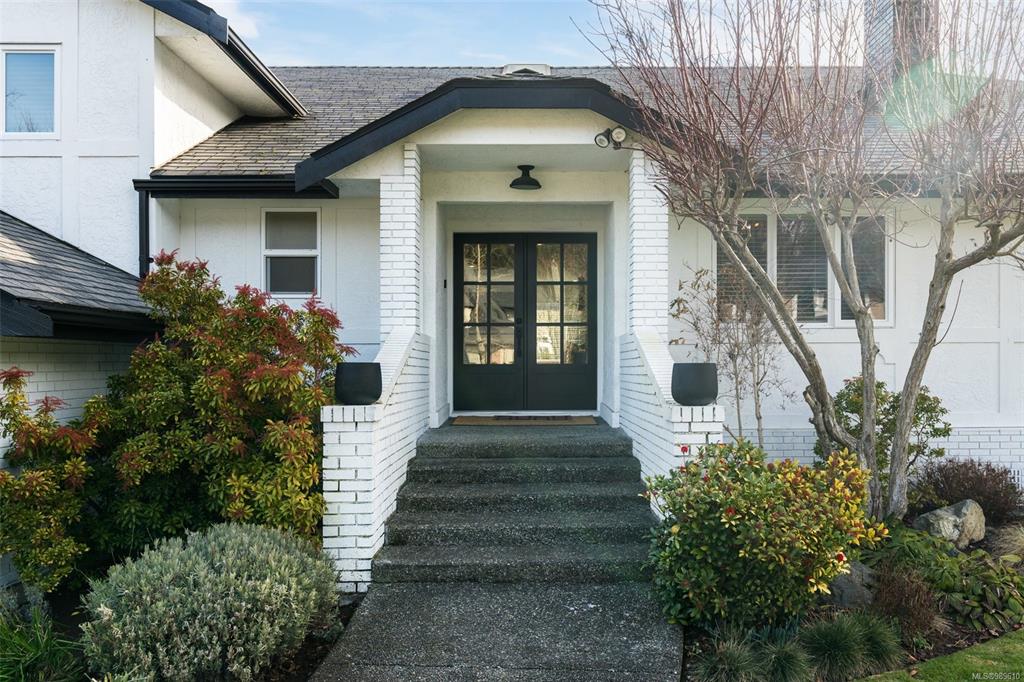
Buyer hesitation after a showing is one of the most frustrating parts of selling a home. A buyer books a showing, walks through the property, seems interested, and then nothing happens. No offer. No second showing. Sometimes, not even detailed feedback. For sellers, this can feel confusing. However, buyers rarely hesitate for no reason. In most cases, something during the showing created doubt, uncertainty, or a sense that the home may not be worth pursuing at the current price. Buyers Are Often Looking for Reasons to Say No When buyers walk into a home, they may want to love it. However, they are also protecting themselves. They are thinking about their budget, future repairs, monthly costs, resale value, layout, lifestyle fit, and whether another property may be better. Even buyers who are emotionally drawn to a home may slow down if something feels unclear. That is why buyer hesitation after a showing is often about more than the home itself. It is about confidence. If buyers feel confident, they move closer to an offer. If they feel uncertain, they usually step back. The Price Does Not Match the Experience One of the biggest reasons buyers hesitate is a gap between the asking price and what they experience in person. Online, the home may look polished. In person, buyers may notice wear, dated finishes, layout challenges, noise, maintenance issues, or smaller rooms than expected. When that happens, buyers may still like the home, but not at the listed price. This is especially important in a market where buyers have more choice. If several homes are available in the same price range, buyers will compare condition, location, updates, and overall value very closely. Deferred Maintenance Creates Doubt Buyers can usually accept cosmetic imperfections. What worries them more is the feeling that maintenance has been delayed. Common concerns include: An older roof Worn exterior paint or siding Foggy windows Old heating systems Moisture concerns Cracked walkways or drainage issues Tired decks or fencing Unfinished repairs Poorly maintained landscaping These items may not stop every buyer, but they create questions. How much will this cost? What else has been overlooked? Will insurance be an issue? Will we need to spend money right away? Once buyers start building a mental repair list, hesitation grows quickly. The Layout Does Not Fit Their Real Life Sometimes a home shows well but does not function the way buyers need it to. A buyer may like the kitchen, the location, or the yard, but still hesitate because the layout creates friction. Maybe there is no proper mudroom. Maybe the bedrooms are too close together. Maybe the office space is awkward. Maybe the dining area feels too small. Layout concerns are personal, but they matter because buyers imagine daily routines during a showing. They are asking: Where do we put coats, shoes, and bags? Can we host family here? Is there enough storage? Does the home work for kids, pets, guests, or working from home? Will this still work in five years? If the home does not answer those questions clearly, buyers may keep looking. The Home Feels Too Personal A home should feel warm, but not so personal that buyers struggle to picture themselves living there. Too many family photos, strong paint colours, heavy decor, specific collections, or crowded rooms can make it harder for buyers to connect with the space. This does not mean a home needs to feel empty. In fact, a completely empty home can sometimes feel cold. The goal is balance. Buyers should feel like the home has been cared for, while still being able to imagine their own furniture, routines, and future. The Showing Experience Feels Distracting The smallest distractions can shift a buyer’s attention away from the strengths of the home. Examples include: Strong odours Poor lighting Cluttered counters Pets at the showing Sellers being home Rooms that feel too warm or too cold Loud appliances or background noise Hard-to-access areas Locked rooms or blocked storage spaces A buyer may not say, “The home felt distracting.” Instead, they may simply leave feeling unsure. Good showing preparation removes friction. The easier it is for buyers to focus, the more likely they are to connect with the property. The Neighbourhood Fit Is Unclear A buyer may like the home but hesitate because they are unsure about the neighbourhood. They may wonder about traffic, parking, schools, walkability, transit, future development, noise, or commute times. Sometimes they view the home first, then research the area afterward. If the neighbourhood does not match their expectations, interest can fade. This is where strong marketing helps. Sellers should not rely only on the home itself. The listing should explain the lifestyle around the home, including nearby parks, shops, schools, recreation, trails, beaches, transit, or community features. A buyer needs to understand not just the property, but the life it supports. Buyers Are Unsure About Future Resale Many buyers are thinking ahead, even if they are buying for themselves. They may ask: Will this home appeal to future buyers? Is the layout too unusual? Is the location too specific? Will the strata fees become a concern? Is there enough parking? Will future repairs affect value? Is the home over-improved for the area? If buyers worry that a home may be difficult to sell later, they may hesitate even if they personally like it. This is especially true for first-time buyers, downsizers, and anyone stretching their budget. They want to feel that the home is not only enjoyable, but also a sound long-term decision. The Listing Raised Expectations Too High Great marketing should attract buyers, but it should also be accurate. If photos, descriptions, or staging create expectations that the home cannot meet in person, buyers may feel disappointed. That disappointment can be hard to recover from. This is why strong real estate marketing should highlight the best features while still preparing buyers for the real experience of the home. The goal is not to oversell. The goal is to create trust before the showing even begins. How Sellers Can Reduce Buyer Hesitation Sellers cannot control every buyer’s needs, budget, or personal taste. However, they can reduce unnecessary doubt. Before listing, sellers should consider: Completing small repairs Decluttering key rooms Improving lighting Cleaning windows and exterior areas Organizing closets, storage rooms, and garages Gathering maintenance records Making the entry feel welcoming Removing strong odours Preparing the yard or balcony Pricing in line with condition and competition These steps help buyers focus on the home’s strengths instead of searching for problems. Feedback Matters, But Patterns Matter More One piece of buyer feedback may not tell the full story. However, repeated feedback should be taken seriously. If several buyers mention price, layout, condition, smell, lighting, or maintenance, that pattern matters. It may point to an adjustment in preparation, marketing, or pricing strategy. Sellers should avoid reacting emotionally to every comment, but they should stay open to what the market is saying. The market does not always speak through offers. Sometimes, it speaks through silence. The Bottom Line Buyer hesitation after a showing usually comes from uncertainty. Buyers may like a home, but if they are unsure about price, condition, layout, maintenance, neighbourhood fit, or resale value, they may pause instead of writing an offer. For sellers, the goal is to remove as much doubt as possible before buyers walk through the door. A well-prepared home, clear marketing, realistic pricing, and strong presentation can help turn interest into confidence. If your home is getting showings but not offers, contact Faber Real Estate Group for advice on what buyers may be noticing and how to strengthen your selling strategy. Michael F., 5-Star Review, via Google “We recently had the pleasure of working with Cal and Scott Faber, a remarkable father-son real estate team, to sell our premium family home and purchase a smaller, downsized property in an awesome neighbourhood. Their experience and guidance were invaluable in both pricing and strategizing the timing of our sale. The professionalism of their photography and marketing video team was unparalleled, making us feel like celebrities on an episode of MTV Cribs, they showcased our home in the best possible light at different times of the day. This attention to detail truly highlighted the features we loved about our home and revealed the value to our buyers..” Faber Real Estate Group Royal LePage Coast Capital Realty 📞 250-244-3430 📧 [email protected] ℹ️ Scott Faber Personal Real Estate Corporation ℹ️ Cal Faber Personal Real Estate Corporation Vanessa Wood, Zachary Parsons, and Sophie Taylor “Building Lasting Relationships, One Home at a Time.”
Read more