
Posts Tagged ‘real estate marketing’
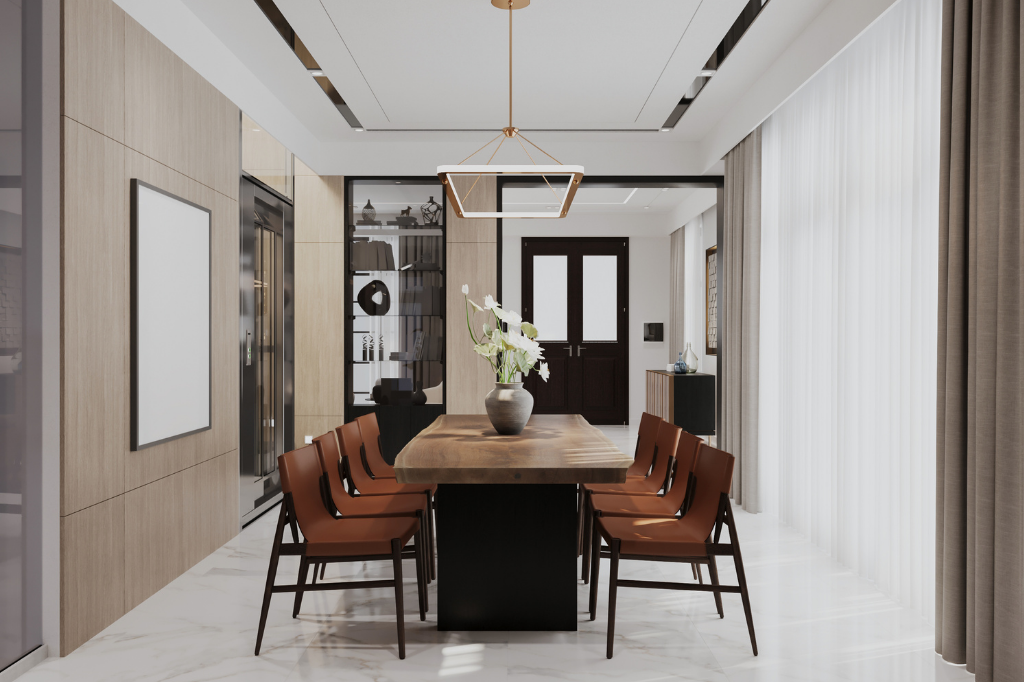
What makes buyers hesitate is not always obvious to sellers. A buyer may like the home, book a second showing, ask good questions, and still decide not to write an offer. That hesitation usually comes from uncertainty. Buyers are not only deciding whether they like the home. They are deciding whether the price, condition, location, documents, and future costs feel safe enough to move forward. In a market where buyers have more choice, small concerns can carry more weight. The Price Does Not Match the Experience Price is one of the most common reasons buyers pause. A buyer may like the home, but if the asking price feels high compared with similar listings, recent sales, or the home’s condition, they may hold back. This is especially true when there are other options available. Buyers often hesitate when: The home feels overpriced compared with competing listings Recent comparable sales do not support the asking price The condition does not match the price point The home has been sitting without adjustment The seller appears unwilling to negotiate A strong price does not need to be the lowest price. It needs to feel reasonable, explainable, and connected to the market. The Home Needs Too Much Work Most buyers expect some imperfections. But when the list of repairs starts to feel long, hesitation can build quickly. Common concerns include: Older roof Aging windows Worn flooring Tired paint Outdated electrical or plumbing Poor drainage Signs of moisture Deferred exterior maintenance Old appliances Unclear renovation quality Even cosmetic issues can matter if buyers start adding up the cost, time, and effort involved. A home that feels manageable may still attract strong interest. A home that feels like a project can narrow the buyer pool. The Listing Photos Do Not Match the Showing Buyers want the home to feel consistent with what they saw online. If the photos make the property look brighter, larger, cleaner, or more updated than it feels in person, trust can drop. That does not mean photos should be unflattering. It means the marketing should present the home well without creating a disconnect. Buyers may hesitate when they feel surprised by: Smaller room sizes Less natural light More wear and tear than expected Awkward layout Noise Odours Poor storage Neighbouring properties Parking limitations Once buyers feel misled, it becomes harder for them to feel confident. The Layout Does Not Fit Real Life A home can be attractive but still not function well for a buyer’s daily routine. Layout concerns often show up during or after the showing. Buyers start thinking about furniture, storage, work-from-home needs, children, pets, guests, hobbies, or future resale. They may hesitate if: Bedrooms are too small The kitchen feels disconnected There is no proper entryway Storage is limited The living area is hard to furnish The bathroom count feels tight Outdoor space is impractical There is no room to grow The home does not suit their next five years Buyers are not just purchasing a space. They are trying to picture a life inside it. The Documents Raise Questions For condos, townhomes, and strata properties, documents can have a major impact on buyer confidence. A buyer may like the unit but pause after reviewing the strata package. Concerns may come from: Low contingency reserve fund Repeated special levies Insurance concerns Major repairs being discussed Depreciation report issues Rental or pet restrictions Noise complaints Bylaw concerns Unclear meeting minutes For detached homes, buyers may hesitate over title details, permits, surveys, septic records, oil tank history, or renovation documentation. Good documents help buyers feel safe. Unclear documents create doubt. The Costs Feel Uncertain Many buyers are not only thinking about the purchase price. They are thinking about the total cost of ownership. That may include: Mortgage payment Property taxes Strata fees Insurance Utilities Maintenance Repairs Renovations Commuting costs Future special levies A buyer may be able to afford the home on paper but still hesitate if the ongoing costs feel unpredictable. This is one reason well-maintained homes with clear records can feel easier to buy. The Buyer Is Comparing Too Many Options More choice can create confidence, but it can also create decision fatigue. When buyers see several homes that could work, they may delay because they worry a better option will appear. They may like one property but keep comparing it to another. This is especially common when: Inventory is rising Multiple homes are priced similarly Buyers are early in their search The home has compromises The buyer is unsure about neighbourhoods Interest rates or monthly payments feel tight Sellers cannot control buyer psychology, but they can make the decision easier by pricing and presenting the home clearly. The Home Lacks an Emotional Pull Not every buyer decision is purely logical. Sometimes buyers hesitate because the home does not create enough emotional connection. It may check the boxes but feel cold, cluttered, dark, or hard to imagine living in. A stronger emotional pull can come from: Clean presentation Natural light Warm but neutral staging Clear room purpose Good flow Tidy outdoor spaces A welcoming entry Small signs of care and maintenance When buyers feel emotionally connected and logically reassured, they are more likely to act. The Seller Seems Difficult or Unprepared Buyers also read signals from the process. If showings are hard to book, information is missing, documents are delayed, or responses feel slow, buyers may wonder whether the transaction will be difficult. Hesitation can increase when: Listing details are unclear Documents are incomplete Access is limited Questions go unanswered The seller seems unrealistic The home was not prepared properly There is uncertainty around dates or inclusions A smooth process builds trust before an offer is ever written. The Bottom Line for Sellers What makes buyers hesitate is usually a mix of price, uncertainty, condition, presentation, documents, and confidence. Most buyers do not need a perfect home. They need enough clarity to feel the decision makes sense. For sellers, the goal is to reduce friction before the home goes live. That means pricing with care, preparing the property well, organizing key information, and making the home easy to understand. In Greater Victoria, where buyers often compare different property types, neighbourhoods, and ownership costs, small details can make a big difference. The more confident buyers feel, the easier it becomes for them to move from interest to action. For advice on preparing your home for sale in Greater Victoria, contact Faber Real Estate Group for clear, local guidance before making your next move. Leanne D, 5-Star Review, via Google “I would highly recommend the Faber Group this is the second time we have used them and have been over the top happy with their service. They are an honest group who all go above and beyond to make your experience perfect!” Faber Real Estate Group Royal LePage Coast Capital Realty 📞 250-244-3430 📧 [email protected] ℹ️ Scott Faber Personal Real Estate Corporation ℹ️ Cal Faber Personal Real Estate Corporation Vanessa Wood, Zachary Parsons, and Sophie Taylor “Building Lasting Relationships, One Home at a Time.”
Read more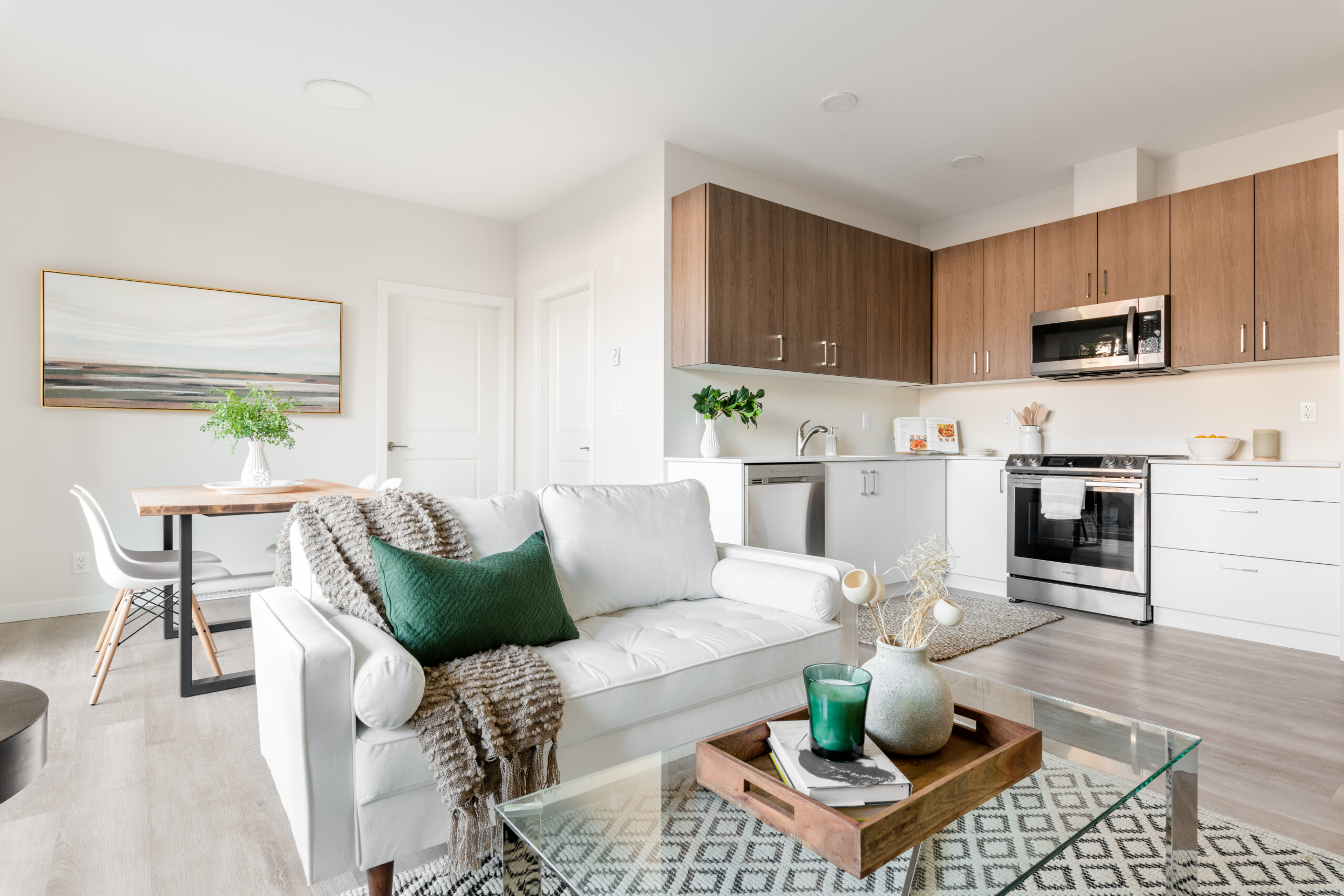
As we progress through 2026, buyer preferences reflect both practical priorities and evolving lifestyle values. Today’s buyers want spaces that feel modern, functional, and ready for everyday living with minimal upgrades. Here are the design trends consistently resonating with today’s buyer. Clean, Neutral PalettesSoft, neutral colours remain a staple because they create a sense of space and allow buyers to envision their own furnishings and style in the home easily. Whites, warm greys, and muted earth tones continue to dominate. Updated Kitchens with Practical DetailsKitchens with functional layouts and thoughtful design features stand out. Buyers appreciate full-height backsplashes, quality hardware, durable countertops, and ample storage solutions that keep the space uncluttered and efficient. Spa-Inspired BathroomsBathrooms that feel like a retreat are highly appealing. Walk-in showers with glass enclosures, large format tiles, brushed metal fixtures, and well-lit vanities give a sense of modern comfort without excess ornamentation. Seamless Indoor–Outdoor FlowDesign that enhances connectivity with outdoor spaces continues to attract buyers. Large sliding or folding doors, patios with defined living areas, and cohesive flooring transitions help extend usable living space year-round. Flexible and Functional SpacesHomes that accommodate multiple uses—home offices, hybrid work zones, hobby spaces, and convertible rooms—are in demand. Buyers want design that supports flexibility without sacrificing style. Natural Materials and Warm TexturesElements like wood grains, stone accents, and subtle textured finishes add warmth and authenticity. These materials help balance the clean lines of modern design with a more inviting, comfortable feel. Efficient and Thoughtful LightingLayered lighting—combining task, ambient, and accent fixtures—improves both function and mood. Under-cabinet kitchen lighting, statement pendants, and well-placed recessed lighting help enhance spaces without excessive cost. Integrated Smart FeaturesWhile aesthetics matter, buyers increasingly value technology that feels integrated rather than intrusive. Hidden speakers, smart thermostats, and discreet security systems appeal to buyers focused on convenience and modern living. Low-Maintenance FinishesDurability is a draw. Surfaces that are easy to clean—such as matte finishes, engineered flooring, and stain-resistant fabrics—appeal to buyers who want both beauty and practicality. Minimal Trim and Clean Architectural LinesContemporary buyers favour simplicity. Minimalist trim, consistent baseboards, and streamlined detailing help spaces feel larger and more cohesive, appealing to those seeking a modern aesthetic. In 2026, design that balances modern appeal, everyday functionality, and a timeless feel continues to resonate with buyers. Whether you are preparing to list your home or considering updates for personal enjoyment, focusing on these design trends can enhance both appeal and perceived value.
Read more