
Posts Tagged ‘real estate lifestyle’
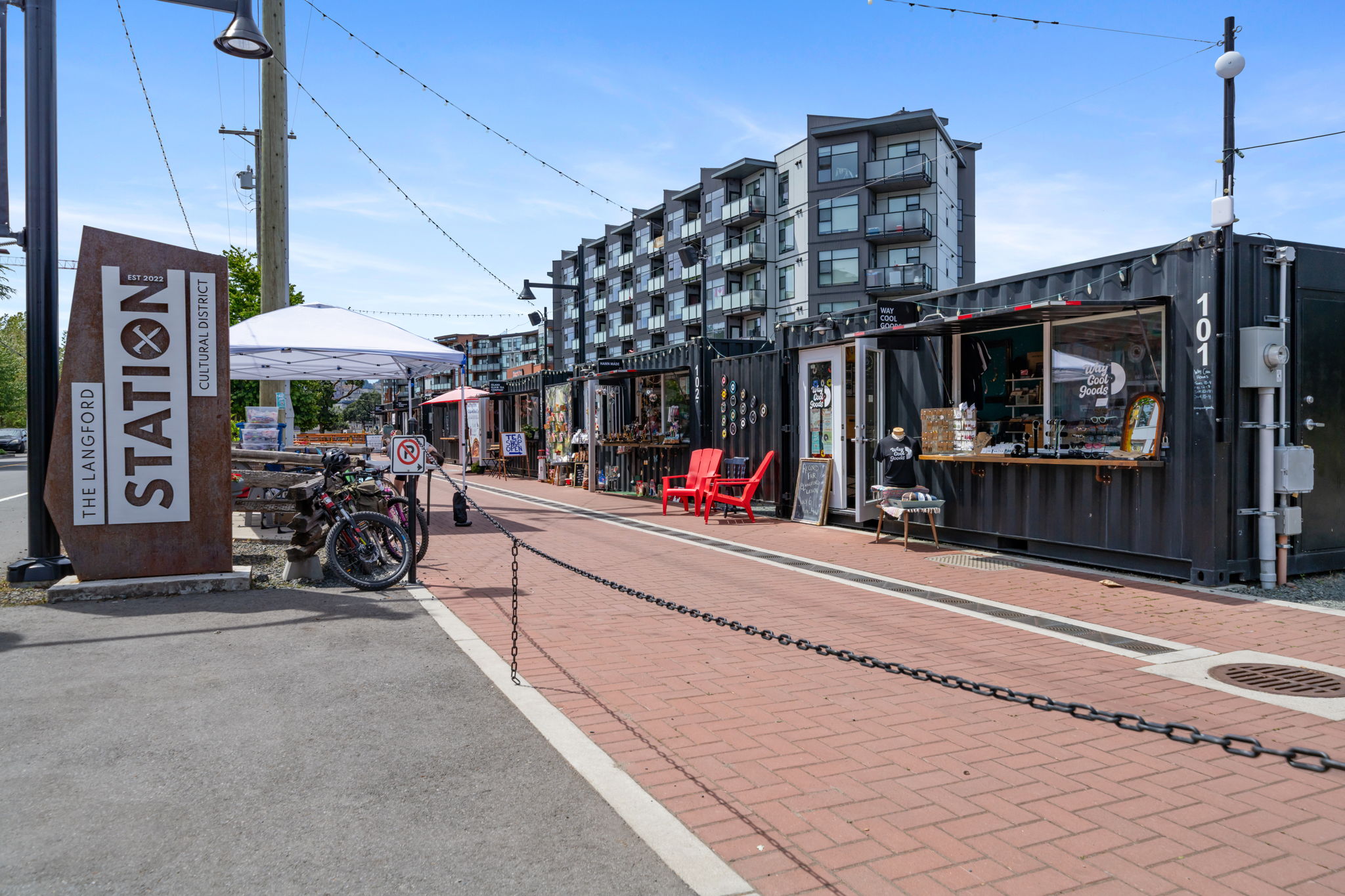
Walkability in Greater Victoria can add real value, but it does not mean the same thing in every neighbourhood. In some areas, walkability means being steps from coffee shops, restaurants, and daily errands. In others, it means easy access to trails, parks, schools, or the waterfront. That difference matters for buyers and sellers. A walkable home is not valuable simply because it has sidewalks nearby. It becomes more valuable when the walkability matches what buyers in that neighbourhood actually want. Walkability Is Not One-Size-Fits-All Many buyers say they want a walkable neighbourhood, but they may mean very different things. For one buyer, walkability means being able to leave the car parked and walk to groceries, restaurants, and services. For another, it means walking the dog on quiet streets, reaching a school safely, or being close to beaches and parks. This is why walkability in Greater Victoria needs local context. A home near Cook Street Village offers a different kind of walkable lifestyle than a home near Royal Oak, Sidney, Fernwood, Esquimalt, or central Langford. Each area creates value in a different way. Urban Walkability Adds Convenience Value In more urban neighbourhoods, walkability often supports daily convenience. Areas close to village centres, downtown amenities, cafés, transit, fitness studios, and restaurants can appeal to buyers who want a lifestyle with less driving. This can be especially attractive to first-time buyers, downsizers, professionals, and people who value access over square footage. In these areas, buyers may pay more for location because the neighbourhood becomes part of the living space. A smaller home or condo can feel more functional when daily life extends beyond the front door. Village Walkability Adds Lifestyle Value Neighbourhoods with village-style walkability often create emotional value. Places like Cook Street Village, Fernwood, Oak Bay Village, Cadboro Bay, and Sidney can feel established, social, and easy to enjoy. Buyers are not only looking at the home. They are imagining morning coffee, evening walks, local shops, parks, and a stronger sense of community. That lifestyle can create strong buyer interest, especially when the home itself has character, natural light, outdoor space, or an easy-care layout. For sellers, this means the marketing should not only describe the property. It should describe how daily life feels in that location. Family Walkability Looks Different For families, walkability often means safety and practicality. Proximity to schools, playgrounds, parks, sports fields, recreation centres, and quieter streets can matter more than restaurants or nightlife. In neighbourhoods such as Gordon Head, Lakehill, Royal Oak, and parts of the Westshore, buyers may care more about the ease of daily routines than the ability to walk to dinner. This kind of walkability can still affect value, but it is usually tied to function. Can children walk to school? Is there a park nearby? Are errands manageable? Is the route safe and comfortable? Those details can make a home feel more livable. Trail and Nature Walkability Can Be a Major Advantage In some neighbourhoods, walkability is less about shops and more about nature. Access to the Galloping Goose, the E&N Rail Trail, Thetis Lake, the Gorge Waterway, Dallas Road, beaches, parks, and waterfront paths can be a major selling feature. Buyers may value the ability to walk, run, cycle, or spend time outside without needing to drive. This type of walkability often appeals to active buyers, pet owners, downsizers, and people moving to Greater Victoria for lifestyle reasons. It may not show up the same way on a simple map score, but it can strongly influence buyer emotion. Walkability Can Offset Smaller Space In some neighbourhoods, buyers may accept less interior space if the location gives them more lifestyle outside the home. This is common with condos, townhomes, and smaller detached homes near village centres or strong amenity corridors. A smaller kitchen, limited yard, or compact floor plan may feel more acceptable if the buyer can walk to coffee, groceries, parks, restaurants, and transit. That does not mean space no longer matters. It means the buyer is weighing space against convenience. For sellers, this is important. If the home is smaller but the location is highly usable, the listing should clearly explain the lifestyle benefit. Walkability Can Also Create Trade-Offs Walkability is not always a simple positive. Some highly walkable areas may come with more traffic, less parking, smaller lots, more noise, or higher density. Buyers may love the access but still hesitate if the property feels too exposed, too busy, or too difficult for day-to-day parking. In quieter neighbourhoods, buyers may trade walkability for privacy, yard space, or a larger home. The key is to understand which trade-off fits the buyer profile for that area. Sellers Should Market Walkability With Specifics A vague phrase like “close to amenities” does not say enough. Stronger marketing explains what is actually nearby and why it matters. For example: Walk to coffee, groceries, and restaurants Minutes to parks, schools, and recreation Easy access to bike trails and transit Close to the waterfront or beach paths Daily errands without relying on the car Quiet streets with practical family routes The more specific the walkability story, the easier it is for buyers to picture themselves living there. Buyers Should Ask What Kind of Walkability They Want Before paying a premium for location, buyers should think carefully about what walkability means to them. Helpful questions include: Do I want to walk for errands or recreation? Do I need schools, parks, or transit nearby? Am I comfortable with more density or traffic? Will I still need a car for most daily routines? Does the neighbourhood feel walkable year-round? Will this location appeal to future buyers? A walkable location is only valuable if it fits the way you actually live. The Bottom Line Walkability in Greater Victoria affects value differently from one neighbourhood to the next. In some areas, it creates convenience. In others, it creates lifestyle, family function, outdoor access, or long-term resale appeal. The strongest locations are not always the ones with the highest walk scores. They are the ones where the walkability matches the buyer’s needs and the neighbourhood’s identity. For sellers, walkability should be marketed with clarity. For buyers, it should be evaluated with real daily life in mind. For advice on how walkability affects value in your Greater Victoria neighbourhood, contact Faber Real Estate Group for local guidance before you buy or sell. Don S., 5-Star Review, via Google “I would recommend them to anyone buying real estate on the Vancouver Island. The team is very knowledgeable, courteous and professional, adding a personal touch to building a strong relationship.” Faber Real Estate Group Royal LePage Coast Capital Realty 📞 250-244-3430 📧 [email protected] ℹ️ Scott Faber Personal Real Estate Corporation ℹ️ Cal Faber Personal Real Estate Corporation Vanessa Wood, Zachary Parsons, and Sophie Taylor “Building Lasting Relationships, One Home at a Time.
Read more
Older homes have a character that is difficult to replicate in newer construction. From solid craftsmanship to unique architectural details, these properties offer a sense of warmth and individuality. With thoughtful renovation, homeowners can honour that charm while creating a space that reflects their personal style and modern lifestyle. Why Older Homes Have Enduring Appeal Many older homes were built with materials and techniques that stand the test of time. Features such as hardwood floors, detailed trim, plaster walls, and distinctive layouts contribute to a sense of history and personality. These elements give homeowners a strong foundation to build upon when renovating. Blending Character With Modern Comfort One of the greatest advantages of renovating an older home is the ability to combine classic features with modern updates. Opened sightlines, updated kitchens, improved insulation, and energy-efficient systems can be introduced without sacrificing the home’s original charm. The result is a space that feels both timeless and functional. Renovation as a Form of Personal Expression Renovating allows homeowners to tailor their space to suit their lifestyle and design preferences. Whether that means restoring original details, introducing contemporary finishes, or creating a balance of old and new, renovations offer an opportunity to make the home truly your own. Respecting the Home’s Original Features Successful renovations often start with identifying which elements should be preserved. Original woodwork, fireplaces, and architectural details can serve as focal points. Highlighting these features adds authenticity and helps maintain the home’s character while supporting thoughtful design choices elsewhere. Planning for Practical Upgrades Beyond aesthetics, older homes often benefit from essential updates. Electrical systems, plumbing, roofing, and heating may need attention to meet modern standards. Addressing these improvements early ensures the home is safe, efficient, and comfortable for years to come. Balancing Budget and Vision Renovations can be staged over time, allowing homeowners to prioritize projects based on budget and lifestyle needs. A clear renovation plan helps balance creative vision with practical considerations and avoids costly surprises. Why Renovated Older Homes Remain Highly Desirable Homes that successfully blend original charm with modern updates often appeal strongly to buyers. Renovated older homes offer uniqueness, established neighbourhoods, and thoughtful design that can stand out in the market. Embracing the Process Renovating an older home is as much a journey as it is an investment. With the right planning and professional guidance, it can be a rewarding way to create a space that reflects your style while honouring the past. Rose, 5-Star Review, via Google “Terrific team. Cal and Vanessa were knowledgeable, patient, and listened to what our needs and concerns were. Vanessa was a ray of sunshine in an often grey winter house hunt.” Faber Real Estate Group Royal LePage Coast Capital Realty 📞 250-244-3430 📧[email protected] ℹ️ Scott Faber Personal Real Estate Corporation ℹ️ Cal Faber Personal Real Estate Corporation Vanessa Wood, Zachary Parsons, and Sophie Taylor “Building Lasting Relationships, One Home at a Time.”
Read more