
Posts Tagged ‘real estate due diligence’
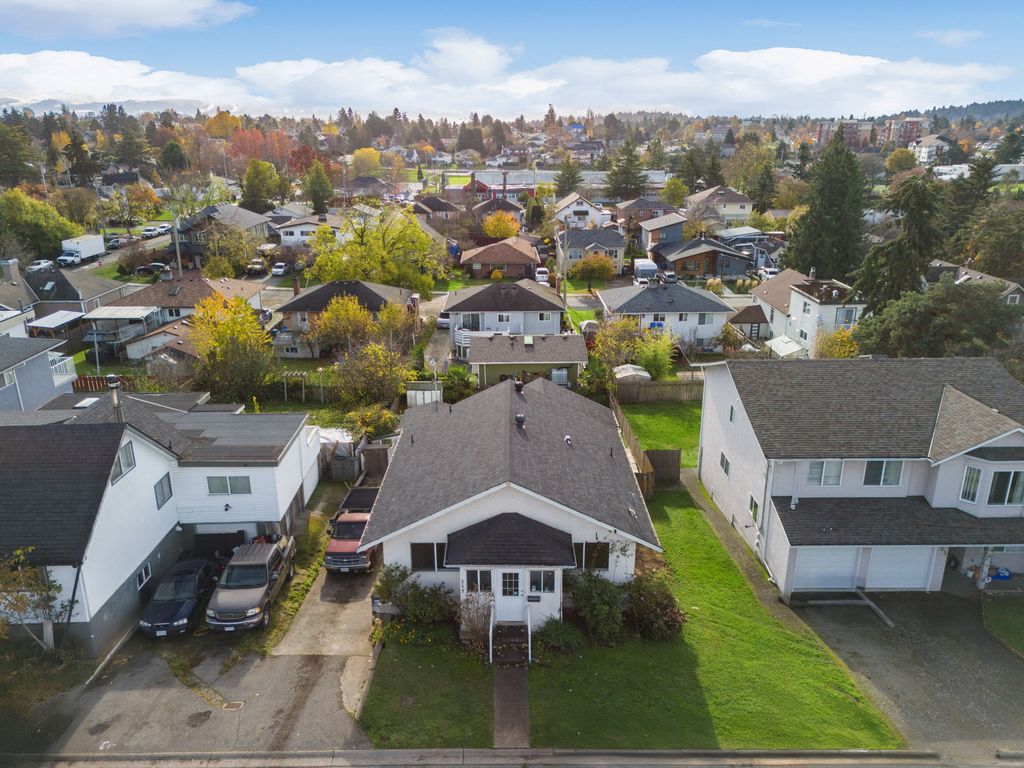
Understanding compromise vs red flag ,swhen buying a home can help you make a calmer, clearer decision before you write an offer. Most buyers will not find a home that checks every box. That does not mean they are settling. It means they are choosing which trade-offs make sense and which concerns need a closer look. A compromise is usually something you can live with, change, or plan around. A red flag is a warning sign that could affect safety, cost, resale, financing, or peace of mind. The difference matters. What Is a Reasonable Compromise? A compromise is a trade-off between what you want and what still works. For example, you may choose: A smaller yard to stay in your preferred neighbourhood An older kitchen because the layout works well A longer commute for more space A condo instead of a townhouse to stay within budget A home that needs cosmetic updates over time These are not always problems. In fact, most smart buyers make some form of compromise. The key is knowing whether the trade-off supports your lifestyle, budget, and long-term plan. Questions to Ask Before Accepting a Compromise Before you move forward, ask yourself a few clear questions. Can I live with this every day? Paint colour is easy to change. A layout that does not work for your family is harder to ignore. Focus on the parts of the home that affect daily life, such as storage, parking, noise, stairs, natural light, and commute. Can I fix this within my budget? Some updates can happen slowly. Others may cost more than expected. Before accepting a compromise, think about the true cost of changing it. A dated bathroom may be manageable. Old wiring, drainage issues, or a failing roof may need more care. Will this affect resale? You do not need to buy a home that works for everyone. However, resale still matters. Limited parking, an unusual layout, poor access, or a difficult location can reduce the number of future buyers. That does not mean you should walk away. It simply means you should understand the trade-off before you buy. What Is a Red Flag? A red flag is not always a dealbreaker. However, it is a reason to slow down and ask better questions. When thinking about compromise vs red flag when buying a home, look at whether the issue creates risk beyond simple preference. Common red flags may include: Water damage or moisture concerns Foundation or drainage issues Old electrical or plumbing systems A roof near the end of its life Signs of mould or poor ventilation Unpermitted renovations Missing or unclear documents Strata financial concerns Repeated special levies A purchase that stretches your monthly budget too far These concerns need proper review before you decide what to do next. Why the Home Inspection Matters A home inspection helps you understand what you are buying. It is not about finding a perfect home. It is about spotting visible concerns, future repairs, and maintenance priorities. For example, an older roof may be acceptable if the price reflects it. However, active leaks or repeated moisture problems may point to a larger issue. Good information helps you make a better decision. It also gives you room to negotiate, ask questions, or walk away if needed. Strata Homes Need Extra Review If you are buying a condo or townhouse, the unit is only one part of the decision. The building matters too. A beautiful condo may still carry risk if the strata has weak financials, ongoing repairs, insurance concerns, or poor maintenance history. Before buying a strata property, review: Form B Strata minutes Budget Bylaws Insurance documents Depreciation report Contingency reserve fund Any upcoming levies or major repairs This review can help you understand whether the home is a smart fit or just looks good on the surface. For more buyer guidance, visit: https://www.fabergroup.ca/buy-with-us/ Budget Red Flags Matter Too Not every red flag shows up during a walkthrough. Sometimes the biggest risk is the monthly cost. A home may fit your pre-approval but still feel too tight once you include taxes, strata fees, insurance, utilities, repairs, and moving costs. Before writing an offer, ask: What will this home cost each month? Do I have room for repairs? Will I still feel comfortable after closing? Am I relying on everything going perfectly? Does this home support the life I want? A good home should fit your life, not just your approval amount. A Simple Way to Decide When a concern comes up, place it into one of three categories. Preference This is something you wanted but do not truly need. Examples include paint colours, cabinet style, flooring, or light fixtures. These are often manageable compromises. Practical Concern This affects how the home works. Examples include parking, storage, layout, noise, commute, or renovation needs. These deserve more thought. Risk Factor This could affect cost, safety, financing, resale, or legal clarity. Examples include water damage, structural concerns, strata issues, unpermitted work, or an uncomfortable budget. These need deeper review before you move forward. Why Local Guidance Helps Greater Victoria has many different property types, and each one comes with its own trade-offs. Older homes may offer charm but need more maintenance. Condos may offer convenience but require careful strata review. Townhomes may provide more space but come with bylaws and monthly fees. Rural properties may involve wells, septic systems, access, zoning, and insurance considerations. That is why local guidance matters. The right advice can help you compare the home, the risks, the neighbourhood, and the numbers together. You can also start exploring current listings here: https://www.fabergroup.ca/search-homes/ Final Thoughts A compromise is not a failure. It is often part of buying the right home. A red flag is different. It is a signal to pause, ask questions, and protect your future self. The goal is not to find a flawless property. The goal is to understand what you are accepting before you say yes. When you can tell the difference between a reasonable compromise and a serious concern, you can buy with more clarity and fewer regrets. If you are buying in Greater Victoria and want help reviewing a property, comparing trade-offs, or understanding what concerns deserve a closer look, our team is here to help. Maryann G., 5-Star Review, via Google “We recently sold our home through the Faber Real Estate Group. We received excellent service as we navigated our way through the sale of the house. I would recommend, they are so professional and gave good advice leading to a quick sale.” Faber Real Estate Group Royal LePage Coast Capital Realty 📞 250-244-3430 📧 [email protected] ℹ️ Scott Faber Personal Real Estate Corporation ℹ️ Cal Faber Personal Real Estate Corporation Vanessa Wood, Zachary Parsons, and Sophie Taylor “Building Lasting Relationships, One Home at a Time.”
Read more
When buying a condo in Victoria, parking and storage are more than small extras. They can affect your daily convenience, future resale appeal, and how well the property fits your lifestyle over time. When buyers first look at condos, they often focus on the obvious things. Price. Location. Layout. Finishes. View. Building amenities. Monthly strata fees. Those details matter, but parking and storage still deserve careful attention. In Greater Victoria, where many buyers are comparing condos in walkable urban areas, newer Westshore buildings, older strata properties, and downsizer-friendly communities, the practical features can make a big difference. A condo without proper parking or storage may still be the right home. But buyers should understand what they are accepting before they write an offer. Why Parking Still Matters Some buyers assume parking is becoming less important because more people are walking, biking, taking transit, or working from home. For some lifestyles, that may be true. But in Greater Victoria, parking still matters for many condo buyers. Even if you do not drive every day, a secure parking stall can support your lifestyle, protect resale appeal, and make the home easier to use. Parking can matter if you: Commute to work Have children or family nearby Travel between municipalities Own recreational gear Work shifts or irregular hours Need reliable access to a vehicle Plan to rent or resell the condo in the future Want better convenience during poor weather Have visitors, caregivers, or service providers coming to the building A condo in a highly walkable area may still appeal without parking. But the buyer pool can become smaller. That is the key point. Parking may not matter equally to every buyer, but it often matters to enough buyers that it should be part of the value discussion. Storage Is More Important Than Many Buyers Expect Storage is one of those things buyers often underestimate until they move in. A condo can feel spacious during a showing, especially if it is professionally staged or lightly furnished. Once real life enters the space, storage becomes more noticeable. Where do the bikes go? What about seasonal decorations, luggage, golf clubs, paddleboards, tools, camping gear, files, winter tires, sports equipment, or extra household items? For downsizers, storage can be even more important. Moving from a detached home into a condo often means adjusting from a garage, crawlspace, shed, spare bedroom, or basement into a smaller living footprint. A storage locker can help make that transition easier. It can also help keep the suite itself feeling calm and functional. Parking and Storage Can Affect Resale Appeal Resale value is not only about what you like. It is also about what the next buyer may need. A condo with secure parking and a storage locker may appeal to a wider group of buyers than a similar unit without them. This can matter when it is time to sell, especially if competing listings offer more complete packages. In a market where buyers have more choice, practical features can help a property stand out. The Victoria Real Estate Board reported 4,054 active listings at the end of June 2026, up 7.3% from June 2025, giving buyers more options across the region. More choice does not mean every buyer will demand parking and storage. It does mean buyers may compare the full package more carefully. Two condos may look similar online, but if one includes secure underground parking and a storage locker while the other does not, that difference can affect how buyers perceive value. Not All Parking and Storage Are the Same One of the most important things condo buyers should understand is that parking and storage can be allocated in different ways. They may be: Part of the strata lot Limited common property Common property assigned for use Leased or licensed Allocated by the developer Controlled by strata council These differences matter because they can affect your right to use the stall or locker, whether it transfers on resale, and how secure that arrangement is. The Province of British Columbia explains that parking and storage areas are often designated as limited common property for the exclusive use of a particular strata lot. The owner may have exclusive use, but the area itself is still common property owned by the strata corporation. BCFSA also notes that when parking or storage is common property, it is generally within the control of the strata council unless other legal arrangements apply. This is why buyers should not rely only on a listing description. A listing may say “parking included” or “storage locker included,” but the documents should confirm what that actually means. What Buyers Should Review Before removing subjects on a condo purchase, buyers should review the documents carefully. For parking and storage, this may include: Form B Information Certificate Strata plan Bylaws and rules Parking assignments Storage locker assignments Developer disclosure statement, if applicable Lease or licence agreements, if applicable Council meeting minutes Annual general meeting minutes Any correspondence related to parking or storage changes The Form B is especially important because it should identify parking stalls and storage lockers associated with the strata lot. Realtylink notes that buyers can review the Form B and the strata plan to understand whether parking and storage are part of the strata lot, limited common property, or common property. This review helps buyers avoid assumptions. It also helps clarify whether the parking stall or locker is truly connected to the unit in a way that will matter on resale. Questions to Ask Before Buying a Condo Before writing an offer or removing subjects, buyers should ask clear questions. Parking Questions Is parking included? Is the stall assigned, titled, leased, or limited common property? Does the stall transfer with the unit on resale? Is the stall secure and underground? Is visitor parking available? Are EV chargers installed or permitted? Are there rules around renting out a stall? Is the stall large enough for your vehicle? Is the stall close to the elevator? Are there any known parking shortages in the building? Storage Questions Is a storage locker included? Is the locker assigned or legally tied to the unit? Where is the locker located? How large is it? Is it secure? Is it dry and accessible? Are there restrictions on what can be stored? Does it transfer with the unit on resale? Are bike rooms or other shared storage areas available? These may seem like small details. They are not small when they affect daily life. When a Condo Without Parking Can Still Make Sense A condo without parking is not automatically a poor choice. For some buyers, it may make a lot of sense. It may work well if: The building is in a highly walkable location You do not own a vehicle Transit access is strong Car-share options are nearby You prefer lower purchase costs You are buying primarily for lifestyle or location You understand the resale trade-off The key is being honest about how you live now and how your needs could change. A buyer who does not drive today may still want flexibility later. A future partner, job change, family need, or lifestyle shift could make parking more valuable. That does not mean every buyer should pay more for parking. It means the decision should be intentional. When Storage Should Be a Priority Storage may matter more if you are: Downsizing from a larger home Buying a smaller condo Working from home Keeping sports or outdoor equipment Planning to stay long term Sharing the space with another person Buying with pets or children Moving from a property with a garage or basement Trying to keep the suite uncluttered In Greater Victoria, lifestyle often includes outdoor activity. Bikes, paddleboards, golf clubs, camping gear, hiking equipment, and seasonal items all need space. If a condo does not have a storage locker, buyers should think carefully about whether the unit itself has enough closets and built-in storage to function well. Parking, Storage, and Newer Condos Newer condo buildings may offer more thoughtful storage solutions, secure bike rooms, EV-ready parking, underground stalls, parcel rooms, and improved building amenities. That can be a major benefit. However, buyers should still review what is included with the specific unit. In some buildings, parking or storage may be included. In others, it may be purchased separately, rented, assigned, or limited depending on the development. For pre-sale and new construction buyers, it is important to understand: Whether parking is included in the purchase price Whether storage is included Whether the parking stall is assigned before completion Whether EV infrastructure is available Whether storage lockers are limited in number Whether commercial parking or visitor parking affects availability How the disclosure statement explains parking and storage Do not assume every unit in the same building has the same package. Parking, Storage, and Older Condos Older condo buildings can offer larger floorplans, established locations, and strong value, but parking and storage arrangements may vary. Some older buildings have excellent storage. Others may have limited parking, waitlists, outdoor stalls, shared bike rooms, or older allocation systems that require careful review. Buyers should pay close attention to: Whether parking has changed over time Whether stalls are assigned by strata council Whether lockers are clearly documented Whether there are waitlists Whether parking is indoor, outdoor, covered, or uncovered Whether storage areas are secure and well maintained Whether past minutes mention disputes or shortages Older buildings are not automatically a concern. They simply require thoughtful due diligence. How Parking and Storage Fit Into Offer Strategy Parking and storage can also affect offer strategy. If a condo includes secure parking and a storage locker in a building where not every unit has both, that may support stronger value. If the unit does not include either, that may affect how the offer should be positioned. Before writing, buyers should compare: Similar units with parking Similar units without parking Similar units with storage Similar units without storage Recent sales in the same building Active competing listings Building location and walkability Buyer demand for that property type A downtown condo without parking may still be attractive if the location is strong. A suburban condo without parking may face a different buyer reaction. Context matters. The Bigger Lesson for Condo Buyers Parking and storage are not just checkboxes. They are part of how a condo functions. They affect convenience, flexibility, future resale appeal, and the way the home supports your lifestyle. They can also involve legal and strata-related details that need to be reviewed before a buyer feels confident moving forward. A strong condo purchase is not only about finding a unit that looks good. It is about understanding the full package. That includes the suite, the building, the strata, the neighbourhood, the parking, the storage, and how all of those pieces work together. Final Thoughts When buying a condo in Greater Victoria, parking and storage still matter. They may not be the most exciting features, but they are often among the most practical. A great layout can feel less functional without enough storage. A beautiful unit can become harder to resell if future buyers need parking and the unit does not offer it. The best approach is simple. Know what is included. Confirm it in the documents. Understand how it affects your lifestyle. Compare it against similar listings. Then decide whether the trade-off makes sense for your goals. If you are thinking about buying a condo in Greater Victoria, Faber Real Estate Group can help you compare buildings, review key details, and understand what matters before you write an offer. Debbie N., 5-Star Review, via Google “From start to finish, Scott and Cal were amazing to work with. I hadn't moved in nearly 22 years and going from a house to a condo was a very difficult decision, but they were amazingly patient and responsive to my needs. This team doesn't just say that they care, they actually do. I couldn't have done this without them. I would recommend them to anyone. You will be in the best hands. Thank you Faber Group!!!” Faber Real Estate Group Royal LePage Coast Capital Realty 📞 250-244-3430 📧 [email protected] ℹ️ Scott Faber Personal Real Estate Corporation ℹ️ Cal Faber Personal Real Estate Corporation Vanessa Wood, Zachary Parsons, and Sophie Taylor “Building Lasting Relationships, One Home at a Time.”
Read more
A smart home search strategy in Victoria starts before you step inside a property. A smart home search strategy in Victoria helps you compare homes with more confidence, avoid emotional decision-making, and focus on the properties that actually fit your budget, lifestyle, and long-term plans. Most buyers think the search begins with viewing homes. It usually starts earlier than that. Before you book showings, scroll listings, or fall in love with a kitchen, it helps to slow down and build a clear plan. In Greater Victoria, where neighbourhoods, property types, strata rules, commute times, renovation needs, and price points can vary so much, a better search strategy can save time and reduce stress. The goal is not to view the most homes. The goal is to view the right homes with the right questions. Why Your Search Strategy Matters Before Viewing Homes A home can look perfect online and still be the wrong fit. Photos can make a room feel larger. A listing description may not tell the full story. A desirable location may come with trade-offs around parking, strata fees, traffic, school catchments, noise, or future resale appeal. That is why preparation matters. In June 2026, the Victoria Real Estate Board reported 4,054 active listings at month-end, up 7.3% from June 2025. VREB also noted that buyers had more options and more time to make informed decisions compared with the low-inventory years that created heavier competition. More choice can be helpful. It can also make the process harder if you do not have a clear filter. When buyers look at too many properties without a plan, every home starts to blur together. One has the better yard. One has the better kitchen. One has lower strata fees. One has a better location. One needs work. One feels emotionally exciting but financially uncomfortable. A clear search strategy gives you a way to compare those trade-offs before pressure enters the decision. Start With Your Real Budget, Not Just Your Pre-Approval A pre-approval is a starting point, not a comfort level. Before viewing homes, buyers should understand the difference between what they can technically afford and what they are comfortable paying each month. That means looking at more than the purchase price. Your budget should include: Mortgage payment Property taxes Strata fees, if applicable Home insurance Utilities Maintenance Parking or storage costs Future repairs or upgrades Closing costs Property transfer tax, if applicable Moving costs A home at the top of your approval amount may still work on paper, but feel tight in real life. That does not mean you should avoid stretching for the right property. It means you should know when you are stretching, why you are stretching, and what you are giving up in exchange. Separate Needs, Wants, and Nice-to-Haves One of the best ways to improve your home search is to divide your criteria into three categories. Needs These are the non-negotiables. They usually relate to daily function, budget, location, accessibility, family needs, pets, parking, or timeline. Examples may include: Minimum number of bedrooms Maximum monthly payment Pet-friendly building Parking requirement Specific school area Commute limit No major renovation requirement Suite potential One-level living Wants These matter, but they may be flexible if the right home checks the bigger boxes. Examples may include: Updated kitchen Larger yard Extra storage Home office South-facing exposure Walkability Garage Newer building Larger deck or patio Nice-to-Haves These are bonuses. They may improve your enjoyment, but they should not drive the entire decision. Examples may include: Feature fireplace Designer finishes Ocean glimpses Pantry Gym in the building EV charger already installed Extra guest space This exercise helps buyers avoid overvaluing cosmetic features and undervaluing practical ones. A beautiful backsplash is nice. A layout that works for your daily life matters more. Understand Which Neighbourhoods Fit Your Life Greater Victoria is not one market. A condo in Downtown Victoria, a townhome in Langford, a character home in Fernwood, a family property in Saanich, and a newer detached home in Colwood can all offer very different versions of value. Before viewing homes, ask yourself: Where do I spend most of my time? How far am I willing to commute? Do I want walkability or more space? Do I need access to schools, transit, parks, or trails? Am I comfortable being farther from the core if it gives me a better home? Do I want a newer property with less maintenance? Would I rather buy a smaller home in a preferred location or a larger home farther out? This is where many buyers get stuck. They say they want “the best value,” but value depends on what they are trying to solve. For one buyer, value means being able to walk to work. For another, it means a larger yard for kids and pets. For another, it means a newer strata building with fewer maintenance concerns. The right neighbourhood is not always the most popular one. It is the one that fits your budget, routine, and next stage of life. Know Your Property Type Trade-Offs Before viewing homes, buyers should understand how different property types affect lifestyle, cost, and responsibility. Condos Condos can offer lower maintenance, strong locations, and better entry points into the market. They also require careful review of strata fees, bylaws, depreciation reports, contingency reserve funds, insurance, rental rules, pet rules, parking, storage, and building history. Townhomes Townhomes often appeal to buyers who want more space than a condo without the full maintenance of a detached home. They can be practical for families, downsizers, and buyers who want outdoor space, but strata review is still important. Detached Homes Detached homes offer more control, privacy, land, and flexibility. They also come with more responsibility. Roofs, drainage, windows, perimeter drains, heating systems, exterior maintenance, and future repair costs all matter. New Construction and Pre-Sales Newer homes can offer modern layouts, energy efficiency, warranty coverage, and lower short-term maintenance. Buyers should still understand GST, completion timelines, deposits, assignment rules, deficiency walkthroughs, strata setup, and what is included in the purchase. Each property type can be the right choice. The key is knowing what you are accepting before you get emotionally attached. Build a Viewing Scorecard A simple scorecard can help you stay grounded during showings. After each viewing, rate the home from 1 to 5 in these categories: Location Layout Condition Natural light Storage Outdoor space Parking Strata or maintenance risk Renovation needs Monthly cost comfort Long-term resale appeal Overall lifestyle fit Then write one sentence: “Would I still want this home if no one else was interested?” That question matters. In real estate, competition can make a property feel more desirable than it actually is. A strong search strategy helps you separate urgency from alignment. Look Beyond the Listing Price The asking price is only one part of the story. A home may be priced sharply to create activity. Another may sit longer because it needs a specific buyer. A third may look expensive online but offer strong value because of location, condition, building quality, or future flexibility. Before viewing a property, it helps to ask: How long has it been on the market? Have there been price changes? How does it compare to recent sales? Are similar homes available nearby? Is the seller likely to negotiate? Are there obvious condition concerns? Is the home priced for its upgrades, location, or scarcity? Is the market moving differently for this property type? This is where local guidance matters. A listing can only tell you what the seller is asking. Market context helps you understand what the home may actually be worth. Review Risk Before Emotion Takes Over Every property has risk. The question is whether the risk is acceptable, manageable, and reflected in the price. Before writing an offer, buyers should understand the key items that may need review, including: Title Property disclosure statement Strata documents Building bylaws Depreciation report Insurance documents Inspection findings Permit history Easements or covenants Financing approval Insurance availability Deposit timing Subject removal timeline Possession date In British Columbia, many residential buyers also have the Home Buyer Rescission Period, which gives buyers up to three business days to rescind an accepted offer, with a rescission fee if they choose to do so. BCFSA states that the fee is 0.25% of the purchase price. That protection does not replace proper due diligence. It is still better to understand the property before writing, not after. Decide What You Are Willing to Compromise On Every buyer compromises. The mistake is not compromising. The mistake is compromising on the wrong things. Before viewing homes, decide which trade-offs you can live with. You may accept: A smaller yard for a better location An older kitchen for a stronger floor plan A longer commute for more space A smaller condo for walkability A higher strata fee for better amenities and building care A home needing cosmetic updates if the structure and location are strong You may not want to accept: A monthly payment that creates stress A layout that does not work A building with concerns you do not understand A location that makes daily life harder A renovation scope beyond your budget or patience A property that only works if everything goes perfectly Good buying decisions are rarely perfect. They are clear. Avoid Letting Online Searching Replace Strategy Online listings are helpful, but they can also create confusion. It is easy to compare homes that are not truly comparable. A condo downtown, a townhome in Langford, and a detached home in Saanich may all show up in a similar price range, but they solve different problems. Instead of asking, “Which one is best?” ask, “Which one best fits the life I am trying to build?” That shift changes the search. You stop chasing every new listing and start measuring each property against your actual goals. How Local Guidance Helps A strong buying process should not push you into a home. It should help you slow down enough to make a confident decision. Local guidance can help you: Compare neighbourhoods realistically Understand market conditions by property type Identify red flags before spending time on showings Review strata and property documents Build an offer strategy Understand timelines, deposits, and subjects Avoid overpaying because of emotion Recognize strong value when it appears In a market with more choice, preparation becomes even more important. The buyers who do best are not always the fastest. They are the ones who know what they are looking for, understand what matters, and act decisively when the right home appears. Final Thoughts A smarter home search starts with clarity. Before viewing properties, take time to understand your budget, lifestyle, neighbourhood preferences, property type, trade-offs, and risk tolerance. The more clearly you define your search, the easier it becomes to recognize the right home when you see it. You do not need to know everything before you begin. You just need a process that helps you make better decisions as you go. If you are thinking about buying in Greater Victoria, Faber Real Estate Group can help you build a search strategy that fits your goals, your timeline, and the realities of the local market. Wilson, 5-Star Review, via Google “Amazing people there! They will help you through the entire process and will always make you feel like family. For those first time home buyers, don't be intimidated entering the market because they will explain every process and guide you through.” Faber Real Estate Group Royal LePage Coast Capital Realty 📞 250-244-3430 📧 [email protected] ℹ️ Scott Faber Personal Real Estate Corporation ℹ️ Cal Faber Personal Real Estate Corporation Vanessa Wood, Zachary Parsons, and Sophie Taylor “Building Lasting Relationships, One Home at a Time.”
Read more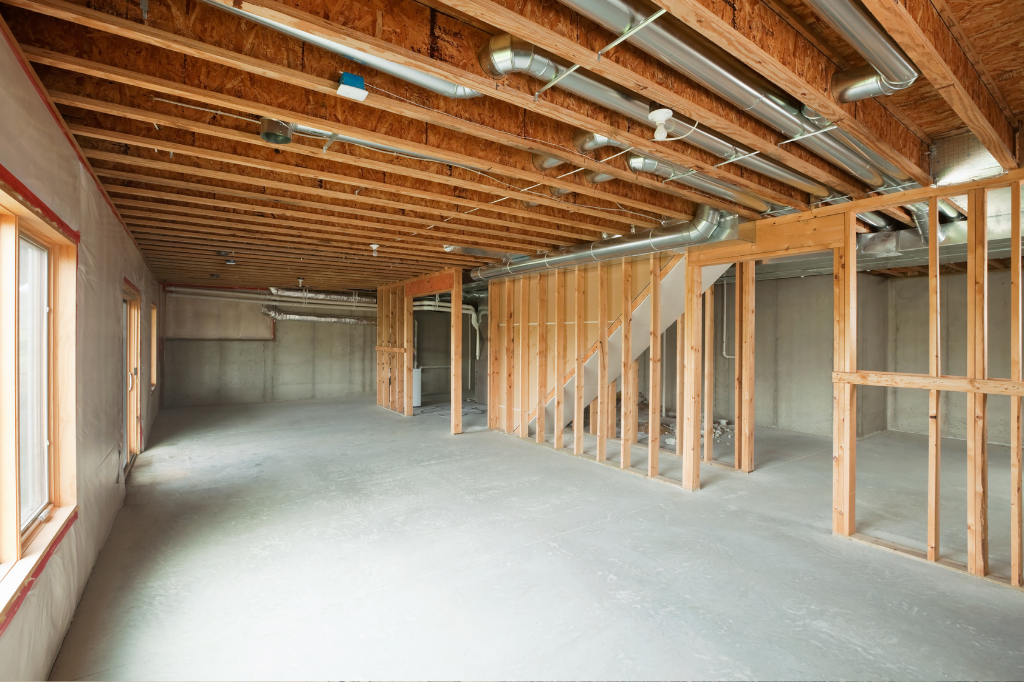
The cheapest home may cost more over time when the lower purchase price hides repairs, poor layout, location compromises, or resale challenges. For many buyers, especially in a high-cost market like Greater Victoria, the lowest price can feel like the safest choice. But the true cost of a home is not only what you pay on completion day. It is what you spend, fix, tolerate, and potentially lose when it is time to sell. A good purchase is not always the cheapest option. It is the home that fits your budget today while protecting your flexibility tomorrow. The Lowest Price Can Hide Bigger Repairs Some homes are priced lower for a reason. They may need a roof, perimeter drain work, windows, electrical updates, plumbing repairs, or heating system improvements. These costs can arrive quickly after possession, especially if the home has been under-maintained. A lower purchase price may still make sense if the buyer understands the work required. The risk comes when buyers stretch to purchase the home, then discover they do not have enough room left in the budget for repairs. Before choosing the cheaper option, buyers should ask: What repairs are urgent? What can wait? What might affect insurance or financing? What will this home likely need over the next five years? A home inspection is not just about finding problems. It helps buyers understand the cost of ownership. Location Trade-Offs Can Add Up A cheaper home may be farther from work, schools, transit, shops, or daily routines. At first, that trade-off can feel manageable. Over time, extra commuting, fuel, parking, and time can change the value equation. In Greater Victoria, small location differences can have a major effect on lifestyle. A home that saves money upfront may cost more if it adds stress to your daily schedule or makes future resale harder. This does not mean every buyer needs to live in a central neighbourhood. It means location should be measured beyond price. Convenience, commute, school catchments, walkability, and access to services all shape long-term value. Layout Problems Are Harder to Fix Than Paint Cosmetic issues are often easier to solve than functional ones. Paint, flooring, lighting, and hardware can change how a home feels. A poor layout is different. A home may be cheaper because it has awkward bedrooms, limited storage, poor natural light, low ceilings, too many stairs, or a kitchen that does not work well for daily life. These issues can affect enjoyment and resale. Buyers sometimes focus on what they can change and overlook what they cannot change easily. Before buying the cheapest home, consider whether the home’s layout supports how people actually live. Monthly Costs Matter More Than Purchase Price Alone The cheapest home may cost more if the ongoing expenses are higher. Older homes can come with higher heating bills, more maintenance, and larger repair needs. Some strata properties may have lower prices but higher monthly fees, upcoming special levies, or deferred maintenance. A smart comparison looks at the full monthly picture: Mortgage payment Property taxes Insurance Strata fees, if applicable Utilities Repairs and maintenance Commuting and parking costs Short-term and long-term improvement needs A slightly more expensive home with better condition, stronger efficiency, and fewer surprise costs may be more affordable over time. Resale Value Should Be Part of the Decision Most buyers do not want to think about selling before they have even moved in. But resale matters. Life changes. Jobs change. Families grow. Timelines shift. A home with limited buyer appeal may be harder to sell later. This can include unusual layouts, difficult access, poor parking, high noise exposure, major deferred maintenance, or a location with a smaller buyer pool. The goal is not to buy only for the next owner. The goal is to avoid buying something that solves today’s budget problem while creating tomorrow’s exit problem. When the Cheapest Home Does Make Sense Sometimes the cheapest home is the right choice. It may be a strong opportunity if the location is good, the inspection is reasonable, the layout works, and the buyer has budget room for improvements. The key is clarity. A lower price should come with a clear plan, not wishful thinking. The cheapest home may cost more when buyers overlook the real reason it is cheaper. But when the risks are understood, priced properly, and matched to the buyer’s goals, a lower-priced home can still be a smart move. The Bottom Line Price is only one part of value. The better question is not “What is the cheapest home I can buy?” It is “Which home gives me the best balance of affordability, condition, location, lifestyle, and resale confidence?” In Greater Victoria, where every neighbourhood and property type can behave differently, that kind of decision deserves careful advice. Before choosing the lowest-priced option, take time to understand the full cost of owning it. For guidance on comparing homes, reviewing trade-offs, or understanding long-term value in the Greater Victoria market, contact Faber Real Estate Group for advice or information. Carmel S., 5-Star Review, via Google “Cal Faber was our realtor for buying our house in Brentwood Bay. Subsequently he was our realtor for buying a business property for us as well along with help from his son Scott Faber. I have had more interaction with Cal and Scott and so I will say with enthusiasm that Cal was excellent in addressing our concerns, finding out details about our properties, he went beyond the call of duty to support us as new owners, both Cal and his son are conscientious, quick to respond with concerns, very kind and thoughtful and wonderful to work with. It would be hard to find more knowledgable and helpful realtors.” Faber Real Estate Group Royal LePage Coast Capital Realty 📞 250-244-3430 📧 [email protected] ℹ️ Scott Faber Personal Real Estate Corporation ℹ️ Cal Faber Personal Real Estate Corporation Vanessa Wood, Zachary Parsons, and Sophie Taylor “Building Lasting Relationships, One Home at a Time.”
Read more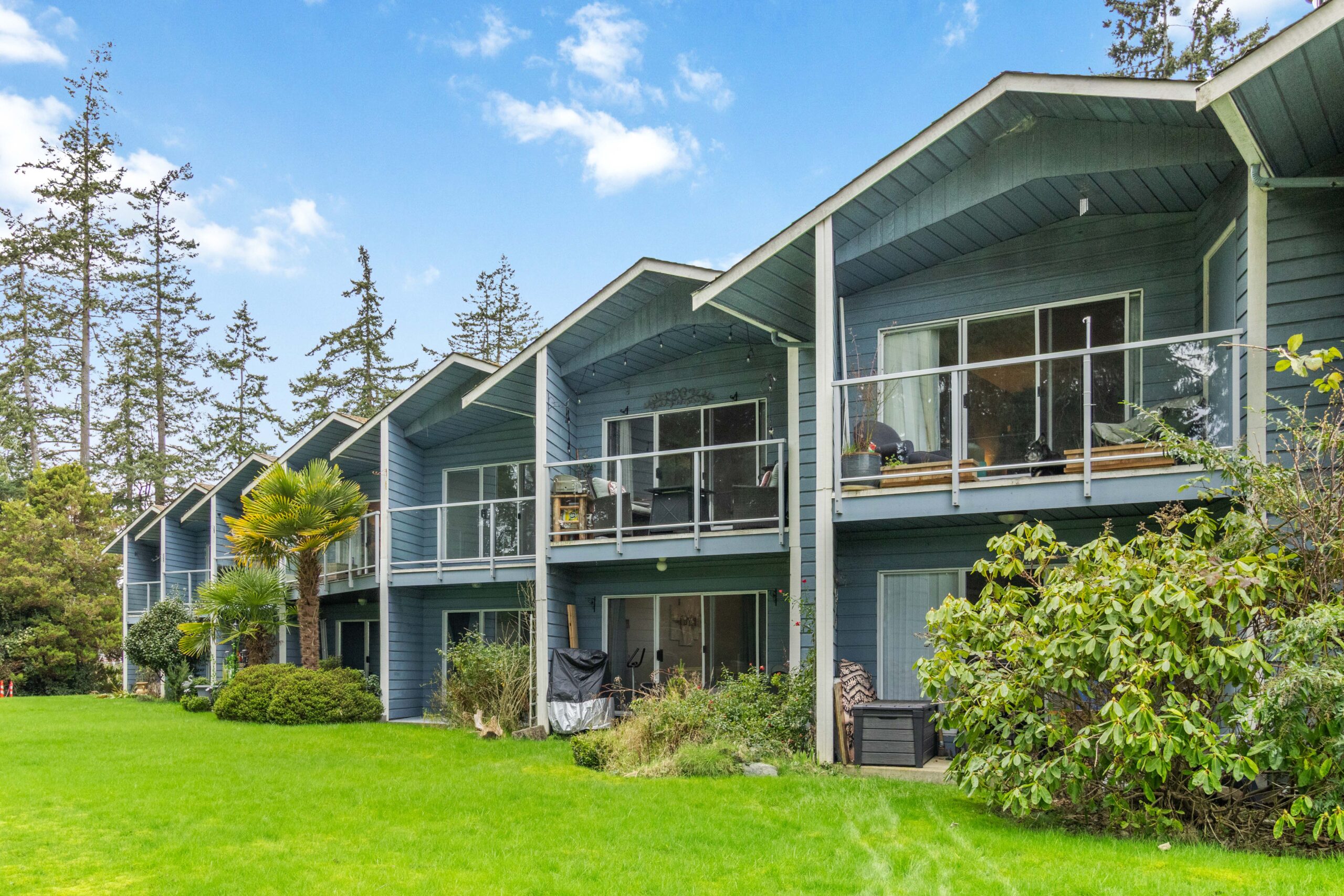
A good deal vs cheap house can look similar at first. Both may have a lower price, attract attention, and feel like an opportunity. However, in real estate, the cheapest home is not always the smartest buy. For buyers in Greater Victoria, this difference matters. A lower price can help with affordability, but it can also hide risk. Before you move forward, you need to understand the full picture. The goal is not to buy the cheapest home. The goal is to buy the right home at the right price. A Cheap House Starts With Price A cheap house usually stands out because it costs less than similar homes. That may happen because of: Major repairs An awkward layout A weaker location Deferred maintenance Limited parking Financing concerns Insurance concerns Low buyer demand Sometimes, a cheap house is a real opportunity. Other times, the price simply reflects the risk. So, before assuming it is a bargain, ask why the property is cheaper. A Good Deal Starts With Value A good deal is different. A good deal means the home offers strong value for the price and risk involved. It may not be perfect, but the trade-offs should be clear and manageable. A good deal may include: A fair or below-market price A strong location Manageable repairs Good resale appeal A practical layout Solid building fundamentals Less buyer competition This is where the good deal vs cheap house distinction becomes important. A low price gets attention. Strong value protects you. Cheap Can Become Expensive A lower purchase price can feel like a win. However, major repairs can quickly change the numbers. Buyers should look closely at: Roof age Drainage Plumbing Electrical systems Foundation concerns Oil tank risk Water ingress Strata documents Upcoming special levies For example, saving money on the purchase price may not help if the home needs expensive repairs right away. This is especially true with older homes in Greater Victoria. Some have been well maintained. Others may need more work than buyers expect. Location Still Matters A cheaper home in the wrong location may not be the better deal. Location affects: Resale demand Walkability Commute times School access Noise Rental appeal Future buyer interest You can update flooring, paint, and cabinets. You cannot move a home away from a busy road, poor exposure, or limited access. As a result, a well-priced home in a stronger location can be a better long-term decision than a cheaper home with location challenges. Potential Is Not the Same as Value Many buyers see a dated home and think, “This has potential.” Sometimes, that is true. Cosmetic issues can create an opportunity if the home has good bones. However, cosmetic work is very different from serious risk. Be careful with homes that may have: Structural issues Moisture problems Poor renovations Old wiring Plumbing concerns Permit issues Building envelope problems A good deal has problems you can understand and price properly. A cheap house often has problems buyers underestimate. The Home Still Needs to Fit Your Life A home can be affordable and still be the wrong fit. Before buying, ask: Will the commute work? Does the layout fit your lifestyle? Can you afford the repairs? Do you have time for renovations? Will the home still work in five years? Are you choosing it because it is right, or because it is cheaper? A cheap house can become stressful if it forces too many compromises. Therefore, the right deal should support your life, not just your budget. Inspections Help Clarify Risk A home inspection does not make a property good or bad. Instead, it helps you understand what you are buying. After inspection, separate issues into three groups: Normal maintenance Negotiation items Serious risks Normal maintenance may include small repairs or aging finishes. Negotiation items may affect price or terms. Serious risks may involve safety, financing, insurance, structure, or moisture. If the issues are manageable, the home may still be a good deal. If the repair list grows quickly, the cheap price may not tell the full story. Strata Buyers Need Extra Caution For condos and townhomes, price can be misleading. A lower-priced strata property may come with: High strata fees Weak contingency planning Upcoming special levies Insurance concerns Rental restrictions Pet restrictions Deferred maintenance Poor resale appeal Because of this, a cheap condo is not automatically a good entry point into the market. A strong condo deal should include a fair price, sound building management, reasonable fees, a practical floor plan, and healthy resale demand. Final Thoughts The difference between a good deal and a cheap house is simple. A cheap house has a low price. A good deal has strong value. Before writing an offer, look beyond the list price. Consider the location, condition, repair costs, financing, lifestyle fit, and resale potential. That is how buyers make better decisions in Greater Victoria’s real estate market. If you are trying to decide whether a home is a true opportunity or just a cheaper property with hidden problems, contact Faber Real Estate Group for advice before you write an offer. Michael B., 5-Star Review, via Google “Excellent experience with Faber group! Zach is an amazing young professional, he is very knowledgeable and explained everything to me (a first time buyer) very well. Towards the end I got to work with Cal as well who was also very kind and professional. I would certainly recommend Faber group.” Faber Real Estate GroupRoyal LePage Coast Capital Realty📞 250-244-3430📧 [email protected]ℹ️ Scott Faber Personal Real Estate Corporationℹ️ Cal Faber Personal Real Estate CorporationVanessa Wood, Zachary Parsons, and Sophie Taylor“Building Lasting Relationships, One Home at a Time.”
Read more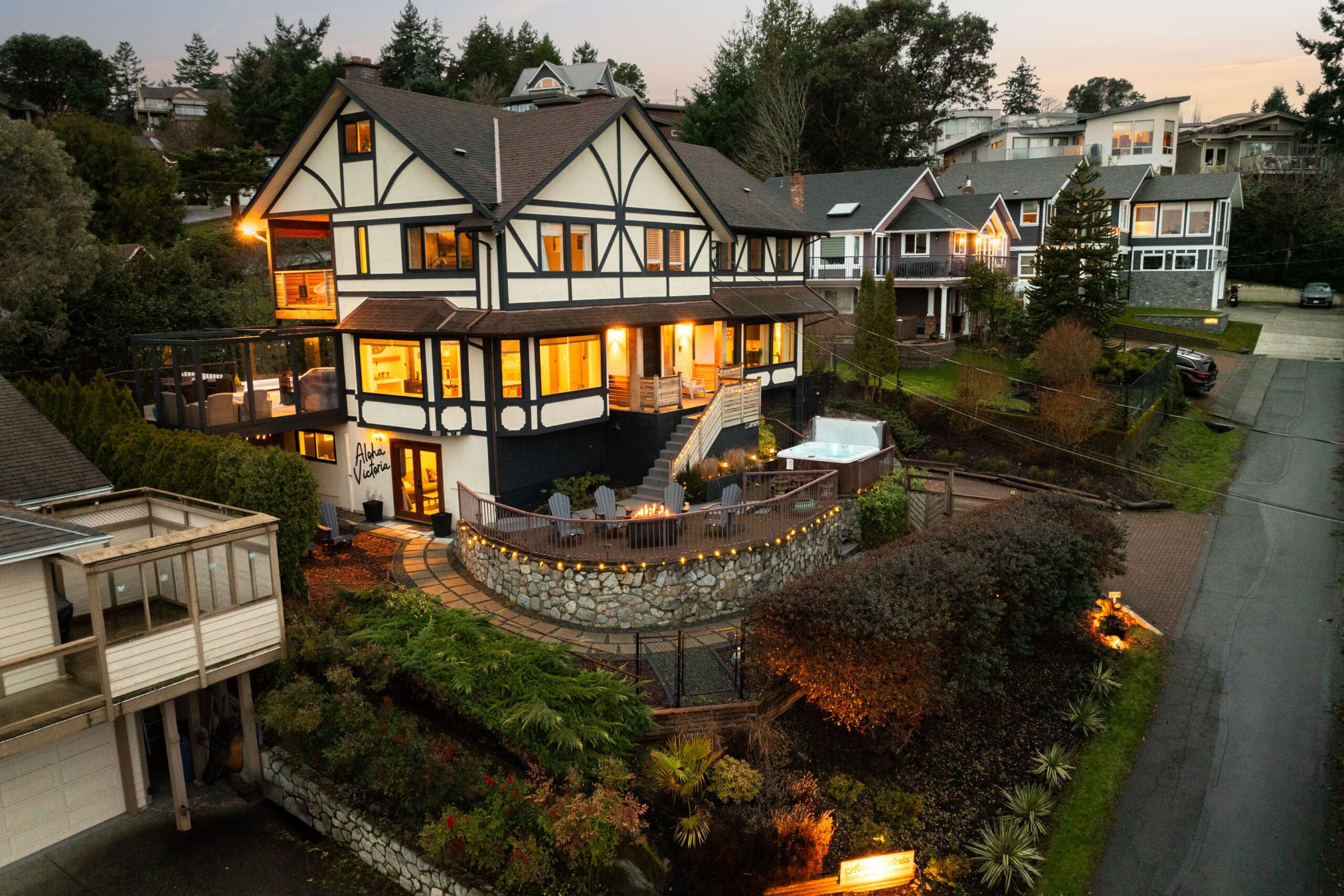
We’ve been in the Greater Victoria market long enough to see buyers make all kinds of decisions - some strategic, some emotional, and some regrettable. When the market was red-hot a few years ago, people waived everything: financing, inspections, and even reviewing strata documents. For some, it worked out. For others, it was the costliest gamble of their lives. Today the market is more balanced, but the question still comes up: should you get a mortgage pre-approval and a home inspection, or skip them to look more competitive? The short answer is that skipping them rarely makes sense and seldom pays off long-term. Pre-Approval: Clarity, Confidence, and Negotiating Power A pre-approval is not just a bank saying, “You’re good for X amount.” It’s the groundwork for a successful purchase. It tells you exactly what you can afford and gives sellers confidence that you’re serious. In a balanced market like Victoria’s 2025 landscape, a buyer without a pre-approval is simply not competitive. Offers with financing uncertainty tend to fall to the bottom of the list. We’ve seen deals fall apart because a buyer assumed their numbers would work out, only to find out a lender wouldn’t approve the condo’s age, strata bylaws, or the debt-to-income ratio. By then, the seller had wasted a week, other buyers had moved on, and everyone was left disappointed. A proper pre-approval also protects buyers from emotional bidding. In neighbourhoods like Saanich or Fernwood, where homes are desirable and pricing feels manageable, it’s easy to chase a property higher than intended. A lender-verified budget anchors decisions. Home Inspections: The Hidden Cost of Skipping Due Diligence Home inspections can feel like a speed bump when you’re excited about a listing, especially if the seller hints that “other buyers are coming in clean.” That’s when mistakes happen. Victoria has an older housing stock: character homes, mid-century builds, 1980s condos, and homes renovated across several decades. Problems rarely show themselves during a 20-minute showing. We’ve had clients who waived inspections and later discovered issues like poly-B plumbing, improperly vented bathrooms, hidden water damage behind drywall, or foundations that shift seasonally on rock bed. One buyer saved a few hundred dollars by skipping an inspection and then paid tens of thousands after possession. An inspection is not there to scare you or give you bargaining leverage. It’s decision-making insurance. It shows what’s urgent, what’s routine maintenance, and what’s predictable down the road. In Victoria’s climate - wet winters, salt air near the coast, and our love for older homes - understanding the condition of the property is essential. Does Skipping Conditions Actually Make You More Competitive? The myth is that a “clean” offer automatically beats every conditional offer. That was sometimes true in bidding-war days between 2021 and mid-2022. It is less true today. Strong sellers tend to choose strong buyers. They want certainty and professionalism, not last-minute chaos. A clean offer without pre-approval is a risk for them. A clean offer without an inspection is a liability for you. What Moves Offers Forward Today: Solid deposits Clear pre-approval documentation Realistic possession dates Respectful negotiation Those elements build trust. Skipping due diligence does the opposite. The Victoria Difference Every local market behaves differently, and Victoria is a unique one. Inventory is balanced, but quality homes still draw attention. Sellers know they will attract multiple showings, and most understand that serious buyers will want conditions. The right offer today is the one that shows competency, not recklessness. When we sit across from a seller reviewing offers, the ones that stand out are prepared, cleanly structured, and backed by a qualified lender, not the ones that gamble. Final Thoughts If you truly love a home, protect the purchase. Get pre-approved so you know what you can safely pay. Get an inspection so you understand what you’re taking responsibility for. Competitive offers are not made by cutting corners; they’re made by showing that you are a buyer who will close calmly and professionally. Tatiana Small, 5-Star Review, via Google “Absolutely phenomenal service from start to finish! Scott took the time to really get to know us and understand our likes and dislikes, what were dealbreakers and what really sold us in finding our perfect first home! Being first time homebuyers, he was extremely patient with all of our questions and very thorough when it came down to the finer details. Without a doubt, I would recommend him to everyone!” Faber Real Estate GroupRoyal LePage Coast Capital Realty📞 250-244-3430 📧[email protected] ℹ️ Scott Faber Personal Real Estate Corporation ℹ️ Cal Faber Personal Real Estate Corporation Vanessa Wood & Zachary Parsons “Building Lasting Relationships, One Home at a Time.”
Read more