
Posts Tagged ‘pricing strategy’
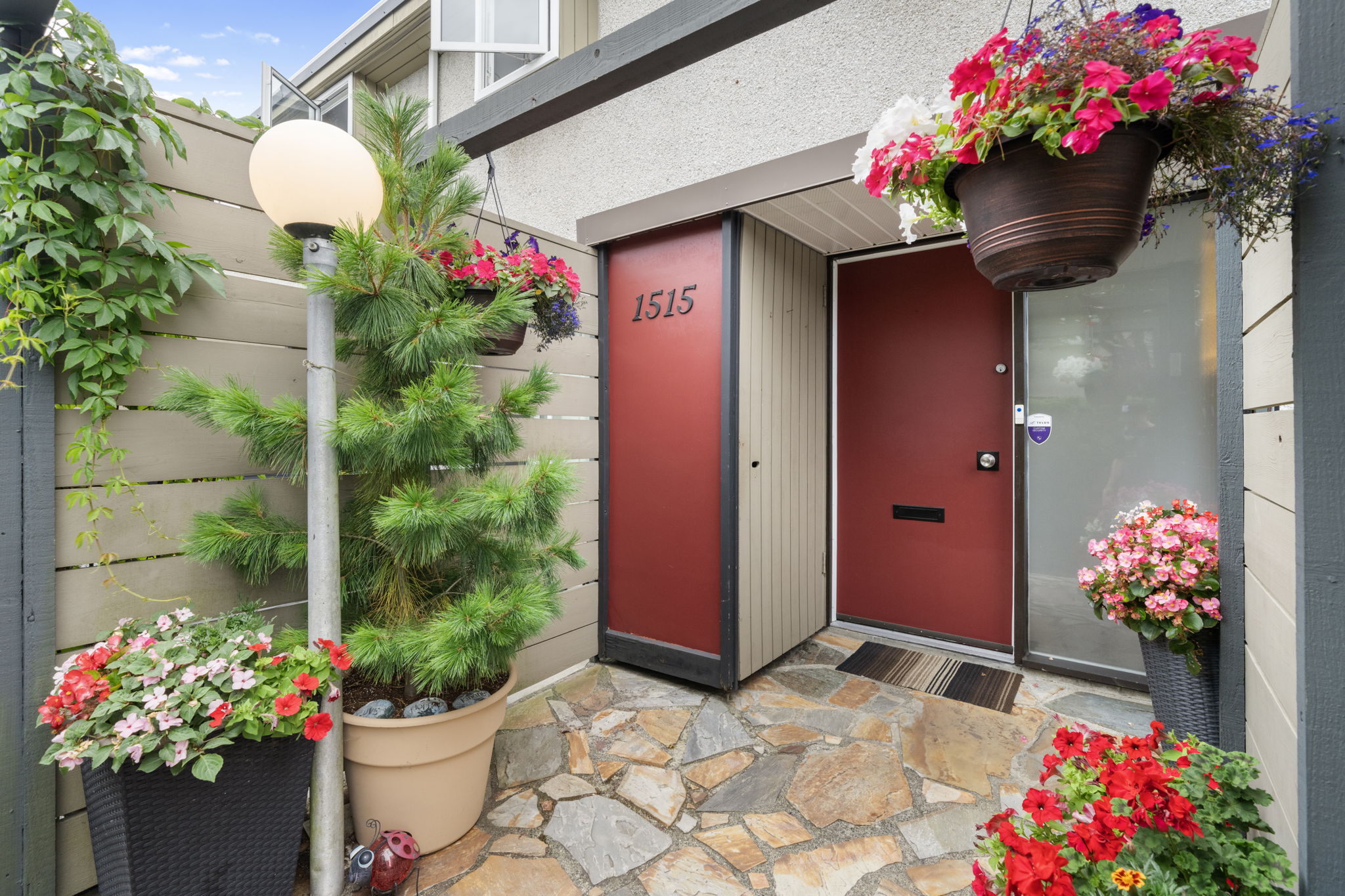
Summer can be a practical time to make a move in Greater Victoria. The days are longer, homes often show well, families may be trying to move before the school year starts, and buyers tend to have more flexibility for showings and open houses. But summer is not automatically easier. The summer real estate market Greater Victoria buyers and sellers are entering still requires preparation, realistic expectations, and a clear understanding of how your specific property type, price range, and neighbourhood are performing. According to the Victoria Real Estate Board, 719 properties sold in the region in June 2026, down 5.5% from June 2025 and slightly up from May 2026. Active listings reached 4,054 at the end of June, a 7.3% increase from the same time last year. VREB described the market as active and balanced, with more choice for buyers than in the low-inventory years. That means buyers may have more room to compare options, while sellers need to be more thoughtful about pricing, presentation, and strategy. For Buyers: More Choice Does Not Mean No Competition More listings can be helpful, but it does not mean every buyer suddenly has an easy path. The right homes can still attract strong interest, especially when they are well-priced, well-presented, and located in desirable areas. Buyers should avoid assuming that more inventory means they can move slowly on every property. Before viewing homes, it helps to be clear on: Your budget beyond the pre-approval Your preferred areas and commute Your must-haves versus nice-to-haves Your comfort level with strata fees, insurance, maintenance, or renovation work Your ideal possession timeline Your offer strategy if the right home comes up A stronger summer buying plan starts before the first showing. If you are still refining your search, our post on building a better home search plan is a helpful place to start. For Sellers: Presentation and Pricing Matter More Than Season Summer can help a listing feel bright, welcoming, and easy to imagine living in. Gardens are fuller. Natural light is stronger. Outdoor spaces are easier to enjoy. For many homes, this creates a valuable first impression. But good weather does not replace good strategy. In a market with more active listings, buyers have options. They are comparing price, condition, layout, location, parking, storage, strata documents, future costs, and lifestyle fit. A home that is priced too far ahead of the market can sit, even during a strong seasonal window. Sellers should focus on: Pricing based on current competing listings, not only past sales Clean, simple presentation Strong photography and marketing Easy showing access where possible Clear communication around timelines A realistic plan if feedback points to price resistance If you are preparing to list, our post on why sellers should not ignore competing listings is especially relevant. Summer Timelines Can Move Quickly Summer can create timing pressure. Buyers may want to move before September. Sellers may be balancing vacations, family plans, showings, and moving logistics. Contractors, inspectors, lawyers, mortgage brokers, and strata managers may also have busier schedules or holiday availability to consider. That makes preparation important. For buyers, this means having financing conversations early, understanding deposit requirements, and knowing what subjects you may need before writing an offer. For sellers, this means preparing documents, completing small repairs, organizing the home before photos, and having a clear plan for showings while still enjoying your summer. The goal is not to rush. The goal is to remove avoidable delays before they become stressful. Neighbourhoods and Property Types Will Not All Behave the Same Way There is no single Greater Victoria market. A condo in downtown Victoria may face different buyer behaviour than a townhome in Langford, a family home in Saanich, or an acreage near Metchosin or the Highlands. Even within the same city, price range and property type can change the strategy. For example: Entry-level condos may attract first-time buyers watching monthly affordability closely Well-located townhomes may appeal to buyers who need more space without moving too far out Detached homes may depend heavily on condition, suite potential, schools, parking, and lot usability Newer homes and pre-sales may attract buyers who value lower maintenance and modern features This is why broad market headlines can only tell part of the story. Your decision should be based on the micro-market that applies to your home, your search, and your timeline. What Buyers Should Watch This Summer Buyers should pay attention to value, not just price. A lower-priced home is not always the better buy if it comes with higher repair costs, weaker resale appeal, poor layout, or strata concerns. At the same time, a well-priced home may still be worth acting on quickly if it fits your needs and avoids major red flags. Before writing an offer, ask: Does this home fit the way I actually live? Are there future costs I need to understand? How does this property compare with recent sales and active listings? Am I reacting to pressure, or making a clear decision? Would I still want this home if another buyer was not interested? Buying well in the summer real estate market Greater Victoria often comes down to patience, preparation, and knowing when a property truly fits. What Sellers Should Watch This Summer Sellers should pay attention to buyer feedback early. If showings are happening but offers are not coming in, the market may be telling you something. It could be price, presentation, access, condition, layout, or competition from similar homes. A good listing strategy is not just about launching the property. It is about reviewing the response and adjusting when needed. That may include: Improving presentation Updating photos if the home changes seasonally Adjusting showing access Repositioning the listing description Revisiting price based on current activity Comparing new competing listings each week In summer, momentum matters. The first few weeks can shape how buyers perceive the listing. The Bottom Line Summer can be a smart time to buy or sell in Greater Victoria, but the best results still come from a clear plan. Buyers should use the extra choice to compare carefully, stay prepared, and avoid getting distracted by homes that do not fit their long-term needs. Sellers should focus on pricing, presentation, and current competition, not just the assumption that summer will bring stronger demand on its own. Whether you are planning a move now or simply watching the market, the right strategy depends on your neighbourhood, property type, price range, and timeline. If you are thinking about buying or selling this summer, our team is here to help you make a confident, informed decision. Hendri E., 5-Star Review, via Google “We had a fantastic experience working with Cal and Scott. They provided a truly personalized service, taking the time to understand exactly what our needs were and guiding us through every step of the process. What really stood out was how they went above and beyond—we felt fully supported from start to finish. Highly recommended!” Faber Real Estate Group Royal LePage Coast Capital Realty 📞 250-244-3430 📧 [email protected] ℹ️ Scott Faber Personal Real Estate Corporation ℹ️ Cal Faber Personal Real Estate Corporation Vanessa Wood, Zachary Parsons, and Sophie Taylor “Building Lasting Relationships, One Home at a Time.”
Read more
What makes buyers hesitate is not always obvious to sellers. A buyer may like the home, book a second showing, ask good questions, and still decide not to write an offer. That hesitation usually comes from uncertainty. Buyers are not only deciding whether they like the home. They are deciding whether the price, condition, location, documents, and future costs feel safe enough to move forward. In a market where buyers have more choice, small concerns can carry more weight. The Price Does Not Match the Experience Price is one of the most common reasons buyers pause. A buyer may like the home, but if the asking price feels high compared with similar listings, recent sales, or the home’s condition, they may hold back. This is especially true when there are other options available. Buyers often hesitate when: The home feels overpriced compared with competing listings Recent comparable sales do not support the asking price The condition does not match the price point The home has been sitting without adjustment The seller appears unwilling to negotiate A strong price does not need to be the lowest price. It needs to feel reasonable, explainable, and connected to the market. The Home Needs Too Much Work Most buyers expect some imperfections. But when the list of repairs starts to feel long, hesitation can build quickly. Common concerns include: Older roof Aging windows Worn flooring Tired paint Outdated electrical or plumbing Poor drainage Signs of moisture Deferred exterior maintenance Old appliances Unclear renovation quality Even cosmetic issues can matter if buyers start adding up the cost, time, and effort involved. A home that feels manageable may still attract strong interest. A home that feels like a project can narrow the buyer pool. The Listing Photos Do Not Match the Showing Buyers want the home to feel consistent with what they saw online. If the photos make the property look brighter, larger, cleaner, or more updated than it feels in person, trust can drop. That does not mean photos should be unflattering. It means the marketing should present the home well without creating a disconnect. Buyers may hesitate when they feel surprised by: Smaller room sizes Less natural light More wear and tear than expected Awkward layout Noise Odours Poor storage Neighbouring properties Parking limitations Once buyers feel misled, it becomes harder for them to feel confident. The Layout Does Not Fit Real Life A home can be attractive but still not function well for a buyer’s daily routine. Layout concerns often show up during or after the showing. Buyers start thinking about furniture, storage, work-from-home needs, children, pets, guests, hobbies, or future resale. They may hesitate if: Bedrooms are too small The kitchen feels disconnected There is no proper entryway Storage is limited The living area is hard to furnish The bathroom count feels tight Outdoor space is impractical There is no room to grow The home does not suit their next five years Buyers are not just purchasing a space. They are trying to picture a life inside it. The Documents Raise Questions For condos, townhomes, and strata properties, documents can have a major impact on buyer confidence. A buyer may like the unit but pause after reviewing the strata package. Concerns may come from: Low contingency reserve fund Repeated special levies Insurance concerns Major repairs being discussed Depreciation report issues Rental or pet restrictions Noise complaints Bylaw concerns Unclear meeting minutes For detached homes, buyers may hesitate over title details, permits, surveys, septic records, oil tank history, or renovation documentation. Good documents help buyers feel safe. Unclear documents create doubt. The Costs Feel Uncertain Many buyers are not only thinking about the purchase price. They are thinking about the total cost of ownership. That may include: Mortgage payment Property taxes Strata fees Insurance Utilities Maintenance Repairs Renovations Commuting costs Future special levies A buyer may be able to afford the home on paper but still hesitate if the ongoing costs feel unpredictable. This is one reason well-maintained homes with clear records can feel easier to buy. The Buyer Is Comparing Too Many Options More choice can create confidence, but it can also create decision fatigue. When buyers see several homes that could work, they may delay because they worry a better option will appear. They may like one property but keep comparing it to another. This is especially common when: Inventory is rising Multiple homes are priced similarly Buyers are early in their search The home has compromises The buyer is unsure about neighbourhoods Interest rates or monthly payments feel tight Sellers cannot control buyer psychology, but they can make the decision easier by pricing and presenting the home clearly. The Home Lacks an Emotional Pull Not every buyer decision is purely logical. Sometimes buyers hesitate because the home does not create enough emotional connection. It may check the boxes but feel cold, cluttered, dark, or hard to imagine living in. A stronger emotional pull can come from: Clean presentation Natural light Warm but neutral staging Clear room purpose Good flow Tidy outdoor spaces A welcoming entry Small signs of care and maintenance When buyers feel emotionally connected and logically reassured, they are more likely to act. The Seller Seems Difficult or Unprepared Buyers also read signals from the process. If showings are hard to book, information is missing, documents are delayed, or responses feel slow, buyers may wonder whether the transaction will be difficult. Hesitation can increase when: Listing details are unclear Documents are incomplete Access is limited Questions go unanswered The seller seems unrealistic The home was not prepared properly There is uncertainty around dates or inclusions A smooth process builds trust before an offer is ever written. The Bottom Line for Sellers What makes buyers hesitate is usually a mix of price, uncertainty, condition, presentation, documents, and confidence. Most buyers do not need a perfect home. They need enough clarity to feel the decision makes sense. For sellers, the goal is to reduce friction before the home goes live. That means pricing with care, preparing the property well, organizing key information, and making the home easy to understand. In Greater Victoria, where buyers often compare different property types, neighbourhoods, and ownership costs, small details can make a big difference. The more confident buyers feel, the easier it becomes for them to move from interest to action. For advice on preparing your home for sale in Greater Victoria, contact Faber Real Estate Group for clear, local guidance before making your next move. Leanne D, 5-Star Review, via Google “I would highly recommend the Faber Group this is the second time we have used them and have been over the top happy with their service. They are an honest group who all go above and beyond to make your experience perfect!” Faber Real Estate Group Royal LePage Coast Capital Realty 📞 250-244-3430 📧 [email protected] ℹ️ Scott Faber Personal Real Estate Corporation ℹ️ Cal Faber Personal Real Estate Corporation Vanessa Wood, Zachary Parsons, and Sophie Taylor “Building Lasting Relationships, One Home at a Time.”
Read more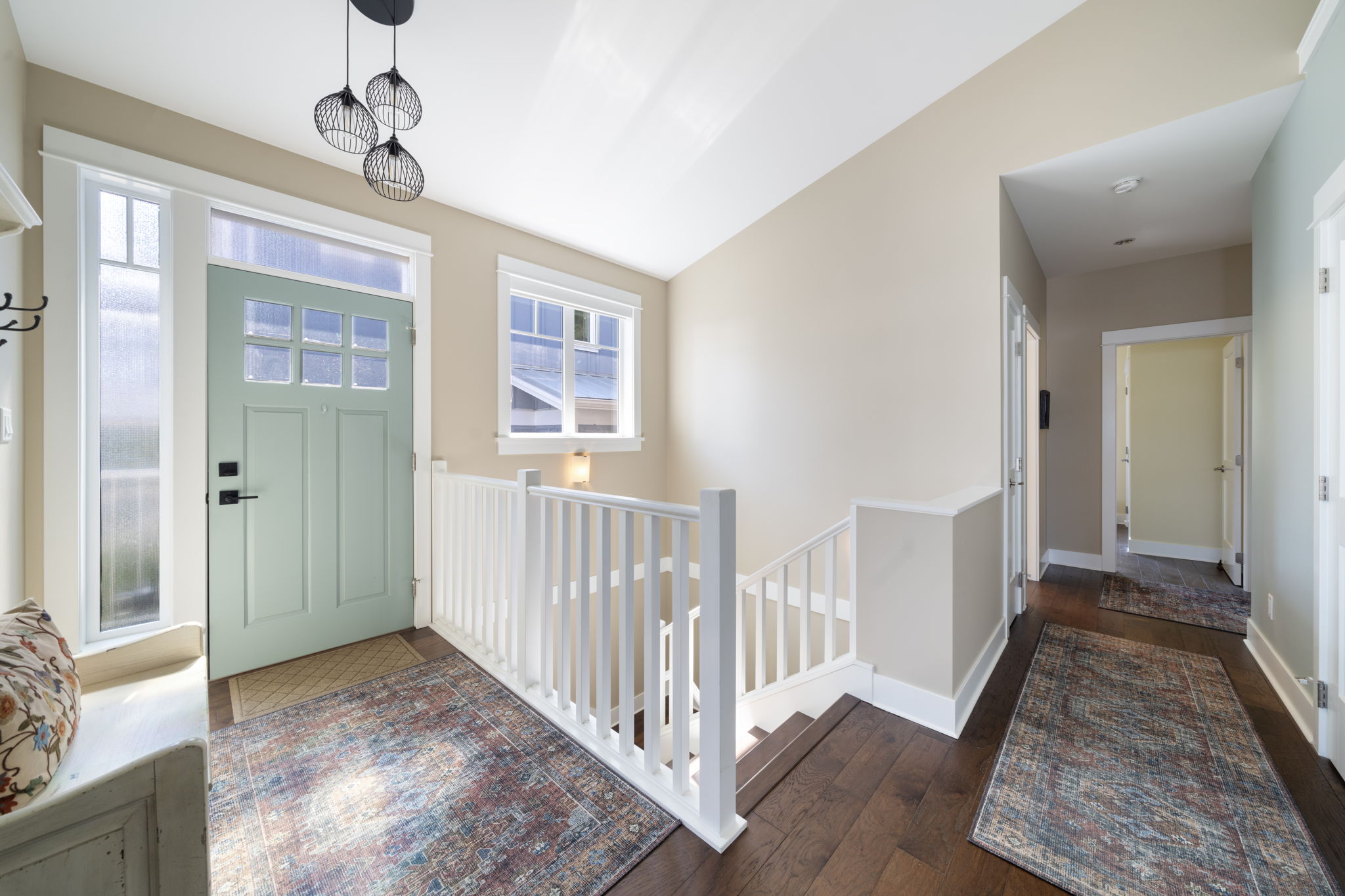
When homes get showings but no offers, it can feel confusing for sellers. On the surface, showings seem like a good sign. Buyers are booking appointments, walking through the home, and taking time to view it in person. However, if those showings are not turning into second showings, strong feedback, or written offers, the market may be sending a message. In Greater Victoria, buyers often compare multiple homes before making a decision. They may like your home, but they also weigh price, condition, layout, location, competing listings, and long-term value before moving forward. Showings create opportunity. Offers come from confidence. Showings Mean Buyers Are Interested Enough to Look A showing usually means the listing is doing something right. The price may be close enough to attract attention. The photos may be strong. The location may match what buyers are searching for. The property may also fit within an active price range. However, a showing does not always mean a buyer is ready to write. Sometimes buyers are curious. Sometimes they are comparing. Sometimes they like the online presentation but feel differently once they walk through the home. That is why sellers need to look beyond the number of showings and focus on what happens after each one. Buyers May Like the Home but Not the Price One of the most common reasons homes get showings but no offers is price. A home can be priced close enough to generate interest, but still high enough that buyers hesitate. In a market with more choice, buyers often compare homes side by side. If another property offers better condition, more space, a stronger location, or a lower price, they may choose to wait or make an offer elsewhere. This does not always mean the home is dramatically overpriced. Sometimes the gap is smaller than sellers think. However, even a small pricing disconnect can matter when buyers have options. The question is not only, “Are people coming to see it?” The better question is, “After seeing it, do buyers still feel the value makes sense?” The Online Listing May Be Stronger Than the In-Person Experience Professional photography, video, staging, and strong marketing can bring buyers through the door. That is important. However, the in-person experience still needs to support the expectations created online. If the listing looks bright, spacious, and move-in ready online, but the home feels darker, smaller, louder, or more dated in person, buyers may leave unsure. This can happen when: Rooms feel smaller than expected Natural light is limited Layout challenges are harder to see online Deferred maintenance becomes more obvious Neighbouring properties affect the feel Odours, noise, or clutter distract buyers Finishes look more worn in person Good marketing should attract attention, but it cannot fully overcome the way a home feels during a showing. Condition Can Create Buyer Hesitation Buyers are not only looking at what a home is today. They are also thinking about what it may cost tomorrow. Minor wear and tear may not seem significant to a seller, especially after years of living in the home. However, buyers often add up every visible project in their mind. Paint, flooring, appliances, windows, roof age, exterior maintenance, bathrooms, kitchens, landscaping, and storage can all affect confidence. A buyer may like the home, but if they start thinking, “This needs more work than I expected,” they may not write an offer. In today’s market, many buyers are watching their monthly payments closely. If a home already feels expensive, added repair costs can make them pause. The Home May Not Be Standing Out Against the Competition No listing exists in isolation. Buyers compare your home against every other property they have seen in the same price range. That includes active listings, recent sales, new construction, and homes they expect may come on the market soon. If your home gets showings but no offers, it may be worth reviewing the competition carefully. Ask: What else can buyers buy at this price? Are competing homes more updated? Do they offer better parking, storage, outdoor space, or layout? Are they in a more convenient location? Have similar homes recently reduced their price? Are new listings making your home feel less competitive? Sometimes a listing does not need a major change. It needs a sharper position within the current market. Buyers May Have Concerns They Are Not Saying Directly Buyer feedback is useful, but it is not always complete. Some buyers will be direct. Others may be polite. They might say the home “was not the right fit” when the real concern was price, layout, condition, noise, location, or future costs. That is why patterns matter more than one piece of feedback. If multiple buyers mention the same concern, sellers should pay attention. If buyers are viewing the home but not returning for second showings, that also matters. If activity is steady but offers are missing, the issue may be less about exposure and more about conversion. A good listing strategy should track these signals and respond before the listing loses momentum. The First Impression May Need Refinement Buyers often decide how they feel about a home quickly. Curb appeal, entryway presentation, lighting, cleanliness, furniture placement, scent, and temperature can all affect the first few minutes of a showing. This does not mean sellers need to renovate everything. In many cases, small improvements can make the home easier to connect with. Helpful adjustments may include: Improving lighting Decluttering surfaces Removing bulky furniture Freshening paint where needed Improving entryway presentation Cleaning windows Tidying landscaping Addressing small repairs Making rooms feel more clearly defined The goal is to reduce distractions so buyers can focus on the home’s best features. The Listing May Need a Strategy Adjustment When a home gets showings but no offers, sellers often wonder whether they should wait, reduce the price, update the marketing, or make improvements. The right answer depends on the market response. If the home has strong online views but few showings, the issue may be price, photos, or buyer expectations. If the home has showings but no second looks, the issue may be condition, layout, location, or perceived value. If the home has consistent feedback about price, the market may already be pointing toward a price adjustment. If feedback is mostly about presentation, small improvements may help before changing the price. A good strategy looks at the full picture, not just one number. When a Price Adjustment Becomes the Right Move A price adjustment should not be seen as failure. In many cases, it is a strategic reset. If the market has spoken clearly, adjusting the price can bring the listing back into stronger alignment with buyer expectations. It can also help reach buyers who were previously watching but not acting. The key is timing. Waiting too long can make a listing feel stale. Adjusting too quickly without reviewing feedback can leave money on the table. The best approach is to use showing activity, buyer comments, competing listings, and recent sales to make an informed decision. Price is not the only tool, but it is one of the strongest. Final Thoughts When homes get showings but no offers, the market is usually not silent. It is giving feedback. The home may be attracting attention, but buyers may need more confidence before they act. That confidence can come from stronger pricing, better presentation, clearer positioning, or a more competitive strategy. For sellers, the goal is not just to get people through the door. The goal is to help the right buyer feel confident enough to move forward. If your home is getting showings but no offers, it may be time to review the feedback, compare the competition, and adjust the strategy before momentum fades. If you are thinking about selling in Greater Victoria and want advice on pricing, presentation, or how to position your home in today’s market, contact Faber Real Estate Group for guidance. Florenda S., 5-Star Review, via Google “We worked with Cal & Scott selling our home recently. The effort they put into the sale was amazing with the photo virtual walk through set, the video, the night shots and open houses. Our house sold very quickly even in a slowdown in the market.” Faber Real Estate Group Royal LePage Coast Capital Realty 📞 250-244-3430 📧 [email protected] ℹ️ Scott Faber Personal Real Estate Corporation ℹ️ Cal Faber Personal Real Estate Corporation Vanessa Wood, Zachary Parsons, and Sophie Taylor “Building Lasting Relationships, One Home at a Time.”
Read more
Sellers need to compete on value when buyers have more options. Price matters, but it is not the only thing buyers compare. They also look at condition, presentation, location, maintenance, layout, documents, flexibility, and how confident the home makes them feel. A lower price can attract attention, but it does not always solve buyer hesitation. In many cases, sellers get better results by making the home easier to understand, easier to trust, and easier to choose. Buyers Do Not Only Ask, “Is It Cheap?” Most buyers are not looking for the lowest-priced home at any cost. They are looking for the best fit within their budget. That means they are often asking: Does this home feel well cared for? Does the price match the condition? Will this home need expensive repairs? Is the layout practical? Are the documents clear? Are there future costs I should worry about? Does this home feel better than the alternatives? When buyers have more listings to compare, value becomes more important than price alone. Price Gets Attention, But Value Builds Confidence A price reduction may bring more eyes to a listing. But once buyers are inside the home, they still need to feel confident. Value comes from the full picture. That can include: A realistic asking price Clean presentation Good photography Strong maintenance records Clear disclosure Practical improvements Organized documents Flexible possession options Strong curb appeal A home that feels easy to live in The best listing strategy is not simply “price lower.” It is to help buyers see why the home makes sense. Presentation Is Part of Value Presentation has a direct effect on perceived value. A clean, bright, well-organized home often feels more cared for. Buyers may not consciously assign a dollar amount to fresh paint, clean windows, tidy landscaping, or thoughtful staging, but those details affect how they feel. Poor presentation can make buyers question the price, even if the price is fair. Sellers should focus on: Decluttering Deep cleaning Improving lighting Touching up paint Fixing small repairs Making storage areas look functional Tidying outdoor spaces Creating clear room purpose These steps do not change the legal size of the home, but they can change how buyers experience it. Condition Can Matter More Than a Small Discount Some buyers would rather pay a fair price for a well-maintained home than chase a cheaper listing with uncertainty. If a home has deferred maintenance, buyers may mentally subtract more than the actual repair cost. They may also worry about the time, stress, and risk involved. This is why condition matters. A seller may create more value by addressing obvious concerns before listing, such as: Minor leaks Damaged trim Burnt-out lights Loose handles Dirty carpets Overgrown landscaping Peeling paint Poor odours Missing documentation Unclear repair history Small issues can create larger doubt. Reducing doubt can protect value. Buyers Compare the Total Cost of Ownership The purchase price is only one part of the decision. Buyers also think about: Mortgage payment Property taxes Insurance Strata fees Utilities Repairs Renovations Maintenance Commuting costs Future resale A home may be priced lower but still feel expensive if it needs work or has unclear future costs. A slightly higher-priced home may feel like better value if it is clean, efficient, well-maintained, and easy to move into. For sellers, the goal is to show why the property is worth choosing, not just why it is worth viewing. Documents and Transparency Add Value Buyers become more confident when they can understand the property clearly. For detached homes, this may include permits, receipts, maintenance records, renovation details, surveys, title information, or inspection history. For strata properties, buyers may review meeting minutes, depreciation reports, Form B, budgets, bylaws, insurance summaries, and contingency reserve fund details. Organized information helps reduce uncertainty. It can also make the transaction feel smoother. A seller who is prepared often feels more credible than a seller who is reactive. Flexibility Can Create Value Value is not always physical. Sometimes it comes from terms. Depending on the buyer, flexibility around possession dates, inclusions, subjects, or access for due diligence can make the home more attractive. For example, a buyer may value: A possession date that matches their move Clear communication Easy showing access A reasonable subject timeline Included appliances or fixtures Early access for measurements or trades A seller who responds quickly Terms do not replace price, but they can make an offer easier to write. Competing on Value Helps Avoid a Race to the Bottom If sellers focus only on price, the strategy can become reactive. One nearby listing reduces, then another follows, and suddenly sellers are competing mainly by discount. That may be necessary in some cases, especially if the original price was too high. But it should not be the only strategy. A better question is: How can this home become the most compelling option in its category? That may involve price, but it may also involve better preparation, better marketing, clearer information, stronger presentation, and fewer buyer objections. The Bottom Line for Sellers Sellers need to compete on value because buyers are comparing more than asking prices. They are comparing confidence, condition, presentation, total cost, risk, and lifestyle fit. A strong listing does not rely on one lever. It brings pricing, preparation, marketing, and negotiation together so buyers understand why the home is worth serious consideration. In Greater Victoria, where every neighbourhood and property type can behave differently, the best strategy is not simply to be cheaper. It is to be clearer, stronger, and easier to choose. For advice on preparing, pricing, and positioning your home for sale in Greater Victoria, contact Faber Real Estate Group for clear, local guidance before making your next move. Dom L., 5-Star Review, via Google “After months of searching and giving us their honest advice, we finally bought a place while out of town. We only had a virtual tour of the site, but we felt very comfortable making an offer because they understood what we were looking for. I would recommend going to Faber group as they are knowledgeable, professional and resourceful.” Faber Real Estate Group Royal LePage Coast Capital Realty 📞 250-244-3430 📧 [email protected] ℹ️ Scott Faber Personal Real Estate Corporation ℹ️ Cal Faber Personal Real Estate Corporation Vanessa Wood, Zachary Parsons, and Sophie Taylor “Building Lasting Relationships, One Home at a Time.”
Read more