
Posts Tagged ‘older homes Victoria BC’
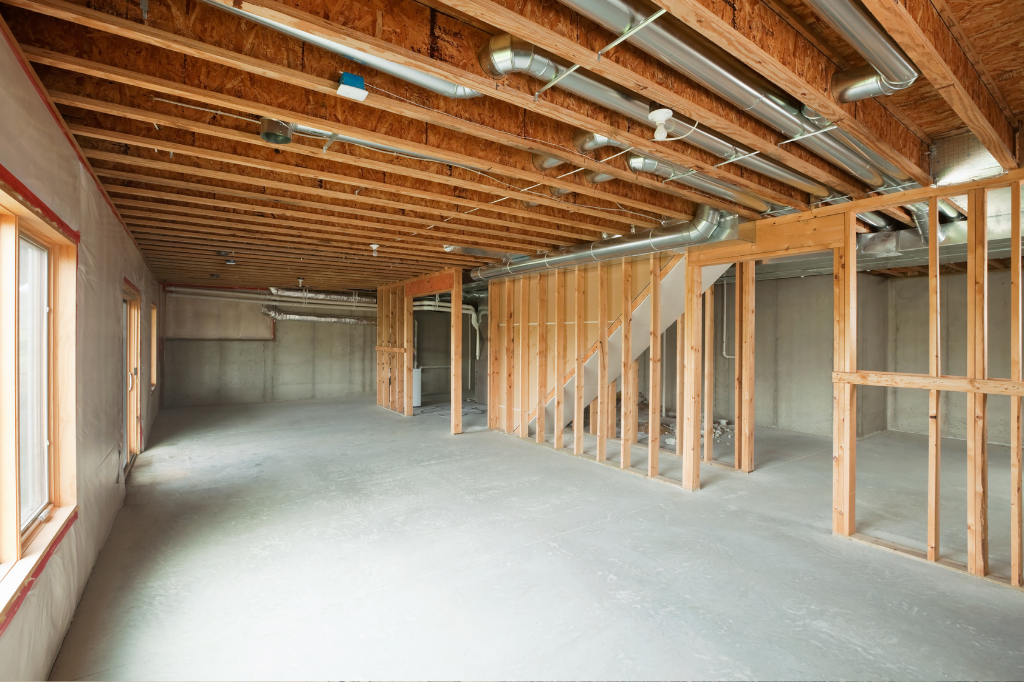
The cheapest home may cost more over time when the lower purchase price hides repairs, poor layout, location compromises, or resale challenges. For many buyers, especially in a high-cost market like Greater Victoria, the lowest price can feel like the safest choice. But the true cost of a home is not only what you pay on completion day. It is what you spend, fix, tolerate, and potentially lose when it is time to sell. A good purchase is not always the cheapest option. It is the home that fits your budget today while protecting your flexibility tomorrow. The Lowest Price Can Hide Bigger Repairs Some homes are priced lower for a reason. They may need a roof, perimeter drain work, windows, electrical updates, plumbing repairs, or heating system improvements. These costs can arrive quickly after possession, especially if the home has been under-maintained. A lower purchase price may still make sense if the buyer understands the work required. The risk comes when buyers stretch to purchase the home, then discover they do not have enough room left in the budget for repairs. Before choosing the cheaper option, buyers should ask: What repairs are urgent? What can wait? What might affect insurance or financing? What will this home likely need over the next five years? A home inspection is not just about finding problems. It helps buyers understand the cost of ownership. Location Trade-Offs Can Add Up A cheaper home may be farther from work, schools, transit, shops, or daily routines. At first, that trade-off can feel manageable. Over time, extra commuting, fuel, parking, and time can change the value equation. In Greater Victoria, small location differences can have a major effect on lifestyle. A home that saves money upfront may cost more if it adds stress to your daily schedule or makes future resale harder. This does not mean every buyer needs to live in a central neighbourhood. It means location should be measured beyond price. Convenience, commute, school catchments, walkability, and access to services all shape long-term value. Layout Problems Are Harder to Fix Than Paint Cosmetic issues are often easier to solve than functional ones. Paint, flooring, lighting, and hardware can change how a home feels. A poor layout is different. A home may be cheaper because it has awkward bedrooms, limited storage, poor natural light, low ceilings, too many stairs, or a kitchen that does not work well for daily life. These issues can affect enjoyment and resale. Buyers sometimes focus on what they can change and overlook what they cannot change easily. Before buying the cheapest home, consider whether the home’s layout supports how people actually live. Monthly Costs Matter More Than Purchase Price Alone The cheapest home may cost more if the ongoing expenses are higher. Older homes can come with higher heating bills, more maintenance, and larger repair needs. Some strata properties may have lower prices but higher monthly fees, upcoming special levies, or deferred maintenance. A smart comparison looks at the full monthly picture: Mortgage payment Property taxes Insurance Strata fees, if applicable Utilities Repairs and maintenance Commuting and parking costs Short-term and long-term improvement needs A slightly more expensive home with better condition, stronger efficiency, and fewer surprise costs may be more affordable over time. Resale Value Should Be Part of the Decision Most buyers do not want to think about selling before they have even moved in. But resale matters. Life changes. Jobs change. Families grow. Timelines shift. A home with limited buyer appeal may be harder to sell later. This can include unusual layouts, difficult access, poor parking, high noise exposure, major deferred maintenance, or a location with a smaller buyer pool. The goal is not to buy only for the next owner. The goal is to avoid buying something that solves today’s budget problem while creating tomorrow’s exit problem. When the Cheapest Home Does Make Sense Sometimes the cheapest home is the right choice. It may be a strong opportunity if the location is good, the inspection is reasonable, the layout works, and the buyer has budget room for improvements. The key is clarity. A lower price should come with a clear plan, not wishful thinking. The cheapest home may cost more when buyers overlook the real reason it is cheaper. But when the risks are understood, priced properly, and matched to the buyer’s goals, a lower-priced home can still be a smart move. The Bottom Line Price is only one part of value. The better question is not “What is the cheapest home I can buy?” It is “Which home gives me the best balance of affordability, condition, location, lifestyle, and resale confidence?” In Greater Victoria, where every neighbourhood and property type can behave differently, that kind of decision deserves careful advice. Before choosing the lowest-priced option, take time to understand the full cost of owning it. For guidance on comparing homes, reviewing trade-offs, or understanding long-term value in the Greater Victoria market, contact Faber Real Estate Group for advice or information. Carmel S., 5-Star Review, via Google “Cal Faber was our realtor for buying our house in Brentwood Bay. Subsequently he was our realtor for buying a business property for us as well along with help from his son Scott Faber. I have had more interaction with Cal and Scott and so I will say with enthusiasm that Cal was excellent in addressing our concerns, finding out details about our properties, he went beyond the call of duty to support us as new owners, both Cal and his son are conscientious, quick to respond with concerns, very kind and thoughtful and wonderful to work with. It would be hard to find more knowledgable and helpful realtors.” Faber Real Estate Group Royal LePage Coast Capital Realty 📞 250-244-3430 📧 [email protected] ℹ️ Scott Faber Personal Real Estate Corporation ℹ️ Cal Faber Personal Real Estate Corporation Vanessa Wood, Zachary Parsons, and Sophie Taylor “Building Lasting Relationships, One Home at a Time.”
Read more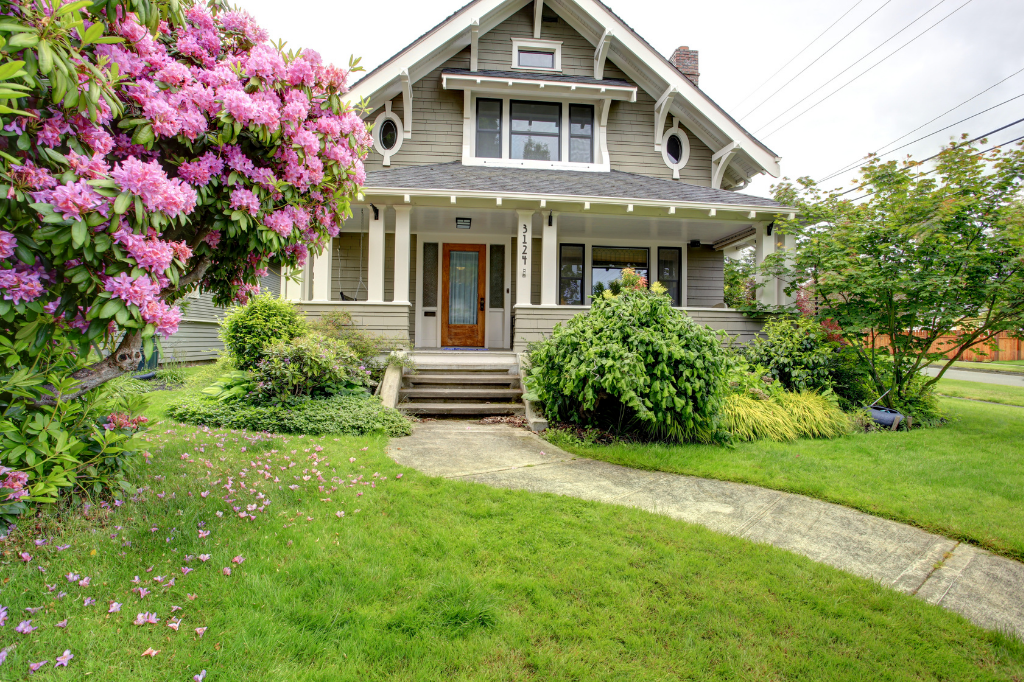
Victoria character homes have a special pull. From front porches and original hardwood floors to mature gardens and tree-lined streets, they often offer the kind of warmth that newer homes struggle to recreate. For many buyers, Victoria character homes feel less like a product and more like a place with history. However, charm is only one part of the decision. A home also needs to work for everyday life. That means layout, parking, storage, insulation, heating, maintenance, accessibility, and the amount of time you are willing to spend on upkeep. The right home is not always the one with the most personality. It is the one where the character still fits your lifestyle. Why Character Homes Are So Appealing Many of Victoria’s older homes are found in established neighbourhoods close to shops, schools, parks, transit, and downtown amenities. Areas such as Fairfield, Fernwood, James Bay, Vic West, Oak Bay, and parts of Saanich often attract buyers who want more than square footage. They want: A home with architectural charm A mature neighbourhood feel Walkability and nearby amenities Larger trees and established gardens Unique details that newer builds may not offer A stronger sense of place These homes can feel emotional from the first showing. The challenge is making sure that emotional connection does not overshadow the practical questions. The Convenience Side of the Equation Convenience does not always mean new construction. It means the home supports your day-to-day life with less friction. A more convenient home may offer: A practical floor plan Better storage Off-street parking Modern electrical and plumbing updates Improved insulation and windows Lower maintenance exterior materials A heat pump or efficient heating system Fewer immediate repair concerns Easier access for aging in place For some buyers, these details matter more than original trim, stained glass, or period charm. That does not mean they lack appreciation for character. It means they are thinking about how the home will feel five years from now, not just five minutes after walking in. The Maintenance Reality of Older Homes Character homes often come with older systems, and that can affect both cost and comfort. Buyers should pay close attention to: Roof age Drainage and perimeter drains Foundation condition Oil tanks or past oil tank removal Knob-and-tube or outdated wiring Older plumbing Window condition Insulation levels Chimneys and fireplaces Siding and exterior maintenance Basement moisture None of these issues automatically make a home a bad purchase. In fact, many older homes have been carefully updated over time. The key is understanding what has been done, what still needs attention, and whether the cost fits your long-term plan. Layout Can Matter More Than Charm Some older Victoria homes were built for a different style of living. Smaller kitchens, limited closets, steeper stairs, fewer bathrooms, and compartmentalized rooms can affect how functional the home feels. Before buying, ask yourself: Does the layout work for how we actually live? Is there enough storage? Can the kitchen handle daily use? Are the bedrooms practical? Is there room for guests, work, hobbies, or children? Will stairs become an issue later? Can the home adapt as our needs change? A charming home can still be the right choice. But if the layout creates daily frustration, the romance may wear off quickly. Why Location Often Keeps Character Homes Competitive One major advantage of Victoria character homes is location. Many sit in walkable, established areas where land is limited and neighbourhood appeal stays strong. That location can help support long-term value, especially when the home has been well maintained. Buyers may accept smaller closets, older layouts, or ongoing upkeep if the neighbourhood offers lifestyle benefits that are hard to replace. This is where the trade-off becomes personal. A newer home may offer comfort and efficiency. An older home may offer a more connected, walkable lifestyle. Neither is automatically better. The better choice depends on what you want your daily life to look like. When Character May Be Worth the Trade-Off A character home may be a strong fit if you: Value location and neighbourhood feel Appreciate unique architecture Are comfortable with ongoing maintenance Have budget room for future updates Prefer charm over perfect efficiency Want a home that feels distinct Are willing to improve the home over time For the right buyer, a character home is not just a house. It is a long-term project, a lifestyle choice, and a place with personality. When Convenience May Be the Smarter Choice A more convenient home may be the better fit if you: Want lower maintenance Prefer modern systems and finishes Need functional storage and parking Have a busy lifestyle Want better energy efficiency Are concerned about surprise repair costs Need a more accessible layout Prefer move-in-ready comfort This does not mean settling. It means choosing a home that reduces stress instead of adding projects. The Best Choice Balances Emotion and Practicality The strongest buying decisions usually come from balancing what you love with what you can live with. Before committing to a character home, look beyond the first impression. Review the inspection carefully. Ask about maintenance history. Understand upcoming costs. Compare the home to newer or more updated options in the same price range. A beautiful home still needs to function. A convenient home still needs to feel good. The goal is not to choose charm or practicality in isolation. The goal is to find the point where they work together. Final Thoughts Victoria character homes can offer warmth, history, and neighbourhood appeal that many buyers love. However, convenience has real value too. A home that saves time, reduces stress, and supports your lifestyle can be just as meaningful as one with original details and architectural charm. The right decision comes from knowing what you are truly willing to trade. If you can separate emotional appeal from everyday function, you will be in a much better position to choose a home that feels right now and continues to work well over time. For guidance on comparing Victoria character homes with newer or more convenient options, contact Faber Real Estate Group for local advice before you make your next move. Darcie R., 5-Star Review, via Google “We had the best experience with Scott and the Faber Group team helping us buy our first house! From start to finish it was a positive experience, & Scott went the extra mile every chance he could. Based on our search parameters, we didn’t even come across this house, but using his expertise, he was able to find us our dream home that matched all of our criteria! We are so beyond happy and would absolutely recommend reaching out to Scott if you are looking to buy an amazing home.” Faber Real Estate GroupRoyal LePage Coast Capital Realty📞 250-244-3430📧 [email protected]ℹ️ Scott Faber Personal Real Estate Corporationℹ️ Cal Faber Personal Real Estate CorporationVanessa Wood, Zachary Parsons, and Sophie Taylor“Building Lasting Relationships, One Home at a Time.”
Read more
Energy efficiency has become a major priority for homeowners and buyers alike. With many homes in Victoria built before modern energy standards, retrofitting older properties is one of the most effective ways to improve comfort, reduce utility costs, and increase long term value. Understanding the available rebates and the costs associated with these upgrades can help homeowners make informed decisions. Major Rebates and Incentives for Homeowners Provincial and utility programs significantly offset the upfront cost of retrofitting. The most prominent are delivered through the CleanBC Better Homes initiative, in partnership with FortisBC and BC Hydro. CleanBC Better Homes / Home Renovation Rebates: This program provides rebates for a broad range of upgrades, including heat pumps, insulation, windows, and doors. Total rebate amounts can reach up to $14,000 or more, depending on your project's scope and eligibility. Insulation Upgrades: Up to $5,500. Rebate varies by location and type. Heat Pump Systems: Rebates vary widely by heat pump type, with electric heat pumps generally qualifying for higher amounts. Bonus Rebates: The program offers bonuses for completing multiple upgrades, for example, a two-upgrade or three-upgrade bonus. Income-Qualified Programs: CleanBC offers enhanced rebates (up to 95% of upgrade costs, depending on income) through its Energy Savings Program for low- and middle-income households. This can cover major costs like heat pump installation. Canada Greener Homes Grant & Loan: This federal initiative provides grants of up to $5,000 and an interest-free loan of up to $40,000 to cover retrofits recommended by a certified energy advisor. Resource Link: The main hub for all these programs is the CleanBC Better Homes website (Check eligibility and current offers at https://www.betterhomesbc.ca/). Local Support for Victoria Residents Victoria homeowners have access to free local support to simplify the process. Home Energy Navigator: This program offers free, personalized guidance, connecting you with an Energy Concierge who provides support to help you understand available rebates, review quotes, and navigate applications. This service is invaluable when planning extensive upgrades. Resource Link: Learn more about this regional service at the Home Energy Navigator website (Find local support at https://homeenergynav.ca/). Typical Retrofit Costs to Budget For Actual costs vary widely based on your home’s size and condition. Here is a general sense of the pre-rebate investment range for common items: Heat Pump Installation: Costs are typically in the range of $12,000 to $20,000+ for full systems, before rebates. Attic/Wall Insulation: Costs can run from several thousand dollars for attics or walls, depending on accessibility and materials. Window and Door Replacement: Replacement generally ranges from $700 to $1,500+ per unit installed, depending on size and performance ratings. While rebates offset a meaningful portion of these costs, many programs require upfront expenditure with rebates issued after completion and application approval. Early planning, including booking an EnerGuide home evaluation before work begins, is critical to ensuring eligibility for the maximum rebates. Real Estate Value and Homeowner Benefit From a realtor’s perspective, homes with documented energy upgrades attract interest from buyers seeking lower operating costs and long-term sustainability. Energy efficiency improvements often pay dividends beyond rebate dollars in higher sale prices, faster market absorption, and improved buyer confidence. Living the green life in Victoria, BC, is both financially and environmentally sound. Start with a professional energy assessment and plan your upgrades strategically to maximize the available incentives. Spencer Mowat, 5-Star Review, via Google “Where do I begin, the professionalism I've received from my realtor and friend Scott Faber @fabergroup has been a great experience, his knowledge of the market and work ethic is truley impressive. Excacly how it should be when your making one of the biggest purchases of your life!” Faber Real Estate Group Royal LePage Coast Capital Realty 📞 250-244-3430 📧[email protected] ℹ️ Scott Faber Personal Real Estate Corporation ℹ️ Cal Faber Personal Real Estate Corporation Vanessa Wood & Zachary Parsons “Building Lasting Relationships, One Home at a Time.”
Read more