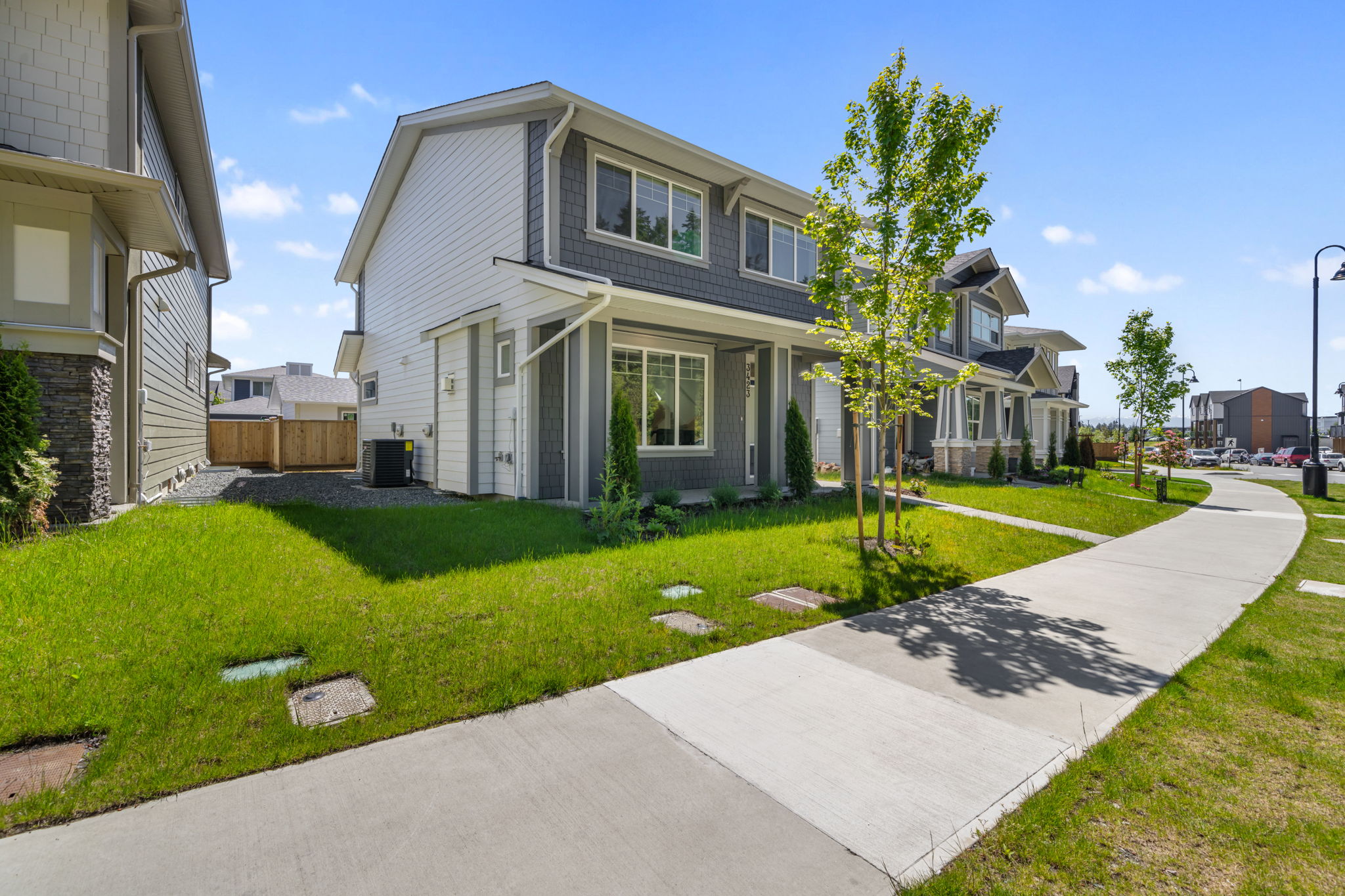
How to Tell If a Seller Might Consider a Lower Offer
June 6, 2026
A seller might consider a lower offer when the listing has been on the market longer than expected, has had limited buyer activity, or is priced above recent comparable sales. A seller might consider a lower offer for several reasons, but buyers need to understand the full picture before assuming there is room to negotiate.
In real estate, a lower offer is not just about picking a number below asking price. It is about understanding motivation, market conditions, property history, and the seller’s position. The more context you have, the better your offer strategy will be.
Days on Market Can Tell a Story
One of the first signs to watch is how long the home has been listed.
If a property has been on the market longer than similar homes nearby, the seller may become more open to negotiation. This does not always mean they are desperate. It may simply mean the home has not found the right buyer yet.
A longer listing period can happen because of:
An ambitious asking price
Slower buyer demand in that price range
Property condition concerns
Layout or location limitations
Strong competition from nearby listings
Limited showing activity
However, days on market should never be viewed alone. A luxury home, acreage property, unique character home, or higher-priced listing may naturally take longer to sell than a more typical property.
Price Reductions Are a Strong Clue
A price reduction often signals that the seller understands the original asking price was not generating enough interest.
If a home has already had one or more price adjustments, the seller may be more realistic about where the market sits. That can create an opportunity for buyers, especially if the home is still sitting after the latest adjustment.
Still, a price reduction does not automatically mean the seller will accept any offer. Sometimes a price change brings the home closer to market value, and the seller may expect renewed interest before negotiating further.
The key question is whether the new price matches recent comparable sales.
Comparable Sales Matter More Than Opinion
A lower offer should be supported by market evidence.
Buyers often say, “I think the home is overpriced,” but sellers respond better to facts than feelings. Recent comparable sales help show whether the asking price lines up with similar homes that have actually sold.
Good comparable sales should consider:
Property type
Neighbourhood
Size and layout
Lot size
Condition
Age of major systems
Renovations or updates
Suite potential
Parking
Strata details, if applicable
If similar homes sold for less, that may support a lower offer. If similar homes sold close to the asking price, the seller may have less reason to move.
Competing Listings Can Create Pressure
Sellers pay attention to competition.
If there are several similar homes available, buyers have more choice. This can give buyers more negotiating power, especially if competing homes offer better condition, better presentation, or stronger value.
For example, a seller may be more flexible if another nearby home has:
A lower asking price
A better floor plan
Recent updates
A suite
More parking
Better outdoor space
Lower strata fees
A stronger location
In a market with more choice, buyers compare carefully. Sellers who understand this may be more willing to negotiate if they want to stay competitive.
Property Condition Can Affect Negotiation
Condition is another important factor.
A home that needs visible repairs, older systems, or immediate upgrades may leave more room for negotiation than a move-in ready home. Buyers should look beyond cosmetic finishes and think about the real cost of ownership.
Common condition concerns include:
Older roof
Aging windows
Dated electrical
Older plumbing
Drainage concerns
Deferred maintenance
Worn flooring
Old heating systems
Strata repairs or upcoming levies
A lower offer may make sense when the purchase price does not reflect these future costs.
However, buyers should be careful. Some sellers have already priced condition into the listing. In that case, a very low offer may not be received well.
Empty Homes Can Sometimes Signal Flexibility
A vacant home may suggest the seller has already moved, is carrying costs, or wants a cleaner timeline.
That does not always mean they will accept less. However, ongoing costs such as mortgage payments, taxes, insurance, utilities, and strata fees can add pressure over time.
A vacant home may create more room to discuss:
Price
Completion date
Included items
Subject terms
Deposit timing
Possession flexibility
Sometimes the best negotiation is not only about price. Terms can matter too.
Motivation Is Not Always Visible
Buyers often want to know if the seller is motivated. The honest answer is that motivation is not always clear from the listing.
Some sellers need to sell quickly. Others are testing the market. Some have already bought another home. Others will only sell if they receive the right price.
A good buyer strategy looks for signals, but it does not rely on guesses. Your REALTOR® can ask questions through the listing agent and gather context before you decide how to write the offer.
Useful questions may include:
Has the seller received any offers?
Has there been strong showing activity?
Are they flexible on dates?
Are there any preferred terms?
Has the home been reduced?
Is the seller looking for a specific completion timeline?
The answers can help shape a smarter offer.
A Lower Offer Still Needs to Be Strategic
There is a difference between a lower offer and a careless offer.
A thoughtful lower offer explains the buyer’s position through price, terms, and supporting market logic. A careless offer can make the seller defensive and reduce the chance of productive negotiation.
A strong lower offer may include:
A reasonable deposit
Clear subject clauses
Flexible dates
A clean set of terms
Comparable sales support
Respectful communication
A realistic price based on the market
The goal is not to “win” by offering as little as possible. The goal is to create a deal that makes sense for both sides.
When a Lower Offer May Not Work
Not every listing has room to negotiate.
A seller may reject a lower offer if the home is new to market, priced well, receiving strong activity, or located in a high-demand segment. Some sellers also have a firm bottom line and may prefer to wait.
A lower offer may be less effective when:
The home just listed
The asking price matches comparable sales
There are multiple interested buyers
The seller has no urgency
The property is rare or hard to replace
The offer includes weak terms
The price is too far below market value
In these cases, buyers may need to decide whether the home is worth competing for or whether another opportunity offers better value.
Final Thoughts
Knowing when a seller might consider a lower offer comes down to reading the market, not guessing. Days on market, price reductions, comparable sales, competing listings, property condition, and seller flexibility all help tell the story.
For buyers, the best approach is to stay prepared, respectful, and strategic. A lower offer can work, but only when it is backed by evidence and written in a way that keeps the conversation moving.
If you are thinking about buying in Greater Victoria and want to understand whether a listing has room to negotiate, contact Faber Real Estate Group for local advice, current market insight, and a clear offer strategy.
Elel P., 5-Star Review, via Google
“Months of looking then a listing came up to our liking. We were out of town so Scott did a virtual viewing for us. We gave an offer even without viewing it personally because of this crazy market we have. Offer got accepted a couple hours after!”
Faber Real Estate Group
Royal LePage Coast Capital Realty
📞 250-244-3430
📧 [email protected]
ℹ️ Scott Faber Personal Real Estate Corporation
ℹ️ Cal Faber Personal Real Estate Corporation
Vanessa Wood, Zachary Parsons, and Sophie Taylor
“Building Lasting Relationships, One Home at a Time.”
Read more