
Posts Tagged ‘missing middle housing Victoria’

Victoria housing needs will likely shape far more than new construction. They will influence buyer expectations, seller strategy, neighbourhood growth, affordability pressure, and the types of homes that become more common across the region. The City of Victoria’s 2024 Interim Housing Needs Report estimates the city will need about 8,254 new homes over the next 20 years, while Langford has projected a 20-year need of about 17,000 new homes as it plans for major population growth. That means the next decade will not only be about building more homes. It will be about building the right mix of homes in the right locations. Housing Demand Is No Longer One Simple Problem For years, the conversation around housing was often reduced to one idea: Victoria needs more homes. That is still true. However, the next phase is more complex. Greater Victoria needs more rental housing, more family-sized options, more attainable ownership opportunities, more downsizer-friendly homes, more accessible housing, and more homes close to transit, services, and employment. This matters because different buyers need different solutions. A first-time buyer may need a well-priced condo near transit. A growing family may need a townhouse with storage and outdoor space. A downsizer may want a low-maintenance strata home close to shops and medical services. A senior may need accessible living without leaving their community. If the region does not add enough variety, buyers will continue competing for the same limited options. More Density Will Likely Become Normal Over the next 10 years, many Victoria neighbourhoods may see more townhomes, multiplexes, small apartment buildings, infill housing, and purpose-built rentals. This does not mean every street will change overnight. However, the direction is clear. Provincial housing targets are pushing municipalities to increase supply, and Saanich has been given a mandated five-year target of 4,610 net new completed homes. For homeowners, this creates both opportunity and uncertainty. More density may bring: New housing choices More rental options Better support for local businesses Stronger demand near transit and amenities Changes to neighbourhood character More construction activity New questions around parking, infrastructure, and public space For buyers, it means location research will become even more important. A quiet street today may look different in five or 10 years depending on zoning, transportation planning, and nearby redevelopment potential. Affordability Will Keep Driving Buyer Behaviour Even if more homes are built, affordability will likely remain one of Victoria’s biggest challenges. Higher construction costs, land values, interest rates, municipal fees, and limited land supply all affect what gets built and what buyers can afford. More supply can help, but it does not automatically make every home affordable. This is why buyers may continue to make trade-offs between: Size and location Age and efficiency Outdoor space and walkability Condo convenience and detached-home privacy Core neighbourhoods and Westshore affordability Move-in-ready homes and renovation potential The next decade may reward buyers who are flexible. Instead of searching for the perfect home, many will need to focus on the best long-term fit. Purpose-Built Rentals Could Change the Ownership Market Victoria has already seen more attention on purpose-built rental housing. The City of Victoria reported that purpose-built rentals had exceeded its 1,900-unit target as part of its housing strategy milestones, contributing to the city’s highest vacancy rate in more than a decade. This could affect the ownership market in several ways. More rental supply may give some renters more time before buying. It may also reduce pressure on some entry-level ownership options if renters have more stable choices. However, if ownership remains expensive, many households may rent longer than previous generations did. For investors, this could mean stronger competition from newer rental buildings. Older rental-style condos or secondary suites may need to stand out through location, condition, layout, or pricing. Sellers Will Need to Think More Strategically In a market with more housing choice, sellers cannot assume that limited supply will do all the work. As inventory grows, buyers compare more carefully. In April 2026, the Victoria Real Estate Board reported 3,710 active listings at month-end, up 8.3% from April 2025 and up 13.8% from March 2026. That kind of choice changes seller strategy. Sellers may need to focus more on: Accurate pricing Strong presentation Maintenance records Energy efficiency Flexible showing access Clear strata documents Neighbourhood positioning Transparent upgrade history If more new or newer homes come to market over time, older homes will need to compete on more than location alone. Condition, layout, livability, and future costs will matter. Neighbourhood Identity May Shift Housing needs will not affect every area equally. Langford may continue to absorb a large share of regional growth because of land availability, development patterns, and infrastructure planning. The City of Langford has stated it is planning for a population of 100,000 residents, nearly double its current population of about 58,000. Meanwhile, Victoria, Saanich, Esquimalt, View Royal, Colwood, Sidney, and Oak Bay will each face different pressures. Some neighbourhoods may become more walkable. Others may become denser around transit corridors. Some may see more infill. Others may hold value because they offer larger lots, established streets, or limited redevelopment potential. For buyers, this means the question is not just, “Do I like this neighbourhood today?” The better question is, “How might this neighbourhood change over the next 10 years?” What Buyers Should Watch Buyers should pay attention to more than current listings and recent sales. Over the next decade, smart buying decisions may depend on: Local zoning changes Transit access Nearby development applications School capacity Infrastructure upgrades Walkability Strata fees and building age Energy efficiency Long-term maintenance costs Resale demand by property type A home can be a good fit today and still face future trade-offs. The more buyers understand those trade-offs early, the more confident their decisions become. What Sellers Should Watch Sellers should think about how future housing supply may affect their property’s position in the market. A well-maintained detached home in a walkable area may continue to attract strong interest. A dated condo may face more competition if newer rental or condo supply gives buyers better alternatives. A townhouse with family-friendly space may stand out if demand grows for homes between condos and detached houses. Sellers should ask: What makes this home hard to replace? What buyer problem does it solve? How does it compare to newer options? What future costs might buyers notice? Which improvements would matter most before listing? In a changing market, the best listings will make the value clear. The Bigger Picture Victoria’s housing needs will shape the next 10 years through density, affordability, infrastructure, rental supply, and changing lifestyle expectations. For buyers, the opportunity is to think beyond today’s price and focus on long-term livability. For sellers, the opportunity is to understand where their home fits as more choice enters the market. Housing growth will not remove every challenge. However, it will change the way people compare homes, evaluate neighbourhoods, and plan their next move. For local guidance on how Victoria housing needs could affect your buying or selling strategy, contact Faber Real Estate Group for advice before making your next real estate decision. Demetrios T., 5-Star Review, via Google “Scott and Cal Faber were exceptional to work with. They were professional, patient, and incredibly informative throughout the entire process. They took the time to walk me through every step, which made the typically stressful experience of moving so much easier. Their knowledge of real estate is second to none, and their guidance gave me complete confidence in my decisions. I highly recommend both Scott and Cal to anyone looking for trusted, knowledgeable, and supportive realtors.” Faber Real Estate GroupRoyal LePage Coast Capital Realty📞 250-244-3430📧 [email protected]ℹ️ Scott Faber Personal Real Estate Corporationℹ️ Cal Faber Personal Real Estate CorporationVanessa Wood, Zachary Parsons, and Sophie Taylor“Building Lasting Relationships, One Home at a Time.”
Read more
A strong long-term value property Victoria buyers should look for is not always the newest or most polished listing. More often, it is the property that will remain useful, desirable, and financially defensible as your life changes and the market shifts. That matters in today’s market because buyers have more inventory to compare than they did in the tighter conditions of recent years. At the end of February 2026, the Victoria Real Estate Board reported 2,903 active listings, up 10.4 per cent from February 2025. The Victoria Core benchmark was $1,307,400 for a single-family home and $545,600 for a condo. When buyers focus only on finishes, they can miss the deeper question: will this property still make sense years from now? That is where long-term value lives. Start with location, not just the listing itself A beautiful home in a weak location can become harder to defend over time. A simpler home in a consistently desirable area often holds up better. In Victoria, long-term value is usually supported by locations that stay practical through changing market conditions. That often means proximity to employment areas, schools, daily services, parks, and transit. These are the features buyers tend to keep paying for, even when the market becomes more selective. A good question to ask is not just, “Do I like this neighbourhood today?” It is, “Will buyers still want this area when I eventually sell?” Look for a layout that can adapt Long-term value improves when a property can serve more than one stage of life. That could mean: a bedroom and bathroom on the main floor space for a home office a lower level with suite potential a layout that works for a couple, a family, or downsizers enough storage and functional living space for daily life The most resilient homes are often the ones that can adjust with changing needs. A property that only works for one very specific buyer profile may still sell, but it often has a smaller resale pool. Pay attention to flexibility and future utility One of the clearest signs of long-term value is flexibility. In Victoria, that can include a legal suite, a layout that could support secondary accommodation, or land and zoning context that gives the property more than one use case. The City of Victoria’s Missing Middle and residential infill framework allows forms such as houseplexes, corner townhouses, and heritage-conserving infill in applicable areas, and the city notes that other forms of residential infill are now permitted in most areas. That does not mean every property should be valued as a redevelopment play, but it does mean flexibility has become a more important part of how buyers assess value. A property can have stronger long-term value if it offers: legal income potential multigenerational living options adaptable finished space lot characteristics that widen future use value even without relying on speculative redevelopment Separate cosmetic issues from functional problems Some homes look dated but still make excellent long-term purchases. Others look updated but have underlying problems that can weaken value later. Cosmetic issues are usually easier to manage, such as: old paint colours tired flooring dated fixtures older but functional kitchens and bathrooms Functional issues are more important to weigh carefully, such as: awkward layouts poor natural light very limited storage expensive deferred maintenance aging roofs, windows, or building systems weak strata planning in a condo building A smart buyer learns to tell the difference. Cosmetic flaws can create opportunity. Functional obsolescence can create drag. Think about resale before you own it A property with long-term value should have a believable resale story. That usually means: a sensible floor plan enough parking for the area and property type outdoor space that feels usable broad lifestyle appeal a price point supported by steady demand a location and design that do not require too much explanation If you already know you will need to “sell the buyer” on the home’s weaknesses, that is worth noticing. Long-term value is often tied to how easy the property will be to understand and appreciate later. In today’s market, buyers can afford to be more selective This is one reason long-term thinking matters right now. Victoria buyers are no longer making decisions in the same ultra-tight environment that defined some recent years. More active listings mean more comparison, and that usually puts pressure on homes with weaker fundamentals. BCREA has also reported that provincial inventory is running near its highest level in over a decade, while its 2026 first-quarter forecast update says markets are expected to remain balanced in 2026 with price growth tempered by supply. That does not mean value disappears. It means buyers have a better chance to choose carefully. What long-term value can look like by property type Detached homes Detached homes often hold long-term value through a combination of land, flexibility, and family appeal. Homes with suites, usable yards, and adaptable layouts tend to offer broader demand over time. Condos For condos, long-term value often comes down to the building as much as the unit. A practical floor plan, good light, strong location, and responsible strata management usually matter more than trendy finishes. Townhomes Townhomes can offer strong long-term value when they balance space, livability, and manageable ownership costs. Functional layouts and family-friendly design tend to age well. A better question to ask before buying Instead of asking, “Will this property go up quickly?” ask: “Will this home still make sense if I own it for 7 to 10 years?” That question tends to reveal the things that actually matter: location durability layout flexibility maintenance risk resale depth income or suite potential overall usability That is how buyers move from short-term excitement to long-term strategy. Final thoughts A strong long-term value property Victoria buyers should prioritize is rarely just the best-staged listing or the one with the newest finish package. It is usually the property with lasting utility, flexible appeal, manageable risk, and a location buyers are likely to keep valuing. If you want help evaluating which homes offer real long-term value in Victoria, contact Faber Real Estate Group for practical guidance tailored to your goals, budget, and timeframe. Gerry L., 5-Star Review, via Google “It was a true pleasure working with Cal. We could not have asked more from Cal in how he looked after us from showing to closing. He made the whole process as easy as possible for us, and it was obvious that he cares about his clients and looking after them. The communication from both Cal and Scott was clear, fast and professional. We would absolutely recommend the Faber Real Estate Group!” Faber Real Estate Group Royal LePage Coast Capital Realty 📞 250-244-3430 📧[email protected] ℹ️ Scott Faber Personal Real Estate Corporation ℹ️ Cal Faber Personal Real Estate Corporation Vanessa Wood, Zachary Parsons, and Sophie Taylor “Building Lasting Relationships, One Home at a Time.”
Read more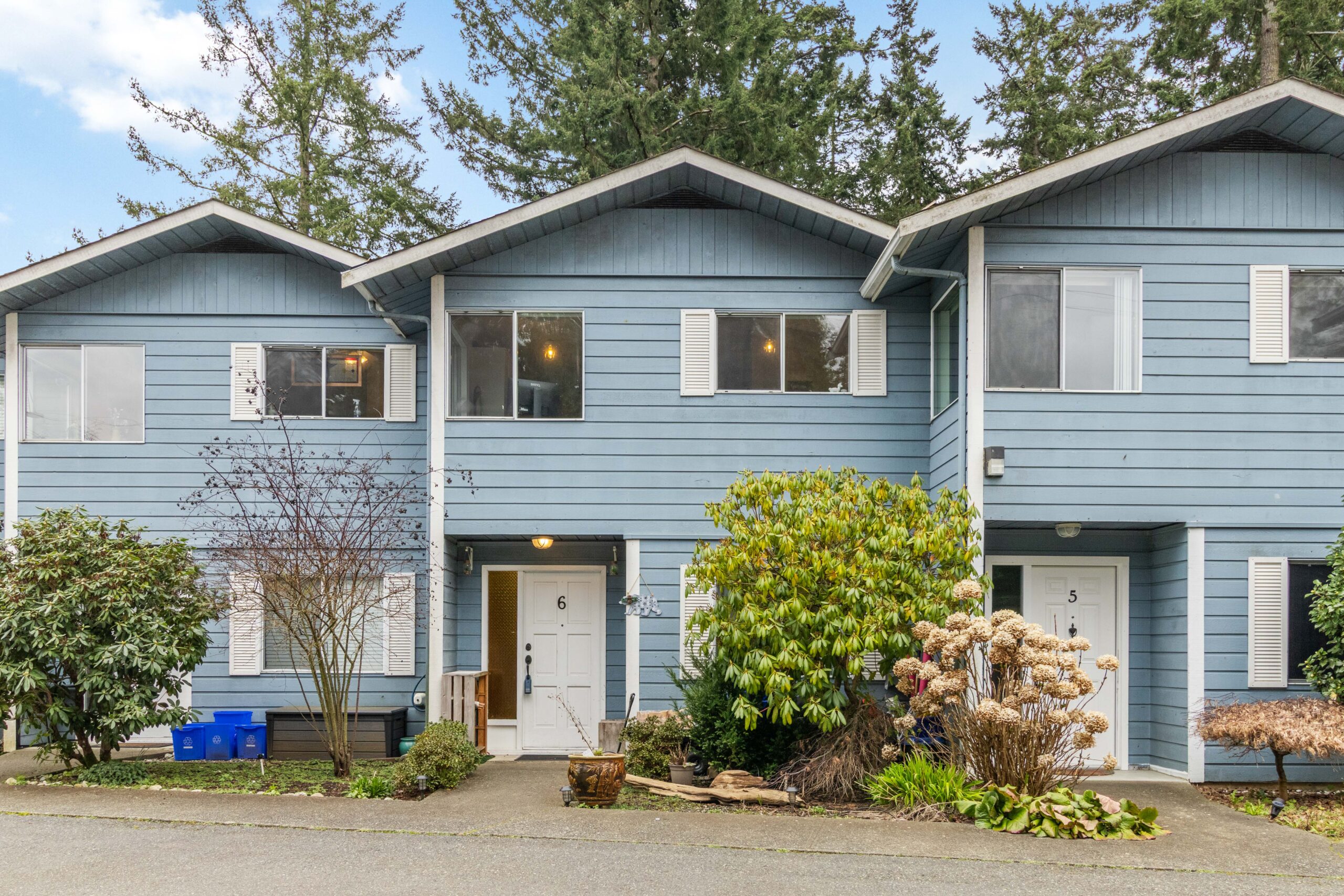
Small scale multi-unit housing refers to modest-density housing that sits between single family homes and large apartment buildings. These housing types are often called “missing middle housing” because they provide options that historically existed in many neighbourhoods but became restricted by zoning over time. Examples of small scale multi-unit housing include: Duplexes Triplexes Fourplexes Townhomes Courtyard housing Homes with secondary or garden suites Instead of building large apartment towers, these housing forms add homes gradually while keeping neighbourhood character largely intact. For cities like Victoria, this approach has become an important strategy for increasing housing supply while maintaining established communities. Why Small Scale Multi-Unit Housing Is Increasing Across British Columbia, housing supply has struggled to keep pace with population growth and demand. As a result, municipalities have begun exploring ways to increase housing options without dramatically altering neighbourhoods. Small scale multi-unit housing helps address several housing challenges. Increasing housing supply More homes can be built on land that previously supported only one house. Existing neighbourhoods can add housing without large redevelopment projects. Improving affordability Smaller units generally cost less than detached homes. Land costs are shared among multiple homes. Supporting community growth Increased density supports local businesses and transit. More residents can live close to employment centres and services. Because of these advantages, many municipalities throughout BC have begun adjusting zoning rules to allow more housing types on residential land. What This Means for Victoria Neighbourhoods In Greater Victoria, many neighbourhoods were historically dominated by single family homes. With limited land available, adding gentle density has become an important planning tool. Small scale multi-unit housing Victoria BC allows for changes such as: Redeveloping older homes into duplex or fourplex properties Building additional homes on larger residential lots Creating small infill developments in established neighbourhoods These types of developments typically blend into neighbourhoods more easily than larger apartment projects. Over time, this gradual increase in housing density can help accommodate population growth while preserving community character. Opportunities for Home Buyers For buyers, small scale multi-unit housing Victoria BC creates more opportunities in a market where detached homes can be difficult to afford. Potential advantages include: More attainable ownership Duplex or townhouse units are often priced below detached homes. Flexible living arrangements Some properties include secondary suites or separate living areas. Mortgage support through rental income Buyers may rent part of a property to offset mortgage costs. These housing options can provide a path to home ownership for buyers who might otherwise be priced out of traditional single family homes. Opportunities for Real Estate Investors Small scale multi-unit housing also presents interesting opportunities for real estate investors. Common strategies include: Redevelopment of existing lots Older homes may be replaced with duplex or multi-unit properties. Suite-based rental income Many homes now include legal secondary suites. Multi-unit rental investments Duplexes and fourplexes can provide steady long-term rental income. Investors should carefully evaluate zoning regulations, construction costs, financing requirements, and rental demand before pursuing these opportunities. Considerations Before Buying or Developing While small scale multi-unit housing creates opportunities, it also introduces important considerations. Buyers and investors should evaluate: Municipal zoning regulations Development and permitting timelines Construction costs and feasibility Property taxes and operating expenses Rental market demand Because these factors can vary widely between neighbourhoods, understanding local policies is essential before making decisions. The Future of Small Scale Multi-Unit Housing in Victoria Small scale multi-unit housing Victoria BC represents a shift in how cities approach growth. Instead of relying only on detached homes or high-rise condos, municipalities are encouraging housing types that sit in the middle. Over time, this approach can help: Increase housing supply Provide more ownership opportunities Create more diverse neighbourhoods For buyers, sellers, and investors, understanding how small scale multi-unit housing is evolving can reveal new opportunities in the Victoria real estate market. If you are considering buying, selling, or investing in properties affected by small scale multi-unit housing Victoria BC, the team at Faber Real Estate Group would be happy to help you understand your options and the opportunities available in today’s market. Laura T., 5-Star Review, via Google “Scott has been a pleasure. He is informative, kind, friendly and he has been there to answer all my questions, even when I had to bother him on the weekend. If you're looking for a Realtor, I would highly recommend Scott. He's the best out there!” Faber Real Estate Group Royal LePage Coast Capital Realty 📞 250-244-3430 📧[email protected] ℹ️ Scott Faber Personal Real Estate Corporation ℹ️ Cal Faber Personal Real Estate Corporation Vanessa Wood, Zachary Parsons, and Sophie Taylor “Building Lasting Relationships, One Home at a Time.”
Read more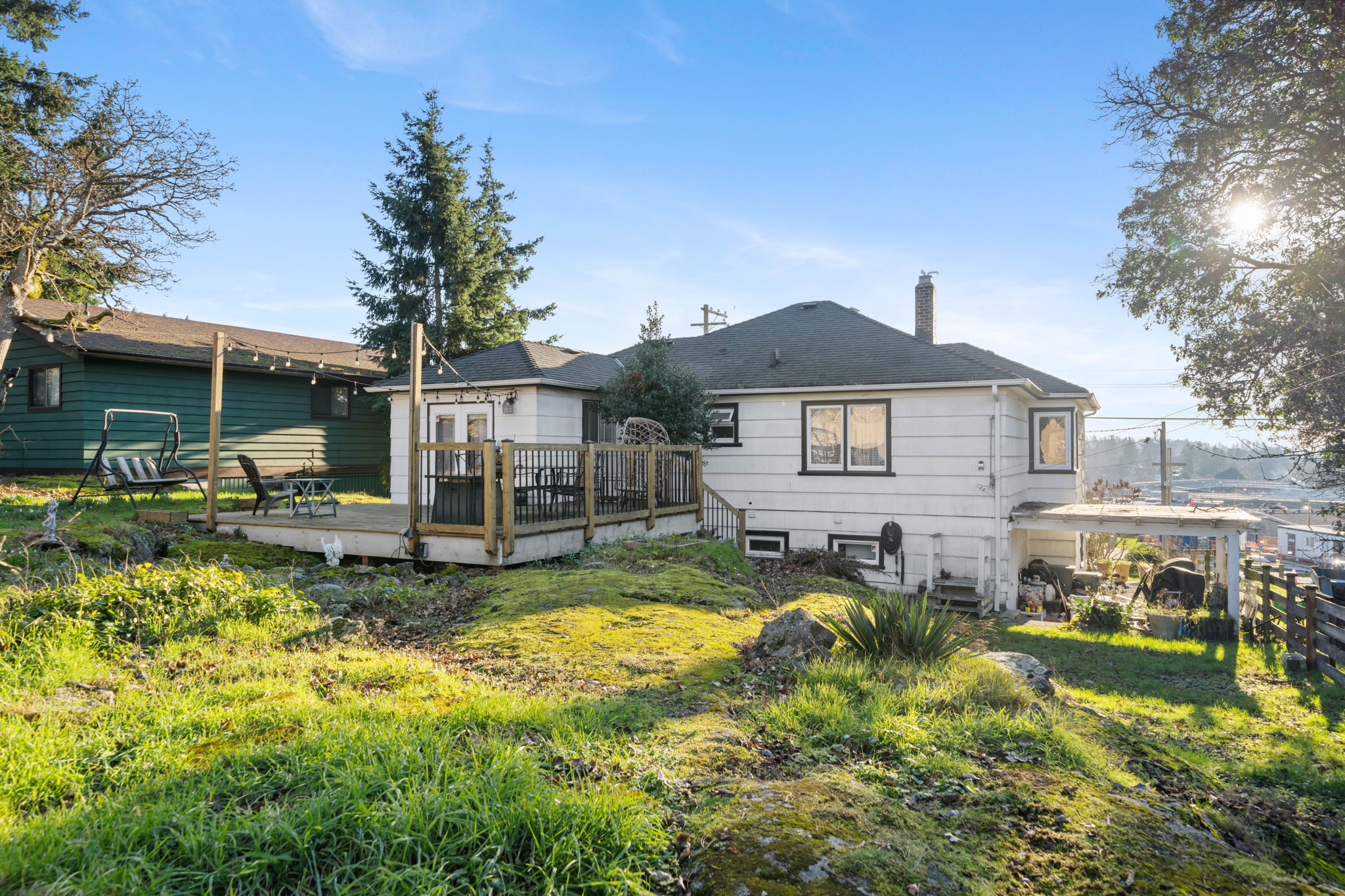
Victoria BC zoning laws play a major role in how properties can be used, renovated, or redeveloped. If you are buying or selling in Victoria, understanding zoning helps you avoid surprises and identify long-term opportunities. At its core, zoning shapes how neighbourhoods evolve over time. These rules determine not only what exists today, but also what may be possible in the future, making zoning knowledge especially valuable in a changing market. What Zoning Laws Do To manage growth and land use, zoning laws set clear parameters for development. They outline how land can be used and what can be built, helping balance housing needs with neighbourhood character. Specifically, zoning bylaws divide land into defined categories. Each zone establishes rules around permitted uses, building height, density, setbacks, and parking. Some zones allow only detached homes, while others permit duplexes, townhomes, or small multi-unit buildings. In Victoria, these rules are governed through the Zoning Bylaw 2018 alongside the older Zoning Regulation Bylaw. Together, they apply to residential, commercial, and mixed-use areas across the city. Main Zoning Types in Victoria Understanding the main zoning categories helps clarify what is allowed in different areas of the city. Residential zones cover single-family homes, multi-family housing, and mixed residential uses. Recent updates have focused on increasing density through small-scale multi-unit housing rather than high-rise development. Beyond residential areas, commercial zones allow retail, offices, and services, often combined with residential units in central locations. Industrial zones support manufacturing and warehouse uses and are typically located away from residential neighbourhoods. There are also special zones for institutional, agricultural, and park-related uses. Recent Zoning Changes to Know In recent years, provincial housing policies have significantly reshaped Victoria BC zoning laws for 2026. Many lots that once allowed only one home now permit up to four or six units, depending on lot size and proximity to transit. These changes are designed to increase housing supply while maintaining livable communities. As a result, zoning in Victoria’s core now encourages infill and gentle density. In contrast, growing areas closer to the Westshore are seeing zoning that supports larger developments and transit-oriented housing. How Zoning Affects Buyers and Sellers These zoning rules have practical implications for buyers, sellers, and investors. For buyers, zoning determines future options such as adding a suite or building additional units. For sellers, more flexible zoning can increase buyer interest and perceived value. From an investment perspective, zoning directly influences rental potential, redevelopment feasibility, and long-term returns. Because of this, zoning should always be reviewed early in the decision-making process. Before moving forward, confirm zoning details with the City of Victoria, especially if future development or expansion is part of your plan. Bottom Line Victoria BC zoning laws are designed to support growth while balancing community needs. Understanding how zoning works gives buyers, sellers, and investors a clearer picture of what a property can offer today and what it may offer in the future. This information is for educational purposes only. Always verify zoning with the City of Victoria before proceeding. Shane B., 5-Star Review, via Google “The last few months navigating this crazy real estate market has been a rollercoaster, and we couldn’t have done it without the Faber Real Estate Team! Scott was extremely helpful, positive and always available. Under a tight timeline we were able to get our condo on the market and sell right away, to be available for any housing opportunity. Scott was patient and helpful throughout the entire process of searching for houses, and went above and beyond to help us finally land an accepted offer on the perfect home. Thank you Scott and the Faber Real Estate Team!” Faber Real Estate Group Royal LePage Coast Capital Realty 📞 250-244-3430 📧[email protected] ℹ️ Scott Faber Personal Real Estate Corporation ℹ️ Cal Faber Personal Real Estate Corporation Vanessa Wood, Zachary Parsons, and Sophie Taylor “Building Lasting Relationships, One Home at a Time.”
Read more