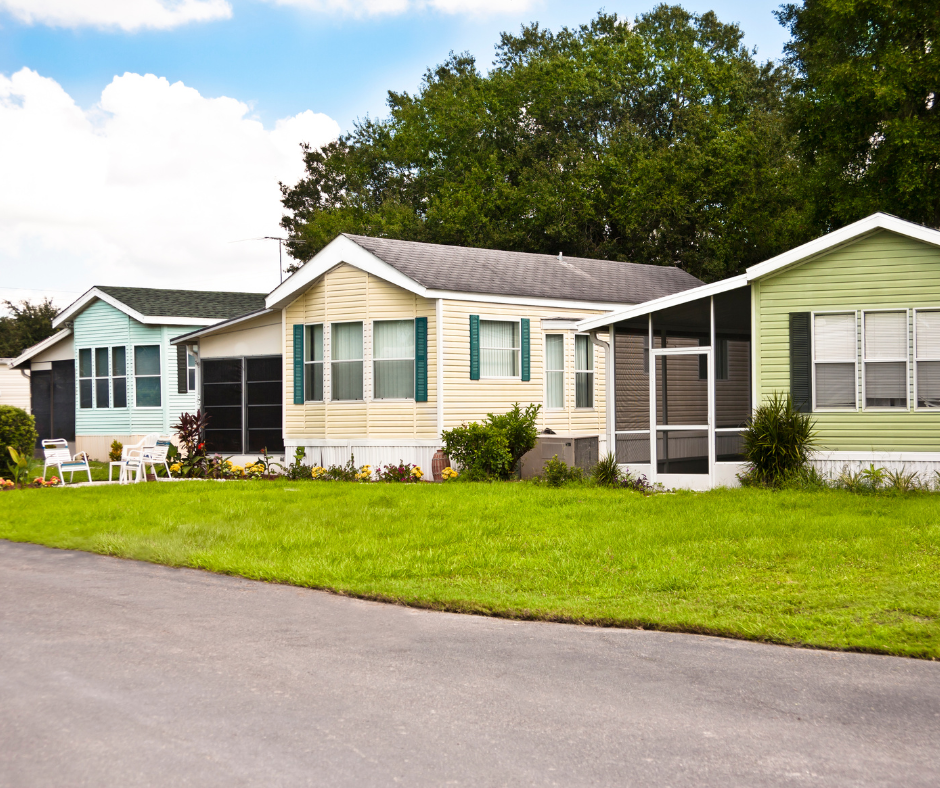
Manufactured Homes Explained
February 12, 2026
Manufactured homes in Greater Victoria offer an alternative path to homeownership, often at a lower price point than traditional detached houses. These homes continue to grow in popularity among first-time buyers, downsizers, and retirees looking for affordable and manageable living options. Understanding how manufactured housing works helps buyers decide whether this property type fits their financial and lifestyle goals.
What Is a Manufactured Home?
Manufactured homes are residential structures built in a factory and then transported to a home site for installation. Unlike traditional site-built homes, construction occurs in a controlled indoor environment. This process often improves efficiency and reduces construction delays caused by weather or labour shortages.
Modern manufactured homes must meet national building standards and safety regulations. Newer designs frequently include open floor plans, updated finishes, and energy-efficient systems. Many buyers exploring manufactured homes in Greater Victoria find that today’s units offer far more comfort and functionality than older models built decades ago.
Manufactured Homes vs Modular and Mobile Homes
Buyers often confuse manufactured homes with modular or mobile homes. While they share similarities, important distinctions exist.
Manufactured homes are factory-built and typically placed on leased land or within manufactured home parks. They remain transportable, although relocation can be costly and uncommon.
Modular homes are also factory-built but assembled on permanent foundations and treated similarly to traditional detached homes in financing and resale.
The term mobile home usually refers to units built before modern building code changes introduced in the 1970s. Many older parks still include these homes, but newer manufactured homes follow stricter construction standards.
Land Ownership and Pad Rentals
One of the most important considerations when purchasing a manufactured home involves land ownership. In many cases, buyers purchase the home but lease the land, often called a pad rental. Monthly pad fees may include services such as water, sewer, garbage collection, and common area maintenance.
Some manufactured homes exist on privately owned land, which can increase long-term value stability and financing flexibility. Buyers should carefully review park rules, pad fee increases, and lease agreements before purchasing.
Affordability and Financing Considerations
Manufactured homes often provide one of the most affordable entry points into the housing market. Lower purchase prices can make homeownership accessible for buyers who might otherwise remain in rental housing.
Financing options vary depending on whether the home sits on leased or owned land. Homes on owned land generally qualify for traditional mortgage financing. Homes located in parks sometimes require specialized lending programs with different down payment or amortization requirements.
Community Lifestyle and Amenities
Many manufactured home communities offer strong neighbourhood connections and shared amenities. Residents often enjoy quiet surroundings, recreational facilities, and organized social programming. These communities frequently appeal to retirees and downsizers seeking simplified living.
Buyers should research park demographics, pet policies, age restrictions, and long-term management practices. Choosing the right community can significantly influence long-term satisfaction and resale potential.
Maintenance and Depreciation Factors
Manufactured homes can require different maintenance planning compared to traditional houses. Roofing, skirting, and foundation support systems may need periodic inspection and upgrades. Buyers should also consider the home’s age, renovation history, and energy efficiency features.
Historically, manufactured homes on leased land have sometimes experienced slower appreciation compared to traditional detached homes. However, market conditions, location quality, and home upgrades can influence long-term value trends.
Who Manufactured Homes Appeal To
Manufactured homes often attract buyers seeking affordability, reduced maintenance responsibilities, or lifestyle flexibility. Retirees, first-time buyers, and individuals seeking smaller living spaces frequently consider this housing option. Buyers who prioritize location access, community atmosphere, and manageable housing costs often find manufactured homes a strong fit.
Making an Informed Purchase Decision
Purchasing manufactured homes in Greater Victoria requires careful review of financing, land tenure, park regulations, and long-term ownership costs. While past performance does not dictate future results, informed due diligence helps buyers avoid unexpected challenges and maximize lifestyle benefits.
If you are considering manufactured home ownership or exploring affordable housing options in Greater Victoria, contact our team to discuss available communities and opportunities that match your goals.
Michael F., 5-Star Review, via Google
“Cal and Scott exceeded our expectations in every way. They were always available to answer our questions and address any concerns immediately, providing exceptional support throughout the entire process. Their dedication and expertise made the selling and buying experience seamless and stress-free.”
Faber Real Estate Group
Royal LePage Coast Capital Realty
📞 250-244-3430
📧[email protected]
ℹ️ Scott Faber Personal Real Estate Corporation
ℹ️ Cal Faber Personal Real Estate Corporation
Vanessa Wood, Zachary Parsons, and Sophie Taylor
“Building Lasting Relationships, One Home at a Time.”
Read more