
Posts Tagged ‘listing strategy Victoria BC’

What buyers expect from sellers when they have more choice has changed in Victoria’s current market. Buyers are no longer making decisions under the same pressure they faced in tighter conditions. With 3,261 active listings at the end of March 2026, up 7.9 per cent from a year earlier, and with VREB noting that current conditions allow more time for due diligence, buyers are expecting better pricing, better presentation, and fewer question marks before they commit. (vreb.org) In other words, more choice does not mean homes are not selling. It means buyers can compare more carefully. CREA’s Victoria market conditions data shows that homes are taking longer to sell than they were a year ago, with median days on market in Q1 2026 rising to 26 days for single-family homes, 31 days for townhouses, and 30 days for condominiums. When buyers have more time, their standards rise. (creastats.crea.ca) Buyers Expect Realistic Pricing The first thing buyers expect is pricing that reflects the current market, not last year’s peak expectations. When inventory rises and sales slow year over year, buyers become much more sensitive to value. In March 2026, VREB reported 579 sales, down 5.5 per cent from March 2025, even as inventory increased. That means buyers have more alternatives, so an overpriced listing is easier to skip. (vreb.org) Today, buyers are asking themselves: how does this home compare to the other options I have seen? does the asking price match the condition, location, and layout? if this home needs work, has that been reflected in the price? Sellers who price strategically tend to attract stronger interest early. Sellers who price for negotiation alone often end up inviting hesitation instead. Buyers Expect the Home to Feel Market-Ready When buyers have more choice, they notice presentation faster. That does not mean every home needs a major renovation. It does mean buyers expect the property to feel cared for, clean, and easy to understand. If they walk into a home with deferred maintenance, clutter, poor lighting, or obvious unfinished projects, they start calculating cost, effort, and inconvenience. In a market with more listings, buyers often lean toward the property that feels simpler and safer, even if it is not perfect. That is why sellers should focus on: decluttering and cleaning thoroughly completing small repairs improving lighting and flow making the home photograph well online reducing distractions during showings A buyer who has five similar listings to compare will often choose the one that feels easiest to step into. Buyers Expect Transparency More choice also gives buyers more confidence to walk away when something feels unclear. VREB has said buyers are using the extra time in today’s market to undertake due diligence. That means sellers should expect buyers to pay closer attention to disclosures, strata documents, depreciation reports, maintenance history, permits, and overall condition. (vreb.org) This is especially important for: condos and townhomes with strata documentation older homes with past renovations properties with tenancies or suite income homes with known issues that could come up in inspection Buyers do not expect perfection. They do expect honesty. Clear information builds trust. Unanswered questions create resistance. Buyers Expect Flexibility, Not Friction In a competitive seller’s market, buyers often accepted the seller’s timing, terms, and conditions without much pushback. That is less common when they have options. Today’s buyers may expect: flexible possession dates reasonable time for financing and inspection access to documents early a smoother showing process thoughtful communication when they have questions That does not mean sellers need to agree to everything. It does mean rigid sellers can lose otherwise solid buyers over issues that could have been handled more smoothly. Buyers Expect to See Value Clearly This is where many listings fall short. Sellers know what they have spent on the home. Buyers care more about what the home offers them now. If the value story is unclear, they move on. That is why sellers need to make the value visible. Instead of assuming buyers will notice, the listing and showing experience should help them understand: what has been updated what makes the layout work what makes the location desirable what costs or concerns have already been addressed why this home stands out from nearby competition More choice makes comparison easier. Therefore, sellers need to do a better job showing why their home deserves to be shortlisted. Buyers Expect Better Online First Impressions Before a showing happens, buyers have already judged the listing online. That matters even more when inventory is up. Buyers sorting through more listings often decide within seconds whether a home feels worth seeing in person. Poor photos, weak descriptions, missing room details, or unclear value positioning can cost a seller showings before the conversation even begins. The online presentation should answer three things quickly: what kind of buyer is this home best for? what are the best features? why should someone book a showing instead of scrolling past? When buyers have more choice, average marketing blends in. Buyers Expect Sellers to Understand the Market Shift One of the biggest disconnects right now is that some sellers still act like the market owes them urgency. It does not. Victoria’s market is not frozen, but it is more balanced than it was in more aggressive seller-driven periods. CREA’s Victoria data shows higher months of inventory across single-family, townhouse, and condominium segments in Q1 2026, while VREB says buyers and sellers alike now have more time to make decisions. (creastats.crea.ca; vreb.org) That shift changes expectations. Buyers now expect sellers to meet the market with a clear strategy instead of assuming demand will do the work for them. What Sellers Should Take Away From This If buyers have more choice, sellers need to reduce reasons to say no. That means: price with discipline prepare the home properly disclose clearly market the value well stay flexible where it matters The homes that perform best in this kind of market are usually not the ones with the highest asking price. They are the ones that feel the most credible, best prepared, and easiest to buy. Final Thought What buyers expect from sellers when they have more choice is not complicated, but it is more demanding. They want value, clarity, presentation, and confidence that the home is worth their time. If you are thinking of selling and want to position your home the right way in today’s Victoria market, contact Faber Real Estate Group for practical advice and a strategy built for current buyer behaviour. Lorraine P., 5-Star Review, via Google “I would not dream of ever using a realtor other than Cal. Apart from the fact that he is was exceptionally knowledgable and resourceful, he was also honest, truthful and always acted in my best interest while at the same time treating all parties with dignity and respect.” Faber Real Estate Group Royal LePage Coast Capital Realty 📞 250-244-3430 📧[email protected] ℹ️ Scott Faber Personal Real Estate Corporation ℹ️ Cal Faber Personal Real Estate Corporation Vanessa Wood, Zachary Parsons, and Sophie Taylor “Building Lasting Relationships, One Home at a Time.”
Read more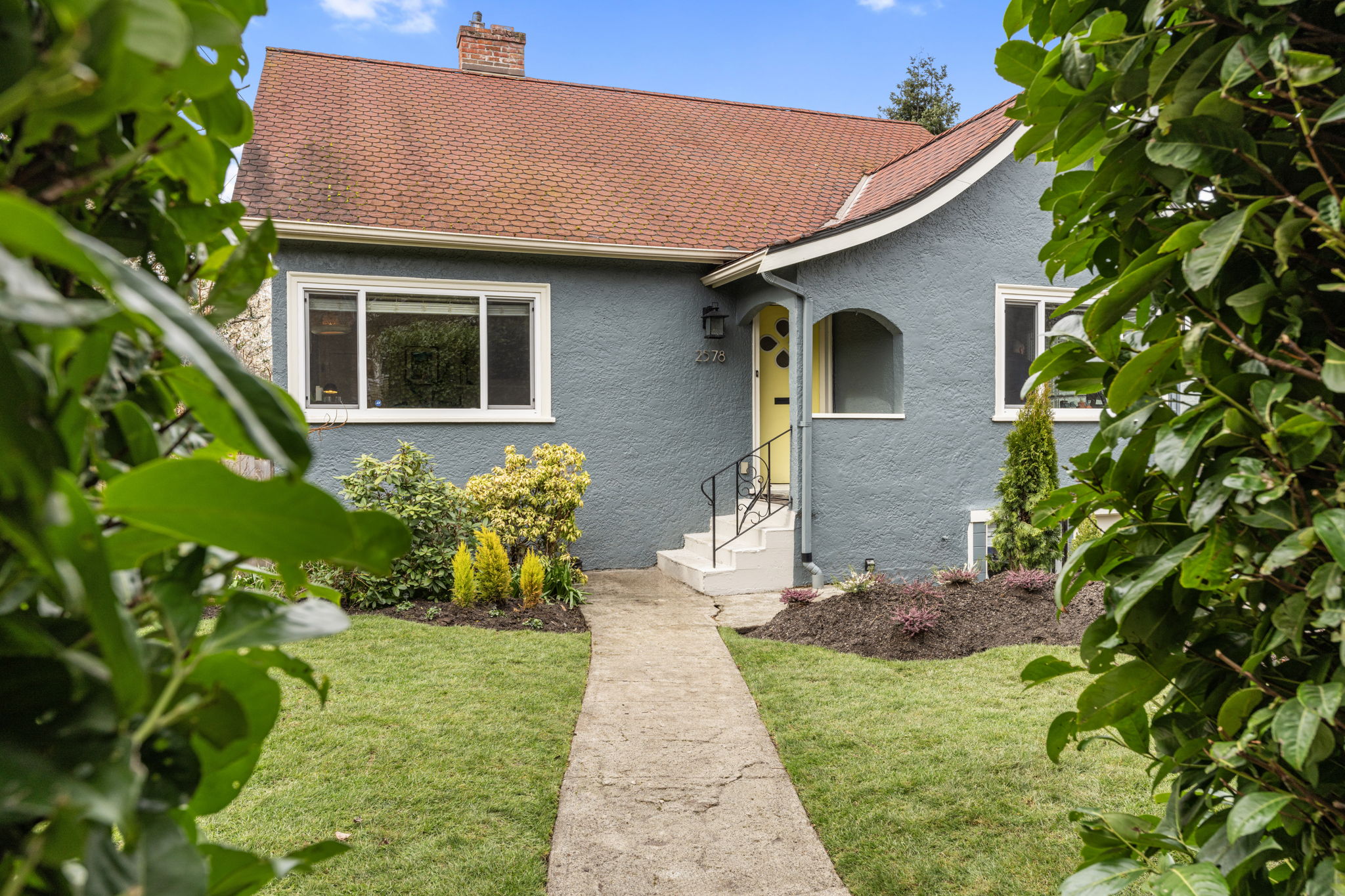
If you are wondering how long is it taking to sell in Victoria right now, the short answer is that homes are still selling, but most are not moving at the speed sellers saw in hotter markets. In the Victoria Real Estate Board area, the median time on market in the first quarter of 2026 was 26 days for single-family homes, 31 days for townhouses, and 30 days for condominiums. At the same time, inventory has grown, which means buyers have more choice and sellers need a sharper strategy. That does not mean every property takes a full month to sell. It means the market is more measured. Some homes still move quickly when they are priced well, presented properly, and listed in a segment with strong demand. Others sit longer because buyers now have more room to compare options, ask questions, and negotiate. VREB reported 579 sales in March 2026, up 24.5 per cent from February but down 5.5 per cent from March 2025, while active listings rose to 3,261, up 7.9 per cent from a year earlier. What the Current Selling Timelines Look Like Here is the clearest snapshot from CREA’s Victoria market conditions data for Q1 2026: Single-family homes: 26 median days on market Townhouses and row homes: 31 median days on market Condominiums: 30 median days on market In plain English, that tells us most well-positioned listings are not sitting for months, but sellers should also not expect a first weekend bidding war just because the property hit the market. Why Homes Are Taking Longer Than Last Year The biggest reason is choice. Compared with the first quarter of 2025, the median days on market increased across all three major property types. Single-family homes rose from 22 days to 26, townhouses rose from 22.5 to 31, and condominiums rose from 26 to 30. CREA also reported higher months of inventory for each category, which lines up with a more balanced market where buyers can take more time before committing. VREB said current conditions are creating fewer high-pressure transactions and allowing more time for due diligence. That is an important shift. Buyers are still active, but they are less likely to rush and more likely to compare value, review documents carefully, and negotiate when something feels overpriced. What This Means for Sellers A realistic expectation today is not simply, “How fast will my home sell?” A better question is, “How well does my home fit what buyers want at this price point?” Homes tend to sell faster when they offer: strong pricing from day one clean presentation and good photography a property type and location with steady demand fewer obvious objections around condition, strata documents, or layout Homes tend to take longer when they have: optimistic pricing based on old market expectations too much competition nearby dated presentation issues buyers think will cost them money after closing This is why two homes in the same neighbourhood can have very different timelines. Detached, Condo, and Townhouse Sellers Are Not Facing the Same Market Detached homes are moving a bit faster than condos and townhouses based on Q1 median days on market, but the gap is not huge. Detached homes came in at 26 days, compared with 30 for condos and 31 for townhouses. That said, property type is only part of the story. Price range, neighbourhood, strata health, parking, updates, and monthly carrying costs all affect how buyers respond. In a market with more inventory, buyers become more selective about compromises. The Mistake Sellers Make Right Now The most common mistake is assuming “average” means their home will sell quickly no matter what. Today’s Victoria market is more forgiving for buyers, not sellers. VREB’s March 2026 numbers show more listings and slower year-over-year sales, which means pricing and preparation matter more than they did in tighter conditions. A listing that starts too high can lose momentum, sit longer, and end up chasing the market down. So, How Long Is It Taking to Sell in Victoria Right Now? If you want the simple answer, the current median timeline is about four weeks, depending on property type: detached homes: about 26 days condos: about 30 days townhouses: about 31 days That is the broad market view. Your home could sell faster or slower depending on price, presentation, location, and competition. Final Thought The Victoria market is still active, but it is no longer a market where sellers can rely on urgency alone. If you want the best result, the goal is not just to list. It is to launch with the right price, the right presentation, and the right expectations from the start. If you want to know how your home would likely perform in today’s market, contact Faber Real Estate Group for a tailored pricing and selling strategy. Lou N., 5-Star Review, via Google “Scott is a knowledgeable, professional, dedicated and thorough expert in his field. Excellent at what he does and we couldn't have found a better realtor to guide us through one of the most important decisions in our lives.” Faber Real Estate Group Royal LePage Coast Capital Realty 📞 250-244-3430 📧[email protected] ℹ️ Scott Faber Personal Real Estate Corporation ℹ️ Cal Faber Personal Real Estate Corporation Vanessa Wood, Zachary Parsons, and Sophie Taylor “Building Lasting Relationships, One Home at a Time.”
Read more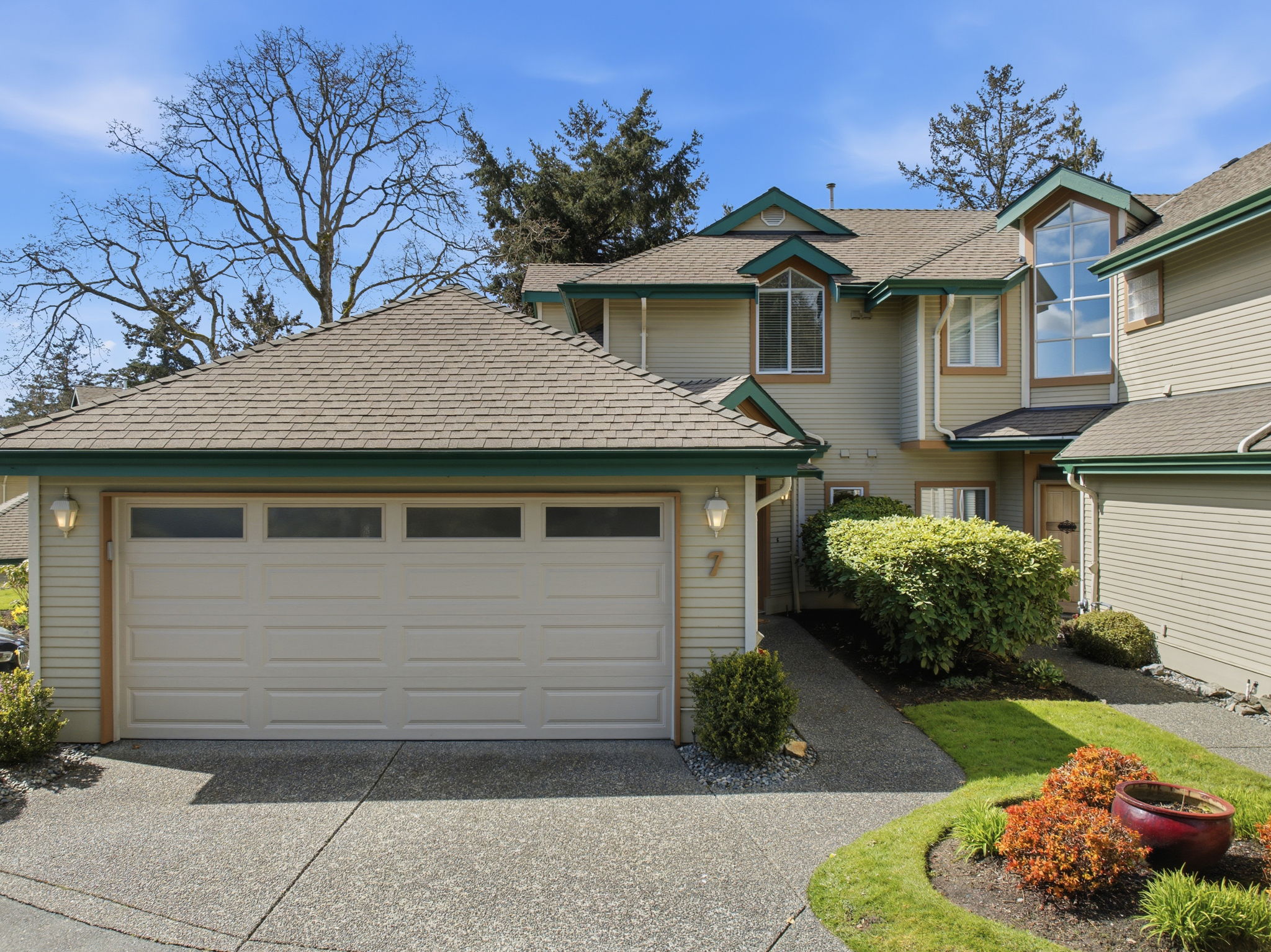
Spring is often the busiest season in real estate, but more listings do not automatically mean more success. In Greater Victoria, the spring market is building in a fairly typical seasonal pattern, with both sales and listings rising into March. The Victoria Real Estate Board reported 579 sales in March 2026, up 24.5 percent from February, while active listings climbed to 3,261, up 12.3 percent month-over-month and 7.9 percent year-over-year. VREB described current conditions as offering good supply and reasonable demand, giving buyers more time to compare options and do their due diligence. That is exactly why marketing a home in a crowded spring market needs to be more deliberate. When buyers have more choice, they do not chase every listing. They focus on the homes that feel well-priced, well-presented, and easy to understand. More inventory changes the job In a tighter market, simply coming online at the right time can create attention. In a more competitive spring market, attention has to be earned. What often gets missed is this: sellers think they are competing against last year’s best sale, but buyers are comparing what is available right now. With inventory levels higher and conditions more balanced across BC in 2026, the strategy has to shift from “list and wait” to “launch with purpose.” Pricing is still your strongest marketing tool Many sellers treat price as separate from marketing. It is not. Price is what determines whether buyers click, book, and act. If your home enters the market slightly ahead of the competition on value, it creates momentum. If it enters slightly above the market, buyers may still look, but they are more likely to hesitate, compare, and move on. In a crowded spring market, that hesitation matters because there is always another option coming. The first week matters most. That is when your listing is freshest, buyer alerts are triggered, and the market gives you its clearest feedback. A strong launch price does not mean underpricing. It means pricing in a way that gives buyers a reason to choose your home over the other properties they are seeing that same weekend. Presentation has to reduce friction When buyers are viewing multiple homes, they remember the ones that feel easy. Easy to picture themselves in. Easy to understand. Easy to say yes to. That means the basics matter more than ever: Clean, bright, and uncluttered spaces Strong listing photos and video A clear feature list that highlights upgrades and lifestyle benefits Pre-listing touch-ups that remove obvious objections Showing readiness from day one In a crowded spring market, presentation is not about making a home look perfect. It is about removing distractions so buyers focus on the value, layout, and lifestyle instead of the work they think they will need to do. Your listing needs a clear story Most homes do not lose attention because they are bad properties. They lose attention because their value is not obvious. Good marketing answers the buyer’s unspoken question quickly: Why this home instead of the others? That story might be: Better location for the price Stronger condition than competing listings More flexibility for families, investors, or downsizers Better outdoor space Recent upgrades that reduce future expense A layout that fits how people actually live When that story is clear, the marketing feels sharper. The photos make more sense. The write-up feels more persuasive. The showings feel more focused. Timing still matters, but strategy matters more Yes, spring brings more buyers. It also brings more competition. That means timing alone is no longer the advantage many sellers think it is. Launching in spring without a plan can leave your home buried among other new listings. Launching with the right prep, pricing, and exposure can still produce excellent results. The real goal is not just to be on the market during spring. The goal is to be one of the homes buyers remember and revisit. Exposure is important, but conversion is the real goal A lot of sellers want to hear that their home will get maximum exposure. That matters, but exposure alone does not create offers. The better question is this: does the marketing convert interest into action? That means your marketing should be built to move buyers through four steps: Notice the listing Understand the value Feel confident booking a showing See enough evidence to make an offer If any one of those breaks down, more exposure will not fix the problem. What works best in this kind of market In a market with more options and more buyer comparison, the homes that perform best usually share the same traits: Realistic, strategic pricing Strong visual presentation Clear property positioning Easy access for showings Fast response to feedback Willingness to adjust quickly if the market response is softer than expected This is where experience matters. Not because every home needs an aggressive tactic, but because every home needs the right tactic. Final thought Marketing a home in a crowded spring market is not about doing more for the sake of doing more. It is about making the right decisions early so your home stands out for the right reasons when buyers have plenty of choice. If you are planning a spring sale in Greater Victoria, contact Faber Real Estate Group for advice on pricing, presentation, and a marketing strategy built for today’s market. Florenda S., 5-Star Review, via Google “We worked with Cal & Scott selling our home recently. The effort they put into the sale was amazing with the photo virtual walk through set, the video, the night shots and open houses. Our house sold very quickly even in a slowdown in the market.” Faber Real Estate Group Royal LePage Coast Capital Realty 📞 250-244-3430 📧[email protected] ℹ️ Scott Faber Personal Real Estate Corporation ℹ️ Cal Faber Personal Real Estate Corporation Vanessa Wood, Zachary Parsons, and Sophie Taylor “Building Lasting Relationships, One Home at a Time.”
Read more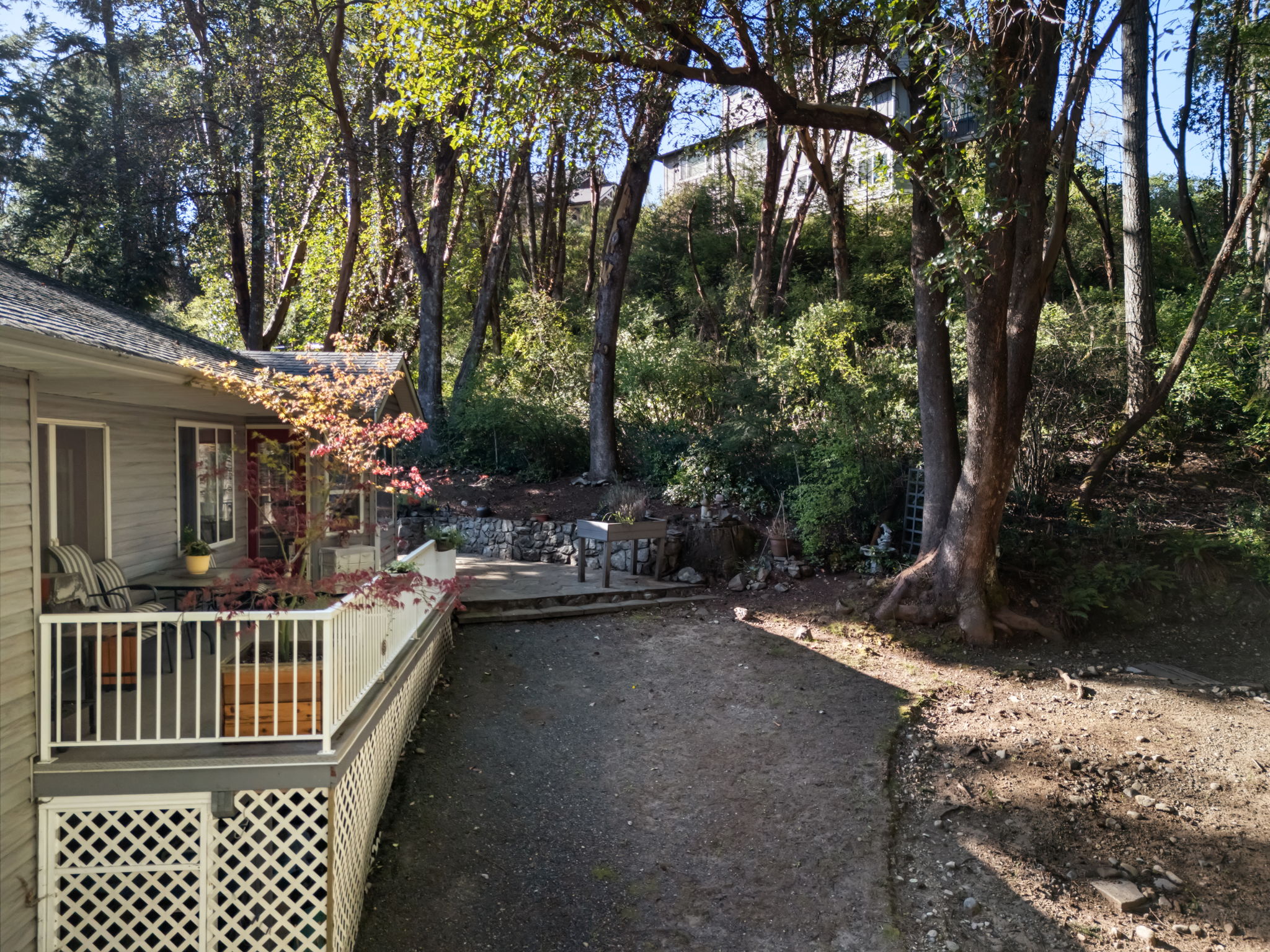
Setting the right price has always mattered, but the cost of overpricing your home in Victoria BC is higher in a market where buyers have more choice and more time to compare options. In February 2026, the Victoria Real Estate Board reported 2,903 active listings, up 10.4 per cent from a year earlier, while sales were down 11.9 per cent year over year. VREB also described the market as balanced after sitting near the threshold of a buyer’s market. That matters because balanced markets are less forgiving of aspirational pricing. Buyers do not need to rush into a listing that feels overpriced when there are other homes to consider. Why overpricing hurts more now When inventory rises, buyers become more selective. They compare value faster, watch price history more closely, and often skip listings that seem out of line with recent comparable sales. VREB’s February 2026 numbers show prices in the Victoria Core have been relatively steady rather than surging, with the benchmark single-family home at $1,307,400, down 0.9 per cent year over year, and the benchmark condo at $545,600, down 0.7 per cent. In a steady market, overpricing is less likely to be rescued by fast appreciation. The first few days of a listing matter the most. That is when your property is fresh, buyer alerts are strongest, and interest is easiest to convert into showings and offers. If the price causes hesitation at launch, the listing can lose momentum before it has a real chance to compete. What sellers usually do not see right away Overpricing rarely fails all at once. It usually shows up in stages: Fewer showings than expected Buyers saving the listing but not booking appointments Feedback that the home is nice, but feels high for the area Competing listings selling while yours sits Pressure to reduce later, after the home has lost its freshness That is the hidden cost. The issue is not only extra time on market. It is also the shift in perception. Once a home lingers, buyers start asking what is wrong with it, even when the real problem is simply price. A longer time on market can weaken your leverage Many sellers assume starting high gives them room to negotiate. In practice, it often does the opposite. A well-priced home can create stronger early interest and sometimes competition. An overpriced home can lead to low urgency, smaller buyer pools, and offers that come in below where the seller likely could have landed with a sharper launch strategy. BCFSA also encourages sellers to understand the proposed market value and pricing strategy before signing a listing contract. That is a useful reminder: pricing is not just a number. It is part of the full marketing plan. The emotional cost is real too Overpricing does not just affect statistics. It affects decision-making. When a home sits longer than expected, sellers often feel one of three things: Frustration because activity is lower than promised Doubt about the home, the market, or the strategy Pressure to make reactive decisions instead of measured ones That is when small adjustments turn into larger corrections. Price drops made too late can attract bargain hunters instead of the strongest early buyers. What smarter pricing looks like Smart pricing is not about being the cheapest option. It is about being the best-positioned option for the buyers most likely to act. A stronger pricing strategy usually includes: Recent comparable sales, not just current competition Adjustments for condition, location, layout, and updates An honest view of buyer demand in your segment A launch price designed to generate interest, not test the market In a balanced market, the goal is not to “leave room.” The goal is to create confidence. The bottom line The cost of overpricing your home in Victoria BC is usually not measured only in dollars off the list price. It also shows up in lost momentum, fewer showings, weaker leverage, and more stressful decisions later in the process. In today’s market, accurate pricing is not conservative. It is strategic. If you want a pricing strategy built around current Victoria market conditions, buyer behaviour, and your home’s real position in the market, contact Faber Real Estate Group for advice before you list. Sue S., 5-Star Review, via Google “I was so impressed with Cal and Scott, a father and son team. They make you feel so cared for. They went out of their way to help get my moms house ready to sell. It was hard to let the family home go but Cal and Scott helped to make the process go smooth. They sold my mom's house in 2 days for over the listing price. Faber Real Estate Group Royal LePage Coast Capital Realty 📞 250-244-3430 📧[email protected] ℹ️ Scott Faber Personal Real Estate Corporation ℹ️ Cal Faber Personal Real Estate Corporation Vanessa Wood, Zachary Parsons, and Sophie Taylor “Building Lasting Relationships, One Home at a Time.”
Read more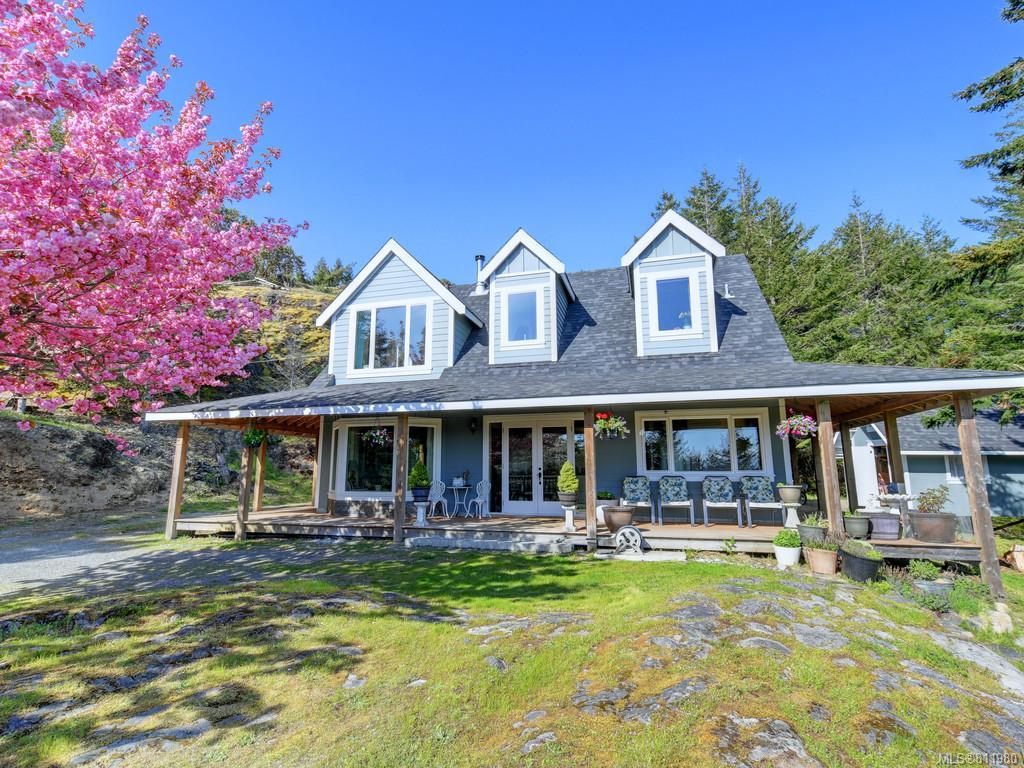
What makes a listing feel premium without luxury pricing? It usually is not one expensive renovation or a long list of flashy upgrades. More often, it is the feeling buyers get when a home appears well cared for, thoughtfully presented, and easy to understand from the moment they see it. That matters in every price range. Buyers notice when a property feels elevated. They also notice when a home feels cluttered, rushed, or confusing. The good news is that creating a premium impression does not always require a luxury budget. In many cases, it comes down to better choices, not bigger spending. Premium Does Not Mean Expensive A premium listing feels intentional. It tells buyers that the seller has taken the time to prepare the home properly and present it in a way that respects both the property and the buyer experience. That can come through in simple ways: clean, bright, well-lit rooms fresh paint in the right areas consistent hardware and finishes tidy landscaping and strong curb appeal professional photography that captures the home clearly a layout and marketing strategy that make the home easy to understand Luxury pricing often depends on location, lot, size, views, finish level, and market conditions. But a premium feel is different. It is about presentation, polish, and confidence. Buyers Are Responding to More Than Features Many sellers focus only on what the home has. Buyers also focus on how the home feels. Two homes can have similar square footage, bedroom count, and location, yet one creates much more excitement. Often, the difference is not the product itself. It is the way the product is prepared and introduced to the market. A premium-feeling listing usually gives buyers three things: clarity about what makes the home special confidence that the property has been cared for emotion that helps them picture themselves living there That is where strong listing strategy starts to separate itself from basic marketing. The Small Details That Create a Premium Feel You do not need a full luxury renovation to raise the perceived quality of a home. Often, the best return comes from details that improve the overall impression. 1. Cleanliness That Feels Obvious A spotless home does more than look nice. It signals pride of ownership. Buyers tend to assume that a clean home has also been better maintained. Deep-cleaning kitchens, bathrooms, baseboards, windows, floors, and entry areas can make a major difference. 2. Consistency Over Flash A premium listing often feels cohesive. That means finishes, colours, lighting, and décor work together rather than compete for attention. A home does not need designer materials everywhere. It just needs fewer distractions. 3. Better Light Natural light changes how a home is perceived. Clean windows, lighter paint, updated light fixtures, and proper lamp placement can make spaces feel larger and more welcoming. Even simple adjustments like opening blinds, trimming exterior greenery, or switching dated bulbs can improve the mood of a room. 4. Thoughtful Styling Staging does not need to feel dramatic to be effective. In fact, the most successful styling often feels subtle. Good styling helps buyers understand: how the space functions where furniture should go how rooms connect how the home could support their lifestyle That is especially important in smaller homes, condos, townhomes, and properties with unusual layouts. 5. Strong Photography and Marketing A premium listing experience often begins online. If the photos are dark, crooked, or incomplete, buyers may never book a showing. Professional photography, compelling remarks, floor plans when possible, and a clear pricing strategy help a home feel more serious and better positioned in the market. Where Sellers Often Overspend One of the biggest mistakes sellers make is assuming they need to spend heavily to compete. That is not always true. Before investing in large upgrades, it helps to ask whether the spending will actually improve buyer perception or simply satisfy personal taste. New countertops, designer fixtures, or major remodelling can be worthwhile in some cases, but many homes benefit more from: paint decluttering minor repairs updated lighting landscaping touch-ups better furniture placement pre-listing preparation A premium listing without luxury pricing is usually built through discipline and prioritization, not overspending. Premium Presentation Builds Buyer Confidence When buyers walk into a home that feels ready, they tend to respond more positively. They are less distracted by small issues. They can focus more clearly on the home’s strengths. They are also more likely to remember the property after the showing. That matters because buyer decisions are rarely based on numbers alone. They are shaped by trust, comfort, and comparison. If your listing feels more polished than competing homes in a similar price range, that can improve: showing activity perceived value buyer engagement offer confidence It does not guarantee a sale, but it can put the property in a stronger position. The Goal Is Not to Fake Luxury The goal is not to make an average home pretend to be something it is not. The goal is to present the home at its best so buyers see its value clearly. That means identifying what already works, improving what weakens the first impression, and building a strategy around the buyers most likely to connect with the property. A premium feel comes from preparation, not exaggeration. Final Thoughts A premium listing without luxury pricing is possible when sellers focus on the details that shape perception most. Cleanliness, consistency, lighting, styling, and strong marketing often do more to elevate a listing than expensive upgrades that do not match the market. If you are preparing to sell and want to know which improvements will actually help your home stand out, contact Faber Real Estate Group for advice on creating a polished, buyer-friendly listing strategy that fits your property and price point. Sue S., 5-Star Review, via Google “I was so impressed with Cal and Scott, a father and son team. They make you feel so cared for. They went out of their way to help get my moms house ready to sell. It was hard to let the family home go but Cal and Scott helped to make the process go smooth. They sold my mom's house in 2 days for over the listing price. Faber Real Estate Group Royal LePage Coast Capital Realty 📞 250-244-3430 📧[email protected] ℹ️ Scott Faber Personal Real Estate Corporation ℹ️ Cal Faber Personal Real Estate Corporation Vanessa Wood, Zachary Parsons, and Sophie Taylor “Building Lasting Relationships, One Home at a Time.”
Read more