
Posts Tagged ‘Langford real estate market’

The Greater Victoria real estate market in June 2026 is likely to continue the trend we saw in May: more inventory, steady buyer activity, and a market that rewards strategy over urgency. This does not mean the market is weak. It means buyers and sellers are becoming more thoughtful. After several years of tight inventory and fast-moving conditions, May 2026 gave buyers more choice than they have had in a long time. If that pattern continues into June, buyers may have more room to compare properties, while sellers will need to be more precise with pricing, presentation, and timing. A Look Back at May 2026 Before predicting the Greater Victoria real estate market June 2026, it helps to look at where the market ended in May. In May 2026, 713 properties sold across the Victoria Real Estate Board region. Sales were down from May 2025, but up from April 2026, showing that the spring market remained active. The biggest story was inventory. There were 4,029 active listings at the end of May, which was the highest inventory level Greater Victoria had seen in 11 years. That matters because inventory changes behaviour. When buyers have more options, they become more selective. When sellers have more competition, pricing and presentation become more important. What We Expect in June 2026 June will likely remain active, but selective. Many buyers who started searching in spring may still be in the market. Some may feel more confident because they have more properties to compare. Others may remain cautious because of affordability, mortgage payments, strata fees, insurance costs, and broader economic uncertainty. For sellers, June may still offer a good opportunity, especially before the slower summer mindset begins. However, simply being listed will not be enough. Buyers are comparing homes carefully, and they are more likely to pause when a property feels overpriced or poorly prepared. The most likely June pattern is steady activity, moderate price sensitivity, and continued competition between listings. Prediction 1: Inventory Will Remain the Main Story Inventory is expected to remain a major factor in June 2026. If listings continue to build, buyers will have more choice across Greater Victoria. This could create a more balanced market, especially in segments where several similar homes are competing for the same buyer pool. For buyers, this means more opportunity. For sellers, this means more pressure to stand out. A home that is priced well, marketed clearly, and presented properly can still attract strong interest. A home that launches too high may sit longer than expected, especially if buyers can find similar options nearby. Prediction 2: Buyers Will Be More Patient In June 2026, buyers are likely to continue taking a more measured approach. Instead of rushing into the first available home, many buyers will compare price, condition, location, strata fees, layout, outdoor space, parking, storage, and future maintenance. This is especially true for condos and townhomes, where buyers are looking closely at monthly ownership costs. For buyers, patience can be helpful. But waiting too long can also mean missing the right property. The best strategy is to be prepared, informed, and ready to act when a home clearly fits your needs. Prediction 3: Sellers Will Need Stronger Pricing Strategy June 2026 will likely reward sellers who price accurately from the start. In a market with more listings, buyers can quickly identify when a property feels out of step with recent sales and active competition. Overpricing can lead to fewer showings, weaker urgency, and longer days on market. That does not mean sellers need to underprice. It means sellers need to understand the market they are actually competing in. A detached home in Saanich, a condo in Victoria, a townhome in Langford, and a downsizer-friendly property in Sidney may all behave differently. Pricing should be based on property type, location, condition, recent comparable sales, and current active listings. Prediction 4: Condos Will Stay Value-Sensitive The condo market will likely remain active, but value-sensitive in June. Condos continue to appeal to first-time buyers, downsizers, investors, and people who want walkability or lower-maintenance living. However, buyers are paying close attention to the full monthly cost of ownership. That includes mortgage payments, strata fees, property taxes, insurance, parking, storage, and potential future building costs. In Victoria, Saanich, Sidney, and the Westshore, the strongest condo listings will likely be the ones that offer a clear value story. This may include good layout, strong building maintenance, reasonable strata fees, secure parking, usable outdoor space, and a convenient location. Prediction 5: Westshore Will Remain Active The Westshore will likely continue to be one of the most active parts of Greater Victoria in June 2026. Langford, Colwood, View Royal, Sooke, Metchosin, and surrounding areas continue to attract buyers looking for more space, newer housing, and relative value compared to the core. This area may remain especially attractive to first-time buyers, young families, and move-up buyers who want more home for their budget. That said, the Westshore also has more direct competition between similar homes. Sellers should pay close attention to nearby active listings, especially in newer condo, townhome, and family-home segments. Prediction 6: Saanich Will Continue to Attract Long-Term Buyers Saanich will likely remain steady in June because of its established neighbourhoods, schools, parks, transit access, and central location. Buyers in Saanich often think long-term. They may be looking for family homes, suite potential, larger lots, walkability to schools, or access to key commuter routes. However, Saanich is not one single market. A renovated home in Gordon Head may attract a different buyer than an original-condition home in Lakehill or a townhome near Royal Oak. In June, neighbourhood-level pricing will matter more than broad assumptions. Prediction 7: Victoria Will Continue to Be Driven by Lifestyle and Walkability Victoria and Victoria West will likely continue to attract buyers who want walkability, convenience, and access to downtown amenities. The core market may remain especially relevant for condos, smaller homes, and lifestyle-focused buyers. However, buyers will likely continue to look closely at strata documents, insurance deductibles, building condition, parking, storage, noise exposure, and total monthly costs. In June, the best-performing Victoria listings will likely be the ones that make the ownership picture easy to understand. Prediction 8: Sidney Will Remain Lifestyle-Focused Sidney will likely continue to attract buyers looking for a quieter Peninsula lifestyle. Walkability, waterfront access, local shops, cafes, services, and a community feel remain key draws. This market often appeals to downsizers, retirees, and buyers looking for convenience without being in the centre of Victoria. For sellers, this means lifestyle positioning matters. Buyers are not just buying square footage. They are buying ease, comfort, walkability, and long-term livability. What Buyers Should Do in June 2026 Buyers should use the additional inventory to make better decisions, not slower decisions. A strong buyer strategy in June includes: Getting fully pre-approved before shopping Understanding your maximum monthly payment Comparing recent sales and active listings Reviewing strata documents carefully Asking about insurance, maintenance, and future costs Staying patient with overpriced homes Being ready to move on well-priced homes The best buyers in June will be calm, prepared, and clear on what matters most. What Sellers Should Do in June 2026 Sellers should focus on strategy before going live. A strong seller strategy in June includes: Reviewing recent comparable sales Studying active competition Preparing the home before photos Pricing based on current market conditions Highlighting the strongest features clearly Making the home easy to understand online Responding quickly to showing feedback Adjusting if the market sends a clear signal In a market with more inventory, sellers need to give buyers a reason to choose their home over the next one. The Bottom Line for June 2026 The Greater Victoria real estate market June 2026 is likely to be active, but more balanced than many recent spring markets. Buyers should have more choice. Sellers should expect more competition. Well-priced homes will still attract interest, but buyers may be less willing to chase listings that feel too high for the market. Westshore should remain active because of value and growth. Saanich should stay steady because of its established neighbourhoods. Victoria should continue to attract lifestyle-focused buyers. Sidney should remain appealing for walkability and Peninsula living. The biggest takeaway is simple: June will likely be a market for strategy, not guesswork. If you are thinking about buying or selling in Greater Victoria, contact Faber Real Estate Group for local advice, neighbourhood insight, and a clear plan for your next move. Wilson, 5-Star Review, via Google “Amazing people there! They will help you through the entire process and will always make you feel like family. For those first time home buyers, don't be intimidated entering the market because they will explain every process and guide you through.” Faber Real Estate Group Royal LePage Coast Capital Realty 📞 250-244-3430 📧 [email protected] ℹ️ Scott Faber Personal Real Estate Corporation ℹ️ Cal Faber Personal Real Estate Corporation Vanessa Wood, Zachary Parsons, and Sophie Taylor “Building Lasting Relationships, One Home at a Time.”.
Read more
The Greater Victoria real estate market May 2026 showed a clear shift toward more choice, more careful decision-making, and stronger competition between listings. After several years of tighter inventory, buyers now have more options across many parts of the region. That does not mean the market is slow. It means buyers are taking more time, comparing properties more closely, and paying attention to price, condition, location, and overall value. For sellers, the Greater Victoria real estate market May 2026 was still active, but it rewarded preparation. Homes that were priced well, presented clearly, and positioned properly continued to attract interest. Homes that missed the mark had more competition to work against. What Happened in the Greater Victoria Market in May 2026? According to the Victoria Real Estate Board, 713 properties sold across the region in May 2026. That was down 5.9% compared to May 2025, but up 10.9% from April 2026. This shows that the spring market was active, but not overheated. The larger story was inventory. At the end of May 2026, there were 4,029 active listings on the Victoria Real Estate Board MLS®. That was the highest inventory level the region had seen in 11 years. More inventory changes the feel of the market. Buyers have more room to compare. Sellers have more competition. Both sides need a stronger strategy. Key May 2026 Market Numbers Here are the main Greater Victoria market numbers from May 2026: 713 total properties sold Sales were down 5.9% from May 2025 Sales were up 10.9% from April 2026 385 single-family homes sold 188 condominiums sold 98 townhomes sold 4,029 active listings at month-end Inventory was up 8.6% from April 2026 Inventory was up 8.4% from May 2025 The benchmark value for a single-family home in the Victoria Core was $1,339,000 in May 2026. That was up 0.3% from May 2025 and almost unchanged from April 2026. The benchmark value for a condominium in the Victoria Core was $551,400 in May 2026. That was down 1.9% from May 2025 and down from April 2026. What This Means for Buyers For buyers, May 2026 created more breathing room. More listings mean buyers may have more time to view homes, compare options, review documents, and make decisions without the same pressure seen in hotter markets. That said, good homes are still moving. Buyers should not assume every property will sit or that every seller will negotiate heavily. The best opportunities still require preparation. Buyers should focus on: Getting pre-approved before viewing homes Understanding full monthly costs Comparing recent sales, not just list prices Reviewing strata documents carefully Looking at building condition, insurance, and future maintenance Being patient, but ready when the right property appears In a market with more choice, the advantage goes to buyers who know exactly what they are looking for. What This Means for Sellers For sellers, May 2026 was a reminder that pricing matters. When inventory rises, buyers can be more selective. They are no longer forced to rush toward the first suitable option. They can compare similar homes, neighbourhoods, finishes, floor plans, strata fees, outdoor space, parking, and overall condition. This does not mean sellers cannot do well. It means the first impression matters more. Sellers should focus on: Pricing based on current comparable sales Understanding active competition Preparing the home before photos and showings Highlighting the strongest features clearly Avoiding overpricing at launch Adjusting quickly if market feedback is clear The homes that stood out in May were the ones that felt well-positioned from day one. Westshore Real Estate Market: More Choice and Practical Value The Westshore continued to be one of the most active areas in Greater Victoria. Langford, Colwood, View Royal, Sooke, Metchosin, and the surrounding communities remain important markets for buyers looking for more space, newer housing, and relative value compared to the core. The Westshore appeals to a wide range of buyers, including first-time buyers, young families, move-up buyers, and people looking for newer condos or townhomes. With more inventory available, buyers in the Westshore had more options to compare. This made pricing and presentation especially important for sellers. A well-priced home in a strong location can still attract serious attention, but buyers are more likely to compare it against other similar listings nearby. Saanich Real Estate Market: Established Neighbourhoods Still Matter Saanich remained a steady and desirable part of the Greater Victoria market in May 2026. Saanich East and Saanich West continue to attract buyers who value established neighbourhoods, schools, parks, transit access, larger lots, and central convenience. Areas such as Gordon Head, Lakehill, Broadmead, Royal Oak, Tillicum, and surrounding neighbourhoods can perform differently depending on property type and condition. A renovated family home, an original-condition home, a suite-potential property, and a townhome will each attract a different buyer pool. For buyers, Saanich remains a market where neighbourhood knowledge matters. For sellers, it is important to price based on the specific pocket, not just the broader municipality. Victoria Real Estate Market: Walkability and Condos Remain Important Victoria and Victoria West continued to play an important role in the May 2026 market. The core remains attractive to buyers who value walkability, transit, restaurants, employment areas, shopping, parks, and lifestyle convenience. Condos are a major part of this market, especially for first-time buyers, downsizers, investors, and people who want to live close to downtown amenities. However, buyers are looking beyond the unit itself. In May 2026, buyers were paying close attention to: Strata fees Parking Storage Building maintenance Insurance deductibles Depreciation reports Contingency reserve funds Rental and pet bylaws Walkability and noise exposure In the Victoria condo market, the building often matters as much as the unit. Sidney Real Estate Market: Lifestyle, Walkability, and Downsizing Demand Sidney continued to attract buyers looking for lifestyle, walkability, and a quieter pace. The Sidney market is often driven by people who value access to the waterfront, local shops, cafes, services, marinas, and a more relaxed Peninsula lifestyle. It can appeal strongly to downsizers, retirees, and buyers who want convenience without being in the centre of Victoria. For sellers in Sidney, presentation and pricing are important because buyers tend to compare long-term livability very carefully. Floor plan, building quality, parking, storage, outdoor space, and walkability can all influence value. For buyers, Sidney can offer a strong lifestyle fit, but it is still important to compare property types and understand the long-term costs of ownership. Detached Homes, Condos, and Townhomes: Different Markets Under One Roof One of the most important things to understand about Greater Victoria is that there is not one single market. There are several smaller markets moving at the same time. Detached homes may perform differently than condos. Townhomes may attract different demand than older apartments. A family home in Saanich may have a different buyer pool than a downtown Victoria condo or a Langford townhome. That is why broad headlines can be misleading. The question is not just, “What is the market doing?” The better question is, “What is the market doing for this property type, in this area, at this price point, right now?” Why Inventory Matters So Much Inventory gives buyers choice. When inventory is low, buyers often have to act quickly and compete harder. When inventory rises, buyers can slow down, compare options, and be more selective. For sellers, rising inventory means their home needs to stand out. Price, presentation, marketing, condition, and timing all matter. In May 2026, Greater Victoria had the most inventory the market had seen in 11 years. That does not automatically make it a buyer’s market, but it does create a more strategic environment. Buyers have more opportunities. Sellers have more competition. The Bottom Line for May 2026 The Greater Victoria real estate market May 2026 was active, but more balanced and selective than many recent spring markets. Buyers had more choice and more time to make decisions. Sellers could still succeed, but they needed to be realistic, prepared, and well-positioned. Westshore continued to offer practical value and strong activity. Saanich remained steady because of its established neighbourhoods and central convenience. Victoria continued to appeal to buyers looking for walkability and lifestyle. Sidney remained attractive for those seeking a quieter, community-focused Peninsula lifestyle. The biggest takeaway is simple: strategy matters. In a market with more inventory, buyers need clarity and sellers need precision. If you are thinking about buying or selling in Greater Victoria, contact Faber Real Estate Group for local advice, neighbourhood insight, and a clear strategy based on your goals. Wilson, 5-Star Review, via Google “Amazing people there! They will help you through the entire process and will always make you feel like family. For those first time home buyers, don't be intimidated entering the market because they will explain every process and guide you through.” Faber Real Estate Group Royal LePage Coast Capital Realty 📞 250-244-3430 📧 [email protected] ℹ️ Scott Faber Personal Real Estate Corporation ℹ️ Cal Faber Personal Real Estate Corporation Vanessa Wood, Zachary Parsons, and Sophie Taylor “Building Lasting Relationships, One Home at a Time.”.
Read more
Drainage and moisture in Victoria homes should be part of every buyer’s due diligence. A home may look warm, updated, and well-kept during a showing, but water management tells a deeper story about how the property performs through the wet season. Victoria is known for a milder climate, but rain still matters. The City of Victoria explains that stormwater systems collect runoff from hard surfaces like roads and roofs and move it away from homes and businesses to help prevent flooding. That simple idea applies at the property level too: water needs somewhere reliable to go. (victoria.ca) Why Drainage Matters So Much Water is one of the most important things to understand before buying a home. Poor drainage can affect: Foundations Basements Crawlspaces Siding Decks and balconies Landscaping Retaining walls Driveways Interior air quality Long-term maintenance costs A home does not need to be perfect, but buyers should understand how water moves around the property. The goal is to know whether the home is managing moisture well or whether there are signs of future risk. Victoria Homes Can Have Unique Moisture Considerations Greater Victoria has a wide range of housing types and land conditions. Buyers may be comparing older character homes, hillside properties, strata complexes, rural homes, low-lying lots, newer builds, and homes with crawlspaces or basement suites. Each type can carry different drainage questions. For example: Older homes may have aging perimeter drains Homes on slopes may receive water from uphill properties Low-lying lots may hold water longer after rain Crawlspaces may show signs of dampness or poor ventilation Basement suites may be more vulnerable if drainage is weak Retaining walls may suggest grading or water-pressure issues Strata properties may rely on shared drainage systems and maintenance planning This is why two homes in the same price range can carry very different long-term risk. Start Outside the Home Good drainage usually begins outside. During a showing, buyers should look at how the land slopes, where downspouts discharge, and whether water appears to be directed away from the foundation. Practical things to look for include: Gutters that are clean and properly connected Downspouts that discharge away from the home Soil or hardscaping sloped away from the foundation Low spots where water may pool Moss or staining near exterior walls Cracks in walkways or patios Retaining walls that lean or show staining Soft or soggy areas in the yard Drain grates, catch basins, or sump systems Evidence of past drainage work A buyer does not need to diagnose the issue during the showing. They just need to notice what deserves further review. Check Basements and Crawlspaces Carefully Basements and crawlspaces often reveal moisture concerns before the main living areas do. Buyers should pay attention to: Musty smells Staining on concrete or framing Efflorescence on foundation walls Standing water Damp insulation Rust on metal components Soft subfloor areas Dehumidifiers running constantly Fresh paint that may be covering old staining Stored items lifted off the floor Some moisture signs may be minor or manageable. Others may point to larger drainage, ventilation, or foundation concerns. A home inspection is especially important when a property has a crawlspace, basement suite, below-grade living area, or signs of past water entry. Roofs, Gutters, and Downspouts Matter Drainage is not only about the ground. Roof water can create major problems if it is not managed properly. Buyers should look at: Roof age and condition Missing or damaged shingles Clogged gutters Leaking gutter joints Short downspout extensions Water dumping near the foundation Overflow marks on siding Fascia or soffit staining Moss buildup Poor roof drainage on flat or low-slope sections A functioning roof and gutter system helps move water away from the home before it becomes a foundation or interior moisture issue. Moisture Can Affect More Than Repairs Drainage and moisture problems are not just about repair bills. They can affect how a home feels and functions. Moisture may contribute to: Odours Mold concerns Poor indoor air quality Damage to finishes Rot in structural components Pest issues Insurance questions Resale hesitation Future renovation limits Even when a buyer is comfortable taking on some work, they should understand the size and urgency of the issue before removing conditions. Ask the Right Questions When drainage or moisture concerns appear, buyers should ask direct questions. Useful questions include: Have the perimeter drains been replaced or repaired? When were the gutters and roof last maintained? Has there ever been water entry? Are there receipts or records for drainage work? Is there a sump pump, and how often does it run? Has the basement or crawlspace been professionally assessed? Does water pool anywhere on the property after heavy rain? Are there known issues with neighbouring runoff? Have any insurance claims been made for water damage? Are there strata minutes discussing drainage, leaks, or building-envelope concerns? For strata properties, drainage and moisture concerns may appear in meeting minutes, engineering reports, depreciation reports, or insurance documentation. Use the Inspection Period Wisely A general home inspection can identify visible signs of moisture, but buyers may need further review if something raises concern. Depending on the property, that may include: Drainage contractor review Perimeter drain scope Roof inspection Foundation assessment Sewer or storm line inspection Building envelope review Mold or indoor air quality assessment Strata document review Engineering advice for retaining walls or slopes The right level of due diligence depends on the age, condition, and complexity of the property. Do Not Panic Over Every Moisture Sign Moisture concerns should be taken seriously, but they should not automatically end the purchase. Some issues are routine maintenance. Others are manageable with proper repairs. A clogged gutter is different from chronic basement water entry. Poor downspout placement is different from foundation movement. The key is to separate small maintenance items from larger risk. Buyers should focus on: Cause Cost Urgency Repair history Professional advice Impact on future resale Whether the issue fits their budget and comfort level Clarity matters more than fear. The Bottom Line for Buyers Drainage and moisture in Victoria homes matter because water issues can affect comfort, maintenance, insurance, resale, and long-term ownership costs. A home may look excellent on the surface, but buyers should understand how it handles rain, runoff, and seasonal moisture. Before buying, look outside, check lower levels carefully, ask about past water issues, review documents, and use the inspection period to get the right professional advice. For buyers in Greater Victoria, strong due diligence is not about finding a perfect home. It is about understanding the home clearly before making a long-term decision. For advice on buying a home in Greater Victoria and reviewing property condition before subject removal, contact Faber Real Estate Group for clear, local guidance before making your next move. Lou N., 5-Star Review, via Google “Scott is a knowledgeable, professional, dedicated and thorough expert in his field. Excellent at what he does and we couldn't have found a better realtor to guide us through one of the most important decisions in our lives.” Faber Real Estate Group Royal LePage Coast Capital Realty 📞 250-244-3430 📧 [email protected] ℹ️ Scott Faber Personal Real Estate Corporation ℹ️ Cal Faber Personal Real Estate Corporation Vanessa Wood, Zachary Parsons, and Sophie Taylor “Building Lasting Relationships, One Home at a Time.”
Read more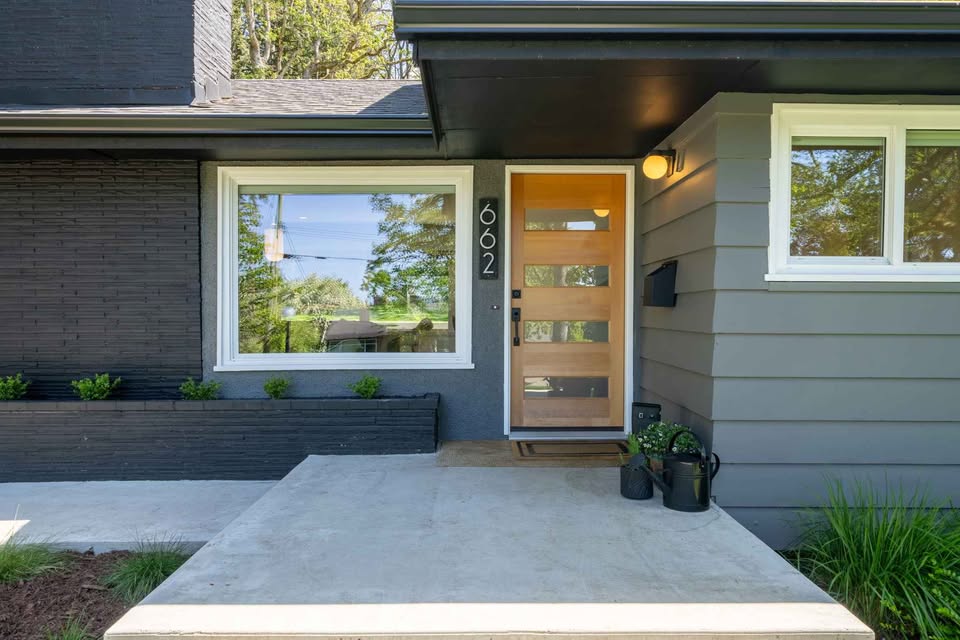
Active listings in Greater Victoria are an important number to watch, but they do not tell the whole story on their own. Active listings in Greater Victoria show how much choice buyers have at a specific point in time, but they do not explain how quickly homes are selling, which price ranges are moving, or how different neighbourhoods are behaving. That matters because real estate headlines often focus on one number. Inventory is up. Sales are down. Prices are steady. Buyers have more choice. Sellers have more competition. Each statement may be true, but none of them gives the full picture by itself. More Listings Do Not Always Mean a Weak Market At the end of April 2026, the Victoria Real Estate Board reported 3,710 active listings for sale on the MLS, up 13.8% from March and 8.3% from April 2025. VREB also reported 643 property sales in April 2026, almost unchanged from April 2025 and up 11.1% from March. That combination matters. More listings can mean buyers have more choice. It can also mean sellers feel more competition. However, if sales remain steady, the market may still be balanced rather than weak. This is why inventory needs context. A market with more listings and weak demand feels very different from a market with more listings and steady buyer activity. The Type of Inventory Matters Not all listings compete with each other. A downtown condo is not competing with a Saanich family home in the same way. A Langford townhome may attract a different buyer than a waterfront property in Cordova Bay. A renovated home priced well may receive strong interest, while a similar property with deferred maintenance may sit longer. Buyers and sellers need to look beyond the total inventory number and ask: What type of homes are available? Which price ranges have the most competition? How much of the inventory is well-priced? How much of it needs major updates? Are buyers active in this specific segment? Are similar homes selling, or just sitting? A higher number of listings does not automatically mean buyers have more good options. Sometimes it means they have more to sort through. Sales Activity Tells You Whether Buyers Are Responding Active listings show supply. Sales show demand. When inventory rises but sales also remain active, it often points to a more balanced market. Buyers have more time to compare, but strong properties can still sell. Sellers may need to be more careful with pricing and presentation, but they are not necessarily in a distressed position. VREB described the April 2026 Greater Victoria market as balanced, with strong inventory and a wide range of properties at different price points. VREB also noted that market experience can vary depending on location and property type because Greater Victoria is made up of many micro-markets. That last point is key. The overall market may be balanced, while one neighbourhood feels competitive and another feels slower. Price Does Not Move the Same Way Everywhere Inventory levels can influence prices, but they do not control prices on their own. In April 2026, the MLS Home Price Index benchmark value for a single-family home in the Victoria Core was $1,339,100, down 1.2% from April 2025 but up from March 2026. The condo benchmark value in the Victoria Core was $558,300, down 0.8% from April 2025 but also up from March. This shows why simple market narratives can mislead people. A buyer may hear that inventory is up and expect major discounts. A seller may hear that prices are stable and assume their home can be priced aggressively. Both can be wrong. Pricing depends on condition, location, property type, buyer demand, competing listings, and recent comparable sales. Days on Market and Price Reductions Add More Clarity Active listings tell you what is available today. They do not show the full behaviour behind the market. To understand what is really happening, buyers and sellers should also look at: Days on market Recent sale prices List-to-sale price ratios Price reductions New listings coming on Expired or cancelled listings Competing inventory by neighbourhood Showing activity Offer activity These details help explain whether listings are building because homes are overpriced, because more sellers are entering the market, or because buyers are taking longer to decide. That distinction matters. What This Means for Buyers For buyers, more active listings can create better choice and less pressure. It may also create more confusion. When there are more options, it becomes easier to compare homes but harder to decide. Buyers may hesitate, hoping something better will appear. That can be reasonable in some segments, but risky in others. A strong buyer strategy should focus on: Knowing which neighbourhoods fit your lifestyle Comparing property condition carefully Watching how long similar homes are taking to sell Understanding whether the list price reflects current market reality Staying ready when a well-priced home appears More inventory gives buyers breathing room, but it does not remove the need for preparation. What This Means for Sellers For sellers, more active listings usually means presentation and pricing matter more. When buyers have more choice, they compare more carefully. They notice condition, layout, updates, maintenance, location, and price. A listing that may have stood out in a lower-inventory market may need stronger positioning when similar homes are available. Sellers should pay close attention to: How their home compares to active competition Whether recent sales support the asking price How buyers are responding after showings Whether the first two weeks generate enough interest Which improvements may improve buyer confidence Whether the marketing clearly explains the home’s value In a balanced market, sellers can still do well. They just need to compete on value, not assumption. The Better Question Is Not Just “How Many Listings Are There?” The better question is: what do the listings mean? Active listings are useful, but they are only one part of the market story. The number becomes more meaningful when paired with sales activity, buyer demand, pricing trends, property type, condition, and neighbourhood-level competition. For buyers, the goal is not just to find more homes. It is to find the right home at the right value. For sellers, the goal is not just to list in a market with activity. It is to position the home clearly within the choices buyers already have. If you are trying to understand what today’s inventory means for your next move, contact Faber Real Estate Group for local advice, current market insight, and a strategy based on your specific neighbourhood, price range, and goals. Michael F., 5-Star Review, via Google “If you want the best in town, stop your search – you've found them here in Cal and Scott Faber. We couldn't be happier with the results and highly recommend them to anyone in need of top-notch real estate services. Professional, patient, and caring results guaranteed.” Faber Real Estate GroupRoyal LePage Coast Capital Realty📞 250-244-3430📧 [email protected]ℹ️ Scott Faber Personal Real Estate Corporationℹ️ Cal Faber Personal Real Estate CorporationVanessa Wood, Zachary Parsons, and Sophie Taylor“Building Lasting Relationships, One Home at a Time.”
Read more
Westshore real estate selling strategy matters more in 2026 because resale homes are no longer competing only with the home down the street. In Langford and Colwood, you are also competing with developers, staged showhomes, polished marketing campaigns, and incentive packages. Westshore inventory is being shaped by volume. Condos, townhomes, and detached homes are being delivered at scale. If you ignore that reality, you risk longer days on market and price reductions. If you work with it, you can still sell quickly and confidently. Developers Are Setting Buyer Expectations Langford continues to see one of the highest volumes of new construction in Greater Victoria. Projects often launch with coordinated marketing, presentation centres, and incentives that make buyers feel they are getting a “complete package.” Developers can offer: Deposit structures spread over time Appliance or upgrade packages Completion flexibility GST inclusions or credits in certain cases Professionally staged model units That becomes the benchmark. When buyers tour resale homes afterward, they compare immediately. That comparison shapes your pricing power and your negotiation leverage. How This Impacts Each Property Type Condos in the Westshore New towers can create psychological price ceilings. Even if your condo is well maintained, buyers often ask: How old is the building? Is there depreciation report risk? Are there upcoming special assessments? When a new project offers warranties and new amenities, resale condos must compete on value and clarity, not hope. The tactical move: Price decisively from day one Highlight upgrades clearly (flooring, appliances, fixtures, storage) Emphasize move-in readiness Provide strata documents early and proactively Townhomes Townhomes remain a sweet spot for many first-time buyers in the Westshore. The challenge is that pre-sale townhome communities often launch with modern finishes and buyer-friendly deposit structures. Resale townhome sellers need to compete on: Timing: you can offer immediate possession Certainty: buyers can see the finished product Layout advantages: larger rooms, better parking, better yard space, or better storage (when applicable) If a new phase is launching nearby, “testing the market” is rarely effective. Detached Homes Detached homes face a different comparison set. Buyers now weigh older detached homes against: New detached builds (where available) High-end townhomes with newer finishes and lower maintenance Common buyer questions include: What upgrades have been completed? Is the home energy efficient? Are there insurance or inspection concerns? If your home needs updates, the price must reflect that quickly. Buyers calculate renovation costs fast in this environment. Why Some Westshore Homes Still Sell in 7 to 14 Days Even during heavy new construction cycles, resale homes can sell quickly when they: Price correctly at launch Show better than competing resale inventory Position clearly against nearby developments Market to a defined buyer, not everyone Homes that struggle usually: Start high “to see what happens” Ignore new inventory nearby Assume last year’s value still applies Westshore real estate rewards decisiveness right now. The Tactical Seller Playbook for 2026 If you are considering selling in Langford or Colwood, this is a simple framework that holds up in today’s market. 1) Identify Your True Competition Ask what is coming next, not what sold last. A new condo building two blocks away A townhome phase launching next month A detached subdivision completing soon We map the competition before pricing. 2) Position, Then Price Price alone is not the strategy. Positioning is. We define: Who your buyer is Why they would choose resale over new What your timing advantage is (possession, condition, certainty) Then we price with urgency. 3) Launch Strong In a developer-influenced market, first impressions carry more weight. That means: Professional photography Clear feature sheets that explain the value Transparent documentation (especially strata) Immediate showing availability Delayed momentum is expensive. What This Means for Westshore Sellers New construction is not a threat. It is a variable. When handled correctly, resale homes can benefit from the attention new projects bring to the region. Buyers who get priced out of new builds often pivot to resale quickly, but only if the resale option is positioned properly. The key is to price with forward awareness, not backward attachment. A Westshore real estate selling strategy that accounts for nearby development competition is one of the simplest ways to protect your timeline and your outcome. If you are thinking about selling in the Westshore this year, contact Faber Real Estate Group to map your competition and build a pricing and launch plan that fits today’s market. Debbie N., 5-Star Review, via Google “From start to finish, Scott and Cal were amazing to work with. I hadn't moved in nearly 22 years and going from a house to a condo was a very difficult decision, but they were amazingly patient and responsive to my needs. This team doesn't just say that they care, they actually do. I couldn't have done this without them. I would recommend them to anyone. You will be in the best hands. Thank you Faber Group!!!” Faber Real Estate Group Royal LePage Coast Capital Realty 📞 250-244-3430 📧[email protected] ℹ️ Scott Faber Personal Real Estate Corporation ℹ️ Cal Faber Personal Real Estate Corporation Vanessa Wood, Zachary Parsons, and Sophie Taylor “Building Lasting Relationships, One Home at a Time.”
Read more
The Greater Victoria real estate market continued to show signs of stability and steady activity in February 2026. According to the Victoria Real Estate Board, 465 properties sold across the region, representing a 37.2 percent increase from January, though still 11.9 percent lower than February 2025. While year-over-year comparisons show some moderation, the strong month-to-month growth indicates that buyers are returning to the market as we move toward the spring season. Inventory is also expanding, giving buyers more options than they have seen in recent years. Active listings rose to 2,903 properties, up 10.6 percent from January and 10.4 percent higher than the same time last year. For many buyers and sellers, this signals a shift toward a more balanced real estate environment where neither side holds a dramatic advantage. Local REALTOR® Scott Faber notes that the Victoria market continues to behave differently than many larger Canadian markets. “There’s a lot of noise coming out of Vancouver and Toronto,” Scott Faber says. “However, our market here is very stable and resilient compared to other markets across Canada.” Insights for Buyers For buyers entering the market this spring, the increased inventory is creating more breathing room to explore options and make thoughtful decisions. With nearly three thousand active listings available, buyers can take time to compare homes, neighbourhoods, and property types more carefully than they could during the intense competition of previous years. Scott Faber explains that condominiums may offer particular opportunity right now. “If you’re a buyer looking for a condo this spring, this is definitely a good time to explore those options,” Scott Faber says. “Especially for downsizers or first-time homebuyers, there’s a lot of choice available and mortgage rates have come down significantly compared to last year.” However, the single-family home segment remains competitive in certain price ranges. Scott Faber notes that homes under $1.2 million with suites are attracting strong demand, particularly in areas like Saanich and Langford. “One of our listings had 18 showings within two weeks,” Scott Faber says. “And we’ve been in multiple-offer situations on several homes under a million dollars, some with suites and some without.” Because of this continued competition in certain segments, preparation remains critical. “If you’re looking for a single-family home, get prepared with a mortgage pre-approval and talk to your real estate professional so you’re ready to act,” Scott Faber advises. Insights for Sellers For sellers considering entering the market this spring, the February activity provides an important takeaway: preparation and presentation matter more than ever. While buyers have more inventory to choose from, homes that are properly priced and move-in ready are still attracting strong interest and selling quickly. Properties that are not show-ready, however, may take longer to move in a market where buyers have more choice. Scott Faber sees this trend clearly when working with clients. “When a home is priced to sell and it’s move-in ready, buyers are moving quickly,” Scott Faber says. “But the homes that aren’t show-ready or require significant updates tend to sit longer because buyers simply have more options right now.” For sellers, this makes professional strategy essential. “I always recommend choosing a professional real estate team that understands how to position your home properly in today’s market,” Scott Faber says. “If your home is well-appointed, marketed correctly, and priced appropriately, you’re going to have a good experience selling.” Market Outlook Looking ahead to the spring market, Greater Victoria appears to be entering a period of stability rather than volatility. The benchmark price for a single-family home in the Victoria Core is now $1,307,400, a modest 0.9 percent decrease from last year, though prices have increased since January. Condominiums show a similar pattern, with a benchmark value of $545,600, down slightly year-over-year but rising month-over-month. Scott Faber believes these numbers reflect a market that is finding its balance. “What we’re seeing right now is a balanced market,” Scott Faber says. “We’re not seeing the large supply increases that some people expected, and when the market is balanced it creates great opportunities for both buyers and sellers.” As the spring market approaches, activity is expected to continue building. Buyers will likely benefit from increased inventory, while sellers who prepare their homes properly can still capture strong demand. Final Thoughts February’s data and on-the-ground experience point to a clear conclusion: the Greater Victoria real estate market remains steady, resilient, and balanced. Buyers now have more options and greater confidence as prices stabilize and inventory expands. Sellers, meanwhile, can still achieve excellent results when their homes are positioned correctly in the marketplace. For those considering a move this year, understanding these local dynamics is critical. If you are thinking about buying or selling in Greater Victoria, connect with Scott Faber and the Faber Real Estate Group for personalized guidance and expert insight into today’s market opportunities. Scott L., 5-Star Review, via Google “I had the pleasure of working with the Faber Group to sell my house, and I couldn't be more pleased with the experience. Cal and Scott from the Faber Group provided exceptional service from start to finish. Their expertise and guidance were instrumental in preparing my home for sale, ensuring it was presented in the best possible light for maximum return on investment. They demonstrated a deep understanding of the market, strategically timing the listing to attract the right buyers. Faber Real Estate Group Royal LePage Coast Capital Realty 📞 250-244-3430 📧[email protected] ℹ️ Scott Faber Personal Real Estate Corporation ℹ️ Cal Faber Personal Real Estate Corporation Vanessa Wood, Zachary Parsons, and Sophie Taylor “Building Lasting Relationships, One Home at a Time.”
Read more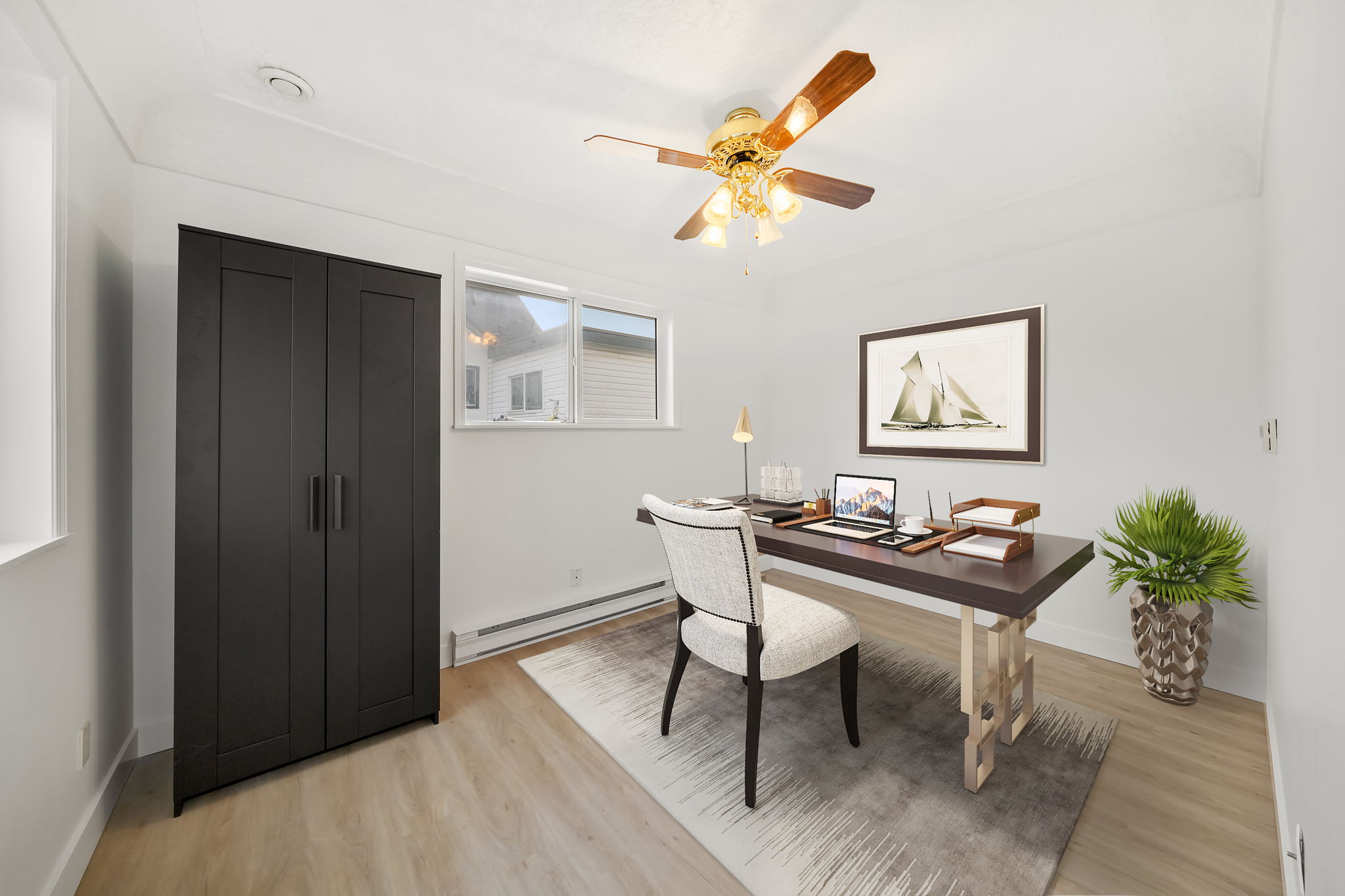
The Westshore housing demand has grown significantly as hybrid and flexible work models reshape how buyers choose where to live. Over the past several years, many buyers have shifted priorities toward larger homes, dedicated office space, and lifestyle-driven neighbourhoods. Langford and surrounding Westshore communities have benefited from this change, attracting buyers who no longer need to commute daily into downtown Victoria. How Hybrid Work Is Changing Buyer Priorities Hybrid work allows many professionals to commute only a few days per week or work fully from home. As a result, buyers are placing greater importance on interior space, flexible floor plans, and outdoor living areas. Previously, proximity to downtown offices often drove housing decisions. Now, many buyers are willing to trade shorter commutes for improved home functionality and lifestyle. This shift has directly supported Westshore housing demand. Buyers frequently search for properties that can comfortably accommodate workstations, meeting space, and separation between work and home life. Langford’s Appeal for Space and Affordability Langford continues to attract buyers who want more square footage and newer construction compared to many central Victoria neighbourhoods. Detached homes, townhomes, and newer subdivisions often provide additional bedrooms and flexible layouts that support home office needs. In many cases, buyers relocating from Victoria’s core can obtain larger homes at more attainable price points. This value proposition has helped drive consistent demand for family homes and newer developments throughout the Westshore region. Reduced Commute Pressure Supports Westshore Growth Remote and hybrid work models have reduced daily commute requirements for many buyers. Even employees who still travel into Victoria’s core often commute fewer days each week. This reduced travel frequency has made living farther from downtown more practical and appealing. Improved transportation routes and expanded highway infrastructure have also supported buyer confidence in Westshore living. While traffic remains a consideration, fewer required commute days have helped strengthen remote work Westshore housing demand across Langford and neighbouring communities. Rising Demand for Home Office Features Buyers increasingly prioritize homes with dedicated office space. Popular features now include: Separate office rooms or flex spaces • Finished basements suitable for work areas • Sound insulation and natural lighting • Reliable high-speed internet infrastructure • Outdoor spaces that support work-life balance Builders and developers have responded by designing homes with adaptable layouts that accommodate modern work needs. These design changes continue to influence resale value and buyer interest. Lifestyle Benefits Driving Long-Term Demand Beyond workspace needs, many buyers are drawn to the Westshore for lifestyle reasons. Access to trails, lakes, recreation facilities, and newer schools appeals to families and professionals seeking balance between work and personal life. Communities such as Langford, Colwood, and View Royal offer growing retail centres, restaurants, and entertainment options. These amenities help support long-term neighbourhood growth and reinforce buyer confidence in the region. Market Outlook as Work Trends Continue to Evolve The westshore housing demand remains closely tied to broader employment trends. While some companies have encouraged partial office returns, hybrid work continues to remain common across many industries. This ongoing flexibility continues to support demand for spacious suburban housing. However, housing markets remain cyclical. Interest rates, housing supply, and economic conditions will continue to influence pricing and buyer activity. Buyers should focus on long-term suitability rather than short-term market timing. What Buyers and Sellers Should Consider Buyers searching in the Westshore should evaluate floor plans, internet infrastructure, and resale flexibility when purchasing homes designed for remote work. Sellers can benefit from highlighting office spaces, flexible rooms, and lifestyle features when marketing properties. If you are considering buying or selling in Langford or the Westshore, contact our team to discuss how evolving work trends may influence your housing options and long-term real estate goals. Ola A., 5-Star Review, via Google “We had a great experience working with Scott from Faber real estate group to purchase our new home. Scott was professional, knowledgeable, and responsive. He had an impressive expertise in the local market and always made us feel like a top priority. His negotiation skills were outstanding, and he took care of every detail, from arranging inspections to researching potential issues with the property. Throughout the process, Scott was patient, understanding, and went above and beyond to provide us with extra resources and options.” Faber Real Estate Group Royal LePage Coast Capital Realty 📞 250-244-3430 📧[email protected] ℹ️ Scott Faber Personal Real Estate Corporation ℹ️ Cal Faber Personal Real Estate Corporation Vanessa Wood, Zachary Parsons, and Sophie Taylor “Building Lasting Relationships, One Home at a Time.”
Read more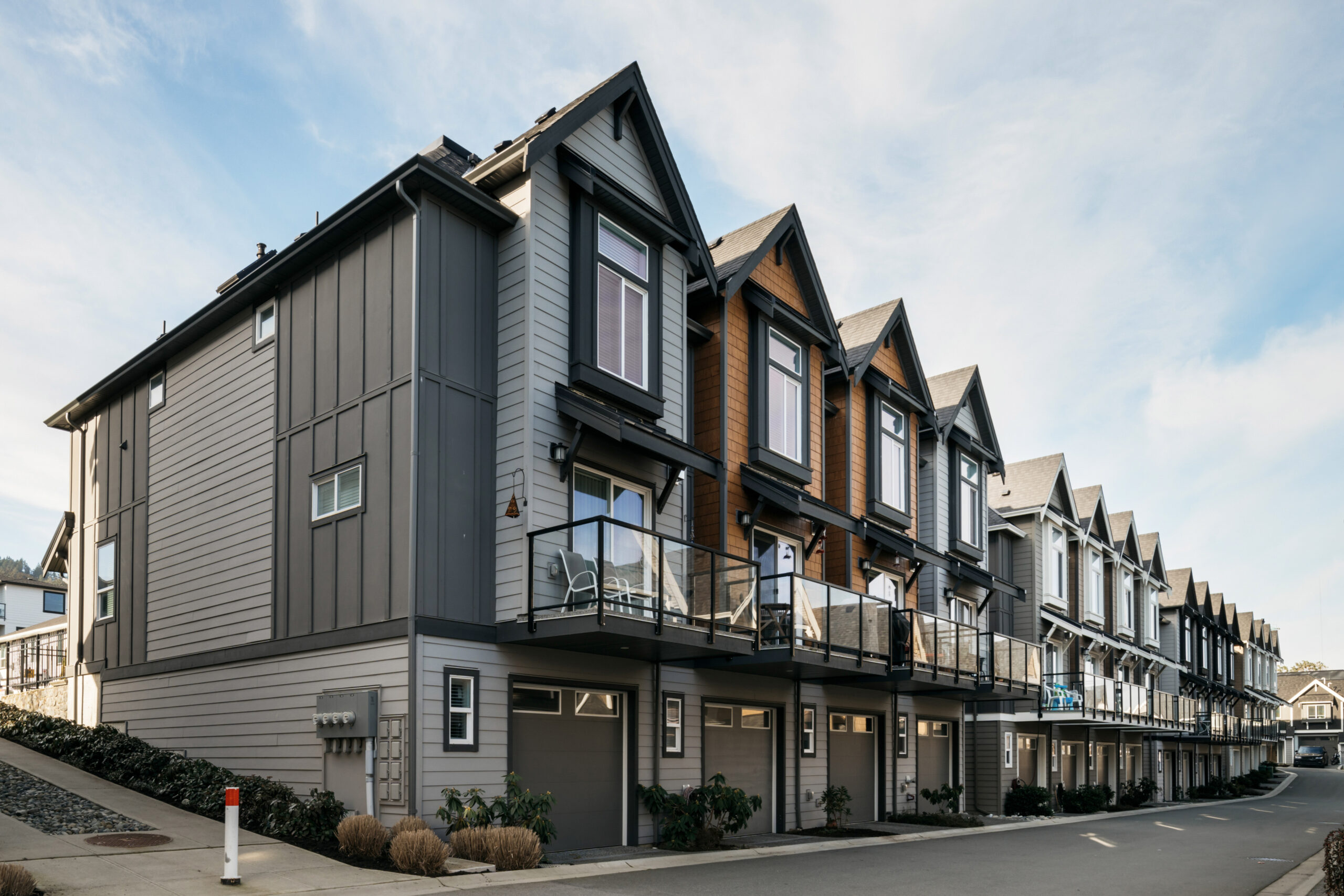
For many buyers entering the market in 2026, the first-time buyer West Shore market continues to stand out. Langford and Colwood offer more attainable price points than many core Victoria neighbourhoods, while still providing strong amenities, transit access, and long-term growth potential. These communities attract first-time buyers who want value without sacrificing lifestyle or resale prospects. Langford: Entry-Level Options With Urban Convenience Langford remains one of the most accessible markets for first-time buyers on the South Island. What buyers can expect: Condominiums and newer townhomes often priced below comparable properties in Victoria proper Walkable pockets near Westshore Town Centre, Belmont Market, and major employers Consistent new construction, which helps maintain supply and choice For a first-time buyer West Shore strategy, Langford offers flexibility. Buyers can often choose between established resale condos or newer builds with modern layouts and warranties. Colwood: Stability, Community, and Long-Term Value Colwood tends to appeal to buyers who prioritize neighbourhood feel and long-term ownership. Key advantages include: Townhomes and older single-family homes that remain more attainable than core Victoria Proximity to schools, parks, and the Esquimalt Lagoon Slower turnover, which supports stable values over time While inventory can be tighter than Langford, Colwood rewards patience, especially for buyers seeking more space at an entry-level price point. Typical Affordable Entry Points in 2026 While market conditions continue to shift, first-time buyers in the West Shore commonly focus on: One- and two-bedroom condos Stacked or traditional townhomes Older single-family homes requiring cosmetic updates Understanding strata fees, future maintenance costs, and neighbourhood development plans is essential when evaluating affordability. Key Tips for First-Time Buyers Get pre-approved early to move quickly when the right property appears Compare total monthly costs, not just purchase price Consider resale potential alongside affordability A thoughtful approach helps first-time buyers balance short-term budget comfort with long-term equity growth. Final Thoughts For buyers entering the market in 2026, the first-time buyer West Shore opportunity remains strong. Langford offers choice and convenience, while Colwood provides community and stability. With the right guidance and preparation, both areas can serve as smart entry points into Greater Victoria real estate. Shauna S., 5-Star Review, via Google “Both Scott and Cal assisted us in selling and purchasing. It was a big move for us but they both assisted us in getting more than we initially expected and getting us into a really great property. They helped us work through some issues on both ends and were very professional and helpful! We recommend them to our friends and family who need an agent.” Faber Real Estate Group Royal LePage Coast Capital Realty 📞 250-244-3430 📧[email protected] ℹ️ Scott Faber Personal Real Estate Corporation ℹ️ Cal Faber Personal Real Estate Corporation Vanessa Wood, Zachary Parsons, and Sophie Taylor “Building Lasting Relationships, One Home at a Time.”
Read more