
Posts Tagged ‘Langford real estate investment’
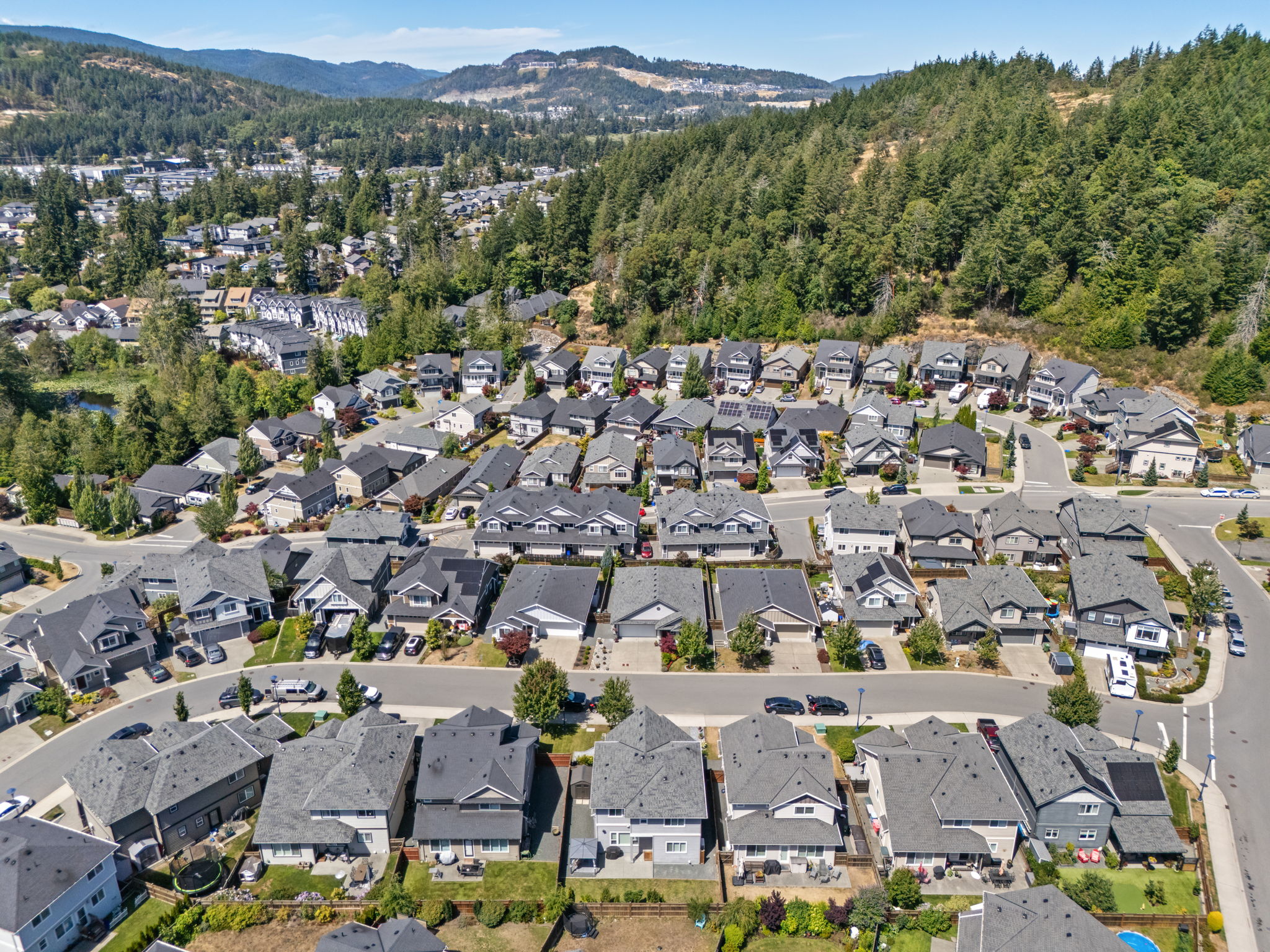
Investing in a growing neighbourhood can look attractive for obvious reasons. New housing is being built. Businesses are opening. Infrastructure may be improving, and more people are choosing to live in the area. However, growth alone does not make a property a good investment. The real question is whether that growth is creating lasting demand without adding so much new supply that rental income and resale potential become harder to predict. The Short Answer A growing neighbourhood can make sense for investors when several factors support each other: Population and household growth Employment and transportation access Strong rental demand Useful infrastructure and amenities A reasonable balance between housing supply and demand Purchase prices that make sense relative to income Manageable ownership costs A property type future buyers are likely to want In other words, investors should look beyond the growth story and understand what is actually driving it. Start With Why the Neighbourhood Is Growing The first question is simple: Why are more people choosing this area? Growth driven by employment, affordability, transportation, schools, recreation, and daily services may create stronger long-term demand. By comparison, an area growing mainly because large amounts of new housing are being built requires a closer look. New development can be positive. It can bring shops, services, parks, transit, and additional investment into a community. At the same time, development also creates competition. Therefore, investors need to understand whether demand is increasing fast enough to absorb the new housing being added. Look for Real Demand, Not Just Construction Cranes are visible. Demand is not always as obvious. A neighbourhood may have several new condo buildings and townhouse projects underway, but that does not automatically mean every property will perform well. Instead, think about who is actually moving there. Are they: First-time buyers? Families? Professionals? Retirees? Students? Military personnel? Commuters? Different groups want different types of housing. For example, a family-oriented area may create stronger demand for townhomes and homes with extra bedrooms. Meanwhile, a walkable employment centre may support more demand for smaller condos. This is one reason Greater Victoria real estate is so micro-market specific. Even within the same municipality, demand can vary significantly by neighbourhood and property type. Understand How Much New Supply Is Coming Growth often means more construction. For investors, the amount and type of new supply matters. Suppose you buy a two-bedroom condo today, and several hundred similar units are planned nearby. When you eventually rent or sell, those properties may compete directly with yours. On the other hand, a housing type with limited future supply may hold a stronger position. That does not mean investors should avoid areas with development. Instead, compare demand with the amount of competing housing likely to enter the market. Growth is more attractive when demand expands alongside supply. Infrastructure Can Support Long-Term Demand Infrastructure can make a neighbourhood easier and more desirable to live in. That may include: Transit Roads and cycling routes Schools Parks Recreation facilities Shopping Healthcare Employment centres As these services improve, the area may appeal to a wider range of renters and buyers. Still, proposed infrastructure should not be treated the same as completed infrastructure. Plans change. Timelines move. A property should make sense based on what exists today, while future improvements can be treated as potential upside rather than something the investment depends on. Rental Demand Needs to Match the Property A strong neighbourhood does not guarantee strong rental demand for every home. Investors should think about the likely tenant before purchasing. Ask: Who would rent this property? Why would they choose it? How much similar rental inventory is nearby? Would the property remain competitive if more housing were built? A three-bedroom townhouse and a studio condo may sit within the same neighbourhood but serve completely different rental markets. Therefore, neighbourhood analysis and property analysis need to happen together. For investors comparing income-producing properties, Cap Rates in Greater Victoria Explained provides another way to assess the numbers. The Purchase Price Still Has to Work A strong location can still be a poor investment at the wrong price. Investors sometimes pay more because they expect future appreciation to make up the difference. However, future price growth is never guaranteed. Instead, test the property using realistic numbers today. Consider: Rental income Mortgage payments Property taxes Insurance Strata fees Utilities Maintenance Vacancy Repairs and future capital expenses If the investment only works when rents rise quickly or property values increase significantly, the margin for error becomes much smaller. Watch the Cost of Ownership Purchase price gets most of the attention. Ongoing expenses can matter just as much. Two similarly priced properties may produce very different results because one has higher strata fees, insurance costs, maintenance requirements, or property taxes. For strata properties, building condition and financial planning also matter. A lower monthly fee may look attractive, but investors should still understand what the strata is collecting, what major work may be ahead, and how future costs could affect owners. The investment should be evaluated based on the full cost of ownership, not simply the mortgage payment. Think About the Property Without the Growth Story One of the best tests is to remove the excitement around the neighbourhood. Would you still buy the property? Does it have: A useful layout? Parking? Storage? Outdoor space? Reasonable monthly costs? Good access to transportation and services? Broad appeal to future buyers? If the answer is yes, growth may strengthen an already solid investment. If the property only seems attractive because the neighbourhood is expected to become more valuable, the investment may depend too heavily on future assumptions. Consider Your Exit Strategy Before Buying Rental income matters while you own the property. Resale demand matters when you leave. Before purchasing, consider who might buy the home from you later. A property that appeals to investors, first-time buyers, downsizers, or owner-occupiers may offer more flexibility than one designed for a very narrow buyer group. Features such as parking, storage, practical layouts, manageable fees, and access to amenities can become particularly important when several listings compete for attention. Your exit strategy should be part of the purchase decision from the beginning. Be Careful With "Up-and-Coming" Areas The phrase “up-and-coming” is often used to describe areas expected to improve or become more desirable. However, the label alone does not tell investors much. Instead, look for evidence. Has transportation improved? Are new services opening? Is employment access getting better? Are more people choosing the area? Is rental demand strengthening? How much new housing is planned? Most importantly, have buyers already paid a significant premium because they expect future growth? Sometimes the opportunity is still developing. Other times, much of the expected upside may already be reflected in current prices. A Simple Way to Compare Growing Areas When investing in a growing neighbourhood, compare five areas. Demand Who wants to live there, and why? Supply How much similar housing exists now, and how much is coming? Economics Do realistic income and expenses support the purchase price? Liveability Are transportation, services, employment, and amenities supporting the neighbourhood? Resale Who is likely to buy the property from you in the future? No neighbourhood will be perfect across every category. However, looking at these factors together gives investors a better foundation than relying on growth alone. Final Thoughts Investing in a growing neighbourhood can create opportunity, but growth should never be the entire investment thesis. The strongest opportunities are often found where increasing demand, useful infrastructure, reasonable supply, manageable ownership costs, and long-term resale appeal work together. At the same time, the property itself still needs to make sense. A good investment is not simply located somewhere that is changing. It is a property you can justify based on the numbers, the demand, and the long-term fundamentals. Considering an investment property in one of Greater Victoria's growing communities? Faber Real Estate Group can help you compare neighbourhood demand, competing inventory, recent sales, property types, ownership costs, and resale considerations before you decide where the opportunity makes the most sense. Shauna S., 5-Star Review, via Google “Both Scott and Cal assisted us in selling and purchasing. It was a big move for us but they both assisted us in getting more than we initially expected and getting us into a really great property. They helped us work through some issues on both ends and were very professional and helpful! We recommend them to our friends and family who need an agent.” Faber Real Estate Group Royal LePage Coast Capital Realty 📞 250-244-3430 📧 [email protected] ℹ️ Scott Faber Personal Real Estate Corporation ℹ️ Cal Faber Personal Real Estate Corporation Vanessa Wood, Zachary Parsons, and Sophie Taylor “Building Lasting Relationships, One Home at a Time.”
Read more
Greater Victoria historical home appreciation shows clear patterns across different neighbourhoods and housing types. Over the past decade, Westshore communities such as Langford and Colwood have led many recent price gains, while established luxury markets such as Oak Bay and North Saanich have maintained strong premium status. Understanding these trends helps buyers and sellers evaluate both growth potential and long-term stability when choosing where to invest or live. Westshore Growth: Langford Leading Expansion Langford has consistently ranked among the fastest growing municipalities in Greater Victoria. Over the past 15 to 20 years, population growth, infrastructure development, and new housing construction have helped drive strong appreciation. Many buyers have been drawn to Langford because of comparatively attainable pricing, newer housing stock, and access to recreation amenities. The combination of new schools, retail development, and transportation improvements has supported steady buyer demand. As more families and professionals moved into the Westshore, home values increased alongside community expansion. Langford’s appreciation has often been driven by growth and accessibility rather than luxury positioning. This has allowed the area to attract first-time buyers, move-up buyers, and investors seeking long-term equity potential. Colwood’s Rising Demand and Waterfront Appeal Colwood has followed a similar growth trajectory while offering additional lifestyle benefits through waterfront access and established neighbourhood charm. As development expanded westward, Colwood became increasingly attractive to buyers seeking balance between affordability and proximity to central Victoria. Recent appreciation trends in Colwood have been supported by new master-planned communities, infrastructure investment, and continued interest from families relocating from more expensive core neighbourhoods. The municipality continues to benefit from spillover demand from Langford and downtown Victoria buyers searching for larger homes and improved lifestyle options. Oak Bay’s Long-Term Premium Stability Oak Bay has historically maintained one of the highest average home values in Greater Victoria. Unlike high-growth municipalities, Oak Bay’s appreciation pattern has been shaped by limited housing supply, established neighbourhood prestige, and consistent luxury buyer demand. Waterfront properties, heritage homes, and walkable village centres continue to support Oak Bay’s premium status. Price growth in Oak Bay tends to occur gradually, with less volatility compared to emerging markets. Buyers often view Oak Bay as a long-term lifestyle investment rather than a rapid appreciation opportunity. North Saanich and Estate-Level Market Strength North Saanich has also maintained strong historical value due to larger estate properties, oceanfront homes, and rural lifestyle appeal. The municipality attracts buyers seeking privacy, acreage, and luxury waterfront living. Limited developable land and strict zoning contribute to constrained inventory, which helps preserve property values over time. While sales activity can fluctuate based on luxury market cycles, long-term pricing trends continue to reflect strong demand for unique properties and coastal living. Growth Markets vs Established Premium Markets Greater Victoria historical home appreciation highlights two common real estate patterns. Growth markets such as Langford and Colwood often experience stronger percentage-based gains during expansion periods. Premium markets such as Oak Bay and North Saanich typically demonstrate slower but highly stable appreciation. Both market types offer value depending on buyer goals. Growth areas may provide stronger entry-level appreciation opportunities, while premium neighbourhoods often deliver long-term value retention and lifestyle benefits. What Buyers and Sellers Can Learn From Historical Trends Historical appreciation patterns can help guide real estate decisions, but they should not be used as guarantees of future performance. Economic conditions, interest rates, population trends, and housing supply all influence pricing cycles across Greater Victoria. Buyers should evaluate neighbourhoods based on lifestyle needs, long-term goals, and financial comfort rather than relying solely on past appreciation rates. Sellers can benefit from understanding how their neighbourhood fits into broader regional trends when pricing and marketing their homes. Greater Victoria historical home appreciation demonstrates the diversity of housing opportunities across the region. Whether buyers prioritize growth potential or premium stability, understanding neighbourhood trends can support more confident decision-making. If you are considering buying or selling in Langford, Colwood, Oak Bay, North Saanich, or anywhere in Greater Victoria, reach out to our team to discuss your options and create a strategy that fits your long-term real estate goals. Courtenay C., 5-Star Review, via Google “Scott and the team are exceptional to work with! They are knowledgeable, professional, and go above and beyond for their clients :) Scott made our move easy all around. Highly recommend!” Faber Real Estate Group Royal LePage Coast Capital Realty 📞 250-244-3430 📧[email protected] ℹ️ Scott Faber Personal Real Estate Corporation ℹ️ Cal Faber Personal Real Estate Corporation Vanessa Wood, Zachary Parsons, and Sophie Taylor “Building Lasting Relationships, One Home at a Time.”
Read more
The Westshore continues to attract strong interest from real estate investors looking for long-term growth within Greater Victoria. With ongoing development, expanding amenities, and relatively better affordability compared to the core, the Westshore remains a strategic choice for both local and out-of-area investors. Why the Westshore Investors are drawn to the Westshore for its steady population growth, improving infrastructure, and consistent rental demand. The area offers opportunities that are increasingly limited in central Victoria, making it appealing for those focused on long-term value rather than short-term gains. Langford Langford remains a top choice for investors due to its rapid growth and strong demand for rental housing. Townhomes, condos, and newer single-family homes are especially attractive, offering modern layouts and lower maintenance costs. Colwood Colwood is gaining attention for its balance of established neighbourhoods and future growth potential. Properties with secondary suites and homes near transit routes are particularly appealing to investors seeking flexible income options. View Royal View Royal stands out for its central location and limited inventory. Investors often focus on properties with suite potential, benefiting from strong demand and long-term appreciation tied to its proximity to both the Westshore and downtown Victoria. What Investors Are Buying Across the Westshore, investors are prioritizing properties with flexibility, including homes with secondary suites, townhomes, and well-managed condos. Energy efficiency, functional layouts, and proximity to amenities continue to influence investment decisions. Final Thoughts The Westshore remains a key area for real estate investment in Greater Victoria. With strong demand and long-term growth drivers, Langford, Colwood, and View Royal each offer unique opportunities depending on investment goals and timelines. Justin V., 5-Star Review, via Google “Scott and Cal were absolutely phenomenal! From the moment we met them, we knew we were in good hands. Their in-depth knowledge of the Victoria market was impressive, and they guided us through the entire home selling and buying process with expertise and patience. They were always available to answer our questions, and their negotiation skills were top-notch. Thanks to their hard work, we found our dream home! We highly recommend The Faber Group to anyone looking to buy or sell a property. ” Faber Real Estate Group Royal LePage Coast Capital Realty 📞 250-244-3430 📧[email protected] ℹ️ Scott Faber Personal Real Estate Corporation ℹ️ Cal Faber Personal Real Estate Corporation Vanessa Wood, Zachary Parsons, and Sophie Taylor “Building Lasting Relationships, One Home at a Time.”
Read more