
Posts Tagged ‘Langford lifestyle’
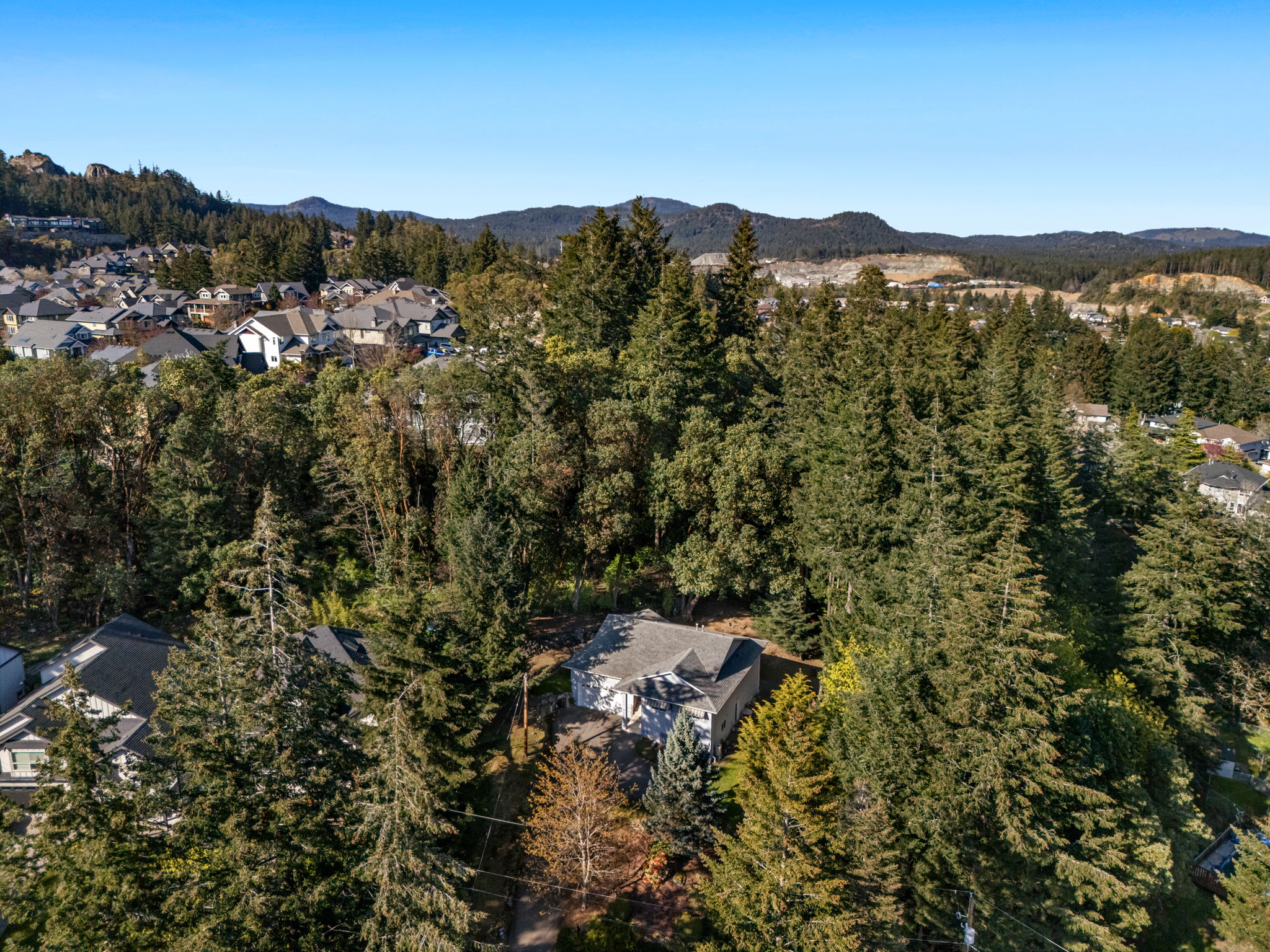
When buyers start house hunting, price usually gets the first look. That makes sense. Budget matters. But price alone rarely tells you whether a neighbourhood will actually fit your life. In Greater Victoria, that matters even more right now. The Victoria Real Estate Board reported 3,261 active listings at the end of March 2026, with board commentary pointing to many micro-markets with different conditions and demand. In other words, buyers have more choice, but they also need to be more thoughtful about where they want to live, not just what they can afford. The better question is not just, “What can I buy here?” It is, “What will my day-to-day life feel like here?” Start with your real routine Before comparing neighbourhoods, compare your lifestyle first. A lot of buyers say they want a “good area,” but what they really mean is one of these: Close to work and less time in the car Easy walks to coffee shops, groceries, and parks Quiet streets and more yard space Better access to schools, recreation, or the beach A neighbourhood that feels social and active A home base that feels calm and low-maintenance That is why two neighbourhoods at similar price points can feel completely different in real life. One may look better on paper, while the other fits your routine far better. Look at lifestyle in five categories 1. Commute and movement Think about where you go most often, not just where you go once in a while. Ask yourself: How often do you commute downtown? Do you need quick access to UVic, the airport, ferries, or the Westshore? Do you prefer driving, walking, cycling, or transit? Will your routine still work in winter, during school traffic, or on busy weekdays? This is where neighbourhood choice becomes practical. A longer commute may be worth it for more space. But if you hate driving, a cheaper home farther out may cost you in time, stress, and flexibility. 2. Walkability and daily convenience Walkability is not just about being able to go for a stroll. It is about reducing friction in everyday life. Some buyers are happier in a neighbourhood where they can walk to groceries, cafés, restaurants, and the waterfront. Sidney, for example, describes its downtown as vibrant and pedestrian-friendly, and the town also highlights flat terrain and dedicated walking and cycling routes. Others would rather trade that convenience for a larger home, newer construction, or a quieter setting. The key is knowing which trade-off matters more to you. 3. Recreation and free time A neighbourhood should support how you spend your off-hours, not just where you sleep. For some buyers, lifestyle means trails, lakes, fitness facilities, and family recreation close to home. Langford, for example, highlights major recreation assets including City Centre Park, the Westhills YMCA-YWCA, and the Island Training Centre. For others, it is about beach access, local shops, or being able to walk along the water after dinner. Sidney’s waterfront walkway, public beach access points, and downtown connection are good examples of how a place can shape your daily rhythm. A neighbourhood that matches your weekends often matters just as much as one that matches your workweek. 4. Energy and atmosphere Every neighbourhood has a different pace. Some feel lively, social, and connected to shops, restaurants, and street activity. Others feel quieter, more residential, and more private. Neither is better. They simply suit different people at different stages of life. This is where buyers can make expensive mistakes. A home can be perfect, but if the surrounding area feels too busy, too quiet, too student-oriented, too car-dependent, or too far from your usual routine, the fit starts to wear on you. 5. Long-term fit Try to buy for the life you expect over the next three to five years, not just the life you have today. Ask: Will this location still work if your job changes? Are you planning for kids? Are you hoping to downsize maintenance? Will aging parents visit often? Do you want a lock-and-leave condo lifestyle or more room to grow? The best neighbourhood decision is often the one that still feels right after your routine changes a little. Compare neighbourhoods using a “day in the life” test One simple way to compare areas is to imagine an ordinary Tuesday. Picture: Your morning coffee Your school run or commute Your grocery trip Your dog walk Your gym or recreation time Your evening plans Your weekend errands Now ask which neighbourhood makes that day easier. This sounds basic, but it is one of the most useful filters a buyer can use. It shifts the decision away from emotion, headlines, or square footage alone and puts it back on real-life function. A few Greater Victoria examples This is where lifestyle becomes clearer. If you want walkability and an urban routine Neighbourhoods closer to Victoria’s core often appeal to buyers who want cafés, restaurants, shops, parks, and shorter drives. The City of Victoria notes there are 12 unique neighbourhoods across the city, each with its own feel and community identity. If you want family recreation and newer-home options Many Westshore buyers are choosing lifestyle through newer housing stock, more recreation infrastructure, and a bit more breathing room in their day-to-day environment. Langford’s recreation amenities are a strong example of that appeal. If you want a quieter, walkable small-town feel Sidney stands out for buyers who value a pedestrian-friendly downtown, waterfront access, cycling routes, and a slower pace. The point is not that one area is better. It is that each serves a different version of a good life. Price still matters, but it should not lead the whole decision A lower price in the wrong neighbourhood can feel expensive later. You may spend more time commuting, more money on transportation, more effort on everyday errands, or more energy trying to make the location work for a lifestyle it was never a fit for. On the other hand, paying slightly more for the right area can improve daily life in ways buyers often notice only after they move in. That is why the smartest neighbourhood comparison usually includes both numbers and lifestyle. A better way to shop Instead of ranking neighbourhoods by price alone, try ranking them by: Commute fit Walkability Recreation access Noise and pace Family needs Long-term flexibility Housing style you prefer Then compare price. That order matters. Price tells you what is possible. Lifestyle tells you what is worth pursuing. Final thoughts In a market with more inventory and more neighbourhood choices, buyers have a real opportunity to be more intentional. Greater Victoria is full of micro-markets, and the best move is not always the cheapest one. It is the one that fits how you want to live. If you are trying to narrow down the right area for your next move, contact Faber Real Estate Group and we can help you compare neighbourhoods based on the lifestyle that fits you best. Matt, 5-Star Review, via Google Professional, knowledgeable and just stand up guys. Would recommend for all your real estate needs! Faber Real Estate Group Royal LePage Coast Capital Realty 📞 250-244-3430 📧[email protected] ℹ️ Scott Faber Personal Real Estate Corporation ℹ️ Cal Faber Personal Real Estate Corporation Vanessa Wood, Zachary Parsons, and Sophie Taylor “Building Lasting Relationships, One Home at a Time.”
Read more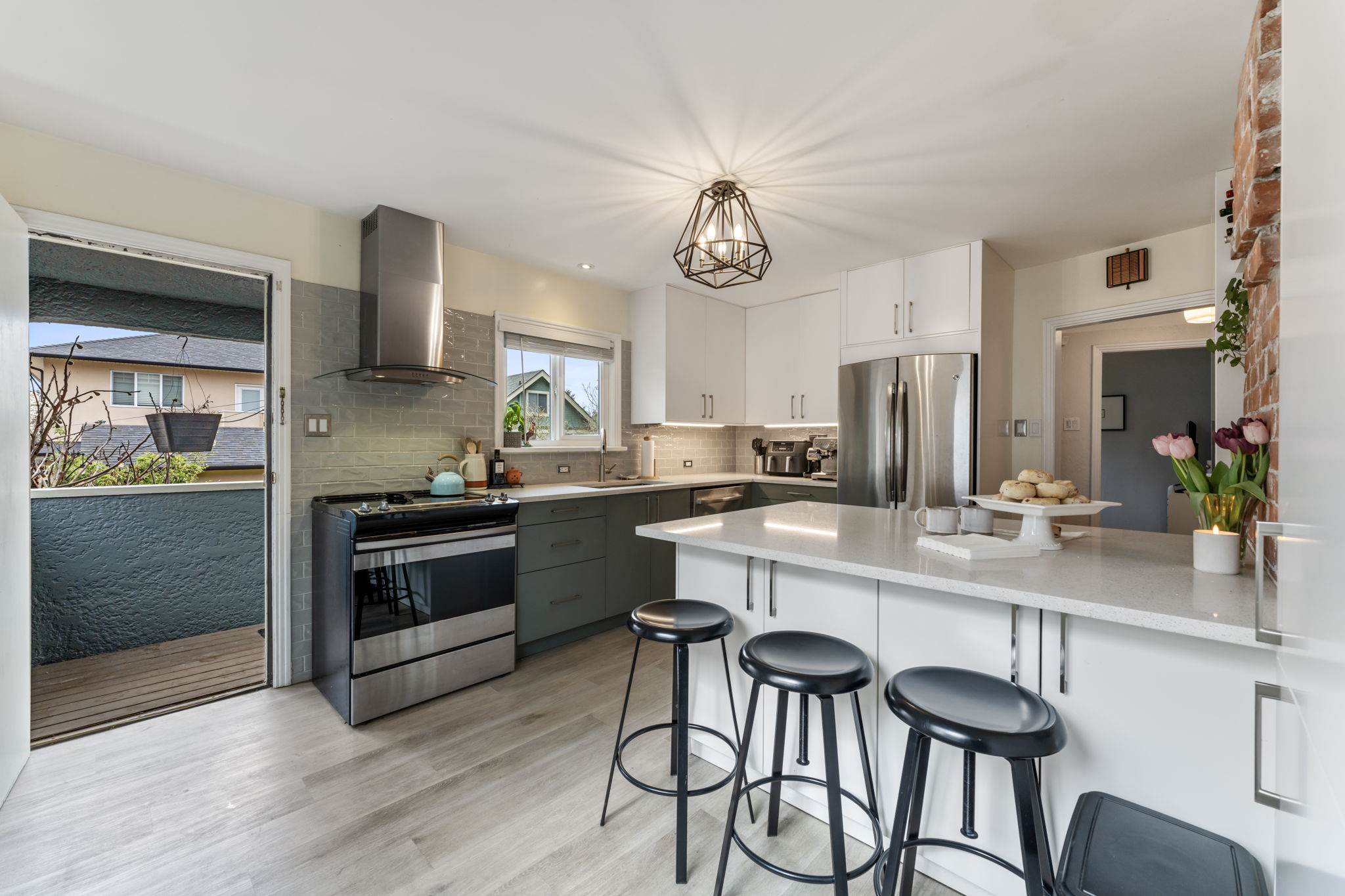
Happy Valley is one of the Westshore’s most distinctive neighbourhoods, blending rural character with easy access to shops, schools, trails, and everyday conveniences. Located in south Langford near the Metchosin border, Happy Valley has historically been known for its agricultural roots, open spaces, and family‑friendly vibe, and today it continues to evolve while retaining its welcoming atmosphere. Community Character and Location Happy Valley is a mix of agricultural land and residential developments, offering a laid‑back, country‑inspired lifestyle while still being close to Westshore amenities. It borders Royal Bay to the east and provides a quieter alternative to busier urban nodes, with homes set among green spaces and fields. Nearby Shopping and Everyday Amenities While Happy Valley itself is primarily residential, essential shopping and services are just a short drive away. Residents often visit Westshore Town Centre, Millstream Village, and Goldstream Village for grocery stores, cafes, restaurants, personal services, and weekend errands. A major retail centre is also being developed at Happy Valley Road and Latoria Road that will bring even more shops, services, and dining options closer to home. Schools and Family Services Families are well served here. Happy Valley Elementary School sits within the neighbourhood and is a focal point for families with young children. Because of the family‑friendly nature of the area, playgrounds and parks are integrated into the community fabric, with spaces like Honeycrisp Park Playground providing safe places for kids to play and neighbours to connect. Parks, Trails and Outdoor Access Happy Valley’s location supports an active, outdoor lifestyle. The neighbourhood has easy access to nature and recreational pathways, including sections of the Galloping Goose Regional Trail that run nearby for walking, cycling, and longer recreational outings. These trails connect Happy Valley to broader Westshore and Victoria areas while offering residents great opportunities for daily outdoor activity. Housing and Real Estate Trends The housing stock in Happy Valley reflects its growth from a rural enclave into a residential community. Many homes are single‑family properties, from newer builds to updated family homes, with options ranging from around mid‑$700,000 to higher‑end properties depending on size and location. Townhome developments have also appeared along Happy Valley Road, expanding housing choices for buyers seeking a lower‑maintenance property. . Why Happy Valley Appeals to Homebuyers Happy Valley attracts a diverse range of buyers: families drawn by the schools and parks, couples and professionals seeking space and community, and those who value proximity to nature without sacrificing everyday convenience. Its combination of quiet residential streets, agricultural charm, and proximity to Westshore amenities makes it an appealing choice for many homebuyers in the Greater Victoria area. Getting to Know Happy Valley As Langford continues to grow, Happy Valley maintains its unique identity. It offers a blend of open green space, community‑centric living, and emerging amenities that support both a relaxed daily lifestyle and convenient access to the rest of the Westshore. Helen M., 5-Star Review, via Google “Cal and Scott are the best. They made it happen and made the entire process of securing my condo smooth and stress free. They were always supportive, responsive, and clearly committed to getting the right result. I am very grateful for their hard work and would highly recommend them to anyone looking for reliable, dedicated realtors.” Faber Real Estate Group Royal LePage Coast Capital Realty 📞 250-244-3430 📧[email protected] ℹ️ Scott Faber Personal Real Estate Corporation ℹ️ Cal Faber Personal Real Estate Corporation Vanessa Wood, Zachary Parsons, and Sophie Taylor “Building Lasting Relationships, One Home at a Time.”
Read more