
Posts Tagged ‘Langford detached homes’
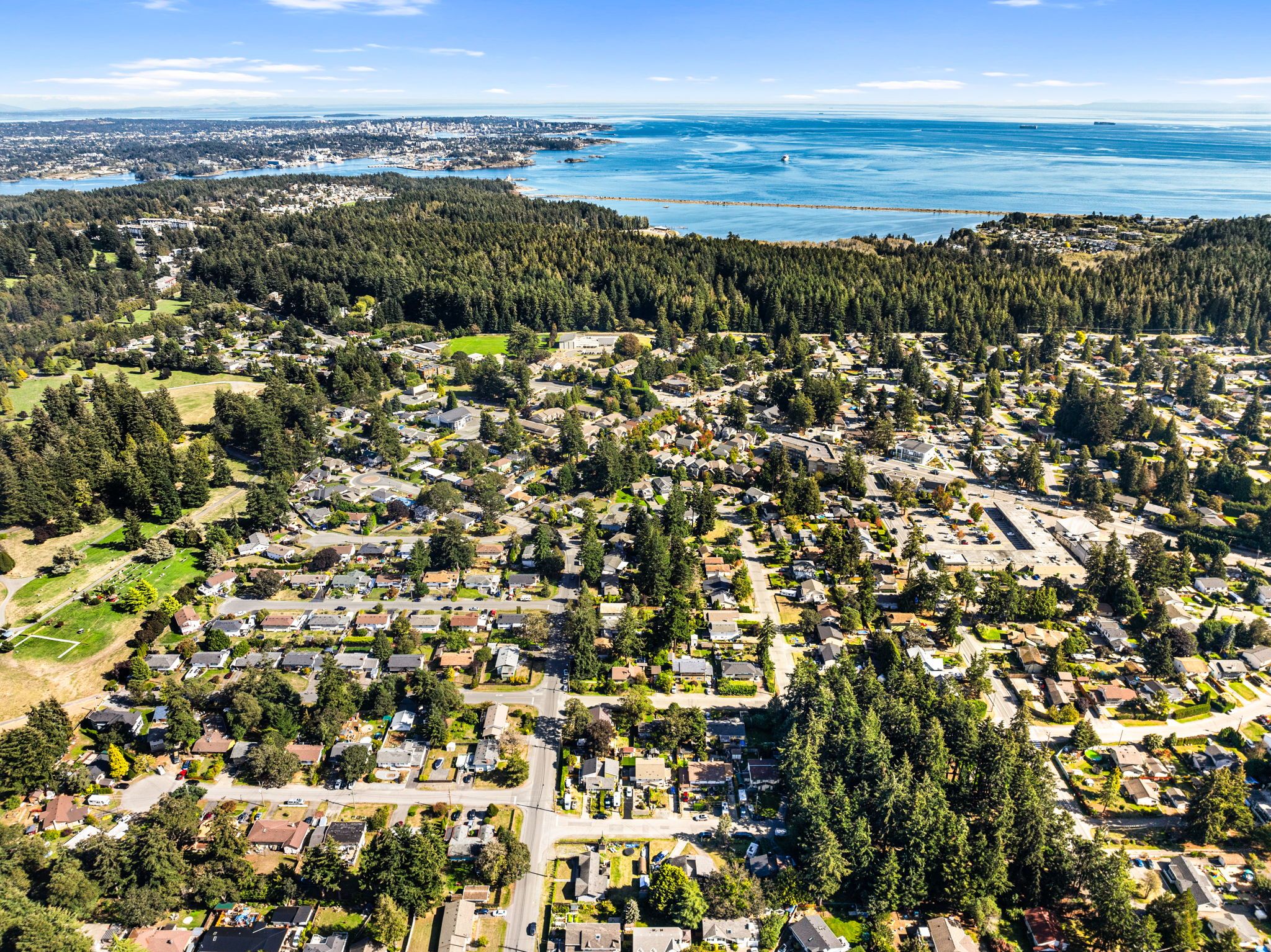
For buyers in Greater Victoria, budget matters, but where you shop matters just as much. The same number can buy a newer condo in one area, an older townhouse in another, or a detached home in a completely different part of the region. That is especially true when comparing Langford, Saanich, and Victoria, where housing stock, neighbourhood feel, and price points can shift quickly from one municipality to the next. The Victoria Real Estate Board reported 3,261 active listings at the end of March 2026, up 7.9% from March 2025, while also noting that Greater Victoria is made up of many micro-markets with different conditions and demand. This is why buyers who only search by price can miss the bigger picture. A $750,000 budget does not mean the same lifestyle in Langford as it does in Saanich or Victoria. In practical terms, your budget is really buying a mix of location, home type, age, condition, and future resale appeal. Langford’s planning direction continues to support a wider range of housing choices, including more mid-rise and ground-oriented homes, while Saanich is actively working to expand housing diversity in established neighbourhoods. Victoria, meanwhile, is made up of 12 distinct neighbourhoods, which helps explain why value can look very different from one pocket to another. Why These Three Areas Feel So Different Langford Langford often gives buyers more square footage and newer construction for the money. Many buyers looking here are trading a longer commute or a different neighbourhood feel for a more modern home, newer strata, or a better chance at ground-oriented living. The city’s current planning framework emphasizes mid-rise and ground-oriented housing choices, which supports that broader range of product. Saanich Saanich tends to sit in the middle. It offers a wide mix of housing, from condos and townhomes to established detached neighbourhoods, but pricing can move up quickly depending on school catchments, lot size, and proximity to key amenities. Its updated planning direction also points toward more housing diversity within existing neighbourhoods. Victoria Victoria usually commands a premium for location, walkability, and lifestyle. Buyers are often paying more for proximity to downtown, the Inner Harbour, Cook Street Village, Fernwood, Fairfield, or other well-known urban neighbourhoods. The City’s neighbourhood structure and evolving housing policy help explain why Victoria often offers less space for the same budget, but stronger lifestyle appeal for buyers who want to be close to the core. What Different Budgets May Buy You Around $500,000 to $650,000 At this level, most buyers are usually focused on condo living. In Langford, this budget can often put you in a newer one-bedroom or two-bedroom condo, sometimes in a more modern building with updated finishes, parking, and better overall building age. In Saanich, this same budget may still work for a condo, but buyers are often choosing between size and age. You may find a larger older suite or a smaller unit in a more desirable pocket. In Victoria, this range often means a condo as well, but the trade-off is usually space. You may buy into a more central and walkable lifestyle, but with less square footage or an older building than you would see in Langford. That lines up with broader market data. In March 2026, the Victoria Core MLS HPI benchmark for a condo was $553,800, while the region-wide average sale price for condo apartments was $634,393. Around $650,000 to $900,000 This is where the comparison starts to get more interesting. In Langford, buyers in this range may start stretching into larger condos, newer townhomes, or older small detached options depending on exact location and condition. In Saanich, this is often townhouse territory, larger condos, or entry-level detached opportunities in select pockets, though detached choices can still be limited. In Victoria, buyers may still be mostly looking at condos, townhomes, or half-duplex style options rather than detached homes, especially if staying close to the urban core is important. Region-wide in March 2026, the average sale price for a row or townhouse was $837,192, which makes this budget range one of the most competitive for buyers trying to move beyond condo living without jumping fully into higher detached-home pricing. Around $900,000 to $1.2 million This is often the transition zone where buyers start deciding between location and home type. In Langford, this budget may open the door to detached homes, including newer or more updated properties, especially when buyers are flexible on exact neighbourhood or lot size. In Saanich, this budget may buy an older detached home, a smaller lot, a home needing updates, or a strong townhouse alternative in a well-established area. In Victoria, this range often still requires compromise for detached housing. Buyers may need to consider smaller homes, more renovation work, duplex options, or moving slightly away from the most sought-after central pockets. That context matters because the Victoria Core single-family benchmark was $1,330,200 in March 2026, while the region-wide average sale price for single-family homes was just over $1.35 million. In other words, a budget around $1 million can still be powerful, but it does not stretch evenly across all three municipalities. Around $1.2 million to $1.6 million Now buyers start seeing a bigger difference in what their money can do. In Langford, this range can often buy a newer detached home with more interior space, a garage, and a family-oriented layout. In Saanich, this may put buyers into an established detached home in a desirable neighbourhood, though age, updates, and lot characteristics still matter a great deal. In Victoria, this budget may buy a detached home in select areas, but many buyers are still choosing between character, condition, parking, and walkability rather than getting all of them at once. This is where buyer strategy becomes more important than headline price. A family focused on space and newer finishings may lean Langford. A buyer focused on long-term neighbourhood stability and central access may prioritize Saanich. A buyer focused on walkability and city lifestyle may still prefer Victoria even if the home itself is smaller or older. Above $1.6 million At this level, all three areas offer more choice, but the type of value still differs. Langford may offer larger and newer detached homes with more modern layouts. Saanich may offer stronger lot value, established streets, and family-oriented neighbourhood appeal. Victoria may offer premium location, character homes, or higher-demand central properties where land and proximity carry more of the value story. For many buyers, this is the budget range where the decision stops being about “Can I buy?” and starts becoming “What kind of life do I want this home to support?” The Real Trade-Off Is Not Just Price The biggest mistake buyers make is assuming that more house always means better value. Sometimes the better move is buying less space in the right location. Sometimes it is buying a newer home with fewer maintenance surprises. Sometimes it is choosing an older home in a strong neighbourhood because the long-term livability is better for your family. The best budget is not the highest one. It is the one that aligns with how you want to live, how long you plan to stay, and how much compromise you are actually comfortable making. Final Thoughts If you are comparing Langford, Saanich, and Victoria, the smarter question is not just what your budget can buy. It is what kind of home, lifestyle, and future flexibility that budget can buy in each area. In today’s market, buyers have more room to compare options and do proper due diligence than they did in more competitive years, but the differences between micro-markets still matter. The right strategy is to compare the same budget across multiple municipalities before committing too early to one path. VREB says current supply and consumer demand have created conditions with less pressure and more time for decision-making, which makes this kind of side-by-side comparison especially worthwhile right now. If you want help comparing what your budget could realistically buy in Langford, Saanich, and Victoria right now, contact Faber Real Estate Group for tailored advice and a clear plan based on your goals. Nilo M., 5-Star Review, via Google “This group have a high level of commitment to help and to put thier client’s need ahead of their personal gain. They deal and engage with integrity and wisdom on how it will work for both the seller and the clients. I experienced it first hand in this crazy and difficult season. We just bought a home at Glanford area, and they are always there for us, every step of the way. They are real and can be trusted.” Faber Real Estate Group Royal LePage Coast Capital Realty 📞 250-244-3430 📧[email protected] ℹ️ Scott Faber Personal Real Estate Corporation ℹ️ Cal Faber Personal Real Estate Corporation Vanessa Wood, Zachary Parsons, and Sophie Taylor “Building Lasting Relationships, One Home at a Time.”
Read more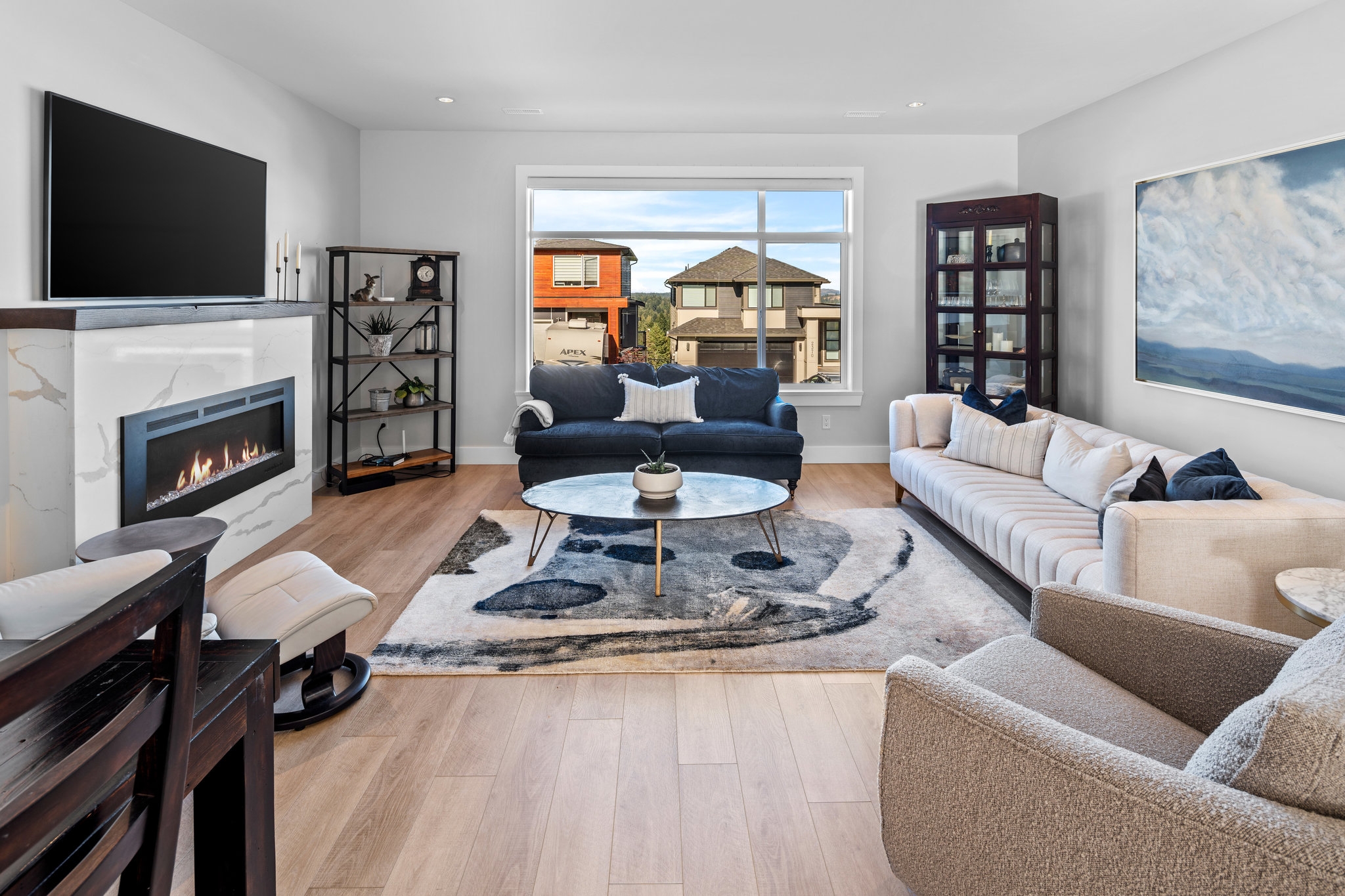
Detached homes in Westshore: renovate or buy new? For many buyers, that question is becoming more relevant as Langford, Colwood, and the broader Westshore continue to offer a mix of older detached homes with renovation potential and newer construction competing for attention. In early 2026, Greater Victoria market conditions have been relatively balanced, active listings were up year over year, and spring inventory was building, which gives buyers more room to compare options carefully rather than rush into the first house that appears workable. The better answer usually is not purely financial. It depends on how much uncertainty you can tolerate, how quickly you need the home to function well, and whether you value customization more than convenience. In Westshore especially, that trade-off matters because buyers are often comparing established resale homes against polished new-build communities that come with cleaner finishes, fewer immediate repairs, and stronger first impressions. Why This Decision Matters More in Westshore Westshore has been shaped by growth for years, but the choice today is sharper because new construction has changed buyer expectations. Developers in Langford and Colwood are not just selling square footage. They are selling ease, presentation, incentives, and a move-in-ready experience. That creates pressure on older detached homes to justify why a buyer should take on renovation risk instead. At the same time, Canada’s supply story has been uneven. CMHC reports that while housing starts rose nationally in 2025, ownership-oriented construction weakened overall, cautious buyers remained a factor, and elevated construction costs continued shaping supply decisions. That matters for Westshore buyers because a renovation plan on paper can still become more expensive and slower than expected once quotes, permits, and contractor timelines enter the picture. When Renovating an Older Detached Home Can Make Sense Renovating can be the smarter path when the property gives you something difficult to recreate in a new build. That could include: a larger lot a more established street or neighbourhood feel a better yard for kids, pets, or long-term outdoor use more separation from neighbours stronger future suite potential, depending on the property the chance to improve the home over time instead of paying for every upgrade upfront In many cases, older Westshore detached homes offer more land and a more mature setting than newer subdivisions. If the house is structurally sound and the needed work is cosmetic or phased, renovation can allow buyers to create value gradually while tailoring the home to their actual priorities. This path often works best for buyers who: can live through some disruption have cash reserves beyond the purchase price are realistic about timelines do not need every finish completed immediately can see potential without needing perfection on day one When Buying New Can Make More Sense Buying new usually appeals to buyers who want simplicity, predictability, and lower maintenance in the near term. A newer detached home may offer: modern layouts and open-concept design better energy performance and insulation newer roofs, windows, plumbing, and electrical systems less immediate repair risk a more polished move-in-ready feel lower short-term maintenance demands That convenience has real value. It is easy to underestimate how much time, decision fatigue, and unexpected cost can come with renovations. For busy families, professionals, and buyers moving on a tight timeline, a new home can reduce friction dramatically. This option often fits buyers who: want a cleaner, faster move prefer predictable monthly costs do not want to manage trades or renovation decisions need functional space right away are comparing total lifestyle cost, not just purchase price The Real Trade-Off: Control Versus Certainty At its core, this is usually a choice between control and certainty. With renovation, you may get more control over the finished product. You can choose materials, improve function, and potentially create value in a more intentional way. With new construction, you usually get more certainty. The home is already finished or close to it, and you have a clearer idea of what your next year will look like. Neither path is automatically better. The mistake is assuming one is always more affordable. A cheaper purchase price on an older home can disappear quickly if the property needs major work such as: roofing drainage windows electrical upgrades plumbing replacement building-envelope repairs significant interior remodelling Meanwhile, a new home may cost more upfront, but it can reduce surprise expenses in the first several years. What Buyers Should Look at Before Choosing Before deciding whether to renovate or buy new, it helps to compare more than the list price. 1. Total Cost, Not Just Purchase Cost Look at the full number, including: purchase price closing costs immediate repairs or upgrades contractor estimates contingency funds carrying costs during renovation landscaping, fencing, blinds, appliances, or GST considerations where applicable The better decision is often revealed only after all of these costs are laid side by side. 2. Timeline Risk A new home can still involve delays, but renovation timelines are often harder to control. Permits, trade availability, hidden issues, and product lead times can all shift the budget and completion date. Elevated construction costs and financing pressure remain part of the broader Canadian housing environment, which is one reason buyers should build in margin rather than rely on best-case assumptions. 3. Neighbourhood Value Some buyers focus so heavily on the house that they underweight the lot and location. A well-located older home in an established pocket may outperform a newer home in a less ideal micro-location for that buyer’s lifestyle. The opposite can also be true. 4. Future Resale Position Ask which option will be easier to resell in your likely time horizon. In Westshore, resale homes are competing not only with each other but with developer inventory and professionally marketed new construction. That means an older home needs either strong pricing, strong land value, strong character, or a clear functional advantage to stand out. A Simple Way to Frame the Decision A practical way to think about it is this: Renovate if you are buying opportunity.That usually means you see long-term value in the lot, location, or structure and you have the patience and budget to unlock it. Buy new if you are buying ease.That usually means you want a more predictable first few years, cleaner finishes, and less operational stress after possession. What Many Buyers Get Wrong Many buyers compare an older detached home to a new one as though they are buying the same thing in different packaging. Usually, they are not. They are choosing between two different lifestyles: one is more hands-on and flexible the other is more streamlined and turnkey That is why the best choice is rarely about granite counters versus quartz, or old flooring versus new flooring. It is about whether you want to spend the next few years managing projects or simply living in the home. Final Thoughts Detached homes in Westshore renovate or buy new is not a question with one universal answer. In a market with more inventory, measured pricing, and continued competition from new construction, buyers have a better chance to compare these options carefully and choose based on fit rather than urgency. If you are weighing detached-home options in Langford, Colwood, or the broader Westshore and want help comparing renovation potential against newer inventory, contact Faber Real Estate Group for practical advice on value, trade-offs, and which path fits your budget and lifestyle best. Liam G., 5-Star Review, via Google “The real estate market felt daunting, especially when it was our first time entering it. But, working with Scott made the whole process so much easier. He was really excellent at asking questions, showing us a variety of places, and helping us narrow down exactly what we were looking for. Scott was flexible, never pushy, and I really felt supported by him throughout! He made a big difference in helping us find THE place and we couldn’t do it without him. I can’t wait to work with Scott again in the future!” Faber Real Estate Group Royal LePage Coast Capital Realty 📞 250-244-3430 📧[email protected] ℹ️ Scott Faber Personal Real Estate Corporation ℹ️ Cal Faber Personal Real Estate Corporation Vanessa Wood, Zachary Parsons, and Sophie Taylor “Building Lasting Relationships, One Home at a Time.”
Read more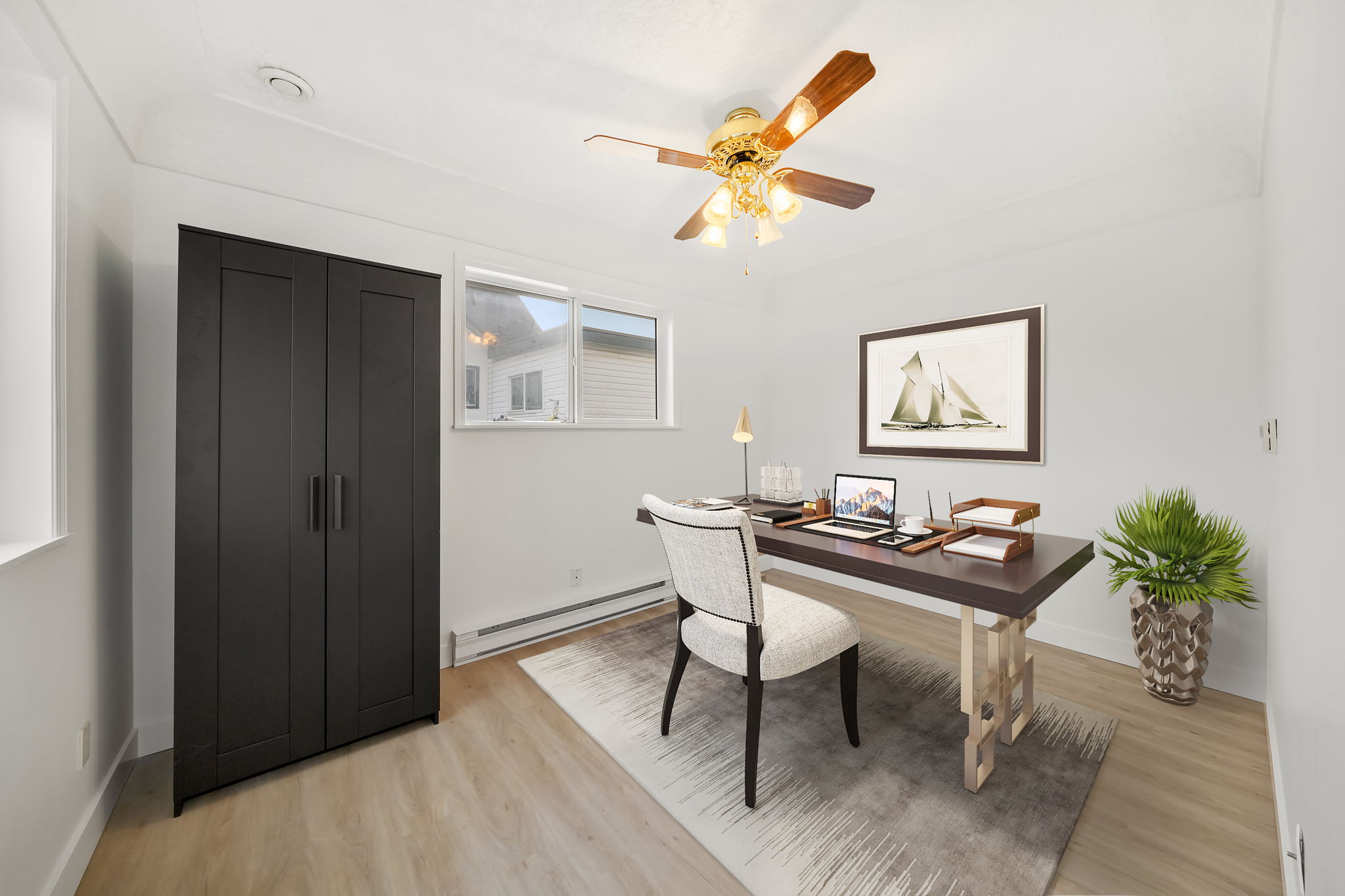
The Westshore housing demand has grown significantly as hybrid and flexible work models reshape how buyers choose where to live. Over the past several years, many buyers have shifted priorities toward larger homes, dedicated office space, and lifestyle-driven neighbourhoods. Langford and surrounding Westshore communities have benefited from this change, attracting buyers who no longer need to commute daily into downtown Victoria. How Hybrid Work Is Changing Buyer Priorities Hybrid work allows many professionals to commute only a few days per week or work fully from home. As a result, buyers are placing greater importance on interior space, flexible floor plans, and outdoor living areas. Previously, proximity to downtown offices often drove housing decisions. Now, many buyers are willing to trade shorter commutes for improved home functionality and lifestyle. This shift has directly supported Westshore housing demand. Buyers frequently search for properties that can comfortably accommodate workstations, meeting space, and separation between work and home life. Langford’s Appeal for Space and Affordability Langford continues to attract buyers who want more square footage and newer construction compared to many central Victoria neighbourhoods. Detached homes, townhomes, and newer subdivisions often provide additional bedrooms and flexible layouts that support home office needs. In many cases, buyers relocating from Victoria’s core can obtain larger homes at more attainable price points. This value proposition has helped drive consistent demand for family homes and newer developments throughout the Westshore region. Reduced Commute Pressure Supports Westshore Growth Remote and hybrid work models have reduced daily commute requirements for many buyers. Even employees who still travel into Victoria’s core often commute fewer days each week. This reduced travel frequency has made living farther from downtown more practical and appealing. Improved transportation routes and expanded highway infrastructure have also supported buyer confidence in Westshore living. While traffic remains a consideration, fewer required commute days have helped strengthen remote work Westshore housing demand across Langford and neighbouring communities. Rising Demand for Home Office Features Buyers increasingly prioritize homes with dedicated office space. Popular features now include: Separate office rooms or flex spaces • Finished basements suitable for work areas • Sound insulation and natural lighting • Reliable high-speed internet infrastructure • Outdoor spaces that support work-life balance Builders and developers have responded by designing homes with adaptable layouts that accommodate modern work needs. These design changes continue to influence resale value and buyer interest. Lifestyle Benefits Driving Long-Term Demand Beyond workspace needs, many buyers are drawn to the Westshore for lifestyle reasons. Access to trails, lakes, recreation facilities, and newer schools appeals to families and professionals seeking balance between work and personal life. Communities such as Langford, Colwood, and View Royal offer growing retail centres, restaurants, and entertainment options. These amenities help support long-term neighbourhood growth and reinforce buyer confidence in the region. Market Outlook as Work Trends Continue to Evolve The westshore housing demand remains closely tied to broader employment trends. While some companies have encouraged partial office returns, hybrid work continues to remain common across many industries. This ongoing flexibility continues to support demand for spacious suburban housing. However, housing markets remain cyclical. Interest rates, housing supply, and economic conditions will continue to influence pricing and buyer activity. Buyers should focus on long-term suitability rather than short-term market timing. What Buyers and Sellers Should Consider Buyers searching in the Westshore should evaluate floor plans, internet infrastructure, and resale flexibility when purchasing homes designed for remote work. Sellers can benefit from highlighting office spaces, flexible rooms, and lifestyle features when marketing properties. If you are considering buying or selling in Langford or the Westshore, contact our team to discuss how evolving work trends may influence your housing options and long-term real estate goals. Ola A., 5-Star Review, via Google “We had a great experience working with Scott from Faber real estate group to purchase our new home. Scott was professional, knowledgeable, and responsive. He had an impressive expertise in the local market and always made us feel like a top priority. His negotiation skills were outstanding, and he took care of every detail, from arranging inspections to researching potential issues with the property. Throughout the process, Scott was patient, understanding, and went above and beyond to provide us with extra resources and options.” Faber Real Estate Group Royal LePage Coast Capital Realty 📞 250-244-3430 📧[email protected] ℹ️ Scott Faber Personal Real Estate Corporation ℹ️ Cal Faber Personal Real Estate Corporation Vanessa Wood, Zachary Parsons, and Sophie Taylor “Building Lasting Relationships, One Home at a Time.”
Read more