
Posts Tagged ‘Langford condos’
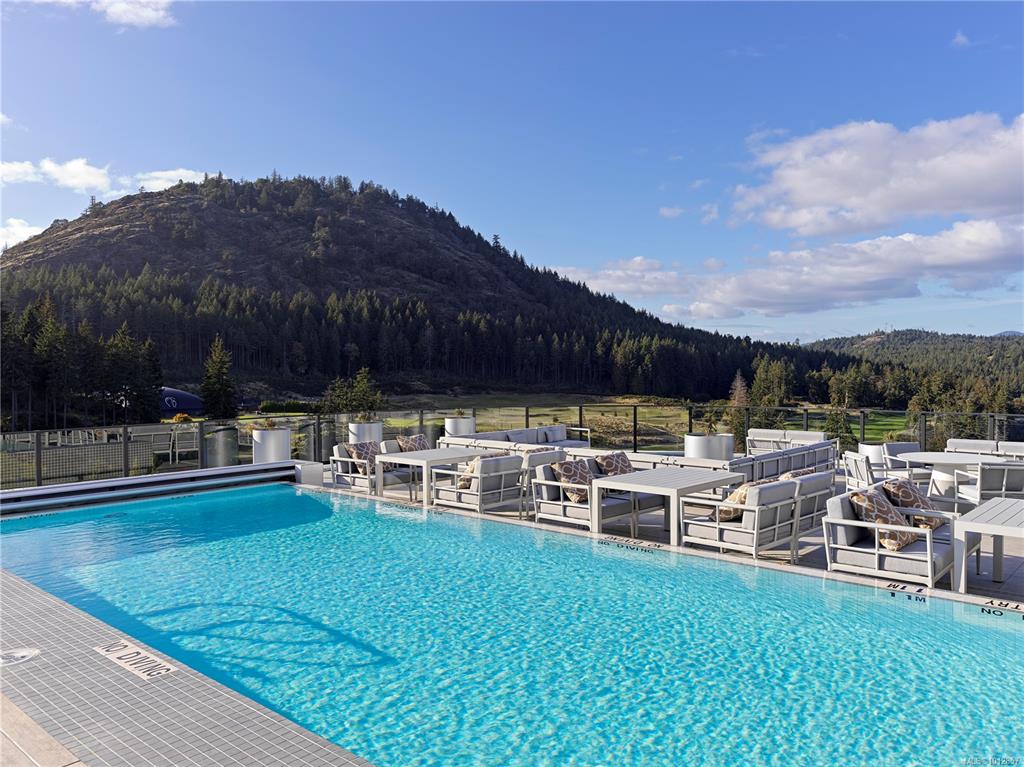
If a great outdoor space is high on your condo wish list, you may be surprised by how many Langford condos with rooftop patios there are to choose from. Some offer a simple place to sit outside and enjoy the view. Others take rooftop living much further with swimming pools, lounge areas, BBQ spaces, running tracks and panoramic views across the Westshore. The right rooftop can give you some of the benefits of a backyard without the maintenance that comes with owning one. Here are six Langford condo buildings that stand out to me, and what makes each one worth knowing about. 1. One Bear Mountain | 2000 Hannington Road If you want the luxury option, One Bear Mountain is in a category of its own. Located at 2000 Hannington Road on Bear Mountain, this concrete high-rise offers one of the most impressive collections of condo amenities in Greater Victoria. The highlight is the 15th-floor heated outdoor pool and terrace, with expansive views toward Mount Finlayson and Goldstream Provincial Park. Residents also have access to the 16th-floor Grenoble SkyLounge and outdoor terrace. Why I Like It Heated rooftop swimming pool Rooftop sun deck and seating areas Grenoble SkyLounge and terrace Fitness centre and yoga studio Business centre Concierge Concrete construction Bear Mountain setting This is definitely the premium option on the list. Buyers looking at One Bear Mountain should expect pricing and strata fees that reflect the building's extensive amenity package. However, if you want something that feels closer to resort living than a traditional condo building, this one is hard to overlook. 2. SkyGate | 2461, 2465 and 2469 Gateway Road SkyGate is a strong option for buyers who want a newer condo with plenty of shared amenities. Built around 2022, the development includes a rooftop patio alongside several spaces designed for fitness, pets and community living. Building Amenities Shared rooftop patio Fitness centre Resident social lounge Community gardens Dog run Bike storage EV charging Secure underground parking The location is also convenient for Costco, Millstream Village, restaurants, parks and major transportation routes. Why I Like It SkyGate offers a good balance. You get the rooftop space, but you are also getting amenities that can be useful throughout the year. For buyers with a dog, an electric vehicle or an active lifestyle, those extras may matter just as much as the rooftop itself. 3. Lakepoint One | 1311 Lakepoint Way For the view, Lakepoint One may be one of my favourites on this list. Located at 1311 Lakepoint Way in Westhills, the building has a shared rooftop patio overlooking Langford Lake, with seating, loungers and a shared BBQ area. Building Amenities Common rooftop patio Langford Lake views Shared BBQ Rooftop seating and loungers Kayak and paddleboard storage Car wash Dog wash Secure parking The kayak and paddleboard storage is an especially nice touch given the location. Why I Like It This rooftop feels connected to the surrounding neighbourhood. Instead of simply looking across other buildings, you get views over Langford Lake toward the surrounding hills and Bear Mountain. If access to trails, recreation and the lake matters to you, Lakepoint One is worth putting on your list. 4. McConnell Place West | 663 Goldstream Avenue Not every building needs a swimming pool or elaborate amenity package to offer a useful rooftop space. McConnell Place West, at 663 Goldstream Avenue, has a common rooftop patio along with several additional shared amenities. Building Amenities Common rooftop patio Exercise room Resident common room Japanese-inspired courtyard Underground parking Storage Bicycle room Built in 2007, McConnell Place West is an older option compared with buildings such as SkyGate or One Bear Mountain. That is not necessarily a disadvantage. Why I Like It Buyers sometimes get so focused on new construction that they overlook established buildings with good layouts, central locations and useful amenities. McConnell Place West is also close to Goldstream Avenue, restaurants, shopping, parks and the Galloping Goose Trail. For buyers who value location and practicality, it deserves a look. 5. The Strathmore | 866 Goldstream Avenue If you want to be right in Downtown Langford, The Strathmore at 866 Goldstream Avenue offers an excellent location combined with a common rooftop area. Residents have access to a shared rooftop patio with wide views toward the surrounding mountains. Current listings in the building continue to confirm that the rooftop is a common resident amenity. Why I Like It Common rooftop patio Mountain views Central Downtown Langford location Secure underground parking Covered guest parking Walkable access to shops and restaurants The location is the big advantage here. You can live close to the shops, restaurants, services and amenities along Goldstream Avenue while still having an elevated outdoor space to enjoy at home. Some individual homes in the building have also been marketed with private rooftop patios, so buyers should make sure they understand which outdoor spaces belong to a particular strata lot and which are shared common property. 6. Reflections | 2745 Veterans Memorial Parkway Reflections has one of the most unusual rooftop amenity packages in Langford. Located at 2745 Veterans Memorial Parkway, this steel and concrete building includes a rooftop swimming pool, running track, lounge and patio areas. Rooftop Amenities Outdoor swimming pool Rooftop running track Lounge and sitting areas Rooftop patio space Mountain and city views The building also offers secure underground parking, storage, bike storage and a car wash area. Why I Like It A running track on top of your condo building is not something you see every day. Pair that with an outdoor pool and lounge space, and Reflections offers a rooftop that residents can actually use in several different ways. It is also centrally located near Downtown Langford, Westshore Town Centre, Costco, restaurants, recreation and major transportation routes. Which Langford Condo Has the Best Rooftop Patio? There is no single winner because each building offers something different. If I were narrowing them down by lifestyle, I would look at them this way: For luxury: One Bear Mountain For a rooftop pool: One Bear Mountain or Reflections For lake views: Lakepoint One For newer amenities: SkyGate For Downtown Langford living: The Strathmore For an established building in a central location: McConnell Place West This is why I always recommend looking beyond the individual condo when comparing properties. Two condos with similar floor plans and prices can offer completely different lifestyles once you factor in the building, amenities, neighbourhood and strata. If you are comparing condo options, you may also find our guide to Why Condos Are Gaining Momentum in Greater Victoria helpful. What Should You Check Before Buying a Condo With a Rooftop Patio? A rooftop patio is a great feature, but it should not be the only thing influencing your decision. Before purchasing, review: Whether the rooftop is common property, limited common property or part of an individual strata lot Rooftop hours and strata bylaws BBQ restrictions Pet rules Guest policies Strata fees Depreciation reports Contingency reserve fund balances Upcoming maintenance Insurance History of roof or membrane repairs Pools and other large amenities can also increase operating and maintenance costs. That does not make them bad amenities. It simply means buyers should understand what they are paying for and whether they are likely to use it. You can learn more about our approach to helping Greater Victoria buyers on our Buy With Us page. Frequently Asked Questions About Langford Condos With Rooftop Patios Which Langford condos have rooftop patios? Some of the Langford condo buildings with shared rooftop amenities include One Bear Mountain at 2000 Hannington Road, SkyGate on Gateway Road, Lakepoint One at 1311 Lakepoint Way, McConnell Place West at 663 Goldstream Avenue, The Strathmore at 866 Goldstream Avenue and Reflections at 2745 Veterans Memorial Parkway. This is not necessarily a complete list, and amenities can vary between buildings and strata corporations. Which Langford condos have rooftop pools? One Bear Mountain and Reflections both offer outdoor rooftop pool amenities. One Bear Mountain has a heated pool on the 15th floor, while Reflections combines its rooftop pool with a running track and lounge areas. Which Langford condo has a rooftop overlooking Langford Lake? Lakepoint One at 1311 Lakepoint Way has a shared rooftop patio with views across Langford Lake. Are rooftop patios included in the strata fees? Shared rooftop spaces are generally maintained as part of the strata corporation's common property, but every strata is different. Buyers should review the strata documents, financial statements, bylaws and depreciation report to understand how an amenity is maintained and funded. Is a condo with more amenities always better? Not necessarily. A pool, gym, rooftop patio or resident lounge can add lifestyle value, but those amenities also require maintenance. The better question is whether you will use the amenities enough to justify the costs associated with them. Looking for a Condo in Langford? Langford has a wide variety of condo options, and the building can matter just as much as the individual unit. If you are looking for a Langford condo with a rooftop patio, pool, lake access, pet-friendly amenities or another specific feature, we can help narrow down the buildings that actually fit the way you want to live. Rather than searching through hundreds of listings one at a time, we can help you compare the buildings, strata documents, amenities, recent sales and available homes before you make a decision. Andy M., 5-Star Review, via Google “Thank you so much to Faber group for their amazing customer service. Cal and Scott were there for us every step of the way and we couldn’t be more pleased with our sale and purchase.” Faber Real Estate Group Royal LePage Coast Capital Realty 📞 250-244-3430 📧 [email protected] ℹ️ Scott Faber PREC ℹ️ Cal Faber PREC Vanessa Wood, Zachary Parsons, Sophie Taylor Building Lasting Relationships, One Home at a Time.
Read more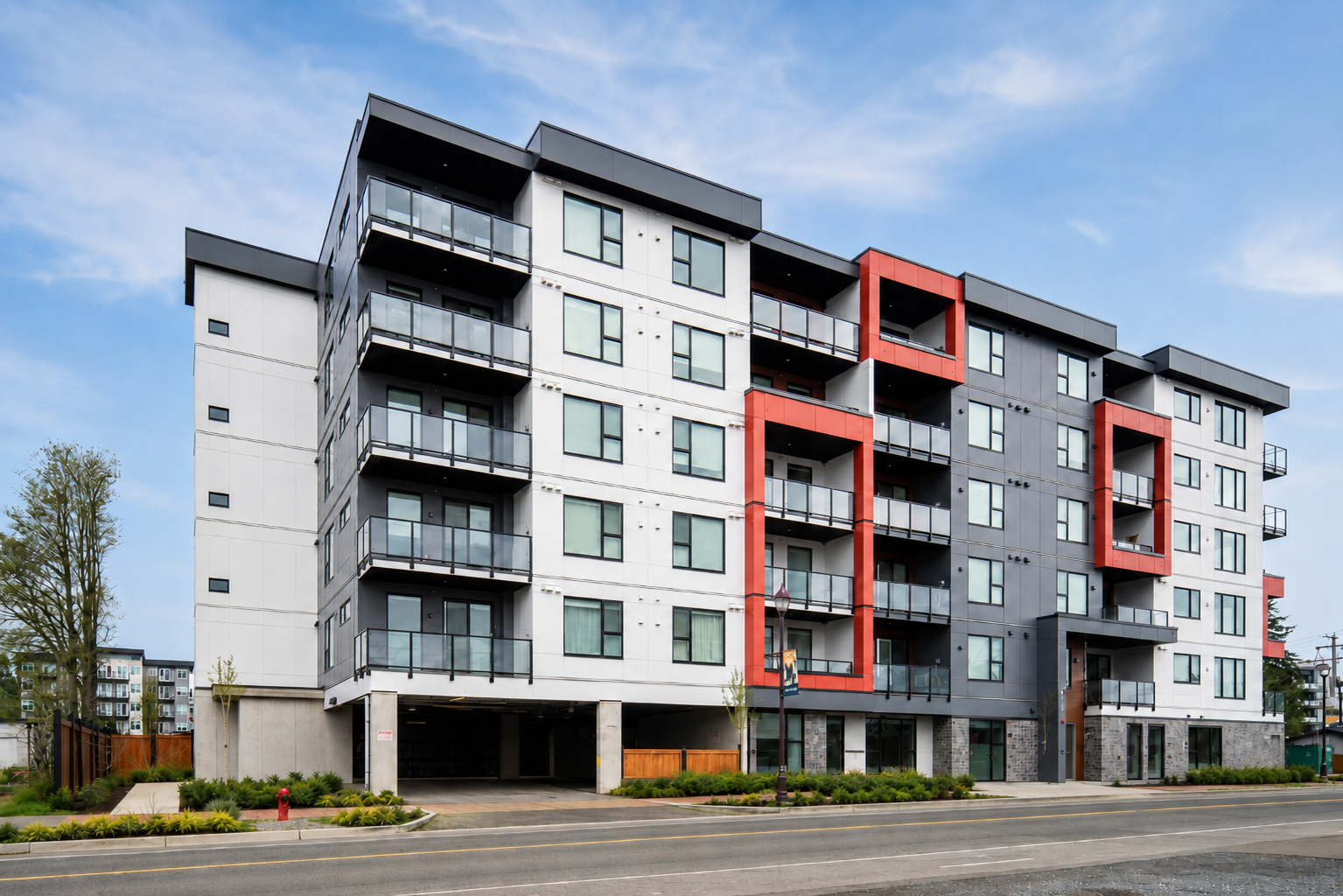
Victoria condo market competition has increased because buyers have more properties to compare, condo sales have slowed, and similar listings are often competing for the same price-sensitive buyer. This does not mean every condo is difficult to sell. Well-priced homes in desirable buildings can still attract strong interest. It does mean buyers are looking more carefully at the complete package before deciding which condo offers the best value. The Short Answer Victoria condos are facing more competition because: Overall housing inventory has increased Condo sales have slowed more than detached home sales Buyers have more time to compare similar units Monthly strata costs affect affordability Building condition matters more when choices are available Newer and resale condos may compete for the same buyers In June 2026, 182 condominiums sold across the Victoria Real Estate Board region, a 26.9% decrease from June 2025. Overall active listings reached 4,054, up 7.3% year over year. The Victoria Core condo benchmark was $549,200, down 1.9% from the previous June. More Inventory Changes How Buyers Make Decisions When inventory is limited, buyers may need to decide quickly because another suitable option may not appear soon. When more listings are available, buyers can compare several condos before writing an offer. They may look at: Price and monthly payment Strata fees Parking and storage Floor plan and natural light Building age and maintenance Depreciation reports Contingency reserve funds Insurance deductibles Pet and rental bylaws Upcoming repairs or assessments This creates direct competition between listings that might not appear identical at first glance. A buyer may compare an older, larger condo in Victoria with a smaller unit in a newer building. Another may compare a walkable downtown location with a newer Westshore property offering parking, storage, and lower maintenance concerns. As explained in Why Greater Victoria Real Estate Is So Micro-Market Specific, property type, price range, location, and buyer profile can all create different market conditions within the same region. Condos Often Compete Within Narrow Price Ranges Many condo buyers are shopping within firm monthly affordability limits. A difference of $25,000 in purchase price may seem manageable, but the calculation changes when buyers add: Mortgage payments Strata fees Property taxes Insurance Utilities Parking costs Potential assessments This means a condo with a lower asking price does not automatically offer better value. A slightly more expensive unit may compete successfully if it includes secure parking, storage, a heat pump, better building maintenance, or lower expected repair costs. Practical features can become especially important when several listings offer similar square footage and finishes. Read Why Parking and Storage Matter When Buying a Condo for a closer look at how these features affect everyday use and resale appeal. The Building Matters as Much as the Unit A renovated kitchen may help a condo make a strong first impression, but buyers are also assessing the building behind it. They want to understand whether the strata has planned responsibly for future expenses. Two similar units can receive very different reactions when one building has: A healthy contingency reserve fund Clear maintenance planning A current depreciation report Reasonable strata fees Completed major projects Organized strata records The other may have deferred maintenance, unclear financial planning, or a possible special assessment. When buyers have several choices, uncertainty can quickly become a reason to move on to another listing. Resale Condos May Also Compete With Newer Homes Depending on the neighbourhood and price range, buyers may compare a resale condo with recently completed or move-in-ready new construction. Newer condos may offer modern heating and cooling, updated building systems, home warranty coverage, contemporary finishes, or electric vehicle infrastructure. Resale properties can still compete well, especially when they offer larger floor plans, established neighbourhoods, stronger walkability, lower purchase prices, or a proven strata history. The goal is not to make every condo look new. It is to clearly explain why that specific property offers value. What This Means for Condo Sellers Condo sellers need to price and position their home against what buyers can purchase today, not what a similar unit sold for during a tighter market. A strong strategy should consider: Active competing listings Recent comparable sales Price reductions in the building or neighbourhood Current days on market Strata fees and upcoming projects Parking and storage Condition and presentation The most likely buyer profile Good presentation still matters, but presentation cannot correct a price that ignores the current competition. Buyers should be able to understand the condo’s strongest advantages quickly. These might include walkability, views, outdoor space, quiet exposure, building management, recent upgrades, parking, storage, or a functional floor plan. What This Means for Condo Buyers More competition between listings can create better conditions for buyers. You may have more time to review documents, compare monthly costs, request conditions, and negotiate terms. However, not every listing will offer the same amount of flexibility. The strongest condos can still attract interest when they are: Priced accurately Located in desirable areas Well maintained Supported by strong strata records Difficult to replace within their price range The opportunity is not simply finding the lowest price. It is finding the best balance of location, condition, building quality, monthly cost, and future resale appeal. For more guidance, read Market Trends: What Buyers Should Watch in Greater Victoria. The Bottom Line Victoria condos are facing more competition because buyers have more choice and are taking more time to compare value. For sellers, this market rewards accurate pricing, strong presentation, organized strata information, and clear positioning. For buyers, it creates room to be selective and complete careful due diligence. Victoria condo market competition is not affecting every building equally. The condos that stand out are usually the ones that offer a clear reason to choose them over the alternatives. Thinking About Buying or Selling a Condo in Victoria? Whether you are preparing to list or comparing available condos, understanding the competition within the building, neighbourhood, and price range can shape a better decision. Contact Faber Real Estate Group for a condo-specific market analysis and a clear strategy based on current listings, recent sales, building quality, and the features buyers are prioritizing right now. Nicholas D., 5-Star Review, via Google “Scott is an awesome realtor and real estate advisor. He got me all the information I needed incredibly quick and helped me make an informed buying decision. Couldn’t have done it without him and 10/10 will be recommending him to my friends and family! There are thousands of realtors on the island, but Scott and his team are by far the best” Faber Real Estate Group Royal LePage Coast Capital Realty 📞 250-244-3430 📧 [email protected] ℹ️ Scott Faber Personal Real Estate Corporation ℹ️ Cal Faber Personal Real Estate Corporation Vanessa Wood, Zachary Parsons, and Sophie Taylor “Building Lasting Relationships, One Home at a Time.”
Read more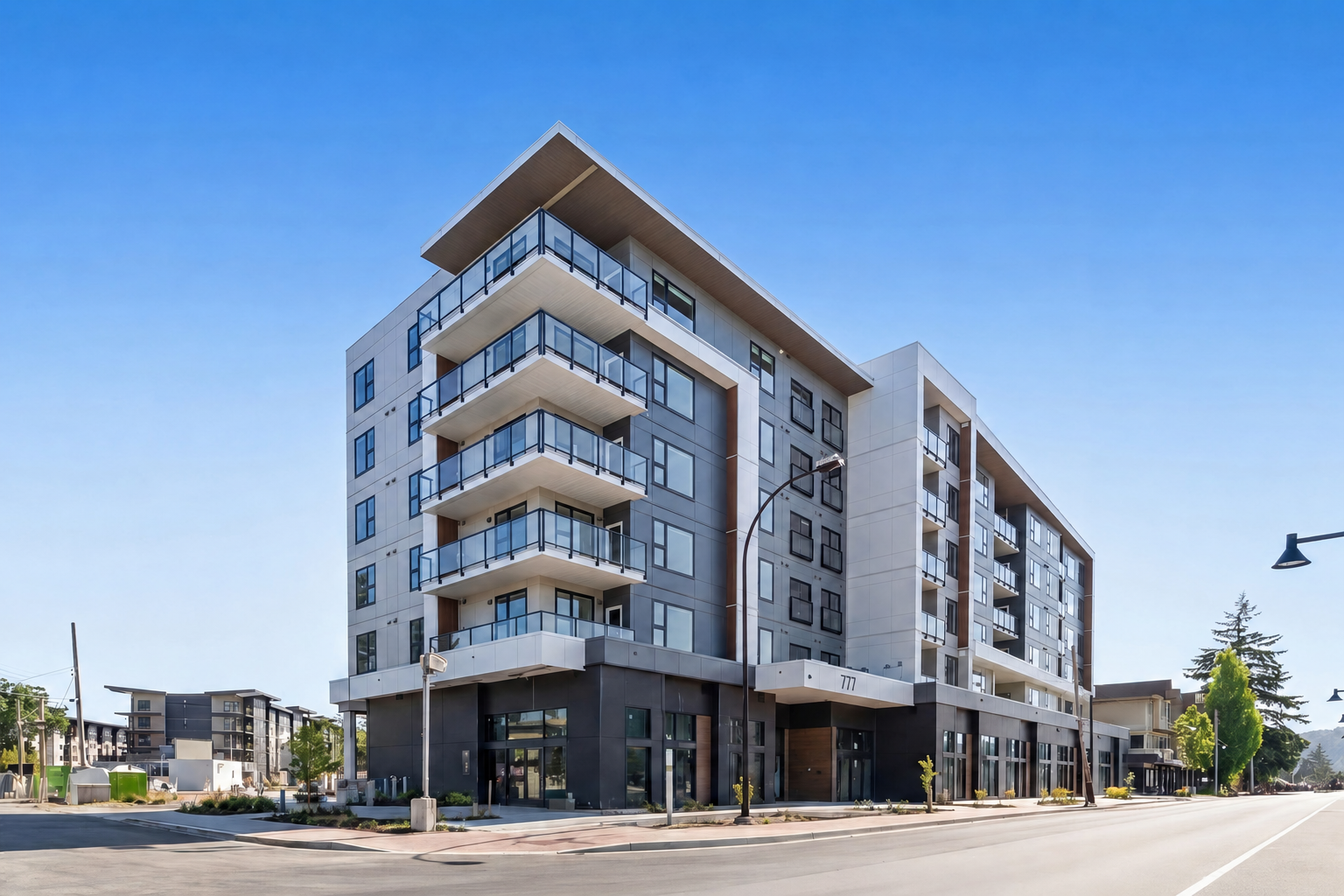
When you compare condo buildings, it is easy to focus only on the unit. The floor plan, finishes, view, parking, and natural light all matter. However, when you compare condo buildings, the bigger question is often what you are buying into beyond the front door. A beautiful condo in a poorly managed building can become stressful over time. On the other hand, a slightly simpler unit in a well-run building may offer better long-term comfort, predictability, and resale confidence. Before choosing between two condo options, here are the building-level details worth reviewing. Look at the Strata Fees Strata fees are not just a monthly cost. They are a sign of how the building operates. Lower fees may look attractive, especially for first-time buyers or downsizers trying to manage monthly payments. However, very low fees can sometimes mean the building is not setting aside enough money for future repairs. When comparing two condo buildings, ask: What do the strata fees include? Are utilities, hot water, garbage, insurance, or amenities included? Have fees increased recently? Are future increases expected? Does one building offer better value for the monthly cost? A higher strata fee is not always a bad thing. It may reflect stronger maintenance planning, better amenities, or a healthier reserve fund. Review the Contingency Reserve Fund The contingency reserve fund is one of the most important parts of condo due diligence. This fund helps pay for larger repairs and replacements, such as roofing, windows, elevators, parkades, balconies, exterior work, and mechanical systems. A strong reserve fund can reduce the chance of surprise special levies. When comparing buildings, do not only look at the total amount in the fund. Consider the age of the building, upcoming repairs, and whether the reserve fund matches the building’s future needs. A newer building with a modest fund may be normal. An older building with a low fund and major work coming up may deserve closer attention. Read the Depreciation Report A depreciation report gives buyers a clearer picture of the building’s long-term repair and replacement schedule. It can help identify major building components, estimated timelines, and projected costs. This is especially helpful when comparing an older building to a newer one, or when choosing between two buildings with different maintenance histories. Look for items such as: Roof replacement timelines Elevator maintenance or replacement Window and exterior envelope condition Plumbing or mechanical updates Parkade repairs Balcony or deck work Funding recommendations The goal is not to find a perfect building. Every building needs maintenance. The goal is to understand whether the building is planning ahead. Compare Building Age and Construction Type A building’s age does not automatically make it better or worse. However, it does affect what you should review. Older buildings may offer larger floor plans, established locations, and stronger concrete construction in some cases. They may also require more maintenance, updates, and capital planning. Newer buildings may offer modern systems, efficient layouts, better windows, improved soundproofing, and more current building standards. However, buyers should still review warranty details, strata minutes, bylaws, and early maintenance history. Construction type also matters. Wood frame, steel and concrete, low-rise, high-rise, and mixed-use buildings can all feel very different in terms of sound transfer, maintenance, insurance, and long-term value. Pay Attention to the Strata Minutes Strata minutes can tell you more about a building than the listing description ever will. They help reveal how the building is managed, what issues come up often, and whether the strata council is proactive or reactive. As you compare condo buildings, look for repeated discussions about: Water ingress Noise complaints Insurance claims Elevator issues Parking concerns Building repairs Bylaw enforcement Short-term rental concerns Pet issues Budget pressure One issue in the minutes does not necessarily mean the building is a problem. Repeated unresolved issues are what deserve a closer look. Consider the Insurance Deductibles Strata insurance has become a major topic in many condo buildings. When comparing buildings, review the insurance summary carefully. Pay close attention to deductibles for water damage, sewer backup, earthquake, and other major risks. Higher deductibles can affect your own insurance needs as an owner. Your personal condo insurance should be reviewed with an insurance professional so you understand what coverage you need. A well-run building will usually have clear documentation, current insurance details, and owners who understand the importance of proper coverage. Compare Amenities Carefully Amenities can add lifestyle value, but they also add cost. A gym, rooftop patio, guest suite, common room, workshop, bike storage, dog area, or secure underground parking may improve day-to-day living. However, those amenities also need to be maintained, cleaned, repaired, and insured. When comparing two buildings, ask whether the amenities are useful to you. If one building has higher strata fees because of amenities you will never use, the value may not be as strong for your lifestyle. If another building has fewer amenities but better location, storage, parking, or construction quality, it may be the better fit. Look at Parking, Storage, and Bike Access Parking and storage can have a major impact on both lifestyle and resale value. Before choosing between two buildings, compare: Is parking included? Is the parking stall assigned, common property, or limited common property? Is there EV charging or EV-ready infrastructure? Is visitor parking available? Is bike storage secure and practical? Is a storage locker included? Are there restrictions on storage use? These details may not feel exciting during the showing, but they often matter once you live in the building. Think About Location Beyond the Address Two condo buildings may be in the same general area but offer very different day-to-day convenience. Look beyond the map pin. Consider walkability, transit access, nearby trails, grocery stores, cafés, restaurants, parks, schools, medical services, and road noise. For buyers in Greater Victoria, a few blocks can make a meaningful difference. One building may be closer to daily amenities. Another may be quieter, easier to park near, or better connected to trails and transit. The better choice depends on how you actually live. Compare the Building’s Resale Appeal Even if you plan to stay long-term, resale value still matters. A strong condo building often has a few common traits: Practical floor plans Healthy financial planning Clear maintenance history Reasonable strata fees Good insurance history Useful amenities Strong location Owner pride Consistent demand from buyers A unit can be beautifully staged and still sit in a building that raises concerns. That is why buyers should compare the unit and the building together. Watch for Special Levies A special levy is not always a red flag. Sometimes it means the building is taking care of necessary repairs. However, buyers should understand why the levy exists, how much it costs, what work it covers, and whether more levies may be coming. When comparing two buildings, ask whether one has upcoming major expenses that are not yet fully funded. This can affect your budget and your comfort level with the purchase. Review the Bylaws Bylaws can affect how well a condo fits your life. Before choosing a building, review rules around: Pets Rentals Age restrictions, if applicable Smoking BBQs Renovations Flooring Move-in fees Short-term accommodations Parking and storage use A building may look perfect until you discover the bylaws do not match your needs. The Better Condo Is Not Always the Prettier Unit When buyers compare condos, the more updated unit often gets the first reaction. Fresh paint, new counters, modern flooring, and good staging can make a strong impression. However, finishes can be changed. The building is much harder to change. A slightly less updated condo in a stronger building may be a better long-term choice than a renovated unit in a building with poor planning, high risk, or unclear maintenance history. The best decision balances emotion with due diligence. Final Thoughts When you compare condo buildings, look beyond the unit itself. The floor plan, view, and finishes matter, but the building’s financial health, maintenance planning, insurance, bylaws, amenities, and location all shape the ownership experience. A good condo purchase is not only about finding a space that feels right today. It is about choosing a building that still feels like a smart decision years from now. If you are comparing condos in Greater Victoria and want help reviewing the full picture, Faber Real Estate Group can guide you through the unit, the building, and the details that matter before you make your decision. Tyler F., 5-Star Review, via Google “I have worked with Scott a few times now, always great communication, respectful and punctual. Look forward to working with him in the future” Faber Real Estate Group Royal LePage Coast Capital Realty 📞 250-244-3430 📧 [email protected] ℹ️ Scott Faber Personal Real Estate Corporation ℹ️ Cal Faber Personal Real Estate Corporation Vanessa Wood, Zachary Parsons, and Sophie Taylor “Building Lasting Relationships, One Home at a Time.”
Read more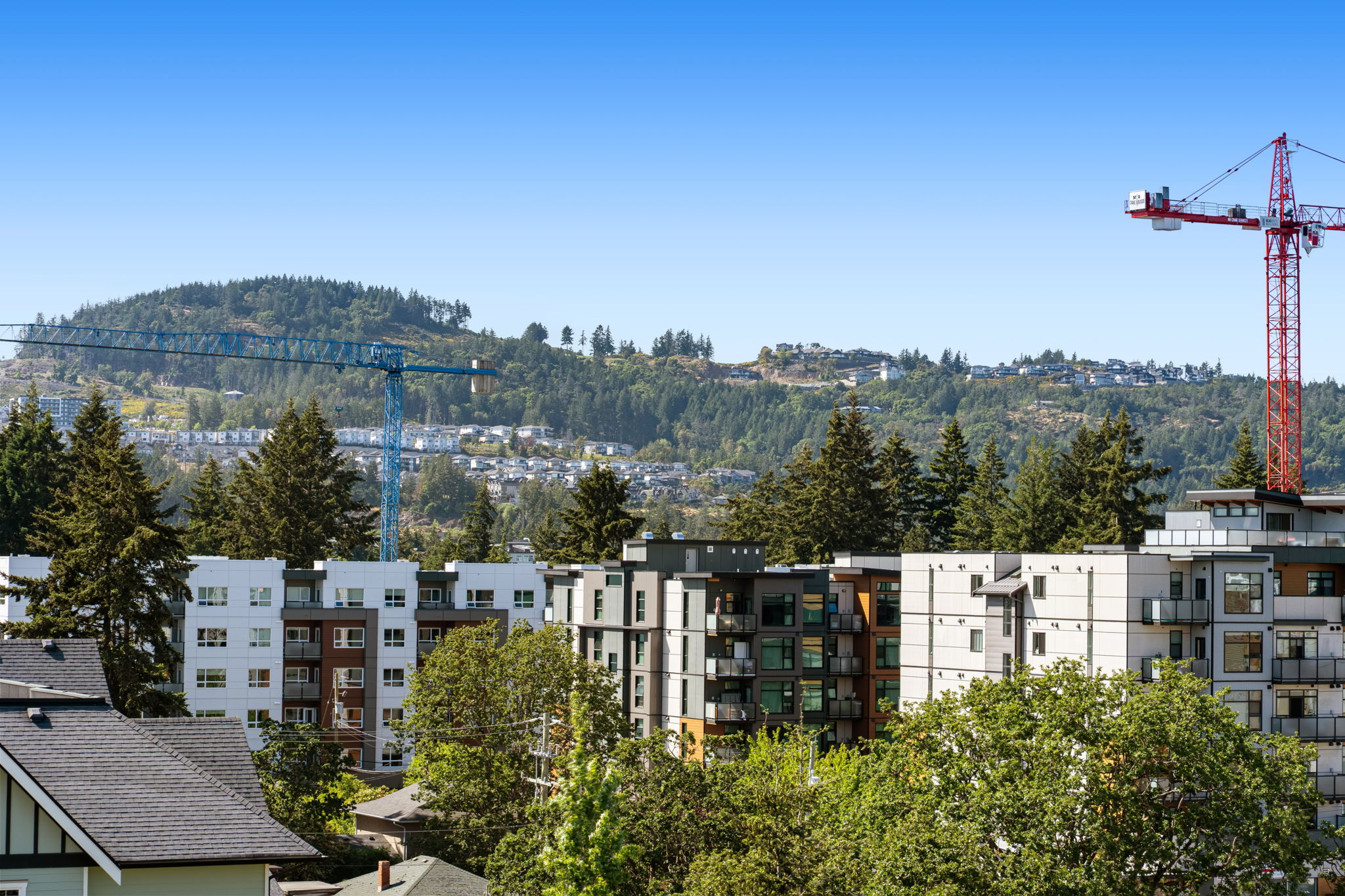
Langford rental properties are entering a more competitive chapter as new condo and purpose-built rental buildings continue to be added across the city. For years, Langford has attracted renters, first-time buyers, investors, and downsizers because of its relative affordability, growing amenities, and convenient Westshore location. As more rental supply enters the market, property owners and investors may need to adjust how they think about pricing, presentation, tenant expectations, and long-term strategy. More Supply Can Give Renters More Choice When more rental buildings are completed, renters often have more options to compare. Instead of choosing from a limited number of available homes, tenants may be able to look at newer buildings, different locations, updated amenities, pet policies, parking options, storage, and building features. This does not mean every rental property will struggle. It does mean that older condos, basement suites, townhomes, and individually owned rental units may face more direct comparison against newer purpose-built rental buildings. Renters may become more selective, especially if new buildings offer incentives, modern finishes, gyms, parcel rooms, secure bike storage, or flexible lease options. Rental Pricing May Need to Become More Strategic For investors, the biggest change may be around rent expectations. In a tighter rental market, landlords often have more pricing power. In a market with more new supply, pricing needs to reflect what renters can actually choose from. A well-located rental property can still perform well, but owners may need to review competing rentals more carefully. This includes looking at new apartment buildings, similar condos, parking availability, pet-friendly options, utilities, building amenities, and overall condition. For Langford rental properties, the question is not only, “What did this rent for last year?” It is also, “What else can a tenant rent today?” New Buildings May Raise Tenant Expectations New rental and condo buildings can raise the standard for what tenants expect. Features such as in-suite laundry, modern kitchens, efficient heating and cooling, storage, secure entry, EV charging, fitness spaces, and walkable locations can become more important. This can put pressure on older rental properties that have not been updated. A dated unit may still rent, but it may need to be priced more competitively or improved to stand out. Simple upgrades such as fresh paint, better lighting, updated flooring, improved appliances, professional cleaning, and strong listing photos can make a noticeable difference. Location Will Matter Even More Langford is not one single rental market. A rental near Station Avenue, the E&N Trail, Westshore Town Centre, parks, transit, restaurants, and recreation may perform differently than a similar property in a less walkable area. As more housing is built, tenants may place even more value on convenience. Walkability, commute time, parking, access to trails, and proximity to everyday amenities can all influence demand. For investors, this means location should be reviewed with more detail. The strongest rental properties are often the ones that solve daily-life problems for tenants, not just the ones with the lowest purchase price. Condo Investors May Face More Competition From Purpose-Built Rentals Individually owned condos have long been a common option for real estate investors. However, purpose-built rental buildings can compete directly with condo rentals because they are often professionally managed, newer, and designed specifically for tenants. This does not make condo investment unattractive, but it does change the strategy. Investors should pay close attention to strata fees, rental rules, building amenities, parking, storage, insurance, property taxes, and long-term resale potential. A condo that works as an investment should not rely only on rental income. It should also make sense from a long-term ownership, location, building quality, and resale perspective. More Housing Can Also Support Long-Term Growth New rental construction is not only a challenge for investors. It can also be a sign of a growing community. More residents can support local businesses, improve neighbourhood activity, increase demand for services, and help create a stronger urban centre over time. Langford continues to evolve from a commuter-focused suburb into a more complete city with recreation, shopping, trails, restaurants, transit, and mixed-use growth. For long-term investors, that growth can still be positive, especially when the property is well located and supported by strong fundamentals. What Rental Property Owners Should Consider If you own a rental property in Langford, now is a good time to review your position. Consider: Current market rent compared to similar available rentals How your property compares to newer buildings Whether small updates could improve marketability Your tenant profile and lease structure Vacancy risk if your current tenant moves out Long-term resale value Monthly carrying costs, including strata fees, taxes, insurance, and maintenance The goal is not to panic because new buildings are being built. The goal is to make informed decisions based on today’s market instead of relying on yesterday’s conditions. What Buyers Should Know Before Purchasing an Investment Property If you are thinking about buying a Langford rental property, the numbers matter more than ever. Rental income, mortgage payments, strata fees, insurance, taxes, vacancy allowance, repairs, and future resale value should all be reviewed carefully. A lower purchase price does not always mean a better investment. A slightly more expensive property in a stronger location, better building, or more desirable rental area may perform better over time. Buyers should also consider how the property will compete if more rental supply becomes available nearby. The best investment properties usually offer a clear reason for tenants to choose them. The Bottom Line New condo and rental buildings in Langford may create more competition for landlords, but they also reflect the city’s continued growth. For investors and rental property owners, the market is becoming more strategic. Strong locations, realistic pricing, good presentation, and well-maintained homes will matter more. Langford rental properties can still offer opportunity, but the best results will come from understanding the changing supply, comparing real competition, and making decisions with a clear plan. If you own a rental property in Langford or are thinking about buying an investment property in Greater Victoria, our team can help you review the market, compare options, and build a strategy that fits your goals. Marc G., 5-Star Review, via Google “Scott is focused on providing his clients with a long-term positive experience, and he truly acts as a trusted advisor throughout the process. It's important to have someone you can trust for this kind of investment, and Scott has certainly earned my trust. For me, it's important that a realtor fits my values, is always responsive, professional, and goes above and beyond to ensure all my needs are met. I highly recommend Scott and Faber Real Estate for all your real estate needs.” Faber Real Estate Group Royal LePage Coast Capital Realty 📞 250-244-3430 📧 [email protected] ℹ️ Scott Faber Personal Real Estate Corporation ℹ️ Cal Faber Personal Real Estate Corporation Vanessa Wood, Zachary Parsons, and Sophie Taylor “Building Lasting Relationships, One Home at a Time.”.
Read more
Purpose-built rentals in Langford are becoming a bigger part of the local housing story. As the city continues to grow, larger rental communities are adding more housing options for people who want flexibility, newer buildings, and professionally managed rental homes. A recent example is The District in Langford. The first two buildings, The Gallery and The Exchange, added 256 purpose-built rental homes, with the full project expected to include 597 suites across four residential buildings once complete. The development includes studio, one-bedroom, and two-bedroom homes, with amenities such as fitness areas, co-working spaces, lounges, and rooftop terraces planned for the larger community. That kind of project raises an important local question. How does more rental supply affect buyers, investors, and the overall real estate market in Langford? What Is a Purpose-Built Rental? A purpose-built rental is a building designed and operated as rental housing from the beginning. That makes it different from a rented condo, basement suite, or secondary suite. In a purpose-built rental building, the homes are usually owned by one company or group and managed as long-term rental housing. For renters, this can mean: More predictable professional management Newer building systems and amenities More rental choice in one location Less risk of an individual owner selling the unit For the broader market, it can also shift how people think about renting, buying, and investing. Why Langford Is Seeing More Rental Growth Langford has been one of Greater Victoria’s major growth areas for years. It offers more land availability than many core municipalities, strong access to shopping and services, newer housing stock, and a growing employment and lifestyle base. The City of Langford is also actively working on housing planning, including a housing strategy and updates related to how development contributes to affordable housing and community amenities. This does not mean every new project solves affordability on its own. However, it does show that rental housing is now part of Langford’s long-term growth pattern, not just a short-term response to demand. How More Rental Supply Can Affect Renters For renters, more purpose-built rental supply can create more choice. That matters because choice changes behaviour. When renters have limited options, they often move quickly, compromise more, and accept higher prices because alternatives are scarce. When more supply enters the market, renters may have more room to compare buildings, layouts, locations, parking options, pet policies, amenities, and overall value. Greater Victoria’s rental market has already shown signs of easing. The Province cited CMHC’s 2025 Rental Market Report, noting that Greater Victoria’s vacancy rate rose to 3.3%, its highest level since 1999. That does not mean renting has suddenly become easy or inexpensive. It simply means new supply can help reduce some of the pressure that has built up over many years. How This Could Affect First-Time Buyers More rental supply may also influence first-time buyer behaviour. When renters have better housing options, some may feel less pressure to buy quickly. Instead of purchasing because they are frustrated with the rental market, they may take more time to save, compare neighbourhoods, and wait for the right property. That can be healthy. A rushed buyer often focuses on getting into the market. A prepared buyer focuses on whether the home actually fits their life. In Langford, this could mean some renters choose to stay in newer rental communities longer before buying. Others may use the rental period as a stepping stone while they monitor prices, interest rates, and inventory. For buyers, the key is simple: renting and buying are not always opposite decisions. Sometimes, renting a little longer can support a better purchase later. What It Means for Investors Purpose-built rentals in Langford may also change investor expectations. Small-scale investors who own condos, townhomes, or suites may face more competition from newer rental buildings. A private rental unit still has advantages, especially if it offers more space, parking, outdoor areas, or a desirable location. However, tenants may compare those units against professionally managed buildings with modern amenities. That means investors may need to think more carefully about: Monthly rent expectations Unit condition Parking and storage Pet flexibility Location quality Tenant experience Long-term operating costs A newer rental building can set a higher standard for presentation and convenience. Investors who rely only on low vacancy and rising rents may need to adjust their strategy as the rental market becomes more competitive. What It Means for Buyers Looking at Condos New purpose-built rentals can also affect how buyers view condos. Some buyers may still prefer ownership because they want stability, equity growth, and control over their home. Others may compare the monthly cost of owning a condo against renting in a newer building with amenities. This is especially relevant in a market where buyers have more options. In April 2026, the Victoria Real Estate Board reported 3,710 active listings at month-end, up 8.3% from April 2025 and 13.8% from March 2026. More resale inventory and more rental choice can make buyers more selective. A condo that competes against both other listings and high-quality rentals may need to show clear value through price, layout, strata health, location, or long-term upside. Could More Rentals Help the Ownership Market? In some ways, yes. More rental supply can support a healthier housing system because not every household is ready or able to buy at the same time. A stronger rental market can give people more flexibility during life transitions, job changes, separations, downsizing decisions, or periods of financial planning. For sellers, it may also create a more informed buyer pool. Buyers who are not under extreme rental pressure may take more time to evaluate value. That can make pricing, presentation, and condition even more important. For Langford, this could support a more balanced housing mix over time, with options for renters, first-time buyers, downsizers, investors, and families. The Bigger Langford Story Langford’s growth is no longer just about detached homes and townhomes. It is increasingly about density, rental communities, mixed-use areas, and more urban-style living. The District project, located at the McCallum lands, is one example of that shift. Project information describes four six-storey purpose-built rental buildings with 597 suites and nearly 10,000 square feet of retail and commercial space planned as part of the first phase. That matters because rental projects of this scale do more than add units. They can help create new neighbourhood patterns, support nearby businesses, increase demand for walkable amenities, and change how people use an area day to day. What Buyers Should Watch If you are buying in Langford, rental growth should not scare you. But it should make you more aware. Watch for: New rental projects near the property Future density plans Parking and traffic changes Transit improvements Commercial space and amenities Competition between resale condos and new rentals Long-term neighbourhood identity A growing rental market can be positive, but the impact will depend on the exact location, property type, and buyer goals. The Bottom Line Purpose-built rentals in Langford are part of a larger shift in how the Westshore is growing. More rental supply may give tenants better options, encourage first-time buyers to plan more carefully, and push investors to think more strategically. It may also make resale condos and townhomes compete harder on value, condition, and lifestyle fit. For buyers, the main lesson is not that renting is better than buying or that buying is better than renting. The lesson is that housing choices are becoming more layered. The best decision depends on your timeline, financial position, lifestyle, and long-term plan. If you are buying, selling, or investing in Langford and want to understand how new rental supply could affect your next move, contact Faber Real Estate Group for local advice before making your decision. Shane B., 5-Star Review, via Google “Scott was patient and helpful throughout the entire process of searching for houses, and went above and beyond to help us finally land an accepted offer on the perfect home. Thank you Scott and the Faber Real Estate Team!” Faber Real Estate GroupRoyal LePage Coast Capital Realty📞 250-244-3430📧 [email protected]ℹ️ Scott Faber Personal Real Estate Corporationℹ️ Cal Faber Personal Real Estate CorporationVanessa Wood, Zachary Parsons, and Sophie Taylor“Building Lasting Relationships, One Home at a Time.”
Read more
Langford density has become one of the biggest real estate conversations on the Westshore. For some people, the growth feels exciting. More housing, more restaurants, more services, and more energy. For others, it feels like the city is changing faster than the roads, schools, parks, and infrastructure can keep up. The real answer is not simply yes or no. Langford is becoming denser. The better question is whether that density is being added in the right places, with enough planning to protect livability. That is the part buyers, sellers, and long-term homeowners should pay attention to. Langford Has Been Growing Quickly Langford has been one of the fastest-growing communities in British Columbia. Statistics Canada reported that Langford’s population reached 46,584 in the 2021 Census, up 31.8% from 2016. That made Langford the fastest-growing municipality in BC and one of the fastest-growing communities in Canada at the time. That level of growth changes a city. It affects traffic, schools, parks, parking, neighbourhood feel, housing types, and buyer expectations. A city that was once viewed mainly as a more affordable alternative to Victoria is now becoming a major urban centre in its own right. That shift creates opportunity, but it also creates tension. Why Density Is Happening Density is not happening by accident. Langford is responding to the same pressures seen across Greater Victoria: housing affordability, population growth, limited land, infrastructure costs, climate planning, and changing provincial housing policy. The City’s Official Community Plan refresh was designed around planning for a future population of 100,000 residents, while addressing affordability, housing, climate change, social equity, rising infrastructure costs, and transportation options. In simple terms, Langford is trying to grow up rather than only grow out. That means more condos, townhomes, mixed-use buildings, urban centres, and housing near services and transit routes. For buyers, this creates more options. For existing homeowners, it can feel like the character of certain areas is changing quickly. Both reactions are valid. Is More Density Automatically Bad? No. Good density can make a community stronger. It can support: More housing choice Better restaurants and local businesses More walkable areas Improved transit demand More efficient land use Greater housing affordability compared with large-lot-only development More options for first-time buyers, downsizers, and investors A city made only of detached homes can become difficult for many people to afford. It can also spread growth over a wider area, which often increases car dependence and infrastructure costs. Density, when planned well, can help create a more complete community. The issue is not density itself. The issue is poorly planned density. What Residents Are Worried About Many concerns around Langford density are practical, not political. People are asking fair questions: Can the roads handle more residents? Are schools keeping up? Is there enough parking? Are parks and public spaces growing with the population? Will traffic continue to get worse? Are neighbourhoods losing their character? Is new construction adding affordability or just more expensive units? Will infrastructure costs show up in property taxes? The City’s OCP engagement process acknowledged that some residents raised concerns about overcrowding, traffic congestion, limited green space, affordability, and financial impacts such as potential property tax increases. The City says those concerns were considered alongside technical analysis and expert recommendations. That is important because the debate should not be framed as growth versus no growth. The real issue is whether growth feels supported. Where Density Makes the Most Sense Density usually works best when it is placed near services, transit, shopping, employment areas, and existing infrastructure. Langford’s updated planning direction focuses growth toward the City Centre, Corridors, and Urban Centres, where infrastructure, transit, walking, rolling, and cycling options are considered more viable. That approach makes sense in theory. Higher density is easier to justify near: Downtown Langford Transit routes Shopping areas Schools and recreation Employment centres Areas already planned for mixed-use growth It becomes more controversial when density feels disconnected from infrastructure, parking, road capacity, or neighbourhood context. A six-storey building may make sense in one location and feel completely out of place in another. What the New Official Community Plan Signals Langford adopted a new Official Community Plan in June 2025, marking the first major update since 2008. The City described the new plan as a more predictable approach to growth, building height, and density. It also noted that while tall buildings remain possible in select strategic locations, the plan emphasizes more mid-rise and ground-oriented housing choices. That is a meaningful shift. It suggests Langford is trying to move away from a more reactive growth model and toward clearer rules about where density belongs. For homeowners and buyers, this matters because future value will depend partly on how well each neighbourhood absorbs growth. Some areas may benefit from new amenities and services. Others may feel pressure if growth arrives before infrastructure improves. How Density Affects Buyers For buyers, Langford density creates more choice. A buyer who may not be able to afford a detached home in Victoria or Saanich may find more options in Langford through condos, townhomes, duplexes, and newer communities. That can be positive. But buyers should still think carefully about location within Langford. Not all density is equal, and not every building or neighbourhood will perform the same over time. Buyers should ask: Is the home close to services or still car-dependent? Is the surrounding area still changing? Are there future development sites nearby? How much construction is planned around the property? Is parking adequate? Is the building well managed? Is the area becoming more walkable or simply busier? Will future supply compete with this property at resale? The right Langford property can be a smart purchase. But buyers should not assume all growth automatically means all properties benefit equally. How Density Affects Sellers For sellers, density can be both a benefit and a challenge. On one hand, growth can bring more buyer attention, more amenities, and stronger long-term demand. If your property is in a well-located area, increased density may support future value. On the other hand, more supply can create more competition. If a seller owns a condo or townhome in an area with many similar new units coming to market, buyers may have more choice. That means presentation, pricing, strata health, parking, layout, and building quality become even more important. For detached homeowners, density may create different questions: Is there redevelopment potential? Could zoning changes affect future value? Is the lot more valuable because of location? Are buyers paying for the home, the land, or future flexibility? Will nearby development affect privacy, traffic, or appeal? Sellers should not rely on broad Langford growth headlines. They need neighbourhood-specific pricing advice. The Difference Between Density and Livability A dense community can still be very livable. The best examples usually include: Good sidewalks Safe crossings Parks and trails Useful transit Local shops Schools and childcare Public gathering spaces Thoughtful building design Enough parking where needed A mix of housing types Density becomes frustrating when people experience more buildings without better daily life. If residents see more traffic but not better transit, more people but not more parks, or more construction but not more affordability, they understandably question the direction of growth. That is why Langford’s next chapter will be judged less by how many homes are built and more by whether the city feels easier or harder to live in. Is Langford Losing Its Character? This depends on the neighbourhood. Langford is not one single market. Bear Mountain, Happy Valley, Westhills, downtown Langford, Florence Lake, Thetis Heights, and South Langford all feel different. Some areas are designed around newer, denser growth. Others still have a more suburban or semi-rural feel. As density increases, buyers will become more selective about which version of Langford they want. Some will want walkability and newer buildings close to amenities. Others will want space, privacy, trails, and a quieter residential feel. That split may actually make Langford more segmented over time, with different neighbourhoods appealing to different lifestyles. What This Means for Long-Term Value Density can support long-term value when it creates a stronger, more convenient community. It can hurt perceived value when it creates congestion, uncertainty, or too much similar supply at once. For real estate, the strongest areas are often those that balance growth with livability. That means: Good access Strong amenities Thoughtful planning Housing variety Parks and recreation Reliable infrastructure A clear sense of neighbourhood identity Langford has many of these ingredients. The question is execution. If growth is well managed, Langford can continue to mature into a more complete urban centre. If growth feels faster than infrastructure, some buyers may become more cautious. So, Is Langford Becoming Too Dense? Langford is becoming denser, but that does not automatically mean it is becoming too dense. A better answer is this: some parts of Langford are absorbing density better than others. Density near services, transit, shops, schools, and recreation can make sense. Density that feels disconnected from infrastructure can create frustration. For buyers, the opportunity is to choose carefully. For sellers, the priority is to understand how your specific property fits into Langford’s changing market. The future of Langford will not be defined only by how many homes are built. It will be defined by whether those homes help create a community that still feels practical, connected, and livable. Final Thoughts Langford’s growth is not slowing down in the bigger picture. The city is planning for more people, more housing, and a more urban future. That creates real opportunity, especially for buyers who want newer homes, Westshore amenities, and relative value compared with Victoria’s core. But it also requires more thoughtful decision-making. If you are buying or selling in Langford, do not look at density as simply good or bad. Look at where it is happening, what infrastructure supports it, and how it affects the specific property you are considering. For advice on buying, selling, or understanding how Langford’s growth may affect your property value, contact Faber Real Estate Group for local guidance tailored to your goals. Thiago D., 5-Star Review, via Google “Their ready availability, communication, and support were key to getting our new place. I cannot recommend Scott and his team more.” Faber Real Estate GroupRoyal LePage Coast Capital Realty📞 250-244-3430📧 [email protected]ℹ️ Scott Faber Personal Real Estate Corporationℹ️ Cal Faber Personal Real Estate CorporationVanessa Wood, Zachary Parsons, and Sophie Taylor “Building Lasting Relationships, One Home at a Time.”
Read more
For buyers in Greater Victoria, budget matters, but where you shop matters just as much. The same number can buy a newer condo in one area, an older townhouse in another, or a detached home in a completely different part of the region. That is especially true when comparing Langford, Saanich, and Victoria, where housing stock, neighbourhood feel, and price points can shift quickly from one municipality to the next. The Victoria Real Estate Board reported 3,261 active listings at the end of March 2026, up 7.9% from March 2025, while also noting that Greater Victoria is made up of many micro-markets with different conditions and demand. This is why buyers who only search by price can miss the bigger picture. A $750,000 budget does not mean the same lifestyle in Langford as it does in Saanich or Victoria. In practical terms, your budget is really buying a mix of location, home type, age, condition, and future resale appeal. Langford’s planning direction continues to support a wider range of housing choices, including more mid-rise and ground-oriented homes, while Saanich is actively working to expand housing diversity in established neighbourhoods. Victoria, meanwhile, is made up of 12 distinct neighbourhoods, which helps explain why value can look very different from one pocket to another. Why These Three Areas Feel So Different Langford Langford often gives buyers more square footage and newer construction for the money. Many buyers looking here are trading a longer commute or a different neighbourhood feel for a more modern home, newer strata, or a better chance at ground-oriented living. The city’s current planning framework emphasizes mid-rise and ground-oriented housing choices, which supports that broader range of product. Saanich Saanich tends to sit in the middle. It offers a wide mix of housing, from condos and townhomes to established detached neighbourhoods, but pricing can move up quickly depending on school catchments, lot size, and proximity to key amenities. Its updated planning direction also points toward more housing diversity within existing neighbourhoods. Victoria Victoria usually commands a premium for location, walkability, and lifestyle. Buyers are often paying more for proximity to downtown, the Inner Harbour, Cook Street Village, Fernwood, Fairfield, or other well-known urban neighbourhoods. The City’s neighbourhood structure and evolving housing policy help explain why Victoria often offers less space for the same budget, but stronger lifestyle appeal for buyers who want to be close to the core. What Different Budgets May Buy You Around $500,000 to $650,000 At this level, most buyers are usually focused on condo living. In Langford, this budget can often put you in a newer one-bedroom or two-bedroom condo, sometimes in a more modern building with updated finishes, parking, and better overall building age. In Saanich, this same budget may still work for a condo, but buyers are often choosing between size and age. You may find a larger older suite or a smaller unit in a more desirable pocket. In Victoria, this range often means a condo as well, but the trade-off is usually space. You may buy into a more central and walkable lifestyle, but with less square footage or an older building than you would see in Langford. That lines up with broader market data. In March 2026, the Victoria Core MLS HPI benchmark for a condo was $553,800, while the region-wide average sale price for condo apartments was $634,393. Around $650,000 to $900,000 This is where the comparison starts to get more interesting. In Langford, buyers in this range may start stretching into larger condos, newer townhomes, or older small detached options depending on exact location and condition. In Saanich, this is often townhouse territory, larger condos, or entry-level detached opportunities in select pockets, though detached choices can still be limited. In Victoria, buyers may still be mostly looking at condos, townhomes, or half-duplex style options rather than detached homes, especially if staying close to the urban core is important. Region-wide in March 2026, the average sale price for a row or townhouse was $837,192, which makes this budget range one of the most competitive for buyers trying to move beyond condo living without jumping fully into higher detached-home pricing. Around $900,000 to $1.2 million This is often the transition zone where buyers start deciding between location and home type. In Langford, this budget may open the door to detached homes, including newer or more updated properties, especially when buyers are flexible on exact neighbourhood or lot size. In Saanich, this budget may buy an older detached home, a smaller lot, a home needing updates, or a strong townhouse alternative in a well-established area. In Victoria, this range often still requires compromise for detached housing. Buyers may need to consider smaller homes, more renovation work, duplex options, or moving slightly away from the most sought-after central pockets. That context matters because the Victoria Core single-family benchmark was $1,330,200 in March 2026, while the region-wide average sale price for single-family homes was just over $1.35 million. In other words, a budget around $1 million can still be powerful, but it does not stretch evenly across all three municipalities. Around $1.2 million to $1.6 million Now buyers start seeing a bigger difference in what their money can do. In Langford, this range can often buy a newer detached home with more interior space, a garage, and a family-oriented layout. In Saanich, this may put buyers into an established detached home in a desirable neighbourhood, though age, updates, and lot characteristics still matter a great deal. In Victoria, this budget may buy a detached home in select areas, but many buyers are still choosing between character, condition, parking, and walkability rather than getting all of them at once. This is where buyer strategy becomes more important than headline price. A family focused on space and newer finishings may lean Langford. A buyer focused on long-term neighbourhood stability and central access may prioritize Saanich. A buyer focused on walkability and city lifestyle may still prefer Victoria even if the home itself is smaller or older. Above $1.6 million At this level, all three areas offer more choice, but the type of value still differs. Langford may offer larger and newer detached homes with more modern layouts. Saanich may offer stronger lot value, established streets, and family-oriented neighbourhood appeal. Victoria may offer premium location, character homes, or higher-demand central properties where land and proximity carry more of the value story. For many buyers, this is the budget range where the decision stops being about “Can I buy?” and starts becoming “What kind of life do I want this home to support?” The Real Trade-Off Is Not Just Price The biggest mistake buyers make is assuming that more house always means better value. Sometimes the better move is buying less space in the right location. Sometimes it is buying a newer home with fewer maintenance surprises. Sometimes it is choosing an older home in a strong neighbourhood because the long-term livability is better for your family. The best budget is not the highest one. It is the one that aligns with how you want to live, how long you plan to stay, and how much compromise you are actually comfortable making. Final Thoughts If you are comparing Langford, Saanich, and Victoria, the smarter question is not just what your budget can buy. It is what kind of home, lifestyle, and future flexibility that budget can buy in each area. In today’s market, buyers have more room to compare options and do proper due diligence than they did in more competitive years, but the differences between micro-markets still matter. The right strategy is to compare the same budget across multiple municipalities before committing too early to one path. VREB says current supply and consumer demand have created conditions with less pressure and more time for decision-making, which makes this kind of side-by-side comparison especially worthwhile right now. If you want help comparing what your budget could realistically buy in Langford, Saanich, and Victoria right now, contact Faber Real Estate Group for tailored advice and a clear plan based on your goals. Nilo M., 5-Star Review, via Google “This group have a high level of commitment to help and to put thier client’s need ahead of their personal gain. They deal and engage with integrity and wisdom on how it will work for both the seller and the clients. I experienced it first hand in this crazy and difficult season. We just bought a home at Glanford area, and they are always there for us, every step of the way. They are real and can be trusted.” Faber Real Estate Group Royal LePage Coast Capital Realty 📞 250-244-3430 📧[email protected] ℹ️ Scott Faber Personal Real Estate Corporation ℹ️ Cal Faber Personal Real Estate Corporation Vanessa Wood, Zachary Parsons, and Sophie Taylor “Building Lasting Relationships, One Home at a Time.”
Read more
The new GST rebate for first-time home buyers creates a real opening for buyers who were close to qualifying but still struggling with the extra cost of buying brand-new construction. The new GST rebate for first-time home buyers eliminates the GST on qualifying new homes up to $1 million, reduces it on qualifying new homes between $1 million and $1.5 million, and can save eligible buyers up to $50,000. The measure is now law, and the CRA has opened applications. For many buyers, the value is not just the rebate itself. The bigger opportunity is what the rebate changes in your timing, your budget, and your ability to buy new with more confidence. What the New GST Rebate Actually Does The rebate applies to eligible first-time buyers purchasing a newly built or substantially renovated home that will be used as their primary residence. Homes priced at or below $1 million can qualify for up to a full rebate of the GST, up to a maximum of $50,000. Homes priced between $1 million and $1.5 million receive a reduced rebate, and homes at or above $1.5 million do not qualify. CRA guidance includes an example showing a $1.25 million home qualifying for a $25,000 rebate. That matters because many buyers tend to think of GST as a fixed cost they simply have to absorb. In this case, it may no longer be a deal-breaker if you are eligible. Who May Qualify Generally, the CRA says a qualifying first-time buyer must meet all of the following: Be at least 18 years old Be a Canadian citizen or permanent resident Not have lived in a home they owned, or that their spouse or common-law partner owned, as a primary residence in the calendar year of taking ownership or in the previous four calendar years Be buying the home as a primary place of residence Be the first individual to occupy the home after construction or substantial renovation is completed Not have previously received this FTHB GST/HST rebate, and neither can their spouse or common-law partner This is an important distinction. Some buyers hear “first-time” and assume it only means “never bought a home before.” The CRA test is more specific than that. In some cases, someone who owned in the past may qualify again if enough time has passed and the occupancy rules are met. Timing Matters More Than Most Buyers Realize The rebate generally applies if the agreement of purchase and sale with the builder was entered into on or after March 20, 2025 and before 2031. For homes purchased from a builder, construction must begin before 2031, be substantially completed before 2036, and ownership must transfer before 2036. CRA also notes that applications are open, although it is still updating systems for certain purchase agreements signed between March 20, 2025 and May 26, 2025. In practice, that means buyers should not just ask, “Do I like the home?” They should also ask: Does my contract date fit the program window? Will this home be my primary residence? Am I clearly eligible under the CRA definition? Is the builder project timeline aligned with the completion rules? A good purchase is not only about the unit. It is also about whether the structure of the deal lets you capture the savings. How to Take Advantage of It in Real Life 1. Confirm whether you actually meet the first-time buyer test Do this before you fall in love with a unit. The four-calendar-year lookback is where some buyers get caught. If you or your spouse lived in a home you owned too recently, the rebate may not apply. This is one of the first filters to check. 2. Focus on qualifying new construction, not resale This rebate is aimed at eligible buyers purchasing a newly built or substantially renovated home, or in some cases building their own. It is not a blanket rebate for all homes on the market. That means your search strategy may need to shift. If you were comparing resale condos and pre-completion or near-completion new condos as if they were equal, this rebate may change the math. 3. Rework your budget based on net cost, not sticker price A lot of buyers shop by headline price. That can be a mistake. A better question is: what is my effective cost after the rebate, strata fees, closing costs, and financing are all considered? The rebate will not solve affordability on its own, but it can materially improve your position. That may mean: A smaller cash requirement Better flexibility for closing costs A lower all-in purchase cost The ability to consider a better-located or better-finished home than you originally thought possible 4. Review the builder contract carefully The rebate is generous, but it is still rule-based. You want to understand: Whether GST is included or added to the purchase price What the builder expects from you for rebate documentation Whether any assignment, occupancy, or title timing affects your eligibility What your estimated closing statement looks like with and without the rebate This is where good representation matters. It is easy to focus on the floorplan and forget the contract language that controls the outcome. 5. Use the rebate to improve your long-term position, not just to stretch higher The temptation will be to use every dollar of savings to chase a more expensive home. Sometimes that makes sense. Often, the smarter move is to use the savings more strategically: Keep a stronger emergency fund after closing Reduce financing pressure Furnish the home without leaning on high-interest debt Leave room for future life changes rather than buying at your absolute ceiling Affordability is not just about getting approved. It is about still feeling stable six months after move-in. Why Pavilion Langford Is Worth Watching For buyers in Greater Victoria and the Westshore, Pavilion Langford is one example of where this new rebate may have practical value. Pavilion is a 60-unit condominium development in Langford’s Cultural District, with homes currently starting at $364,900. The project highlights modern, sustainable design features, secure underground parking, rooftop solar panels, EV charging, premium insulation, Energy Star appliances, and a projected late spring 2026 completion timeline. That starting price matters because it puts Pavilion into a range that may be especially relevant for eligible first-time buyers looking at brand-new construction rather than resale. It is also worth noting that Pavilion is positioned close to shops, dining, markets, and other Westshore amenities, which can make it attractive for buyers who want convenience along with newer construction standards. For project details, floorplans, finishes, and updates, Pavilion’s website is the best source for current development-specific information. A Simple Example of Why This Matters Imagine a buyer who had written off new construction because GST made the total feel too high. Before this change, that buyer may have looked only at resale inventory, even if the resale options meant older systems, less energy efficiency, more future maintenance, and less functional layouts. Now, if they qualify, the rebate may narrow the gap enough that a new condo becomes a more realistic option. That does not mean new construction is automatically the better buy. It means the comparison deserves to be revisited with fresh numbers. That is where market strategy becomes more important than assumptions. Mistakes to Avoid Assuming all first-time buyers automatically qualify Eligibility is specific. Age, residency, prior ownership history, occupancy, and timing all matter. Confusing announcement dates with eligibility dates The law received Royal Assent on March 12, 2026, but the agreement timing rules generally reach back to purchase agreements entered into on or after March 20, 2025. Ignoring primary residence requirements This is designed for a home you intend to live in as your primary residence, not a casual investment play. Shopping only by monthly payment Monthly payment matters, but it should not replace a full closing-cost and contract review. Relying on general summaries instead of property-specific advice A rebate can improve the picture, but the right decision still depends on the building, the contract, the strata, the neighbourhood, and your longer-term goals. Final Thought The smartest way to use this rebate is not to treat it like a headline. Treat it like a planning tool. For some buyers, it will make brand-new construction possible sooner. For others, it will improve the quality of what they can buy without forcing them to overextend. Either way, the opportunity is strongest when you verify eligibility early, compare true net costs, and target projects that fit both the rules and your lifestyle. If you want help comparing qualifying new-construction options, including Pavilion Langford, and figuring out whether this rebate could strengthen your buying strategy, contact Faber Real Estate Group for tailored guidance. Darcie R., 5-Star Review, via Google “We had the best experience with Scott and the Faber Group team helping us buy our first house! From start to finish it was a positive experience, & Scott went the extra mile every chance he could. Based on our search parameters, we didn’t even come across this house, but using his expertise, he was able to find us our dream home that matched all of our criteria! We are so beyond happy and would absolutely recommend reaching out to Scott if you are looking to buy an amazing home.” Faber Real Estate Group Royal LePage Coast Capital Realty 📞 250-244-3430 📧[email protected] ℹ️ Scott Faber Personal Real Estate Corporation ℹ️ Cal Faber Personal Real Estate Corporation Vanessa Wood, Zachary Parsons, and Sophie Taylor “Building Lasting Relationships, One Home at a Time.”
Read more
For any aspiring home buyer in Victoria BC, 2026 presents a more balanced and manageable market. With higher inventory and steadier pricing, buyers have more choice and less pressure than in recent years. That said, preparation still matters. Whether you are considering a condo in Langford or a family home in Oak Bay, the right planning can help you avoid common mistakes and make confident decisions. Build a Strong Financial Foundation Every successful purchase starts with finances. Begin by reviewing your credit score and outstanding debt. A score of 680 or higher typically improves access to better mortgage rates and terms. Next, plan your down payment. In Canada, minimum requirements range from 5 percent for lower-priced homes to 20 percent for higher-value properties. Tools like the First Home Savings Account allow buyers to save efficiently, while the RRSP Home Buyers’ Plan can help supplement funds when used carefully. Mortgage pre-approval should follow. This step confirms your budget, accounts for the stress test, and shows sellers you are serious. In a market like Victoria, pre-approval helps you focus on homes that truly fit your price range. Understand the Market and Set Clear Goals With more listings available in 2026, buyers benefit from taking time to research neighbourhoods and pricing trends. Different seasons also bring different opportunities, with quieter months often offering more negotiation room. As you search, separate must-haves from nice-to-haves. Location, commute time, and long-term livability should come before cosmetic features. It is also important to budget for ongoing costs such as property taxes, insurance, and maintenance. Work With the Right Professionals Buying a home is not a solo effort. A local real estate agent can help you interpret market data, navigate negotiations, and manage timelines. A mortgage broker can compare lenders and structure financing that fits your situation. Home inspections are also critical. Identifying issues early protects you from unexpected repair costs and strengthens your negotiating position. Follow a Clear Buying Process A structured approach helps reduce stress and avoid missed steps. Start with pre-approval, then focus on properties that meet your criteria. When making an offer, include appropriate conditions for financing and inspection. Once an offer is accepted, complete due diligence, review documents carefully, and prepare for closing costs, which typically range from 1.5 to 4 percent of the purchase price. Common Mistakes to Avoid Avoid stretching your budget beyond what feels comfortable. Skipping inspections or underestimating closing and moving costs can quickly create regret. In a balanced market, there is also no need to rush. Taking time to compare options often leads to better outcomes. Bottom Line For an aspiring home buyer in Victoria BC, 2026 offers opportunity paired with choice. With strong preparation, realistic expectations, and the right guidance, buying a home can feel far more manageable than in past years. Ready to take the next step toward homeownership? Contact us to discuss how these tips apply to your home search and what opportunities may fit your goals. David M., 5-Star Review, via Google “Scott was a fantastic realtor—hardworking, knowledgeable, and truly dedicated to his clients. His expertise and great connections made the entire process smooth and stress-free. He went above and beyond to ensure everything was taken care of, and I couldn’t be happier with the results. I highly recommend Scott to anyone looking for a realtor.” Faber Real Estate Group Royal LePage Coast Capital Realty 📞 250-244-3430 📧[email protected] ℹ️ Scott Faber Personal Real Estate Corporation ℹ️ Cal Faber Personal Real Estate Corporation Vanessa Wood, Zachary Parsons, and Sophie Taylor “Building Lasting Relationships, One Home at a Time.”
Read more
Pets aren’t just companions - they’re part of the family. For many homebuyers in the Westshore, especially in family-oriented areas like Bear Mountain and Langford, access to pet-friendly spaces and amenities can be a deciding factor in where they choose to live. In this guide, we spotlight new and upcoming developments that prioritize pets, making it easier to find a home that suits both you and your four-legged friend. Why Pets Matter in Westshore Real Estate Westshore communities are built around outdoor living, with trails, parks, and green space at every turn. Buyers with dogs or other pets increasingly seek developments that: Include on-site dog parks or pet play areas Offer easy access to trails and off-leash areas Provide wash stations, grooming rooms, or pet care services Nestle close to vet clinics, pet stores, and open community space In Bear Mountain, for example, the abundance of trails and outdoor activities makes the area naturally appealing to active pet owners. Developers here often incorporate dedicated pet spaces into site plans, acknowledging the strong influence pets have on purchase decisions. Noteworthy Pet-Friendly Developments Several new and planned Westshore developments have responded to buyer demand for pet-centric features: Pavilion Langford (Langford City Centre) - Has no size limits or breed restrictions. Close to dog parks and trails. Trailside Residences (Bear Mountain) – Close to miles of off-leash trails, with community dog runs integrated into green spaces. The Grove (Langford City Centre) – Includes enclosed pet play areas and easy pathway access to parks. Harbour Living (Colwood) – Offers waterfront strolls and pet stations along scenic walking paths. Tips for Pet-Friendly Buying When evaluating properties, consider these factors: Pet policy and fees: Some condos have size limits, breed restrictions, or extra deposits — verify before committing. Amenity accessibility: Look for developments where dog parks or pet facilities are truly convenient rather than peripheral. Walkability: Proximity to parks, beaches, and trails enhances daily life for pets and owners alike. Final Thoughts As the Westshore continues to grow, pet-friendly developments are becoming a key segment of the market. Whether it’s a dedicated dog park, close access to trails, or pet-focused building amenities like those at Pavilion Langford, these features can significantly enhance lifestyle and resale appeal. For buyers who prioritize their pets, this guide offers a starting point in finding the right fit in Westshore real estate. If you’d like personalized recommendations based on your pet’s needs and your home search criteria, I can help you explore options and compare features that matter most. Justine D., 5-Star Review, via Google “Cal and Scott treated us like family. We had only 5 days to find a home and Cal cleared his schedule to make himself available to us. Cal guided us in the purchase of our home, as if we were a member of his family asking for advice. I knew we could trust Cal. His service to us did not stop with the purchase of our home…he helped us find trades people and provided information about rental incomes in the area. We were new to the Island and I honestly felt that Cal adopted us and has made sure we had everything we needed. We did not just gain a realtor, but a friend. If you are looking for a realtor you can TRUST, and will look out for YOUR interests— then Cal and Scott are IT!!! Faber Real Estate Group Royal LePage Coast Capital Realty 📞 250-244-3430 📧[email protected] ℹ️ Scott Faber Personal Real Estate Corporation ℹ️ Cal Faber Personal Real Estate Corporation Vanessa Wood, Zachary Parsons, and Sophie Taylor “Building Lasting Relationships, One Home at a Time.”
Read more- 1
- 2