
Posts Tagged ‘James Bay real estate’
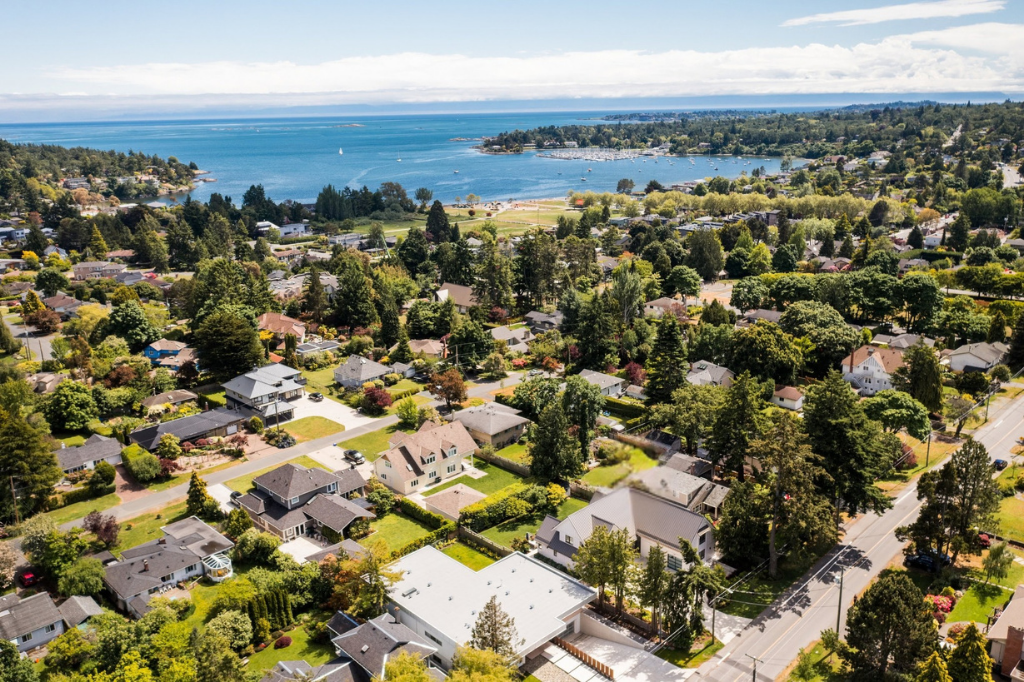
Greater Victoria real estate micro-markets can feel confusing because the region does not move as one single market. A condo in downtown Victoria, a family home in Gordon Head, a townhome in Langford, and a character home in Oak Bay can all respond differently to the same interest rate environment, inventory level, or buyer mood. That is why broad market headlines can only tell part of the story. According to the Victoria Real Estate Board, there were 3,710 active listings on the MLS® at the end of April 2026, up 8.3% from April 2025. The Board also described the overall market as balanced, while noting that buyer and seller experiences can vary depending on property type and location. That last point matters most. A Balanced Market Does Not Mean Every Area Feels Balanced When people hear that the market is balanced, they often assume every neighbourhood is moving at the same pace. That is rarely true. One area may have strong demand for detached homes because families want school access, yard space, and long-term livability. Another area may have slower condo activity because buyers have more choice, higher strata scrutiny, or stronger price sensitivity. A balanced regional market can still contain: Competitive pockets Slower-moving property types Price-sensitive segments High-demand neighbourhoods Listings that need sharper pricing to stand out This is why Greater Victoria real estate micro-markets require more than a regional average. Property Type Changes Everything A detached home, townhouse, condo, acreage property, and new-build unit can all behave differently. For example, buyers comparing condos may focus on strata fees, depreciation reports, insurance, amenities, parking, and building age. Buyers looking at detached homes may care more about lot size, renovation history, suite potential, roof condition, schools, and outdoor space. Even within the same neighbourhood, two property types can have very different buyer pools. A well-priced townhouse in a walkable area may attract strong interest, while a nearby condo with high strata fees may move more slowly. A dated detached home may sit if it needs major work, while a well-maintained home nearby may sell quickly because buyers value certainty. Neighbourhood Lifestyle Drives Buyer Demand Greater Victoria is not just a collection of price points. It is a collection of lifestyles. Buyers are often choosing between very different versions of daily life: Walkability in Fairfield, James Bay, Cook Street Village, or Fernwood Space and newer homes in Langford, Colwood, or View Royal Quiet residential streets in Gordon Head, Cordova Bay, or Oak Bay Waterfront access in Sidney, Saanich Peninsula, or Esquimalt Rural privacy in Metchosin, Central Saanich, or parts of Highlands These choices are emotional as much as financial. A buyer who wants cafés, transit, and walkability may accept less square footage. A buyer who wants a garage, yard, and newer construction may look further from the core. A downsizer may prioritize elevator access, storage, and a quiet building over a larger floor plan. That is why two homes at the same price can feel completely different in value. Price Brackets Create Their Own Markets Price point is another reason local real estate behaves differently. A home listed around a first-time buyer budget may attract a very different buyer group than a home listed above $1.5 million. Financing, affordability, insurance, strata fees, renovation costs, and property transfer tax considerations can all influence how active buyers feel at each level. In some price ranges, buyers may move quickly because quality options are limited. In others, they may compare more carefully because there are more listings to choose from. For sellers, this means pricing cannot rely only on what the neighbour sold for. It needs to consider: The current competition Buyer affordability at that price point Days on market for similar homes Recent comparable sales Property condition How much choice buyers have today The right pricing strategy depends on the specific buyer pool, not just the address. Condition Matters More When Buyers Have Choice When inventory rises, buyers tend to become more selective. In April 2026, Greater Victoria had more active listings than the previous year, giving buyers more options across many parts of the region. That does not mean every buyer has endless choice, but it does mean sellers need to understand how their home compares in real time. In a market with more selection, buyers often look closely at: Roof age Windows Heating systems Strata documents Depreciation reports Drainage Electrical updates Renovation quality Storage and parking Long-term maintenance costs A home does not need to be perfect. It needs to be clearly positioned. A well-maintained home gives buyers confidence. A home with unclear maintenance history may create hesitation, even if the price seems reasonable. Buyers and Sellers Need Local Context, Not Just Market Averages Averages can help explain the direction of the market. They do not tell you what to offer on one specific home or how to price one specific listing. For buyers, local context helps answer better questions: Is this home priced fairly for this neighbourhood? How much competition is there for this property type? Are buyers moving quickly here or taking their time? Is this location likely to support long-term resale demand? What trade-offs are normal at this price point? For sellers, local context helps avoid two common mistakes: Overpricing based on old market momentum Underestimating buyer demand in a strong pocket Good strategy starts with the micro-market, not the headline. What This Means If You Are Buying When buying in Greater Victoria, it helps to compare homes by lifestyle, property type, and long-term fit rather than price alone. A condo in the core may offer walkability and convenience. A townhouse in the Westshore may offer more space and newer construction. A detached home in Saanich may offer long-term flexibility, but may also come with higher maintenance needs. The better question is not simply, “Is this a good deal?” A better question is, “Is this the right trade-off for the way I want to live, the budget I have, and the resale value I want to protect?” What This Means If You Are Selling When selling, the goal is not to price for the entire region. The goal is to price for the buyers most likely to choose your home. That means looking closely at: Your neighbourhood Your property type Your condition level Your competition Your timing Your likely buyer profile A strong listing strategy should explain why your home makes sense in its specific market. That may mean highlighting walkability, updates, outdoor space, suite potential, strata strength, school proximity, or lifestyle convenience. The more specific the positioning, the easier it is for the right buyer to understand the value. The Bottom Line Greater Victoria real estate micro-markets matter because buyers are not shopping the region in one uniform way. They are comparing neighbourhoods, lifestyles, building types, costs, risks, and long-term fit. That is why the best advice is rarely generic. Whether you are buying or selling, the real value comes from understanding the specific market you are in, not just the market everyone is talking about. For advice on how your neighbourhood, property type, or price range is performing in today’s Greater Victoria real estate market, contact Faber Real Estate Group. Darren L., 5-Star Review, via Google “Fabulous job from Cal, Scott and Vanessa. They were professional, have strong negotiating skills and had a proactive strategy as the house sold very quickly (within a day the offer was accepted) and for the asking price. We were at ease with Cal and the team once we decided to go with them after interviewing other realty groups. It was definitely a smooth experience to say the least. Highly recommending the Faber Group if you’re buy or selling. Truly a group that is there to put the client first and foremost.” Faber Real Estate Group Royal LePage Coast Capital Realty 📞 250-244-3430 📧 [email protected] ℹ️ Scott Faber Personal Real Estate Corporation ℹ️ Cal Faber Personal Real Estate Corporation Vanessa Wood, Zachary Parsons, and Sophie Taylor “Building Lasting Relationships, One Home at a Time.”
Read more
When buyers start house hunting, price usually gets the first look. That makes sense. Budget matters. But price alone rarely tells you whether a neighbourhood will actually fit your life. In Greater Victoria, that matters even more right now. The Victoria Real Estate Board reported 3,261 active listings at the end of March 2026, with board commentary pointing to many micro-markets with different conditions and demand. In other words, buyers have more choice, but they also need to be more thoughtful about where they want to live, not just what they can afford. The better question is not just, “What can I buy here?” It is, “What will my day-to-day life feel like here?” Start with your real routine Before comparing neighbourhoods, compare your lifestyle first. A lot of buyers say they want a “good area,” but what they really mean is one of these: Close to work and less time in the car Easy walks to coffee shops, groceries, and parks Quiet streets and more yard space Better access to schools, recreation, or the beach A neighbourhood that feels social and active A home base that feels calm and low-maintenance That is why two neighbourhoods at similar price points can feel completely different in real life. One may look better on paper, while the other fits your routine far better. Look at lifestyle in five categories 1. Commute and movement Think about where you go most often, not just where you go once in a while. Ask yourself: How often do you commute downtown? Do you need quick access to UVic, the airport, ferries, or the Westshore? Do you prefer driving, walking, cycling, or transit? Will your routine still work in winter, during school traffic, or on busy weekdays? This is where neighbourhood choice becomes practical. A longer commute may be worth it for more space. But if you hate driving, a cheaper home farther out may cost you in time, stress, and flexibility. 2. Walkability and daily convenience Walkability is not just about being able to go for a stroll. It is about reducing friction in everyday life. Some buyers are happier in a neighbourhood where they can walk to groceries, cafés, restaurants, and the waterfront. Sidney, for example, describes its downtown as vibrant and pedestrian-friendly, and the town also highlights flat terrain and dedicated walking and cycling routes. Others would rather trade that convenience for a larger home, newer construction, or a quieter setting. The key is knowing which trade-off matters more to you. 3. Recreation and free time A neighbourhood should support how you spend your off-hours, not just where you sleep. For some buyers, lifestyle means trails, lakes, fitness facilities, and family recreation close to home. Langford, for example, highlights major recreation assets including City Centre Park, the Westhills YMCA-YWCA, and the Island Training Centre. For others, it is about beach access, local shops, or being able to walk along the water after dinner. Sidney’s waterfront walkway, public beach access points, and downtown connection are good examples of how a place can shape your daily rhythm. A neighbourhood that matches your weekends often matters just as much as one that matches your workweek. 4. Energy and atmosphere Every neighbourhood has a different pace. Some feel lively, social, and connected to shops, restaurants, and street activity. Others feel quieter, more residential, and more private. Neither is better. They simply suit different people at different stages of life. This is where buyers can make expensive mistakes. A home can be perfect, but if the surrounding area feels too busy, too quiet, too student-oriented, too car-dependent, or too far from your usual routine, the fit starts to wear on you. 5. Long-term fit Try to buy for the life you expect over the next three to five years, not just the life you have today. Ask: Will this location still work if your job changes? Are you planning for kids? Are you hoping to downsize maintenance? Will aging parents visit often? Do you want a lock-and-leave condo lifestyle or more room to grow? The best neighbourhood decision is often the one that still feels right after your routine changes a little. Compare neighbourhoods using a “day in the life” test One simple way to compare areas is to imagine an ordinary Tuesday. Picture: Your morning coffee Your school run or commute Your grocery trip Your dog walk Your gym or recreation time Your evening plans Your weekend errands Now ask which neighbourhood makes that day easier. This sounds basic, but it is one of the most useful filters a buyer can use. It shifts the decision away from emotion, headlines, or square footage alone and puts it back on real-life function. A few Greater Victoria examples This is where lifestyle becomes clearer. If you want walkability and an urban routine Neighbourhoods closer to Victoria’s core often appeal to buyers who want cafés, restaurants, shops, parks, and shorter drives. The City of Victoria notes there are 12 unique neighbourhoods across the city, each with its own feel and community identity. If you want family recreation and newer-home options Many Westshore buyers are choosing lifestyle through newer housing stock, more recreation infrastructure, and a bit more breathing room in their day-to-day environment. Langford’s recreation amenities are a strong example of that appeal. If you want a quieter, walkable small-town feel Sidney stands out for buyers who value a pedestrian-friendly downtown, waterfront access, cycling routes, and a slower pace. The point is not that one area is better. It is that each serves a different version of a good life. Price still matters, but it should not lead the whole decision A lower price in the wrong neighbourhood can feel expensive later. You may spend more time commuting, more money on transportation, more effort on everyday errands, or more energy trying to make the location work for a lifestyle it was never a fit for. On the other hand, paying slightly more for the right area can improve daily life in ways buyers often notice only after they move in. That is why the smartest neighbourhood comparison usually includes both numbers and lifestyle. A better way to shop Instead of ranking neighbourhoods by price alone, try ranking them by: Commute fit Walkability Recreation access Noise and pace Family needs Long-term flexibility Housing style you prefer Then compare price. That order matters. Price tells you what is possible. Lifestyle tells you what is worth pursuing. Final thoughts In a market with more inventory and more neighbourhood choices, buyers have a real opportunity to be more intentional. Greater Victoria is full of micro-markets, and the best move is not always the cheapest one. It is the one that fits how you want to live. If you are trying to narrow down the right area for your next move, contact Faber Real Estate Group and we can help you compare neighbourhoods based on the lifestyle that fits you best. Matt, 5-Star Review, via Google Professional, knowledgeable and just stand up guys. Would recommend for all your real estate needs! Faber Real Estate Group Royal LePage Coast Capital Realty 📞 250-244-3430 📧[email protected] ℹ️ Scott Faber Personal Real Estate Corporation ℹ️ Cal Faber Personal Real Estate Corporation Vanessa Wood, Zachary Parsons, and Sophie Taylor “Building Lasting Relationships, One Home at a Time.”
Read more
James Bay remains one of Victoria’s most desirable waterfront neighbourhoods. In 2026, balanced market conditions have created increased buyer leverage, particularly in the condo segment. For buyers focused on lifestyle, walkability, and long-term value, James Bay real estate continues to present timely opportunities. Condo Opportunities in James Bay Condos dominate the James Bay housing mix, making this neighbourhood especially attractive to downsizers, retirees, and urban-focused buyers. Current conditions favour buyers: Increased condo inventory compared to peak years Reduced competition on well-priced units More room for negotiation on price, terms, and conditions Older buildings with solid strata management often offer the best value, especially for buyers willing to modernize interiors. Waterfront Lifestyle Appeal James Bay’s lifestyle remains its strongest draw. Residents enjoy: Immediate access to the Dallas Road waterfront Walkable proximity to downtown, Beacon Hill Park, and the Inner Harbour A quieter, residential feel compared to other downtown-adjacent areas This combination supports consistent long-term demand, even as short-term market conditions shift. Buyer Leverage in Today’s Market In 2026, James Bay real estate reflects a balanced environment rather than a seller-driven market. What this means for buyers: Longer days on market for condos Fewer multiple-offer scenarios Greater flexibility around possession dates and conditions Well-informed buyers who understand strata documents and building histories can capitalize on this leverage. Who James Bay Works Best For James Bay continues to attract: Downsizers seeking walkability and lower maintenance Retirees prioritizing waterfront access Buyers relocating from higher-priced core neighbourhoods Investors remain selective, but strong rental demand supports long-term holding strategies for well-located units. What Sellers Should Know While pricing remains important, homes that are well-presented and realistically priced continue to sell. Overpriced condos tend to sit longer, reinforcing the importance of accurate market positioning. Final Thoughts James Bay real estate offers a rare blend of waterfront lifestyle and urban convenience. In 2026, condo opportunities and buyer leverage make this neighbourhood especially compelling for purchasers prepared to act strategically.
Read more