
Posts Tagged ‘income property Victoria’

A smart Victoria real estate wealth strategy is usually less about timing the perfect year and more about owning the right property for a long enough period of time. In Victoria, that matters even more because housing remains expensive, inventory has improved, and many buyers now have more choice than they did in recent years. That creates a better environment for careful, long-term decisions instead of rushed ones. In February 2026, the Victoria Real Estate Board reported that the Victoria Core benchmark for a single-family home was $1,307,400 and the benchmark for a condo was $545,600. For many households, real estate wealth is built in three simple ways: paying down principal, benefiting from long-term appreciation, and improving borrowing power as equity grows. That may sound basic, but basic is often what works. Why real estate can build wealth over time Real estate tends to reward patience. Each mortgage payment can reduce your loan balance, and over time that creates equity. If the property also grows in value, your net worth can rise from both directions at once. In Victoria, this approach can make sense because the market is no longer behaving like a straight-line sprint. The Victoria Real Estate Board said January 2026 sat on the threshold between balanced and a buyer’s market, with 2,624 active listings, up 9.6 per cent year over year. That means buyers may have more room to compare options and choose properties with stronger long-term fundamentals instead of simply chasing whatever is available. That shift matters. Wealth is rarely built by buying under pressure. It is more often built by buying with a plan. The three main ways real estate creates long-term value 1. Equity growth through mortgage paydown Every payment that reduces principal increases your ownership stake. In the early years, progress can feel slow. Over a decade or longer, it becomes meaningful. This is one reason owner-occupied real estate can be powerful. Even if the market has quieter periods, you are still moving forward by paying down debt on an asset you control. 2. Appreciation over a long holding period Victoria real estate does not move in a straight line every year. Some periods are stronger, some are softer, and some feel flat. But over a longer horizon, well-located property has often held its value better than many buyers expect, especially when the property matches durable demand drivers such as proximity to employment, schools, transit, walkable amenities, and lifestyle features buyers continue to want. This is where people sometimes get off track. They focus too much on the next 6 months and not enough on the next 10 years. 3. Income or cost control For investors, this can mean rental income. For owner-occupiers, it can mean controlling housing costs over time compared with the uncertainty of rising rents. BCREA’s Housing Monitor Dashboard says BC inventory was near its highest level in over a decade, while other recent reporting has pointed to easing rental pressure in Greater Victoria. That does not mean every property makes a good investment. It means buyers have a better chance to be selective and choose properties that match a real long-term plan. What makes a strong long-term property in Victoria Not every home is a strong wealth-building asset. The best long-term choices usually have a few things in common: Location strength: areas with lasting demand, not just short-term hype Property flexibility: suites, home offices, family-friendly layouts, or downsizing appeal Land value or scarcity: detached homes and well-positioned townhomes often hold strategic appeal Liveability: walkability, transit access, schools, parks, and daily convenience Financial sustainability: mortgage, strata, taxes, and maintenance that remain manageable A good long-term purchase is not always the flashiest home. It is often the one that still makes sense five or ten years from now. Common ways buyers use real estate to build wealth Buy and live in it for the long term This is the most common path. A buyer purchases a home they can comfortably hold, builds equity over time, and later uses that equity to move up, downsize, or reinvest. Buy with income potential A legal suite, secondary accommodation, or a property with future flexibility can improve the numbers and reduce monthly pressure. For some buyers, that makes homeownership possible sooner and strengthens the long-term strategy. Buy below your maximum budget This approach is less exciting, but often more durable. Keeping monthly costs manageable leaves room for repairs, life changes, and future opportunities. Wealth tends to grow more steadily when the property supports your life instead of stretching it. Upgrade strategically over time Some owners build value through thoughtful improvements rather than major overhauls. Kitchens, bathrooms, energy upgrades, and maintenance can protect value, improve liveability, and support resale appeal later. Where buyers go wrong A long-term plan can still fail if the purchase is based on the wrong assumptions. Common mistakes include: buying for short-term speculation rather than long-term fit stretching too far on monthly costs underestimating maintenance, strata fees, or special assessments assuming every property will perform equally well focusing only on price growth and ignoring cash flow or holding costs This is especially important in Victoria, where affordability remains strained. RBC Economics reported Victoria’s aggregate affordability measure at 67.9 per cent in Q3 2025, still among the least affordable tracked markets in Canada. That does not mean buying is a bad idea. It means buying without a clear plan is a risk. Real estate wealth is usually built slowly, not dramatically The strongest long-term results often come from ordinary decisions repeated over time: buying a property you can hold maintaining it well resisting panic during slower markets refinancing carefully when appropriate moving strategically instead of emotionally That is not the version of real estate people talk about most online, but it is the version that tends to work. A better question to ask before buying Instead of asking, “Will this property jump in value soon?” a better question is: “Will this home still be a good financial and lifestyle fit if I own it for 7 to 10 years?” That question changes everything. It shifts the decision from speculation to strategy. Final thoughts A solid Victoria real estate wealth strategy is rarely built on a quick flip or a lucky guess. It is usually built on time, discipline, manageable numbers, and choosing the right property for your long-term goals. If you want help assessing whether a home fits your long-term wealth plan in Victoria, contact Faber Real Estate Group for advice tailored to your next move. Troy W., 5-Star Review, via Google “We moved to Victoria from Halifax. As our Realtor, Scott helped us find the right house in the right neighborhood for the right price. He was patient as we traveled from the east to look at homes over several months and cautioned us about making unreasonable offers when we fell too quickly for overpriced homes. In short, he was always on our side working to make our house purchase as simple and successful as possible. The best part about working with Scott was that he was always more focused on answering our questions, giving us good advice, and finding homes that met our needs than he was on closing a deal. We would recommend him to anyone. 5 Star service Scott, we look forward to using you again very shortly for an income rental in the new year.” Faber Real Estate Group Royal LePage Coast Capital Realty 📞 250-244-3430 📧[email protected] ℹ️ Scott Faber Personal Real Estate Corporation ℹ️ Cal Faber Personal Real Estate Corporation Vanessa Wood, Zachary Parsons, and Sophie Taylor “Building Lasting Relationships, One Home at a Time.”
Read more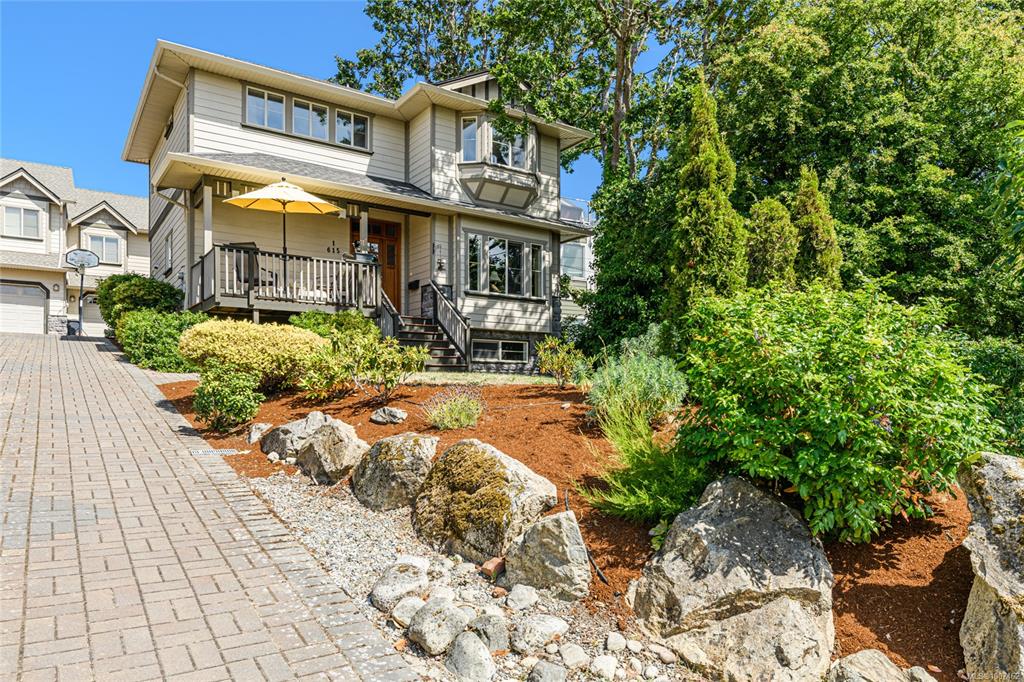
Investment opportunities in Victoria remain strong because the city combines lifestyle demand with long-term housing pressure. Buyers are not just purchasing property. They are building income flexibility and future security. Victoria benefits from government employment, post-secondary institutions, and steady in-migration. As a result, rental demand stays consistent even when sales volume shifts. Therefore, investors who focus on structure and cash flow often find durable returns. Secondary Suites: Built-In Income One of the most practical investment opportunities in Victoria is purchasing a home with a legal or conforming secondary suite. Suites offer: Mortgage support through rental income Higher qualification potential with lender-recognized income Flexibility for future family use Strong tenant demand However, zoning and municipal compliance matter. Before purchasing, confirm suite legality, ceiling height, fire separation, and parking requirements. In addition, review operating costs carefully. Insurance, utilities, and maintenance influence net return more than gross rent alone. Purpose Rentals and Long-Term Tenancies Some buyers focus strictly on rental property. Victoria’s rental market has experienced tight vacancy conditions for years. Although vacancy rates fluctuate, demand remains steady due to limited land supply and strong population stability. Investors typically consider: Condominiums near employment centres Townhomes appealing to families Detached homes with multiple rental streams Cash flow depends on purchase price, down payment, and financing structure. Therefore, investors should evaluate cap rate, maintenance reserves, and long-term appreciation potential before committing. A strong rental strategy balances income today with growth tomorrow. Multi-Generational Homes: Strategic Flexibility Another growing segment of investment opportunities in Victoria involves multi-generational homes. These properties support: Parents and adult children living together Shared mortgage responsibility Reduced childcare costs Long-term estate planning Unlike traditional rental models, multi-generational purchases often prioritize flexibility over maximum yield. Buyers may convert space later into a suite or separate living quarters. Because housing affordability remains a challenge in Greater Victoria, shared living arrangements continue to increase. As a result, homes with separate entrances, additional kitchens, or carriage-house potential often command strong interest. Key Considerations Before Investing Before pursuing investment opportunities in Victoria, ask: Is your priority cash flow or appreciation? Are you comfortable managing tenants? How stable is your financing structure if rates shift? Does the property allow future adaptability? Investing without a defined objective creates unnecessary risk. Clear strategy reduces emotional decisions. Long-Term Outlook Victoria remains land-constrained. Ocean boundaries and protected green space limit outward expansion. Consequently, supply growth stays measured. That constraint supports long-term value retention. However, investors must remain realistic. Short-term appreciation cycles vary. Rental regulations evolve. Financing costs shift. Successful investors plan for ten years, not twelve months. Final Thoughts Investment opportunities in Victoria extend beyond traditional rental condos. Suites, income properties, and multi-generational homes create layered strategies that combine lifestyle and financial planning. If you are evaluating an income property, start with a written objective. Then run realistic cash flow projections. Finally, compare long-term flexibility across property types. When strategy leads the purchase, Victoria continues to present compelling options. Doug F., 5-Star Review, via Google “I want to be honest with this evaluation: The way the sale/transaction/personal service of this Firm is 100%. They returned calls promptly, got me information when asked and even helped me move heavy furniture with a smile.” Faber Real Estate Group Royal LePage Coast Capital Realty 📞 250-244-3430 📧[email protected] ℹ️ Scott Faber Personal Real Estate Corporation ℹ️ Cal Faber Personal Real Estate Corporation Vanessa Wood, Zachary Parsons, and Sophie Taylor “Building Lasting Relationships, One Home at a Time.”
Read more