
Posts Tagged ‘how to sell your home’
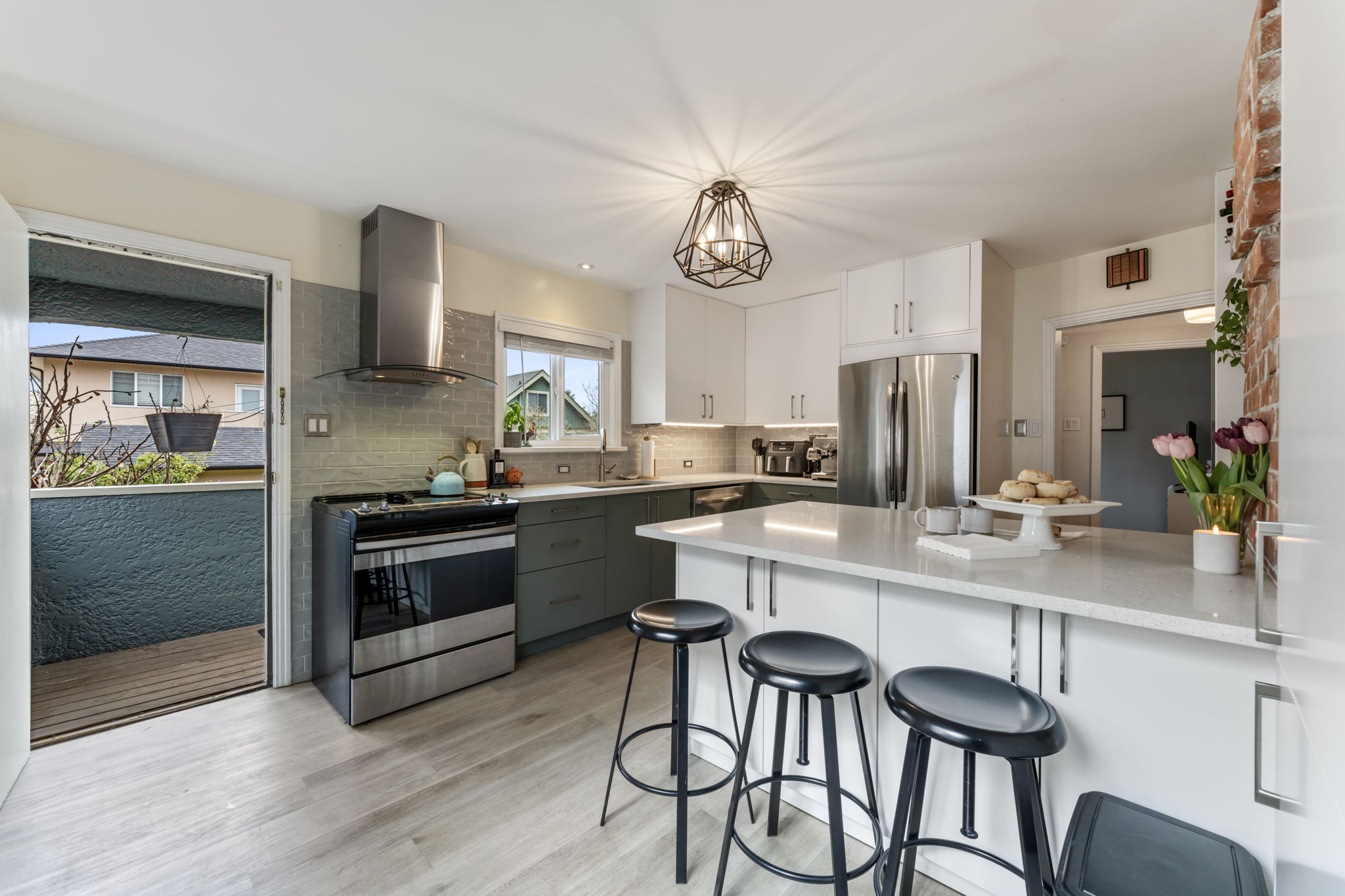
A price reduction strategy can feel uncomfortable for sellers. After all, no one lists their home hoping to lower the price later. However, in the right situation, a price reduction strategy is not a failure. It is a tool to reposition the listing, regain buyer attention, and move closer to a successful sale. In real estate, the market gives feedback quickly. Showings, online views, agent comments, competing listings, and offer activity all tell a story. When that feedback points in the same direction, adjusting the price can become one of the most practical decisions a seller can make. Pricing Is Not About Ego. It Is About Positioning. A home’s asking price does more than state what the seller hopes to receive. It places the property in a buyer’s comparison set. Buyers rarely look at one home in isolation. They compare your home against similar properties in the same price range, neighbourhood, building type, condition, and lifestyle category. That means your price needs to make sense beside the competition. If buyers are choosing other homes first, the issue may not be the home itself. It may be where the home is positioned in the market. For more on this, read our related post: How Competing Listings Affect Your Home Sale Strategy. A Price Reduction Can Create New Momentum Listings usually receive the most attention when they first hit the market. Buyers notice the new listing, agents review it, and online activity tends to be strongest early on. If a home sits without meaningful activity, the listing can start to feel stale. A thoughtful price adjustment can change that. It can: Bring the property into a new buyer search range Re-engage buyers who previously passed on it Encourage agents to revisit the listing with their clients Improve perceived value compared to competing homes Create urgency before the listing loses more momentum The goal is not simply to reduce the price. The goal is to reposition the home where buyers see stronger value. The Market Is Giving You Information A lack of offers does not always mean buyers dislike the home. Sometimes, it means buyers like the home but not enough at the current price. This is an important distinction. If buyers are booking showings but not writing offers, they may be comparing your property to others and choosing better perceived value elsewhere. If buyers are not booking showings at all, the listing may be missing the right audience because of price, presentation, exposure, location, condition, or buyer expectations. Either way, the market is giving you information. The key is to respond strategically rather than emotionally. When a Price Reduction Makes Sense A price reduction may be worth considering when several signs appear together. For example: Showings have slowed or stopped Online views are not turning into appointments Buyers are giving similar feedback Competing listings offer more value Similar homes have sold while yours remains active The home has been on the market longer than expected No serious offers have come in Market conditions have shifted since listing One of these signs alone may not be enough. However, when several point in the same direction, it may be time to adjust. A Small Reduction Is Not Always the Best Move Sometimes sellers want to make a small reduction because it feels safer. However, a price adjustment needs to be meaningful enough to change buyer behaviour. A minor reduction may not move the listing into a new search bracket or make it feel more competitive. For example, if a buyer is searching up to $900,000, a property listed at $914,900 may not appear in their search. A strategic adjustment could place the home in front of a different pool of buyers. This is why pricing should be reviewed with both psychology and search behaviour in mind. A good price reduction is not random. It should be based on buyer activity, competing listings, recent sales, and where the next group of serious buyers is likely searching. Timing Matters The longer a listing sits, the harder it can be to regain momentum. That does not mean every home needs an immediate price reduction. Some properties need more time because they are unique, luxury, rural, tenant-occupied, or suited to a smaller buyer pool. However, if the data is clear, waiting too long can work against the seller. A well-timed adjustment can help protect the listing from becoming stale. It also shows the market that the seller is realistic and motivated, without appearing desperate. A Price Reduction Should Be Paired With a Marketing Refresh A price change is stronger when it comes with a fresh strategy. That may include: Updating listing remarks Reordering photos Refreshing social media promotion Highlighting a different buyer benefit Re-engaging agents who showed the property Reviewing staging or presentation Promoting new open house activity Comparing the home against newly listed competition A price reduction should not happen quietly in the background. It should be treated as a new opportunity to tell the property’s story. For more on how presentation affects buyer response, read: How Small Improvements Can Help a Home Feel More Marketable. Price Reductions Can Protect the Final Sale Price It may sound counterintuitive, but a strategic price reduction can sometimes protect a seller from a larger loss later. If a home remains overpriced for too long, buyers may start to assume there is less demand or that the seller is unrealistic. Over time, this can lead to lower offers, longer carrying costs, and more negotiation pressure. A timely adjustment can help bring the listing back into alignment before the market discounts it further. The goal is not to chase the market down. The goal is to stay close enough to buyer expectations that the home remains competitive. The Right Price Builds Confidence Buyers want to feel confident when they write an offer. If a property feels overpriced, buyers may hesitate. They may wait. They may choose a competing home. Or, they may write an aggressive offer that creates tension before negotiations even begin. When a property is priced well, buyers are more likely to act. A strong price creates clarity. It helps buyers understand the value, compare the home fairly, and feel more comfortable moving forward. It Is Not a Setback. It Is a Decision. A price reduction can feel personal, but it should be viewed through a strategic lens. The question is not, “Did we fail at the first price?” The better question is, “What is the market telling us, and how do we respond?” When sellers treat pricing as part of the strategy, they make better decisions. They stay objective. They reduce guesswork. Most importantly, they keep the focus on the final goal: selling well in the current market. Final Thoughts A price reduction strategy is not always a setback. In many cases, it is a smart response to real market feedback. The best pricing decisions come from a clear review of showing activity, buyer comments, competing listings, recent sales, and current market conditions. When the adjustment is well-timed and paired with strong marketing, it can help a listing regain attention and move toward a successful sale. If you are selling a home in Greater Victoria and wondering whether your current price is helping or holding back your listing, Faber Real Estate Group can help you review the full picture and build a strategy that fits today’s market. Brett Hayward, 5-Star Review, via Google “I can’t suggest how to make Fabers better at being good realtors. They’re already congenial, trustworthy, informed, experienced, and thorough. Cal listened and advised, and somewhere in the middle he said what the condo would sell for and he was right on. Thanks!” Faber Real Estate Group Royal LePage Coast Capital Realty 📞 250-244-3430 📧 [email protected] ℹ️ Scott Faber Personal Real Estate Corporation ℹ️ Cal Faber Personal Real Estate Corporation Vanessa Wood, Zachary Parsons, and Sophie Taylor “Building Lasting Relationships, One Home at a Time.”
Read more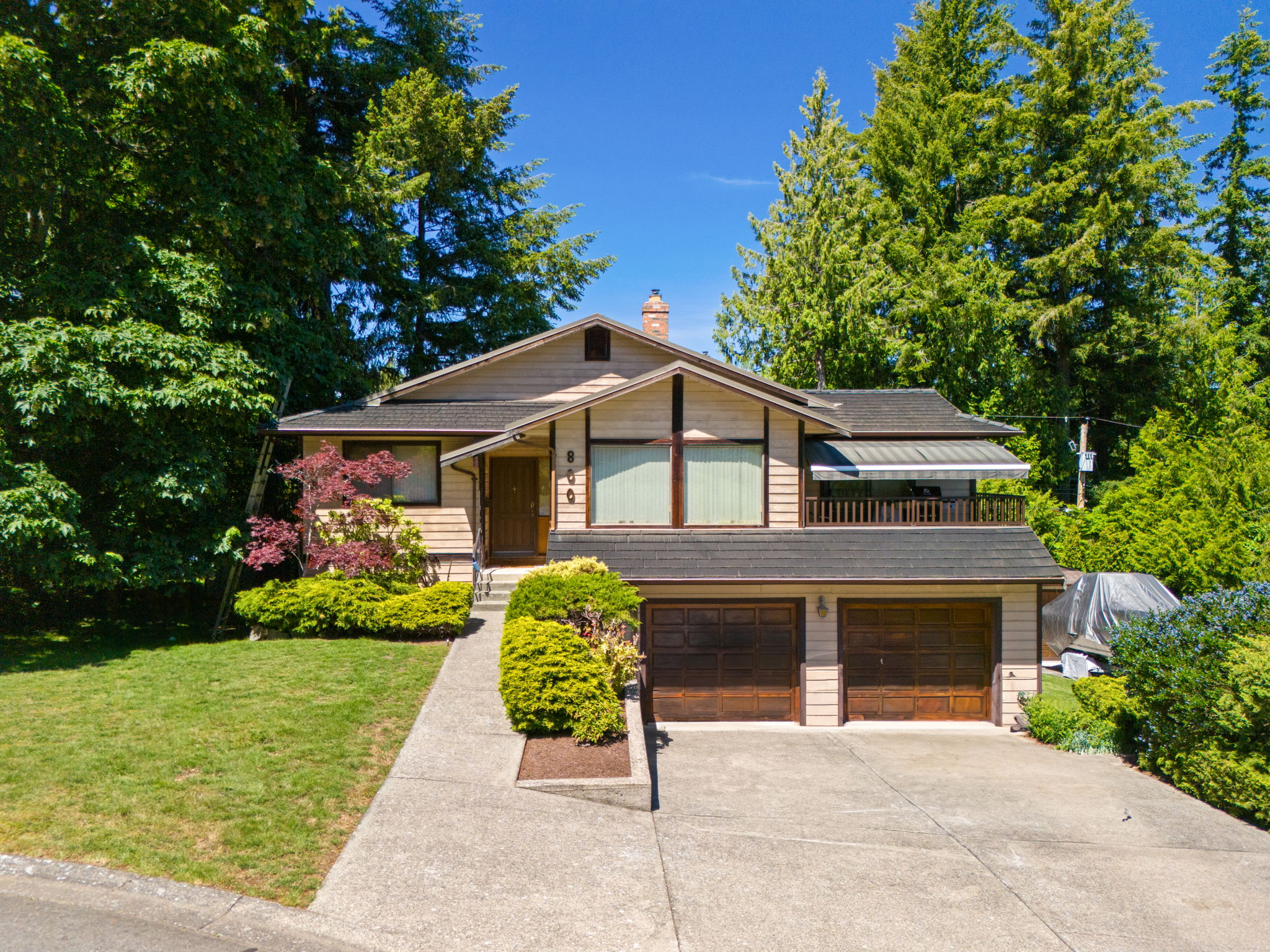
Should you accept the first offer on your home? Many sellers ask this because it feels risky to accept quickly, but it can also feel risky to wait. The truth is that whether you should accept the first offer on your home depends less on timing and more on the quality of the offer, current market conditions, and your overall goals. Many sellers assume the first offer must be low. That is not always true. In fact, the first offer is often one of the strongest because serious buyers are watching new listings closely and are ready to act when the right property appears. Why the First Offer Can Be Strong When a home first hits the market, it gets the most attention. New listings create urgency. Buyers who have been waiting for the right fit often book showings quickly and move fast if the property matches what they want. These buyers are usually well prepared. They may already have financing lined up, understand values in the area, and know they need to act before competition grows. That means the first offer is not always a lowball offer. Sometimes it is the market giving you a direct answer right away. When It Makes Sense to Accept the First Offer The offer is at or near market value If the offer is strong relative to recent comparable sales, it deserves serious attention. Sellers can get into trouble when they reject a very good offer simply because it came too soon. A strong first offer often means: The buyer understands the market Your pricing strategy was effective Your home made a strong first impression If the price and terms align with your goals, waiting just for the sake of waiting may not improve the outcome. The terms are clean and favourable Price is important, but terms matter too. A first offer may be worth accepting if it includes: A solid deposit Reasonable dates Fewer conditions A buyer who appears motivated and qualified Sometimes the best offer is not the highest number. A slightly lower offer with better terms can create a smoother and more certain sale. The market is balanced or slower In a market where buyers have more choice, a strong early offer can be especially valuable. If there are many competing listings, passing on a good offer can mean sitting on the market longer and losing momentum. The longer a listing sits, the more buyers start asking why. Your goals favour certainty Some sellers prioritize predictability over squeezing out every possible dollar. You may want to accept the first offer if: You need to line up another purchase You have a specific move date You want to reduce stress and uncertainty You prefer a clean transaction over extended negotiation In these cases, certainty can be just as valuable as price. When It Makes Sense to Wait Showing activity is strong If you have multiple showings booked, strong open house traffic, or positive feedback right away, there may be reason to hold off briefly and see if more interest turns into stronger offers. This is especially true if the home is newly listed and buyers have not yet had enough time to view it. The offer is clearly below market expectations If the first offer is noticeably below what comparable sales support, waiting may make sense. This is often the case when a buyer is trying to secure the property before other buyers see it. That does not mean you should reject it without thought. It may still be worth countering. However, a weak first offer does not mean it is your best opportunity. Your home is likely to attract competition Some homes naturally generate more demand: Well priced properties Move-in ready homes Properties in sought-after neighbourhoods Homes with unique features or strong presentation If your home fits that description, your agent may recommend setting an offer review date rather than responding immediately. Your pricing strategy was designed to drive urgency Sometimes sellers intentionally list at a sharp, competitive price to attract attention and increase traffic. If that is the strategy, then waiting a short period for broader market response may be part of the plan from the start. In that situation, the first offer is only one part of the bigger picture. Signs the First Offer Deserves Serious Respect Sellers often regret dismissing the first offer too quickly. Here are a few signs that the first offer may actually be your best one: It comes quickly after listing It is close to asking price or above The buyer appears informed and motivated The terms are favourable There is no clear evidence that stronger offers are coming A good offer early on usually means your home connected with the right buyer at the right time. The Risk of Waiting Too Long Waiting can work, but it also has a cost. When a home sits on the market longer than expected, buyers can start to assume: The home is overpriced The seller is difficult Something is wrong with the property There is room to negotiate more aggressively This is why momentum matters. The first week or two on market is often when your listing has the most energy, attention, and leverage. Rejecting a strong first offer without a clear reason can weaken your position later. The Right Question to Ask Instead of asking, “Is it too soon to accept?” the better question is, “How does this offer compare to what the market is likely to deliver?” That shift matters. A strong selling strategy is not built around emotion or timing myths. It is built around: Current comparable sales Level of buyer demand Listing activity in your price range Strength of price and terms Your own timing and priorities Final Thought There is no rule that says you should always accept the first offer, and there is no rule that says you should always wait. The best decision depends on the strength of the offer and the context around it. Sometimes the first offer is the best offer. Sometimes patience pays off. The key is knowing the difference before emotion takes over. If you are planning to sell and want help deciding when to accept the first offer on your home and when to wait, contact Faber Real Estate Group for strategic advice tailored to your property and goals. Thiago D., 5-Star Review, via Google “Their ready availability, communication, and support were key to getting our new place. I cannot recommend Scott and his team more.” Faber Real Estate Group Royal LePage Coast Capital Realty 📞 250-244-3430 📧[email protected] ℹ️ Scott Faber Personal Real Estate Corporation ℹ️ Cal Faber Personal Real Estate Corporation Vanessa Wood, Zachary Parsons, and Sophie Taylor “Building Lasting Relationships, One Home at a Time.”
Read more