
Posts Tagged ‘Housing affordability’
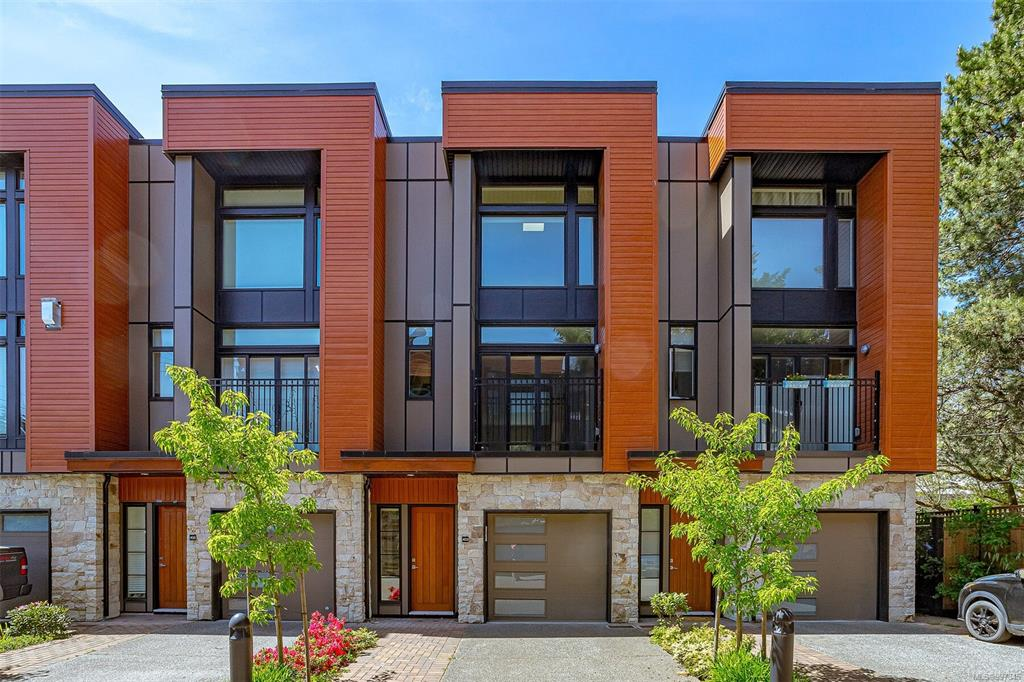
Greater Victoria continues to evolve as population growth, housing demand, and infrastructure investment shape how the region develops. Understanding where future growth is planned can help buyers, homeowners, and investors make informed long term decisions. Westshore Communities The Westshore remains one of the primary growth areas in Greater Victoria. Langford and Colwood continue to see new residential communities, mixed use developments, and commercial expansion. Planned infrastructure improvements, additional schools, and expanding amenities support continued population growth while improving livability. These areas attract buyers seeking newer housing options, relative affordability, and access to both urban convenience and outdoor recreation. Urban Core and Transit Oriented Growth In the City of Victoria and surrounding core municipalities, growth is increasingly focused on higher density development near major transit routes and employment centres. Condos, purpose built rentals, and mixed use projects are planned to support housing demand while limiting urban sprawl. Transit oriented growth helps improve walkability, reduce commute times, and create complete communities where residents can access daily needs without relying heavily on vehicles. Saanich and Established Neighbourhood Intensification Saanich plays a key role in Greater Victoria’s future growth through targeted intensification rather than large scale expansion. Development is often focused along major corridors, village centres, and underutilized commercial areas. This approach allows established neighbourhoods to evolve gradually while preserving community character and improving access to housing close to schools, services, and parks. Infrastructure and Employment Hubs Future growth is closely tied to infrastructure investment and employment centres. Improvements to transportation networks, health care facilities, post secondary institutions, and commercial districts influence where housing demand will remain strong. Areas that combine residential growth with nearby employment opportunities tend to offer stronger long term stability and reduced commuting pressure. Long Term Planning and Livability Across Greater Victoria, growth is guided by official community plans that emphasize sustainability, housing diversity, and livability. Green space preservation, improved transportation options, and community amenities are key priorities as municipalities plan for the future. Understanding these long term plans helps buyers choose areas that align with both lifestyle goals and future value. Brett Hayward, 5-Star Review, via Google “I can’t suggest how to make Fabers better at being good realtors. They’re already congenial, trustworthy, informed, experienced, and thorough. Cal listened and advised, and somewhere in the middle he said what the condo would sell for and he was right on. Thanks!” Faber Real Estate Group Royal LePage Coast Capital Realty 📞 250-244-3430 📧[email protected] ℹ️ Scott Faber Personal Real Estate Corporation ℹ️ Cal Faber Personal Real Estate Corporation Vanessa Wood & Zachary Parsons “Building Lasting Relationships, One Home at a Time.”
Read more
Housing affordability continues to be a central topic for buyers, sellers, and policymakers in Greater Victoria. With a diverse range of neighbourhoods and property types from condos and townhomes to single‑family homes, affordability trends vary across the region. Understanding these patterns helps prospective buyers set realistic expectations and allows homeowners to plan strategically in a shifting market. Sales Prices vs Buyer Income One common measure of affordability compares typical home prices to local household incomes. In Greater Victoria, median home prices for detached houses have historically exceeded provincial and national averages, making ownership of traditional single‑family homes less attainable for some households. Condominiums and townhomes generally provide more accessible entry points, but even these segments can present challenges when demand rises. Impact of Interest Rates Mortgage interest rates play a major role in affordability. When rates are higher, monthly carrying costs increase even if sale prices stabilize. Conversely, more favourable financing conditions can enhance affordability by increasing buyers’ purchasing power. In 2025 and into 2026, shifts in interest rates have influenced buyer decisions, with some buyers choosing to remain patient or explore alternative housing types. Inventory and Buyer Options Inventory levels directly affect affordability. Limited supply can tighten competition and support higher prices, while increased listings can offer buyers more choice and negotiating flexibility. Greater Victoria’s seasonal patterns can lead to fluctuating inventory, with spring often bringing more listings than winter, which may ease affordability pressures at certain times of the year. Neighbourhood and Housing Type Variations Affordability trends vary widely across neighbourhoods. Areas with higher demand, such as central Victoria, Oak Bay, and select Westshore pockets, often command premium pricing, while more peripheral or up‑and‑coming communities can offer relatively lower entry points. Housing type also matters: smaller condos and townhomes remain key pathways for many first‑time and move‑down buyers. Rental Market Influence Rental affordability also shapes overall housing dynamics. In markets with tight rental conditions, more households may seek to purchase, further influencing demand and pricing patterns. Conversely, balanced rental markets can provide a viable alternative for buyers who are priced out of home ownership in the short term. Policy and Incentives Government policies and incentives, including first‑time buyer programs, tax treatments, and development approvals play a role in shaping affordability. Local and provincial initiatives aimed at supporting buyers and encouraging diverse housing supply can influence market conditions over time. Looking Ahead Greater Victoria’s housing market continues to evolve. For buyers, understanding affordability in the context of price trends, interest rates, neighbourhood characteristics, and available inventory is essential. Sellers can benefit from insight into which housing segments are attracting interest and how affordability influences buyer behaviour. Working with a knowledgeable real estate professional can help you interpret these trends and apply them to your personal goals, whether you are entering the market for the first time, moving within the region, or planning ahead. Justine D., 5-Star Review, via Google “We did not just gain a realtor, but a friend. If you are looking for a realtor you can TRUST, and will look out for YOUR interests— then Cal and Scott are IT!!! I would recommend them to anyone looking to buy a home on the Island. I should also mention that Cal negotiated an amazing price on the purchase of our home and made sure if something was not right when we took possession that it would be taken care of. Cal and Scott and realtors with integrity and kindness. ” Faber Real Estate Group Royal LePage Coast Capital Realty 📞 250-244-3430 📧[email protected] ℹ️ Scott Faber Personal Real Estate Corporation ℹ️ Cal Faber Personal Real Estate Corporation Vanessa Wood, Zachary Parsons, and Sophie Taylor “Building Lasting Relationships, One Home at a Time.”
Read more
Across Canada multi‑generational living is becoming more than just a trend. Families are increasingly choosing homes that can accommodate multiple generations under one roof or on one property. This shift reflects both economic realities and evolving lifestyle preferences. What Is a Multi‑Generational Home? A multi‑generational home is a residence where two or more adult generations, such as grandparents, parents, and children live together. This arrangement can take the form of a single large dwelling, a main house with a secondary suite, or adjacent units like a laneway home or coach house, offering both shared and private spaces. Growing Numbers Across Canada Multigenerational households are among the fastest‑growing household types in Canada. According to census data, the number of multi‑generational households has risen significantly over recent decades, growing faster than other household types and reflecting an increase in families choosing to share living space. Why the Trend Is Taking Hold Several key factors are driving the rise of multi‑generational homes in Greater Victoria and beyond: Affordability and Shared Costs High home prices and rising costs in Greater Victoria make homeownership a challenge for many families, particularly younger buyers. Multi‑generational living allows families to pool financial resources, share mortgage costs, and spread living expenses across more adults. This shared approach can make it easier to own a quality home in the region. Supportive Family Networks Living together can strengthen family support systems. Grandparents can help with childcare, while adult children can assist aging parents. This arrangement can reduce the cost of external services like daycare or long‑term care and foster deeper family connections. Flexible Home Design and Zoning Changes British Columbia has introduced legislative changes that make it easier for municipalities to allow secondary suites, laneway homes, and other small‑scale multi‑unit housing on single‑family lots, supporting families seeking flexible living spaces. Cultural and Lifestyle Preferences Multi‑generational living is common in many cultures and offers social and emotional benefits. Families value the opportunity to maintain close bonds while having private areas within the home, a balance between independence and togetherness. What This Means for Greater Victoria’s Real Estate The demand for multi‑generational homes is influencing both renovations and new construction in the region: Renovations and Secondary Suites: Homeowners are increasingly renovating to add in‑law suites, separate entrances, and flexible living spaces that accommodate extended family members. Laneway and Backyard Homes: Property owners are exploring laneway or coach homes on their lots, creating nearby living space for adult children or older parents while maintaining a degree of independence. Larger Family Homes: Properties with additional bedrooms, separate living areas, or adaptable floor plans often attract multi‑generational buyers, which can influence pricing and demand in certain segments of the market. Looking Ahead As housing costs and family dynamics continue to shape how people live, multi‑generational homes are likely to remain a meaningful part of the Greater Victoria real estate landscape. Whether driven by financial strategy, caregiving needs, or a desire for close family connections, this trend supports diverse housing needs and reflects how families are adapting to today’s market conditions. If you are considering purchasing, renovating, or designing a home for multi‑generational living, consulting with a local real estate professional can help you understand options that meet your family’s needs and maximize long‑term comfort and investment value. Shandy B., 5-Star Review, via Google “Cal and Scott are exceptional realtors. We sold our beloved home with their help. They helped us price competitively and fairly, leading to a fast house sale in a slower market, as well as receiving more than we had hoped for the sale of our home. They were accommodating and respectful of our family needs, and helped us show our home in the best way possible. We felt like a priority every step of the way. The are honest and trustworthy! All the stars for the Faber group” Faber Real Estate Group Royal LePage Coast Capital Realty 📞 250-244-3430 📧[email protected] ℹ️ Scott Faber Personal Real Estate Corporation ℹ️ Cal Faber Personal Real Estate Corporation Vanessa Wood, Zachary Parsons, and Sophie Taylor “Building Lasting Relationships, One Home at a Time.”
Read more
After a period of uncertainty, improved interest rate stability is bringing renewed confidence to the Greater Victoria real estate market. Many buyers who had paused their plans are now re-entering the market, particularly in the entry-level and mid-range price points. This renewed activity is helping create a healthier balance between buyers and sellers after a quieter stretch. With rates holding steadier, buyers are better able to plan their finances and understand what they can comfortably afford. More predictable borrowing costs allow purchasers to focus on long-term goals rather than short-term fluctuations. We are seeing increased activity in areas such as the Westshore, Saanich West, and Esquimalt, where value, lifestyle, and commuting options continue to align well for a wide range of buyers. Although current interest rates remain higher than the historic lows of recent years, buyer expectations have begun to adjust. Many are recognizing that waiting for the perfect market conditions may mean missing out on the right home. Instead, buyers are prioritizing finding a property that fits their needs today, with the understanding that refinancing options may become available in the future. This shift in mindset has resulted in more thoughtful and strategic offers that balance price, conditions, and flexibility. We are also seeing buyers approach the process with greater preparation. Preapprovals, realistic budgeting, and clear must-have lists are helping them move confidently when the right opportunity arises. This has led to stronger competition for well priced and well-presented homes, even as overall inventory improves. For sellers, increasing buyer confidence means that homes priced appropriately for current market conditions are seeing solid interest. Properties that are well prepared, professionally marketed, and aligned with buyer expectations continue to perform best. Presentation, pricing, and timing remain critical, and sellers who focus on these fundamentals are well-positioned for a successful sale in today’s Greater Victoria market. Shannon Rehsler, 5-Star Review, via Google “It was a pleasure to work with Scott Faber and Faber Real Estate Group. When I started looking for my first home in August 2021, I had some pretty specific requirements. Scott is a really knowledgeable Agent who also took the time to understand what I was looking for. I never felt pressured into making a decision that wasn't my own, but always valued his honest opinion and guidance when needed.” Faber Real Estate Group Royal LePage Coast Capital Realty 📞 250-244-3430 📧[email protected] ℹ️ Scott Faber Personal Real Estate Corporation ℹ️ Cal Faber Personal Real Estate Corporation Vanessa Wood & Zachary Parsons “Building Lasting Relationships, One Home at a Time.”
Read more
When buying a home in Greater Victoria, it is easy to focus on the mortgage payment and overlook additional ownership costs. Two of the most important expenses to understand are property taxes and, for condos or townhomes, strata fees. Knowing how these costs work helps buyers budget accurately and avoid surprises after possession. Property Taxes Explained Property taxes are annual fees paid to municipalities and school districts based on the assessed value of a property. In Greater Victoria, these taxes support essential services such as schools, road maintenance, parks, and emergency services. Tax amounts vary depending on location, property type, and assessed value. For example, homes in areas like Oak Bay or Cadboro Bay often carry higher property taxes than those in Langford or Colwood, largely due to differences in assessed values and municipal budgets. Many homeowners choose to pay property taxes through automatic payments or include them with their mortgage to simplify budgeting. Understanding expected taxes upfront helps ensure homeownership costs remain manageable. Understanding Strata Fees Buyers considering a condo or townhome will also need to factor in monthly strata fees. These fees contribute to shared expenses within the building or community and typically include: Maintenance of common areas Building insurance Contributions to the reserve fund for future repairs Utilities in some cases Strata fees vary widely. Buildings with amenities such as gyms, elevators, or rooftop spaces often have higher fees. Older buildings may have lower monthly fees but can face larger repair projects over time. Buyers should also be aware of special assessments, which are one time charges for major or unexpected repairs. Reviewing the strata minutes and depreciation report before purchasing provides valuable insight into the building’s financial health. Budgeting for the Full Cost of Ownership Property taxes and strata fees play a significant role in overall affordability. Detached homes typically carry higher property taxes but no strata fees. Condos and townhomes may offer lower purchase prices, but monthly strata fees can meaningfully impact long term costs. We always encourage buyers to look beyond the mortgage payment and consider total monthly and annual expenses when comparing properties. Final Thoughts Understanding property taxes and strata fees is essential when buying a home in Greater Victoria. These costs are part of responsible homeownership and support well maintained communities and shared services. With the right guidance and preparation, buyers can make confident decisions and choose a home that fits both their lifestyle and long term budget. Lou N., 5-Star Review, via Google “Scott is a knowledgeable, professional, dedicated and thorough expert in his field. Excellent at what he does and we couldn't have found a better realtor to guide us through one of the most important decisions in our lives.” Faber Real Estate Group Royal LePage Coast Capital Realty 📞 250-244-3430 📧[email protected] ℹ️ Scott Faber Personal Real Estate Corporation ℹ️ Cal Faber Personal Real Estate Corporation Vanessa Wood & Zachary Parsons “Building Lasting Relationships, One Home at a Time.”
Read more
Langford vs. Colwood: Which West Shore Community Should You Choose? Choosing where to live in Greater Victoria isn’t just about picking a location, it’s about understanding the long-term trajectory of that community, how it aligns with your lifestyle, and how your investment will perform over time. This choice becomes especially interesting in the West Shore, where Langford and Colwood sit side by side but offer very different opportunities. As a team that studies this market daily and advises clients at every stage of their real estate journey, we can tell you this: There is no one-size-fits-all answer, but there is a smart answer for you. Langford: Dynamic, Ambitious, and Rapidly Evolving If Greater Victoria had a “future skyline,” it would be Langford. This is the region’s fastest-growing area, and it’s not by accident. Langford’s city planning is bold, aggressive, and intentionally growth-focused. The result? An environment where development is encouraged, housing variety is immense, and amenities are expanding at lightning speed. What Langford Offers: A huge variety of housing: condos, townhomes, duplexes, modern single-family homes, and estate-style living on Bear Mountain. Newer infrastructure: schools, parks, sports facilities, and commercial hubs built with today’s families in mind. A younger demographic that brings energy, innovation, and demand for modern conveniences. Ongoing investment potential as density increases and demand continues year after year. Langford is ideal for people who want to be at the center of growth and buyers who understand that where a city is going matters more than where it has been. Colwood: Scenic, Established, and Quietly Prestigious Colwood, on the other hand, offers a completely different tone. It’s more mature, more settled, and more focused on preserving quality of life than pushing rapid development. With beaches, forested neighbourhoods, and iconic landmarks like Hatley Castle, Colwood has a character that feels both timeless and grounded. Why Colwood Appeals: Stable, high homeownership: neighbourhoods where people put down roots. Spacious suburban living with larger lots and quieter streets. A strong family-friendly identity, ideal for long-term planning. Beautiful natural environments, including trails, waterfront access, and green space. Colwood is not trying to be the next big city, it’s trying to be an exceptional place to live. For many buyers, that’s exactly what they want. The Commute Reality Let’s be honest: if you’re commuting downtown daily, the “Colwood Crawl” is real. Langford and Colwood both feel the impact, but Langford’s infrastructure investments and more central positioning within the West Shore give it a slight edge for mobility and access. If you work from home or don’t commute often, both cities are great options. If daily commuting is part of your life, the slight differences may matter. Lifestyle Comparison: Which City Fits Your Personality? Think of it like this: Choose Langford if you want: Modern amenities Rapid growth and rising long-term value A mix of housing types A vibrant, youthful energy Walkable urban-style pockets blended with nature Choose Colwood if you want: Peaceful, established neighbourhoods Scenic beauty front and center More space and privacy Stability and long-term community A slower, more relaxed pace Investment Outlook From an investment perspective, this is where expertise truly matters. Langford offers strong appreciation potential due to ongoing development, increasing density, and continuous buyer demand. Colwood offers long-term stability, strong community appeal, and the kind of neighbourhood consistency that supports sustained property value. If you’re thinking like an investor, Langford is the growth play.If you’re thinking like a long-term resident, Colwood is the lifestyle play. Both are smart, but the right one depends on your goals. The Best Choice Is the One That Matches Your Future Moving isn’t just a financial decision, it’s a lifestyle decision. The smartest choice happens when you understand not only what a community is today, but where it’s going tomorrow. That’s where we come in. If you’re deciding between Langford and Colwood, we can help you read the trends, understand the neighbourhoods, and choose the location that positions you for the life and investment you want. When you’re ready, we’ll show you exactly where your next smart move should be. Faber Real Estate Group Royal LePage Coast Capital Realty 📞 250-244-3430 📧[email protected] ℹ️ Scott Faber Personal Real Estate Corporation ℹ️ Cal Faber Personal Real Estate Corporation Vanessa Wood & Zachary Parsons "Building Lasting Relationships, One Home at a Time."
Read more